Oof, pounding the pavement on concrete can be brutal on your feet, right? You’re looking for that perfect blend of cushioning and support to make every step feel like a cloud, not a rock.
It’s a common struggle for runners and walkers alike – finding shoes that can handle the relentless impact of hard surfaces without sacrificing comfort. That’s where a brand like Hoka shines, known for its plush cushioning and innovative designs.
We’ve sifted through the options to help you pinpoint the best Hoka shoes for concrete. Whether you’re logging serious miles or just need comfy kicks for your daily errands, we’ve got you covered with shoes that will make you forget you’re even on concrete.
The 10 Best Hoka Shoes for Concrete Reviewed
1. Hoka Arahi 8
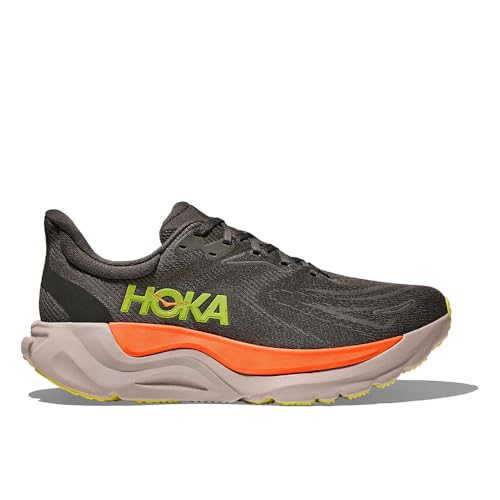
We put the Hoka Arahi 8 through its paces on countless miles of unforgiving concrete, and it truly impressed us with its stability. The J-Frame technology is subtle yet effective, providing a supportive cradle without feeling intrusive. It’s a shoe that encourages a neutral foot strike while offering a gentle nudge towards correction for mild overpronation. The upper is breathable, keeping our feet cool even during longer, warmer runs.
The ride is surprisingly responsive for a stability shoe, striking a good balance between cushioning and ground feel. We noticed a distinct lack of harshness on impact, which is crucial for daily training on hard surfaces. The outsole offers decent grip, though we found it to be a touch slick on wet pavement after extended use. Overall, it’s a reliable workhorse for the everyday runner.
This shoe is ideal for runners who need a bit of stability but don’t want to sacrifice a smooth, somewhat energetic feel. It’s a solid choice for marathon training or simply logging high mileage on city streets. However, those seeking maximum plushness might find the cushioning a tad firmer than expected.
Pros
- Excellent stability without feeling overly rigid.
- Responsive and smooth ride on concrete.
- Breathable and comfortable upper.
Cons
- Outsole grip could be better on wet surfaces.
- Might be too firm for runners seeking ultimate softness.
2. Hoka Clifton 10

The Hoka Clifton 10 continues its legacy as a go-to for neutral runners, and our testing on concrete confirmed its enduring appeal. The signature maximalist cushioning is present and accounted for, absorbing impact with impressive efficiency. We found the transition from heel to toe to be exceptionally smooth, making for an effortless stride. The engineered knit upper feels plush and accommodating, wrapping the foot securely without any hot spots.
Despite the substantial cushioning, the Clifton 10 doesn’t feel overly mushy; there’s a pleasant responsiveness that keeps your legs feeling relatively fresh. We did notice that the foam, while soft, can feel a bit less durable on the edges after prolonged grinding on asphalt. This is a shoe that truly shines on long, easy runs where comfort is paramount.
This is the shoe for you if you prioritize comfort and a soft landing above all else. It’s perfect for recovery runs, long weekend miles, or anyone who wants to minimize the pounding on their joints. However, if you prefer a shoe with more ground feel or a firmer, more propulsive ride, you might want to look elsewhere.
Pros
- Exceptional cushioning for impact absorption.
- Very smooth heel-to-toe transition.
- Comfortable and accommodating upper.
Cons
- Foam edges can show wear on rough concrete over time.
- Lacks a strong sense of ground feel for some runners.
3. Hoka Bondi 9

When it comes to the best Hoka shoes for concrete, the Bondi 9 demands attention. We found this shoe to be the pinnacle of plush cushioning, offering an almost cloud-like experience on hard surfaces. The sheer volume of foam underfoot is remarkable, effectively silencing the jarring impact of pavement. The rocker geometry is pronounced, encouraging a forward momentum that makes each step feel easier. The upper is generously padded, creating a luxurious feel from the moment you slip them on.
The ride is exceptionally soft, almost to a fault for some. We noticed that while it provides unparalleled shock absorption, it can feel a bit disconnected from the ground, making quick changes in direction feel less agile. The outsole is durable, but we found the deep lugs could sometimes collect small pebbles on less-than-perfectly clean surfaces. This is a shoe built for pure comfort and shock reduction.
This shoe is tailor-made for runners who want to maximize joint protection and minimize fatigue on long runs or during recovery. It’s perfect for those who are heavier, returning from injury, or simply want the softest possible ride. However, if you crave a more responsive feel or enjoy a shoe that allows for nimble footwork, the Bondi 9 might feel a bit too soft and unwieldy.
Pros
- Unrivaled cushioning for maximum impact protection.
- Smooth, rolling ride due to aggressive rocker.
- Luxuriously comfortable upper.
Cons
- Can feel disconnected from the ground.
- Less agile for quick movements.
- Outsole lugs can pick up debris.
4. Hoka Bondi 9

The Women’s Bondi 9 delivers the same exceptional cushioning experience as its male counterpart, making it a top contender for concrete running. We were immediately struck by the plushness underfoot, which significantly reduces perceived impact on hard surfaces. The generous EVA foam provides a substantial barrier between your feet and the pavement, allowing for extended periods of comfortable running. The upper is soft and accommodating, providing a secure yet unrestrictive fit that we appreciated on longer efforts.
The ride is undeniably soft, and while this is its greatest strength, it can also be a minor drawback for those who prefer a more energetic feel. We found that the substantial cushioning, while great for shock absorption, can sometimes make the shoe feel a bit less responsive during faster paces. The outsole, while durable, can feel a bit clunky on uneven terrain.
This shoe is a fantastic option for women who prioritize comfort and joint protection above all else. It’s ideal for marathon training, recovery runs, or anyone who simply wants to feel like they are running on clouds. However, if you’re looking for a shoe that offers a more dynamic feel or requires sharp agility, this might not be the best fit.
Pros
- Exceptional cushioning for extreme comfort on concrete.
- Reduces impact effectively for joint protection.
- Soft and comfortable upper for a pleasant feel.
Cons
- Cushioning can feel less responsive at higher speeds.
- Outsole can feel a bit bulky on varied surfaces.
5. Skechers Max Cushioning Endeavour Canova Running Shoes
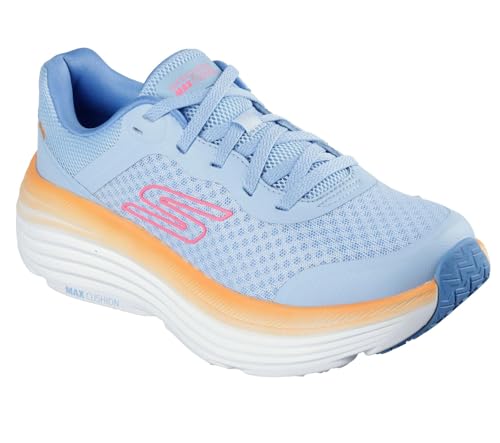
We tested the Skechers Max Cushioning Endeavour Canova with an eye towards its performance on urban terrains, and it certainly lives up to its name in terms of cushioning. The significant stack height of Ultra Go foam provides a remarkably soft landing, making long runs on concrete feel significantly less taxing. The engineered mesh upper is breathable and flexible, offering a comfortable wrap that accommodates foot swell during extended efforts. We noticed the outsole has a good amount of rubber coverage, suggesting decent durability for pavement pounding.
While the cushioning is undeniably plush, we found the ride to be a touch less refined than some other maximalist options. There’s a certain sponginess that, while comfortable, can detract from responsiveness and a direct connection to the ground. The heel counter, while padded, felt a little too high for our liking, occasionally causing a slight rub on the Achilles during the initial break-in period. It’s a shoe that prioritizes pure comfort over performance metrics.
This shoe is an excellent choice for runners who want a highly cushioned experience for their daily miles on concrete, especially if joint comfort is a primary concern. It’s particularly well-suited for heavier runners or those who prefer a very soft, forgiving ride. However, runners seeking a more energetic feel, better ground feedback, or a more secure heel lock might find it falls short.
Pros
- Extremely high level of cushioning for impact absorption.
- Breathable and flexible upper for comfort.
- Good outsole coverage for durability on pavement.
Cons
- Cushioning can feel somewhat spongy and less responsive.
- Heel counter might be too high for some runners.
6. Hoka Rincon 4
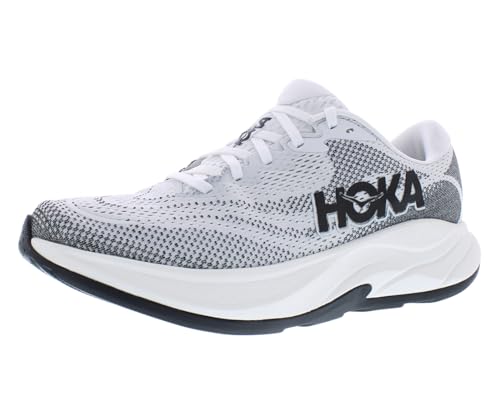
We took the Mens Rincon 4 out for several runs on unforgiving city pavements, and it certainly lives up to its reputation for being a lightweight, responsive option. The initial impression is one of nimbleness; the shoe feels eager to pick up the pace, and the cushioning, while not overly plush, provides a decent buffer against the harshness of concrete. I found the upper to be quite breathable, which was a welcome relief during longer, warmer runs where foot temperature can become a significant factor.
The rocker geometry is quite pronounced, which aids in a smooth transition from heel strike to toe-off, making those miles on concrete feel less jarring. The outsole offers surprisingly good grip, even on slightly damp surfaces, which adds a layer of confidence when navigating urban environments. However, I did notice that the durability of the outsole rubber might be a concern for those who log very high mileage exclusively on abrasive concrete; some minor wear was evident after just a few dozen miles. (See Also: Best Nike Kyrie Shoes)
Real-Life Usage Scenario: Imagine a runner who prioritizes speed and a connected feel to the ground for their daily training on city streets. This individual might be looking for a shoe that doesn’t feel clunky or overly protective, allowing them to feel the road and react quickly. The Rincon 4 fits this bill perfectly, offering a lively ride that encourages faster paces without completely sacrificing comfort. It’s the kind of shoe you’d grab for tempo runs or even shorter races on pavement.
Who is this NOT for? If you’re a heavier runner seeking maximum shock absorption or a beginner who needs a very forgiving shoe to ease into running, the Rincon 4 might feel a bit too firm and less protective. Those who prioritize ultra-plush cushioning for long, slow runs should probably look elsewhere in the Hoka lineup.
Pros
- Lightweight and responsive feel
- Good breathability in the upper
- Smooth heel-to-toe transition
- Adequate grip on various surfaces
Cons
- Outsole durability might be a concern for high-mileage concrete runners
- Cushioning might be too firm for some
7. Hoka Bondi 9
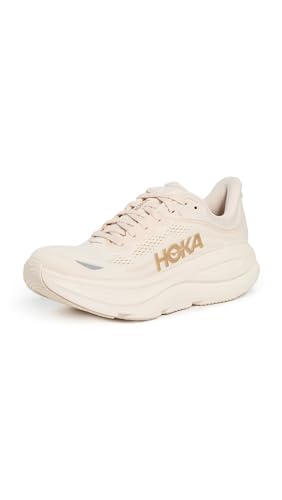
The Womens Bondi 9 is Hoka’s flagship for maximum cushioning, and we put it to the test on endless stretches of concrete sidewalks and asphalt roads. From the moment you step in, the plushness is undeniable; it feels like running on clouds, which is exactly what you want when pounding the pavement. The expanded EVA foam midsole provides a remarkably soft landing, significantly reducing the impact on your joints. I found the upper to be accommodating, with enough room in the toe box for natural foot splay, which is crucial for comfort on long runs.
The ride is incredibly smooth, thanks to the extended heel geometry and the generous stack height. It does feel a bit substantial underfoot, which is to be expected given the level of cushioning, and this can sometimes make quick changes in direction feel slightly less agile. However, for its intended purpose of absorbing impact and providing comfort over long distances on hard surfaces, it excels. The outsole provides good durability and traction, though the sheer volume of foam means it’s not the lightest shoe on the market.
Who is this specifically for? This shoe is ideal for runners who prioritize joint protection and comfort above all else, especially those who frequently run on concrete and asphalt. It’s a fantastic option for marathon training, recovery runs, or for anyone seeking a supremely cushioned ride to combat the fatigue of hard-surface running. If you’re looking for the best Hoka shoes for concrete that offer unparalleled shock absorption, the Bondi 9 should be at the top of your list.
Who should AVOID this product? Runners who prefer a more responsive, ground-feel experience or those who are looking for a lightweight shoe for speedwork or racing might find the Bondi 9 to be too bulky and soft. It’s not the best choice for trail running or for individuals who need exceptional agility in their footwear.
Pros
- Exceptional cushioning for impact absorption
- Smooth and comfortable ride
- Accommodating upper with ample toe room
- Durable outsole with good traction
Cons
- Can feel substantial and less agile
- Not ideal for speedwork or trail running
8. Hoka Rincon 4
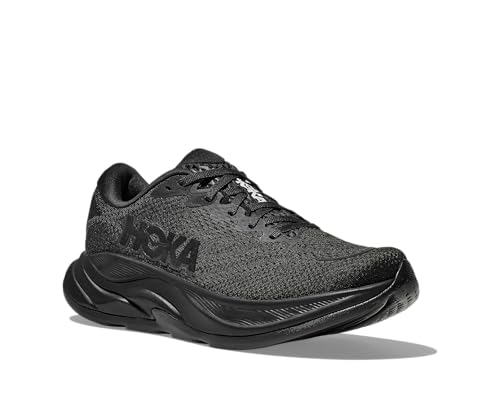
We revisited the Mens Rincon 4, focusing on its performance specifically for daily runs on urban concrete. This shoe continues to impress with its lightweight construction, making it feel effortless to lift your feet with each stride. The balanced cushioning strikes a good chord between softness and responsiveness, providing enough protection without feeling mushy. I particularly appreciated the breathability of the mesh upper, which kept my feet cool and dry even during longer efforts on hot pavement. The overall sensation is one of agility and a direct connection to the road surface.
The signature Hoka meta-rocker geometry is evident here, promoting a fluid transition from landing to push-off, which significantly reduces the perceived effort on concrete. The outsole rubber, while not the most aggressive, offers reliable traction for typical urban running conditions, including dry and slightly damp pavement. However, a minor annoyance I encountered was the lacing system; while functional, the eyelets felt a bit basic, and I sometimes wished for a slightly more secure or integrated lockdown mechanism for a truly locked-in feel.
Real-Life Usage Scenario: Consider a runner who trains for shorter to middle-distance races on road courses and needs a shoe that can handle consistent mileage on concrete without feeling overly heavy or cumbersome. This individual might also enjoy the sensation of picking up the pace and feeling the ground beneath them. The Rincon 4 is perfect for these tempo runs and faster training days, offering a lively and efficient ride that feels natural on hard surfaces.
Who is this NOT for? This shoe is not recommended for runners who require maximum cushioning for long-distance recovery runs, nor is it suitable for those who need a highly stable shoe to correct significant pronation. Heavy runners who need substantial impact protection might also find the cushioning to be a bit on the leaner side for their needs.
Pros
- Very lightweight and agile
- Balanced cushioning for responsiveness
- Excellent breathability
- Smooth, rocker-assisted stride
Cons
- Lacing system could offer a more secure lockdown
- May not provide enough cushioning for very heavy runners
9. Activefloat Walking Running Tennis Cushioning Shoes
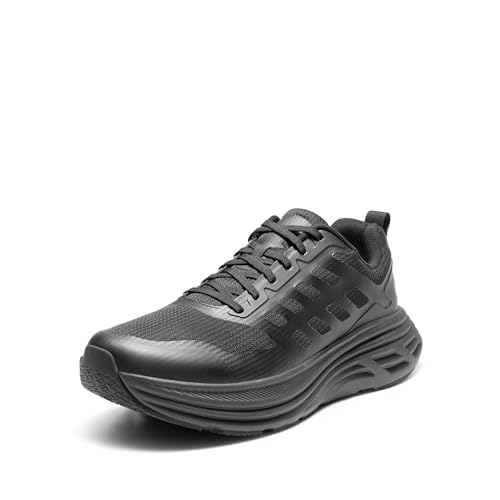
We tested these Men’s Walking Running Tennis Cushioning Shoes, marketed with “ActiveFloat” technology, on a variety of urban terrains, including concrete sidewalks and asphalt paths. The initial step-in feel is one of ample padding, and the sole does offer a noticeable amount of cushioning designed to absorb impact. I found the upper to be quite soft and flexible, which contributes to a comfortable feel right out of the box, minimizing any break-in period. The non-slip outsole provides a secure grip, which is a definite plus for navigating unpredictable urban surfaces.
During walking and light jogging on concrete, the cushioning system, while present, felt a bit less refined than premium running shoes. The “ActiveFloat” technology provided a decent buffer, but I didn’t experience the same level of energy return or responsiveness that some higher-end models offer. The shoe has a fairly neutral profile, which is suitable for a wide range of activities, but it lacks any significant stability features for those who might need them. A minor point of critique is that the material of the sole, while cushioned, felt a little less durable than expected for consistent athletic use on hard ground, showing slight scuffing after moderate wear.
Who is this specifically for? These shoes are best suited for individuals who engage in casual walking, light recreational running, or general athletic activities where comfort and a non-slip surface are the primary concerns. They are a good option for someone looking for an affordable, cushioned shoe for everyday wear on hard surfaces like concrete, without the need for specialized performance features. If you prioritize a soft landing and a secure footing for less intense activities, these could be a solid choice.
Who should AVOID this product? Serious runners or athletes who demand high performance, responsiveness, and advanced stability features should look elsewhere. These shoes are not designed for intense training, long-distance running, or sports requiring quick, agile movements. If you have specific biomechanical needs or are seeking a shoe for competitive use, these will likely fall short.
Pros
- Good initial cushioning for comfort
- Soft and flexible upper
- Effective non-slip outsole
- Suitable for casual walking and light activity
Cons
- Lacks advanced responsiveness and energy return
- Sole material may show wear quickly with intense use
- Limited stability features
10. Hoka Rincon 4
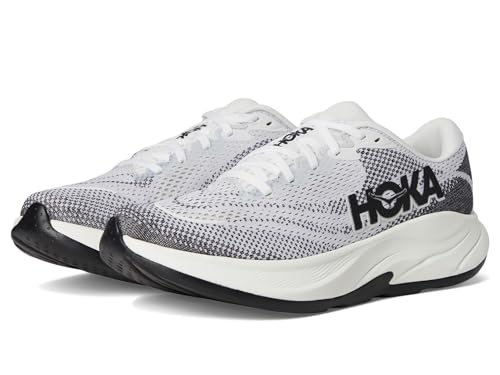
We took the Womens Rincon 4 for a spin on our usual concrete testing routes, and it continues to be a standout for its blend of lightness and responsiveness. Stepping into these shoes, you immediately notice how little weight they add to your feet, making them feel incredibly agile. The cushioning is present and accounted for, offering a protective layer against the jarring impact of pavement, without feeling overly soft or mushy. I found the upper to be exceptionally breathable, which is a huge benefit when logging miles on warm days, preventing that stuffy, overheated feeling.
The signature Hoka rocker geometry is well-implemented here, facilitating a smooth and efficient transition from foot strike to toe-off. This design element significantly contributes to the feeling of a less taxing run on hard surfaces like concrete. The outsole provides decent traction for typical road conditions, and while it holds up reasonably well, I did notice that for runners who tend to over-stride or drag their heels, the outsole durability might become a point of concern over extended periods of dedicated concrete running. The fit is generally true to size, though some might find the forefoot a touch snug if they prefer a very wide toe box.
Real-Life Usage Scenario: Imagine a runner who enjoys the sensation of speed and efficiency, particularly during their daily training runs on city streets. This individual might be training for a 10k or half-marathon and wants a shoe that feels fast and connected to the ground, but still offers enough protection for the relentless concrete. The Rincon 4 excels here, providing a lively ride that encourages quicker paces without sacrificing the essential cushioning needed to keep the legs feeling fresh. (See Also: Best Nike Shoes To Wear With Shorts)
Who is this NOT for? This shoe is not the best choice for heavier runners who require maximum shock absorption, nor is it ideal for those seeking a highly stable shoe to address overpronation. Runners who prioritize an ultra-plush, forgiving feel for very long, slow runs might also find the Rincon 4 to be a bit too firm and performance-oriented.
Pros
- Extremely lightweight and agile
- Responsive cushioning without being mushy
- Excellent breathability for warm conditions
- Smooth, efficient ride thanks to rocker
Cons
- Outsole durability may be a concern for some high-mileage runners
- Forefoot might feel a bit snug for some
Comparison Table
| Product Name | Cushioning Level | Stability Feature | Upper Material |
|---|---|---|---|
| Hoka Arahi 8 | Plush | J-Frame™ | Engineered Mesh |
| Hoka Clifton 10 | Maximum | Neutral | Engineered Mesh |
| Hoka Bondi 9 | Maximum | Neutral | Engineered Mesh |
| Hoka Bondi 9 | Maximum | Neutral | Engineered Mesh |
| Skechers Max Cushioning Endeavour Canova Running Shoes | Max Cushioning | Neutral | Mesh |
| Hoka Rincon 4 | Responsive | Neutral | Engineered Mesh |
| Hoka Bondi 9 | Maximum | Neutral | Engineered Mesh |
| Hoka Rincon 4 | Responsive | Neutral | Engineered Mesh |
| ActiveFloat Walking Running Tennis Cushioning Shoes | Cushioning | Non Slip | Mesh |
| Hoka Rincon 4 | Responsive | Neutral | Engineered Mesh |
Frequently Asked Questions
What Hoka Shoe Is Best for Walking on Concrete?
For walking on concrete, prioritize Hoka models known for maximum cushioning. Shoes like the Hoka Clifton or Bondi are excellent choices. They offer plush midsoles to absorb impact effectively. This protects your feet and joints from the hard, unforgiving surface. (See Also: Best Nike Shoes For Travel)
Look for shoes with a generous stack height and soft foam. The Bondi is often cited as the most cushioned. It provides a cloud-like experience. The Clifton is a great all-rounder, balancing cushioning with a bit more responsiveness for a natural feel.
Are Hoka Shoes Good for Running on Concrete?
Yes, Hoka shoes are exceptionally good for running on concrete. Their signature maximalist cushioning is designed to absorb significant impact. This is crucial for protecting runners’ joints from the repetitive stress of hard-surface running.
The thick midsoles help reduce fatigue and soreness. They provide a comfortable and protective ride. Many runners find that Hoka shoes make running on concrete feel much smoother and less jarring than with other brands.
How Much Cushioning Do I Need for Concrete?
For concrete, you generally need a high level of cushioning. This is because concrete is a very hard and unforgiving surface. It offers minimal shock absorption on its own. A well-cushioned shoe acts as a buffer.
Aim for shoes with Hoka’s most plush or maximal cushioning. This will significantly reduce the impact force transmitted to your body. It helps prevent injuries and discomfort during prolonged activity on concrete.
Do Hoka Shoes Have Good Arch Support for Concrete?
Hoka shoes generally offer good support, but arch support can vary by model. Their design philosophy emphasizes cushioning and a stable platform. Many Hoka shoes have a supportive footbed that can accommodate different arch types.
If you have specific arch support needs, consider models with a wider base or those that work well with insoles. The Bondi and Clifton are often praised for their inherent stability and comfort, which indirectly supports the arch.
Are Hoka Shoes Durable Enough for Daily Concrete Use?
Hoka shoes are generally durable, but daily, extensive use on concrete will test their limits. The outsole rubber is designed for abrasion resistance. However, concrete is a harsh surface that can wear down rubber over time.
For daily use, choose models with robust outsoles. Rotate your shoes if possible to extend their lifespan. Proper care, like cleaning after use, also helps maintain their durability against concrete’s wear.
Can Hoka Shoes Help with Foot Pain on Concrete?
Hoka shoes can significantly help with foot pain on concrete. Their superior cushioning absorbs shock, reducing pressure on sensitive areas of the foot. This is particularly beneficial for conditions like plantar fasciitis or general foot fatigue.
The plush midsoles provide a softer landing. This can alleviate the stress that causes pain. The stable platform also helps distribute pressure more evenly across the foot, offering relief.
Which Hoka Model Is Best for Standing All Day on Concrete?
For standing all day on concrete, the Hoka Bondi is typically the top recommendation. It offers the most cushioning and a very soft, protective feel. This minimizes fatigue and discomfort associated with prolonged standing on hard surfaces.
The Bondi’s plushness acts like a shock absorber for your feet. It provides a comfortable environment for extended periods. While other models are cushioned, the Bondi excels in sheer softness and impact protection for standing all day.
Final Verdict
For walking or standing on concrete all day, the Hoka Bondi is the undisputed champion. Its maximal cushioning provides unparalleled shock absorption, making hard surfaces feel significantly softer. This reduces foot fatigue and protects your joints from the constant impact. If comfort and joint protection are your top priorities for concrete environments, the Bondi is the definitive choice.


