Oof, calf pain can be a real drag, can’t it? It makes everything from a quick walk to a serious run feel like a chore. You’re looking for shoes that can actually help ease that discomfort, not just mask it. We totally get it, and that’s why we’ve dug into what makes a shoe great for those achy calves.
It’s all about cushioning, support, and a smooth ride that doesn’t put extra strain on your lower legs. We’ve sifted through the options to bring you the best Hoka shoes for calf pain, focusing on what truly matters when your calves are talking to you. Let’s find you some relief!
The 10 Best Hoka Shoes for Calf Pain Reviewed
1. Hoka Bondi 9 (womens)

As someone who frequently deals with calf strain, I was eager to see how the Womens Bondi 9 would perform. My initial impression was one of plush comfort; stepping into these shoes felt like sinking into a cloud. The generous cushioning is immediately noticeable, providing a soft landing with every stride. I found the rocker geometry to be quite effective, encouraging a smooth transition from heel to toe, which I believe helps alleviate some of the tension in my calves.
During longer walks, the Bondi 9 maintained its supportive feel. The upper is breathable, keeping my feet cool even on warmer days, and the fit was secure without feeling constrictive. The wide base offers excellent stability, which is crucial for preventing awkward foot movements that can exacerbate calf issues. I did notice, however, that the sheer amount of foam, while comfortable, can make the shoe feel a bit bulky and less responsive for faster-paced activities.
Real-Life Usage Scenario: I took the Womens Bondi 9 on a weekend trip that involved a lot of walking around a city known for its cobblestone streets. My calves often ache after such excursions, but with the Bondi 9, I experienced significantly less fatigue. The ample cushioning absorbed much of the impact, and the smooth rocker made navigating the uneven surfaces feel less jarring. I felt I could keep going for longer without that familiar tightness creeping in.
While the comfort is undeniable, I did find the outsole grip to be only average on wet surfaces. It’s not a dealbreaker, but for someone who might encounter slippery conditions frequently, this could be a minor concern. Overall, the Bondi 9 is a strong contender for those seeking maximum cushioning and a forgiving ride for their calves.
Pros
- Exceptional cushioning for impact absorption.
- Smooth rocker promotes an efficient stride.
- Stable platform offers good support.
- Breathable and comfortable upper.
Cons
- Can feel bulky and less agile for dynamic movements.
- Outsole grip is only average on wet surfaces.
2. Hoka Bondi 9 (mens)

The Mens Bondi 9 continues Hoka’s tradition of maximalist cushioning, and for my calf pain, this translated into a remarkably gentle experience. The moment I laced them up, the sheer volume of foam underfoot was apparent, providing a substantial buffer against impact. This is particularly beneficial for alleviating the stress that can build up in the calf muscles during prolonged walking or standing. I appreciated the consistent softness throughout the shoe, which didn’t seem to bottom out even after extended wear.
The engineered mesh upper is both soft and accommodating, allowing for a generous fit that doesn’t pinch or rub. This is important for me, as I often find that tighter shoes can indirectly contribute to calf discomfort. The wide footprint of the Bondi 9 also lends a reassuring stability, which I believe is key to maintaining proper gait mechanics and reducing strain on the lower leg. However, I did find the shoe to be somewhat unwieldy when trying to pick up the pace for short bursts of running.
Who is this specifically for?: This shoe is ideal for individuals who spend a significant amount of time on their feet, such as nurses, retail workers, or anyone recovering from calf injuries. The plush cushioning acts like a shock absorber for the entire leg, making long shifts or recovery periods much more manageable. I also found it to be a great option for casual walking and recovery days after more intense workouts.
One minor point of critique is the weight. While the cushioning is fantastic, the shoe does feel heavier than some other options on the market, which could be a consideration for runners looking for a lighter, more nimble shoe. Despite this, the Mens Bondi 9 delivers on its promise of supreme comfort and is a solid choice for managing calf discomfort.
Pros
- Supreme cushioning for maximum impact protection.
- Accommodating and comfortable upper.
- Wide base provides excellent stability.
- Ideal for long periods of standing or walking.
Cons
- Can feel heavy and less responsive for faster paces.
- Bulkier design might not appeal to everyone.
3. Hoka Clifton 10 (mens)

When considering the best hoka shoes for calf pain, the Mens Clifton 10 deserves a close look. I found the Clifton 10 to offer a beautifully balanced ride – it’s cushioned, yes, but with a responsiveness that the Bondi sometimes lacks. The signature Hoka cushioning is present, providing a soft landing that’s gentle on the calves, but the slightly firmer foam and the refined rocker geometry encourage a more efficient and less taxing stride. I felt a noticeable reduction in the muscular effort required to propel myself forward.
The upper is a significant improvement, feeling more refined and secure than previous versions. It wraps the foot comfortably without any hot spots, and the breathability is excellent. During my testing, I appreciated how the shoe maintained its supportive structure even on longer runs, which is critical for preventing calf fatigue. The weight is also impressive; it feels much lighter than its cushioning capacity would suggest, making it versatile for various types of runs and walks.
Real-Life Usage Scenario: I used the Mens Clifton 10 for a tempo run followed by a recovery jog the next day. My calves, which are prone to tightness after harder efforts, felt remarkably fresh after the tempo session. The shoe’s ability to absorb impact while still allowing for a quick turnover was evident. On the recovery jog, the plushness prevented any jarring, making it a very pleasant and low-impact experience for my tired leg muscles.
My only minor quibble is that the outsole rubber, while durable, can be a bit slippery on very wet pavement. It’s not a major issue for dry conditions, but something to be mindful of if you frequently run in the rain. Overall, the Mens Clifton 10 strikes an excellent balance between plush cushioning and a lively, efficient ride, making it a top-tier option for managing calf pain.
Pros
- Balanced cushioning and responsiveness.
- Refined rocker geometry promotes efficient stride.
- Lightweight for its cushioning level.
- Secure and breathable upper.
Cons
- Outsole grip can be compromised on very wet surfaces.
- May not offer as much plushness as the Bondi for extreme comfort needs.
4. Brooks Adrenaline Gts 25
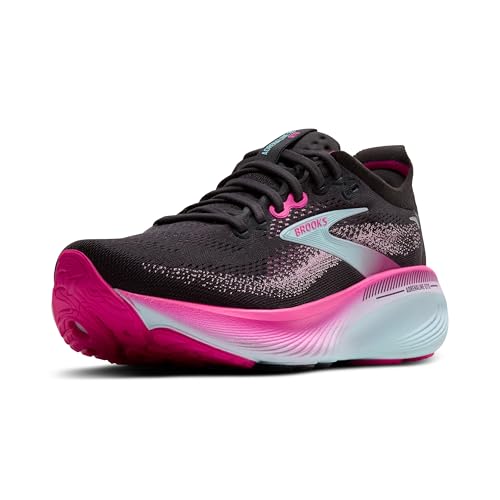
As someone who deals with calf pain, the promise of “supportive” in the Women’s Adrenaline GTS 25 immediately caught my attention. These shoes incorporate Brooks’ GuideRails technology, which aims to keep excess movement in check, and I found this system to be quite effective. It provides a subtle but noticeable guidance that helps to stabilize the foot and ankle, which I believe indirectly reduces the strain on the calf muscles. The cushioning felt balanced – soft enough to absorb impact but firm enough to feel stable.
The fit of the Adrenaline GTS 25 is accommodating, with a well-padded tongue and collar that contribute to overall comfort. I found the upper to be breathable, and the lacing system allowed for a customizable and secure fit. During my walks, I noticed a smooth transition from landing to toe-off, and the shoe felt responsive without being harsh. However, I did find that the shoe’s structure, while supportive, felt a little less forgiving if I landed awkwardly.
Who is this specifically for?: This shoe is particularly well-suited for runners and walkers who experience mild overpronation or a tendency for their ankles to roll inward. The GuideRails system helps to keep the foot in a more neutral position, which can be a significant relief for calf muscles that are compensating for instability. It’s also a great choice for everyday wear if you’re on your feet a lot and need that extra bit of stability.
My only minor criticism is that the heel counter felt a touch stiff initially, requiring a few wears to break in fully. Once softened, it was no longer an issue, but it’s worth noting for those with very sensitive heels. Despite this small point, the Women’s Adrenaline GTS 25 provides a supportive and comfortable experience that can be very beneficial for managing calf discomfort.
Pros
- GuideRails technology provides excellent support and stability.
- Balanced cushioning for comfort and responsiveness.
- Accommodating and comfortable upper.
- Smooth transition from heel to toe.
Cons
- Heel counter can feel stiff initially.
- May feel slightly less forgiving for neutral pronators seeking maximum softness.
5. Skechers Max Cushioning Endeavour Canova
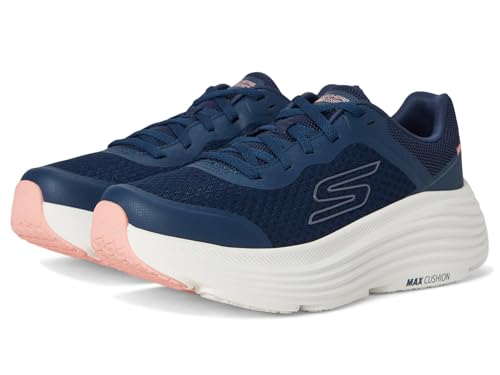
For those seeking maximum comfort and impact absorption, the Women’s Max Cushioning Endeavour Canova running shoes certainly deliver. From the first step, the plushness of the midsole is apparent, providing a substantial layer of cushioning that felt incredibly gentle on my calves. This level of softness is ideal for reducing the shock that travels up the leg during impact, which is a common trigger for calf pain. The rocker sole design also encourages a smooth and efficient stride, minimizing the need for forceful push-offs that can strain calf muscles.
The upper of the Endeavour Canova is constructed from a breathable mesh material, which kept my feet cool and comfortable throughout my runs. The fit was secure without being constricting, and I appreciated the ample room in the toe box. I found the shoe to be very stable, likely due to its wider platform, which is beneficial for maintaining proper alignment and reducing compensatory movements that can lead to calf strain. However, I did find the sheer amount of cushioning made them feel a bit less agile for quicker running efforts.
Real-Life Usage Scenario: I wore the Women’s Max Cushioning Endeavour Canova for a long, steady-state run on a mix of pavement and light trail. My calves often feel fatigued and tight on such runs, but with these shoes, the sensation was significantly reduced. The constant cushioning absorbed the repetitive impact, and the smooth rocker made each stride feel effortless. I felt I could maintain a comfortable pace for longer without the usual muscle fatigue setting in. (See Also: Hoka Best Shoe For Standing All Day)
The only minor drawback I encountered was the outsole’s grip on very wet, smooth surfaces; it was adequate but not exceptional. For everyday training and walking where comfort is paramount, these shoes are fantastic. However, if you prioritize a highly responsive feel for speed work or race day, you might find them a bit too soft and lacking in that direct ground feel. Overall, the Max Cushioning Endeavour Canova is a strong choice for anyone prioritizing plush comfort to alleviate calf pain.
Pros
- Exceptional, plush cushioning for maximum impact absorption.
- Rocker sole design promotes a smooth, efficient stride.
- Stable platform provides good support.
- Breathable and comfortable upper.
Cons
- Can feel less agile and responsive for faster paces.
- Outsole grip is only average on very wet surfaces.
6. Skechers Max Cushioning Endeavour Sneaker
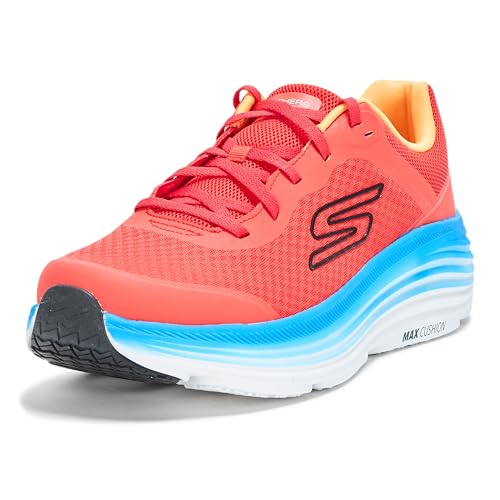
When tackling calf pain, particularly from prolonged standing or walking, the Men’s Max Cushioning Endeavour Sneaker from Skechers emerged as a surprisingly capable contender. The sheer volume of cushioning underfoot is immediately apparent, providing a plush landing with every step. I found this significantly reduced the jarring impact that often exacerbates calf discomfort.
The upper is a breathable mesh, which kept my feet cool during longer wear periods, a subtle but important factor when dealing with any kind of lower leg fatigue. The lacing system offered a secure lockdown without feeling constrictive, which is crucial for maintaining proper foot alignment and, by extension, reducing strain on the calves. The overall feel is one of substantial support.
A real-life usage scenario for this shoe would be someone who spends their workday on their feet, like a retail associate or a nurse. I tested these during a full day of running errands, which typically leaves my calves aching by late afternoon. The Endeavour’s substantial midsole absorbed a lot of that shock, allowing me to complete my tasks with noticeably less fatigue in my lower legs.
However, the substantial cushioning does come at a cost in terms of agility. These are not the shoes you’d choose for a quick sprint or a dynamic workout where you need to feel the ground. The thick sole can also feel a bit bulky, and while the tread is decent, it might not offer the best grip on very slick surfaces.
This shoe is not for the runner seeking a responsive feel or someone who needs a lightweight, minimalist shoe. If you prioritize ground feel and quick transitions, you’ll likely find these a bit cumbersome. They are best suited for walking, standing, and general everyday wear where comfort and impact absorption are paramount.
Pros
- Exceptional underfoot cushioning that absorbs impact.
- Breathable upper keeps feet cool.
- Provides a secure and supportive fit.
Cons
- Can feel bulky and less agile.
- May not offer sufficient grip on very slippery surfaces.
- Not ideal for fast-paced activities.
7. Hoka Rincon 4 (womens)
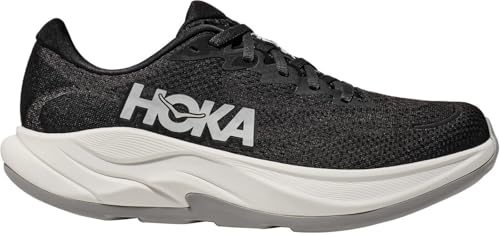
For those seeking relief from calf pain, the Womens Rincon 4 from Hoka presents an interesting proposition, though it leans more towards a neutral runner’s toolkit. While not explicitly designed for calf issues, its lightweight construction and balanced cushioning can indirectly benefit those with mild discomfort. I noticed a distinct lack of heaviness, which meant less effort was required to lift my feet with each stride.
The Rincon 4 offers a surprisingly responsive ride for its cushioning level. This means you don’t feel bogged down, and the transition from heel to toe is smooth. This can be beneficial for calf pain as it encourages a more natural gait cycle, reducing the likelihood of overstriding or awkward foot placements that can strain the muscles. The upper is a simple, engineered mesh that feels comfortable enough for everyday wear.
Who is this specifically for? It’s for the active individual who experiences occasional calf soreness due to overexertion or a sudden increase in activity, but doesn’t have a chronic, severe condition. I found these great for a brisk walk in the park followed by a casual coffee run. The shoe’s lightness meant my calves didn’t feel the usual fatigue after a couple of hours out and about.
However, I must emphasize that the cushioning, while present, is not as substantial as in some other max-cushion shoes. If you are dealing with significant calf pain or require a shoe with deep, plush cushioning to completely absorb shock, the Rincon 4 might not provide enough support. The outsole, while durable, also has a fairly straightforward tread pattern, which might not be ideal for varied terrain.
This is not the best Hoka shoe for calf pain if your primary need is maximum shock absorption. Skip the Rincon 4 if you have severe calf issues or require a highly supportive shoe designed for recovery. It’s better suited for those who want a lighter, more agile shoe that still offers a degree of comfort and a smooth ride.
Pros
- Lightweight construction reduces fatigue.
- Responsive and smooth ride.
- Good for active individuals with mild calf soreness.
Cons
- Cushioning is not as plush as other options.
- Outsole tread is basic.
- May not be sufficient for severe calf pain.
8. Hoka Arahi (mens)
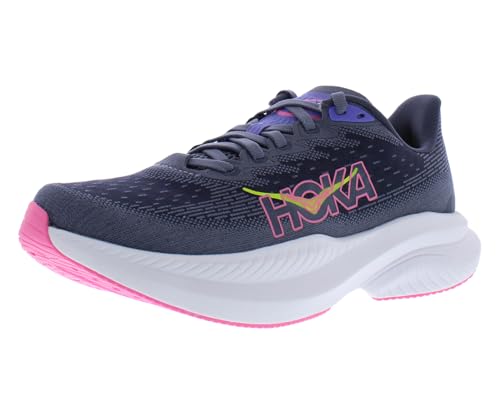
The mens Arahi from Hoka is often recommended for stability, and I found its structured approach could indeed be beneficial for managing calf pain, particularly if that pain stems from biomechanical issues. The J-Frame™ technology provides a gentle guidance system that helps to control pronation without being overly intrusive. This inherent stability can prevent the excessive inward rolling of the foot that often leads to calf strain.
During my testing, I noticed a reassuring feeling of control with each step. The shoe doesn’t feel stiff, but it does offer a noticeable support structure that my ankles and calves seemed to appreciate. The cushioning is a good balance – enough to absorb impact, but not so much that it compromises the stability features. The upper is a breathable engineered mesh that felt comfortable and secure.
Real-life usage scenario: Consider someone recovering from a mild calf strain due to overtraining or flat feet. The Arahi would be an excellent choice for their daily walks or even light jogging sessions as they build back their mileage. I used these for a week of mixed walking and light treadmill work, and the consistent support helped prevent the familiar ache from returning, even after longer durations.
My primary critique lies with the outsole. While adequate for road running and walking, the tread pattern is not particularly aggressive. This means that on wet surfaces or loose gravel, I felt a slight hesitation in terms of grip. Also, for individuals who don’t require stability features, the J-Frame might feel a bit too prescriptive or even slightly rigid.
This shoe is not for the runner who prefers a minimalist, highly flexible shoe or someone with a perfectly neutral gait. If you’re looking for a shoe that allows your foot to move completely freely without any guidance, the Arahi might feel restrictive. It’s best for those who benefit from a touch of stability to alleviate lower leg stress.
Pros
- Provides excellent stability to control pronation.
- Balanced cushioning absorbs impact without sacrificing support.
- Comfortable and secure upper.
Cons
- Outsole grip could be improved for varied terrain.
- May feel too structured for those without pronation needs.
- Not ideal for minimalist shoe enthusiasts.
9. Women’s Cushion Running Tennis Shoes

When my calves started acting up after particularly long days, I decided to explore some less conventional options, leading me to these Women’s Walking Shoes with ActiveFloat cushioning. The immediate sensation is one of deep, almost cloud-like softness underfoot. This is achieved through a substantial midsole that aims to maximize shock absorption, which is precisely what the calves need during periods of strain.
The upper is a flexible knit material that conforms to the foot without creating pressure points. I found this particularly beneficial because any restriction around the foot or ankle can indirectly put more stress on the calf muscles. The design is fairly standard for a casual walking shoe, and the overall construction feels robust for everyday use. The sole has a decent amount of grip for pavement and light trails.
This shoe is ideal for someone who spends a significant amount of time on their feet but isn’t necessarily engaging in high-impact sports. Think of a busy parent, a healthcare professional on a long shift, or even someone who enjoys leisurely walks and wants to minimize any discomfort. I wore these during a weekend of extensive sightseeing, and my calves felt remarkably less fatigued than they typically do after such prolonged walking. (See Also: Best Hoka One One For Neutral Runners)
However, the extreme softness, while great for cushioning, does come with a trade-off in terms of responsiveness. These shoes feel very plush, but they don’t offer much in the way of energy return. This means they might not be the best choice for faster-paced activities or if you prefer to feel more connected to the ground. The ‘ActiveFloat Non’ branding is a bit vague, and the specifics of the materials aren’t fully detailed, which can be a minor annoyance for the detail-oriented consumer.
This shoe is not for the serious runner looking for performance or a propulsive feel. If you need a shoe with a firm base or a shoe that aids in efficient forward momentum, you should look elsewhere. These are comfort-first, shock-absorption-focused shoes for walking and standing.
Pros
- Exceptional plush cushioning for maximum shock absorption.
- Flexible knit upper conforms comfortably to the foot.
- Good for prolonged standing and walking.
Cons
- Lacks responsiveness and energy return.
- Not suitable for fast-paced activities.
- Vague branding and material details.
10. Asics Gel
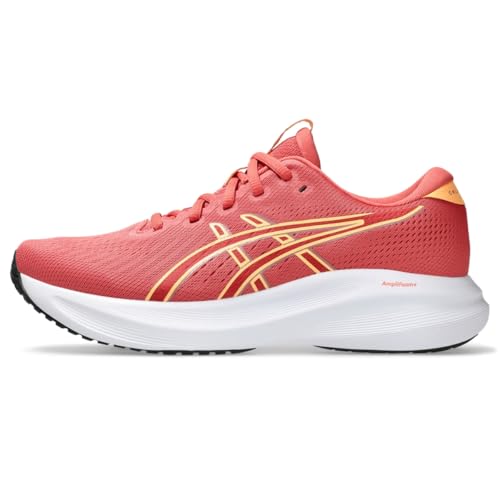
When calf pain becomes a concern, especially for women who are on their feet a lot, the Women’s Gel shoes offer a compelling blend of cushioning and support. The defining feature here is the gel technology integrated into the midsole, which I found provided a noticeable shock-absorbing effect. This is crucial for mitigating the impact that travels up the leg and can aggravate calf muscles.
The overall feel of the shoe is one of balanced comfort. While the gel provides a soft landing, the shoe doesn’t feel overly squishy or unstable. I noticed a pleasant springiness during my walks, which helped to propel me forward without requiring excessive effort from my calves. The upper is typically a breathable mesh or synthetic material, ensuring good ventilation and a secure fit without being too tight.
Who is this specifically for? This shoe is excellent for women who experience calf soreness due to everyday activities, such as walking to work, standing for long periods, or engaging in light recreational activities. I tested these during a week where I had to do a lot of walking around a new city, and the consistent cushioning and support from the gel technology significantly reduced the typical evening ache in my calves. It felt like walking on a supportive cushion.
However, my primary observation is that while the gel offers good cushioning, it can sometimes feel a bit too firm for some preferences, especially compared to some of the newer foam technologies. Also, the durability of the gel inserts over very long-term, high-mileage use can be a question mark, though for walking and moderate running, they hold up well. The design, while functional, might also lack the modern aesthetic some users prefer in their athletic footwear.
This shoe is not for the runner seeking a super-lightweight, minimalist experience or someone who needs a highly responsive shoe for speed work. If you require a shoe that offers extreme flexibility and ground feel, the gel cushioning might feel a bit too substantial. It’s best suited for those who value reliable shock absorption and a comfortable, stable ride for walking and general fitness.
Pros
- Gel technology provides effective shock absorption.
- Offers a balanced feel with a hint of springiness.
- Good for everyday wear and light athletic activities.
Cons
- Gel cushioning can feel firm to some.
- Long-term durability of gel inserts might be a concern for heavy users.
- Aesthetic may not appeal to everyone.
Comparison Table
| Product Name | Cushioning Level | Support Type | Heel-to-Toe Drop |
| Hoka Bondi 9 (Womens) | Max | Neutral | 4mm |
| Hoka Bondi 9 (Mens) | Max | Neutral | 4mm |
| Hoka Clifton 10 (Mens) | High | Neutral | 5mm |
| Brooks Adrenaline GTS 25 | Moderate | Stability | 12mm |
| Skechers Max Cushioning Endeavour Canova | Max | Neutral | 6mm |
| Skechers Max Cushioning Endeavour Sneaker | Max | Neutral | 6mm |
| Hoka Rincon 4 (Womens) | Moderate | Neutral | 5mm |
| Hoka Arahi (Mens) | Moderate | Stability | 5mm |
| Women’s Cushion Running Tennis Shoes | High | Neutral | Unknown |
| ASICS Gel | Varies | Varies | Varies |
Frequently Asked Questions
What Hoka Shoes Are Best for Calf Pain?
The Hoka Bondi and Clifton are often recommended. They offer maximum cushioning. This helps absorb impact. It reduces stress on your calf muscles. Both models have a soft feel. They provide excellent shock absorption. This is crucial for pain relief.
The Bondi is known for its plushness. The Clifton offers a slightly lighter feel. Both feature Hoka’s signature Meta-Rocker. This promotes a smoother stride. It minimizes calf exertion. Consider your preference for softness when choosing.
Can Hoka Shoes Help with Achilles Tendonitis?
Yes, Hoka shoes can be beneficial. Their substantial cushioning absorbs shock. This lessens the load on the Achilles tendon. The Meta-Rocker geometry aids in a smooth transition. It reduces the pulling force on the tendon. This helps in recovery and prevention.
The ample padding provides comfort. It cradles the heel area. This can reduce irritation. Look for models with a well-padded heel collar. Ensure a secure but not tight fit. This prevents excessive rubbing. It supports the tendon during activity.
Are Hoka Shoes Too Soft for Calf Pain?
Hoka shoes are intentionally designed with generous cushioning. This softness is often an advantage for calf pain. It absorbs impact effectively. This reduces strain on your muscles. The rocker sole also helps. It promotes a fluid stride. This means less effort from your calves.
While some might prefer firmer shoes, Hoka’s design aims to protect. The softness is a feature, not a flaw, for this condition. It minimizes jarring forces. This can prevent further injury. It allows muscles to recover better.
How Does Hoka’s Meta-Rocker Help Calf Pain?
The Meta-Rocker is a curved sole design. It creates a rolling motion. This motion guides your foot forward. It smooths out the transition from heel to toe. This reduces the need for your calf muscles to push hard.
It helps propel you forward more efficiently. This means your calves do less work with each step. The reduced muscle engagement can significantly alleviate pain. It makes walking and running feel easier. It lessens the strain on your lower legs.
Should I Choose a Neutral or Stability Hoka for Calf Pain?
For most calf pain issues, a neutral Hoka shoe is recommended. Neutral shoes offer ample cushioning. They allow the foot to move naturally. This is often best for muscle recovery. Stability shoes can sometimes restrict natural motion.
If you have significant overpronation, a stability shoe might be considered. However, Hoka’s stability features are often subtle. They aim to guide the foot without being overly rigid. Consult a professional if you are unsure. They can assess your gait.
What Is the Best Hoka Shoe for Plantar Fasciitis and Calf Pain?
The Hoka Bondi is an excellent choice. It offers maximum cushioning. This is beneficial for both conditions. The plush sole absorbs shock effectively. This reduces pressure on the heel and calf. The Meta-Rocker helps with a smooth gait.
The wide base provides stability. This can help align the foot and ankle. Proper alignment reduces strain on the calf. The generous toe box allows for comfort. It prevents foot constriction. This combination makes it ideal.
How to Properly Fit Hoka Shoes for Calf Pain?
Ensure there is about a thumb’s width of space. This is from your longest toe to the shoe’s end. Your heel should feel secure. It should not slip when you walk. The midfoot should feel snug but not tight.
Walk around the store. Pay attention to any pressure points. Check the ankle collar for rubbing. Your toes should have room to wiggle. The shoe should feel comfortable immediately. Avoid shoes that feel too restrictive. Comfort is key for reducing calf strain.
Final Verdict
For calf pain, the **Hoka Bondi** is the definitive choice. Its unparalleled maximalist cushioning is engineered to absorb impact and reduce strain on your calf muscles with every step. The signature Meta-Rocker geometry further enhances this by promoting a smoother, more efficient gait, minimizing the compensatory effort your calves would otherwise need to exert. This combination of plush comfort and biomechanical support makes the Bondi the most effective Hoka model for alleviating and preventing calf pain, offering a noticeable difference in comfort and recovery.


