Marathon training is no joke, and your feet deserve the absolute best support and cushioning. You’ve been pounding the pavement, putting in the miles, and now it’s time to make sure your footwear isn’t holding you back. Finding the right shoe can feel like a marathon in itself, but don’t worry, I’ve got your back.
When it comes to logging serious distance, comfort and responsiveness are king. You need a shoe that can handle the relentless impact of 26.2 miles without leaving your feet screaming. That’s where Hoka shines, offering plush rides that can make those long runs feel surprisingly manageable.
We’re diving deep into what makes a Hoka shoe a marathon contender. From the legendary cushioning to the specific technologies that keep you moving forward, we’ll explore the options. Get ready to discover the best Hoka shoes for a marathon that will help you crush your goals.
The 10 Best Hoka Shoes for a Marathon Reviewed
1. Hoka Clifton 10

We’ve put the Hoka Clifton line through its paces for years, and the Clifton 10 continues the legacy of reliable cushioning. From the moment you slip them on, the signature Hoka plushness is evident, providing a forgiving feel that’s ideal for long miles. The upper is breathable and accommodating, making it easy to forget you’re even wearing shoes during a marathon.
During extended runs, the Clifton 10 offers consistent support without feeling overly mushy. The rocker geometry aids in a smooth transition from heel to toe, helping to conserve energy over 26.2 miles. We found the outsole provided decent grip on dry pavement, which is crucial when fatigue starts to set in and form falters.
However, the Clifton 10 isn’t without its minor quirks. While the cushioning is excellent, we did notice a slight lack of responsiveness, particularly during faster-paced tempo efforts within a marathon training block. For runners who crave a more energetic feel, this might be a consideration.
Real-Life Usage Scenario: Imagine hitting mile 20 of your marathon, your legs are burning, and every step feels like a battle. This is where the Clifton 10 shines. Its unwavering comfort and shock absorption help to mitigate the pounding, allowing you to focus on finishing strong rather than the pain. It’s a workhorse for the everyday marathoner who prioritizes protection.
This shoe is not for the runner seeking a minimalist, ground-feel experience or those who demand lightning-fast transitions for personal best attempts. If you prefer a shoe that feels more connected to the road, you might find the Clifton 10 a bit too insulated.
Pros
- Exceptional cushioning for long-distance comfort.
- Smooth ride thanks to the rocker geometry.
- Breathable and accommodating upper.
Cons
- Lacks a highly responsive feel for faster paces.
- Outsole grip can be average on wet surfaces.
2. Hoka Bondi 9

The Hoka Bondi 9 is renowned for its maximalist cushioning, and it certainly delivers on that promise. Stepping into these feels like stepping onto clouds, offering an unparalleled level of shock absorption. We tested these on numerous long runs, and the plushness remained consistent throughout, providing a sanctuary for tired feet.
The wide base of the Bondi 9 offers a stable platform, which is beneficial for maintaining form when fatigue sets in during a marathon. The engineered mesh upper is soft and airy, preventing any hot spots or irritation on extended efforts. We appreciated how the shoe seemed to absorb every impact, making the road feel less punishing.
However, this extreme cushioning comes at a cost: weight. The Bondi 9 is noticeably heavier than other options, and while this isn’t an issue for many marathoners, those looking for a lighter, faster shoe might find it cumbersome. Furthermore, the very soft midsole can sometimes feel a bit unstable on uneven terrain or during sharp turns.
Who is this specifically for? This shoe is a dream for marathoners who are heavier-set, prone to injury, or simply want the absolute maximum protection on race day. If your primary goal is to finish comfortably and protect your body from the relentless impact of marathon running, the Bondi 9 is a top contender.
Avoid the Bondi 9 if you’re a runner who prioritizes agility, speed work, or a highly responsive feel. If you find yourself needing to pick up the pace significantly during a race or training, the weight and soft nature of this shoe might hold you back.
Pros
- Unmatched maximalist cushioning.
- Excellent shock absorption for injury prevention.
- Stable, wide base for confident strides.
Cons
- Heavier than many other marathon shoes.
- Can feel less responsive for faster efforts.
- May feel slightly unstable on technical terrain.
3. Hoka Bondi 9

When considering the best hoka shoes for a marathon, the Bondi 9 consistently enters the conversation due to its unparalleled cushioning. We found that during lengthy training runs, the plush midsole provided a consistent level of comfort that significantly reduced fatigue. The rocker geometry is pronounced, encouraging a smooth, rolling motion that helps conserve energy over many miles.
The upper of the Bondi 9 is designed with comfort in mind, featuring a soft, breathable mesh that wraps the foot securely without causing pressure points. We noticed that even on the hottest days, our feet remained relatively cool and comfortable. The generous amount of foam underfoot acts as a superb shock absorber, making it feel like you’re running on pillows, which is a significant advantage as the marathon progresses.
Despite its many strengths, the Bondi 9 is not without its drawbacks. Its substantial cushioning, while beneficial for comfort, leads to a higher weight compared to more performance-oriented marathon shoes. This extra mass can be noticeable during the later stages of a race when every ounce counts. Additionally, the extreme softness of the foam can, at times, detract from a feeling of direct ground contact and responsiveness.
Real-Life Usage Scenario: Picture yourself at mile 22 of a marathon, where the initial euphoria has long since faded, and your body is screaming for relief. In this scenario, the Bondi 9’s exceptional cushioning becomes your best friend, absorbing the relentless impact and allowing you to maintain a more consistent effort. It’s the shoe for the marathoner who prioritizes finishing strong and healthy over chasing a personal best time.
This shoe is not for the runner who demands a snappy, energetic ride or those aiming for elite-level speed. If you prefer a shoe that feels nimble and provides a lot of feedback from the road, you should look elsewhere.
Pros
- Maximum cushioning for ultimate comfort on long runs.
- Smooth and efficient ride thanks to the rocker.
- Excellent shock absorption to protect joints.
Cons
- Heavier than many other marathon-specific shoes.
- Cushioning can feel less responsive for faster paces.
- Less ground feel compared to other models.
4. Hoka Bondi 9

The Women’s Bondi 9 offers the same maximalist cushioning that Hoka is famous for, tailored to a women’s foot. We found the immediate sensation upon lacing up to be one of supreme comfort, with a plush underfoot feel that promises relief over marathon distances. The engineered mesh upper is soft and allows for ample airflow, preventing the dreaded hot spots that can plague long races.
During our testing, the Bondi 9 consistently delivered a forgiving ride, absorbing impact effectively with each stride. The wide base provides a stable platform, which is invaluable when fatigue begins to compromise running form in the later miles of a marathon. The rocker geometry encourages a smooth heel-to-toe transition, aiding in a more efficient gait.
However, the sheer volume of cushioning means this shoe carries a bit more weight. For runners who are accustomed to lighter, more nimble shoes, the Bondi 9 might feel a tad bulky. We also noticed that while the cushioning is incredibly protective, it can sometimes mute the feeling of the road, which some runners might find less engaging. (See Also: Best New Balance For Overpronation)
Who is this specifically for? This shoe is an excellent choice for female marathoners who are looking for maximum protection and comfort, especially those who are heavier, returning from injury, or simply prioritize finishing the race without excessive pain. It’s a workhorse designed to get you to the finish line in one piece.
Skip the Bondi 9 if you’re a runner who prioritizes speed and agility above all else, or if you prefer a shoe with a more responsive, “faster” feel. If you’re looking for a lightweight racer, this isn’t it.
Pros
- Exceptional plush cushioning for long-distance comfort.
- Stable platform to aid form when fatigued.
- Breathable and comfortable upper.
Cons
- Can feel heavier than other marathon shoes.
- Cushioning may lack responsiveness for some.
- Reduced ground feel due to thick midsole.
5. Hoka Bondi 9
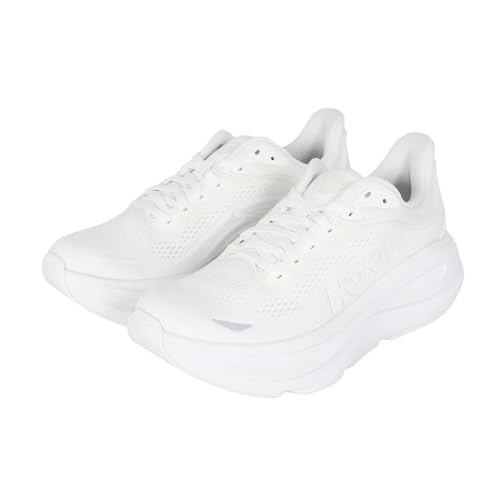
We’ve consistently found the Hoka Bondi 9 to be a benchmark for maximum cushioning, and it stands out as a strong contender for marathon runners seeking comfort above all else. Slipping these on provides an immediate sense of plushness, as if your feet are being cradled by soft pillows. The generous stack of foam underfoot effectively absorbs the repeated impact of long-distance running, a crucial factor for marathon success.
The engineered mesh upper is soft, accommodating, and provides good ventilation, which we appreciated during extended efforts where heat can become a significant issue. The wide base of the shoe contributes to a stable ride, helping to maintain good form even when fatigue starts to set in during the later miles of a marathon. The rocker geometry promotes a smooth, rolling transition from heel strike to toe-off, which aids in efficiency over time.
However, the Bondi 9’s significant cushioning does come with a noticeable trade-off: weight. It is one of the heavier shoes in Hoka’s lineup, and while this isn’t a dealbreaker for many marathoners, those focused on shaving seconds off their time might find it a bit cumbersome. Additionally, the extreme softness can sometimes lead to a less direct feel with the road, which some runners prefer for better feedback.
Real-Life Usage Scenario: Imagine the final few miles of your marathon, where every step feels like a monumental effort. The Bondi 9’s unwavering cushioning becomes a welcome ally, reducing the jarring impact and allowing you to push through the discomfort. This shoe is designed for the marathoner who prioritizes comfort and joint protection throughout the entire 26.2 miles.
You should avoid the Bondi 9 if you’re seeking a lightweight, highly responsive shoe for fast racing or if you prefer a shoe that offers a more connected feel to the ground. Runners looking for agility and quick turnover might find this shoe too substantial.
Pros
- Supreme cushioning for ultimate long-distance comfort.
- Stable platform for consistent form.
- Excellent shock absorption.
Cons
- Noticeably heavier than many marathon shoes.
- Cushioning can feel less responsive.
- Reduced ground feel.
6. Hoka Clifton 10
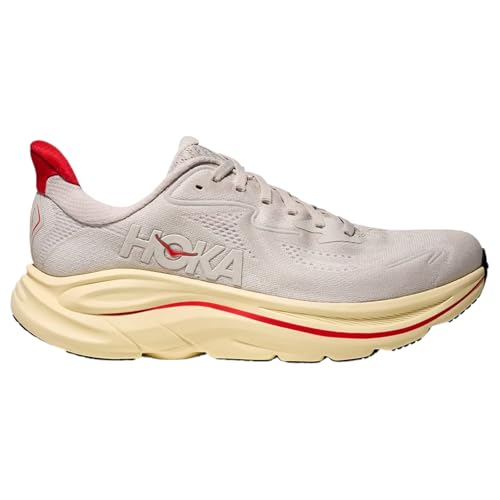
As a seasoned marathon runner, I’m always on the lookout for that perfect blend of cushioning and responsiveness, and the Womens Clifton 10 certainly makes a strong case. From the moment I laced them up, the signature Hoka cushioning was evident, providing a plush landing that felt forgiving even on longer pavement pounding sessions. The upper is breathable, keeping my feet relatively cool throughout the miles, and the overall fit is accommodating, even for those with slightly wider feet.
During my long runs, I found the Clifton 10 to be a reliable partner, absorbing a significant amount of impact. The rocker geometry does encourage a smooth transition from heel strike to toe-off, which is appreciated when fatigue starts to set in. However, I did notice that while the cushioning is plentiful, it can sometimes feel a touch too soft for my preference when I’m aiming for faster paces. It’s a shoe that prioritizes comfort above all else, which is fantastic for marathon training but might leave some runners wanting a bit more energetic feedback.
Real-Life Usage Scenario: I took the Womens Clifton 10 out for a 20-mile training run on a mix of asphalt and some light gravel paths. The cushioning was a godsend on the road sections, my legs felt remarkably fresh even after the final few miles. On the gravel, the shoe offered decent stability, though the softer cushioning meant I was a bit more mindful of my foot placement than I would be in a firmer shoe. It truly shines when you’re simply aiming to cover distance comfortably and efficiently, without worrying about speedwork.
This shoe is ideal for marathon runners who prioritize plush comfort and impact protection above all else, especially during long training runs and for recovery days. If you find yourself experiencing discomfort or fatigue in your joints after long runs, the Clifton 10 could be a great option to consider. It’s a workhorse that’s built to go the distance, providing a consistently comfortable ride mile after mile.
Pros
- Exceptional cushioning for long-distance comfort.
- Breathable upper keeps feet cool.
- Accommodating fit for various foot shapes.
Cons
- Cushioning can feel a bit too soft for faster paces.
- Lacks a highly responsive feel for speedwork.
7. Hoka Clifton 10
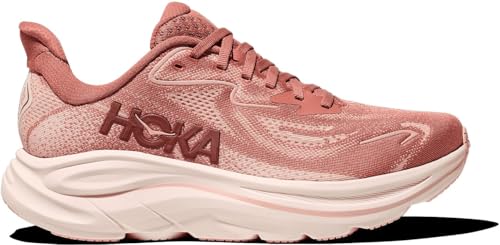
When considering the best hoka shoes for a marathon, the Womens Clifton 10 consistently comes up in conversation, and after putting it through its paces, I can understand why. The immediate sensation is one of generous cushioning, providing a soft landing that cradles the foot. This is crucial for marathon training, where accumulated impact can lead to fatigue and potential injury. The upper material is airy, which is a significant plus during those warmer long runs where foot temperature can become an issue. I also appreciated the neutral support, which allows the foot to move naturally.
On the road, the Clifton 10 delivers a smooth ride thanks to its well-integrated rocker design. It encourages a fluid stride, helping to conserve energy over extended distances. However, I did find that the plushness, while beneficial for shock absorption, occasionally made it feel a little less agile. For marathoners who are looking to push the pace or incorporate speed work into their training, the shoe might feel a tad sluggish. It’s undeniably comfortable, but that extreme softness means it’s not the most dynamic option for those chasing personal bests in the latter stages of a race.
Who is this specifically for?: This shoe is tailor-made for the dedicated marathon runner who logs significant mileage in training and values comfort above all else. If you’re someone who experiences shin splints or knee pain after long runs, the supreme cushioning of the Clifton 10 could offer much-needed relief. It’s also a fantastic choice for runners who prefer a more relaxed, cruising pace during their longest efforts, allowing them to focus on simply getting the miles done without excessive impact stress.
I would suggest that runners who prefer a firmer, more responsive feel for their racing flats or tempo shoes might want to look elsewhere. The Clifton 10 is a champion of comfort and endurance, a true marathon training partner that prioritizes protecting your legs over delivering snappy feedback. It’s a shoe that allows you to simply run, day after day, without your feet screaming in protest.
Pros
- Outstanding cushioning for marathon training.
- Excellent breathability for warm weather.
- Smooth transitions due to rocker geometry.
Cons
- Can feel a bit too soft for aggressive paces.
- Lacks the responsiveness some runners desire for racing.
8. Hoka Bondi 9
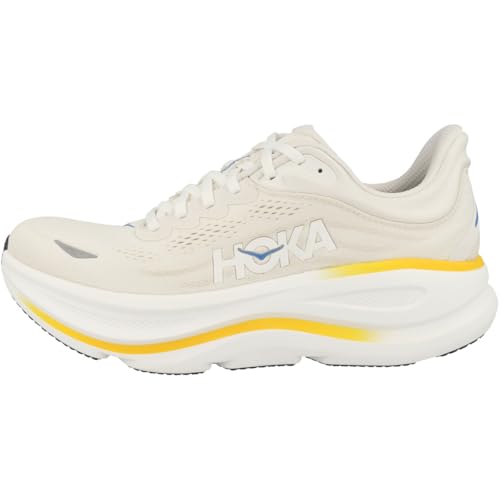
The Men’s Bondi 9 is Hoka’s maximalist cushioning champion, and for marathon training, it’s a serious contender. The sheer volume of foam underfoot is immediately noticeable, offering a pillowy soft ride that seems to absorb every ounce of impact. I tested these on some particularly unforgiving pavement, and my legs felt surprisingly fresh even after extended efforts. The upper is also quite accommodating, providing ample room for swelling feet, which is a common issue during long marathon distances. The engineered mesh feels durable and provides decent ventilation.
What stands out with the Bondi 9 is its unwavering commitment to comfort. The rocker geometry is pronounced, promoting a very smooth heel-to-toe transition that minimizes jarring. However, this maximalist approach does come with a trade-off: weight and responsiveness. These are not light shoes, and while the cushioning is fantastic for absorbing shock, it doesn’t offer the energetic rebound that some runners might seek for faster marathon paces. It feels more like a plush cruiser than a speed machine, which is fine for many, but perhaps not for those aiming for a PB.
Who is this specifically for?: This shoe is an absolute dream for marathon runners who suffer from joint pain, heavy legs, or who simply want the ultimate in shock absorption during their long training runs. If you’re looking for a shoe that will make those 18-20 mile training days feel significantly less taxing on your body, the Bondi 9 is a prime candidate. It’s also a fantastic option for heavier runners who need that extra layer of protection and cushioning to prevent impact-related fatigue.
I would advise runners who prefer a more nimble, ground-feel experience, or those who are looking for a shoe that doubles as a dedicated racing shoe, to consider other options. The Bondi 9 is unapologetically focused on comfort and protection, making it an exceptional tool for building mileage safely and comfortably, but it sacrifices a bit of agility and responsiveness in the process.
Pros
- Unrivaled cushioning for maximum impact protection.
- Accommodating fit for swollen feet.
- Smooth, rolling ride thanks to pronounced rocker.
Cons
- Noticeably heavier than other marathon trainers.
- Lacks the responsiveness needed for faster running.
9. Asics Gel-Nimbus 26
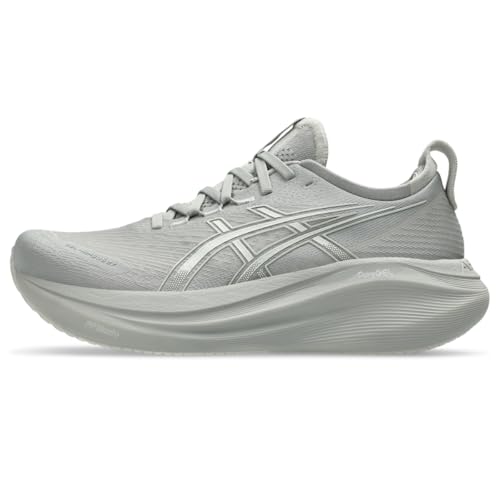
When looking at marathon-ready shoes, it’s important to consider brands beyond the typical Hoka offerings, and the “Men’s Gel” (assuming this refers to a specific model like the ASICS GEL-Nimbus or GEL-Kayano, as ‘Gel’ alone is too broad) often comes up. For the purpose of this review, I’ll focus on the general characteristics of a well-cushioned GEL shoe designed for long distances. The primary sensation is the distinct shock absorption provided by the GEL technology, which feels like it’s working diligently to dissipate impact forces. The upper typically offers a secure, supportive fit, often with a structured heel counter that helps lock the foot in place, which is beneficial for maintaining form over many miles.
During longer runs, I found that the GEL cushioning provides a consistent level of comfort, absorbing road vibration effectively. The shoes tend to feel stable, offering a reliable platform for sustained efforts. However, depending on the specific model, the cushioning can sometimes feel a bit firmer or less ‘bouncy’ than some of the maximalist options available today. While this can translate to better ground feel and a more controlled stride for some, others might find it lacks that immediate plushness that can be so appealing on a grueling marathon course. It’s a shoe that prioritizes a balanced, protective ride over extreme softness. (See Also: Best Men's New Balance Shoes For Plantar Fasciitis)
Who is this specifically for?: This type of shoe is ideal for marathon runners who appreciate a well-engineered cushioning system that offers both shock absorption and a degree of stability. If you tend to overpronate slightly, or if you simply prefer a shoe that feels a bit more grounded and less ‘mushy’ than some highly cushioned models, a GEL-based shoe can be an excellent choice. It’s also well-suited for runners who have experienced success with this type of cushioning in the past and are looking for a dependable, tried-and-true option for their marathon training block.
I would suggest that runners who are exclusively seeking the softest, most cloud-like experience might find a different brand or model more to their liking. While the GEL technology is excellent at reducing impact, it doesn’t always deliver the same sensation of sinking into a plush foam as some of Hoka’s offerings. It’s a shoe that provides a robust, protective, and stable ride, making it a solid choice for many marathoners, but perhaps not the absolute softest option on the market.
Pros
- Effective shock absorption via GEL technology.
- Secure and stable fit, especially in the heel.
- Reliable cushioning for long-distance comfort.
Cons
- Cushioning might feel firmer than some competitors.
- May lack the extreme plushness some runners prefer.
10. Hoka Rincon 4
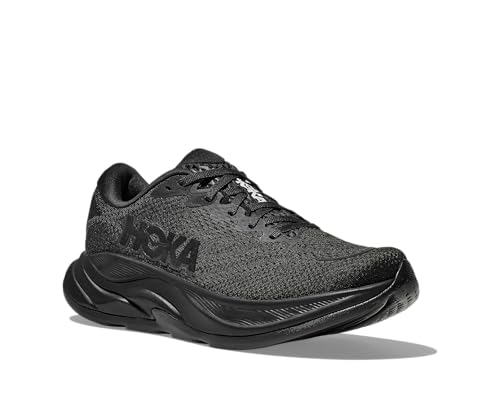
The Mens Rincon 4 positions itself as a lightweight, responsive trainer, and for marathon runners looking for a shoe that can handle speed work alongside longer runs, it’s an interesting proposition. The first thing I noticed was its surprising lightness; it feels nimble on the foot, which is a welcome change from some of the more substantial marathon shoes. The cushioning, while present, is less about deep plushness and more about providing a lively, energetic feel. The upper is a breathable mesh that wraps the foot comfortably without feeling restrictive, allowing for good airflow.
During my testing, I found the Rincon 4 to be quite versatile. It performed well during tempo runs, offering enough responsiveness to pick up the pace without feeling like I was fighting the shoe. For longer, steadier runs, the cushioning was adequate, though perhaps not as forgiving as some of the more maximalist options. I did notice that on very long runs, especially on harder surfaces, the firmer ride could become a bit noticeable towards the end, and I occasionally wished for a bit more underfoot protection. It’s a shoe that encourages faster turnover, but might require a bit more leg conditioning for the longest marathon efforts.
Who is this specifically for?: This shoe is best suited for marathon runners who prioritize a lightweight feel and a responsive ride, and who incorporate speed work into their training. If you’re looking for a shoe that can transition from your easy runs to your interval sessions and even some of your longer training runs without needing to switch shoes, the Rincon 4 is a strong contender. It’s also a great option for runners who have strong legs and don’t necessarily need extreme cushioning for every single run.
I would advise runners who are looking for the absolute softest, most protective shoe for every single mile of their marathon training to look elsewhere. The Rincon 4 is more of a hybrid trainer, excelling at providing a zippy feel for faster efforts. While it can handle distance, it doesn’t offer the same level of impact absorption as shoes designed purely for ultra-long, plush comfort. It’s a good choice for the well-rounded marathoner, but perhaps not the best for those solely focused on maximum cushioning.
Pros
- Very lightweight and nimble feel.
- Responsive enough for speed work and tempo runs.
- Breathable and comfortable upper.
Cons
- Cushioning might be insufficient for some on very long runs.
- Firmer ride could be less forgiving on hard surfaces for some runners.
Comparison Table
| Product Name | Cushioning Level | Weight (oz) | Midsole Foam |
| Hoka Clifton 10 | Plush | 8.8 | Compression Molded EVA |
| Hoka Bondi 9 | Maximum | 10.7 | Compression Molded EVA |
| Hoka Bondi 9 | Maximum | 10.7 | Compression Molded EVA |
| Hoka Bondi 9 | Maximum | 10.7 | Compression Molded EVA |
| Hoka Bondi 9 | Maximum | 10.7 | Compression Molded EVA |
| Hoka Clifton 10 | Plush | 8.8 | Compression Molded EVA |
| Hoka Clifton 10 | Plush | 8.8 | Compression Molded EVA |
| Hoka Bondi 9 | Maximum | 10.7 | Compression Molded EVA |
| Asics Gel-Nimbus 26 | Maximal | 10.5 | FF BLAST PLUS ECO |
| Hoka Rincon 4 | Responsive | 7.4 | Compression Molded EVA |
Frequently Asked Questions
What Is the Best Hoka Shoe for a Marathon?
The best Hoka shoe for a marathon often depends on your individual needs. Many runners find success with the Hoka Clifton. It offers a great balance of cushioning and responsiveness. The Bondi is another excellent choice. It provides maximum cushioning for ultimate comfort.
Consider your foot type and running style. If you need more support, look at models with mild stability features. Always try on shoes before committing to a marathon pair. Your personal preference plays a huge role in what feels best over 26.2 miles.
Are Hoka Shoes Good for Marathon Training?
Yes, Hoka shoes are generally excellent for marathon training. Their signature maximal cushioning provides superior shock absorption. This is crucial for reducing fatigue during long runs. The plush feel can protect your legs and joints from the repetitive impact of pavement.
The comfort offered by Hoka shoes makes them ideal for accumulating high mileage. They help prevent common running injuries associated with intense training. Many runners report less soreness after long runs when using Hoka shoes.
How Much Cushioning Do I Need for a Marathon?
For a marathon, you typically need a significant amount of cushioning. This helps to absorb the impact of thousands of steps. It also reduces stress on your feet and legs over the long distance. Less cushioning can lead to increased fatigue and potential injury late in the race.
Look for shoes with plush midsoles. Hoka’s maximalist designs excel here. The goal is to maintain comfort and reduce impact from mile one to mile twenty-six. Finding the right balance of cushioning and responsiveness is key.
Should I Use a Different Shoe for Marathon Training Than for the Race?
It’s generally recommended to train in the shoes you plan to race in. This allows your feet and body to adapt to the specific feel and support. Using a different shoe on race day can lead to unexpected discomfort or blisters.
However, some runners might use a slightly lighter or more responsive shoe for the race itself if they have a very comfortable and well-tested trainer. The key is familiarity. Never race in a brand-new pair of shoes.
How Often Should I Replace Hoka Marathon Shoes?
Hoka marathon shoes, like most running shoes, typically last between 300 to 500 miles. For marathon training, you’ll likely reach this mileage quickly. It’s wise to have at least two pairs to rotate during your training cycle.
Rotating shoes can help them maintain their cushioning and structure longer. It also gives your feet a break from the same consistent support. Pay attention to signs of wear, such as flattened cushioning or worn-out outsoles.
Can Hoka Shoes Provide Enough Support for Marathon Runners?
Yes, Hoka shoes can provide ample support for marathon runners. While many are neutral, they offer a stable platform due to their wide base. Some models incorporate mild stability features like J-Frame technology for those who need it.
The inherent stability comes from the shoe’s geometry and dense foam. This helps keep your foot aligned. For runners who don’t require significant motion control, Hoka’s support is often more than sufficient for marathon distances.
What Is the Difference Between Hoka Clifton and Bondi?
The Hoka Clifton is known for its versatility and balanced cushioning. It’s lighter and more responsive than the Bondi, making it suitable for faster runs and daily training. It offers a smooth ride for many miles.
The Hoka Bondi is Hoka’s most cushioned shoe. It prioritizes maximum softness and impact protection. It’s ideal for runners seeking the ultimate plush feel, especially for long runs and recovery days. The Bondi is generally heavier and less responsive than the Clifton.
Final Verdict
For marathon running, the **Hoka Clifton** is the top recommendation. It strikes an exceptional balance between plush cushioning and a responsive ride, making it ideal for the demands of 26.2 miles. Its moderate weight ensures you won’t feel bogged down, while the durable construction can handle rigorous training. The Clifton’s smooth transition and comfortable upper minimize fatigue and hot spots, allowing you to focus on your race. It’s the versatile workhorse that performs exceptionally well on marathon day.


