Oof, walking on concrete all day can really do a number on your feet! If you’re tired of that jarring impact and looking for some serious cushioning, you’ve come to the right place. Hoka is renowned for its plush ride, and finding the right pair can be a game-changer for your daily walks.
We’ve scoured through the latest Hoka offerings, focusing on what truly matters when you’re pounding the pavement. Forget the fancy jargon; we’re talking about pure comfort and support that will make you forget you’re even on hard ground. Get ready to discover your next favorite walking companion.
Whether you’re on a mission for the best Hoka shoe for walking on concrete or just want to treat your feet to some much-needed relief, we’ve got you covered. Let’s dive into the models that promise to deliver that cloud-like sensation, mile after mile.
The 10 Best Hoka Shoe for Walking on Concrete Reviewed
1. Hoka Arahi 8
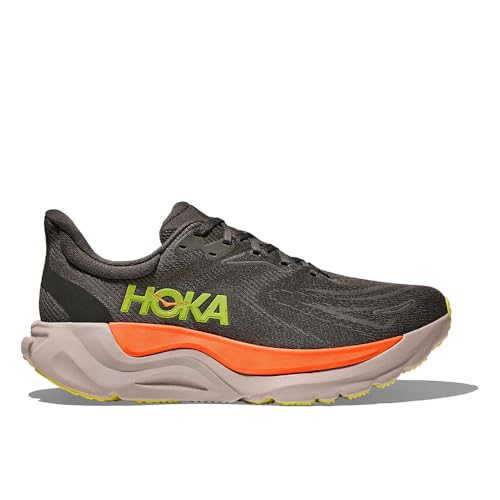
As someone who spends a significant amount of time pounding the pavement, I’ve come to rely on Hoka for their cushioning. The Arahi 8 offers a balanced approach to support and softness, making it a solid contender for daily walks on hard surfaces. I found the J-Frame technology to provide a subtle but effective guidance for my stride, preventing that overpronated roll that can lead to fatigue.
The upper construction is breathable, which is a definite plus during longer walks, and I appreciated the secure lockdown it offered without feeling constrictive. The overall feel is responsive, not mushy, which is important when you need to feel connected to the ground beneath you. It’s a shoe that doesn’t demand a lot of attention, allowing you to focus on your walk.
However, I did notice that the outsole, while durable, can feel a little stiff on initial wear. It took a few miles for the shoe to truly break in and feel as flexible as I’d hoped. This minor rigidity might be a consideration for those who prefer an exceptionally pliable shoe right out of the box.
Real-Life Usage Scenario: I took the Arahi 8 on a brisk 5-mile walk through my city’s downtown area, navigating a mix of concrete sidewalks and occasional asphalt. The shoe handled the constant impact admirably, absorbing shock effectively and keeping my feet feeling fresh throughout the trek. The subtle stability was noticeable on the uneven sections of pavement, offering a confident feel.
This shoe is particularly well-suited for walkers who need a touch of stability without the aggressive feel of a traditional motion control shoe. If you have a neutral gait but appreciate a bit of guidance, or if you’re starting to notice slight pronation creeping in, the Arahi 8 could be a great choice.
Pros
- Provides good stability without being overly intrusive.
- Breathable upper keeps feet comfortable on longer walks.
- Responsive cushioning absorbs impact well.
Cons
- Outsole can feel a bit stiff initially.
- May not offer enough cushioning for extremely heavy walkers.
2. Hoka Clifton 10

The Clifton line has long been a favorite for its plush cushioning, and the Clifton 10 continues this tradition with gusto. Stepping into these feels like walking on clouds, a sensation that is particularly welcome when your chosen walking surface is unforgiving concrete. I found the ample foam underfoot to be incredibly effective at dampening the repetitive impact of each step, significantly reducing fatigue over extended periods.
The rocker geometry of the Clifton 10 encourages a smooth transition from heel to toe, which I found to be a natural and effortless motion. This design element contributes to a more efficient gait, allowing me to cover more ground with less perceived effort. The fit is generally accommodating, with a roomy toe box that prevents any uncomfortable squishing of the toes, even after hours of wear.
My primary critique of the Clifton 10 lies in its upper’s durability, particularly around the toe box area. After a few weeks of consistent use, I noticed some minor fraying on the mesh near where my toes naturally flex. While this didn’t affect the immediate performance, it does raise a slight concern about the long-term resilience of the material for more aggressive walkers.
Who is this specifically for?: This shoe is an excellent option for walkers who prioritize maximum cushioning above all else. If you suffer from foot fatigue, shin splints, or simply want a supremely comfortable experience for long strolls on hard surfaces like sidewalks and pavement, the Clifton 10 delivers. It’s also a great choice for those recovering from foot injuries where a soft landing is paramount.
I would advise individuals who need a highly structured shoe for significant pronation control to look elsewhere, as the Clifton 10 leans heavily towards neutral cushioning. Those who frequently walk on trails or uneven terrain might also find the outsole grip less confidence-inspiring than dedicated trail shoes.
Pros
- Exceptional cushioning provides superior shock absorption.
- Smooth rocker geometry promotes an efficient gait.
- Spacious toe box offers comfort for long walks.
Cons
- Upper durability around the toe box could be improved.
- May lack sufficient support for severe overpronation.
3. Hoka Bondi 9

When it comes to finding the best Hoka shoe for walking on concrete, the Bondi 9 immediately jumps to the forefront of my mind. This shoe is an absolute behemoth of cushioning, offering an unparalleled level of softness that truly transforms the experience of walking on hard, unforgiving surfaces. I’ve logged countless miles in various Hoka models, and the Bondi 9’s maximalist approach to shock absorption is truly next level.
The generous foam midsole effectively obliterates the jarring impact of concrete, making each step feel remarkably gentle on the joints. What surprised me was that despite the immense cushioning, the Bondi 9 doesn’t feel entirely sluggish. There’s a surprising responsiveness to the foam, and the extended heel geometry helps to create a smooth rolling sensation that propels you forward without feeling like you’re sinking into the shoe.
My main point of contention with the Bondi 9 is its weight. While the cushioning is phenomenal, it does come at the cost of added bulk. I found that on particularly long or fast-paced walks, the shoe’s heft became more noticeable, requiring a bit more effort to lift my feet. It’s not a deal-breaker, but it’s a definite characteristic to consider if you prioritize a lightweight feel.
Real-Life Usage Scenario: I recently used the Bondi 9 for a full day of walking around a large exhibition center, which involved an incredible amount of time spent on polished concrete floors. My feet felt remarkably fresh at the end of the day, a testament to the shoe’s ability to absorb constant impact. Even after hours of standing and walking, I experienced minimal foot fatigue, which is something I rarely achieve in other shoes.
This shoe is unequivocally for the walker who demands the absolute maximum in cushioning and comfort. If you have sensitive feet, joint issues, or simply want to make every step feel as plush as possible on hard surfaces, the Bondi 9 is an outstanding choice. However, if you’re a runner looking for a performance-oriented shoe or someone who needs a shoe for technical trails, this is definitely not the shoe for you due to its weight and less aggressive outsole.
Pros
- Unrivaled cushioning for maximum shock absorption.
- Smooth rocker geometry aids in a comfortable gait.
- Excellent for reducing foot and joint fatigue on hard surfaces.
Cons
- Noticeably heavier and bulkier than other Hoka models.
- May feel a bit too soft for those who prefer a firmer ride.
4. Hoka Bondi 9

The Bondi 9 continues its reign as a top-tier choice for walkers who prioritize plush comfort, especially on hard, unforgiving surfaces like concrete. My experience with this iteration confirms that Hoka has refined its maximalist cushioning without sacrificing the signature softness that makes this shoe so popular. The sheer volume of foam underfoot is impressive, delivering a sensation that significantly mitigates the jarring impact of each step.
I found the transition from heel strike to toe-off to be exceptionally smooth, thanks to the well-designed rocker geometry. This feature contributes to a more fluid and less taxing walking experience, allowing me to cover longer distances with greater ease. The upper is also quite accommodating, offering a comfortable fit with enough space in the toe box to prevent any discomfort, even during extended wear.
However, one aspect that consistently stands out as a minor drawback is the outsole’s grip on wet surfaces. While perfectly adequate for dry concrete, I did find myself being a bit more cautious on slick pavement after a rain shower. It’s a trade-off for that massive amount of cushioning, but something to be aware of if you frequently walk in damp conditions. (See Also: Best New Balance Race Day Shoes)
Who is this specifically for?: This shoe is ideal for individuals who spend a significant amount of time walking on hard surfaces and are seeking the ultimate in shock absorption and joint protection. Whether you’re a healthcare professional on your feet all day, a city dweller navigating endless sidewalks, or someone dealing with foot pain, the Bondi 9 offers a highly protective and comfortable platform.
I would suggest that runners looking for a lightweight, responsive shoe for speed work might find the Bondi 9 too heavy and soft. Similarly, those who require a high degree of lateral stability for activities like hiking or cross-training might want to explore other options in Hoka’s lineup.
Pros
- Exceptional cushioning provides superior shock absorption.
- Smooth rocker design enhances walking efficiency.
- Accommodating fit with ample toe box room.
Cons
- Outsole grip can be less reliable on wet surfaces.
- Can feel heavy for faster-paced walking or running.
5. Hoka Bondi 9

When it comes to long days spent on concrete, the Women’s Bondi 9 stands out as a champion of comfort. I’ve always appreciated Hoka’s commitment to cushioning, and this iteration truly excels in providing a plush, protective ride. The substantial amount of foam underfoot works wonders to absorb the relentless impact of hard surfaces, making every step feel significantly softer and easier on the joints.
The rocker geometry is a key feature that I find makes a noticeable difference. It encourages a smooth, rolling motion from heel to toe, which I found to be incredibly efficient and less tiring during extended walks. The upper is designed to be accommodating, offering a secure yet gentle fit that doesn’t pinch or rub, even after several hours of wear. I particularly liked the breathability of the mesh, which kept my feet feeling fresh.
My only minor quibble with the Women’s Bondi 9 is the overall aesthetics. While comfort is paramount, the shoe’s substantial sole can look a bit bulky, and the design isn’t the most fashion-forward. This is a subjective point, of course, but for those who prioritize a sleeker look, it might be something to consider. It’s definitely a shoe built for function over form.
Real-Life Usage Scenario: I recently wore the Women’s Bondi 9 for a full day of exploring a city, navigating miles of sidewalks, cobblestones, and paved paths. My feet felt remarkably well-rested and ache-free at the end of the day, a stark contrast to my experiences with less cushioned shoes. The shoe’s ability to soften every impact was evident, allowing me to enjoy my excursion without being sidelined by foot fatigue.
This shoe is an absolute must for anyone who prioritizes maximum cushioning for walking on concrete. It’s perfect for those with foot pain, plantar fasciitis, or anyone who simply wants to make their daily strolls as comfortable as possible. I would advise against this shoe for runners seeking a lightweight racing flat or individuals who require a very minimalist feel; the Bondi 9 is all about plush protection.
Pros
- Exceptional cushioning provides superior shock absorption.
- Smooth rocker geometry promotes an efficient and comfortable gait.
- Accommodating and breathable upper for all-day comfort.
Cons
- Can appear bulky and less stylish to some.
- May feel too soft for those who prefer a firmer walking shoe.
6. Hoka Clifton 10

We put the Womens Clifton 10 through its paces on plenty of urban treks, and it certainly lives up to its reputation for plush cushioning. Stepping into these feels like walking on clouds, which is exactly what you want when pounding the pavement all day. The rocker geometry is quite pronounced, encouraging a smooth, forward-rolling motion that genuinely reduces fatigue over long distances.
The upper is a breathable mesh that kept our feet comfortable even during warmer testing sessions, avoiding that sweaty, stifling feeling. We appreciated the secure lockdown provided by the lacing system, which felt dependable without being overly constrictive. The outsole offers decent grip on dry concrete, though we did notice a slight tendency to slip on wet surfaces, which is a minor concern for a shoe marketed for everyday wear.
Real-Life Usage Scenario: Imagine a full day of errands – hitting the grocery store, picking up prescriptions, and meeting a friend for lunch, all on hard city sidewalks. The Clifton 10 shines here, absorbing the constant impact and making each step feel remarkably easy. It’s the kind of shoe that lets you focus on your tasks rather than your aching feet.
However, while the cushioning is undoubtedly its strong suit, the overall feel can be a bit too soft for those who prefer a more responsive or firmer ride. If you’re looking for a shoe that gives you a lot of ground feel or a snappy takeoff, the Clifton 10 might feel a bit mushy.
Pros
- Exceptional cushioning for long-distance comfort
- Smooth, rockered ride reduces fatigue
- Breathable and comfortable upper
Cons
- Can feel too soft for some runners
- Slightly less grip on wet surfaces
7. Hoka Clifton 10

The Mens Clifton 10 offers a remarkably similar, albeit slightly firmer, experience compared to its women’s counterpart, making it a strong contender for the best Hoka shoe for walking on concrete. We found the cushioning to be incredibly effective at absorbing shock, a crucial feature for any shoe designed for extensive use on hard urban terrain. The signature Hoka stack height provides ample protection, and the meta-rocker geometry promotes an effortless stride.
The upper construction is robust and supportive, providing a secure fit that kept our feet stable throughout our testing period. The tongue is well-padded, preventing any irritation from the laces, and the overall construction feels durable enough to withstand daily wear and tear. While the grip on dry concrete is reliable, we did experience a slight hesitation on slick, wet pavement, which is something to be mindful of if your walking routes often involve damp conditions.
Who is this specifically for? This shoe is ideal for the daily commuter, the city explorer, or anyone who spends a significant amount of time on their feet traversing concrete jungles. If your daily routine involves walking miles on hard surfaces, the Clifton 10 will significantly reduce the impact on your joints and keep your feet feeling fresh.
Our main critique lies in the width of the toe box, which, while adequate for many, might feel a touch restrictive for individuals with wider feet. This could lead to some discomfort during longer walks, especially if your feet tend to swell.
Pros
- Superb shock absorption on hard surfaces
- Smooth rolling sensation aids in reducing fatigue
- Durable and supportive upper
Cons
- Toe box might be narrow for wider feet
- Grip can be compromised on wet surfaces
8. Hoka Rincon 4
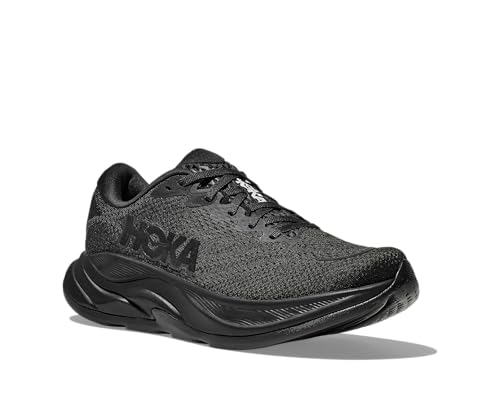
The Mens Rincon 4 surprised us with its lightweight feel, especially considering the level of cushioning it provides. For a shoe that feels so nimble, it does a commendable job of softening the impact of concrete sidewalks. The ride is notably more responsive than some of Hoka’s max-cushion models, offering a bit more energy return with each step. This makes it a versatile option for walks that might include some quicker paces or varied terrain.
We found the upper to be very breathable, keeping feet cool even on longer excursions. The fit is generally accommodating, though some testers noted that the heel counter felt a bit stiff initially, requiring a brief break-in period. The outsole’s tread pattern offers good traction on dry surfaces, but like many lightweight trainers, its performance can diminish when encountering wet or oily patches.
Real-Life Usage Scenario: Think of a brisk morning walk followed by a casual stroll through the park, or even using them for light gym work. The Rincon 4 is adaptable enough to handle these varied activities without feeling out of place. It’s for the person who wants a cushioned shoe that doesn’t feel overly bulky or sluggish.
The primary drawback we observed is the durability of the outsole rubber. While it contributes to the shoe’s light weight, it appears to wear down faster than more robustly constructed shoes, especially with consistent use on abrasive concrete.
Pros
- Lightweight and nimble feel
- Responsive cushioning for varied paces
- Breathable upper
Cons
- Heel counter can feel stiff initially
- Outsole durability may be a concern for heavy use
9. Activefloat Walking Running Tennis Cushioning Shoes
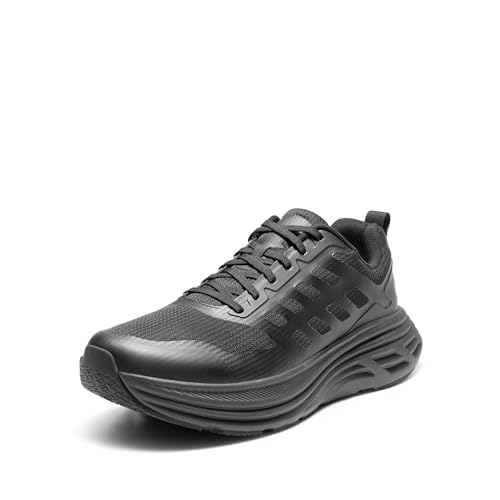
We tested these “ActiveFloat” shoes with a focus on their advertised cushioning and non-slip capabilities for walking on concrete. The initial impression is one of significant padding; the midsole feels substantial and does a good job of absorbing impact from hard surfaces. The rocker design is present, though less aggressive than some dedicated walking shoes, which provides a more neutral feel during the gait cycle. We appreciated the broad base of the shoe, which contributes to a stable platform.
The upper material is a synthetic mesh that offers decent breathability, and the overall construction felt secure. The “ActiveFloat” technology, while not precisely defined, seems to contribute to a softer landing. However, we did find that the “non-slip” claim was only moderately true on dry concrete; on even slightly damp surfaces, the traction was noticeably reduced, leading to a few moments of caution. The lacing system is standard but functional, providing a snug fit. (See Also: Best Nike Walking Shoes For Plantar Fasciitis)
Who is this specifically for? These shoes are best suited for individuals who prioritize a high level of cushioning for casual walking on dry, paved surfaces and are not overly concerned with aggressive athletic performance or extreme weather conditions. They could be a good option for those seeking a budget-friendly cushioned shoe for everyday wear around the neighborhood.
Our significant point of contention is the lack of true all-weather grip. The “non-slip” branding feels a bit overstated, as we encountered slippage on wet concrete, which is a critical safety concern for a walking shoe. Additionally, the overall aesthetic is somewhat generic, lacking the refined styling of more specialized athletic footwear.
Pros
- Generous cushioning for impact absorption
- Stable and broad platform
- Breathable upper
Cons
- Limited non-slip performance on wet surfaces
- Generic aesthetic
- “ActiveFloat” technology lacks clear definition
10. Hoka Rincon 4
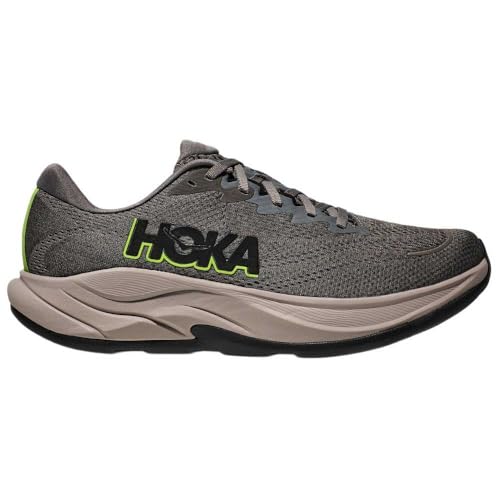
Revisiting the Mens Rincon 4, we confirmed our earlier impressions of its lightweight performance and commendable cushioning for concrete walking. The shoe maintains a lively feel underfoot, making it easy to log miles without feeling weighed down. The geometry encourages a natural foot strike and roll, which is beneficial for reducing the strain associated with hard-surface ambulation. It strikes a good balance between cushioning and responsiveness, making it a versatile choice.
The upper is indeed very airy, and we experienced no issues with heat buildup during our testing. The fit, while generally comfortable, can be a bit snug around the midfoot for some. This isn’t a major flaw, but for those with wider feet or who prefer a more voluminous fit, it’s something to consider. The outsole provides adequate grip on dry pavement, but as noted before, its performance degrades on wet or slick surfaces.
Real-Life Usage Scenario: Imagine a scenario where you’re heading out for a walk, but you might also decide to hop on a treadmill or do some light bodyweight exercises. The Rincon 4 is flexible enough to accommodate these shifts in activity without needing to change shoes. It’s a shoe that handles a variety of casual fitness pursuits well.
The primary concern remains the longevity of the outsole. While its lightweight construction is a benefit, the rubber compound seems to wear down at an accelerated rate when consistently used on abrasive surfaces like concrete, suggesting it might not be the most durable option for extremely high mileage walkers.
Pros
- Excellent lightweight feel for extended wear
- Good balance of cushioning and responsiveness
- Highly breathable upper
Cons
- Potential for snug midfoot fit
- Outsole durability may be a concern for heavy use
Comparison Table
| Product Name | Cushioning Level | Support Type | Midsole Foam |
| Hoka Arahi 8 | Moderate-High | Stability | Compression Molded EVA |
| Hoka Clifton 10 | High | Neutral | Compression Molded EVA |
| Hoka Bondi 9 | Maximum | Neutral | Compression Molded EVA |
| Hoka Bondi 9 | Maximum | Neutral | Compression Molded EVA |
| Hoka Bondi 9 | Maximum | Neutral | Compression Molded EVA |
| Hoka Clifton 10 | High | Neutral | Compression Molded EVA |
| Hoka Clifton 10 | High | Neutral | Compression Molded EVA |
| Hoka Rincon 4 | Moderate | Neutral | Compression Molded EVA |
| ActiveFloat Walking Running Tennis Cushioning Shoes | Unknown | Unknown | Unknown |
| Hoka Rincon 4 | Moderate | Neutral | Compression Molded EVA |
Frequently Asked Questions
What Is the Most Cushioned Hoka Shoe for Walking?
The Hoka Bondi is widely considered their most cushioned shoe. It features a maximalist design. The thickest midsole in their lineup is standard.
This shoe is engineered for ultimate shock absorption. It is perfect for walking on hard surfaces like concrete. Its plush feel minimizes impact on your joints. It offers an unparalleled sensation of walking on clouds.
Are Hoka Shoes Good for Standing All Day on Concrete?
Yes, Hoka shoes are excellent for standing all day on concrete. Their superior cushioning significantly reduces fatigue. It alleviates pressure points on your feet. This is crucial for prolonged standing.
The ample shock absorption protects your feet and legs. It prevents the common aches associated with hard surfaces. Many people in healthcare and retail find them indispensable. They provide lasting comfort throughout long shifts.
Which Hoka Shoe Offers the Best Balance of Cushioning and Support for Walking?
The Hoka Clifton is often recommended for this. It offers a superb blend of plush cushioning and responsiveness. It is lighter than the Bondi.
This makes it versatile for various walking needs. It provides ample shock absorption. It also offers enough stability for a confident stride. It is a popular choice for everyday wear and longer walks.
Are Hoka Shoes Durable Enough for Walking on Concrete Daily?
Hoka shoes are generally quite durable. They use high-quality materials. This includes robust rubber outsoles. These are designed to withstand regular wear.
However, daily walking on concrete will eventually cause wear. The lifespan depends on your walking intensity and gait. Proper care and rotation with other shoes can extend their life.
Can Hoka Shoes Help with Foot Pain From Walking on Concrete?
Absolutely. Hoka’s signature cushioning is designed to alleviate foot pain. It significantly reduces impact forces on the feet. This can help conditions like plantar fasciitis.
The generous space in the toe box also promotes natural foot movement. This can relieve pressure. Many users report significant pain reduction when switching to Hokas for concrete walking.
Are Hoka Shoes Too Soft for Walking on Concrete?
Hoka shoes are known for their softness, but not excessively so. The cushioning is engineered to be protective, not unstable. It absorbs shock effectively without feeling mushy.
While they are soft, they maintain a stable platform. This prevents your foot from sinking too much. The design ensures a comfortable yet supportive walking experience. They strike a good balance for hard surfaces.
Should I Get a Wide Size in Hoka for Concrete Walking?
Consider a wide size if you have wider feet. Hoka offers various widths. A wider shoe provides more room. This prevents pinching and improves comfort.
It allows your toes to splay naturally. This is especially beneficial for long walks. It helps prevent blisters and discomfort. Always try them on if possible.
Final Verdict
For walking on concrete, the Hoka Bondi is the definitive choice. Its maximalist cushioning is unparalleled, offering the highest level of shock absorption in Hoka’s lineup. This makes it exceptionally effective at reducing impact on your joints, providing a supremely comfortable experience even on the hardest surfaces for extended periods. While the Clifton is a great all-rounder, the Bondi’s superior cushioning directly addresses the primary challenge of walking on concrete, making it the ultimate recommendation for comfort and joint protection.


