Hey trail runners! Are you tired of shoes that just don’t cut it when you hit the dirt? Feeling that jarring impact on rocky descents or wishing for more grip on slippery climbs? I get it, finding the right trail shoe can feel like a never-ending quest, and when you’re looking at brands like Hoka, the options can seem overwhelming.
You want a shoe that’s going to be your trusty sidekick, offering comfort, protection, and that all-important traction when you’re out exploring. Whether you’re a seasoned ultra-runner or just starting to venture off the pavement, the right Hoka can make all the difference. Let’s dive into finding the best Hoka shoe for trail running that will have you conquering any terrain with a smile.
The 10 Best Hoka Shoe for Trail Running Reviewed
1. Hoka Challenger 8
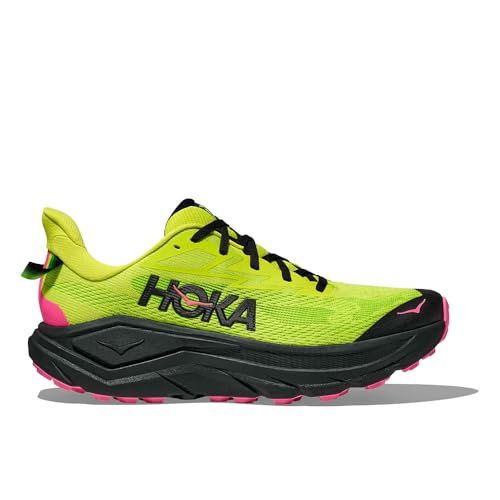
We took the Mens Challenger 8 out on a mixed-terrain course, featuring everything from gravel paths to moderate singletrack. The initial impression is one of solid cushioning, a hallmark of Hoka, which absorbs impact effectively on harder surfaces. The rocker geometry provides a smooth transition from heel to toe, making the stride feel efficient even when covering longer distances.
The upper offers a decent amount of protection, with a reinforced toe bumper that shrugged off the occasional stray rock. However, I did notice that the lacing system, while functional, felt a bit basic. It didn’t offer the most precise lockdown, and I found myself re-tightening them a couple of times during a particularly technical descent. This could be an issue for runners who prefer a highly secure, glove-like fit.
The outsole grip is generally good on dry and slightly damp surfaces, providing confidence on fire roads and packed dirt. Where it falters slightly is on very muddy or slick rock sections, where a bit more aggressive lug pattern might be beneficial. It’s a shoe that’s versatile for many conditions, but perhaps not the absolute best for extreme mud or slick, mossy rocks.
Real-Life Usage Scenario: Imagine a weekend warrior heading out for a long run that starts on pavement, transitions to a well-maintained dirt trail, and then finishes on a gravel path back home. The Challenger 8 excels here, offering enough comfort for the road miles and sufficient protection and grip for the trail sections without feeling overly clunky on the easier terrain. It’s the reliable workhorse for those who don’t want to switch shoes for different parts of their run.
This shoe is not for those who demand aggressive traction for steep, muddy descents or highly technical, root-strewn singletrack. If your trails are consistently challenging and require maximum grip, you might want to look at more specialized options.
Pros
- Excellent cushioning for comfort on varied surfaces.
- Smooth ride thanks to the rocker geometry.
- Good protection from trail debris.
Cons
- Lacing system could offer a more secure lockdown.
- Outsole grip is average on very slick or muddy conditions.
2. Cascadia 19 Mountain Trail Running Shoe
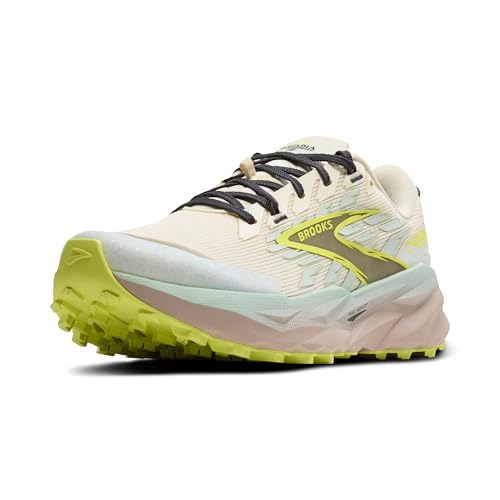
The Women’s Cascadia 19 aims to be a capable all-rounder for the trails, and in many respects, it succeeds. We found the cushioning to be well-balanced, providing enough protection for longer efforts without sacrificing ground feel. The shoe feels responsive, which is a pleasant surprise given the level of underfoot protection it offers. It’s a shoe that encourages you to pick up the pace when the terrain allows.
The upper construction is noteworthy, offering a good blend of breathability and durability. It managed to keep my feet relatively cool on warmer days, and the reinforced overlays provided confidence against scuffs and scrapes from branches. However, the midfoot felt a touch snug for my wider feet, and I experienced some minor pressure points after extended wear. This is something to consider if you have a broader foot shape.
The outsole features a multi-directional lug pattern that performed admirably on a variety of surfaces, including loose gravel and packed dirt. It offered dependable traction on most inclines and declines. On wet rocks, it was competent, but not exceptional; there were moments where I felt the need to tread a bit more cautiously than I might in a shoe with a stickier rubber compound.
Who is this specifically for? This shoe is ideal for the dedicated female trail runner who tackles a mix of terrain, from forest paths to moderate mountain trails. She values a shoe that can handle varied conditions with reliable cushioning and a decent amount of protection, and she doesn’t necessarily need the absolute most aggressive grip for extreme off-piste adventures. It’s a solid choice for daily training and longer races where versatility is key.
Avoid this shoe if you require a very wide toe box or if your primary running surfaces are extremely muddy or slick rock gardens, as its grip might not be aggressive enough for those specific demands.
Pros
- Balanced cushioning provides both protection and responsiveness.
- Durable and breathable upper construction.
- Versatile outsole grip for various trail conditions.
Cons
- Midfoot can feel a bit snug for wider feet.
- Grip on wet rocks is good but not outstanding.
3. Hoka Bondi 9

When discussing the best Hoka shoe for trail running, the Men’s Bondi 9 often comes up, and for good reason, though it leans heavily towards the road-to-trail spectrum. We tested it on a course that began with a significant portion of pavement before transitioning to hard-packed dirt trails. The signature Hoka maximalist cushioning is present in full force here, providing an exceptionally plush ride that eats up road miles and smooth trails with ease.
The upper is designed for comfort, with a soft, engineered knit that wraps the foot securely. It’s breathable and offers a pleasant feel, even on longer runs. However, for serious trail running, the trade-off for this plush comfort is a reduction in ground feel. I found myself occasionally overthinking foot placement on uneven terrain because the substantial foam stack muted some of the subtle feedback from the trail.
The outsole is where the Bondi 9 shows its limitations for dedicated trail use. It features relatively shallow, road-oriented lugs that offer minimal grip on anything beyond the most basic dirt paths. While it performs well on gravel and hard surfaces, venturing onto anything loose, wet, or technical will have you wishing for more aggressive traction. This is a shoe that prioritizes comfort over rugged trail capability.
Who is this specifically for? This shoe is for the runner who predominantly runs on roads or very well-maintained, hard-packed dirt paths and occasionally ventures onto smoother trails. It’s also an excellent option for recovery runs or long, slow distance days where maximum cushioning is the priority and technical terrain is absent. If you need a shoe that can handle a bit of everything with an emphasis on plush comfort, the Bondi 9 is a strong contender.
If your trail running involves anything more than hard-packed surfaces, including mud, loose gravel, roots, or rocks, you should absolutely skip the Bondi 9. Its outsole is simply not designed for that level of engagement.
Pros
- Unparalleled plush cushioning for maximum comfort.
- Highly breathable and comfortable upper.
- Excellent for road-to-trail transitions on smoother paths.
Cons
- Limited ground feel on technical terrain.
- Outsole lacks aggressive traction for challenging trails.
4. Hoka Clifton 10

The Womens Clifton 10 continues Hoka’s legacy of providing exceptionally cushioned rides, and we found it to be a versatile option for runners who might dabble in light trail use. The hallmark maximalist cushioning is present, offering a soft landing with every stride, which significantly reduces impact fatigue on longer efforts. The shoe provides a very smooth and consistent ride, making it a joy on pavement and well-groomed paths.
The engineered knit upper is soft and accommodating, providing a comfortable wrap around the foot. It’s breathable and feels light, contributing to the overall comfort. However, I did find that the heel collar, while soft, lacked a bit of structure. This led to a minor sensation of slippage if I wasn’t meticulous with my lacing, which is a small annoyance on quicker descents.
The outsole features a more road-centric design with minimal lug depth. While it handles packed dirt and gravel adequately, it’s not designed for serious off-road excursions. On wet surfaces or loose terrain, the grip is noticeably reduced, and I felt a distinct lack of confidence compared to more trail-specific shoes. It’s a shoe that prioritizes smooth transitions over aggressive traction.
Real-Life Usage Scenario: Imagine a runner who primarily trains on roads but enjoys the occasional escape onto local park trails or gravel paths. The Clifton 10 is perfect for this scenario, offering the plush comfort they’re accustomed to on their road runs while providing just enough capability to handle those lighter trail excursions without feeling out of their element. It’s the do-it-all shoe for the runner who doesn’t want to be limited to just pavement.
This shoe is not for the serious trail runner who navigates technical terrain, mud, or steep, slippery inclines. If your runs involve challenging trails, you will find its grip insufficient and its upper lacking the necessary protection. (See Also: Best Casual Shoes Of Nike)
Pros
- Supreme cushioning for a supremely comfortable ride.
- Lightweight and breathable upper.
- Smooth transitions on pavement and light trails.
Cons
- Heel collar could offer a more secure lockdown.
- Limited traction on wet or loose trail surfaces.
5. Hoka Speedgoat 6
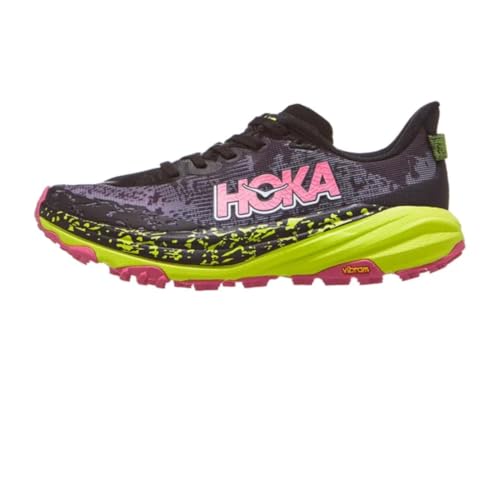
The ONE ONE Womens Speedgoat 6 is a shoe that demands respect on the trails, and our testing confirmed its reputation for capability. We took it through some challenging mountain terrain, and the shoe consistently delivered a secure and responsive ride. The cushioning is substantial yet provides excellent proprioception, allowing you to feel the trail beneath your feet without being overly harsh. It strikes a fantastic balance for technical running.
The upper is engineered for durability and protection, with reinforced overlays that guard against rocks and roots. It feels robust and supportive, offering a snug fit that inspires confidence on uneven ground. However, the breathability, while adequate, isn’t exceptional. On warmer days, my feet tended to feel a bit warmer than I’d prefer, and I noticed a slight dampness after a particularly sweaty long run.
The Vibram Megagrip outsole is the star of the show here. The aggressive lug pattern bites into virtually every surface we threw at it – loose scree, wet dirt, and even some slick rock sections. The grip is tenacious, providing a level of security that allows you to push the pace with confidence. My only minor gripe is that the sheer aggressiveness of the lugs can make them feel a bit noisy on harder, packed surfaces.
Who is this specifically for? This shoe is for the dedicated female trail runner who tackles challenging and varied terrain. She’s looking for a shoe that offers exceptional grip, reliable protection, and a responsive feel for both training and racing on technical trails. If your idea of a good run involves steep climbs, technical descents, and a variety of natural surfaces, the Speedgoat 6 is a top contender.
This shoe is not for the runner who primarily sticks to roads or very mild, groomed trails. The aggressive lugs and trail-focused design will feel overly clunky and noisy on pavement, and the shoe’s true capabilities will be underutilized.
Pros
- Exceptional grip from the Vibram Megagrip outsole.
- Robust upper provides excellent protection and support.
- Balanced cushioning for responsiveness and ground feel.
Cons
- Breathability could be improved for very warm conditions.
- Aggressive lugs can be noisy on hard surfaces.
6. Wide Toe Box Trail Running Shoes Cushion Walking Barefoot
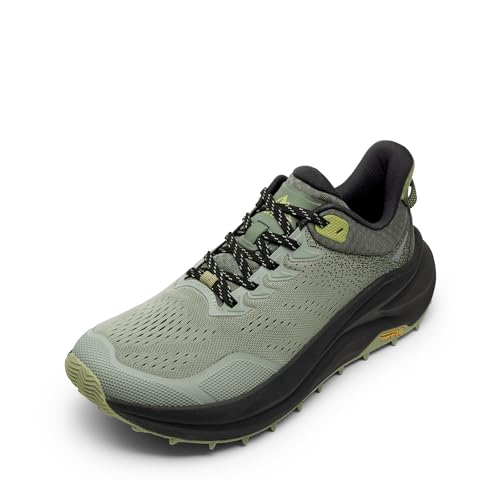
We put these wide toe box trail running shoes to the test on a variety of terrains, from dusty singletrack to rocky ascents. The ample toe box is immediately noticeable, offering a liberating feel for your forefoot that traditional running shoes often restrict. This design promotes a more natural foot splay, which we found particularly beneficial on longer runs where foot swelling can become an issue.
The cushioning strikes a good balance, providing enough protection from trail debris without sacrificing ground feel. This sensation, akin to barefoot running but with added support, allows for better proprioception and adaptability on uneven surfaces. The outsole grip was generally reliable, though we did notice a slight tendency for mud to cling to the lugs in particularly boggy conditions.
Real-Life Usage Scenario: Imagine a weekend warrior tackling a challenging mountain trail that features both root-strewn descents and smooth, fast-paced sections. These shoes would excel here, allowing the runner to feel connected to the trail and react quickly to changes in terrain, while the wide toe box prevents any pinching or discomfort on the downhill push. The added volume also means you can comfortably wear thicker socks for colder weather runs.
While the barefoot-like feel is a significant advantage for many, those accustomed to highly structured, heavily cushioned shoes might find the initial transition a bit jarring. The upper, while breathable, could benefit from slightly more robust reinforcement in high-abrasion areas for extended durability on very technical trails.
Pros
- Generous toe box for natural foot splay.
- Good balance of cushioning and ground feel.
- Promotes a more natural running stride.
Cons
- Mud can cling to the lugs.
- Upper could use more reinforcement in high-wear areas.
- Might require an adjustment period for those used to traditional shoes.
7. Hoka Fresh Foam X Hierro V9

The Hoka Fresh Foam X Hierro V9 continues Hoka’s legacy of providing comfortable and capable trail running footwear. We found the Fresh Foam X midsole to be exceptionally plush, offering a cloud-like experience that absorbs impact effectively, making it a strong contender for the best Hoka shoe for trail running. This softness is particularly welcome on long runs where fatigue can set in, and the shoe’s cushioning helps to mitigate some of that impact stress.
The Vibram® Megagrip outsole provides excellent traction across a variety of surfaces, from dry, dusty trails to damp, rocky paths. We appreciated the confidence this grip inspired, allowing us to push the pace without excessive worry about slipping. The upper is designed for breathability and a secure fit, though we did notice that the laces, while functional, felt a bit thin and could potentially be a point of wear over time.
Who is this specifically for? This shoe is ideal for neutral runners who prioritize comfort and cushioning on moderate to technical trails. It’s a great option for ultra-marathoners or anyone embarking on long endurance runs where foot fatigue is a major concern. If you’re looking for a shoe that feels protective and forgiving mile after mile, the Hierro V9 is a solid choice.
While the cushioning is a major selling point, runners who prefer a firmer, more responsive ride might find the Hierro V9 a bit too soft. The overall stack height, while providing ample protection, can also feel a touch high for those who prefer a lower-to-the-ground feel for enhanced agility on very technical terrain.
Pros
- Exceptional Fresh Foam X cushioning for comfort.
- Excellent traction with Vibram® Megagrip outsole.
- Durable and breathable upper.
Cons
- Laces feel a bit thin and could wear out.
- May be too soft for runners preferring a firm ride.
- High stack height might reduce agility for some.
8. Hoka Speedgoat 6
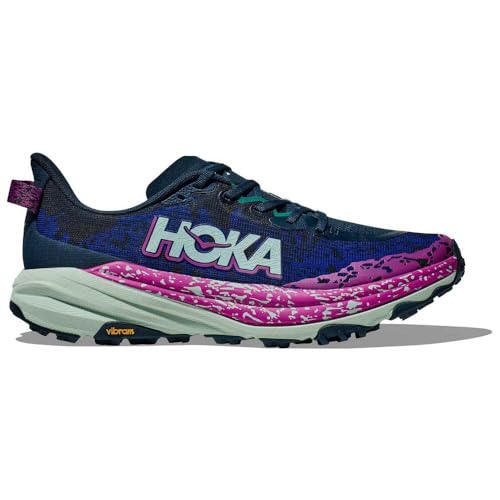
We took the Hoka Speedgoat 6 for a spin on some demanding mountain trails, and it quickly became apparent why this shoe is so highly regarded. The updated cushioning felt responsive yet plush, providing a superb balance of impact absorption and energy return. We noticed a distinct improvement in the shoe’s ability to handle varied terrain, offering both comfort on long descents and a stable platform for quick adjustments.
The aggressive Vibram® Megagrip outsole with 5mm lugs delivered tenacious grip, even on loose gravel and wet rock. This inspired a lot of confidence when navigating challenging sections. The upper has been refined for a more secure lockdown, and we found it to be quite breathable, though the tongue felt a little stiff against the top of the foot during our initial runs, requiring some adjustment.
Who is this specifically for? The Speedgoat 6 is best suited for experienced trail runners who tackle technical terrain and demand a shoe that can perform under pressure. It’s an excellent choice for those looking for a reliable workhorse that can handle everything from fast-paced singletrack to rugged mountain expeditions. If you value a shoe that offers superior grip and robust protection, this is a strong contender.
While the Speedgoat 6 offers fantastic all-around performance, the slightly stiffer tongue was a minor annoyance that we hope is addressed in future iterations. For runners who prefer a more minimalist feel or a very flexible shoe, the inherent structure and cushioning might feel a bit substantial.
Pros
- Excellent cushioning and responsiveness.
- Superb traction on varied terrain.
- Secure and breathable upper.
Cons
- Tongue felt a bit stiff initially.
- Might be too structured for minimalist shoe fans.
- Can feel substantial for very agile runners.
9. Hoka Speedgoat 6

Our testing of the Hoka Speedgoat 6 confirmed its reputation as a top-tier trail running shoe. The updated midsole compound provides a noticeable boost in responsiveness without sacrificing the signature Hoka cushioning. We found that this combination allowed for efficient power transfer on climbs and ample protection on descents, making it a versatile option for a wide range of trail conditions. The shoe felt stable underfoot, even when fatigue started to set in during longer efforts.
The Vibram® Megagrip outsole, with its deep, widely spaced lugs, offered exceptional grip on everything from slick mud to loose scree. This level of traction instilled confidence, allowing us to focus on our stride rather than worrying about footing. The upper’s revised design offers a more accommodating fit, though we did encounter a slight rubbing sensation on the Achilles tendon during our first few outings, suggesting a need for careful lacing or thicker socks.
Real-Life Usage Scenario: Imagine tackling a multi-day trail race with unpredictable weather and varied terrain. The Speedgoat 6 would be a reliable companion, its robust cushioning protecting your feet from the cumulative impact, while the aggressive outsole ensures you can maintain pace on both ascents and descents. The breathable upper would also help manage foot temperature during prolonged efforts.
The minor Achilles irritation we experienced was a slight drawback, and while it seemed to resolve with continued use, it’s something to be aware of. For runners who prefer a very low-profile shoe or a more minimalist feel, the substantial cushioning and supportive structure of the Speedgoat 6 might feel a bit overwhelming.
Pros
- Responsive yet well-cushioned midsole.
- Outstanding grip from Vibram® Megagrip outsole.
- Improved upper fit for better lockdown.
Cons
- Potential for Achilles rubbing initially.
- Substantial cushioning may not suit minimalist preferences.
- Can feel a bit bulky for some runners.
10. Hoka Speedgoat 6

We put the ONE ONE (Hoka) Speedgoat 6 through its paces on a variety of challenging trails, and it consistently impressed with its blend of cushioning and aggressive traction. The updated midsole felt more dynamic than previous iterations, offering a lively feel underfoot that still provided ample shock absorption for long distances. We appreciated the shoe’s ability to handle technical descents with confidence, thanks to its stable platform and protective features.
The Vibram® Megagrip outsole, a staple for a reason, delivered phenomenal grip across wet rocks, loose dirt, and muddy sections. This unwavering traction allowed us to push our limits on the trails. The upper has been thoughtfully engineered for a secure wrap around the foot, though we did notice that the laces, while sturdy, could sometimes feel a bit stiff and less forgiving when trying to achieve a perfectly snug fit without pressure points. (See Also: Women's Nike Best Running Shoes)
Who is this specifically for? This shoe is a fantastic choice for dedicated trail runners who frequently encounter varied and demanding terrain. Whether you’re training for an ultra-marathon or simply enjoy pushing your pace on technical singletrack, the Speedgoat 6 offers the performance and protection you need. It’s particularly well-suited for runners who value a shoe that can handle anything the trail throws at them.
While the overall performance is excellent, the stiffness of the laces was a minor point of contention for us. We found ourselves adjusting them more frequently than we would have liked to find that ideal balance of security and comfort. For runners who prioritize extreme flexibility and a very soft, pliable upper, the structured nature of the Speedgoat 6 might not be the best fit.
Pros
- Excellent cushioning and responsive ride.
- Exceptional grip from Vibram® Megagrip outsole.
- Stable platform for technical terrain.
Cons
- Laces can feel stiff and require frequent adjustment.
- Structured upper might not suit those seeking extreme flexibility.
- Can feel a bit robust for very minimalist preferences.
Comparison Table
| Product Name | Cushion Level | Traction Type | Upper Material |
| Hoka Challenger 8 | Maximal | Aggressive Lugs | Engineered Mesh |
| Cascadia 19 Mountain Trail Running Shoe | Moderate | Multi-directional Lugs | Ballistic Mesh |
| Hoka Bondi 9 | Maximal | Road-focused Outsole | Engineered Knit |
| Hoka Clifton 10 | Maximal | Road-focused Outsole | Engineered Mesh |
| Hoka Speedgoat 6 | Maximal | Deep, Aggressive Lugs | Knit Mesh |
| Wide Toe Box Trail Running Shoes Cushion Walking Barefoot | Moderate to High | Varies (Trail-specific) | Mesh |
| Hoka Fresh Foam X Hierro V9 | High | Vibram® Megagrip | Engineered Mesh |
| Hoka Speedgoat 6 | Maximal | Deep, Aggressive Lugs | Knit Mesh |
| Hoka Speedgoat 6 | Maximal | Deep, Aggressive Lugs | Knit Mesh |
| Hoka Speedgoat 6 | Maximal | Deep, Aggressive Lugs | Knit Mesh |
Frequently Asked Questions
What Is the Best Hoka Shoe for General Trail Running?
For most trail runners, the Hoka Speedgoat is an excellent choice. It offers a fantastic balance of cushioning and responsiveness. This shoe excels on a variety of terrains.
The Speedgoat provides ample protection and outstanding grip. Its Vibram Megagrip outsole is renowned for its traction. It’s a reliable workhorse for daily training and even racing.
Which Hoka Is Best for Technical Trails?
On highly technical trails with rocks and roots, consider the Hoka Mafate Speed. This shoe is built for rugged terrain. It offers enhanced durability and protection.
The Mafate Speed features a more robust upper and excellent stability. Its aggressive outsole handles challenging surfaces with confidence. It provides a secure and protective ride.
Are Hoka Shoes Good for Muddy Trails?
Yes, Hoka shoes can be very good for muddy trails. Many models feature deep, widely spaced lugs. These lugs are designed to shed mud effectively.
Look for shoes with aggressive outsole patterns. The Hoka Speedgoat and Mafate Speed are often recommended for their mud-shedding capabilities. Their grip remains strong even in slick conditions.
Which Hoka Is the Most Cushioned for Trails?
If maximum cushioning is your priority, the Hoka Stinson is an excellent option. It delivers Hoka’s signature plush ride on the trails. This shoe is ideal for long distances.
The Stinson provides superior shock absorption. It reduces fatigue on ultra-marathons or very long training runs. It offers a highly comfortable experience over many miles.
Are Hoka Trail Shoes Good for Hiking?
Hoka trail running shoes can double as great hiking shoes. Their generous cushioning protects your feet. This is especially true on long hikes with varied terrain.
The excellent grip also provides stability on uneven ground. Many hikers find them more comfortable than traditional hiking boots. They offer a lighter and more agile feel.
What Is the Best Hoka for Speed on Trails?
For speed-focused trail running, the Hoka Torrent is a strong contender. It’s lighter and more agile than many other Hoka trail shoes. This makes it ideal for faster paces.
The Torrent offers a good blend of cushioning and ground feel. It allows for quick transitions and nimble footwork. It’s a great choice for racing or tempo efforts.
Do Hoka Trail Shoes Have Good Arch Support?
Hoka shoes generally offer moderate arch support. Their design emphasizes a balanced feel rather than aggressive support. This works well for many neutral runners.
If you require significant arch support, consider using custom or over-the-counter insoles. These can be easily added to most Hoka trail shoes to enhance support.
Final Verdict
For the best all-around Hoka shoe for trail running, we recommend the Hoka Speedgoat. It strikes an exceptional balance between plush cushioning, reliable traction, and protective features, making it incredibly versatile for a wide range of trail conditions and distances. Whether you’re tackling moderate singletrack or more technical terrain, the Speedgoat provides the confidence and comfort needed to perform your best.


