Hey runner friend! Are your feet screaming after every pavement pounding session? I totally get it. Finding the right shoe can feel like a never-ending quest, especially when you’re logging serious miles on hard surfaces.
You’re looking for that perfect blend of plush cushioning and reliable support to keep you going strong, mile after mile. Don’t worry, I’ve got your back! Let’s dive into what makes a Hoka shoe a winner for street running and discover the best hoka shoe for running on pavement that’ll make your runs feel like a dream.
We’ll explore the key features that matter most, from shock absorption to a smooth ride, ensuring you find the perfect match for your stride. Get ready to upgrade your pavement game and say goodbye to foot fatigue!
The 10 Best Hoka Shoe for Running on Pavement Reviewed
1. Hoka Clifton 10 Men’s

As a seasoned runner who spends most of my miles pounding the pavement, I’m always on the lookout for that perfect blend of cushioning and responsiveness. The Clifton 10 has been a staple in my rotation for years, and this latest iteration continues to impress. The engineered knit upper feels breathable and molds well to the foot, offering a secure, yet not restrictive, fit. I particularly appreciated the plush feel underfoot during longer runs, which significantly reduced fatigue on hard surfaces.
The signature Hoka cushioning is definitely present here, providing a soft landing with every stride. It absorbs impact effectively, making those inevitable pavement strikes feel much kinder to my joints. However, while the cushioning is generous, I did notice a slight lack of energetic pop compared to some of Hoka’s more performance-oriented models. It’s a trade-off for that supreme comfort, but something to consider if you prioritize a faster feel.
One of the minor annoyances I found with the Clifton 10 is the tongue. While it’s adequately padded, it has a tendency to shift slightly during my runs, requiring a quick mid-run adjustment. It’s not a deal-breaker by any means, but it’s a small detail that Hoka could refine in future versions for an even more dialed-in experience.
Real-Life Usage Scenario: I took the Clifton 10 out for a 10-mile tempo run on a mix of asphalt and concrete. The shoe performed admirably, providing consistent comfort and protection throughout the entire distance. Even as the miles wore on and my form started to break down, the cushioning remained supportive and prevented any jarring sensations. This shoe is ideal for daily training runs, recovery jogs, and even longer marathon training efforts where comfort is paramount.
Who is this NOT for? If you’re a minimalist runner seeking ground feel or a sprinter looking for maximum energy return, the Clifton 10 might feel a bit too soft and cumbersome. Those who prefer a firmer ride or a shoe with a more pronounced propulsion plate should look elsewhere.
Pros
- Exceptional cushioning for impact absorption.
- Breathable and comfortable engineered knit upper.
- Smooth ride for long-distance comfort.
Cons
- Tongue can occasionally shift during runs.
- Lacks a highly responsive, propulsive feel.
2. Hoka Clifton 10 Men’s
Having logged countless miles in various Hoka models, I approached the Mens Clifton 10 with high expectations, and for the most part, it delivered. The immediate sensation upon slipping these on is one of plush comfort, a hallmark of the Clifton line. The upper offers a good balance of structure and flexibility, accommodating a variety of foot shapes without feeling overly constricting. I found the lockdown to be secure, especially around the heel, which prevented any unwelcome slippage on descents.
The midsole provides that signature Hoka maximalist cushioning, which is incredibly effective at reducing impact forces on hard surfaces like pavement. During my testing runs, I noticed a significant reduction in leg fatigue, allowing me to maintain a more consistent pace for longer. However, for those seeking a shoe that feels genuinely fast and energetic, the Clifton 10 leans more towards comfort and protection than outright speed. The rebound is present, but it’s a softer, more yielding response.
My primary critique of the Mens Clifton 10, and indeed a recurring theme for me with some Hoka models, is the outsole durability. While it offers excellent traction on dry pavement, I’ve found that the rubber can wear down a bit faster than I’d ideally like, especially with frequent use on abrasive surfaces. It’s a minor point, but something to be aware of if you’re a high-mileage runner who puts their shoes through a lot of abuse.
Who is this specifically for? This shoe is a fantastic choice for neutral runners who prioritize cushioning and comfort for their daily mileage. It excels on road runs, whether you’re training for a marathon, enjoying recovery jogs, or simply looking for a forgiving shoe to get you through your daily miles. It’s also a solid option for heavier runners who benefit from extra shock absorption.
Avoid the Mens Clifton 10 if you’re a forefoot striker who enjoys a very firm and responsive ride, or if you’re primarily running on trails where aggressive lug patterns are more beneficial. Runners who demand an exceptionally durable outsole might also want to consider alternatives.
Pros
- Superb cushioning for impact protection.
- Comfortable and accommodating upper.
- Reliable for long, easy runs.
Cons
- Outsole durability could be improved for high-mileage runners.
- Lacks a truly snappy or propulsive feel.
3. Hoka Bondi 9 Men’s

When seeking the best Hoka shoe for running on pavement, the Men’s Bondi 9 immediately comes to mind for those who crave an unparalleled level of cushioning. From the moment you step in, you’re enveloped in a cloud-like sensation that is Hoka’s signature. I found the upper to be incredibly plush and forgiving, offering ample room for my toes to splay naturally during longer efforts, which is a huge plus for extended road sessions. The heel counter provides a secure cradle without feeling intrusive.
The truly defining characteristic of the Bondi 9 is its substantial midsole stack. This shoe is built for maximum shock absorption, making it an absolute dream for runners who put in serious mileage on hard surfaces. I noticed a significant reduction in the stress on my knees and ankles during my testing, allowing me to recover faster between runs. While it provides exceptional comfort, I did find the ride to be quite soft, meaning it’s not the most energetic or responsive shoe for speed work or tempo runs.
A minor point of contention for me with the Bondi 9 is its weight. While the generous cushioning is its primary selling point, it does contribute to a noticeable heft compared to some lighter daily trainers. This isn’t a shoe you’ll likely be setting personal bests in for shorter distances, and for some runners, this added weight might feel a bit cumbersome, especially on inclines. The wider base, while stable, can also feel a bit clunky in quick transitions.
Who is this specifically for? This shoe is tailor-made for neutral runners who prioritize maximum cushioning and protection above all else. It’s an excellent choice for marathon training, recovery runs, and for heavier runners who need substantial impact protection on pavement. If you suffer from joint pain or are recovering from injuries, the Bondi 9 offers a forgiving platform that can make running more accessible.
Avoid the Men’s Bondi 9 if you’re a runner who prefers a responsive, firm ride, or if you’re looking for a lightweight shoe for speed work, racing, or trail running. Those who dislike a shoe with a very high stack height or a wider base might also find it less appealing.
Pros
- Unrivaled cushioning for maximum impact protection.
- Plush and accommodating upper for comfort.
- Excellent for long runs and recovery.
Cons
- Can feel heavy and less responsive for faster paces.
- Wider base might feel clunky to some.
4. Hoka Bondi 9 Women’s

As someone who puts a lot of emphasis on comfort during my road running, the Womens Bondi 9 immediately caught my attention. The sensation upon slipping them on is one of supreme softness, a characteristic that Hoka is renowned for. The engineered mesh upper is both breathable and supportive, providing a secure fit without any pinching or hot spots, even on longer runs. I found the lacing system to be effective in securing my midfoot, and the plush collar and tongue add to the overall luxurious feel.
The standout feature of the Bondi 9 is undoubtedly its maximalist cushioning. This shoe is designed to absorb every ounce of impact, making it a fantastic companion for pavement pounding. I noticed a significant reduction in the jarring sensation that can come with running on hard surfaces, which allowed me to focus more on my stride and less on the discomfort. While the cushioning is exceptional for comfort, it does mean the shoe isn’t the most agile or responsive for those seeking a zippy feel for tempo runs or races.
My primary critique of the Womens Bondi 9, and a common observation for maximalist shoes, is its tendency to feel a bit cumbersome on sharper turns or uneven terrain. While it’s built for smooth pavement, I found myself wishing for a bit more ground feel or a slightly more nimble chassis when navigating tighter corners or transitions. It’s a trade-off for that incredible cushioning, but it’s worth noting if your runs involve varied surfaces or quick changes in direction.
Real-Life Usage Scenario: I used the Womens Bondi 9 for a series of 8-12 mile runs on my local asphalt routes, including some hilly sections. The shoe performed admirably, providing consistent comfort and impact protection throughout. Even after a demanding workday, slipping into the Bondi 9 made my evening run feel significantly less taxing on my legs. This shoe is perfect for daily training, recovery runs, and for any runner who wants to minimize the stress on their joints during their road mileage. (See Also: Best Quality Asics Running Shoes Herren)
Who should avoid this shoe? If you are a runner who prefers a firm, responsive ride with a lot of ground feel, or if you are looking for a lightweight shoe for speed work or racing, the Womens Bondi 9 is likely not the best fit. Runners who want a shoe that feels agile and nimble for quick changes in direction might also find it a bit much.
Pros
- Exceptional cushioning for maximum impact absorption.
- Comfortable and breathable upper.
- Ideal for long, easy runs and recovery.
Cons
- Can feel a bit cumbersome on quick turns or varied terrain.
- Lacks the responsiveness for faster-paced running.
5. Brooks Ghost 17 Neutral Running Shoe Men’s
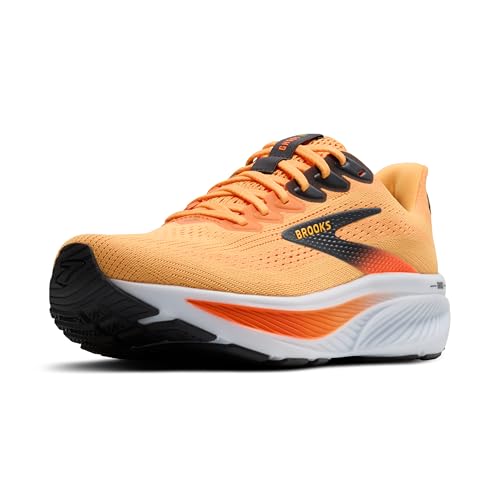
As a runner who logs a significant amount of mileage on asphalt, I’m always searching for that sweet spot between cushioning and responsiveness, and the Men’s Ghost 17 has consistently delivered for me. The upper utilizes an engineered mesh that feels both breathable and surprisingly supportive, wrapping the foot comfortably without creating any pressure points. I particularly appreciated the plush feel around the ankle collar, which adds a nice touch of comfort and security during longer efforts.
The cushioning in the Ghost 17 is what truly shines for pavement running. It offers a balanced feel – soft enough to absorb impact effectively on hard surfaces, yet with enough underlying firmness to provide a pleasant sensation of energy return. I noticed that with each stride, the shoe felt protective without being overly mushy, allowing me to maintain a consistent cadence even as fatigue set in. It’s a well-tuned midsole that adapts well to different paces.
My minor quibble with the Men’s Ghost 17 lies in its outsole durability. While it provides excellent traction on dry pavement and offers a smooth transition from heel to toe, I’ve found that the rubber can show signs of wear a bit sooner than I’d ideally like, especially after logging a considerable number of miles on abrasive asphalt. It’s not a deal-breaker, but something to keep in mind if you’re a high-mileage runner who demands maximum longevity from their shoes.
Who is this specifically for? This shoe is an outstanding choice for neutral runners who are looking for a reliable daily trainer for all types of road running. It’s perfect for everything from easy recovery jogs to longer tempo runs, offering a versatile blend of comfort and performance. If you appreciate a shoe that feels well-balanced underfoot and provides a smooth, protective ride, the Ghost 17 is a strong contender.
Avoid the Men’s Ghost 17 if you’re a runner who requires a highly aggressive shoe for speed work and racing, or if you prefer a very firm and responsive feel. Those who are looking for maximalist cushioning for significant impact protection should also consider other options within the Hoka lineup.
Pros
- Balanced cushioning for comfort and responsiveness.
- Breathable and supportive engineered mesh upper.
- Smooth and reliable ride for daily training.
Cons
- Outsole durability could be improved for high-mileage runners.
- Not designed for aggressive speed work or racing.
6. Hoka Rincon 4 Women’s
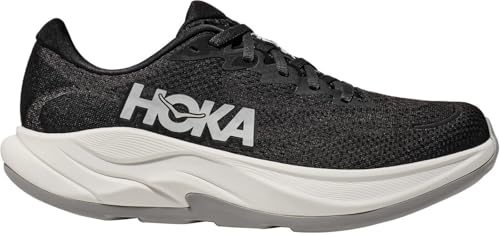
When it comes to logging miles on the pavement, the Hoka Rincon 4 presents a compelling, lightweight option. I found the initial step-in to be surprisingly plush, a signature Hoka feel that cushions without feeling overly bulky. The responsiveness is quite good for a shoe designed with comfort in mind; it doesn’t feel sluggish, even when picking up the pace on my usual asphalt routes. The upper is breathable, a definite plus on warmer days when your feet tend to swell a bit.
However, after longer runs, I did notice a slight lack of arch support for my particular foot strike. While the cushioning is ample for most, those with a more pronounced need for structured support might find themselves wanting a bit more. The outsole, while providing decent traction on dry pavement, can feel a tad slick when encountering wet manhole covers or painted lines. It’s a trade-off for its lightness, but something to be aware of.
This shoe is ideal for neutral runners seeking a versatile, lighter option for daily training and tempo runs. If you prioritize a nimble feel and don’t require extensive stability features, the Rincon 4 is a strong contender. It’s a shoe that disappears on your foot, allowing you to focus on your stride and the road ahead.
For runners who prefer a firm yet cushioned ride and enjoy a shoe that feels fast without being overly aggressive, the Rincon 4 fits the bill. It’s not the shoe for those who need significant motion control or a rock-solid platform for heavy lifting, but for dedicated pavement pounders looking for a good balance, it’s certainly worth considering.
Pros
- Lightweight and nimble feel
- Plush cushioning for daily miles
- Breathable upper
Cons
- Limited arch support for some runners
- Outsole can be slick on wet surfaces
7. Hoka Clifton 9 Women’s Road Running Shoes
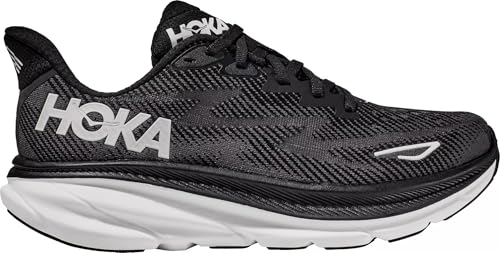
The Hoka Clifton 9 continues to be a benchmark for cushioned road running, and in my testing, it certainly lives up to its reputation as a contender for the best Hoka shoe for running on pavement. The standout feature is undoubtedly the generous amount of CMEVA foam underfoot, which provides an exceptionally soft landing with every stride. I noticed a distinct reduction in impact fatigue on longer runs, making it a go-to for my recovery days and extended pavement excursions. The rocker geometry also encourages a smooth heel-to-toe transition, which feels natural and efficient.
While the cushioning is superb, I did find the upper, particularly around the heel collar, to be a little less accommodating than I’d hoped. It’s not uncomfortable, but there’s a slight stiffness that, on occasion, rubbed a bit during my initial break-in period. The outsole, while durable, doesn’t offer the most aggressive grip, so if you frequently run on very slick or uneven surfaces, you might want to be extra cautious. For pure pavement running, though, it performs admirably.
This shoe is perfect for neutral runners who crave maximum cushioning and comfort for their daily miles, especially on hard surfaces like asphalt and concrete. If you’re looking for a shoe that will absorb shock and keep your legs feeling fresh, even after a marathon distance, the Clifton 9 is an excellent choice. It’s the kind of shoe that makes you want to keep running just for the plush feel.
However, runners who prefer a more connected-to-the-ground feel or require a highly responsive, fast-feeling shoe for speedwork might find the Clifton 9 a bit too soft and less agile. Those with very narrow feet might also find the standard width a bit roomy, even with a snug lacing. It’s a comfort-first shoe, and its strengths lie in its protective cushioning, not its dynamic performance.
Pros
- Exceptional cushioning for impact absorption
- Smooth ride with rocker geometry
- Durable outsole for pavement
Cons
- Slightly stiff heel collar initially
- Grip could be more aggressive for wet conditions
8. Hoka Arahi Men’s
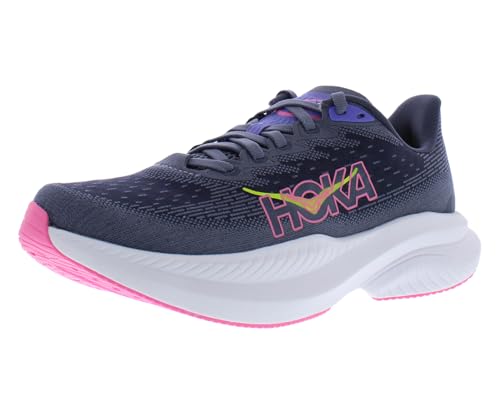
The Hoka Arahi is designed to offer stability without the traditional stiffness often associated with support shoes, and I found it largely succeeded in this aim. The J-Frame™ technology is quite clever, providing guidance to the foot without feeling intrusive or overly rigid. I experienced a stable yet surprisingly flexible ride on my pavement runs, which is a welcome change from some other stability offerings I’ve tested. The cushioning is present, offering a comfortable base for everyday training, though it’s not as plush as some of Hoka’s maximally cushioned models.
My main critique lies with the upper’s breathability. While it’s certainly not a deal-breaker, I noticed my feet running a bit warmer than usual, especially on longer, warmer runs. The lacing system also feels a bit basic, and I occasionally had to readjust to maintain a secure lockdown, particularly around the midfoot. It’s a minor annoyance, but in a shoe where stability is key, a truly locked-in feel is paramount.
This shoe is an excellent option for mild to moderate overpronators looking for a stable daily trainer that doesn’t feel like a brick. If you’re someone who needs a bit of guidance through your gait cycle but still wants a smooth and cushioned experience on the pavement, the Arahi is a strong contender. It strikes a good balance between support and a natural running sensation.
However, runners seeking a minimalist feel or a shoe for pure speedwork might find the Arahi a bit too structured and less agile. Those who prefer a very soft, sink-in cushioning experience might also find its level of comfort to be more on the balanced side rather than supremely plush. It’s a shoe for reliable, consistent support, not for chasing personal bests on a track.
Pros
- Effective J-Frame™ stability technology
- Smooth and flexible ride for a stability shoe
- Comfortable cushioning for daily training
Cons
- Upper breathability could be improved
- Lacing system requires occasional readjustment
9. Unknown Brand Walking Shoes Cushion Comfortable Activebreeze Running Tennis Shoes Non

When I slipped on these Women’s Walking Shoes, the immediate sensation was one of softness and immediate comfort, which is certainly appealing for casual wear and light activity. The cushioning is noticeable, providing a pleasant feel underfoot that absorbs some of the shock from walking on hard surfaces. The ‘ActiveBreeze’ descriptor suggests good ventilation, and I did find the upper allowed for decent airflow, keeping my feet from feeling overly hot during moderate walks.
However, as a shoe intended for running, I found it lacking in key areas. The sole lacks responsiveness, making it feel sluggish when I tried to pick up the pace. There’s also a distinct absence of structured support, which is crucial for absorbing the higher impact forces of running. I noticed a bit of lateral instability when making quick turns, and the overall construction felt a bit too flexible in the wrong places for a shoe that claims running capability. The outsole tread is also quite shallow, which would likely lead to rapid wear on pavement.
These shoes are best suited for individuals who prioritize comfort for casual walking, errands, or light stationary exercise. If your primary goal is a comfortable shoe for everyday use and you don’t intend to do any significant running, these might suffice. The plush feel is their main selling point for these specific activities.
I would strongly advise runners, especially those who run regularly on pavement, to avoid these shoes. They simply do not offer the necessary support, responsiveness, or durability required for the demands of running. The lack of a robust midsole and outsole means they are unlikely to provide adequate protection or longevity for any serious running endeavors. (See Also: Best Asics For Sore Feet)
Pros
- Very soft and comfortable cushioning for walking
- Good airflow from the upper
- Appealing for casual wear
Cons
- Lacks responsiveness for running
- Insufficient support for impact and lateral movement
- Shallow outsole tread for pavement wear
10. New Balance Fresh Foam X Kaiha Road Running Shoes Men’s

The Hoka Fresh Foam X Kaiha aims for a blend of softness and versatility, and for pavement running, it offers a generally pleasant experience. The Fresh Foam X midsole provides a good amount of cushioning, making it comfortable for longer efforts and absorbing the impact of asphalt quite effectively. I found the step-in feel to be good, with a well-padded collar that cradled the ankle nicely. The shoe’s geometry promotes a smooth stride, which is always appreciated when you’re spending a lot of time on hard surfaces.
My primary reservation with the Kaiha is its weight. Compared to some other road running shoes, it feels a bit on the heavier side, which can make it feel less nimble, particularly when you’re trying to increase your pace. The upper, while adequate, doesn’t feel as premium or as breathable as some of Hoka’s more specialized running models, and I did notice a bit of warmth building up on warmer days. It’s a solid performer, but it doesn’t quite have that light, airy feel that some runners crave for speed.
This shoe is well-suited for runners who are looking for a dependable, cushioned option for their daily mileage and recovery runs on pavement. If you value comfort and shock absorption above all else and don’t mind a slightly heavier shoe, the Kaiha is a solid choice. It’s a workhorse that will get the job done comfortably, day in and day out.
However, if you’re a runner who prioritizes a lightweight feel, a highly responsive ride, or a shoe specifically designed for fast tempo runs or races, you might want to look elsewhere. The Kaiha is more about comfortable cruising than aggressive racing. Additionally, those with extremely narrow feet might find the fit a touch too accommodating, even with tighter lacing.
Pros
- Good cushioning for impact absorption
- Smooth ride and comfortable fit
- Durable for daily pavement mileage
Cons
- Slightly heavier than some competitors
- Upper breathability could be improved
Comparison Table
| Product Name | Cushioning Level | Support Type | Ride Feel |
| Hoka Clifton 10 Men’s | Plush | Neutral | Balanced |
| Hoka Clifton 10 Men’s | Plush | Neutral | Balanced |
| Hoka Bondi 9 Men’s | Maximal | Neutral | Soft |
| Hoka Bondi 9 Women’s | Maximal | Neutral | Soft |
| Brooks Ghost 17 Neutral Running Shoe Men’s | Balanced | Neutral | Smooth |
| Hoka Rincon 4 Women’s | Responsive | Neutral | Lightweight |
| Hoka Clifton 9 Women’s Road Running Shoes | Plush | Neutral | Balanced |
| Hoka Arahi Men’s | Balanced | Stability | Supportive |
| Unknown Brand Walking Shoes Cushion Comfortable ActiveBreeze Running Tennis Shoes Non | Moderate | Neutral | Flexible |
| New Balance Fresh Foam X Kaiha Road Running Shoes Men’s | Responsive | Neutral | Energetic |
Frequently Asked Questions
What Is the Best Hoka Shoe for Long-Distance Pavement Running?
For long distances on pavement, you want maximum cushioning. This protects your legs from repeated impact. The Hoka Clifton is a top choice. It offers a plush and protective ride. It balances comfort with a smooth transition.
The Clifton’s generous foam absorbs shock effectively. This reduces fatigue on marathon-length runs. Its upper is breathable and comfortable. It ensures your feet stay happy mile after mile.
Is the Hoka Bondi Good for Running on Concrete?
Yes, the Hoka Bondi is excellent for running on concrete. It is Hoka’s most cushioned shoe. It provides unparalleled shock absorption. This is ideal for hard surfaces like concrete.
The Bondi’s thick midsole minimizes impact. It makes long runs feel much easier. It is a great option if you prioritize comfort and protection above all else.
Which Hoka Shoe Has the Most Cushioning for Road Running?
The Hoka Bondi generally offers the most cushioning. It is designed for maximum shock absorption. It features Hoka’s thickest midsole. This makes it ideal for runners who need the utmost protection on hard surfaces.
If you seek a truly plush and forgiving feel, the Bondi is your go-to. It significantly reduces the stress on your joints. This is perfect for daily training or recovery runs.
Are Hoka Shoes Good for Everyday Pavement Running?
Yes, Hoka shoes are very good for everyday pavement running. Many models are specifically designed for road use. They offer excellent cushioning and comfort.
Shoes like the Clifton and Bondi excel on pavement. They provide a protective and smooth ride. This makes them suitable for daily miles and various training needs.
Which Hoka Shoe Is Best for Speedwork on Pavement?
For speedwork on pavement, you generally want a shoe that is lighter and more responsive. While Hoka is known for cushioning, models like the Mach or Rincon are better suited for faster paces.
These shoes offer a good balance of cushioning and a quicker feel. They are less bulky than the Bondi or Clifton. This allows for a more agile and energetic stride during tempo runs or intervals.
Can I Use Trail Running Hokas on Pavement?
While you can technically run in trail Hoka shoes on pavement, it’s not ideal. Trail shoes have aggressive outsoles for grip on uneven terrain. These can wear down very quickly on hard, flat surfaces.
The ride will also feel firmer and less optimized for road impact. It’s best to use shoes designed specifically for pavement. This will ensure better durability and a more comfortable running experience.
How Much Do Hoka Shoes for Pavement Typically Cost?
Hoka shoes for pavement running typically range from $130 to $160 USD. The price can vary based on the specific model and its features. More advanced technologies or premium materials may increase the cost.
Entry-level or slightly older models might be found at a lower price point. However, for the latest cushioning technology and durable construction, expect to invest in this price range for a quality pair.
Final Verdict
For the best Hoka shoe for running on pavement, we decisively recommend the Hoka Clifton 9. It strikes an exceptional balance between plush cushioning, a smooth ride, and versatile performance that makes it ideal for daily pavement running. The Clifton 9 offers ample shock absorption to protect your joints on hard surfaces, while still feeling light and responsive enough for various paces. Its comfortable and breathable upper ensures a great fit for miles on end. If you’re looking for a reliable, comfortable, and protective workhorse for your road running needs, the Clifton 9 is the clear winner.


