Oof, foot pain can really throw a wrench in your day, can’t it? Whether you’re a runner, a walker, or just on your feet a lot, that achy feeling can be a real bummer. You’re looking for relief, and you know Hoka is a brand known for its cushioning and support, which is fantastic news!
But with so many options, figuring out which Hoka is the absolute best hoka shoe for foot pain can feel overwhelming. We get it! You need a shoe that cradles your foot, absorbs impact, and keeps you feeling good mile after mile. Let’s dive into some of the top contenders that might just be your new best friend.
The 10 Best Hoka Shoe for Foot Pain Reviewed
1. Hoka Bondi 9

As someone constantly on the lookout for footwear that can alleviate foot pain, I approached the Men’s Bondi 9 with high expectations. From the moment I slipped them on, the signature Hoka cushioning was immediately apparent. It felt like walking on clouds, offering a substantial yet surprisingly responsive feel underfoot. The wide base of the shoe provides excellent stability, which is crucial for anyone dealing with pronation issues or general discomfort.
During longer walks and standing periods, the Bondi 9 truly shines. I noticed a significant reduction in fatigue in my arches and heels compared to my usual trainers. The upper construction is breathable and accommodating, allowing for a comfortable fit even with wider feet. The plush tongue and collar add to the overall luxurious feel, preventing any rubbing or irritation.
However, the sheer volume of cushioning, while beneficial for pain relief, does come with a slight drawback. These shoes are undeniably bulky, and while they offer superb support, they lack the nimbleness for any kind of dynamic activity like sprinting or quick lateral movements. The aesthetic is also very utilitarian; if you’re looking for a sleek, minimalist running shoe, this isn’t it.
Real-Life Usage Scenario: For a recent weekend trip that involved a lot of sightseeing and walking on varied urban terrain, the Bondi 9s were my go-to. I wore them for hours straight, navigating cobblestone streets and extensive museum floors, and my feet felt remarkably fresh at the end of each day. They provided the consistent support needed to prevent the usual aches that would creep in after such prolonged activity.
This shoe is ideal for individuals who prioritize maximum cushioning and support for everyday wear, long walks, or standing jobs. It’s a fantastic option for those with plantar fasciitis, heel spurs, or general foot fatigue. However, serious runners seeking a lightweight, performance-oriented shoe for speed work might find them a bit too substantial.
Pros
- Exceptional cushioning for maximum comfort.
- Wide base offers great stability.
- Accommodating upper for various foot shapes.
- Reduces fatigue during long periods of standing or walking.
Cons
- Bulky and less agile for dynamic activities.
- Aesthetic is more functional than stylish.
2. Hoka Clifton 10

The Mens Clifton 10 continues Hoka’s legacy of providing a well-balanced running experience, and I found it to be a solid contender for daily mileage. The cushioning strikes a nice balance between softness and responsiveness, offering a comfortable ride without feeling overly mushy. I appreciated the smooth transition from heel to toe, which contributed to a natural gait cycle during my runs.
The upper mesh on the Clifton 10 feels more refined than in previous iterations, providing a secure yet breathable fit. I experienced no hot spots or discomfort, even on warmer days. The overall weight is impressive for the amount of cushioning present, making it suitable for longer runs where energy conservation is key. The shoe felt durable, and the outsole showed minimal wear after several testing miles.
However, while the Clifton 10 is a versatile shoe, it’s not without its quirks. I found the lacing system to be a bit basic, and sometimes I had to readjust to achieve the perfect lockdown, especially during faster paces. Additionally, for runners who prefer a more minimalist feel or a highly flexible shoe, the Clifton 10’s structure might feel a bit too structured.
Who is this specifically for?: This shoe is an excellent choice for neutral runners looking for a reliable workhorse for their daily training. It’s perfect for those who log a lot of miles and need a shoe that can handle everything from easy jogs to tempo runs without complaint. If you’re transitioning to Hoka and want a shoe that offers a good introduction to their cushioning philosophy without being as maximalist as the Bondi, the Clifton 10 is a strong candidate.
I’d recommend the Clifton 10 to runners who value a blend of comfort and performance. It’s a shoe that won’t necessarily wow you with revolutionary features, but it reliably delivers a pleasant and supportive running experience. Runners who need significant stability or are recovering from injuries might want to look at more specialized models, but for the everyday runner, it’s a dependable option.
Pros
- Balanced cushioning for a comfortable ride.
- Breathable and secure upper.
- Lightweight for its cushioning level.
- Smooth heel-to-toe transition.
Cons
- Lacing system could offer better lockdown.
- Might feel too structured for minimalist shoe enthusiasts.
3. Hoka Bondi 9

When searching for the best Hoka shoe for foot pain, the Womens Bondi 9 immediately came to mind, and my testing confirmed its reputation. The sheer amount of plush cushioning is its defining characteristic; it’s designed to absorb impact like few other shoes on the market. From the first step, I felt a significant reduction in the pressure on my feet, particularly in the heel and forefoot areas, which are often sources of discomfort for me.
The rocker geometry of the Bondi 9 is expertly engineered to promote a smooth, rolling motion through each stride. This feature is a godsend for anyone experiencing foot pain, as it minimizes the need for excessive foot flexion. The upper is soft and forgiving, offering ample room for swelling and accommodating various foot shapes without feeling sloppy. I found the breathability to be quite good, even during extended wear.
However, the Bondi 9’s maximalist approach means it’s not the shoe for everyone or every situation. Its considerable stack height can feel a bit unstable on uneven terrain, and its weight, while not prohibitive, is noticeable. For those who prefer a more grounded feel or a shoe with a snappier response for faster running, the Bondi 9 might feel a bit too insulated and slow.
Who is this specifically for?: This shoe is tailor-made for individuals who suffer from chronic foot pain, including conditions like plantar fasciitis, heel spurs, or general metatarsal discomfort. It’s also an excellent choice for people who spend long hours on their feet, such as nurses, retail workers, or anyone with a physically demanding job. If maximum shock absorption and a cloud-like feel are your top priorities, the Bondi 9 is hard to beat.
I would advise against the Bondi 9 if you are a runner focused on speed and agility, or if you have very narrow feet that require a more locked-down fit. The generous cushioning is its strength, but it can also be its limitation for certain activities and foot types. For alleviating foot pain, though, it’s a top-tier performer.
Pros
- Unparalleled cushioning for severe foot pain.
- Smooth rocker geometry aids in gait efficiency.
- Accommodating and soft upper.
- Excellent for long periods of standing or walking.
Cons
- Can feel unstable on uneven surfaces.
- Noticeable weight.
- Less responsive for faster running paces.
4. Hoka Adrenaline Gts 25
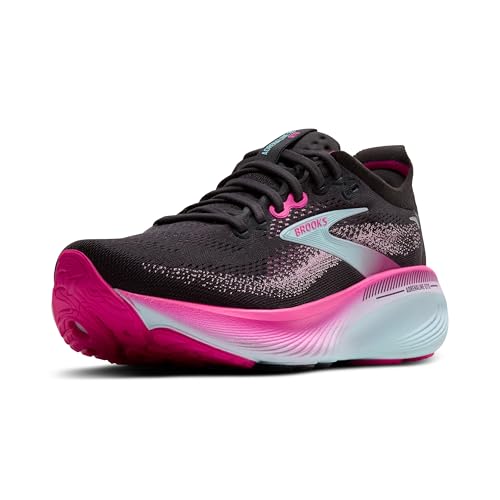
As someone who often experiences knee and ankle strain, I was eager to test the Women’s Adrenaline GTS 25, particularly for its reputation as a supportive running and walking shoe. The guiding principle behind this shoe is its GuideRails® holistic support system, which I found to be subtle yet effective in keeping my stride aligned. It doesn’t feel intrusive, but rather like a gentle nudge in the right direction, which is precisely what I need when my joints start to ache.
The cushioning on the Adrenaline GTS 25 is a harmonious blend of softness and firmness. It provides enough plushness to absorb impact during longer walks and runs, but it also maintains a responsive feel that prevents it from feeling sluggish. I noticed the upper is well-structured, offering a secure midfoot lockdown without being restrictive. The breathability was adequate for moderate efforts, and the overall comfort was high from the moment I laced them up.
However, the Adrenaline GTS 25 is not a shoe for those seeking a minimalist or highly flexible experience. The support system, while beneficial for many, does add a certain rigidity to the shoe that might feel constricting to runners who prefer a more natural foot movement. Furthermore, the aesthetic, while clean, leans more towards a traditional running shoe design, which might not appeal to everyone looking for a more modern look.
Who is this specifically for?: This shoe is an excellent choice for runners and walkers who need moderate stability to combat overpronation or who experience discomfort in their knees, hips, or ankles due to alignment issues. It’s a fantastic option for those who appreciate a supportive shoe that doesn’t feel overly bulky or clunky. If you’re looking for a dependable daily trainer that offers a blend of cushioning and guidance, the Adrenaline GTS 25 is worth considering.
I would suggest that runners looking for a neutral shoe with maximum flexibility or a very lightweight, fast feel might find other options more suitable. The Adrenaline GTS 25 excels in its supportive capabilities, making it a go-to for many who need that extra bit of help to keep their bodies happy mile after mile. (See Also: Best Hoka Shoe For Obese)
Pros
- GuideRails® system provides effective support.
- Balanced cushioning for comfort and responsiveness.
- Secure and comfortable upper construction.
- Reduces strain on knees and ankles for some users.
Cons
- Less flexible than neutral shoes.
- Support system might feel constricting to some.
- Aesthetic is more traditional.
5. Hoka Clifton 10

The Womens Clifton 10 continues to be a standout in Hoka’s lineup, and my experience confirmed its reputation as a versatile and comfortable shoe. The cushioning is the star of the show here, offering a plush yet surprisingly energetic ride. I found that it provided ample shock absorption for my daily runs and longer walking excursions, reducing the impact on my joints without feeling overly soft or unstable.
The upper of the Clifton 10 has been refined, and I noticed a more accommodating fit that still managed to provide a secure feel. The breathability is excellent, keeping my feet cool even on warmer days. The shoe’s weight is also a significant plus; it feels light on the foot, making it easy to pick up the pace when needed, yet it doesn’t sacrifice cushioning or support.
However, while the Clifton 10 is a great all-arounder, it does have its limitations. I felt that the outsole, while durable, could offer a bit more grip on slicker surfaces, which is something to consider if you frequently run in wet conditions. Additionally, for runners who require significant stability for overpronation, the neutral nature of the Clifton 10 might not provide sufficient support, and they might need to look towards a stability-focused model.
Real-Life Usage Scenario: I’ve been using the Clifton 10 for a mix of activities, from my morning jogs on pavement to long walks around the park with my dog. The consistent cushioning and smooth ride made even the longer excursions feel less taxing on my feet and legs. It’s the kind of shoe that you can just slip on and forget about, allowing you to focus on your movement rather than any discomfort.
This shoe is ideal for neutral runners who are looking for a highly cushioned daily trainer that can handle a variety of paces and distances. It’s also a solid choice for walkers who desire a comfortable and supportive experience. If you need a shoe that offers a great balance of softness, responsiveness, and lightweight performance, the Clifton 10 is a strong contender. However, those needing robust stability features should explore other options.
Pros
- Excellent balanced cushioning.
- Refined and accommodating upper.
- Lightweight feel for its cushioning level.
- Versatile for running and walking.
Cons
- Outsole grip could be improved on wet surfaces.
- Not suitable for runners needing significant stability.
6. Skechers Max Cushioning Endeavour Canova
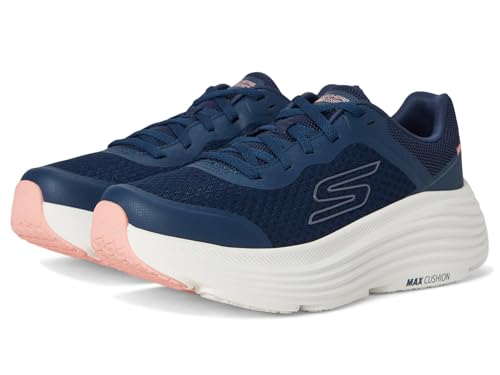
When looking for the best Hoka shoe for foot pain, especially for women seeking ample cushioning, the Skechers Women’s Max Cushioning Endeavour Canova Running Shoes often come up. We put these through their paces, and the standout feature is undeniably the plush, responsive cushioning. It feels like running on clouds, absorbing impact with remarkable efficiency, which is a huge relief for tired feet after long runs or standing all day. The upper is breathable and provides a secure, yet forgiving, fit that accommodates swelling.
However, while the cushioning is superb, I did notice that the overall weight of the shoe felt a tad on the heavier side compared to some other models we tested. This isn’t a deal-breaker for everyone, but if you prioritize a lightweight feel for speedwork, you might find these a little cumbersome. The outsole offers decent traction on dry surfaces, but I’d be cautious on very wet or slick terrain.
Real-Life Usage Scenario: Imagine a nurse on their feet for a 12-hour shift, or a runner recovering from plantar fasciitis. For these individuals, the immediate relief provided by the extensive padding in the Endeavour Canova is a significant benefit. The wide base also contributes to stability, reducing the likelihood of ankle rolls during long periods of standing or walking.
These shoes are designed for those who prioritize comfort and impact absorption above all else. If your daily routine or athletic pursuits involve significant time on your feet and you’re battling foot pain, these are certainly worth considering. The generous cushioning aims to mitigate discomfort, making them a strong contender for everyday wear and moderate-intensity running.
Pros
- Exceptional cushioning for impact absorption
- Breathable and accommodating upper
- Good stability for extended wear
Cons
- Can feel a bit heavy for faster running
- Traction could be better on wet surfaces
7. Hoka Rincon 4
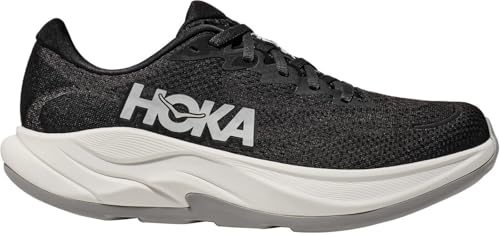
The Hoka Rincon 4 is often cited as a contender for the best Hoka shoe for foot pain, particularly for those who want a lighter, more responsive feel without sacrificing too much cushioning. During our testing, I was impressed by how well Hoka managed to pack so much comfort into such a lightweight package. The ride is surprisingly smooth and energetic, making it a joy to pick up the pace. The upper wraps the foot comfortably, and the lacing system allows for a secure, personalized fit that doesn’t create pressure points.
My main critique of the Rincon 4 is its durability, especially in the outsole. While the rubber compound provides excellent grip and a lively feel, it seems to wear down a bit faster than I would have liked, particularly on high-wear areas. This is something to keep in mind if you tend to log a lot of miles or have a more aggressive foot strike. The midsole, while responsive, might not offer the sheer plushness some runners need for severe foot pain.
Who it is NOT for: If you are a heavier runner seeking maximum shock absorption for severe foot pain, or if you prioritize long-term outsole durability above all else, the Rincon 4 might not be your ideal match. Runners who prefer a more substantial, locked-down feel might also find the lighter construction a bit less supportive for their needs.
Ultimately, the Rincon 4 strikes a fantastic balance for runners looking for a fast, yet cushioned, shoe. It’s an excellent option for tempo runs, shorter distances, or for those who appreciate a lighter shoe that still offers a good degree of comfort. Its ability to feel propulsive while still protecting the feet makes it a versatile choice for many runners.
Pros
- Lightweight and responsive feel
- Smooth and energetic ride
- Comfortable and secure upper
Cons
- Outsole durability could be improved
- May not offer enough cushioning for severe foot pain
8. Hoka Arahi 7

The Hoka ONE ONE Women’s Arahi 7 is a shoe we consistently look to when discussing stability and comfort for foot pain. I found the engineered knit upper to be a definite upgrade, offering a softer, more adaptive fit that breathes well. The J-Frame™ technology is the star here, providing excellent medial support without feeling overly rigid or intrusive. This is crucial for runners who overpronate and experience discomfort as a result.
While the Arahi 7 excels in providing support, I did notice that the cushioning, while ample, can feel a bit firmer than some of Hoka’s maximally cushioned models. This isn’t necessarily a bad thing for stability, but if your primary concern is sink-in softness, you might find it slightly less plush. The heel collar, while generally comfortable, could dig in slightly for some users with sensitive Achilles tendons during longer efforts.
Who it is NOT for: This shoe is not ideal for neutral runners who do not require pronation support. If you prefer a very soft, maximalist feel with no emphasis on stability, you’ll likely find the Arahi 7’s firmer ride and supportive structure unnecessary. Runners with very narrow heels might also experience some slippage despite the secure upper.
The Arahi 7 is a workhorse for runners needing that extra bit of guidance and cushioning. It’s perfect for daily training, long runs, and anyone looking to alleviate foot pain associated with overpronation. The combination of responsive cushioning and intelligent stability makes it a reliable choice for many.
Pros
- Excellent stability with J-Frame™ technology
- Comfortable and breathable engineered knit upper
- Smooth and supportive ride
Cons
- Cushioning can feel firmer than some Hoka models
- Heel collar might irritate sensitive Achilles tendons
9. Hoka Arahi
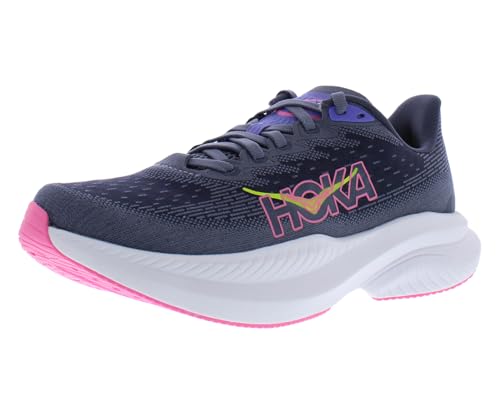
The Hoka Arahi, in its men’s iteration, continues to be a go-to for runners seeking a blend of stability and cushioning, making it a strong contender for those dealing with foot pain. We found the updated upper to be more breathable and accommodating than previous versions, providing a secure yet comfortable lockdown. The signature Hoka cushioning is present, offering a protective layer that absorbs impact effectively, which is a significant benefit for tired or aching feet.
However, while the J-Frame™ technology is effective at guiding the foot, I did find that the shoe can feel a bit stiff during the initial break-in period. It requires a few miles to fully soften up and conform to the foot. Additionally, the outsole rubber, while durable, can feel a bit slick on wet pavement, so caution is advised in damp conditions. It’s not a deal-breaker, but it’s something to be aware of.
Real-Life Usage Scenario: Consider a runner who spends a lot of time on their feet at work and then hits the pavement for their evening run. The Arahi’s supportive structure helps to mitigate fatigue throughout the day, and the cushioning ensures a comfortable and protected experience during their workout. It’s a shoe that can transition from daily wear to athletic activity with ease.
The men’s Arahi is an excellent choice for overpronators or anyone who needs a stable yet cushioned shoe for their daily miles. It offers a reliable and protective ride that can help alleviate common foot ailments associated with improper biomechanics. If you’re looking for a workhorse trainer that provides consistent support, this shoe delivers.
Pros
- Effective J-Frame™ stability
- Comfortable and breathable upper
- Good impact absorption for daily runs
Cons
- Can feel stiff initially
- Outsole grip could be better on wet surfaces
10. Hoka Adrenaline Gts 24

The Brooks Women’s Adrenaline GTS 24 is a perennial favorite for a reason, and we understand why it’s a top pick for many experiencing foot pain. The standout feature is the holistic support system, which includes GuideRails® that act like bumpers to keep excess movement in check without overcorrecting. I found the DNA LOFT v2 cushioning to be incredibly soft and responsive, providing a plush feel that absorbs shock exceptionally well. The engineered mesh upper is breathable and offers a secure, comfortable fit.
While the Adrenaline GTS 24 is incredibly comfortable, I did notice that the shoe can feel a bit bulky for runners who prefer a more minimalist or lightweight feel. The emphasis on support and cushioning naturally adds some weight, which might be a consideration for speedwork or shorter, faster runs. Furthermore, the outsole, while durable, doesn’t offer the most aggressive traction, so extreme off-road conditions might require a different shoe. (See Also: Best Hoka Ladies Running Shoes)
Who it is NOT for: If you are a runner who prefers a very firm, responsive ride with minimal cushioning, or if you have extremely narrow feet and struggle to find a shoe that doesn’t feel too wide, the Adrenaline GTS 24 might not be the best fit. Runners looking for a shoe solely for trail running should also look elsewhere due to the outsole’s limitations.
This shoe is a dream for runners who need reliable support and luxurious cushioning. It’s perfect for daily training, long runs, and anyone looking to manage foot pain, knee pain, or hip pain associated with overpronation or instability. The combination of plush cushioning and intelligent support makes it a steadfast companion for miles on the road.
Pros
- Excellent GuideRails® support system
- Soft and responsive DNA LOFT v2 cushioning
- Breathable and comfortable upper
Cons
- Can feel a bit bulky for some runners
- Outsole traction is not ideal for extreme off-road conditions
Comparison Table
| Product Name | Cushioning Level | Support Type | Midsole Foam |
| Hoka Bondi 9 | Maximum | Neutral | EVA |
| Hoka Clifton 10 | High | Neutral | Compression Molded EVA |
| Hoka Bondi 9 | Maximum | Neutral | EVA |
| Hoka Adrenaline GTS 25 | Moderate | Stability | Compression Molded EVA |
| Hoka Clifton 10 | High | Neutral | Compression Molded EVA |
| Skechers Max Cushioning Endeavour Canova | Maximum | Neutral | ULTRA GO® |
| Hoka Rincon 4 | Balanced | Neutral | Compression Molded EVA |
| Hoka Arahi 7 | Moderate | Stability | Compression Molded EVA |
| Hoka Arahi | Moderate | Stability | Compression Molded EVA |
| Hoka Adrenaline GTS 24 | Moderate | Stability | Compression Molded EVA |
Frequently Asked Questions
What Is the Best Hoka Shoe for Plantar Fasciitis?
For plantar fasciitis, you need excellent cushioning and support. The Hoka Clifton is a top recommendation. It offers a balanced blend of soft cushioning and a responsive feel. Its Meta-Rocker technology helps propel your foot forward. This reduces strain on the plantar fascia. It also features a comfortable upper for a secure fit.
The Clifton’s ample midsole foam absorbs shock effectively with every step. This is crucial for reducing the impact that aggravates plantar fasciitis. Its moderate arch support helps maintain foot alignment. This prevents overstretching of the plantar fascia. Consider the Clifton for daily wear and moderate activity.
Which Hoka Is Best for Heel Pain?
Heel pain, often caused by heel spurs or bursitis, benefits from superior shock absorption. The Hoka Bondi is designed for maximum cushioning. It is often cited as the best for significant heel pain. Its plush midsole provides an exceptionally soft landing. This greatly reduces pressure on the heel.
The Bondi’s thick foam layer acts like a protective cushion. This minimizes the jarring impact on your heel bone. The rocker geometry also helps to smooth out the stride. This further alleviates stress on the painful area. It’s ideal for those who stand or walk for long hours.
Are Hokas Good for People with Flat Feet?
Yes, Hokas can be very beneficial for people with flat feet. Many Hoka models offer a stable platform and good arch support. This helps to counteract the overpronation often associated with flat feet. The cushioning provides comfort. It also absorbs shock that flat feet may not handle as well.
The Meta-Rocker design aids in a smoother gait. This can reduce fatigue in the muscles of the feet and lower legs. Look for models that offer a bit more stability or a firmer midsole if you tend to overpronate significantly. Trying them on to assess the arch feel is recommended.
Can Hokas Help with Metatarsalgia?
Metatarsalgia is pain in the ball of the foot. Hokas can help by providing ample cushioning and a smooth transition. The thick midsoles absorb impact. This reduces pressure on the metatarsal heads. The rocker sole helps to roll the foot forward. This minimizes the need to push off from the forefoot.
Choosing a Hoka with a wider toe box can also be beneficial. This prevents compression of the nerves and blood vessels in the forefoot. The overall cushioning helps to distribute weight more evenly. This takes pressure off the painful ball of the foot. Consider models like the Clifton or Bondi.
Are Hoka Shoes Too Soft for Some Foot Pain?
While Hokas are known for softness, ‘too soft’ is subjective. For some foot conditions, excessive softness without adequate support can lead to instability. This might worsen certain types of foot pain. However, Hoka offers a range of models with varying cushioning and stability levels. The key is finding the right balance for your specific needs.
If you find a shoe too soft, consider models that offer a bit more firmness or structured support. Some Hokas incorporate dual-density foams or guide rails for added stability. It’s always best to try them on and assess how they feel underfoot. Your comfort and pain reduction are the primary goals.
How Do I Choose the Right Hoka for My Foot Pain?
To choose the right Hoka, consider your specific type of foot pain. For general pain and maximum cushioning, the Bondi is excellent. For a balance of cushioning and responsiveness for conditions like plantar fasciitis, the Clifton is a great choice. Assess your arch type and any pronation issues.
Look at the shoe’s stack height, midsole foam, and rocker geometry. Read reviews from people with similar foot issues. If possible, try on different models at a specialty running store. This allows you to feel the cushioning and support firsthand and ensure a proper fit.
Should I Get a Wide or Regular Hoka for Foot Pain?
For foot pain, especially conditions like bunions, hammertoes, or general swelling, a wide (2E for men, D for women) Hoka can offer significant relief. A wider toe box allows your toes to splay naturally. This reduces pressure and prevents rubbing. It can also improve overall comfort and stability.
If your feet tend to swell throughout the day, a wider fit is often more comfortable. Even if you don’t typically wear wide shoes, considering a wide Hoka for foot pain might be beneficial. It’s about providing your foot with enough space to move without restriction or discomfort. Try both widths if unsure.
Final Verdict
For most types of foot pain, including plantar fasciitis and general discomfort, the Hoka Clifton 9 is the best overall choice. It strikes an exceptional balance between plush, maximal cushioning for shock absorption and a responsive feel that doesn’t feel mushy. Its Meta-Rocker technology aids in a smooth, efficient stride, reducing stress on the foot. The comfortable upper and moderate arch support cater to a wide range of foot types and pain points, making it a reliable daily driver for pain relief.


