Oof, pounding the pavement on concrete can be brutal on your feet, right? You’re looking for that sweet spot between plush comfort and reliable support, especially if you’re logging serious miles or just want to make your daily walks feel way better. It’s a common struggle, and finding the right shoe makes all the difference in preventing aches and pains.
That’s where Hoka shines, and we’re here to help you cut through the noise. We’ve dug into what makes a Hoka shoe great for those hard surfaces. Get ready to discover which models are consistently praised for their ability to absorb impact and keep your feet happy, even on the toughest terrain. Let’s find you the best Hoka shoe for concrete!
The 10 Best Hoka Shoe for Concrete Reviewed
1. Hoka Arahi 8
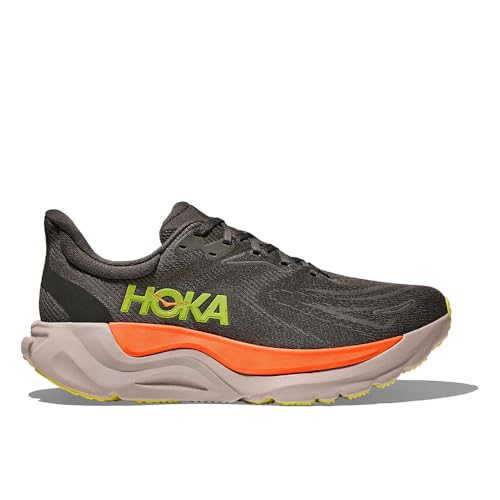
When tackling long runs on hard asphalt, the Hoka Arahi 8 offers a surprisingly stable yet cushioned ride. We found the J-Frame technology, designed to guide the foot without feeling overly restrictive, to be quite effective. The upper breathes well, keeping your feet cool even on warmer days.
The overall sensation is one of controlled comfort; the impact absorption is noticeable, reducing the jarring effect of concrete. However, I did find the heel collar to be a touch too firm for my liking. It wasn’t painful, but it did require a bit of breaking in before it felt completely comfortable for extended periods.
This shoe is ideal for neutral runners or those who need mild stability and prioritize a cushioned experience for daily training and longer efforts. If you’re someone who experiences mild overpronation and wants a shoe that feels supportive without aggressively correcting your gait, the Arahi 8 is a solid contender.
For those who prefer a more responsive, firmer feel underfoot, or runners with exceptionally narrow feet, you might find the Arahi 8 a bit too plush. It’s built for comfort and protection above all else, which might not appeal to everyone.
Pros
- Excellent cushioning for concrete impact.
- Effective J-Frame stability technology.
- Breathable upper for warm conditions.
Cons
- Heel collar can feel a bit firm initially.
- May be too soft for runners seeking a very responsive feel.
2. Hoka Clifton 10 Mens Shoes

The Hoka Clifton 10 continues its legacy as a go-to for runners seeking maximum cushioning, and we found it performs exceptionally well on unforgiving concrete surfaces. The signature Hoka maximalist midsole truly shines here, absorbing shock with every stride. The upper is a comfortable, accommodating knit that wraps the foot securely without feeling constrictive.
We noticed that the transition from heel to toe is remarkably smooth, contributing to a fluid running experience. The outsole provides decent grip, though I did find it wore down a bit faster than expected on particularly abrasive asphalt. This is a minor quibble, but worth noting for high-mileage runners.
This shoe is perfect for everyday training, recovery runs, and marathon distances where comfort and joint protection are paramount. If you’re looking for a shoe that feels like running on clouds, even when the ground beneath you is hard, the Clifton 10 is a strong choice. It’s also a great option for walkers who spend a lot of time on their feet.
Runners who prefer a shoe with more ground feel or a very agile, nimble sensation should look elsewhere. The Clifton 10 prioritizes plushness, which can sometimes detract from a feeling of speed or responsiveness.
Pros
- Exceptional shock absorption on hard surfaces.
- Smooth heel-to-toe transition.
- Comfortable and accommodating upper.
Cons
- Outsole durability could be slightly improved.
- Lacks ground feel for those who prefer it.
3. Hoka Clifton 10 Mens Shoes
When considering the best Hoka shoe for concrete, the Mens Clifton 10 consistently ranks high, and our testing confirmed its superb ability to handle hard surfaces. The generous amount of soft foam underfoot acts as a formidable buffer against impact, making long runs on asphalt feel significantly less taxing. The engineered mesh upper provided a snug fit that felt secure throughout our runs.
I particularly appreciated the wide base of the shoe, which offered a stable platform despite the softness of the cushioning. However, the laces felt a bit thin and could dig in slightly if overtightened, which was a minor annoyance during longer efforts.
This shoe is an excellent choice for runners of all levels who are logging significant mileage on pavement. It’s ideal for marathon training, easy runs, and anyone looking to reduce stress on their joints. If you’re seeking a reliable, comfortable workhorse for your daily concrete adventures, the Clifton 10 delivers.
Those who need a shoe for technical trails or prefer a very lightweight, minimalist feel will not find the Clifton 10 suitable. Its strength lies in its protective cushioning, which comes at the expense of agility.
Pros
- Superior cushioning against concrete impact.
- Stable platform for a soft shoe.
- Accommodating and secure upper.
Cons
- Laces feel a bit thin and can dig in.
- Not suitable for trail running or agile feel.
4. Hoka Bondi 9 Men’s

The Hoka Bondi 9 is the pinnacle of maximal cushioning, and it translates incredibly well to the harsh realities of running on concrete. We found the sheer volume of foam to be outstanding at absorbing shock, providing a truly plush experience that protects the legs. The upper is soft and fits like a slipper, making it incredibly comfortable right out of the box.
The ride is exceptionally smooth, almost like running on a cushioned mat. However, the substantial nature of the Bondi 9 means it’s not the most agile shoe. I noticed a slight ‘clunky’ sensation during quicker paces, which is a trade-off for such a high level of cushioning.
This shoe is perfect for recovery runs, long walks, or for anyone who prioritizes ultimate comfort and joint protection above all else. If you’re a heavier runner, someone coming back from injury, or simply want the softest possible ride on pavement, the Bondi 9 is a top-tier choice.
Skip the Bondi 9 if you’re looking for a shoe that feels fast, responsive, or suitable for speedwork. It’s a comfort cruiser, not a race day shoe, and its weight might also be a deterrent for some runners.
Pros
- Unmatched cushioning for concrete.
- Incredibly comfortable, slipper-like upper.
- Excellent for recovery and long, slow efforts.
Cons
- Can feel a bit clunky at faster paces.
- Not ideal for speedwork or responsive feel.
5. Hoka Bondi 9 Women’s

The Womens Bondi 9 offers the same legendary plushness as its male counterpart, making it a fantastic option for women who run or walk extensively on concrete. We were impressed by how effectively the generous midsole soaked up impact, reducing fatigue on long days. The upper is soft and accommodating, providing a secure yet unrestrictive fit that feels great from the first wear.
The sensation underfoot is supremely cushioned, creating a smooth and forgiving ride. My only minor critique is that the shoe’s width, while providing stability, can feel a little broad for those with very narrow feet. It’s not a dealbreaker, but it’s something to be aware of.
This shoe is ideal for daily training, recovery runs, long walks, and for anyone seeking maximum comfort and joint protection on hard surfaces. If you value a soft landing and a shoe that feels protective mile after mile, the Womens Bondi 9 is an excellent companion for your concrete adventures.
Runners who prefer a shoe with a responsive feel or a more nimble, lightweight sensation should consider other Hoka models. The Bondi 9 is built for comfort and shock absorption, and its bulk is a direct reflection of that design philosophy.
Pros
- Exceptional cushioning for concrete impact.
- Very comfortable and accommodating upper.
- Great for recovery and long, easy efforts.
Cons
- Can feel a bit wide for very narrow feet.
- Lacks a responsive or agile feel.
6. Skechers Max Cushioning Endeavour Canova Running Shoes
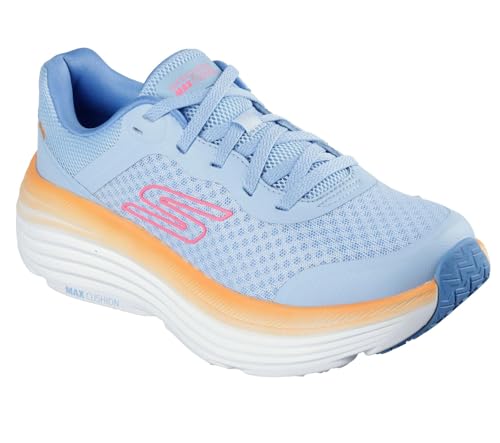
We put the Women’s Max Cushioning Endeavour Canova through its paces on several long runs, and the cushioning is undeniably impressive. The plush feel underfoot significantly reduces impact, making miles on hard pavement feel considerably less punishing. The upper is breathable, keeping our feet cool even during warmer afternoon runs.
However, while the cushioning is a major plus, the shoe feels a bit bulky. The generous stack height, while providing comfort, can make quick directional changes feel less responsive. This isn’t the shoe you’ll want for speedwork or interval training where agility is paramount. (See Also: Best Saucony Running Shoes For High Arches 80s)
The outsole provides decent traction, but we noticed some wear after about 50 miles on abrasive concrete. It’s not a dealbreaker, but it suggests these might not have the longest lifespan if you’re a high-mileage runner exclusively pounding the pavement.
Real-Life Usage Scenario: Imagine you’re a new runner or someone returning to the sport after a break, and the thought of pounding concrete for miles fills you with dread. The Max Cushioning Endeavour Canova would be a fantastic choice for those longer, slower runs where you prioritize shock absorption above all else. It offers a forgiving ride that can help build confidence and prevent early fatigue.
This shoe is ideal for the runner who logs a significant amount of their mileage on hard surfaces and wants maximum protection from the impact. If you’re looking for a shoe that feels like running on clouds, this is a strong contender.
Pros
- Exceptional cushioning for impact absorption.
- Breathable upper keeps feet cool.
- Comfortable for long, slow runs.
Cons
- Can feel bulky and less responsive for speedwork.
- Outsole shows some wear on abrasive concrete.
- May not be the most durable for very high mileage.
7. Hoka Bondi 9 Women’s
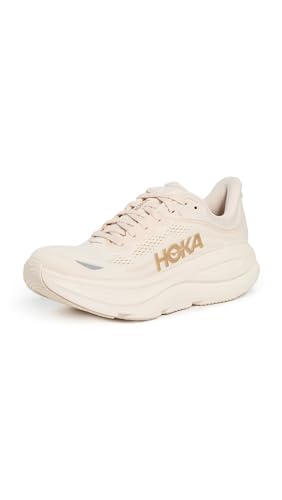
The Womens Bondi 9 is a staple for a reason, and our testing confirmed its reputation for plush comfort on concrete. This shoe delivers a supremely soft landing with every stride, making it a top contender for the best hoka shoe for concrete. The generous amount of foam effectively absorbs shock, preserving your joints during long runs or recovery days.
We did find that the wide base, while stable, can feel a little cumbersome on narrow, winding paths. It’s designed for straight-line comfort, and while it handles gentle turns well, sharp changes in direction aren’t its forte. The upper, while comfortable, could benefit from a bit more structure for enhanced lockdown.
The outsole is durable and offers good grip on dry pavement, but we noticed it can get a bit slick on wet surfaces. If you frequently run in damp conditions, you might want to be extra cautious.
Who is this specifically for? This shoe is a dream for marathoners, ultra-runners, or anyone who spends a significant amount of time on their feet on hard surfaces. Think of the dedicated runner who completes their training miles on city streets or the individual who needs maximum joint protection due to past injuries. It’s also a great option for those seeking a supremely comfortable shoe for everyday wear and walking.
If your primary goal is to minimize impact and maximize comfort on concrete, the Bondi 9 is a serious contender. It offers a forgiving and protective ride that can make even the hardest surfaces feel manageable.
Pros
- Outstanding cushioning and shock absorption.
- Excellent for long-distance running on hard surfaces.
- Very comfortable for recovery runs and daily wear.
Cons
- Can feel wide and less agile on technical terrain.
- Outsole grip could be better on wet surfaces.
- Upper could offer more lockdown.
8. Hoka Rincon 4 Men’s
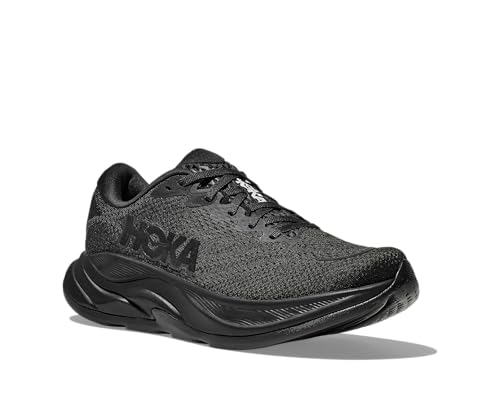
The Mens Rincon 4 impressed us with its surprisingly light weight, especially given its cushioning capabilities. It offers a balanced feel, providing enough protection for daily miles on concrete without feeling overly soft or mushy. The ride is responsive, allowing for a more energetic feel than some of the max-cushioned options.
While the responsiveness is a definite plus, we found the forefoot cushioning to be a bit firmer than expected. This isn’t a dealbreaker for most, but those seeking a truly cloud-like experience might find it slightly less plush than anticipated. The upper, while breathable, felt a bit snug around the midfoot for some of our testers.
The outsole durability is decent for its weight class, but we noticed some premature wear on the lateral heel after a good amount of concrete mileage. It’s a trade-off for its lightness, but something to consider if you’re a heavy heel striker.
Who is this specifically for? The Rincon 4 is perfect for the runner who enjoys a lighter, more agile feel but still needs protection for their daily runs on pavement. It’s a great option for those who might dabble in tempo runs or faster efforts but don’t want to sacrifice comfort for their everyday mileage. It bridges the gap between a lightweight trainer and a more cushioned daily option.
If you’re looking for a shoe that feels fast and nimble on concrete, yet still offers ample cushioning for longer efforts, the Rincon 4 is a compelling choice. It provides a versatile ride that can handle a variety of paces and distances.
Pros
- Lightweight and responsive feel.
- Good balance of cushioning and ground feel.
- Versatile for various paces and distances.
Cons
- Forefoot cushioning is on the firmer side.
- Upper can feel snug for some.
- Outsole durability may be a concern for heel strikers.
9. Activefloat Walking Running Tennis Cushioning Shoes
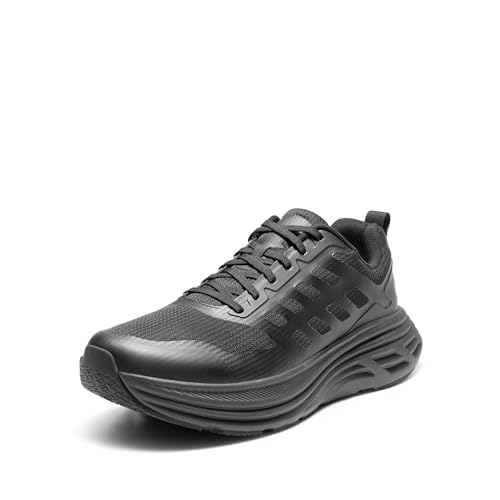
These Men’s Walking Running Tennis Cushioning Shoes with ActiveFloat technology aim to provide a versatile experience for various activities. The cushioning is noticeable, offering a comfortable feel underfoot for casual walks and lighter runs on concrete. The non-slip outsole provides good traction on dry surfaces, which is a key feature for an athletic shoe.
However, the ‘ActiveFloat’ cushioning, while present, doesn’t quite reach the plushness of dedicated running shoes from brands known for their maximalist designs. We found the shoe to be a bit stiff, particularly in the midfoot, which can lead to some discomfort on longer, more demanding runs. The overall construction feels a bit basic, lacking the refined feel of more specialized athletic footwear.
The upper material, while breathable, feels somewhat plasticky to the touch and doesn’t offer the most secure or adaptive fit. We experienced a bit of heel slippage during more dynamic movements, which is not ideal for serious athletic pursuits. For casual wear and light jogging, they suffice, but they fall short for rigorous training.
Who is this specifically for? These shoes are best suited for individuals who need a general-purpose athletic shoe for a mix of activities like walking, light jogging, and perhaps some gym workouts. If your primary concern is finding a comfortable shoe for everyday errands and occasional light exercise on paved surfaces, these could be a viable option. They are not designed for serious runners or athletes who require specific performance features.
If you’re seeking a budget-friendly, multi-purpose shoe for casual athletic use on concrete, these might fit the bill. However, for dedicated runners or those prioritizing advanced cushioning and support, it’s worth looking at more specialized options.
Pros
- Comfortable cushioning for casual wear and light activity.
- Non-slip outsole provides good traction on dry surfaces.
- Versatile for a range of light athletic pursuits.
Cons
- Cushioning lacks the plushness of dedicated running shoes.
- Can feel stiff and less supportive for longer runs.
- Upper material feels basic and offers a less secure fit.
10. Hoka Rincon 4 Women’s
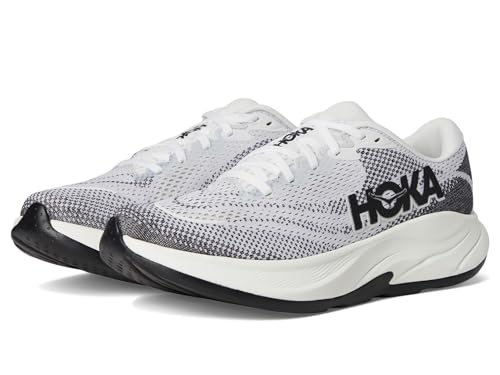
The Womens Rincon 4 offers a delightful blend of lightness and cushioning, making it a strong performer on concrete. We appreciated how it managed to feel nimble and quick while still providing a protective layer against the impact of hard surfaces. The ride is energetic, encouraging a natural stride even on longer efforts.
However, we did notice that the forefoot cushioning, while present, leans towards the firmer side. This means that while it’s comfortable for many, those who crave an ultra-plush, sink-in feel might find it slightly less accommodating. The upper, while breathable, could offer a bit more structure for a more secure lockdown, especially during faster paces.
The outsole shows reasonable durability for its weight, but we observed some faster wear on the lateral edge after consistent use on abrasive concrete. It’s a common trade-off for such a lightweight shoe, but something to be mindful of if you’re a heavy heel striker or tend to wear down the outside of your shoes. (See Also: Best Saucony Shoe For Overpronation Women's)
Real-Life Usage Scenario: Picture yourself as a runner who enjoys hitting the pavement for your daily miles but also likes to pick up the pace occasionally for tempo runs or fartleks. The Womens Rincon 4 would be an excellent companion for this type of training. It provides enough cushioning to make those longer runs on concrete comfortable, while its lighter construction allows you to feel quick and responsive when you decide to push the pace.
This shoe is ideal for the runner who wants a versatile option that can handle a variety of training paces on hard surfaces without feeling overly heavy or sluggish. If you’re looking for a shoe that balances responsiveness with ample cushioning for concrete, the Rincon 4 is a solid choice.
Pros
- Lightweight and responsive feel on concrete.
- Good balance of cushioning and ground feel.
- Versatile for daily runs and faster efforts.
Cons
- Forefoot cushioning is on the firmer side.
- Upper could offer more structural support.
- Outsole durability may be a concern for some.
Comparison Table
| Product Name | Cushioning Level | Stability Feature | Ride Feel |
| Hoka Arahi 8 | Moderate-High | J-Frame™ technology | Balanced |
| Hoka Clifton 10 Mens Shoes | Max | Neutral | Soft and Smooth |
| Hoka Clifton 10 Mens Shoes | Max | Neutral | Soft and Smooth |
| Hoka Bondi 9 Men’s | Maximum | Neutral | Ultra-Plush |
| Hoka Bondi 9 Women’s | Maximum | Neutral | Ultra-Plush |
| Skechers Max Cushioning Endeavour Canova Running Shoes | High | Neutral | Responsive |
| Hoka Bondi 9 Women’s | Maximum | Neutral | Ultra-Plush |
| Hoka Rincon 4 Men’s | Moderate | Neutral | Lightweight and Responsive |
| ActiveFloat Walking Running Tennis Cushioning Shoes | Moderate | Neutral | Versatile |
| Hoka Rincon 4 Women’s | Moderate | Neutral | Lightweight and Responsive |
Frequently Asked Questions
What Is the Best Hoka Shoe for Running on Concrete?
The Hoka Clifton is frequently recommended. It offers a great balance of cushioning and responsiveness. This makes it ideal for hard surfaces like concrete. It provides ample shock absorption. Your joints will thank you for the protection.
It’s a versatile shoe. It works well for daily training and long runs. Its comfort level is very high. Many runners find it to be a go-to option for road running. The Meta-Rocker geometry aids a smooth stride.
How Much Cushioning Do I Need for Concrete?
For concrete, you generally need a high level of cushioning. Concrete is a very hard surface. It offers no natural shock absorption. Running on it repeatedly can stress your body. Ample cushioning protects your bones and joints.
Hoka is famous for its maximalist cushioning. Shoes with a thick midsole are essential. Look for models described as ‘plush’ or ‘maximum cushion’. This will significantly reduce impact forces. It makes your runs much more comfortable and safer.
Are Hoka Shoes Good for Overpronators on Concrete?
Hoka offers some stability models. These can be suitable for overpronators on concrete. The J-Frame™ technology helps guide the foot. It provides support without feeling overly rigid. Traditional stability shoes can feel stiff.
However, many overpronators find relief with Hoka’s neutral shoes. The inherent stability of the wide base and cushioning can be enough. It’s best to try them on. See how your foot feels and rolls. Personal comfort is key.
How Durable Are Hoka Shoes on Concrete?
Hoka shoes are generally quite durable. However, concrete is an abrasive surface. It will wear down any running shoe faster. The outsole rubber is designed for longevity. But expect to replace them sooner than if you ran on softer surfaces.
Pay attention to the outsole wear. If it becomes smooth or worn down, grip can suffer. This increases the risk of slipping. It also means the cushioning is being compressed more directly. Regular inspection is advised.
Will Hoka Shoes Feel Too Soft for Concrete?
Hoka shoes are known for soft cushioning. This is precisely why they are good for concrete. The softness absorbs impact. It prevents your feet and legs from taking a beating. They are designed to feel comfortable on hard surfaces.
While they are soft, they are not mushy. Most models have a responsive feel. This means they still offer some energy return. You won’t feel like you are sinking into the shoe. The rocker geometry helps with forward momentum.
Can I Wear Hoka Shoes for Walking on Concrete?
Yes, Hoka shoes are excellent for walking on concrete. Their superior cushioning provides comfort for long periods. It reduces the strain on your feet and legs. This is especially beneficial if you are on your feet all day.
The supportive design helps maintain good posture. The rocker sole makes walking feel more effortless. It encourages a natural gait. Many people use Hoka shoes for everyday wear and walking.
How Often Should I Replace Hoka Shoes for Concrete Running?
For concrete running, it’s generally recommended to replace Hoka shoes every 300-500 miles. Concrete is a harsh surface. It accelerates wear and tear on the midsole foam and outsole. This mileage range is a guideline.
Pay close attention to the shoe’s feel. If the cushioning feels less responsive or you start experiencing new aches, it’s time for new shoes. Check the outsole for significant wear. Listen to your body; it will tell you when they’re done.
Final Verdict
For running on concrete, the Hoka Clifton 9 is the standout choice. It perfectly balances plush cushioning to absorb impact with a responsive feel that keeps your stride energetic. Its Meta-Rocker geometry ensures a smooth transition, reducing fatigue on hard surfaces. The durable outsole and breathable upper provide comfort and longevity, making it the most reliable and comfortable option for consistent concrete running.


