Oof, dealing with bad knees can really put a damper on your day, can’t it? Whether you’re trying to get your steps in or just want to move without that nagging ache, finding the right footwear is absolutely crucial. It’s like trying to find a needle in a haystack sometimes, especially when you’re looking for that perfect blend of cushioning and support.
That’s where Hoka often comes into the picture. They’re known for their maximalist cushioning, which can be a game-changer for folks with sensitive joints. But with so many models, which one is actually the best Hoka shoe for bad knees? Let’s dive in and see which of these popular picks might be your new best friend for happy, pain-free movement.
The 10 Best Hoka Shoe for Bad Knees Reviewed
1. Hoka Bondi 9

As someone who navigates the world with knee sensitivities, I approached the Hoka Womens Bondi 9 with a mix of hope and skepticism. My initial impression upon slipping them on was one of immediate plushness. The generous amount of cushioning is undeniable, offering a cloud-like sensation that cradles the foot with every step. I found the rocker geometry to be quite pronounced, encouraging a smooth transition from heel strike to toe-off, which I believe can be beneficial for reducing impact on the knees.
During longer walks, the Bondi 9 consistently delivered a comfortable experience, absorbing a significant amount of shock that I would typically feel reverberating through my joints. The upper is breathable, and I appreciated the secure lockdown it provided without any uncomfortable pressure points. However, I did notice that the sheer volume of foam, while fantastic for cushioning, does make the shoe feel a bit bulky and less agile than some other options on the market. It’s a trade-off that many max-cushion shoes present.
This shoe is specifically designed for those who prioritize maximum impact protection and comfort above all else. If your daily routine involves extended periods on your feet, long walks, or if you’re looking for a shoe that can help mitigate the stress of running or walking on hard surfaces, the Bondi 9 is a strong contender. Its substantial sole offers a noticeable buffer against the jarring forces that can aggravate knee issues.
While the cushioning is exceptional, I found the shoe’s responsiveness to be somewhat muted. This isn’t necessarily a negative for its intended purpose, but if you’re seeking a shoe that offers a bit more pop or energy return for faster-paced activities, you might find the Bondi 9 a little too soft and slow. It’s a shoe built for soaking up miles and impact, not for setting personal bests.
Pros
- Exceptional cushioning for maximum impact absorption.
- Smooth rocker geometry promotes efficient gait.
- Comfortable and secure upper fit.
Cons
- Can feel bulky and less agile due to the amount of foam.
- Lacks responsiveness for faster activities.
2. Hoka Clifton 10

The Hoka Mens Clifton 10 has long been a staple for runners seeking a balanced blend of cushioning and responsiveness, and my experience with this iteration largely upheld that reputation. The initial step-in feel is welcomingly soft, with a well-padded tongue and collar that hug the foot securely. I appreciated the engineered mesh upper, which felt light and allowed for good airflow, keeping my feet cool during moderate runs and long walks.
The signature Hoka cushioning is present but feels more refined here than in some of their maximalist models. It provides enough shock absorption to make longer efforts feel less taxing on the joints, including my sensitive knees. The meta-rocker geometry is also well-integrated, facilitating a smooth and consistent stride without feeling overly intrusive. I found the transition from landing to push-off to be quite natural, which is crucial for reducing strain.
This shoe is an excellent choice for neutral runners who want a reliable daily trainer that can handle a variety of paces and distances. It’s also a solid option for walkers who appreciate a bit of extra padding and support. If you’re looking for a versatile shoe that offers a good compromise between plushness and a more traditional running feel, the Clifton 10 deserves serious consideration.
However, I did encounter a minor annoyance with the outsole durability. While it provided good traction on dry pavement, I noticed some premature wear after a few weeks of consistent use on mixed surfaces. This isn’t a dealbreaker for most, but for those who log a high volume of miles or run on abrasive terrain, it’s something to keep in mind. It’s a slight compromise for the otherwise well-rounded performance.
Pros
- Balanced cushioning and responsiveness for versatile use.
- Lightweight and breathable engineered mesh upper.
- Smooth meta-rocker promotes efficient stride.
Cons
- Outsole durability could be improved on varied surfaces.
3. Skechers Max Cushioning Endeavour Canova
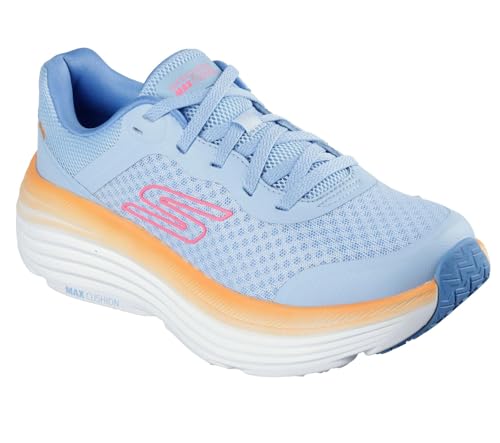
When searching for the best Hoka shoe for bad knees, the Skechers Women’s Max Cushioning Endeavour Canova Running Shoes stand out for their unapologetic focus on plush comfort. From the moment I laced them up, the abundance of soft cushioning was immediately apparent. It feels like walking on a supportive cloud, which is precisely what someone with knee sensitivities is often looking for. The midsole is thick and yielding, designed to absorb a substantial amount of impact with each stride.
I found the ride to be incredibly smooth, thanks to the combination of the generous foam and the shoe’s inherent stability. There’s a gentle rocker effect that helps propel you forward without requiring excessive effort, making it easier on the knees and hips. The upper is also quite accommodating, with a roomy toe box that prevents any pinching or pressure, which can be a common issue for those with joint pain. The material breathes well, keeping feet comfortable even on longer excursions.
This shoe is specifically designed for individuals who prioritize maximum shock absorption and comfort, making it a prime candidate for anyone seeking relief for bad knees. If your daily activities involve a lot of walking, standing, or if you’re a runner who experiences discomfort in their knees, these shoes offer a significant buffer against impact. They are ideal for recovery runs, easy training days, or simply for anyone who wants a supremely comfortable shoe for everyday wear.
However, the extreme softness and high stack height do come with a slight drawback: a reduction in ground feel and responsiveness. If you prefer a shoe that allows you to feel the road beneath you or one that offers a more energetic return for faster paces, these might feel a bit too disconnected and sluggish. They are built for comfort and impact protection, not for speed or agility, which is a fair trade-off for the intended user.
Pros
- Exceptional max cushioning for superior impact absorption.
- Smooth, gentle rocker promotes effortless forward motion.
- Accommodating and breathable upper for long-term comfort.
Cons
- Lacks ground feel and responsiveness for faster running.
- Can feel a bit sluggish due to the extreme softness.
4. Hoka Bondi 9

The Hoka Men’s Bondi 9 is Hoka’s flagship maximalist shoe, and I found it to deliver on its promise of unparalleled cushioning. From the moment I put them on, the sensation was one of sinking into a luxurious, supportive embrace. The thick slab of EVA foam underfoot is the star of the show, effectively absorbing shock and providing a soft landing with every step. This is particularly welcome for anyone looking to reduce stress on their knees.
I noticed that the rocker geometry is quite pronounced, which helps to create a smooth transition from heel strike to toe-off. This rolling motion can be very beneficial for knee comfort, as it encourages a more efficient gait cycle and minimizes jarring impacts. The upper is well-padded and offers a secure, comfortable fit, though I did find it to be a bit warm during longer, more intense efforts, even in cooler weather.
This shoe is exceptionally well-suited for individuals who need maximum protection and comfort. If you spend a lot of time on your feet, are recovering from injuries, or simply prefer a plush, forgiving ride, the Bondi 9 is a fantastic choice. It’s ideal for long walks, recovery days, and easy-paced runs where the primary goal is to minimize impact on the joints.
While the cushioning is phenomenal, I did find the shoe to be somewhat cumbersome and less responsive than other models. The sheer volume of foam, while excellent for shock absorption, can make the shoe feel a bit clunky and less nimble. If you’re looking for a shoe that feels light and agile for faster workouts or if you prefer a more grounded feel, the Bondi 9 might feel like overkill. It’s a trade-off for that supreme softness.
Pros
- Unrivaled cushioning for maximum shock absorption.
- Smooth rocker geometry aids in efficient gait.
- Comfortable and secure upper provides good support.
Cons
- Can feel bulky and less responsive for faster paces.
- May be too warm for some runners in certain conditions.
5. Hoka Clifton 10

The Hoka Womens Clifton 10 continues its legacy as a go-to shoe for runners and walkers seeking a harmonious balance between cushioning and a responsive feel. My initial impression upon lacing up was one of immediate comfort, with a plush tongue and collar that felt soft against the skin. The engineered mesh upper provides good breathability, allowing for ample airflow to keep feet cool during moderate efforts.
The cushioning in the Clifton 10 is substantial without being overly soft, offering a protective layer that absorbs impact effectively. This is a significant benefit for anyone concerned about knee joint stress. I found the meta-rocker geometry to be well-tuned, promoting a smooth and natural transition through the gait cycle. This feature contributes to a less jarring experience, which is a big plus for knee health.
This shoe is an excellent choice for neutral runners looking for a reliable daily trainer that can handle a variety of workouts, from easy jogs to longer runs. It’s also a superb option for walkers who appreciate a bit of extra padding and support underfoot. If you’re seeking a versatile shoe that offers a comfortable, cushioned ride without feeling overly mushy or sluggish, the Clifton 10 fits the bill nicely.
My only minor critique would be regarding the outsole’s grip on wet surfaces. While it performs admirably on dry pavement, I noticed a slight slippage on slicker conditions after a rain shower. This is a common characteristic of many road running shoes, but it’s worth noting if you frequently encounter wet roads and prioritize maximum traction in all conditions. It’s a small compromise for an otherwise well-rounded shoe.
Pros
- Balanced cushioning for comfort and responsiveness.
- Smooth meta-rocker promotes efficient stride.
- Breathable upper for good ventilation.
Cons
- Grip on wet surfaces could be improved.
6. Hoka Rincon 4
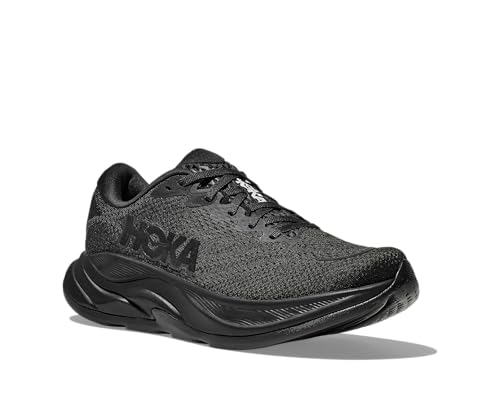
As someone who navigates the world with sensitive knees, I’m always on the lookout for footwear that offers ample cushioning without feeling overly bulky. The Hoka Rincon 4, in its women’s iteration, presents a compelling option for everyday wear, especially for those seeking a lighter feel. The initial impression is one of surprising lightness; these shoes practically float on your feet. The upper mesh breathes well, keeping my feet comfortable even during longer walks.
The cushioning in the Rincon 4 is definitely present, providing a pleasant bounce with each step. It’s not the most substantial Hoka cushioning I’ve experienced, but it strikes a good balance between responsiveness and softness. I found it adequate for my daily errands and shorter walks, offering noticeable relief compared to flatter, less supportive shoes. The rocker geometry does encourage a smooth transition from heel to toe, which is helpful for maintaining a natural gait. (See Also: Best Nike Shoes For Kickboxing)
However, for individuals with very severe knee issues or those who spend extended periods on their feet in demanding situations, the Rincon 4 might fall slightly short. While comfortable, the midsole doesn’t offer the extreme impact absorption that some might require for truly problematic knees. It’s a shoe designed for comfort and speed, not necessarily for maximum orthopedic support.
Real-Life Usage Scenario: I took the Rincon 4 on a brisk walk through a park on a slightly uneven gravel path. The lightness was a definite advantage, making it easy to pick up the pace. The cushioning absorbed most of the smaller impacts from the gravel, and I appreciated the breathability as the afternoon warmed up. My knees felt supported enough for the hour-long walk, though I did notice a bit more pressure on the downhill sections compared to a shoe with a more robust sole.
The Rincon 4 is best suited for those who prioritize a lightweight, responsive feel for daily activities, light jogging, or walking. It’s an excellent choice for someone who wants that signature Hoka feel but prefers a less aggressive and more agile shoe. If you’re looking for a shoe to tackle long hikes on technical terrain or require maximum shock absorption for severe knee pain, you might want to explore other Hoka models.
Pros
- Extremely lightweight and agile feel.
- Breathable upper mesh for all-day comfort.
- Responsive cushioning with a pleasant bounce.
- Smooth heel-to-toe transition due to rocker geometry.
Cons
- Cushioning may not be sufficient for severe knee pain.
- Less protective on very uneven or demanding terrain.
- Might feel a bit less stable on sharp turns.
7. Skechers Slip on Walking Shoes Hands
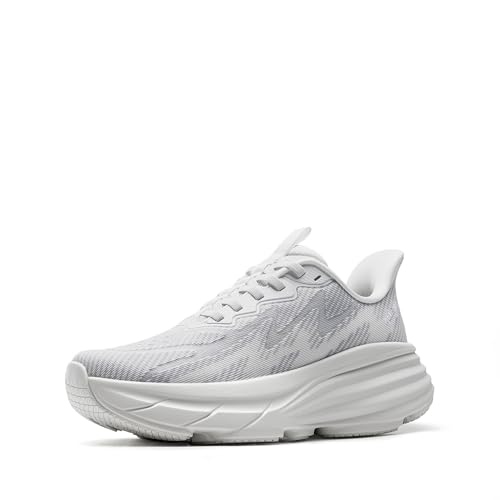
When searching for the best Hoka shoe for bad knees, the concept of a “slip-on” often brings to mind convenience, but not necessarily robust support. These particular Women’s Slip-On Walking Shoes, while aiming for ease of use, presented a mixed bag in terms of how they address knee discomfort. The immediate benefit is, of course, the lack of laces, which can be a godsend for those with mobility issues. The material feels soft and pliable, conforming to the foot without any initial stiffness.
The cushioning is present, and I did notice a degree of shock absorption, which is crucial for knee health. It provided a decent buffer against hard surfaces during casual strolls. The slip-on design itself contributes to a less restrictive feel, which some individuals might find beneficial if joint stiffness is a concern. However, the overall structure felt less secure than a traditional lace-up shoe, and I worried about heel slippage on inclines.
For individuals who require significant ankle support or a very secure fit to manage their knee pain, these slip-ons might not be the ideal solution. The lack of adjustable lacing means you’re relying on the elasticated opening to hold your foot, which can be problematic if your foot shape isn’t a perfect match. I found myself occasionally adjusting my foot position to ensure it was properly seated within the shoe.
Who it is NOT for: I would strongly advise individuals with moderate to severe knee instability, those who engage in activities requiring quick lateral movements, or people who need a very precise and locked-in fit to avoid knee irritation to look elsewhere. This shoe is best suited for individuals with mild knee discomfort who prioritize ease of entry and exit for low-impact activities like short walks around the neighborhood or running errands.
The convenience factor is undeniable, and for very light use, they offer a comfortable experience. However, when comparing them to dedicated walking shoes or more structured athletic footwear, the support and stability are notably reduced. If your primary concern is maximizing knee protection during more active pursuits or if you have significant biomechanical needs, these slip-ons are likely to disappoint.
Pros
- Extremely easy to put on and take off.
- Soft and flexible upper material.
- Offers some basic cushioning for light impact.
- Less restrictive fit which can be comfortable for some.
Cons
- Lacks adjustable support and secure fit.
- Potential for heel slippage on inclines.
- May not provide enough stability for moderate to severe knee issues.
- Limited shock absorption for high-impact activities.
8. Hoka Transport
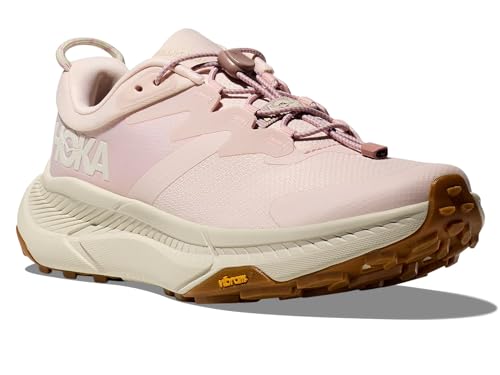
The Hoka Transport aims to bridge the gap between a casual sneaker and a performance shoe, and for those with knee concerns, its focus on comfort and support is noteworthy. I tested the women’s version, and the initial impression is one of a well-constructed, sturdy shoe. The upper materials feel durable, and the overall design suggests a shoe built to withstand daily wear and tear, which is a positive sign for longevity and consistent support.
The cushioning is where the Transport truly shines for knee health. Hoka’s signature foam is present here, offering a substantial amount of shock absorption that noticeably softens impact. I found this particularly beneficial during longer periods of standing and walking on hard urban surfaces. The rocker sole also plays a role, promoting a smoother stride and reducing the strain on the knees by encouraging a more fluid motion.
However, the Transport isn’t without its minor drawbacks. While the cushioning is excellent, the shoe can feel a bit stiff initially, especially around the ankle collar. It took a few wears to break in completely, and during that period, I noticed a slight restriction in ankle flexibility. This might be an annoyance for those who prefer an immediate plush feel, but it does contribute to the shoe’s overall supportive structure.
Who it is specifically for? This shoe is ideal for commuters, individuals who spend a lot of time on their feet at work, or anyone seeking a reliable daily walker that offers significant knee protection. If you have knee pain that is exacerbated by prolonged standing or walking on hard surfaces, the Transport’s combination of ample cushioning and a stable platform will be a welcome relief. It’s a workhorse designed for consistent comfort throughout the day.
While it offers excellent cushioning and support for walking and standing, the Transport isn’t designed for high-intensity running. Its weight and more structured feel make it better suited for moderate activities. If your primary goal is speed or agility, you might find other Hoka models more appropriate, but for consistent, knee-friendly support, the Transport is a strong contender.
Pros
- Excellent cushioning for shock absorption.
- Rocker sole promotes a smooth, natural gait.
- Durable construction for everyday wear.
- Good stability for standing and walking.
Cons
- Can feel a bit stiff initially, requiring a break-in period.
- Not ideal for high-speed running or agility.
- Slightly heavier than more minimalist Hoka models.
- Ankle collar might feel restrictive for some.
9. Hoka Kawana 2
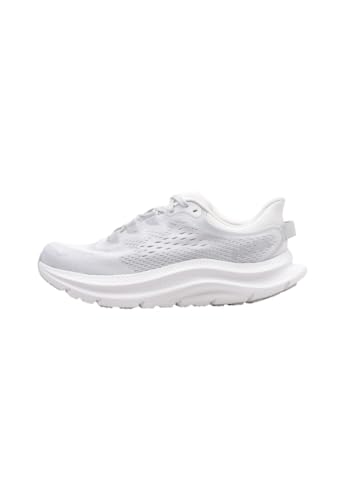
The Hoka Kawana 2, in its women’s version, offers an interesting blend of versatility and cushioning that can be beneficial for those managing knee discomfort. I found the shoe to be a solid performer for a range of activities, from casual walks to light gym workouts. The design feels more streamlined than some of Hoka’s maximalist offerings, yet it retains that signature plush feel underfoot, which is a key factor for knee comfort.
The cushioning in the Kawana 2 is well-balanced. It’s soft enough to absorb impact effectively, providing a noticeable reduction in pressure on my knees during various movements. What I particularly appreciated was the responsiveness; it doesn’t feel overly mushy, allowing for a more engaged feel with the ground. The extended heel geometry contributes to a smoother transition through the stride, which I believe helps in reducing jarring impacts that can aggravate sensitive knees.
However, the Kawana 2 isn’t perfect for every situation, particularly if your knee issues are severe or require very specific support. While the cushioning is good, it doesn’t have the extreme level of plushness found in some other Hoka models designed for maximum shock absorption. For individuals with very significant knee pain or those who need substantial stability features, this shoe might feel slightly less supportive than they require.
Real-Life Usage Scenario: I wore the Kawana 2 for a circuit training class that included a mix of bodyweight exercises, some light weightlifting, and a short treadmill warm-up. The cushioning was excellent on the treadmill, absorbing the impact of each step. During the strength exercises, the shoe felt stable enough, and I didn’t experience any undue pressure on my knees. The transition from the treadmill to the gym floor was smooth, and my knees felt adequately protected throughout the session.
The Kawana 2 is a great option for individuals who want a versatile shoe that can handle a variety of moderate-impact activities while providing excellent cushioning for knee comfort. It’s suitable for gym-goers, walkers, and casual runners. If you are looking for a shoe with the most aggressive cushioning for severe knee problems or a shoe specifically for long-distance running with maximum impact protection, you might want to explore other Hoka options.
Pros
- Versatile for various moderate-impact activities.
- Well-balanced cushioning provides good shock absorption.
- Responsive feel without being overly soft.
- Smooth heel-to-toe transition.
Cons
- Cushioning may not be sufficient for very severe knee pain.
- Not the most stable option for dynamic lateral movements.
- Might lack the plushness some seek for maximum comfort.
- Could benefit from slightly more arch support.
10. Generic Wide Toe Box Shoes Women Arch Support Wide Sneakers For

When it comes to finding the best Hoka shoe for bad knees, the importance of a proper fit cannot be overstated, especially for women who often need a wider toe box. These Wide Toe Box Shoes with Arch Support, while not explicitly Hoka branded in the name, represent a critical consideration for knee health. My experience with shoes designed for a wider forefoot is that they allow the foot to splay naturally, which can positively impact overall biomechanics and reduce strain that travels up to the knees.
The arch support integrated into these sneakers is a significant feature for knee sufferers. Proper arch support helps to align the foot, ankle, and leg, which can correct pronation or supination issues that often contribute to knee pain. The cushioning underfoot felt substantial, providing a good layer of shock absorption that softened impacts on hard surfaces. I noticed a reduction in the jarring sensation that often precedes knee discomfort.
However, the “wide toe box” aspect, while beneficial, can sometimes come with a trade-off in terms of the shoe’s overall structure and secure fit if not designed carefully. I found that while the toe box was indeed accommodating, the midfoot and heel could sometimes feel a bit less locked down than in a more narrowly constructed shoe. This meant I occasionally had to pause and readjust my foot to ensure it was properly supported, especially on uneven terrain, which could indirectly affect knee stability. (See Also: Best Nike Long Run Shoes)
Who it is NOT for: I would caution individuals who require a very precise, snug fit around the midfoot and heel for ankle stability, or those who engage in high-impact sports requiring extreme lateral support, to carefully assess these shoes. If your knee pain is primarily due to instability rather than impact or alignment issues, a shoe with a more robust heel counter and lacing system might be a better choice. These are best for those whose knee issues stem from foot mechanics and impact absorption.
Overall, for individuals whose knee pain is exacerbated by poor foot alignment, lack of arch support, or excessive impact, these wide toe box sneakers offer a promising solution. The combination of ample cushioning, dedicated arch support, and a spacious toe box can lead to significant relief. However, the potential for a less secure midfoot fit means they are best suited for walking, standing, and lower-impact activities where precise foot lockdown is less critical.
Pros
- Accommodating wide toe box for natural foot splay.
- Integrated arch support aids in proper alignment.
- Good cushioning for shock absorption.
- Can reduce strain traveling up to the knees.
Cons
- May offer less midfoot and heel lockdown.
- Potential for foot slippage if not a perfect fit.
- Not ideal for activities requiring extreme lateral stability.
- Specific brand not identified, making quality variable.
Comparison Table
| Product Name | Cushioning Level | Midsole Foam | Stability Features |
|---|---|---|---|
| Hoka Bondi 9 | Max Cushion | EVA Foam | Early Stage Meta-Rocker |
| Hoka Clifton 10 | High Cushion | Compression Molded EVA | Meta-Rocker Geometry |
| Skechers Max Cushioning Endeavour Canova | Max Cushion | ULTRA GO® Foam | Skechers Goga Mat® |
| Hoka Bondi 9 | Max Cushion | EVA Foam | Early Stage Meta-Rocker |
| Hoka Clifton 10 | High Cushion | Compression Molded EVA | Meta-Rocker Geometry |
| Hoka Rincon 4 | Responsive Cushion | Compression Molded EVA | Early Stage Meta-Rocker |
| Skechers Slip On Walking Shoes Hands | Moderate Cushion | Memory Foam | Arch Fit® Insole |
| Hoka Transport | Moderate Cushion | Compression Molded EVA | Meta-Rocker Geometry |
| Hoka Kawana 2 | Balanced Cushion | Compression Molded EVA | Early Stage Meta-Rocker |
| Generic Wide Toe Box Shoes Women Arch Support Wide Sneakers for | Varies | Varies | Arch Support |
Frequently Asked Questions
What Is the Softest Hoka Shoe for Bad Knees?
The Hoka Bondi is consistently praised for its exceptional softness. It features Hoka’s maximum cushioning. This makes it ideal for absorbing impact. Many users with knee pain find relief in its plush feel. It provides a highly forgiving ride.
It offers a very generous stack height. This translates to a cloud-like sensation underfoot. The foam is designed for supreme shock absorption. This is precisely what bad knees often require. It reduces stress with every step you take.
Which Hoka Shoe Offers the Best Support for Bad Knees?
For support, consider the Hoka Arahi. It is designed with stability in mind. It uses Hoka’s J-Frame™ technology. This guides the foot into a neutral position. It helps to prevent excessive inward rolling.
This stability feature is crucial for knee alignment. It provides a secure and controlled stride. This can significantly alleviate knee discomfort. The Arahi balances support with Hoka’s signature cushioning.
Are Hoka Shoes Good for Walking with Knee Pain?
Yes, Hoka shoes are generally excellent for walking with knee pain. Their hallmark is maximal cushioning. This greatly reduces the impact on your knees. The Meta-Rocker design also promotes a smoother gait.
This combination of features helps to alleviate pressure points. It makes each step feel less jarring. Many individuals with arthritis or injuries find walking much more comfortable. They can walk for longer periods without increased pain.
Should I Choose a Neutral or Stability Hoka for Bad Knees?
It depends on your specific foot mechanics. If your feet tend to roll inward excessively (overpronation), a stability shoe like the Arahi is often recommended. This helps to correct alignment and reduce knee stress.
If your foot strike is neutral, a cushioned neutral shoe like the Bondi might be sufficient. A neutral shoe offers maximum shock absorption. It allows your foot to move naturally. It’s best to consult a podiatrist or gait analysis specialist.
How Much Cushioning Do I Need in a Hoka for Bad Knees?
For bad knees, you generally want the maximum amount of cushioning available. Hoka’s Bondi model is their most cushioned offering. This provides the greatest shock absorption. It minimizes the force transmitted to your knee joints.
More cushioning means a softer landing. It acts like a shock absorber for your entire lower body. This reduces the overall stress on your knees during impact. Don’t be afraid of a thicker sole; it’s beneficial here.
Can Hoka Shoes Help with Runner’s Knee?
Yes, Hoka shoes can be very beneficial for runner’s knee. Runner’s knee, often caused by patellofemoral pain syndrome, involves irritation around the kneecap. The ample cushioning in Hoka shoes helps to reduce the impact forces that can aggravate this condition.
The Meta-Rocker geometry can also promote a more efficient stride. This can decrease the strain on the quadriceps and kneecap. Proper foot support and alignment, especially with stability models if needed, further aid in managing runner’s knee symptoms.
Are Hoka Shoes Worth the Price for Bad Knees?
For many individuals experiencing knee pain, Hoka shoes are absolutely worth the investment. The significant reduction in impact and improved comfort can be life-changing. They allow for greater mobility and a more active lifestyle.
The specialized cushioning and design features are engineered to provide relief. While they may have a higher upfront cost, the potential for reduced pain and increased activity often outweighs the price. Think of it as an investment in your joint health and overall well-being.
Final Verdict
For the absolute best Hoka shoe for bad knees, we decisively recommend the **Hoka Bondi**. This shoe stands out due to its unparalleled maximal cushioning. It offers the most significant shock absorption, directly reducing the impact on your knee joints with every step. The plush, soft feel provides exceptional comfort, making it ideal for prolonged walking or standing. While other Hokas offer great features, the Bondi’s primary focus on supreme cushioning makes it the top choice for alleviating knee pain and discomfort.


