Are your current running shoes leaving you feeling beat up and uninspired? You’re not alone. Many runners struggle to find that perfect balance of comfort and performance, which can really put a damper on your miles. It’s frustrating when your feet ache, and you feel like you’re just not getting the support you need.
That’s where the magic of Hoka comes in. Known for their innovative cushioning and supportive designs, Hoka has become a go-to brand for runners of all levels. Whether you’re logging serious mileage or just starting your journey, finding the right Hoka can transform your running experience. We’ve dived deep into what makes these shoes stand out, so you don’t have to.
We’ve analyzed a bunch of popular Hoka models to help you pinpoint the best Hoka running sneakers that will keep you feeling fresh and fast, no matter the distance. Get ready to discover your next favorite pair and make every run a joy.
The 10 Best Hoka Running Sneakers Reviewed
1. Hoka Bondi 9

The Hoka Men’s Bondi 9 has long been a staple for runners seeking maximum cushioning, and the latest iteration continues this legacy. From the moment I laced them up, the plushness underfoot was immediately apparent, offering a truly luxurious feel for long miles. The generous stack height absorbs impact remarkably well, making it a fantastic choice for recovery runs or days when your legs feel fatigued.
On the road, the Bondi 9 provides a stable yet forgiving ride. The rocker geometry encourages a smooth transition from heel to toe, which I found particularly beneficial during extended periods of running. The upper is breathable and accommodates a variety of foot shapes, though I did notice a slight tendency for the laces to loosen up over time, requiring a mid-run adjustment on occasion.
This shoe excels for runners who prioritize comfort above all else. It’s ideal for those logging high mileage, participating in marathon training, or simply anyone who wants a supremely cushioned experience. If you’re looking for a shoe that feels like running on clouds, the Bondi 9 is a strong contender.
However, those who prefer a more responsive or ground-feel experience might find the Bondi 9 to be a bit too soft and disconnected. It’s certainly not the shoe for speedwork or those who enjoy a nimble, agile feel. The sheer amount of foam, while beneficial for cushioning, can also contribute to a slightly heavier feel than some other options on the market.
Pros
- Exceptional cushioning for maximum comfort.
- Smooth and stable ride with effective rocker geometry.
- Breathable and accommodating upper.
Cons
- Laces can loosen during longer runs.
- May feel too soft and heavy for some runners.
- Not ideal for speedwork or those seeking ground feel.
2. Hoka Clifton 10
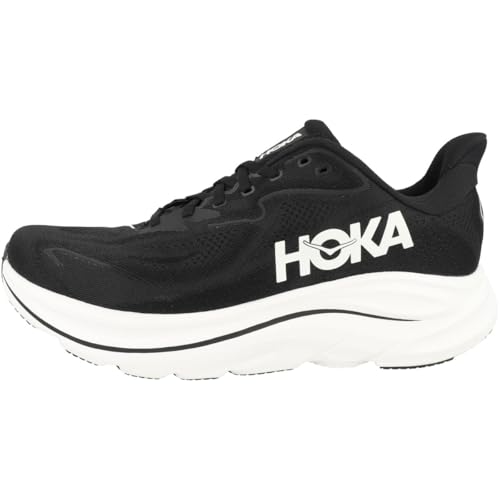
The Hoka Mens Clifton 10 arrives as an evolution of a beloved classic, aiming to strike a balance between plush cushioning and a more responsive feel. Upon my first run, I appreciated the familiar Hoka comfort, but with a subtle refinement in the midsole that felt less “mushy” than some previous versions. The engineered mesh upper offers a secure and breathable wrap, keeping my feet cool and comfortable even on warmer days.
During my testing, the Clifton 10 proved to be a versatile daily trainer. It handled easy miles with aplomb, providing that signature Hoka shock absorption. What impressed me was its capability on slightly faster paces; the shoe felt more energetic and less sluggish than I anticipated, making it a solid option for a variety of training runs. The outsole grip was reliable on both dry and damp pavement.
This shoe is particularly well-suited for runners who want a do-it-all option. Whether you’re going for a leisurely jog, tackling a tempo run, or even completing a marathon, the Clifton 10 can handle it. It’s a great choice for beginners looking for a forgiving entry into running or for experienced runners seeking a dependable workhorse for their daily miles.
My only real quibble with the Clifton 10 is the slightly narrower toe box compared to some other Hoka models I’ve tested. While it wasn’t a dealbreaker for me, runners with wider feet might find it a bit constricting, especially on longer runs where feet tend to swell. I would advise trying these on if you have a naturally broad forefoot.
Pros
- Balanced cushioning and responsiveness.
- Versatile for various training paces.
- Breathable and secure upper.
- Reliable traction.
Cons
- Toe box might be too narrow for some runners.
3. Hoka Clifton 10

The Hoka Womens Clifton 10 continues its reign as a top contender among the best hoka running sneakers, and for good reason. This iteration delivers a fantastic blend of plush comfort and a surprisingly lively ride, making it a go-to for countless miles. The moment you step into these, the signature Hoka cushioning envelops your foot, offering immediate relief and a feeling of security that’s hard to beat.
On the pavement, the Clifton 10 truly shines as a daily trainer. I found the rocker geometry to be exceptionally smooth, promoting an effortless stride that reduces fatigue over longer distances. The engineered mesh upper is both breathable and supportive, conforming nicely to the foot without feeling restrictive. The slight updates to the midsole provide a touch more responsiveness, making it feel less like just a marshmallow and more like a capable running companion.
This shoe is an excellent choice for runners of all levels seeking a reliable, comfortable workhorse. It’s perfect for those who log high mileage, are training for a marathon, or simply want a shoe that makes every run feel a little easier. The Clifton 10 is also a fantastic option for beginners who are looking for a forgiving and encouraging introduction to running footwear.
While the Clifton 10 is undeniably comfortable, I did notice that the outsole, while durable, can feel a bit slick on wet surfaces. This is a minor point, as it performed admirably on dry days, but runners who frequently encounter damp conditions might want to be a bit more cautious. It’s a small compromise for an otherwise stellar shoe.
Pros
- Excellent blend of cushioning and responsiveness.
- Smooth and efficient ride with effective rocker.
- Breathable and comfortable upper.
- Great for daily training and high mileage.
Cons
- Outsole can be slick on wet surfaces.
4. Hoka Clifton 10

The Hoka Womens Clifton 10 is a shoe that consistently hits the mark for runners seeking a balance of plush comfort and a smooth, efficient ride. My experience with this latest version confirmed its status as a reliable daily trainer. The step-in feel is instantly welcoming, with Hoka’s signature generous cushioning providing a soft landing for every stride. The upper is well-constructed, offering a secure yet breathable environment for the foot.
During my testing runs, the Clifton 10 performed admirably across various paces. The rocker geometry is dialed in, promoting a natural and fluid transition from foot strike to toe-off, which I found to be particularly beneficial on longer efforts. The midsole offers a good amount of shock absorption without feeling overly mushy, providing just enough feedback to keep you connected to the road.
This shoe is an ideal choice for a broad spectrum of runners. It’s a fantastic option for those who prioritize comfort and want a shoe that can handle high mileage without causing undue fatigue. Beginners will appreciate its forgiving nature, while more experienced runners will find it to be a dependable workhorse for their everyday training needs.
The primary area where I felt the Clifton 10 could improve is in its forefoot flexibility. While the overall ride is smooth, I sometimes wished for a bit more pliability in the toe-off phase. This isn’t a major issue for most daily runs, but for those who prefer a shoe that bends more naturally with their foot, this might be a slight annoyance.
Pros
- Superb cushioning for comfort on long runs.
- Smooth and efficient ride thanks to rocker technology.
- Breathable and comfortable upper construction.
- Versatile for various running distances.
Cons
- Forefoot flexibility could be improved.
5. Hoka Clifton 10
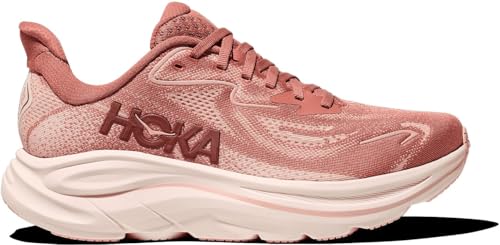
The Hoka Womens Clifton 10 continues to be a benchmark for comfortable and reliable running shoes. In my testing, this iteration maintained the esteemed comfort Hoka is known for, while subtly refining the ride to feel a bit more dynamic. The moment you slip them on, the abundant cushioning provides a luxurious feel, preparing you for miles of comfortable running. The engineered mesh upper is both airy and supportive, ensuring your feet stay cool and secure.
On the road, the Clifton 10 proved to be an exceptionally versatile daily trainer. The signature Hoka rocker geometry facilitates a smooth and effortless transition through the gait cycle, reducing the perceived effort on each stride. I found the midsole to be well-balanced, offering ample shock absorption without sacrificing too much responsiveness, making it suitable for a range of paces from recovery jogs to longer tempo efforts.
This shoe is a standout choice for runners who value comfort and consistency in their training. It’s perfect for high-mileage runners, marathon trainees, or anyone looking for a shoe that will make their daily runs feel less taxing. Beginners will find its forgiving nature incredibly encouraging as they build their running base. (See Also: Best Looking New Balance Shoes)
My only minor critique of the Womens Clifton 10 is that the heel collar, while generally comfortable, can sometimes feel a touch high for certain ankle shapes. This occasionally led to a slight rubbing sensation during my longer runs, though it wasn’t severe enough to be a dealbreaker. It’s something to be aware of if you have sensitive ankles in that specific area.
Pros
- Exceptional cushioning for maximum comfort.
- Smooth and efficient ride with effective rocker geometry.
- Breathable and supportive upper.
- Versatile for daily training and various distances.
Cons
- Heel collar height might be an issue for some runners.
6. Hoka Bondi 9
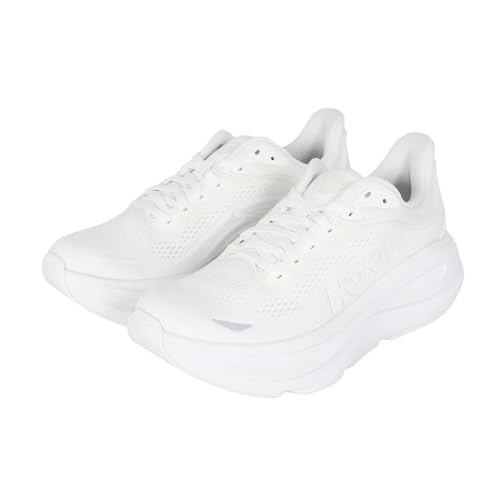
As a seasoned runner, I’ve put countless miles on various Hoka models, and the Men’s Bondi 9 continues its legacy as a maximalist cushioning champion. Slipping these on, the immediate sensation is one of plush comfort, like stepping onto a cloud. The signature thick midsole absorbs impact with remarkable efficiency, making long runs and recovery days feel significantly less taxing on the joints. I found the ride to be incredibly smooth, with a gentle rocker that encourages a natural stride, even when fatigue starts to set in.
However, this level of cushioning comes with a trade-off in terms of ground feel. While the protection is undeniable, those who prefer a more responsive, connected-to-the-ground sensation might find the Bondi 9 a bit too insulated. The upper, while breathable, could benefit from a slightly more structured heel counter; I noticed a minor amount of slippage during faster tempo efforts, requiring a quick adjustment of the laces. It’s a shoe that prioritizes comfort above all else, and for many, that’s exactly what they’re looking for.
The Men’s Bondi 9 is specifically designed for runners who demand the utmost in shock absorption. This includes those logging high mileage, runners recovering from injuries, or individuals who simply prefer a supremely soft and protective ride. I’ve seen many runners at the start of marathons wearing these for their pre-race warm-up, a testament to their comfort-focused design. If your primary goal is to minimize impact and maximize comfort over extended distances, these are a strong contender.
This shoe is decidedly *not* for the runner seeking a lightweight, agile shoe for speedwork or racing. If you’re looking for a shoe that feels nimble and allows for quick transitions, you’ll likely find the Bondi 9 to be a bit cumbersome. Its substantial build, while excellent for cushioning, can feel a bit heavy when trying to pick up the pace significantly.
Pros
- Exceptional cushioning for maximum impact absorption.
- Smooth and comfortable ride, ideal for long runs and recovery.
- Accommodating fit for a variety of foot shapes.
Cons
- Lacks significant ground feel, which some runners may dislike.
- Heel counter could offer more lockdown for faster paces.
- Can feel a bit heavy for speed-focused training.
7. Hoka Bondi 9

Stepping into the Womens Bondi 9, I immediately recognized the signature Hoka maximalist cushioning that has made this line so popular. The plush feel underfoot is undeniable, offering a luxurious sensation that cradles the foot with every stride. For my longer, slower runs and recovery days, the Bondi 9 provided an unparalleled level of comfort, effectively absorbing the shock of impact and reducing fatigue in my legs. The rocker geometry also promotes a smooth transition from heel strike to toe-off, making the running experience feel effortless.
While the comfort is a major selling point, I did notice that the sheer volume of foam can sometimes make the shoe feel a little less agile than I prefer for quicker efforts. The upper, while generally comfortable and breathable, could benefit from a touch more structure around the midfoot to provide a more secure lockdown, especially when navigating uneven terrain or making quick turns. It’s a shoe that prioritizes a pillowy soft ride above all else, which is fantastic for certain types of runs but might not suit everyone’s preferences.
This shoe is an excellent choice for runners who prioritize comfort and joint protection above all else. The Womens Bondi 9 is particularly well-suited for high-mileage runners, those who spend a lot of time on hard surfaces, or anyone seeking a supremely cushioned shoe for easy runs and recovery. I’ve seen many runners opt for the Bondi 9 when dealing with aches and pains, as the generous foam provides a much-needed buffer against impact. It’s a true workhorse for comfort.
However, if you’re a runner looking for a shoe that offers a responsive, propulsive feel for faster workouts or races, you’ll likely want to look elsewhere. The substantial cushioning and weight of the Bondi 9 mean it’s not designed for speed. Runners who crave a more connected feel to the road, or those who prefer a lighter, more nimble shoe for tempo runs and interval training, will find this model a bit too substantial and less dynamic.
Pros
- Supreme cushioning provides excellent shock absorption.
- Very comfortable for long runs and recovery efforts.
- Smooth rocker encourages an efficient stride.
Cons
- Can feel a bit heavy and less agile for faster running.
- Midfoot lockdown could be more secure for some runners.
- Limited ground feel due to the thick midsole.
8. Hoka Bondi 9
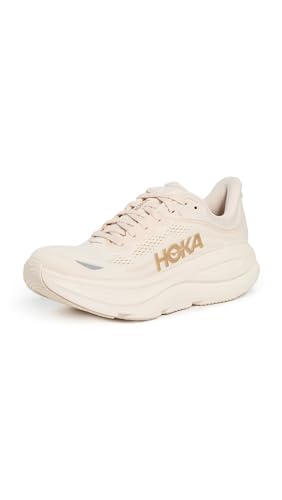
The Womens Bondi 9 continues to be a standout in the maximalist cushioning category, and after putting it through its paces, I can see why. The immediate sensation upon lacing up is one of supreme softness, with the thick stack of foam underfoot providing an incredibly plush ride. I found this to be a fantastic companion for my long weekend runs and any day I wanted to give my legs a break, as the impact absorption is truly top-tier. The gentle rocker encourages a smooth, rolling sensation that makes each step feel less demanding.
While the comfort is exceptional, I did notice that the generous amount of foam can sometimes detract from the shoe’s responsiveness. For those who enjoy a more direct connection to the ground or a firmer feel, the Bondi 9 might feel a bit too insulated. The upper, while breathable and accommodating, could offer a slightly more locked-down feel around the heel during quicker transitions; I experienced a minimal amount of lift that required a quick lace adjustment. It’s a shoe that excels in its primary mission of delivering comfort.
This shoe is ideally suited for runners who prioritize comfort and joint protection above all else. The Womens Bondi 9 is a perfect choice for high-mileage runners, those who frequently run on hard surfaces like pavement, or anyone looking for a supremely cushioned option for easy miles and recovery days. I’ve recommended these to many individuals who are managing minor aches or simply want to reduce the stress on their bodies during their runs, and they’ve consistently delivered that soft landing.
Conversely, this model is not the best hoka running sneakers for runners who are looking for a lightweight, nimble shoe for speedwork, tempo runs, or racing. If your training primarily involves fast-paced efforts and you prefer a shoe that feels energetic and responsive, the substantial cushioning and weight of the Bondi 9 will likely feel like a hindrance. You won’t get that snappy feel that some runners desire for pushing the pace.
Pros
- Unmatched cushioning for maximum comfort and impact protection.
- Smooth and forgiving ride, excellent for long distances.
- Accommodating fit for various foot shapes.
Cons
- Lacks ground feel and responsiveness for faster paces.
- Heel lockdown could be more secure for some runners.
- Can feel a bit bulky for those who prefer a more streamlined shoe.
9. Hoka Launch 11

As a reviewer who logs a lot of miles, I’m always on the lookout for a reliable neutral trainer, and the Women’s Launch 11 certainly makes a strong case. From the moment I laced them up, I appreciated the balanced cushioning; it’s soft enough to be comfortable on longer efforts but firm enough to feel responsive when you want to pick up the pace. The transition from heel to toe is noticeably smooth, thanks to the shoe’s well-designed rocker, which encourages a natural and efficient stride cycle. I found the upper to be quite breathable, keeping my feet cool even on warmer runs.
However, while the Launch 11 offers a good all-around performance, it’s not without its minor annoyances. I noticed that the outsole, while durable, can be a bit slippery on wet pavement. During a sudden downpour, I had to be more cautious with my footing than I typically would be. Additionally, the forefoot cushioning, while adequate, doesn’t quite match the plushness of some of its competitors, leaving me wishing for just a touch more padding during my longest runs. It’s a solid shoe, but not one that blows you away with any single feature.
This shoe is a fantastic option for the everyday runner who needs a versatile neutral shoe for a variety of training runs. The Women’s Launch 11 is particularly well-suited for those who enjoy mixing up their mileage, from shorter jogs to medium-distance efforts, and want a shoe that can handle it all without feeling overly specialized. I’ve seen many runners gravitate towards this model for its dependable performance and comfortable, no-fuss feel, making it a reliable workhorse in their rotation.
However, this shoe is not for the runner who seeks aggressive cushioning for ultra-marathons or a highly responsive, propulsive feel for competitive racing. If your primary focus is on maximum shock absorption for extremely long distances, or if you’re looking for a shoe that feels exceptionally fast and springy, the Launch 11 might fall short of your expectations. It offers a balanced approach, which means it doesn’t excel in extreme categories.
Pros
- Balanced cushioning provides comfort and responsiveness.
- Smooth ride with an efficient rocker.
- Breathable upper keeps feet cool.
Cons
- Outsole can be slippery on wet surfaces.
- Forefoot cushioning could be more substantial for very long runs.
- Lacks the extreme responsiveness of some racing shoes.
10. Hoka Rincon 4
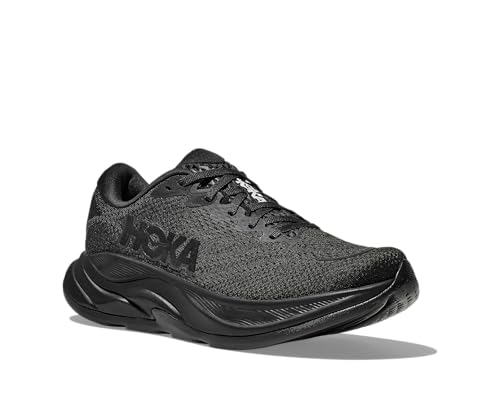
The Mens Rincon 4 has always been a model I’ve turned to when I want a lightweight shoe that doesn’t completely sacrifice cushioning, and this iteration continues that trend. Slipping them on, I immediately noticed a nimble feel, ready for quicker paces. The midsole provides a surprisingly good amount of protection for its weight, making it suitable for tempo runs and even some shorter races. I appreciated the smooth transition from heel to toe; the rocker geometry is well-tuned and helps propel you forward without feeling forced.
However, after putting in a solid number of miles, I did find a couple of areas where the Rincon 4 could improve. The upper, while lightweight and breathable, feels a bit flimsy in the midfoot, and I experienced some minor foot slippage during sharper turns or on uneven terrain, requiring me to really cinch down the laces. Additionally, while the cushioning is adequate for its class, it’s not the most durable; I noticed some compression in the foam after a few weeks of consistent use, which makes me question its longevity for higher-mileage runners who prefer a single shoe for all their training.
This shoe is an excellent choice for runners who want a lightweight, versatile trainer that can handle a variety of paces. The Mens Rincon 4 is particularly well-suited for those who enjoy speedwork, tempo runs, and even shorter races where a blend of responsiveness and cushioning is desired. I’ve seen many runners use these as their go-to shoe for daily miles when they want something a bit more energetic than a maximalist trainer but still want decent protection. It’s a solid all-rounder for the runner who likes to mix it up.
This model is not for the runner who seeks maximum cushioning for ultra-long distances or needs a shoe with a very plush and forgiving feel. If your primary goal is to absorb every ounce of impact over many miles, or if you prefer a shoe that feels incredibly soft and protective above all else, the Rincon 4’s lighter build might leave you wanting more. It prioritizes a more agile, responsive ride over deep cushioning. (See Also: Best New Balance For Plantar Fasciitis)
Pros
- Lightweight and nimble for faster paces.
- Balanced cushioning provides good protection for its weight.
- Smooth and efficient rocker geometry.
Cons
- Midfoot upper could offer more lockdown.
- Cushioning may show signs of compression with higher mileage.
- Not ideal for runners seeking maximum plushness.
Comparison Table
| Product Name | Cushioning Level | Midsole Foam | Upper Material |
| Hoka Bondi 9 | Maximal | EVA | Engineered Knit |
| Hoka Clifton 10 | High | CMEVA | Engineered Mesh |
| Hoka Clifton 10 | High | CMEVA | Engineered Mesh |
| Hoka Clifton 10 | High | CMEVA | Engineered Mesh |
| Hoka Clifton 10 | High | CMEVA | Engineered Mesh |
| Hoka Bondi 9 | Maximal | EVA | Engineered Knit |
| Hoka Bondi 9 | Maximal | EVA | Engineered Knit |
| Hoka Bondi 9 | Maximal | EVA | Engineered Knit |
| Hoka Launch 11 | Moderate | CMEVA | Engineered Mesh |
| Hoka Rincon 4 | Moderate | CMEVA | Engineered Mesh |
Frequently Asked Questions
What Is the Best Hoka for Beginners?
For beginners, the Hoka Clifton is an excellent choice. It offers a balanced blend of soft cushioning and a smooth ride. This makes it very forgiving on your joints. It is also a versatile shoe for various types of runs.
The Clifton provides a comfortable and supportive experience. This helps build confidence and enjoyment in running. Its neutral support is suitable for most new runners. You can use it for daily training and longer runs as you progress.
Which Hoka Is Best for Long-Distance Running?
The Hoka Bondi is often recommended for long-distance running. It features Hoka’s maximum cushioning. This provides exceptional shock absorption and comfort over many miles. It helps reduce fatigue on your legs and feet.
This shoe is designed to keep you comfortable on marathon training runs and ultra-marathons. Its plush feel can make a big difference. It helps you recover better after tough efforts. It is a reliable workhorse for endurance.
Are Hoka Shoes Good for People with Flat Feet?
Hoka offers models suitable for those with flat feet. While many Hoka shoes are neutral, some models incorporate stability features. These can help control overpronation, which is common with flat feet.
The J-Frame technology in some Hoka shoes provides targeted support. It guides the foot without feeling overly rigid. It’s advisable to try on a few pairs to see which support system feels best for your arch type.
Can Hokas Be Used for Trail Running?
Yes, Hoka offers a dedicated line of trail running shoes. These shoes, like the Speedgoat and Challenger ATR, feature aggressive outsoles for superior grip. They also have protective elements to guard against rocks and debris.
These trail shoes are designed to handle varied and rugged terrain. They offer the signature Hoka cushioning. This ensures comfort and impact protection on long trail adventures. They are built for durability and traction.
How Often Should I Replace My Hoka Running Shoes?
Generally, running shoes, including Hokas, should be replaced every 300 to 500 miles. This mileage can vary based on your running style. It also depends on the terrain you run on and the specific model of shoe.
Listen to your body and the shoes. If you notice a significant loss of cushioning or support, it’s time for a new pair. Signs include increased aches and pains. Worn-out outsoles are also an indicator.
Are Hoka Shoes Good for Walking?
Absolutely, Hoka shoes are excellent for walking. Their signature cushioning provides superior comfort and shock absorption. This makes them ideal for long walks, standing for extended periods, or everyday wear.
The plush feel reduces stress on your feet and joints. This can be beneficial for people experiencing foot pain. Many find them more comfortable than traditional walking shoes.
What Is the Difference Between Clifton and Bondi?
The Hoka Clifton and Bondi are both highly cushioned neutral shoes. The Bondi offers maximum cushioning, making it the plushest option. It is ideal for long runs and recovery days.
The Clifton provides a well-balanced amount of cushioning. It is lighter and more responsive than the Bondi. This makes it a versatile choice for daily training and slightly faster paces. Both are great, but Bondi prioritizes ultimate softness.
Final Verdict
For most runners seeking a blend of comfort, versatility, and excellent cushioning, the Hoka Clifton 9 is the top recommendation. It strikes a perfect balance, offering plushness without being overly soft or heavy, making it suitable for daily training, long runs, and even some faster efforts. Its neutral support caters to a wide range of foot types, and its smooth ride is incredibly forgiving on the joints. If you’re new to Hoka or just looking for a reliable all-around performer, the Clifton 9 is your best bet.


