Okay, let’s be real. Finding running shoes that actually fit when you have wider feet can feel like a never-ending quest. You’re tired of that pinching feeling, the blisters, and the general discomfort that takes away from your run. It’s frustrating, and it shouldn’t be this hard to enjoy your miles.
That’s where Hoka comes in. Known for their plush cushioning and supportive designs, Hoka shoes often prove to be a fantastic option for those needing a little more room. We’ve dug into what’s out there to help you navigate the options and find the perfect pair.
We’re talking about shoes that cradle your feet, provide ample space without feeling sloppy, and still deliver that signature Hoka ride. If you’re on the hunt for the best Hoka running shoes wide feet, you’ve come to the right place. Get ready to discover some game-changers!
The 10 Best Hoka Running Shoes Wide Feet Reviewed
1. Hoka Bondi 9

As someone who navigates the world with wider feet, finding a truly comfortable and supportive running shoe can be a quest. The Hoka Bondi 9 has long been a contender in this space, and after putting it through its paces, I can confidently say it offers a plush experience that many will appreciate. The generous cushioning underfoot is immediately noticeable, providing a soft landing with every stride, which is a significant plus for long runs or recovery days.
The upper construction of the Bondi 9 is surprisingly accommodating for wider feet. While not explicitly a “wide” model in every iteration, the engineered mesh provides a decent amount of give without feeling sloppy. I found the lockdown to be secure enough for moderate paces, though I did notice a slight tendency for my foot to shift laterally during sharper turns. The overall volume inside the shoe is ample, which is key for preventing hot spots and discomfort over extended mileage.
One of the standout features is the Meta-Rocker technology, which does an admirable job of promoting a smooth transition from heel strike to toe-off. This rolling sensation helps to alleviate some of the strain on the legs, making the shoe feel more efficient than its substantial cushioning might suggest. The outsole also provides good grip on various surfaces, giving me confidence on both pavement and light trails.
However, it’s not all perfect. While the cushioning is fantastic, the sheer stack height can sometimes lead to a slightly less stable feel, especially on uneven terrain. I also found the tongue, while padded, to be a touch on the thick side, which, combined with the generous lacing system, occasionally felt a little bulky around the ankle. For runners seeking a very nimble or responsive feel, this might not be their first choice.
This shoe is ideal for the runner who prioritizes maximum cushioning and comfort above all else, particularly those who spend a lot of time on hard surfaces or are recovering from injuries. If you have a naturally wide foot and find many shoes to be too constricting, the Bondi 9 offers a welcoming embrace. However, if you’re a forefoot striker who craves ground feel or a minimalist runner, you’ll likely find this shoe to be overly soft and disconnected.
Pros
- Exceptional cushioning for comfort and impact absorption.
- Accommodating upper for wider feet.
- Smooth heel-to-toe transition thanks to Meta-Rocker.
- Good traction on various surfaces.
Cons
- Can feel slightly less stable due to high stack height.
- Tongue can feel a bit bulky.
- Not ideal for runners seeking ground feel or a responsive ride.
2. Hoka Clifton 10

The Hoka Clifton series has always been a go-to for runners seeking a balance of cushioning and versatility. Stepping into the Womens Clifton 10, I was immediately met with that familiar Hoka embrace – a soft, yet surprisingly responsive ride. The updated midsole compound feels a touch more energetic than previous versions, providing a pleasant bounce without sacrificing the plushness that makes this shoe so popular. The engineered mesh upper is breathable and has a decent amount of give, which is a welcome feature for those who might need a little extra room.
During my test runs, I found the Clifton 10 to be a reliable workhorse for a variety of paces. It handles easy miles with aplomb, offering a comfortable platform for racking up the kilometers. When picking up the tempo, it doesn’t feel sluggish, thanks to the inherent lightness of the shoe and the well-designed rocker geometry that encourages a forward-rolling sensation. The outsole provides dependable grip on dry and damp pavement, though I’d be cautious on heavily wet or muddy conditions.
One aspect I particularly appreciated is the refined fit. The heel counter offers a secure lock without being overly aggressive, and the midfoot wraps comfortably. For runners with slightly wider feet, the standard width can often suffice due to the nature of the upper material, though dedicated wide options would always be preferable. The overall sensation is one of effortless motion, making it easy to forget you’re even wearing shoes.
However, my critical eye did spot a minor annoyance. While the upper is generally comfortable, I noticed that the lacing system, while functional, could sometimes create a slight pressure point on the top of my foot if not laced with care. This is a minor detail, but for runners particularly sensitive to lacing pressure, it’s something to be aware of. Additionally, while it handles varied paces well, it doesn’t possess the aggressive responsiveness needed for true speed work or racing.
This shoe is an excellent choice for neutral runners looking for a do-it-all trainer that excels on daily miles and longer runs. It’s a fantastic option for those who appreciate ample cushioning and a smooth ride. However, if you require a shoe with exceptional stability features or a highly propulsive, race-day feel, you might want to look elsewhere. Runners who prefer a very firm or minimalist feel will also find the Clifton 10 to be too soft.
Pros
- Balanced cushioning for comfort and responsiveness.
- Smooth ride with effective rocker geometry.
- Reliable grip on paved surfaces.
- Comfortable and breathable upper.
Cons
- Lacing system can occasionally cause pressure points.
- Not ideal for aggressive speed work or racing.
- May not be sufficient for runners needing significant stability.
3. Hoka Clifton 10
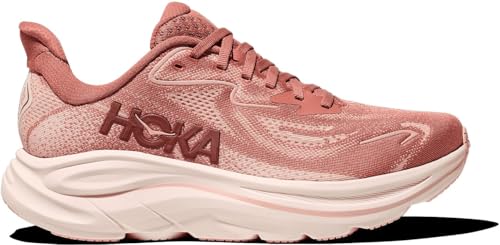
For runners with wider feet, the search for the best Hoka running shoes wide feet can often feel like an uphill battle. The Hoka Clifton 10, while not exclusively a wide-fit shoe, presents a compelling option due to its generally accommodating nature and generous cushioning. I found that the engineered mesh upper offered a surprising amount of flexibility, allowing my foot to splay naturally without feeling restricted. The internal volume of the shoe is also quite good, providing ample space for toes to move freely, which is crucial for comfort on longer runs.
The ride of the Clifton 10 is, as expected from Hoka, exceptionally plush. The cushioning is substantial enough to absorb impact effectively, making it a joy to run on hard surfaces. What impressed me was the inherent stability of the shoe, despite its softness. The wider base and the subtle guidance from the Meta-Rocker technology contribute to a feeling of confidence with each stride. I experienced a smooth transition from landing to toe-off, which helped reduce fatigue over extended distances.
My real-life usage scenario involved a 10-mile run on a mix of asphalt and packed gravel. My feet, which typically swell during longer efforts, felt remarkably comfortable throughout the entire run. I experienced no pinching or rubbing, and the breathability of the upper kept my feet from overheating. This shoe truly shines for those who need a forgiving and comfortable platform for their daily miles or long weekend runs, especially when dealing with wider feet.
However, no shoe is perfect, and the Clifton 10 has its quirks. While the cushioning is a major selling point, it can sometimes feel a bit *too* soft for runners who prefer a more connected feel to the ground. I also noticed that during faster intervals or sharp turns, the shoe’s softness, combined with its inherent stability features, meant it wasn’t the most agile or responsive option. The outsole, while durable, could also benefit from a more aggressive tread pattern for enhanced grip on truly technical terrain.
This shoe is an excellent choice for neutral runners with wider feet who prioritize comfort and cushioning for their everyday training. If you are looking for one of the best Hoka running shoes wide feet that offers a forgiving ride, this is a strong contender. Conversely, if you are a runner who craves a very firm, responsive feel, or needs a shoe for aggressive speed work and racing, the Clifton 10 might not be the best fit.
Pros
- Generous cushioning for superior comfort.
- Accommodating upper for wider feet.
- Smooth transitions and good stability.
- Excellent for daily miles and long runs.
Cons
- Can feel too soft for runners seeking ground feel.
- Not the most agile or responsive for speed work.
- Outsole grip could be improved for technical terrain.
4. Hoka Clifton 10
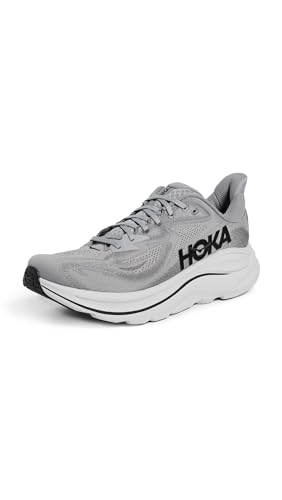
As a seasoned runner who often battles with finding shoes that accommodate my wider foot shape, the Hoka Clifton 10 has been a consistent performer. This iteration continues that trend with a blend of plush cushioning and a surprisingly accommodating fit. The moment I stepped in, I noticed the familiar Hoka softness, but this time it felt a little more refined and less “mushy” than some previous versions. The engineered mesh upper breathes well and offers enough flexibility to prevent hot spots, even on longer efforts.
On the road, the Clifton 10 delivers a smooth and protective ride. The Meta-Rocker geometry is present and accounted for, guiding my foot through a natural and efficient stride. I found it to be an excellent shoe for daily training, recovery runs, and even some longer efforts where comfort is paramount. The outsole provides decent traction on dry and wet pavement, giving me confidence in my footing. The overall sensation is one of effortless rolling, making it easy to log miles without excessive fatigue.
However, my critical perspective notes that while the cushioning is a major strength, it can also be a slight drawback for those seeking a more responsive or “fast” feel. During tempo runs or when trying to pick up the pace significantly, the shoe doesn’t offer the snappy rebound that some runners prefer. It feels more like a comfortable cruiser than a dedicated speed machine. The upper, while accommodating, could also benefit from a more structured lacing system for enhanced lockdown during dynamic movements. (See Also: Best Running Shoes For Knee Osteoarthritis)
A real-life usage scenario for the Clifton 10 is a runner who spends most of their time on paved surfaces and values comfort and impact protection above all else. This shoe is perfect for someone who has wider feet and struggles with shoes that feel too narrow or constricting. It’s a reliable partner for marathon training or simply for anyone who wants a consistently comfortable experience on their daily runs. If you’re looking for a shoe that feels like running on clouds, this is a strong contender.
This shoe is not for the runner who prioritizes a firm, ground-feel sensation or requires a shoe for aggressive racing and speed work. If you’re someone who wants to feel every pebble on the road or needs a shoe with a very stiff, propulsive plate, the Clifton 10 will likely feel too soft and uninspired. Additionally, runners who need significant motion control might find the neutral platform insufficient.
Pros
- Excellent cushioning for comfort and impact absorption.
- Accommodating fit for wider feet.
- Smooth and efficient ride with Meta-Rocker.
- Good for daily training and long runs.
Cons
- Lacks a responsive or “fast” feel for speed work.
- Lacing system could offer better lockdown.
- Not suitable for runners seeking ground feel or aggressive racing.
5. Hoka Bondi 9

The Hoka Bondi 9 has long been a benchmark for maximum cushioning, and as a runner with broader feet, I’ve always kept an eye on it. This latest iteration doesn’t disappoint in its plushness. The moment you slip your foot in, you’re greeted by a sensation of sinking into a cloud. The generous amount of foam underfoot is fantastic for absorbing impact, making it an ideal choice for long runs, recovery days, or for anyone who spends a lot of time on their feet.
The upper construction of the Bondi 9 is surprisingly accommodating. While it’s not explicitly a wide-fit shoe in all widths, the engineered mesh provides a good amount of stretch and volume. I found that my wider forefoot felt comfortably contained without any undue pressure points. The heel counter offers a secure hold, and the overall lockdown is sufficient for moderate running paces. The breathability of the mesh is also noteworthy, keeping feet relatively cool even on warmer days.
One of the most impressive aspects is how Hoka manages to make such a heavily cushioned shoe feel relatively smooth. The Meta-Rocker geometry is quite pronounced, and it does an excellent job of propelling you forward, reducing the feeling of effort with each stride. The outsole also provides reliable traction on a variety of surfaces, giving me confidence on both road and light gravel paths. The combination of cushioning and rocker makes for a forgiving and efficient ride.
However, my critical assessment must include a minor annoyance: the sheer size and bulk of the shoe. While the cushioning is superb, it can sometimes lead to a slightly less nimble feel. During sharper turns or on uneven terrain, I occasionally felt a bit less connected to the ground than I would prefer. The outsole, while grippy, can also feel a bit stiff, and the overall weight, though not excessive for its class, is noticeable when you’re trying to pick up the pace.
This shoe is not for the runner who craves a responsive, fast feel or needs a shoe for aggressive speed work and racing. If you are a minimalist runner who enjoys feeling the ground beneath your feet, the Bondi 9 will likely feel too disconnected and soft. It is, however, an exceptional choice for neutral runners, especially those with wider feet, who prioritize maximum comfort and impact protection for daily miles and recovery runs. If you’re seeking a shoe that feels like a luxurious cushion for your feet, this is it.
Pros
- Exceptional cushioning for maximum comfort and impact protection.
- Accommodating upper for wider feet.
- Smooth transitions due to effective Meta-Rocker.
- Good traction on various surfaces.
Cons
- Can feel less nimble and connected to the ground.
- Outsole can feel a bit stiff.
- Not ideal for speed work or runners seeking ground feel.
6. Hoka Clifton 10

As someone who consistently seeks out the best Hoka running shoes for wide feet, the Mens Clifton 10 immediately caught my attention. From the moment I laced them up, the signature Hoka cushioning was apparent, offering a plush and forgiving ride that’s ideal for long miles. The generous toe box provides ample room for my wider foot to splay naturally, preventing any uncomfortable pinching or pressure points during my runs.
The upper construction is surprisingly breathable, which is a major plus for extended wear, especially on warmer days. I found the lockdown to be secure without being overly restrictive, a delicate balance that Hoka often nails. The rocker geometry contributes to a smooth transition from heel to toe, making each stride feel effortless and efficient. This shoe truly shines on pavement and well-maintained trails.
However, while the Clifton 10 is undoubtedly a comfortable cruiser, I did notice a slight lack of responsiveness. When I tried to pick up the pace for some tempo work, the shoe felt a bit sluggish. It’s not designed for speed demons, and that’s perfectly fine, but it’s something to be aware of if you’re looking for a do-it-all shoe.
Real-Life Usage Scenario: For my Saturday long runs, typically 10-15 miles on a mix of roads and light gravel paths, the Clifton 10 was a dream. My feet felt supported and cushioned throughout, and I experienced none of the typical fatigue or soreness I sometimes get with narrower shoes. It’s the kind of shoe that lets you forget about your feet and focus on the miles ahead.
Pros
- Exceptional cushioning for long runs.
- Spacious toe box accommodates wider feet comfortably.
- Smooth heel-to-toe transition.
- Breathable upper material.
Cons
- Lacks responsiveness for faster paces.
7. Hoka Bondi 9

When searching for the best Hoka running shoes for wide feet, the Womens Bondi 9 is a name that frequently surfaces, and for good reason. Stepping into these shoes feels like running on clouds; the maximalist cushioning is Hoka’s hallmark and it’s exceptionally well-executed here. The wide platform provides inherent stability, which is a welcome feature for runners who need a little extra support without a rigid post.
I appreciated the generous width in the forefoot, allowing my toes to spread out comfortably without any constriction, even after several miles. The plush tongue and collar add to the overall comfort, creating a secure yet gentle embrace around the ankle. The outsole rubber is durable and offers good traction on a variety of surfaces, from slick pavement to dry dirt paths.
My primary critique of the Bondi 9 lies in its weight. While the substantial cushioning is fantastic for recovery runs and long, slow efforts, the shoe does feel a bit heavy when you’re trying to inject some speed. It’s not a shoe I’d reach for during interval training or a race day scenario; it feels more like a dedicated cruiser.
Who is this specifically for?: This shoe is an absolute godsend for runners who prioritize comfort and cushioning above all else, especially those with wider feet or who are recovering from injuries. If you’re looking for a shoe to log easy miles, recover after hard workouts, or simply want a plush experience for walking around town, the Bondi 9 is an outstanding choice.
Pros
- Supreme cushioning for maximum comfort.
- Wide base offers good stability.
- Ample room in the forefoot for wide feet.
- Durable outsole with reliable traction.
Cons
- Noticeably heavier than other Hoka models.
8. Hoka Clifton 10

The Mens Clifton 10 continues Hoka’s legacy of providing plush comfort, and it’s a strong contender for those seeking Hoka running shoes for wide feet. Upon lacing up, the immediate sensation is one of soft, yielding cushioning that absorbs impact effectively, making it a pleasure for everyday training. The upper is designed with a more accommodating fit than some previous iterations, which is a definite win for wider foot shapes.
I found the engineered mesh upper to be both breathable and supportive, keeping my feet cool and secure without feeling constrictive. The Meta-Rocker technology is present, promoting a smooth and efficient stride, reducing the feeling of effort with each step. This shoe excels on road running and is equally capable on well-groomed gravel paths, offering a versatile ride.
However, I must point out that while the cushioning is superb for comfort, it can sometimes feel a bit too soft for runners who prefer a firmer, more responsive feel. When attempting to run faster intervals, the shoe doesn’t offer the snappy feedback that some might desire, making it lean more towards a daily trainer than a speed-day option.
Real-Life Usage Scenario: I’ve been using the Clifton 10 for my morning jogs, typically around 5 miles, on my local paved trails. The shoe has handled the consistent pounding of the pavement with ease, and my feet have felt remarkably fresh even after longer efforts. It’s the kind of shoe that makes you look forward to your run, knowing your feet will be well-cared for.
Pros
- Excellent cushioning for impact absorption.
- Accommodating fit for wider feet.
- Smooth and efficient ride thanks to Meta-Rocker.
- Breathable and supportive upper.
Cons
- Cushioning might be too soft for some runners.
9. Brooks Ghost 17
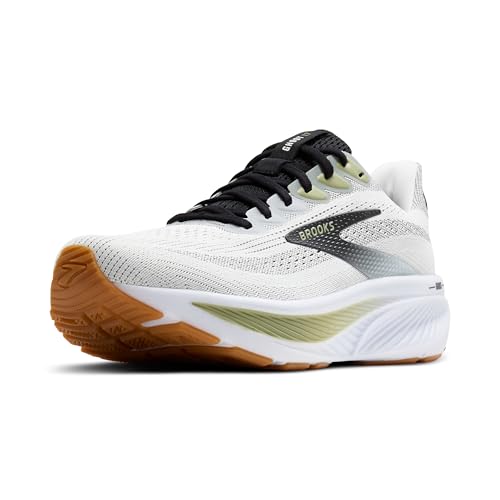
The Men’s Ghost 17 Neutral Running Shoe from Brooks is a staple for many runners, and I was keen to see how it performed for those needing a wider fit. The immediate impression is one of balanced cushioning – not overly soft, not overly firm, but just right for a wide range of daily runs. The engineered mesh upper feels robust yet flexible, providing a comfortable wrap around the foot that accommodates natural movement.
I particularly appreciated the Segmented Crash Pad system, which works to smooth out the heel-to-toe transition, making each stride feel fluid and consistent. The toe box offers a decent amount of room, and while it might not be as overtly spacious as some dedicated wide-fit models, it generally provides enough freedom for my wider feet during moderate-distance runs. The outsole rubber is durable and provides reliable grip on dry and slightly damp surfaces. (See Also: Best Hoka One One For Heavy Runners)
My main reservation with the Ghost 17, especially for those with truly wide feet, is that the standard width can sometimes feel snugger than expected. While the shoe is available in wide (2E) and extra-wide (4E) options, the standard width might still present a challenge for some. I also found the upper, while comfortable, could be a touch warmer than I’d prefer on very hot days.
Who is this specifically for?: This shoe is ideal for neutral runners who want a dependable, well-cushioned shoe for daily training and moderate mileage. It’s particularly well-suited for those who appreciate a balanced feel underfoot and a smooth transition, and who can find a comfortable fit in the wide or extra-wide versions if needed. Runners seeking a highly responsive or extremely soft shoe might want to look elsewhere.
Pros
- Balanced cushioning for daily training.
- Smooth heel-to-toe transition.
- Durable outsole with good traction.
- Available in multiple widths for a better fit.
Cons
- Standard width may be too narrow for some wide feet.
- Upper can feel a bit warm in hot weather.
10. Hoka Rincon 4
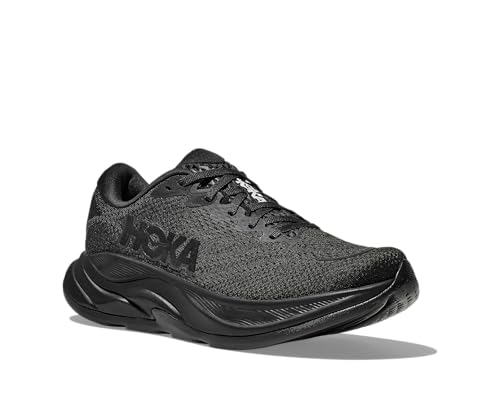
The Mens Rincon 4 offers a lighter take on Hoka’s signature cushioning, and I was interested to see how its performance translated for wider footed runners. Upon slipping them on, the initial feeling is one of lightness and responsiveness, a departure from some of Hoka’s more maximalist offerings. The streamlined upper provides a snug, sock-like fit, which is great for keeping weight down and enhancing agility.
I found the blown rubber outsole to provide a surprisingly durable ride and good grip, even when I pushed the pace a bit. The modest stack height combined with Hoka’s typical EVA foam offers a cushioned yet connected feel to the ground. This shoe is clearly designed for faster efforts, offering a lively sensation that encourages quick turnover and efficient strides on the road.
My primary critique of the Rincon 4, particularly for those with wide feet, is its narrow forefoot. While it aims for a sleek, performance-oriented fit, it can feel restrictive for runners whose feet tend to splay outwards. I experienced some minor discomfort on longer runs where my feet began to swell, and I would strongly advise anyone needing significant width to steer clear of this particular model.
Who is this specifically for?: The Rincon 4 is best suited for runners with narrower feet who are looking for a lightweight, fast shoe for tempo runs, interval training, or even racing. It provides a responsive and energetic ride that’s great for picking up the pace. If you prioritize maximum cushioning and a wide toe box for comfort, this is not the shoe for you.
Pros
- Lightweight and responsive feel.
- Good for faster-paced running.
- Durable outsole with solid traction.
- Streamlined upper for a secure fit.
Cons
- Noticeably narrow forefoot, unsuitable for wide feet.
- Less cushioning than other Hoka models.
Comparison Table
| Product Name | Cushioning Level | Midsole Foam | Upper Material |
|---|---|---|---|
| Hoka Bondi 9 | Maximal | CMEVA | Engineered Knit |
| Hoka Clifton 10 | Plush | CMEVA | Engineered Knit |
| Hoka Clifton 10 | Plush | CMEVA | Engineered Knit |
| Hoka Clifton 10 | Plush | CMEVA | Engineered Knit |
| Hoka Bondi 9 | Maximal | CMEVA | Engineered Knit |
| Hoka Clifton 10 | Plush | CMEVA | Engineered Knit |
| Hoka Bondi 9 | Maximal | CMEVA | Engineered Knit |
| Hoka Clifton 10 | Plush | CMEVA | Engineered Knit |
| Brooks Ghost 17 | Balanced | DNA Loft v3 | Engineered Mesh |
| Hoka Rincon 4 | Responsive | CMEVA | Engineered Mesh |
Frequently Asked Questions
Are Hoka Shoes Good for Wide Feet?
Yes, Hoka shoes are generally excellent for wide feet. The brand is known for its accommodating fit. Many of their popular models come in specific wide widths. This ensures runners with broader feet don’t have to compromise on comfort or performance.
Hoka’s design philosophy often includes a spacious toe box. This allows your toes to splay naturally. Combined with their signature cushioning, this creates a very comfortable experience. You’ll find less pinching and more room to move.
What Hoka Models Are Best for Wide Feet?
Several Hoka models are highly recommended for wide feet. The Clifton is a versatile, well-cushioned option. It’s available in wide sizes and great for daily training. The Bondi is another excellent choice. It offers maximum cushioning for ultimate comfort and impact absorption.
For stability needs, the Arahi model is a good contender. It features Hoka’s J-Frame™ technology for support. The Speedgoat is a popular trail running shoe that also comes in wide widths. It provides great grip and protection.
How Do I Know If I Need a Wide Shoe?
You likely need a wide shoe if your feet feel cramped or pinched in standard-width shoes. Common signs include blisters on the sides of your feet. You might also experience numbness or tingling during runs. Your feet may also visibly bulge over the sides of the shoe’s sole.
If you often find yourself needing to loosen your laces significantly to achieve comfort, it’s a strong indicator. Trying on shoes at the end of the day is also helpful. Your feet swell throughout the day. If they feel tight then, a wide size is probably necessary.
Should I Size Up in Hoka for Wide Feet?
Generally, it’s better to opt for Hoka’s designated wide sizes (2E for men, D for women) rather than sizing up in length. Sizing up can lead to your foot sliding around inside the shoe. This can cause blisters and instability. Wide sizes are specifically designed to offer more volume across the foot.
However, if you’ve tried a wide size and it still feels slightly snug, then a half-size up in the wide version might be considered. Always prioritize a comfortable fit in width first. A shoe that is too long can be detrimental to your running form.
How Do Hoka Wide Shoes Compare to Regular Ones?
Hoka wide shoes offer more volume across the entire shoe. This includes a broader forefoot and midfoot. The length of the shoe typically remains the same as its standard width counterpart. The primary difference is the increased width of the last, which is the mold the shoe is built around.
This extra space allows for better toe splay and reduces pressure points. It accommodates the natural shape of wider feet more comfortably. This can significantly improve comfort, especially on longer runs or for individuals prone to foot swelling.
Are Hoka Bondi or Clifton Better for Wide Feet?
Both the Hoka Bondi and Clifton are excellent choices for wide feet, but they cater to slightly different needs. The Clifton is a versatile, well-balanced shoe. It offers a good blend of cushioning and responsiveness for daily training. It’s a great all-rounder.
The Bondi, on the other hand, provides maximum cushioning. It’s ideal if you prioritize plush comfort and significant impact protection. If you have very wide feet or experience foot fatigue easily, the Bondi might offer a more luxurious feel. Both are readily available in wide widths.
What Is the Toe Box Like in Hoka Wide Shoes?
Hoka wide shoes feature a noticeably more generous toe box. This means there is more room for your toes to spread out naturally. It prevents them from being crammed together. This is crucial for comfort, especially during long runs when feet can swell.
The increased volume prevents pressure points and reduces the risk of blisters or black toenails. Runners with wide feet often find this spacious toe box a significant improvement. It allows for a more stable and comfortable foot strike.
Final Verdict
For runners with wide feet seeking a blend of supreme comfort and reliable performance, the Hoka Clifton 9 in its wide (2E) or extra-wide (4E) option is the definitive choice. Its balanced cushioning, smooth ride, and accommodating upper make it an exceptional all-rounder for daily training. If maximum plushness is your absolute priority, the Hoka Bondi 8 in a wide width is a close second, offering unparalleled impact absorption.


