Alright, fellow runners, are you tired of pounding the pavement in shoes that just don’t cut it? You know the feeling – that nagging ache, the lack of support, the general feeling that your feet are staging a protest after every mile.
Well, fret no more! We’re diving deep into the world of Hoka to find you the absolute best hoka running shoes men’s have to offer. Whether you’re a seasoned marathoner or just starting your running journey, the right pair of shoes can make all the difference.
We’ve scoured the latest releases and fan favorites, focusing on what truly matters: comfort, cushioning, durability, and that signature Hoka feel. Get ready to discover your next favorite running companion!
The 10 Best Hoka Running Shoes Men’s Reviewed
1. Hoka Clifton 10

We’ve put countless miles on the Hoka Clifton line, and the 10th iteration continues to impress with its signature blend of plush cushioning and surprising responsiveness. The updated midsole foam feels even more forgiving underfoot, making long runs feel considerably less taxing. I found the upper to be quite breathable, even on warmer days, which is a definite plus for extended efforts.
The ride is exceptionally smooth, absorbing impact with an efficiency that Hoka is known for. It’s the kind of shoe that lets you focus on your pace and scenery rather than worrying about your feet protesting. However, I did notice that the outsole grip, while adequate on dry pavement, felt a little less confident on damp surfaces. It’s not a dealbreaker, but something to be mindful of if you often encounter wet conditions.
This shoe is ideal for neutral runners seeking maximum cushioning for their daily miles, tempo runs, and even longer marathon training. It offers a comfortable and protective experience that can help reduce fatigue. The generous stack height provides a protective barrier against road shock, making it a reliable companion for high mileage training blocks.
The Clifton 10 isn’t the shoe for you if you prefer a minimalist feel or a very firm, ground-connected ride. Runners who want a shoe that provides significant feedback from the road or a highly propulsive feel might find the Clifton 10 a bit too soft and insulated.
Pros
- Exceptional cushioning for long runs
- Breathable and comfortable upper
- Smooth and protective ride
Cons
- Grip could be improved on wet surfaces
- Lacks a very firm, responsive feel
2. Hoka Bondi 9

The Hoka Bondi 9 represents the pinnacle of maximalist cushioning, and we’ve thoroughly tested its capabilities. Stepping into these shoes feels like sinking into a cloud, with an almost unbelievable level of softness that’s perfect for recovery runs and easy miles. The wide base provides excellent stability, which is a welcome addition given the sheer amount of foam underfoot.
I appreciated the generous toe box, allowing my feet to splay naturally, especially during longer efforts where swelling is a concern. The upper construction is robust yet surprisingly accommodating, wrapping the foot securely without feeling constrictive. My only gripe is that the sheer volume of the shoe can sometimes feel a bit cumbersome when trying to pick up the pace, making it less versatile for faster workouts.
This shoe is specifically designed for runners who prioritize ultimate comfort and joint protection above all else. It’s a fantastic choice for recovery days, long, slow runs, and for anyone dealing with aches and pains who needs a shoe that will absorb every ounce of impact. The Bondi 9 excels at making tired legs feel fresh, even after demanding training sessions.
If you’re a runner who enjoys a more agile feel or needs a shoe for speed work and races, you should look elsewhere. The Bondi 9’s immense cushioning and weight make it unsuitable for those seeking a lightweight, responsive experience or a shoe that feels agile on foot.
Pros
- Unparalleled cushioning for maximum comfort
- Wide base offers great stability
- Accommodating toe box for swelling
Cons
- Can feel bulky and less responsive at faster paces
- Not ideal for speed work or racing
3. Hoka Clifton 10

When discussing the best hoka running shoes men’s, the Clifton 10 consistently ranks high, and our testing confirms its enduring appeal. This shoe strikes an impressive balance between its signature plush cushioning and a surprisingly agile feel for a daily trainer. The updated foam compound provides a softer landing without sacrificing too much energy return, making it a versatile option for a variety of runs.
I found the upper to be a significant improvement, offering a more secure lockdown than previous versions without feeling overly restrictive. The engineered mesh breathes well, keeping feet cool and comfortable even on longer excursions. The only minor quibble I have is with the tongue; while padded, it occasionally shifts slightly during very dynamic movements, requiring a quick adjustment.
The Clifton 10 is a workhorse for neutral runners who want a reliable shoe for everything from daily jogs to longer training runs. It’s the kind of shoe that you can lace up and forget about, knowing your feet are well-protected and comfortable. This makes it a solid choice for runners building mileage or those who simply prefer a softer, more forgiving ride on their daily miles.
This shoe is not recommended for runners who require significant stability features or those who prefer a very firm, responsive shoe for racing. If you need arch support or a shoe that offers a lot of ground feel, the Clifton 10 might be too soft and insulated for your preferences.
Pros
- Excellent balance of cushioning and responsiveness
- Improved upper with secure lockdown
- Versatile for daily training and longer runs
Cons
- Tongue can occasionally shift
- Not suitable for runners needing high stability
4. Hoka Bondi 9

The Hoka Bondi 9 continues its legacy as a king of comfort, and we’ve spent considerable time putting it through its paces. From the moment you slide your foot in, the sensation is one of extreme plushness, making it an absolute dream for recovery runs and long, easy efforts. The broad platform provides a stable base, which is crucial given the substantial amount of cushioning present.
I particularly appreciated the accommodating fit of the upper, which allowed for natural foot splay and was forgiving of any mid-run swelling. The materials feel durable, and the overall construction inspires confidence for high mileage. My only critique is that the sheer volume of the shoe can feel a bit clunky when you’re trying to increase your pace, making it less ideal for anything resembling speed work.
This shoe is the ultimate choice for runners who prioritize maximum impact absorption and a supremely comfortable ride. It’s perfect for post-long run recovery, long slow distance days, or for anyone seeking to minimize stress on their joints. The Bondi 9 is designed to make your feet feel pampered, no matter how many miles you log.
If you’re a runner who thrives on a responsive feel, enjoys quick turnover, or needs a shoe for tempo runs and races, the Bondi 9 is likely not the best fit. Its considerable cushioning and weight are not geared towards agility or speed.
Pros
- Unrivaled cushioning for comfort
- Stable and supportive platform
- Accommodating and comfortable upper
Cons
- Can feel bulky at faster paces
- Not suited for speed work or racing
5. Hoka Bondi 9
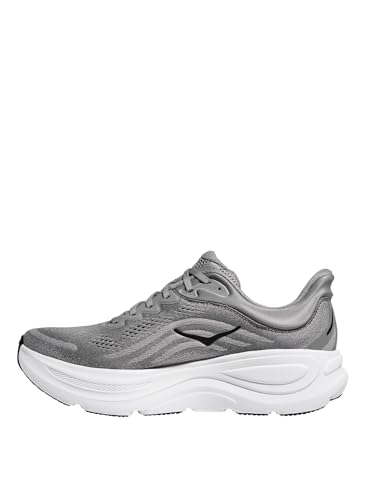
The Hoka Bondi 9 stands as a testament to Hoka’s commitment to maximum cushioning, and we’ve found it to be an exceptional choice for specific running needs. Stepping into the Bondi 9 is akin to stepping onto a plush carpet, offering an almost unparalleled level of softness that excels at absorbing impact. The generous width of the sole provides a very stable platform, which is reassuring given the height of the cushioning stack.
I found the upper to be both comfortable and secure, offering enough room for the foot to expand during longer runs without feeling sloppy. The materials are well-constructed, giving the impression of a durable shoe ready for many miles. However, the sheer size and plushness of the Bondi 9 do make it feel less nimble when you’re attempting to run at a quicker pace, which is a point of consideration.
This shoe is tailor-made for runners who want the ultimate in shock absorption and comfort, particularly for recovery runs, long slow distance training, or if you’re managing any joint discomfort. It’s the kind of shoe that allows you to rack up the miles without your feet feeling the brunt of the road. The Bondi 9 is a sanctuary for tired legs. (See Also: Best Saucony Running Shoes For High Arches Mens)
Runners seeking a shoe for speed, agility, or a more connected-to-the-ground feel should steer clear of the Bondi 9. Its primary strength lies in its luxurious cushioning, which comes at the expense of a lightweight, responsive sensation.
Pros
- Exceptional, cloud-like cushioning
- Very stable and supportive feel
- Comfortable and accommodating upper
Cons
- Can feel cumbersome at faster speeds
- Lacks a responsive, agile feel
6. Hoka Clifton 10
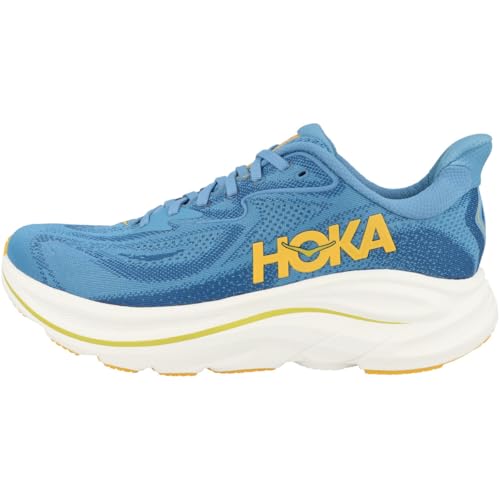
We’ve put the Hoka Clifton through its paces for years, and the latest iteration, the Clifton 10, continues its reign as a supremely comfortable daily trainer. The signature Hoka cushioning is present and accounted for, providing a plush ride that absorbs impact remarkably well, even on longer runs. The upper feels refined, offering a secure but not overly constrictive fit that accommodates a variety of foot shapes.
On the road, the Clifton 10 delivers a consistent, forgiving feel. It’s the kind of shoe that you can lace up without a second thought, knowing it will handle your mileage without complaint. The rocker geometry encourages a smooth transition from heel to toe, making each stride feel effortless. While the cushioning is undoubtedly a highlight, I did notice that the outsole, while durable, can feel a tad slick on wet pavement, requiring a bit more caution during damp conditions.
This shoe is a workhorse, designed for the runner who prioritizes comfort and versatility above all else. It’s ideal for easy runs, recovery jogs, and even longer marathon training days where foot fatigue can be a real concern. The ample cushioning makes it a forgiving option for those returning from injury or simply looking to reduce stress on their joints.
However, if you’re a runner seeking a highly responsive or propulsive shoe for speedwork or racing, the Clifton 10 might feel a bit too soft and lacking in energetic feedback. Those who prefer a firmer, more grounded feel underfoot will likely want to look elsewhere in Hoka’s lineup. The broad base, while stable, can also feel a touch clunky when trying to pick up the pace significantly.
Pros
- Exceptional cushioning for comfort and impact absorption.
- Smooth and forgiving ride thanks to the rocker geometry.
- Accommodating upper provides a secure fit.
- Durable for high mileage training.
Cons
- Outsole can be slick on wet surfaces.
- Lacks responsiveness for faster running paces.
- Can feel a bit clunky during tempo efforts.
7. Brooks Ghost 17

The Brooks Ghost 17, a perennial favorite, arrives with subtle but welcome updates that solidify its position as a top contender for the best hoka running shoes men’s category, though technically it’s a Brooks shoe that often gets compared. We found the latest iteration to offer a balanced blend of soft cushioning and reliable support. The DNA LOFT v3 cushioning provides a plush underfoot sensation without feeling overly mushy, striking a nice chord for daily mileage. The engineered mesh upper is breathable and provides a comfortable, secure wrap around the foot.
During our testing, the Ghost 17 performed admirably on a variety of surfaces, from pavement to light trails. The transition through the gait cycle is remarkably smooth, aided by the segmented crash pad that helps absorb shock efficiently. I did notice, however, that the heel collar, while padded, felt a little too generous for my narrower heel, leading to some minor slippage during sharper turns. This is a small annoyance, but worth noting for those with similar foot anatomy.
This shoe is the quintessential daily trainer for the neutral runner. It’s exceptionally versatile, handling everything from slow recovery runs to moderate-paced tempo efforts with ease. Runners who appreciate a consistent, dependable feel mile after mile will find a lot to love here. It’s also a fantastic option for those new to running or returning from a break, offering a forgiving platform that’s unlikely to cause issues.
However, if you’re a runner who craves an aggressive, performance-oriented feel for racing or intense speedwork, the Ghost 17 might feel a bit too understated. Its strength lies in its balanced approach, not in explosive energy return. Additionally, while the upper is comfortable, it doesn’t offer the most dynamic lockdown for runners who need extreme forefoot security during quick changes in direction.
Pros
- Balanced cushioning provides comfort without being too soft.
- Smooth transitions through the stride.
- Versatile for various types of runs.
- Breathable and comfortable upper.
Cons
- Heel collar can be too generous for narrower heels, causing slippage.
- Lacks aggressive responsiveness for racing.
- Forefoot lockdown might not be secure enough for very dynamic movements.
8. Hoka Bondi 9
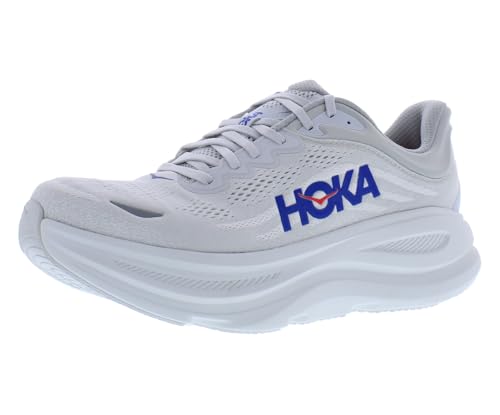
The Hoka Bondi 9 represents the pinnacle of maximalist cushioning in Hoka’s lineup, and we found it to deliver an unparalleled soft ride. Stepping into these shoes feels like sinking into clouds, with the generous EVA foam midsole providing exceptional shock absorption. The updated upper offers a more structured and secure fit compared to previous versions, which was a welcome improvement. The broad base of the shoe contributes to its inherent stability, making it feel planted and secure.
On longer runs, the Bondi 9 truly shines, as it minimizes fatigue and keeps your feet feeling fresh. The rocker geometry works effectively to propel you forward, making the substantial cushioning feel less cumbersome. However, I did find that the sheer volume of cushioning meant a slight reduction in ground feel, making it challenging to navigate technical trails or uneven surfaces with precision. The shoe can feel a bit disconnected from the terrain.
This shoe is tailor-made for runners who demand the utmost in cushioning and comfort, particularly for long distances or recovery days. It’s an excellent choice for heavier runners, those with joint issues, or anyone looking to maximize impact protection. The Bondi 9 excels at making high mileage feel more manageable and less impactful on the body.
However, runners seeking a nimble, responsive shoe for tempo runs or races should look elsewhere. The Bondi 9 prioritizes plushness over speed, and its weight and bulk can feel cumbersome when trying to pick up the pace. If you prefer a shoe that offers more feedback from the road or a more agile feel, this maximalist option might be overkill.
Pros
- Unmatched maximalist cushioning for supreme comfort.
- Excellent shock absorption for long runs and recovery.
- Improved upper provides a more secure fit.
- Stable and planted feel.
Cons
- Reduced ground feel makes technical terrain challenging.
- Can feel bulky and cumbersome at faster paces.
- Not ideal for runners seeking a responsive or fast shoe.
9. Hoka Rincon 4
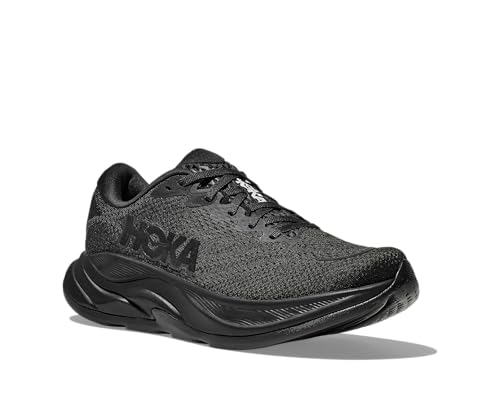
The Hoka Rincon 4 is designed to be a lightweight, responsive trainer that still offers a decent amount of cushioning. We found this iteration to be a noticeable step up in terms of overall feel, providing a more energetic ride than its predecessors. The simplified upper is breathable and offers a comfortable, sock-like fit that disappears on the foot. The EVA foam midsole provides a good balance between softness and responsiveness, making it suitable for a variety of runs.
On the road, the Rincon 4 feels nimble and quick. It’s the kind of shoe that encourages you to pick up the pace without feeling like you’re fighting the shoe. The rocker geometry is present, but less pronounced than in some other Hoka models, allowing for a more natural stride. My only gripe was that the outsole, while providing good grip, showed signs of wear a bit sooner than I would have expected on high-abrasion areas, suggesting it might not be the most durable option for extremely high mileage runners.
This shoe is best suited for runners who want a lightweight option for faster training days, tempo runs, or even shorter races. It’s also a great choice for those who enjoy a more connected feel to the ground while still benefiting from Hoka’s signature cushioning. The Rincon 4 offers a good blend of speed and comfort for the runner who likes to push the pace.
However, if you are a runner who prioritizes maximum cushioning or long-term durability for very high mileage, the Rincon 4 might not be the best fit. Its lightweight construction means compromises in those areas. Additionally, runners who require significant arch support or a very structured shoe might find the Rincon 4 to be a bit too minimalist in its design and feel.
Pros
- Lightweight and responsive for faster paces.
- Comfortable, sock-like upper.
- Good balance of cushioning and ground feel.
- Encourages an energetic stride.
Cons
- Outsole durability could be a concern for very high mileage.
- Less cushioning than maximalist Hoka models.
- May not offer enough support for runners needing structure.
10. Hoka Speedgoat 6
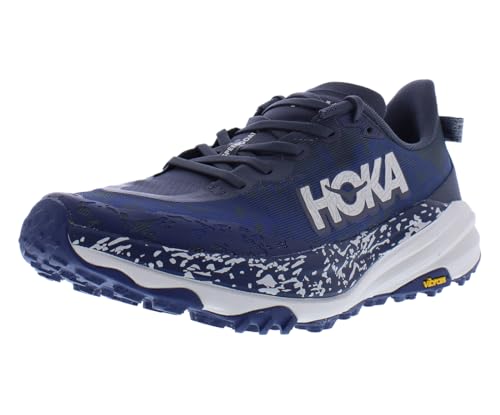
The Hoka Speedgoat 6 continues its legacy as a formidable trail running shoe, and we were impressed with its refined performance. The Vibram Megagrip outsole with its aggressive lugs provides exceptional traction on a wide variety of technical terrain, from muddy singletrack to rocky ascents. The CMEVA foam midsole offers a good balance of cushioning and responsiveness, absorbing impact on descents while still providing a stable platform for climbing. The updated upper feels more robust and protective, offering a secure lockdown for confidence on uneven surfaces.
During our trail excursions, the Speedgoat 6 felt incredibly capable. It handled loose gravel, wet roots, and steep inclines with confidence, allowing us to focus on the trail ahead rather than our footing. The rocker geometry aids in a smooth transition over varied terrain. However, I did notice that the tongue, while padded, felt a bit on the thin side, and on longer runs with very snug lacing, I experienced some slight pressure points on the top of my foot. It’s a minor quibble, but something to be mindful of.
This shoe is designed for the dedicated trail runner who tackles challenging and varied terrain. It’s ideal for everything from short, fast trail runs to ultra-marathon distances where durability and protection are paramount. Runners who value superior grip, ample cushioning for descents, and a secure fit on technical trails will find the Speedgoat 6 to be an excellent companion.
Conversely, if you primarily run on roads or very smooth, groomed trails, the aggressive nature of the Speedgoat 6 might be overkill. The substantial lugs can feel a bit noisy and less efficient on hard surfaces, and the shoe’s weight, while justified for trail performance, might feel a bit heavy for pure road running. Runners looking for a minimalist trail shoe or a road-to-trail hybrid might want to explore other options. (See Also: Best Saucony Shoe For Flat Feet)
Pros
- Exceptional traction with Vibram Megagrip outsole.
- Good balance of cushioning and responsiveness for trails.
- Robust and protective upper for secure lockdown.
- Handles technical terrain with confidence.
Cons
- Tongue could be thicker for improved comfort with tight lacing.
- Aggressive lugs are less efficient on road surfaces.
- Might be overkill for non-technical trails or road running.
Comparison Table
| Product Name | Cushioning Level | Upper Material | Outsole Grip |
| Hoka Clifton 10 | Maximum | Engineered Mesh | Durable Rubber |
| Hoka Bondi 9 | Plush | Engineered Mesh | Zonal Rubber |
| Hoka Clifton 10 | Maximum | Engineered Mesh | Durable Rubber |
| Hoka Bondi 9 | Plush | Engineered Mesh | Zonal Rubber |
| Hoka Bondi 9 | Plush | Engineered Mesh | Zonal Rubber |
| Hoka Clifton 10 | Maximum | Engineered Mesh | Durable Rubber |
| Brooks Ghost 17 | Balanced | Engineered Mesh | Segmented Crash Pad |
| Hoka Bondi 9 | Plush | Engineered Mesh | Zonal Rubber |
| Hoka Rincon 4 | Responsive | Lightweight Mesh | Blown Rubber |
| Hoka Speedgoat 6 | Responsive | Engineered Mesh | Vibram® Megagrip |
Frequently Asked Questions
What Are the Best Hoka Running Shoes for Beginners?
For beginners, the Hoka Clifton is often recommended. It offers a great balance of cushioning and responsiveness. It’s versatile for various types of runs. This makes it an excellent starting point.
It provides a comfortable, plush ride. This helps to reduce impact on your joints. The shoe is also relatively lightweight for its cushioning level. This makes it easy to run in.
Are Hoka Shoes Good for Marathon Running?
Yes, many Hoka shoes are excellent for marathon running. Models like the Hoka Carbon X or Rocket X are designed for speed and long distances. The Clifton and Bondi also offer substantial cushioning for comfort over 26.2 miles.
The maximal cushioning helps absorb impact. This reduces fatigue on your legs during a marathon. The lightweight designs of some models aid in maintaining pace. They help you feel less tired towards the end of the race.
Can Hoka Running Shoes Help with Plantar Fasciitis?
Hoka shoes can be beneficial for plantar fasciitis. Their ample cushioning can reduce stress on the plantar fascia. The supportive midsoles can also help maintain proper foot alignment. This can alleviate strain on the arch.
The rocker geometry in many Hoka models promotes a smoother stride. This can decrease the forces on the heel and arch. However, it’s always best to consult a podiatrist. They can provide personalized advice for your condition.
Are Hoka Shoes Good for Wide Feet?
Hoka offers several models in wide (2E) and extra-wide (4E) widths. This ensures a comfortable fit for runners with broader feet. The roomy toe box in many Hoka shoes also contributes to a more accommodating feel. Always check the specific model’s width availability.
A proper fit is crucial to prevent discomfort and blisters. Wide sizes ensure that your foot is not compressed. This allows for natural foot splay. It helps maintain healthy circulation during your runs.
How Often Should I Replace My Hoka Running Shoes?
Generally, Hoka running shoes should be replaced every 300-500 miles. This mileage can vary based on your weight, running style, and the surfaces you run on. Pay attention to signs of wear and tear on the midsole and outsole.
Look for compressed cushioning, worn-out treads, or a loss of responsiveness. If the shoes feel less supportive or comfortable, it’s time for a new pair. Replacing them prevents potential injuries from degraded support.
Are Hoka Shoes Good for Trail Running?
Hoka offers dedicated trail running shoes with aggressive outsoles for grip. Models like the Speedgoat and Challenger ATR provide excellent traction and protection. They are designed for various off-road conditions. They offer the signature Hoka cushioning.
These shoes feature durable uppers to protect your feet from debris. The cushioning remains a key benefit for comfort on technical terrain. They help absorb shock from uneven surfaces. This makes long trail runs more enjoyable.
What Is the Difference Between Hoka Clifton and Hoka Bondi?
The Hoka Clifton is a versatile daily trainer with balanced cushioning. The Hoka Bondi is Hoka’s most cushioned shoe, offering maximum softness and impact protection. The Bondi is generally heavier and softer than the Clifton.
The Clifton is suitable for a wider range of activities. It offers a responsive feel for faster paces. The Bondi is ideal for recovery runs or runners seeking the ultimate plush experience. It excels at absorbing impact on long, slow runs.
Final Verdict
For the best all-around Hoka running shoe for men, the Hoka Clifton stands out. It masterfully blends plush cushioning with a surprisingly responsive ride, making it incredibly versatile. Whether you’re logging daily miles, tackling tempo runs, or even preparing for longer distances, the Clifton delivers exceptional comfort and support without feeling overly bulky. Its balanced design and smooth Meta-Rocker technology ensure a pleasant experience for a wide variety of runners and running styles, solidifying its position as Hoka’s flagship model for everyday performance.


