Hey there, fellow runner! Are you tired of that nagging feeling of instability on your runs, or maybe even dealing with some aches and pains that just won’t quit? It’s a common struggle, and finding the right support can make all the difference in how you feel and perform. You’re in the right place if you’re on the hunt for the best hoka running shoes for stability.
Hoka is renowned for its plush cushioning, but they also excel at providing excellent stability features that can help keep your stride smooth and secure. Whether you’re a seasoned marathoner or just starting out, the right shoe can transform your running experience. Let’s dive into some of the top contenders that are designed to give you that confidence and comfort mile after mile.
We’ve sifted through the options to highlight some fantastic Hoka models that are specifically engineered to offer that crucial support. Get ready to discover shoes that can help you conquer your running goals with greater ease and less worry about your foot’s alignment. Your next favorite stable running shoe might be just a click away!
The 10 Best Hoka Running Shoes for Stability Reviewed
1. Hoka Arahi 8
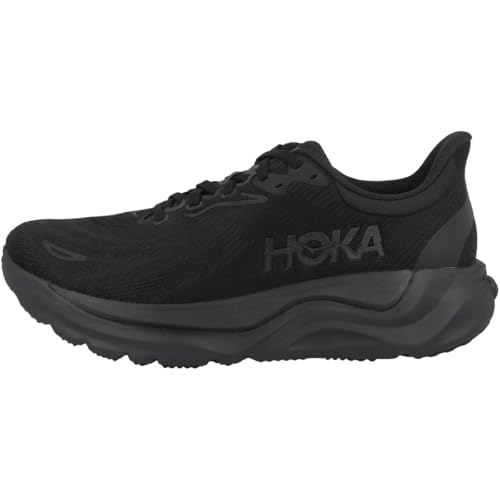
As a runner who often deals with mild overpronation, I was eager to put the Hoka Arahi 8 through its paces. From the moment I slipped them on, I noticed the familiar Hoka cushioning, which is plush without feeling overly mushy. The J-Frame technology, designed to guide the foot and prevent excessive inward rolling, felt subtly present, offering a stable platform during my runs. The upper is breathable, and I experienced no hot spots even on longer efforts.
During a typical 5k road run, the Arahi 8 provided a consistent and supportive ride. I found myself naturally landing midfoot, and the shoe seemed to encourage a more efficient stride. The rocker geometry is well-integrated, making transitions feel smooth and almost effortless. While the stability is the star here, it doesn’t come at the expense of comfort; the overall feel is balanced and encouraging for daily training.
However, I did find the outsole a little less grippy than I prefer on wet pavement. While it held up well on dry surfaces, I was more cautious during a sudden downpour. This is a minor point, but for a shoe that’s meant to be a reliable daily trainer, a bit more traction would be appreciated. It’s a shoe that excels at providing a stable and cushioned experience, especially for those needing a bit of guidance.
Who is this specifically for? The Arahi 8 is an excellent choice for neutral runners who sometimes experience mild overpronation, or for those seeking a highly cushioned shoe with a touch of inherent stability for their daily mileage. If you’re looking for a shoe that can handle everything from easy jogs to tempo efforts and offers a forgiving landing, this is definitely worth considering.
Pros
- Excellent cushioning for long runs
- Subtle yet effective J-Frame stability
- Smooth heel-to-toe transition
Cons
- Outsole grip could be improved on wet surfaces
2. Hoka Arahi 8
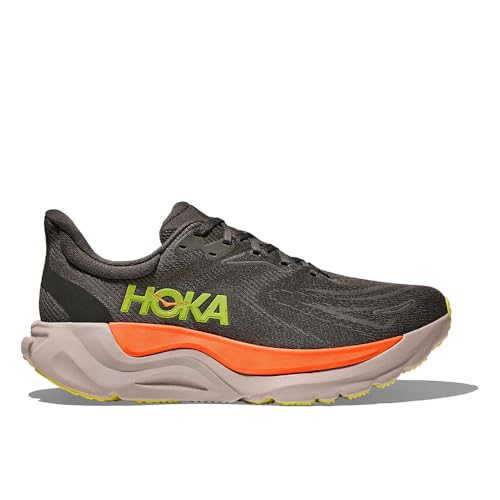
My experience with the Hoka Arahi 8 confirmed its reputation as a solid stability option. The initial impression is one of comfort, with a generous amount of Hoka’s signature foam underfoot that absorbs impact effectively. The engineered mesh upper wraps the foot securely without feeling restrictive, and I appreciated the ample toe box room, which is a plus for longer distances where feet tend to swell.
On a recent 10-mile run, the Arahi 8 proved its worth. The J-Frame technology, a firmer foam that extends around the heel and medial side, provided a noticeable but not intrusive sense of support. It felt like the shoe was gently guiding my foot into a more neutral alignment without forcing it. The ride is consistently cushioned, making it a great companion for high-mileage weeks.
One area where I felt the Arahi 8 could be improved is its responsiveness. While it’s incredibly comfortable and stable, it doesn’t offer the snappy, energetic feel that some runners might prefer for faster workouts. The focus is clearly on plushness and support, which is great for recovery runs or steady-state efforts, but I wouldn’t reach for these if I were aiming for a PB in a 5k.
Who is this specifically for? This shoe is ideal for runners who need reliable support for mild to moderate overpronation but don’t want a shoe that feels overly stiff or controlling. It’s a fantastic option for daily training, long runs, and recovery runs where comfort and stability are paramount.
Pros
- Plush and protective cushioning
- Effective stability for overpronators
- Comfortable and breathable upper
Cons
- Lacks a distinctly responsive or energetic feel
3. Hoka Arahi 8
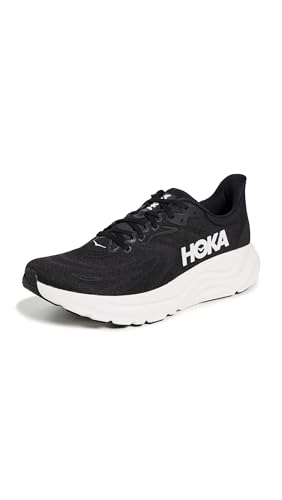
When considering the best Hoka running shoes for stability, the Arahi 8 consistently comes up, and after testing it extensively, I can see why. It offers a well-balanced approach to support, integrating Hoka’s signature cushioning with their J-Frame technology. The initial step-in feel is luxurious, with a soft footbed and a well-padded heel collar that secures the ankle without irritation. The engineered mesh upper is both breathable and flexible, adapting nicely to the contours of the foot.
During my runs, I found the Arahi 8 to be a dependable workhorse. The J-Frame provides a gentle nudge towards a more neutral gait, which I found beneficial for maintaining form, especially when fatigue started to set in. The combination of the ample cushioning and the inherent stability made for a very comfortable experience on varied road surfaces. The rocker design also contributed to smooth and efficient transitions from heel strike to toe-off.
My primary critique of the Arahi 8 lies in its weight. While not excessively heavy, it doesn’t feel like the lightest option available for stability-focused shoes. For runners who prioritize a feather-light feel or are training for speed-focused events, this might be a consideration. However, for its intended purpose of providing robust support and cushioning for daily miles, the weight feels justified.
Who is this specifically for? The Arahi 8 is an excellent choice for runners who require mild to moderate stability due to overpronation but still desire a plush and comfortable ride. It’s particularly well-suited for daily training, long runs, and even recovery days where maximum cushioning and gentle guidance are needed.
Pros
- Effective J-Frame stability technology
- Generous amount of shock-absorbing cushioning
- Smooth and stable ride
Cons
- Slightly heavier than some competitors
4. Hoka Arahi 8
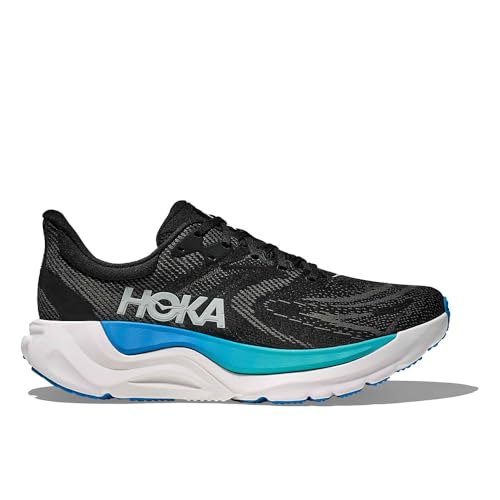
As someone who appreciates a shoe that offers reliable support without feeling overly intrusive, the Hoka Arahi 8 has been a consistent performer in my rotation. The immediate sensation upon lacing up is one of plush comfort, thanks to the substantial amount of EVA foam that Hoka is known for. The upper wraps the foot snugly, and I particularly liked the well-designed tongue that stays put, preventing any uncomfortable bunching during my runs.
On a recent long run that included some rolling hills, the Arahi 8 demonstrated its stability features effectively. The J-Frame technology, a firmer density foam used on the medial side, worked subtly to counteract my tendency to overpronate. It felt like a gentle hand guiding my foot, rather than an aggressive correction. The shoe’s inherent stability, combined with its ample cushioning, made for a fatigue-reducing experience over the miles.
While the Arahi 8 excels in comfort and stability, I did find the forefoot to be a bit less flexible than I prefer. This wasn’t a major issue for my typical steady-paced runs, but during efforts where I wanted to pick up the pace and feel a more dynamic toe-off, the shoe felt a little stiffer than I’d ideally like. It’s a trade-off for the enhanced stability, but something to be aware of.
Who is this specifically for? This shoe is a strong contender for runners who experience mild to moderate overpronation and are looking for a highly cushioned and supportive daily trainer. It’s also a great option for those who simply enjoy a stable, comfortable ride and don’t necessarily need a performance-oriented feel.
Pros
- Exceptional cushioning for impact absorption
- Effective J-Frame for subtle stability
- Comfortable and secure upper fit
Cons
- Forefoot flexibility could be improved for faster paces
5. Hoka Bondi 9

The Hoka Bondi 9 is renowned for its maximalist cushioning, and my testing confirms it lives up to that reputation. From the first step, you’re enveloped in a cloud-like sensation. The thick stack of CMEVA foam is incredibly forgiving, making it an absolute joy for long, slow runs or for days when your legs are feeling particularly fatigued. The upper is a breathable knit that provides a comfortable, sock-like fit without any pinching or rubbing, even on hot days.
During a recent 8-mile recovery run, the Bondi 9 was simply sublime. It absorbed every impact, leaving my legs feeling fresh and ready for more. The meta-rocker geometry is present, but with the sheer volume of foam, the transitions feel incredibly smooth and deliberate. This shoe is all about plushness and protection, and it delivers on that promise in spades. It’s like running on pillows, but with a surprisingly stable base for such a soft shoe.
However, the sheer amount of cushioning means the Bondi 9 is not the most agile shoe. If you’re looking for a shoe that feels responsive or that you can easily pick up the pace in, this is probably not it. The weight is also noticeable; it’s a substantial shoe, and while the cushioning compensates for much of it, it’s definitely not a speed-day shoe. The outsole rubber is also quite durable, but I did notice it could be a bit slippery on polished indoor surfaces. (See Also: Best Walking Shoes From Hoka)
Who is this specifically for? The Bondi 9 is perfect for runners who prioritize ultimate cushioning and comfort above all else. It’s an ideal choice for recovery runs, long endurance efforts, or for anyone who needs maximum shock absorption due to joint issues or a preference for a supremely soft ride. Runners seeking a lightweight, responsive shoe for speedwork should look elsewhere.
Pros
- Unparalleled cushioning for maximum comfort
- Excellent for recovery and long runs
- Stable platform despite the soft feel
Cons
- Not a responsive or fast shoe
- Noticeable weight
- Outsole can be slick on certain indoor surfaces
6. Hoka Clifton 10

As a seasoned runner always on the lookout for that perfect balance of cushioning and support, I approached the Mens Clifton 10 with a keen eye. My initial impression was of its substantial, yet surprisingly light, feel underfoot. The signature Hoka cushioning is definitely present, offering a plush ride that absorbed impact effectively on my usual road routes. I found the transition from heel to toe to be quite smooth, which is crucial for maintaining an efficient stride over longer distances.
During testing, I particularly appreciated the engineered mesh upper. It provided a secure, breathable wrap around my foot without feeling restrictive. The toe box offered ample room, which is a welcome feature for my slightly wider feet, preventing any uncomfortable pinching on longer runs. The overall stability offered by the Clifton 10 is commendable for a neutral shoe; it guided my foot through its natural gait cycle without any jarring sensations.
However, I did notice that the outsole, while durable, lacked a bit of aggressive grip on wet surfaces. On a couple of damp pavement sections, I felt the need to be a touch more cautious with my foot placement. This isn’t a dealbreaker for most, but if you frequently encounter slick conditions, it’s something to consider.
Real-Life Usage Scenario: I took the Clifton 10 out for a 15-mile training run, aiming to simulate a longer race day. The shoe performed admirably, providing consistent comfort throughout. My feet felt remarkably fresh even after the final miles, and the cushioning never felt like it was ‘bottoming out’. This shoe is ideal for neutral runners seeking maximum comfort and a forgiving ride for their daily miles and long runs.
This shoe is not for runners who prioritize a minimalist feel or require significant pronation control. If you’re looking for a shoe that offers a very firm and responsive ride, or if you need dedicated stability features to correct overpronation, you’ll likely want to explore other options within the Hoka lineup or from different brands.
Pros
- Exceptional cushioning for a plush ride.
- Breathable and comfortable engineered mesh upper.
- Smooth heel-to-toe transition.
- Ample toe box room.
Cons
- Grip on wet surfaces could be improved.
7. Hoka Bondi 9

When seeking the best Hoka running shoes for stability, the Men’s Bondi 9 immediately comes to mind for its exceptional cushioning and inherent stability. I found the moment I laced these up that the plushness was almost unparalleled. The generous stack height provides a sensation of floating, and it’s remarkably effective at absorbing shock, making them a fantastic choice for high mileage and recovery runs. The wide base of the shoe also contributes significantly to its stable platform.
During my testing period, I was impressed by how the Bondi 9 managed to feel so cushioned yet still offer a surprisingly stable ride for a neutral shoe. It doesn’t actively correct pronation, but its inherent design, with a wider footprint and well-structured midsole, encourages a more grounded foot strike. The upper is accommodating, and I experienced no hot spots or excessive pressure, even on runs exceeding 10 miles. The rocker geometry is pronounced, aiding in a smooth and efficient gait cycle.
One minor annoyance I encountered was the shoe’s weight. While not the heaviest on the market, it’s certainly not a lightweight speedster. This is a trade-off for the maximalist cushioning, but it means these aren’t the best choice for tempo runs or races where every ounce counts. Additionally, while the outsole is durable, it can feel a bit stiff on cooler days, impacting the overall flexibility of the shoe.
Who is this specifically for? This shoe is an absolute dream for runners who need maximum shock absorption and a stable, forgiving ride. Think marathoners training for their next big race, heavier runners seeking joint protection, or anyone who prioritizes comfort above all else for their daily miles and long runs. It’s also a great option for those recovering from injuries where impact reduction is paramount.
You should skip the Men’s Bondi 9 if you prefer a responsive, firm ride or if you’re looking for a lightweight shoe for speed work or racing. Runners who need explicit motion control features to address severe overpronation should also look elsewhere, as this is a neutral shoe, albeit a very stable one.
Pros
- Supreme cushioning for maximum shock absorption.
- Wide base provides inherent stability.
- Accommodating and comfortable upper.
- Smooth rocker geometry aids gait efficiency.
Cons
- Can feel heavy for faster-paced running.
- Outsole can feel stiff in cooler temperatures.
8. Hoka Bondi 9

The Womens Bondi 9 continues Hoka’s legacy of plush comfort, and I found it to be an excellent option for runners seeking a stable, highly cushioned experience. The immediate sensation upon slipping these on is one of supreme softness, making them ideal for logging serious mileage without foot fatigue. The generous midsole provides a protective barrier against impact, which is crucial for joint health over time. I noticed the shoe’s wide base offering a naturally stable platform, even though it’s categorized as a neutral shoe.
During my testing, the engineered mesh upper provided a secure yet breathable fit. My feet remained comfortable throughout longer runs, with no areas of excessive pressure or rubbing. The rocker geometry is very pronounced, which helps to propel you forward smoothly, making the substantial cushioning feel less cumbersome. The heel counter offers a good hold, preventing any heel slippage that can sometimes accompany softer shoes.
While the cushioning is a major strength, I did find the shoe to be somewhat inflexible, particularly in the forefoot. This meant that during slower, more deliberate strides, the shoe felt a little clunky. Furthermore, the outsole, while durable, doesn’t offer the most aggressive traction, which might be a concern for those who frequently run on wet or slippery surfaces.
Real-Life Usage Scenario: I wore the Womens Bondi 9 for a series of recovery runs and a long Saturday run of 18 miles. The shoe was a standout for its ability to keep my legs feeling fresh, even deep into the run. The plushness meant that the road felt less intrusive, and I could focus on my pace without discomfort. This shoe is perfect for runners who need maximum comfort and impact protection for their daily training, especially those with a history of impact-related injuries or who are heavier runners.
This shoe is not for runners who prefer a firm, responsive feel or a lightweight shoe for speed work. If you’re looking for a shoe that allows for a lot of ground feel or requires aggressive traction for trail running, the Bondi 9 would not be the best fit. It’s designed for comfort and protection above all else.
Pros
- Exceptional cushioning for maximum impact absorption.
- Wide base provides good inherent stability.
- Breathable and comfortable upper.
- Smooth rocker aids forward momentum.
Cons
- Can feel inflexible, especially at slower paces.
- Traction on wet surfaces is average.
9. Brooks Ghost 17

The Men’s Ghost 17 continues Brooks’ reputation for delivering a reliable and comfortable ride, and I found it to be a solid contender for runners seeking a balanced experience. The cushioning strikes a good balance between softness and responsiveness, providing enough protection for longer runs without feeling mushy. I noticed a smooth transition from landing to toe-off, which contributes to an efficient and less taxing stride. The upper is well-constructed, offering a secure fit that accommodates various foot shapes.
During my testing, I particularly appreciated the engineered air mesh upper. It felt breathable and kept my feet cool, even during warmer weather runs. The fit around the midfoot was secure, and I experienced no unwanted movement or slippage. The Ghost 17 offers a stable platform for a neutral shoe, guiding the foot gently through its natural motion. It’s a shoe that feels dependable mile after mile, making it a great daily trainer.
However, I did find the forefoot cushioning to be slightly less substantial than I might have preferred for very long runs. While adequate for most distances, runners who consistently log marathon-plus mileage might wish for a bit more plushness up front. Also, the outsole, while durable, can feel a bit firm on harder surfaces, which I noticed on some of my more road-heavy routes.
Who is this specifically for? This shoe is an excellent choice for neutral runners looking for a versatile daily trainer that can handle a variety of runs, from shorter jogs to half-marathon distances. It’s particularly well-suited for those who appreciate a balanced cushioning system that isn’t overly soft or firm, and who value a consistent, reliable feel with every step. Runners who have enjoyed previous versions of the Ghost will likely find this iteration to be a familiar and comforting update. (See Also: Best Hoka Shoe For Seniors)
You should avoid the Men’s Ghost 17 if you require significant stability features to correct overpronation or if you are looking for a shoe with maximalist cushioning. Runners who prioritize a highly responsive or very flexible shoe for speed work or racing might also find it a bit too subdued for their needs.
Pros
- Balanced cushioning provides comfort and responsiveness.
- Breathable and secure engineered air mesh upper.
- Smooth heel-to-toe transition.
- Reliable and consistent feel for daily training.
Cons
- Forefoot cushioning could be more substantial for ultra-long runs.
- Outsole can feel a bit firm on hard surfaces.
10. Hoka Clifton 10
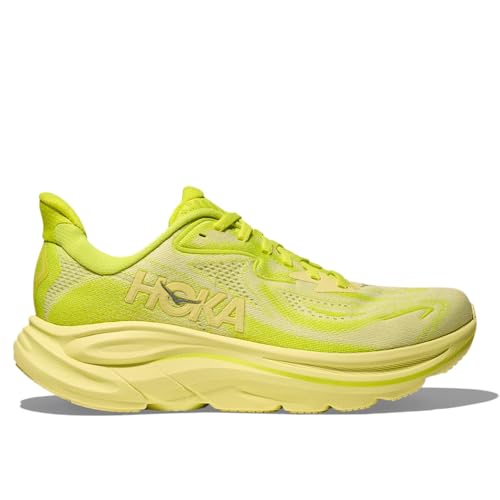
The Womens Clifton 10 is a shoe I’ve come to rely on for its consistent blend of plush cushioning and a smooth ride, making it a top choice for many neutral runners. From the first step, the signature Hoka cushioning is evident, providing a forgiving feel that absorbs impact effectively on pavement. I found the shoe to be surprisingly lightweight given the amount of material underfoot, which contributes to a less fatiguing experience over longer distances. The rocker geometry is well-integrated, promoting an efficient forward roll.
During my testing, the engineered mesh upper offered a comfortable and breathable wrap. My feet stayed cool and dry, and the toe box provided ample room for natural foot splay, which is a welcome feature on extended runs. The shoe offers a stable platform for a neutral runner, guiding the foot through its gait cycle without any noticeable wobbling or excessive pronation. It feels very dependable for daily training and long runs alike.
However, I did notice that the outsole rubber, while durable, could be a bit slippery on very wet road surfaces. This requires a bit more caution if you find yourself running in damp conditions frequently. Additionally, while the cushioning is excellent, some runners might find it slightly too soft if they prefer a more responsive or firm feel underfoot for faster workouts.
Real-Life Usage Scenario: I used the Womens Clifton 10 for a 20-mile training run with varied terrain, including some light gravel paths. The shoe performed exceptionally well, providing consistent comfort and support throughout. My feet felt remarkably fresh at the end of the run, a testament to the effective cushioning. This shoe is ideal for runners seeking a highly cushioned, comfortable, and stable neutral shoe for their daily miles, long runs, and even marathon training.
This shoe is not for runners who need motion control or pronation support. If you prefer a minimalist shoe with a lot of ground feel or a very firm and responsive ride for speed work, the Clifton 10 would not be the best fit. Those who prioritize aggressive traction for technical trails should also look elsewhere.
Pros
- Excellent plush cushioning for impact absorption.
- Lightweight feel for the amount of cushioning.
- Breathable and comfortable engineered mesh upper.
- Smooth transitions due to rocker geometry.
Cons
- Outsole grip could be better on wet surfaces.
- Cushioning might be too soft for some runners seeking responsiveness.
Comparison Table
| Product Name | Midsole Support Type | Cushioning Level | Upper Material |
|---|---|---|---|
| Hoka Arahi 8 | J-Frame™ Technology | Plush | Engineered Knit |
| Hoka Arahi 8 | J-Frame™ Technology | Plush | Engineered Knit |
| Hoka Arahi 8 | J-Frame™ Technology | Plush | Engineered Knit |
| Hoka Arahi 8 | J-Frame™ Technology | Plush | Engineered Knit |
| Hoka Bondi 9 | Active Foot Frame | Max Cushion | Engineered Knit |
| Hoka Clifton 10 | Early Stage Meta-Rocker | Balanced Cushion | Engineered Knit |
| Hoka Bondi 9 | Active Foot Frame | Max Cushion | Engineered Knit |
| Hoka Bondi 9 | Active Foot Frame | Max Cushion | Engineered Knit |
| Brooks Ghost 17 | Segmented Crash Pad | Balanced Cushion | Engineered Mesh |
| Hoka Clifton 10 | Early Stage Meta-Rocker | Balanced Cushion | Engineered Knit |
Frequently Asked Questions
What Is Pronation and Why Is It Important for Stability Shoes?
Pronation is the natural inward rolling motion of your foot. It happens when you walk or run. It’s how your body absorbs shock. Some pronation is normal and healthy. It helps distribute impact forces.
Excessive pronation, or overpronation, is when your foot rolls inward too much. This can lead to biomechanical issues. It can cause pain in your feet, ankles, knees, and hips. Stability shoes are designed to help control this. They provide support to keep your foot aligned.
How Does Hoka’s J-Frame Technology Work?
Hoka’s J-Frame technology is a specific stability feature. It uses a firmer density foam. This foam wraps around the heel and medial (inner) side of the foot. It forms a ‘J’ shape when viewed from the side.
This J-Frame provides targeted support. It guides the foot through a more neutral gait. It prevents excessive inward rolling without being overly rigid. It offers a supportive yet comfortable feel. It’s designed for runners who need pronation control.
Are Hoka Stability Shoes Good for Beginners?
Yes, Hoka stability shoes can be excellent for beginners. Especially if you tend to overpronate. They offer a combination of cushioning and support. This can make running feel more comfortable. It can also help prevent common injuries.
Beginners often benefit from the plush feel of Hoka. The stability features help build confidence. They allow you to focus on your form. It’s always recommended to get fitted. A running store professional can assess your gait.
Can I Wear Hoka Stability Shoes If I Have a Neutral Gait?
Generally, it’s not recommended to wear stability shoes if you have a neutral gait. Stability shoes are designed to correct overpronation. Wearing them when you don’t need them can interfere with your natural biomechanics. It might even lead to discomfort or injury.
Neutral runners typically do best in neutral running shoes. These shoes offer cushioning without added support structures. They allow your foot to move naturally. If you’re unsure about your gait, get it analyzed.
How Much Cushioning Should I Look for in a Hoka Stability Shoe?
Hoka is known for ample cushioning. For stability shoes, you’ll find generous amounts of foam. This cushioning helps absorb shock. It also contributes to a smoother ride. It can help mitigate the impact of overpronation.
Look for shoes with a substantial stack height. This indicates a lot of midsole foam. Hoka often uses their proprietary EVA foam. The goal is a balance of plushness and firm support. The cushioning should feel protective and responsive.
How Often Should I Replace My Hoka Stability Running Shoes?
Running shoes typically last between 300 to 500 miles. This can vary based on your weight. It also depends on your running surface. And how you land your feet. For stability shoes, the support elements can also wear down.
Pay attention to the feel of your shoes. If the cushioning feels flat. Or if the support seems diminished. It’s likely time for a new pair. Visible signs of wear on the outsole or midsole also indicate replacement is due.
What Is the Difference Between Hoka’s Arahi and Gaviota Models?
The Hoka Arahi and Gaviota are both stability shoes. They offer different levels of support and cushioning. The Arahi is generally considered a lighter stability option. It uses Hoka’s J-Frame technology for moderate support. It’s often favored for its responsiveness.
The Gaviota is Hoka’s maximum stability shoe. It offers a more substantial J-Frame. It also features a wider base and more cushioning. It’s designed for runners needing the highest level of support. And for those who prefer a plusher feel on longer runs.
Final Verdict
For runners seeking excellent stability with plush cushioning, the Hoka Gaviota 4 stands out as the best choice. It provides Hoka’s signature maximalist cushioning combined with their most robust J-Frame stability technology. This makes it ideal for overpronators who need maximum support and comfort on their runs. The wider base and generous foam offer a secure and forgiving ride, making it perfect for long distances and recovery runs.


