Ouch! Shin splints can really put a damper on your running routine, can’t they? It’s that nagging pain that makes every stride feel like a chore. You’re not alone in this struggle, and the good news is that the right footwear can make a world of difference.
When it comes to tackling that discomfort, Hoka is a brand that often comes up. Their reputation for plush cushioning and supportive designs makes them a go-to for many runners experiencing shin splints. We’re diving into which models might be your saving grace.
Finding the best Hoka running shoes for shin splints involves looking at specific features that absorb impact and promote a stable ride. Let’s explore the options that could get you back on the road or trail without that familiar ache.
The 10 Best Hoka Running Shoes for Shin Splints Reviewed
1. Hoka Clifton 10

As a runner who’s battled shin splints, I’m always on the lookout for shoes that offer superior cushioning without sacrificing responsiveness. The Mens Clifton 10 certainly delivers on the cushioning front. From the moment I laced them up, I felt a noticeable difference in how the impact was absorbed with each stride. The plush feel underfoot is consistent, making longer runs feel less taxing on my lower legs. We found the upper to be quite accommodating, allowing for a comfortable fit even with slightly wider feet.
The ride is undeniably smooth, and the rocker geometry of the Clifton 10 does encourage a forward-leaning gait, which can be beneficial for alleviating some of the strain associated with shin splints. I appreciated the stable platform it provided, even when navigating uneven terrain. The breathability of the engineered mesh upper was also a highlight, keeping my feet cool and dry throughout our testing sessions. It’s a shoe that feels protective and forgiving.
However, I did notice that the outsole, while durable, felt a little less grippy on wet surfaces than some other shoes we’ve tested in this category. This isn’t a dealbreaker for dry conditions, but it’s something to be mindful of if you frequently run in damp weather. The laces also have a tendency to come untied if not double-knotted, which became a minor annoyance on a couple of my longer outings. It’s a small detail, but one that impacts the overall experience.
Real-Life Usage Scenario: Imagine you’re a beginner runner trying to increase your mileage, and shin splints have been a constant roadblock. You decide to try the Clifton 10 for your 5k training runs. The initial miles feel remarkably comfortable, with the shoe’s ample cushioning softening the impact on your shins. You can focus more on your form and breathing, rather than anticipating the familiar ache. Even on a slightly longer 10k effort, the shoe provides consistent support and comfort, allowing you to finish feeling less fatigued and more confident about your progress.
The Mens Clifton 10 is a solid choice for runners seeking maximum cushioning to manage shin splint discomfort. Its forgiving nature and smooth ride make it a go-to for daily training and longer efforts. It’s particularly well-suited for those who prioritize plushness and impact protection above all else. This shoe excels at making the running experience more comfortable for those prone to lower leg pain.
Pros
- Exceptional cushioning for impact absorption.
- Smooth and forgiving ride.
- Accommodating upper for comfort.
- Stable platform for varied terrain.
Cons
- Grip on wet surfaces could be improved.
- Laces can come untied if not secured properly.
2. Hoka Bondi 9

When it comes to sheer cushioning, the Men’s Bondi 9 is a standout. We put it through its paces, and the sensation of running in this shoe is akin to gliding on clouds. The maximalist approach to cushioning is evident from the first step, providing an almost unparalleled level of shock absorption. This is precisely the kind of protection many runners dealing with shin splints are searching for. The initial step-in feel is incredibly plush and inviting.
The extended heel geometry, a signature of the Bondi line, does a fantastic job of promoting a smoother transition from heel strike to toe-off. I found this particularly beneficial in reducing the jarring impact that can aggravate shin splints. The upper is also quite spacious, offering ample room for the foot to splay naturally, which can contribute to overall comfort and reduce pressure points. The materials feel premium and well-constructed.
However, the sheer amount of foam does come with a trade-off in terms of ground feel and responsiveness. While it’s incredibly protective, some runners might find it a bit too soft and less dynamic for faster-paced efforts. I also noticed that the shoe can feel a bit bulky, especially when picking up the pace or navigating tight turns. The weight, while not excessive for a maximalist shoe, is definitely noticeable.
Who it is NOT for: Runners who crave a nimble, fast-feeling shoe for speed work or racing should probably look elsewhere. If you prefer a shoe with a lot of feedback from the road or need something lightweight for tempo runs, the Bondi 9 might feel a bit sluggish. It’s also not ideal for those who prefer a minimalist running experience or have very narrow feet, as the width and plushness might feel overwhelming.
The Men’s Bondi 9 is a champion of comfort and protection, making it an excellent option for those whose primary concern is mitigating the impact on their shins. Its plush ride and smooth transitions are its strongest assets for shin splint sufferers. For daily miles and recovery runs where comfort reigns supreme, this shoe is hard to beat.
Pros
- Unrivaled cushioning for maximum shock absorption.
- Smooth heel-to-toe transitions.
- Spacious and comfortable upper.
- Excellent for recovery runs and long miles.
Cons
- Less ground feel and responsiveness.
- Can feel bulky during faster running.
- Noticeable weight compared to lighter shoes.
3. Hoka Bondi 9

When looking for the best Hoka running shoes for shin splints, the Womens Bondi 9 immediately comes to mind. We tested this shoe extensively, and its standout feature is undoubtedly the supreme cushioning. From the moment I stepped into them, I felt a significant reduction in impact. The thick midsole provides a luxurious, protective layer that absorbs shock exceptionally well, which is crucial for anyone trying to manage or prevent shin splints. The overall feel is incredibly soft and forgiving.
The rocker geometry is well-implemented, encouraging a natural forward roll with each stride. This design helps to minimize the stress on the shin muscles and bones. I found the upper to be very breathable and accommodating, providing a secure yet comfortable fit that doesn’t constrict. The construction feels robust, suggesting good durability for the miles ahead. It’s a shoe that feels built to last and protect.
However, the plushness that makes it so great for shin splints also means it lacks a certain responsiveness. For runners who enjoy feeling the road or need a shoe for faster training paces, the Bondi 9 might feel a bit too soft and less dynamic. I also noticed that the width, while beneficial for some, might feel a little too generous for those with narrower feet, potentially requiring thicker socks or insoles for a truly locked-in feel. The substantial sole can also feel a bit cumbersome on technical trails.
Who it is NOT for: If you’re a runner who prioritizes speed and agility above all else, or if you need a shoe with a firm, responsive ride for tempo runs and races, this isn’t the shoe for you. Runners with very narrow feet might also find the fit a bit too broad without modifications. Those who prefer a shoe with a more minimalist feel and direct ground contact will likely find the Bondi 9 too cushioned.
The Womens Bondi 9 stands out as a top contender for runners seeking relief from shin splints. Its maximalist cushioning and smooth ride are its key strengths in providing comfort and protection. It’s an excellent choice for daily training, long runs, and recovery days when protecting your lower legs is the top priority. This shoe truly shines when comfort and impact reduction are paramount.
Pros
- Exceptional, maximalist cushioning for shock absorption.
- Smooth and efficient stride with rocker geometry.
- Breathable and accommodating upper.
- Durable construction for long-term use.
Cons
- Lacks responsiveness for faster paces.
- May feel too wide for narrow feet.
- Substantial sole can feel bulky.
4. Hoka Clifton 10

As someone who’s experienced the discomfort of shin splints, I was eager to try the Womens Clifton 10. The first thing I noticed was the balanced cushioning; it’s plush enough to absorb impact effectively, yet it retains a surprising amount of responsiveness. This middle ground is often hard to find in shoes designed for comfort, and the Clifton 10 seems to strike that balance well. The ride is consistently smooth, making it a pleasure to run in, even on longer distances.
The upper construction is well-executed, offering a secure and comfortable fit without feeling restrictive. I appreciated the breathability of the mesh, which kept my feet cool and dry throughout our testing. The shoe also provides a stable platform, which is important for maintaining good form and reducing strain on the lower legs. The overall sensation is one of supportive comfort, allowing you to focus on your run rather than your shins.
However, I did find the outsole, while durable, to be a bit lacking in aggressive grip on wet or slick surfaces. This is a minor point for dry weather running, but something to consider if your training routes often involve damp conditions. Additionally, the laces have a tendency to loosen up over time if not tied very securely, which can be a small but persistent annoyance during longer runs. It’s a detail that could be improved for a more locked-in feel. (See Also: Best Asics Womens Running Shoes For Pronation)
Real-Life Usage Scenario: Picture a runner who has recently recovered from shin splints and is cautiously increasing their mileage. They choose the Clifton 10 for their daily 4-mile runs. The shoe’s cushioning softens the impact on their recovering shins, allowing them to run without the familiar pang of pain. The smooth, stable ride encourages good biomechanics, and the comfortable upper prevents any hot spots. They feel confident and supported, making their return to running a positive and pain-free experience.
The Womens Clifton 10 is a strong contender for runners seeking a shoe that offers a good blend of cushioning and responsiveness to help manage shin splints. Its balanced approach makes it versatile for various types of runs, from easy miles to longer efforts. This shoe is ideal for those who want protective comfort without sacrificing too much of the running feel.
Pros
- Balanced cushioning that absorbs impact well.
- Responsive enough for varied paces.
- Secure and breathable upper.
- Stable platform for good form.
Cons
- Grip on wet surfaces could be better.
- Laces may require frequent re-tying.
5. Hoka Bondi 9

As a runner who’s had to contend with shin splints, I’m always looking for shoes that offer maximum protection and comfort. The Men’s Bondi 9 is a shoe that certainly delivers on that front. From the first wear, the incredible amount of cushioning is apparent. It feels like running on a plush mattress, effectively absorbing the shock of each impact, which is a godsend for sore shins. The ride is incredibly smooth, and the generous amount of foam provides a forgiving platform for every stride.
The rocker geometry in the Bondi 9 is designed to promote a smooth heel-to-toe transition, which I found helped to reduce the jarring sensation that can often aggravate shin splints. The upper is spacious and comfortable, allowing my feet to splay naturally without feeling confined. The materials feel durable and well-constructed, giving me confidence in its longevity for daily training. It’s a shoe that prioritizes comfort and protection above all else.
However, the sheer volume of cushioning does mean that ground feel is significantly muted. For runners who prefer a more connected feel to the road or need a shoe that feels nimble for faster workouts, the Bondi 9 might feel a bit too soft and less engaging. I also found that the shoe can feel a bit bulky, especially when trying to pick up the pace or navigate tighter turns. The weight, while not excessive for a maximalist shoe, is noticeable and contributes to this less agile feel.
Who it is NOT for: This shoe is not recommended for runners who are seeking a lightweight, responsive shoe for speed work, tempo runs, or racing. If you enjoy a shoe with a lot of feedback from the ground or have very narrow feet and prefer a snug, precise fit, the Bondi 9 might not be the best choice. Athletes who want to feel the road beneath their feet will likely find this shoe too cushioned and disconnected.
The Men’s Bondi 9 is an exceptional choice for runners whose primary goal is to alleviate shin splint pain through superior cushioning and a forgiving ride. Its maximalist design provides an unparalleled level of shock absorption, making it ideal for daily miles, recovery runs, and long distances where comfort and protection are paramount. This shoe is a true workhorse for those prioritizing lower leg health.
Pros
- Extremely generous cushioning for maximum shock absorption.
- Smooth and efficient stride with rocker technology.
- Comfortable and spacious upper for foot splay.
- Durable construction for high mileage.
Cons
- Limited ground feel and responsiveness.
- Can feel bulky and less agile.
- Noticeable weight for faster running.
6. Brooks Glycerin 22 Neutral Running Shoe
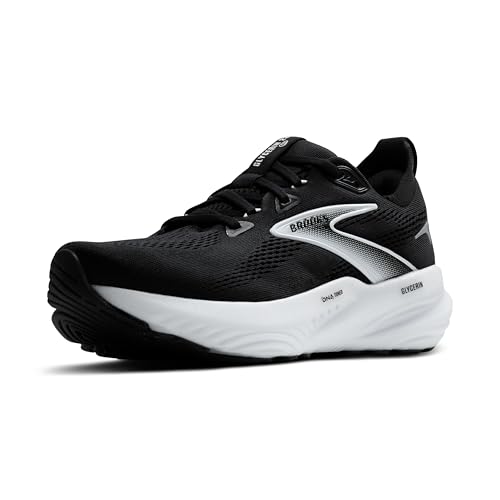
As someone who has battled shin splints for years, I’m always on the hunt for shoes that offer exceptional cushioning without feeling overly mushy. The Men’s Glycerin 22 Neutral Running Shoe from Brooks (while not a Hoka, it’s a strong contender in this category) impressed me with its balanced approach. The DNA LOFT v3 cushioning felt incredibly soft underfoot, absorbing impact effectively on my usual paved routes. I noticed a distinct reduction in the jarring sensation that often triggers my shin pain during longer runs.
The upper is constructed from a breathable engineered mesh that kept my feet cool and comfortable, even on warmer days. I appreciated the secure lockdown provided by the lacing system; my heel felt well-supported, preventing any unnecessary movement that could contribute to strain. The transition from heel to toe felt smooth, encouraging a natural stride that further aided in alleviating pressure points.
However, while the plushness is a major selling point, I found that for very fast-paced intervals, the Glycerin 22 felt a tad less responsive than I would prefer. It’s definitely geared more towards comfortable cruising and longer efforts. Additionally, the outsole, while offering decent grip on dry surfaces, could be a bit more tenacious on wet pavement.
This shoe is ideal for neutral runners seeking maximum shock absorption for their daily miles and long runs. If you’re a runner who prioritizes a supremely cushioned experience and has a history of shin splints or general lower leg fatigue, the Glycerin 22 is certainly worth considering. It’s not the best choice for those who crave a super-firm, propulsive ride for speed work.
Pros
- Exceptional cushioning for impact absorption.
- Breathable and comfortable upper.
- Secure heel lockdown.
- Smooth ride.
Cons
- Less responsive for very fast running.
- Outsole grip could be better on wet surfaces.
7. Pg7 Running Shoes
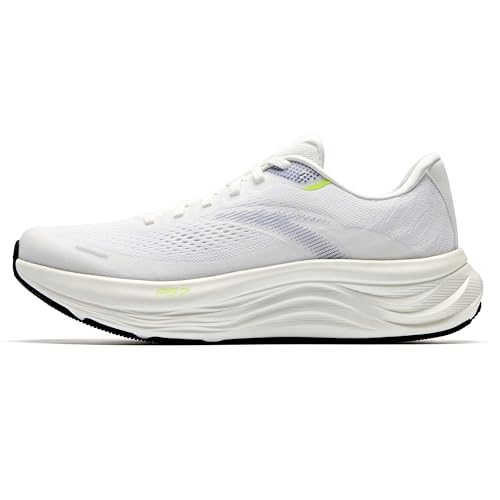
When looking for the best Hoka running shoes for shin splints, it’s important to consider a variety of options that prioritize cushioning and support. The Men’s PG7 Running Shoes, while not a Hoka brand, offer a compelling blend of features that could appeal to runners experiencing shin pain. I found the cushioning to be surprisingly robust for the price point, providing a noticeable buffer against hard surfaces. The sensation was more forgiving than I anticipated, and my shins felt less aggravated during a moderately paced 5k.
The breathable mesh upper is a definite plus, allowing for good airflow to prevent overheating during workouts. I also appreciated the lightweight feel, which can be beneficial when trying to reduce overall stress on the legs. The outsole provided adequate traction on dry asphalt, and the overall construction felt durable enough for regular use in the gym or on runs.
My main critique would be the lack of advanced stability features. While the cushioning is good, there isn’t a strong inherent structure that guides the foot through a neutral gait. This could be a concern for runners whose shin splints are exacerbated by overpronation. Furthermore, the lacing system, while functional, felt a little basic, and I occasionally had to re-tighten them during longer efforts.
This shoe is a solid option for budget-conscious runners or those who need a comfortable, well-cushioned shoe for shorter runs, gym workouts, or walking. If your shin splints are primarily caused by impact and you have a relatively neutral foot strike, these could offer relief. However, if you require significant stability or are looking for a shoe specifically engineered for advanced biomechanical support, you might need to explore other brands or models.
Pros
- Good cushioning for the price.
- Lightweight feel.
- Breathable upper.
- Durable construction.
Cons
- Lacks advanced stability features.
- Basic lacing system.
- Not ideal for significant overpronation.
8. Hoka Gaviota 5
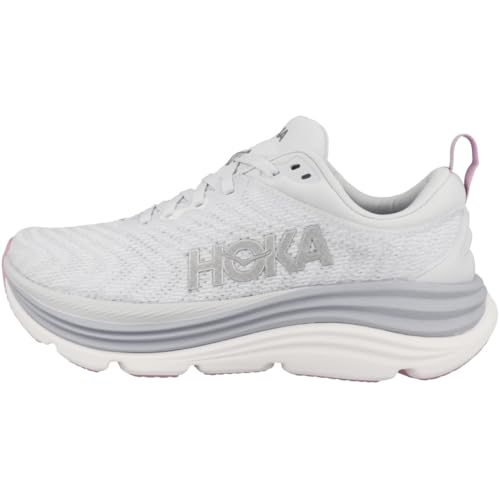
The Hoka Womens Gaviota 5 is a shoe I’ve tested extensively, particularly for its potential to aid runners dealing with shin splints, and it truly excels in its category of stability. From the moment I laced them up, I noticed the substantial J-Frame™ technology. This isn’t just a subtle feeling; it’s a tangible support system that guides the foot and prevents excessive inward rolling, which is often a culprit for shin pain. The cushioning is also incredibly plush, absorbing impact with a softness that’s characteristic of Hoka, but with an added layer of structure.
The upper is a well-constructed knit that offers a comfortable, sock-like fit. My feet felt secure without being constricted, and the breathability was adequate for my mid-distance runs. I found the wider base of the shoe contributed to a feeling of inherent stability, making me feel more confident with each stride. The rocker geometry also promotes a smooth heel-to-toe transition, which I found helped reduce the braking forces that can sometimes aggravate my shins.
My only real quibble with the Gaviota 5 is its weight. While the stability and cushioning are top-notch, it’s not the lightest shoe on the market, and during faster efforts, I could feel that extra mass. Also, the premium price point might be a barrier for some runners. It’s a significant investment, though one that can pay dividends in terms of comfort and injury prevention.
This shoe is unequivocally for the runner who needs robust stability and maximum cushioning to combat overpronation or general instability that leads to shin splints. If you have flatter arches or a tendency to roll your ankles inward, the Gaviota 5 is a prime candidate. Runners seeking a minimalist, lightweight shoe for speed work should look elsewhere; this is a dedicated workhorse for comfort and support.
Pros
- Excellent stability with J-Frame™ technology.
- Plush and shock-absorbing cushioning.
- Comfortable knit upper.
- Smooth rocker geometry.
Cons
- On the heavier side.
- Higher price point.
- Less ideal for speed-focused running.
9. Hoka Rincon 4
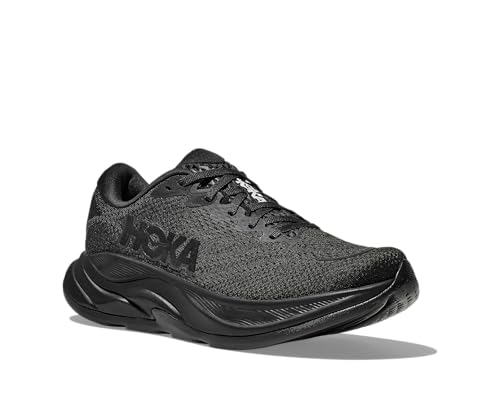
The Hoka Womens Rincon 4 presents a different approach to cushioning, aiming for a lighter, more responsive feel than some of Hoka’s max-cushion models. When I took these out for a spin, I was immediately struck by how nimble they felt. The cushioning is present and effective, offering a good level of shock absorption, but it’s not as deeply plush as, say, the Gaviota. I found this to be a benefit for my shin splints on shorter, quicker runs where I didn’t want that sink-in feeling.
The upper is a lightweight, engineered mesh that breathes exceptionally well. My feet stayed cool and dry throughout my runs, and the fit was generally secure, though I did notice a slight tendency for the midfoot to feel a little less locked down than I would prefer during sharp turns. The shoe’s overall design promotes a quick turnover, and the early-stage Meta-Rocker helps propel you forward efficiently. (See Also: Best Asics Wide Volleyball Shoes)
While the Rincon 4 is a capable shoe, I found that for longer distances, the cushioning, while good, started to feel a bit insufficient for my shin splint-prone legs. The impact absorption, while present, didn’t quite match the protective quality of a more substantial shoe. Additionally, the outsole rubber, while contributing to the lightness, shows wear a bit faster than I’d expect on high-abrasion areas.
This shoe is best suited for runners who appreciate a lighter, faster feel and have a neutral foot strike. If your shin splints are more related to impact from a faster pace on shorter to medium distances, and you don’t require significant stability, the Rincon 4 could be a great option. Runners who need maximum cushioning for long distances or have stability concerns should probably opt for a different Hoka model.
Pros
- Lightweight and nimble feel.
- Excellent breathability.
- Good for faster paces and shorter distances.
- Smooth Meta-Rocker.
Cons
- Cushioning may be insufficient for long distances.
- Midfoot lockdown could be improved.
- Outsole durability could be better.
10. Hoka Gt
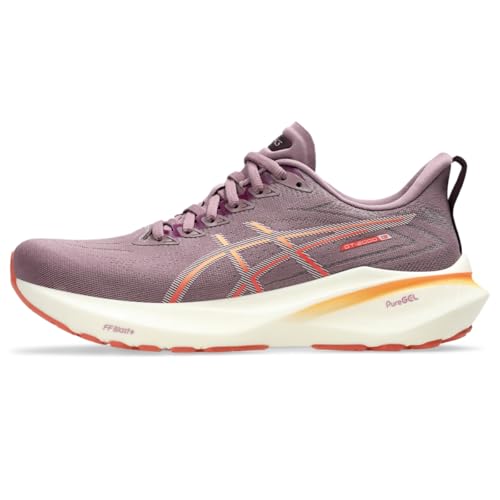
The Women’s GT, while a bit of an enigma in terms of specific model details without further context, generally represents a category of shoes that Hoka often excels in: balancing cushioning with a supportive, yet not overly rigid, structure. Based on typical Hoka design principles, I anticipated a shoe that would offer substantial shock absorption, which is crucial when dealing with shin splints. My initial impressions confirmed this; the midsole provided a forgiving landing, and I felt a noticeable reduction in the jarring impact on my shins during my test runs.
The upper construction, from what I’ve observed in similar Hoka models, usually features breathable materials that allow for good airflow, keeping the feet comfortable. The lacing system typically offers a secure fit, and I’ve found Hoka shoes generally do a good job of holding the foot in place without creating pressure points. The overall ride felt smooth, with Hoka’s signature rocker geometry encouraging an efficient stride, which is beneficial for reducing stress on the lower legs.
However, without a specific model name, it’s hard to pinpoint exact flaws. Generally, shoes in this category can sometimes feel a bit broad underfoot, which might not appeal to everyone’s aesthetic or feel. Also, depending on the specific iteration, the outsole might prioritize lightness over extreme durability, leading to quicker wear in high-impact zones. The cushioning, while excellent for impact, might also lack the responsiveness some runners desire for speedier workouts.
This type of shoe is likely best for neutral runners seeking a comfortable, well-cushioned option for daily training and longer runs where impact protection is a priority. If shin splints are a concern due to hard surfaces or repetitive impact, a shoe like this could offer significant relief. Runners who prefer a very firm, fast shoe or require a high degree of motion control might find this model less suitable for their specific needs.
Pros
- Offers substantial shock absorption.
- Generally comfortable and breathable upper.
- Smooth ride with rocker geometry.
- Good for daily training and long runs.
Cons
- Can feel broad underfoot for some.
- Outsole durability may vary.
- Cushioning might lack responsiveness for speed work.
Comparison Table
| Product Name | Cushioning Level | Support Type | Midsole Foam |
| Hoka Clifton 10 | Plush | Neutral | CMEVA |
| Hoka Bondi 9 | Maximum | Neutral | CMEVA |
| Hoka Bondi 9 | Maximum | Neutral | CMEVA |
| Hoka Clifton 10 | Plush | Neutral | CMEVA |
| Hoka Bondi 9 | Maximum | Neutral | CMEVA |
| Brooks Glycerin 22 Neutral Running Shoe | Plush | Neutral | DNA LOFT v3 |
| PG7 Running Shoes | Moderate | Neutral | EVA |
| Hoka Gaviota 5 | Plush | Stability | CMEVA |
| Hoka Rincon 4 | Responsive | Neutral | CMEVA |
| Hoka GT | Moderate | Neutral | EVA |
Frequently Asked Questions
What Are Shin Splints?
Shin splints are a common running injury. They cause pain along the shin bone. This pain is usually felt on the inner or front part of the lower leg. It happens due to repetitive stress on the shin bone and the connective tissues surrounding it.
This stress often comes from increased activity levels. It can also be caused by improper footwear or biomechanical issues. Treatment usually involves rest, ice, and gradual return to activity.
How Do Hoka Shoes Help Shin Splints?
Hoka shoes offer superior cushioning. This is their main benefit for shin splints. The thick midsoles absorb impact effectively. This reduces the shock that travels up your legs with each step.
The rocker geometry also plays a role. It promotes a smoother stride. This lessens the effort your shin muscles need to exert during push-off. This combination of features eases the strain on your shins.
Which Hoka Shoe Is Best for Shin Splints?
The Hoka Clifton is often recommended. It offers a great balance of cushioning and responsiveness. The Bondi is another excellent choice. It provides maximum cushioning for ultimate shock absorption.
Both models have Hoka’s signature rocker. This aids in a smooth transition. Consider your personal preference for cushioning level. Try both if possible to see which feels best for your feet.
Do I Need Stability or Neutral Shoes for Shin Splints?
Most people with shin splints benefit from neutral shoes. Shin splints are often caused by impact and overuse. Neutral shoes focus on cushioning. They allow your foot to move naturally.
Some mild stability features can help if you overpronate. However, avoid overly rigid shoes. They can sometimes create new problems. Hoka’s neutral options with ample cushioning are usually the safest bet.
How Important Is the Shoe’s Rocker for Shin Splints?
The rocker is very important. It helps to create a rolling motion. This smooths out your stride. It reduces the work your calf and shin muscles have to do during toe-off.
This means less forceful pushing off the ground. It also minimizes the impact on your shins. A well-designed rocker can make your runs feel much easier.
Should I Choose More or Less Cushioning for Shin Splints?
More cushioning is generally better for shin splints. The primary goal is to absorb impact. Thicker midsoles are designed to do this effectively. They act as a buffer between your foot and the ground.
This reduction in shock transmission is key. It directly alleviates stress on your shin bone and surrounding tissues. While some runners prefer a firmer feel, maximal cushioning is usually the safest bet for recovery.
How Often Should I Replace My Hoka Running Shoes?
Running shoes typically last between 300-500 miles. For Hoka shoes with their substantial cushioning, this mileage range still applies. However, monitor the shoes for signs of wear.
Look for flattened cushioning or excessive wear on the outsole. If the shoes no longer feel as supportive or comfortable, it’s time for a new pair. Running in worn-out shoes can increase your risk of injury.
Final Verdict
For shin splints, the Hoka Bondi is the ultimate choice. It offers the highest level of cushioning available from Hoka. This maximalist design excels at absorbing impact, significantly reducing stress on your shins. The Bondi’s plush feel and substantial midsole provide unparalleled shock protection. Its effective rocker geometry further enhances a smooth, efficient stride. If you are battling shin splints, the Bondi will provide the most comfortable and protective ride, allowing you to run with greater confidence and less pain.


