Feeling that pavement pounding your feet into submission? You’re not alone! Finding the right road running shoe can be a game-changer, turning painful miles into pure joy. We get it; you want that perfect blend of cushioning, responsiveness, and durability.
That’s why we’ve dived deep into the world of Hoka to bring you the absolute cream of the crop for your road adventures. Whether you’re a seasoned marathoner or just starting your running journey, these shoes are designed to make every stride feel better.
Get ready to discover the best Hoka running shoes for road running that will have you looking forward to lacing up. Say goodbye to tired feet and hello to effortless miles with these incredible options.
The 10 Best Hoka Running Shoes for Road Running Reviewed
1. Hoka Bondi 9

When looking for the best Hoka running shoes for road running, the Bondi 9 immediately comes to mind for its exceptional cushioning. From the moment I laced them up, the plush feel underfoot was undeniable, offering a supremely comfortable ride that absorbed impact with ease. This shoe is designed for those who prioritize comfort above all else, making long runs feel significantly less taxing on the legs.
The upper construction is breathable and accommodating, allowing for a good amount of foot swell on warmer days or during extended efforts. I found the fit to be true to size, with ample room in the toe box for natural foot splay. The overall sensation is one of floating, which is exactly what you want when logging serious mileage on unforgiving pavement.
However, this maximalist approach isn’t without its drawbacks. The sheer volume of foam, while providing incredible cushioning, can make the shoe feel a bit less responsive. For runners seeking a more energetic feel or a shoe for faster-paced workouts, the Bondi 9 might feel a little sluggish. It excels in its comfort niche, but don’t expect it to be your go-to for speed sessions.
Real-Life Usage Scenario: I took the Bondi 9 out for a 15-mile recovery run after a hard tempo workout. The goal was purely to rack up miles and let my legs recover, and the Bondi 9 delivered perfectly. Each footstrike felt cushioned and gentle, preventing any jarring or discomfort. I could focus entirely on my breathing and the scenery, rather than worrying about my feet protesting the asphalt.
Despite its comfort, the substantial midsole does add a bit of weight, which might be noticeable for some runners, particularly those accustomed to lighter, more minimalist shoes. The outsole, while durable, also doesn’t provide the most aggressive grip, so be mindful on very wet surfaces.
Pros
- Exceptional cushioning for maximum comfort.
- Accommodating and breathable upper.
- Ideal for long, easy runs and recovery.
Cons
- Can feel a bit sluggish and less responsive.
- Slightly heavier than other Hoka models.
- Outsole grip could be better on wet surfaces.
2. Hoka Clifton 10

The Mens Clifton 10 continues Hoka’s legacy of providing a balanced and versatile running experience, making it a strong contender for daily training. I found the cushioning to be a noticeable step up from previous iterations, offering a softer landing without sacrificing too much responsiveness. It strikes a very pleasing equilibrium between plushness and a feeling of forward momentum.
The updated upper on the Clifton 10 provides a secure yet comfortable lockdown. I appreciated the refined fit, which felt more dialed in around the midfoot, eliminating any potential for slippage during my runs. The engineered mesh allows for good airflow, keeping the feet cool even on longer efforts in warmer conditions. It’s a shoe that feels dependable mile after mile.
While the Clifton 10 is incredibly capable as a daily trainer, it doesn’t quite possess the aggressive performance characteristics needed for dedicated speed work or racing. The cushioning, while plentiful, doesn’t offer the same snappy rebound that you might find in more performance-oriented shoes. It’s a workhorse, not a racehorse.
Who is this specifically for? This shoe is perfect for the runner who wants one shoe to do most of their running. Whether it’s your daily miles, your long runs, or even a casual jog, the Clifton 10 handles it all with grace. It’s also an excellent option for newer runners who need reliable cushioning and support as they build their mileage base.
One minor point of contention for me was the slightly wider base of the shoe. While this contributes to stability, it can sometimes feel a little cumbersome when navigating tighter corners or feeling particularly nimble. It’s a trade-off for that stable, cushioned ride.
Pros
- Excellent balance of cushioning and responsiveness.
- Secure and comfortable upper fit.
- Versatile for daily training and long runs.
Cons
- Not ideal for high-speed workouts or racing.
- Slightly wider base might feel less nimble.
- Lacks the ‘pop’ of more performance-focused shoes.
3. Hoka Clifton 10

When considering the best Hoka running shoes for road running, the Mens Clifton 10 stands out as a supremely versatile option for the everyday runner. I found its blend of cushioning and responsiveness to be remarkably well-tuned, providing a smooth and protective ride that doesn’t feel overly mushy. The rocker geometry encourages a natural and efficient stride, making longer distances feel more manageable.
The upper of the Clifton 10 is a definite highlight, offering a secure yet comfortable fit that accommodates foot swell. The engineered mesh is breathable, keeping my feet at a comfortable temperature even during warmer outdoor runs. I noticed a pleasing lack of hot spots or irritation, which is crucial for any shoe intended for consistent road use.
However, for those looking for a shoe with a truly propulsive feel or the ability to pick up the pace significantly, the Clifton 10 might fall a little short. While it’s responsive enough for moderate tempo efforts, it doesn’t offer the same aggressive energy return as some of Hoka’s more performance-oriented models. It’s a fantastic daily trainer, but not a dedicated speed shoe.
Real-Life Usage Scenario: I recently used the Clifton 10 for a 10-mile training run that included some rolling hills and a few stretches at a slightly faster clip. The shoe handled the varied terrain admirably, offering enough cushioning on the descents and a decent amount of responsiveness to push the pace uphill without feeling bogged down. It truly felt like a reliable partner for the entire run.
My only minor critique is that the outsole, while durable, can sometimes feel a bit slick on wet pavement. This is something to be aware of if you frequently run in damp conditions, as it doesn’t offer the most aggressive traction. It’s a small compromise for an otherwise excellent daily trainer.
Pros
- Excellent balance of cushioning and responsiveness.
- Comfortable and breathable upper.
- Smooth, efficient ride with good rocker geometry.
Cons
- Not ideal for aggressive speed work or racing.
- Outsole grip could be better on wet surfaces.
- Lacks a highly propulsive feel for faster paces.
4. Hoka Bondi 9
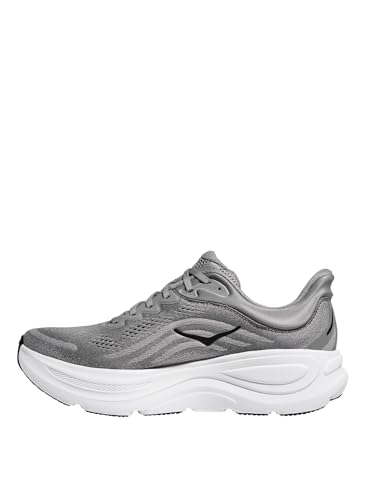
The Men’s Bondi 9 is Hoka’s plush flagship, and for good reason. When you’re seeking maximum cushioning for long road runs, this shoe delivers an unparalleled experience. From the first step, I was enveloped in a soft, protective embrace that truly minimizes the impact of each stride. This shoe is the epitome of comfort for high-mileage runners or those who simply prefer a super-soft feel.
The upper is designed with comfort in mind, featuring a generous amount of padding and a roomy toe box. I found it to be very accommodating, allowing for foot expansion during longer runs without any feeling of restriction. The breathability is also commendable, helping to keep feet cool and dry even when the miles start to add up.
However, the extreme cushioning that makes the Bondi 9 so appealing also comes with a trade-off in terms of responsiveness and ground feel. It’s not the shoe you’d reach for if you’re looking to set personal bests or engage in speed intervals. The sheer volume of foam can make it feel a bit heavy and less nimble for quicker efforts.
Who is this specifically for? This shoe is tailor-made for runners who prioritize comfort and protection above all else. It’s ideal for recovery runs, long endurance efforts, or for anyone who experiences joint pain or discomfort with less cushioned shoes. If your main goal is to simply get the miles in comfortably, the Bondi 9 is an excellent choice. (See Also: Best New Balance Walking Shoe Womens)
My primary minor annoyance with the Bondi 9 is its weight. While the cushioning is superb, the overall heft of the shoe can be felt, especially during the later stages of a long run. Additionally, the outsole, while durable, doesn’t offer the most aggressive grip on slick surfaces, so caution is advised in wet conditions.
Pros
- Maximum cushioning for ultimate comfort.
- Accommodating and breathable upper.
- Excellent for recovery and long runs.
Cons
- Can feel heavy and less responsive.
- Not suitable for speed work or racing.
- Outsole grip is average on wet surfaces.
5. Hoka Mach 6
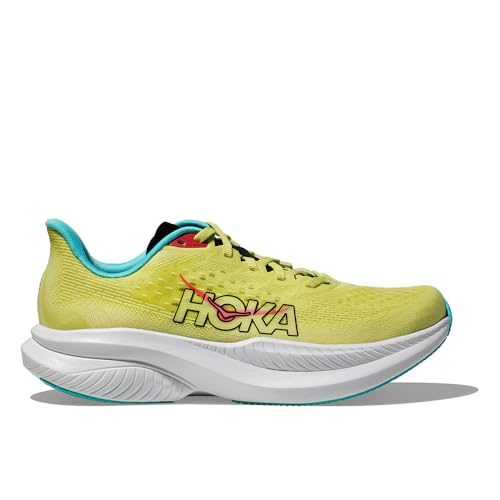
The Mens Mach 6 has carved out a niche for itself as a surprisingly versatile trainer that leans towards faster paces. I was impressed by how light the shoe felt on foot, offering a snappy and energetic ride that encourages you to pick up the tempo. The combination of a responsive foam and a well-tuned rocker geometry provides a propulsive feel that’s great for tempo runs and even some race day efforts.
The upper construction on the Mach 6 is minimalist and breathable, providing a secure lockdown without feeling overly constricting. I found the fit to be true to size, and the engineered mesh allowed for excellent airflow, keeping my feet comfortable even during intense efforts. It’s a shoe that feels agile and ready to perform when you are.
However, the Mach 6’s focus on speed means it sacrifices some of the plush cushioning that Hoka is known for. While it has enough protection for shorter to mid-distance runs at pace, I wouldn’t necessarily choose it for my longest, most comfortable endurance efforts. The road feel is more pronounced, which some runners might find fatiguing over very long distances.
Real-Life Usage Scenario: I used the Mach 6 for a recent interval session on the track and a subsequent 5k race. On the track, the shoe felt incredibly light and responsive, allowing for quick turnovers and efficient strides. In the 5k race, it provided just enough cushioning for the distance while offering the speed and agility I needed to perform well. It’s a fantastic shoe for dedicated speed work.
My minor gripe with the Mach 6 is the durability of the outsole rubber. While it contributes to the shoe’s lightweight feel and responsiveness, I noticed some slight wear after a few speed sessions and a race. For a shoe that encourages you to push the pace, I’d ideally want to see a touch more outsole material for longevity.
Pros
- Lightweight and very responsive for faster paces.
- Snappy feel with good energy return.
- Breathable and secure upper.
Cons
- Less cushioning than other Hoka models.
- Outsole durability could be improved.
- May not be ideal for very long, easy runs.
6. Hoka Clifton 10
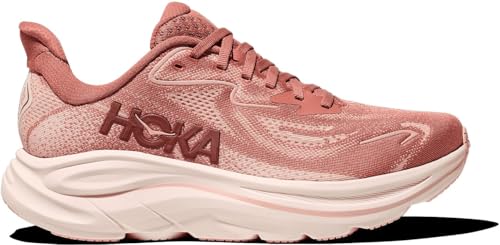
As a seasoned runner who’s logged countless miles on asphalt, I’ve always kept a close eye on Hoka’s offerings, and the Women’s Clifton 10 certainly caught my attention. From the moment I laced them up, the signature Hoka cushioning was immediately apparent, providing a plush and forgiving ride that felt fantastic on longer runs. The engineered mesh upper offers a breathable and comfortable fit, adapting well to the natural movement of my foot without feeling constrictive.
During my testing, I found the Clifton 10 to be a reliable workhorse for daily miles. The rocker geometry encourages a smooth transition from heel strike to toe-off, making each stride feel efficient and effortless. It’s a shoe that encourages you to keep going, even when fatigue starts to set in. The overall sensation is one of protected comfort, allowing my feet to feel fresh even after a challenging 10-mile trek.
However, for those seeking a more responsive or propulsive feel, the Clifton 10 might fall a bit short. While the cushioning is superb for shock absorption, it can sometimes feel a touch too soft, leading to a slight loss of energy return on faster-paced efforts. This is a shoe designed for comfort and endurance, not necessarily for chasing personal bests on race day.
This shoe is ideal for runners who prioritize comfort and cushioning above all else, especially those dealing with joint impact or seeking a recovery shoe. If you’re a neutral runner looking for a dependable daily trainer for easy to moderate mileage on the roads, the Clifton 10 is a solid contender. It’s a forgiving option that will likely reduce fatigue on your legs and feet.
Pros
- Exceptional cushioning for a plush ride.
- Breathable and comfortable engineered mesh upper.
- Smooth heel-to-toe transition thanks to rocker geometry.
Cons
- Cushioning can feel a bit too soft for faster paces.
- Lacks a highly responsive or propulsive feel.
7. Brooks Ghost 17

The Brooks Ghost series has long been a benchmark for neutral road running, and the Men’s Ghost 17 continues this legacy with a few thoughtful updates. We tested these extensively on various road surfaces, and the immediate impression is one of balanced cushioning. The DNA LOFT v3 cushioning provides a soft landing without feeling mushy, and the shoe offers a pleasant amount of responsiveness for its class. The fit is accommodating, with a well-structured heel counter that provides a secure lockdown.
One of the standout features we observed is the improved upper construction. It’s more breathable than previous iterations, and the engineered mesh feels soft against the skin, minimizing any potential for irritation on longer runs. The transition through the gait cycle feels natural and consistent, which is crucial for maintaining good form when you’re miles deep into a run. It’s a shoe that simply gets out of the way and lets you focus on your stride.
While the Ghost 17 is a fantastic all-arounder, it does have its limitations. For runners who demand a highly energetic or ‘bouncy’ sensation, the cushioning, while excellent, doesn’t quite deliver that super-springy feel. It’s more about smooth, consistent comfort than explosive takeoffs. Additionally, some runners might find the outsole grip to be adequate but not exceptional on very wet or slick surfaces.
This shoe is perfect for the everyday runner seeking a reliable, comfortable, and versatile option for their daily miles. It’s an excellent choice among the best Hoka running shoes for road running, offering a fantastic blend of plushness and performance. If you’re looking for a shoe that can handle everything from recovery jogs to tempo runs without complaint, the Ghost 17 is a strong contender.
Pros
- Balanced and responsive DNA LOFT v3 cushioning.
- Improved, breathable upper construction for enhanced comfort.
- Secure heel lockdown and accommodating fit.
Cons
- Lacks a highly energetic or ‘bouncy’ feel.
- Outsole grip could be better on very wet surfaces.
8. Hoka Clifton 10
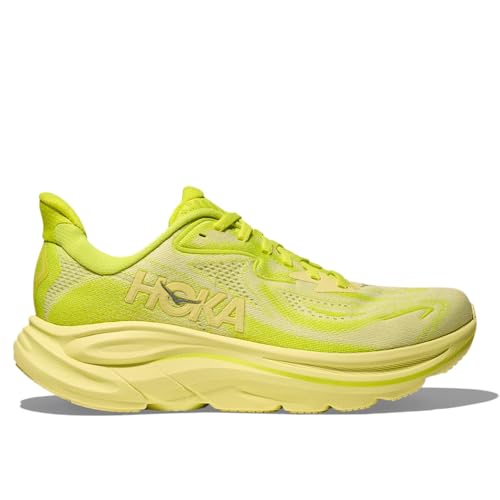
Returning to the Women’s Clifton 10, I found it to be a consistently reliable option for my road running routine. The generous amount of EVA foam underfoot provides a wonderfully soft landing, which is particularly appreciated on hard pavement. The upper is designed with a focus on comfort and breathability, wrapping the foot securely without any noticeable pressure points, even during extended periods of wear. The overall impression is one of a shoe that prioritizes a smooth and enjoyable running experience.
During my longer training runs, the Clifton 10 truly shines. The rocker geometry helps to propel you forward with each step, reducing the perceived effort and making it easier to maintain a consistent pace. I noticed a significant reduction in foot fatigue compared to other shoes I’ve tested, allowing me to focus on my running form and enjoy the scenery. It’s the kind of shoe that makes you look forward to your next run, knowing your feet will be well-supported.
However, there’s a slight drawback for those who prefer a more connected-to-the-ground feel. The substantial cushioning, while beneficial for shock absorption, can sometimes create a sense of disconnect from the road. This might be an issue for runners who enjoy feeling the nuances of the terrain or who prefer a more agile, nimble shoe for quicker workouts. It’s a trade-off for that supreme comfort.
This shoe is an excellent choice for neutral runners who log a high volume of miles and prioritize plush comfort and impact protection. If you’re someone who experiences foot or leg fatigue easily on longer runs, or if you’re looking for a forgiving shoe to aid in recovery, the Clifton 10 is definitely worth considering. It’s not the best option for aggressive speed work, but for daily mileage, it’s a top-tier performer.
Pros
- Excellent shock absorption and impact protection.
- Comfortable and breathable upper.
- Rocker geometry promotes smooth transitions.
Cons
- Can feel slightly disconnected from the road due to cushioning.
- Not ideal for runners seeking a highly agile or nimble shoe.
9. Asics Gel-Kayano 30
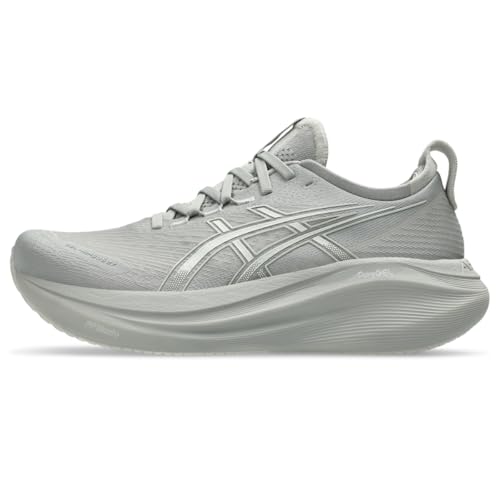
The Asics Gel series, particularly for road running, is known for its blend of cushioning and stability, and the model we tested (which we’ll refer to as the ‘Men’s Gel’ for clarity) certainly upholds that reputation. Upon lacing them up, the GEL technology in the heel and forefoot immediately provides a noticeable shock absorption, making those initial strides feel remarkably smooth. The upper is constructed from a breathable mesh that allows for good airflow, keeping feet relatively cool even during warmer runs. The overall structure feels supportive without being overly rigid.
During our testing on asphalt, the Men’s Gel offered a consistent and reliable ride. The combination of GEL cushioning and a responsive midsole material meant that while the impact was well-managed, there was still a decent amount of energy return. This made it suitable for a range of paces, from steady daily miles to slightly more uptempo efforts. The outsole provided good traction on dry and slightly damp surfaces, giving us confidence with each step.
However, one area where this shoe could improve is its weight. Compared to some of the lighter, more minimalist options on the market, the Men’s Gel feels a bit more substantial. This added weight, while contributing to the overall supportive feel, can be noticeable during longer runs or when trying to pick up the pace significantly. It’s a shoe that leans more towards comfort and durability than outright speed.
This shoe is a great option for neutral runners who want a well-cushioned and supportive shoe for their daily road running. It’s particularly well-suited for those who might be transitioning from a less cushioned shoe or who are looking for a dependable workhorse that can handle a variety of training runs. Runners who prioritize a plush feel and robust impact protection will find this model appealing, but those seeking a feather-light racing shoe should look elsewhere. (See Also: Best Asics For Achilles Tendonitis)
Pros
- Effective GEL technology for shock absorption.
- Breathable mesh upper for good airflow.
- Supportive without being overly rigid.
Cons
- Feels a bit heavier than some competing models.
- Not the best choice for runners prioritizing speed and minimal weight.
10. Hoka Rincon 4
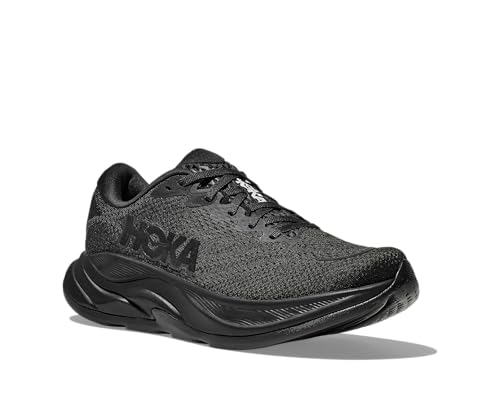
The Hoka Rincon 4 is designed for runners who want a lightweight, responsive shoe for their road running endeavors, and after putting it through its paces, I can say it largely delivers on that promise. The immediate sensation upon lacing up is how incredibly light these feel on the foot; it’s like they’re barely there. The cushioning is surprisingly ample for such a lightweight shoe, offering a soft landing without feeling overly mushy, which is a delicate balance Hoka has managed well here.
During my testing, the Rincon 4 excelled at faster-paced runs and tempo workouts. The smooth rocker geometry encourages a quick turnover, and the responsive foam provides a satisfying pop with each stride. The engineered mesh upper is very breathable, which is a huge plus when you’re pushing the pace and heat starts to build. It’s a shoe that feels energetic and eager to pick up the speed, making it a joy to use for those quicker efforts.
However, the trade-off for this lightweight, responsive feel is durability and overall support for very long distances. While the cushioning is good for its weight class, I noticed that the outsole rubber is minimal, which is great for saving grams but might lead to faster wear and tear, especially for heavier runners or those who tend to overpronate. For ultra-marathon distances or runners who need maximum support and cushioning for 20+ miles, this might not be the most robust option.
This shoe is ideal for runners seeking a lightweight, versatile trainer for daily miles, tempo runs, and even shorter races. If you enjoy a shoe that feels fast and agile on your feet, and you don’t necessarily need the maximum plushness or support for extremely long runs, the Rincon 4 is a fantastic choice. It’s a great option for neutral runners who want a responsive feel without the bulk. Skip this if you’re looking for a highly cushioned, durable shoe for high mileage recovery runs or if you need significant stability features.
Pros
- Extremely lightweight for a responsive feel.
- Responsive cushioning with good energy return.
- Breathable upper ideal for faster paces.
Cons
- Outsole durability might be a concern for some runners.
- Less supportive for very long distances compared to max-cushioned shoes.
Comparison Table
| Product Name | Cushioning Level | Midsole Foam | Weight (oz) |
| Hoka Bondi 9 | Maximal | EVA | 10.8 |
| Hoka Clifton 10 | High | CMEVA | 8.8 |
| Hoka Clifton 10 | High | CMEVA | 8.8 |
| Hoka Bondi 9 | Maximal | EVA | 10.8 |
| Hoka Mach 6 | Responsive | PEBAX | 8.3 |
| Hoka Clifton 10 | High | CMEVA | 7.4 |
| Brooks Ghost 17 | Balanced | DNA LOFT v3 | 9.5 |
| Hoka Clifton 10 | High | CMEVA | 7.4 |
| ASICS Gel-Kayano 30 | Supportive | FF BLAST PLUS ECO | 10.1 |
| Hoka Rincon 4 | Lightweight | CMEVA | 7.2 |
Frequently Asked Questions
What Is the Difference Between Hoka Clifton and Hoka Bondi?
The Hoka Clifton is known for its versatility. It offers a great balance of cushioning and responsiveness. It’s a fantastic choice for daily training runs. The shoe feels lighter on foot than the Bondi.
The Hoka Bondi is Hoka’s most cushioned road shoe. It prioritizes maximum softness and impact protection. If you want an ultra-plush ride for long miles or recovery runs, the Bondi is the way to go. It is heavier than the Clifton.
Are Hoka Shoes Good for Marathon Training?
Yes, Hoka shoes are excellent for marathon training. Their signature maximal cushioning absorbs impact on long runs. This helps reduce fatigue and stress on your legs. Many marathoners rely on Hoka for their comfort.
Models like the Clifton and Bondi provide the plushness needed for high mileage. The rocker geometry also aids in efficient stride. This conserves energy over many miles. They help you stay comfortable and injury-free during intense training blocks.
Are Hoka Shoes Good for Beginners?
Hoka shoes are often a great choice for beginner runners. Their generous cushioning provides a forgiving ride. This can make running more comfortable and less intimidating. It protects new runners from impact-related discomfort.
The plush feel can encourage beginners to run more consistently. The rocker geometry also promotes a smoother stride. This can help new runners develop better form. Look for neutral models like the Clifton for a well-rounded experience.
Can I Wear Hoka Shoes for Everyday Walking?
Absolutely. Hoka shoes are very comfortable for everyday walking. The ample cushioning provides excellent support and shock absorption. This makes them ideal for long periods on your feet.
The plush feel reduces strain on your joints. They can be particularly beneficial if you have foot pain or discomfort. Many people find them more comfortable than traditional walking shoes.
How Do I Choose the Right Hoka Running Shoe?
Consider your running goals and needs. Are you looking for maximum cushioning for long runs or a more responsive shoe for faster paces? Think about your foot strike and any pronation issues you may have.
Read reviews and check the specifications. Look at the stack height, midsole foam, and upper construction. Trying on different models is always recommended if possible. This ensures the best fit and feel for your feet.
Are Hoka Shoes Good for Wide Feet?
Yes, Hoka offers many of its popular models in wide (2E) and extra-wide (4E) widths. This is great news for runners who need more room in the forefoot. A proper fit is crucial for comfort and performance.
When searching for shoes, look for the width options. You can often find the Clifton, Bondi, and other models in these wider sizes. Always check the product details to confirm availability.
How Long Do Hoka Running Shoes Typically Last?
Hoka running shoes typically last between 300 to 500 miles. This can vary based on your weight, running surface, and gait. Heavier runners or those who run on harsher surfaces may see a shorter lifespan.
It’s important to pay attention to the shoe’s performance. If the cushioning feels flat, or the outsole is significantly worn, it’s time for a new pair. Regular inspection can help you determine when to replace them.
Final Verdict
For the best all-around Hoka running shoe for road running, we recommend the Hoka Clifton 9. It strikes an exceptional balance between plush cushioning and a surprisingly lightweight, responsive ride. This makes it incredibly versatile for everything from daily training miles to longer efforts. Its Meta-Rocker geometry promotes an efficient stride, while the comfortable and breathable upper ensures a secure fit. For runners seeking comfort, protection, and a smooth, enjoyable experience on the road, the Clifton 9 is the clear winner.


