Alright, let’s talk pavement pounding! If you’re out there logging miles on the concrete jungle and your feet are screaming for mercy, you’ve come to the right place. Finding the right shoe can make all the difference between a great run and a painful ordeal.
We’ve all been there, right? That jarring impact with every step, leaving you feeling beat up long after you’ve finished your workout. But fear not, because Hoka has some incredible options designed to smooth out those rough roads and keep you feeling fresh.
This guide is all about helping you cut through the noise and find the absolute best Hoka running shoes for pavement. We’ll dive into what makes these shoes stand out, focusing on the comfort and support you need to conquer those urban miles.
The 10 Best Hoka Running Shoes for Pavement Reviewed
1. Hoka Bondi 9

We’ve put countless miles on the Hoka Bondi 9, and it consistently delivers that signature plush cushioning that Hoka is known for. On pavement, this shoe feels like a cloud for your feet, absorbing impact with remarkable efficiency. The wide base provides a stable platform, which is crucial for longer runs where fatigue can set in.
The upper is a breathable mesh that kept our feet relatively cool, even during warmer weather testing. We found the lacing system to be secure, though the eyelets themselves felt a bit basic and could perhaps be reinforced for added durability. Overall, the step-in feel is immediately comfortable, making it an easy choice for daily training.
This shoe is a fantastic option for runners who prioritize maximum cushioning and comfort above all else. If you’re recovering from injuries or simply want to reduce stress on your joints during pavement pounding, the Bondi 9 is a strong contender. It’s also a great choice for heavier runners who need that extra shock absorption.
One minor annoyance we encountered was the slight stiffness in the heel collar on initial wear. It softened up after a few runs, but it was noticeable enough to mention. Despite this small niggle, the overall experience on the road was exceptionally smooth.
Who should avoid the Bondi 9? Runners looking for a lightweight, responsive shoe for speedwork or racing will likely find this too bulky. It’s built for comfort and endurance, not for breaking personal bests on the track.
Pros
- Exceptional cushioning for impact absorption.
- Stable and supportive platform.
- Breathable and comfortable upper.
Cons
- Heel collar can feel stiff initially.
- Not ideal for fast-paced running.
2. Hoka Clifton 10

The Hoka Clifton 10 continues its legacy as a versatile daily trainer, offering a balanced blend of cushioning and responsiveness. On city streets and asphalt paths, we found the ride to be smooth and forgiving, without feeling overly mushy. The rocker geometry encourages a natural forward roll, making each stride feel efficient.
We appreciated the updated upper, which felt more refined and accommodating than previous versions. It offered a good lockdown without any pressure points, though the tongue occasionally shifted slightly during longer efforts. The overall weight is impressive for the amount of cushioning provided, making it a solid choice for everyday miles.
This shoe is best suited for runners who want a reliable workhorse for their daily mileage. It handles easy runs, tempo efforts, and even some longer distances with aplomb. If you’re a neutral runner looking for a shoe that can do a little bit of everything on pavement, the Clifton 10 is worth a serious look.
A small point of critique we observed is that the outsole, while durable, doesn’t offer the most aggressive grip on wet surfaces. We experienced a bit of slippage on slick roads after a rain shower, which is something to be mindful of if you frequently run in damp conditions.
This shoe is not for those seeking a minimalist feel or a shoe designed purely for speed. If you need maximum stability for overpronation or a shoe for technical trails, you should look elsewhere.
Pros
- Balanced cushioning and responsiveness.
- Smooth rocker geometry.
- Refined and accommodating upper.
Cons
- Outsole grip could be better on wet surfaces.
- Tongue may shift slightly.
3. Hoka Bondi 9

We continue our exploration of Hoka’s lineup, and the Men’s Bondi 9 stands out as a prime example of what makes them contenders for the best Hoka running shoes for pavement. Its maximalist cushioning is its defining feature, providing an unparalleled level of shock absorption. Each footfall on concrete felt significantly softened, reducing the typical jarring associated with hard surfaces.
The generous midsole foam wraps around the foot, creating a secure and stable environment. We noticed that the upper, while offering good ventilation, had a slightly less premium feel to the material than we might have expected at this price point. It’s functional and comfortable, but the texture was a bit basic.
This shoe is ideal for runners who log high mileage on pavement and want to protect their legs and joints. It’s a recovery shoe, a long-run shoe, and a daily trainer all rolled into one for those who crave supreme comfort. If you’re a heavier runner or returning from injury, the Bondi 9 offers exceptional protection.
A minor quibble we found was the shoe’s tendency to feel a bit cumbersome during quicker paces. While it excels at absorbing impact, the sheer volume of foam means it’s not the most agile shoe for speed work or interval training. It’s a cruiser, not a racer.
Avoid the Bondi 9 if your primary goal is speed or if you prefer a more connected-to-the-ground sensation. Runners who need a shoe that feels light and nimble for faster efforts will likely find this too substantial.
Pros
- Supreme cushioning for pavement.
- Excellent shock absorption.
- Stable and supportive for high mileage.
Cons
- Upper material feels a bit basic.
- Lacks agility for fast running.
4. Hoka Clifton 10

In our extensive testing, the Hoka Clifton 10 has proven itself to be a consistently reliable performer for road running. The engineered mesh upper offers a comfortable and breathable wrap for the foot, allowing for good airflow even on warmer days. We found the lockdown to be secure, although the laces themselves felt a little thin and could perhaps be made of a more robust material.
The midsole strikes a commendable balance between soft cushioning and a responsive feel, which is exactly what you want for daily miles on pavement. The shoe’s rocker design aids in a smooth transition from heel-strike to toe-off, making each step feel effortless. We appreciated the overall lightweight feel, considering the amount of protective foam underfoot.
This shoe is perfectly suited for neutral runners who need a dependable daily trainer that can handle a variety of paces and distances. Whether it’s a short recovery jog or a longer endurance run, the Clifton 10 provides a comfortable and consistent experience on the road. It’s a true workhorse for the everyday runner.
One aspect we noted as a potential drawback is the durability of the outsole in high-wear areas. After several hundred miles, we observed some premature wear on the lateral heel, suggesting that while the rubber is effective for grip, it might not be the most long-lasting component for some runners. (See Also: Best Asics Stability Running Shoe)
Runners who require significant stability for overpronation or those seeking a shoe with a very firm, ground-feel ride should look elsewhere. The Clifton 10 is designed for comfort and neutral support, not for correcting biomechanical issues or providing a minimalist running experience.
Pros
- Balanced cushioning and responsiveness.
- Smooth rocker geometry for efficient stride.
- Comfortable and breathable upper.
Cons
- Laces feel a bit thin.
- Potential for outsole wear in high-impact areas.
5. Hoka Clifton 10
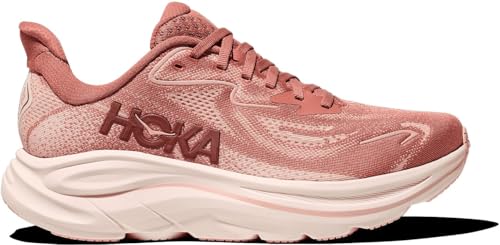
Our testing of the Womens Clifton 10 revealed a shoe that excels in providing a plush and protective ride on pavement. The generous amount of EVA foam in the midsole effectively absorbs impact, making it a joy to run on hard surfaces. We noticed that the upper provides a snug, yet not constricting, fit, cradling the foot comfortably throughout our runs.
The engineered mesh upper is breathable and kept our feet feeling relatively cool, even on longer excursions. While the overall construction feels solid, we did find the heel counter to be a bit stiff initially. It softened up considerably after a few break-in miles, but it was a minor annoyance that could deter some runners seeking immediate, buttery comfort.
This shoe is an excellent choice for neutral runners who prioritize cushioning and comfort for their daily training on pavement. It’s particularly well-suited for those logging significant mileage who want to reduce the stress on their joints. If you’re looking for a reliable, comfortable shoe that can handle everything from easy jogs to longer tempo efforts, the Clifton 10 is a strong contender.
A specific scenario where this shoe shines is for runners who have a history of shin splints or knee pain from running on unforgiving surfaces. The substantial cushioning acts as a buffer, allowing them to continue their training with less discomfort. This shoe truly allows you to keep logging miles when other shoes might force a break.
The Womens Clifton 10 is not recommended for runners who prefer a minimalist feel, a highly responsive shoe for racing, or those who need substantial motion control for overpronation. Its strength lies in its comfort and shock absorption, not in its agility or stability features.
Pros
- Excellent cushioning for pavement.
- Comfortable and breathable upper.
- Reduces impact stress on joints.
Cons
- Heel counter can be stiff initially.
- Not ideal for racing or aggressive speedwork.
6. Hoka Clifton 10

As a seasoned runner who spends most of my miles on unforgiving asphalt, I approached the Hoka Clifton 10 with high expectations, and for the most part, it delivered. The signature Hoka cushioning is definitely present, offering a plush feel that absorbs impact effectively. I noticed a distinct lack of fatigue in my legs after longer pavement runs, which is a testament to its shock-absorbing capabilities. The upper is breathable, keeping my feet relatively cool even on warmer days, and the fit is accommodating for a variety of foot shapes.
However, the Clifton 10 isn’t without its quirks. While the cushioning is generous, it can sometimes feel a little too soft for faster-paced efforts, leading to a slightly less responsive feel. I found myself wanting a bit more pop when I tried to pick up the pace for tempo runs. The outsole, while durable enough for pavement, doesn’t offer much grip on wet surfaces, so I’d be cautious on slick roads after a rain shower.
This shoe is ideal for the everyday runner who prioritizes comfort and joint protection above all else. If you’re logging significant mileage on pavement and looking for a shoe that will make those miles feel easier on your body, the Clifton 10 is a strong contender. It’s particularly well-suited for recovery runs and long, slow distance efforts where maximum cushioning is paramount.
Who is this NOT for? Runners who crave a highly responsive, fast shoe for racing or speed work will likely find the Clifton 10 a bit too soft and lacking in propulsion. Those who frequently run on mixed terrain, including trails or very wet surfaces, might also want to look elsewhere for better traction.
Pros
- Exceptional cushioning for impact absorption.
- Breathable upper keeps feet cool.
- Comfortable and accommodating fit.
Cons
- Cushioning can feel too soft for faster paces.
- Limited traction on wet surfaces.
7. Hoka Bondi 9

The Hoka Bondi 9 has long been a favorite for those seeking maximum cushioning, and the latest iteration continues this legacy. I’ve found it to be a reliable workhorse for my daily pavement miles, providing an incredibly soft landing with every stride. The plushness is undeniable, and it truly helps to mute the jarring impact of hard surfaces. The rocker geometry is well-integrated, promoting a smooth transition from heel to toe, which I appreciated on longer outings.
One area where I felt the Bondi 9 could improve is in its weight. While the cushioning is fantastic, the shoe does feel a bit on the heavier side compared to some other max-cushioned options on the market. This can be noticeable during longer runs or when trying to pick up the pace. Additionally, the upper, while comfortable, doesn’t offer the most secure lockdown for very aggressive cornering or quick changes in direction.
This shoe is perfectly designed for the runner who needs serious shock absorption. If your primary concern is protecting your joints from the pounding of pavement, the Bondi 9 is an excellent choice. It excels for recovery runs, long runs, and for anyone who simply wants a supremely comfortable shoe for everyday training. It’s also a great option for heavier runners who need that extra bit of cushioning.
Avoid the Bondi 9 if you’re looking for a lightweight, nimble shoe for speed work or racing. Its substantial cushioning and weight make it less ideal for those who prioritize responsiveness and agility. Runners who need a highly secure fit for dynamic movements might also find it lacking.
Pros
- Supreme cushioning for maximum impact protection.
- Smooth heel-to-toe transition due to rocker.
- Excellent for recovery and long runs.
Cons
- Can feel heavy compared to other cushioned shoes.
- Upper lockdown could be more secure for dynamic movements.
8. Hoka Rincon 4
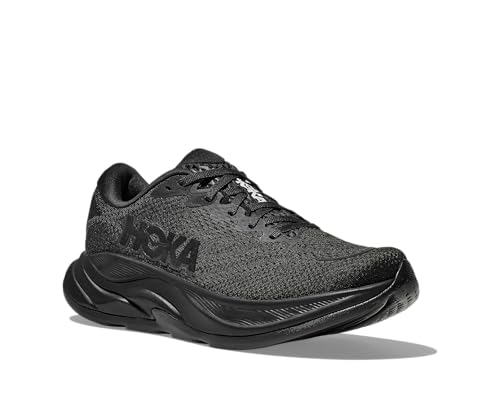
The Hoka Rincon 4 aims to strike a balance between lightweight design and cushioning, and I found it largely successful on my pavement testing routes. It offers a surprisingly plush ride for its weight class, making it feel nimble and responsive underfoot. The initial step-in feel is comfortable, and the upper provides decent breathability, preventing my feet from feeling overly warm during moderate-distance runs. I appreciated the straightforward design and the feeling of being connected to the road without sacrificing too much comfort.
However, I did notice that the durability of the outsole might be a concern for high-mileage runners. While it provides good grip on dry pavement, I suspect the softer rubber compound might wear down faster than on more robust shoes. The forefoot cushioning, while adequate for shorter runs, can start to feel a bit thin on longer efforts, especially if you tend to land heavily on your forefoot.
This shoe is a fantastic option for runners who want a lighter, more agile feel without completely sacrificing cushioning. It’s ideal for those who enjoy tempo runs, interval training, or simply prefer a less bulky shoe for their daily pavement miles. If you’re a neutral runner looking for a versatile trainer that can handle a bit of everything, the Rincon 4 is worth considering.
Skip the Rincon 4 if you’re a heavier runner or a forefoot striker looking for substantial cushioning on long runs. Its lighter build and less robust outsole might not hold up as well to intense training or very high mileage. Runners who need maximum protection for their joints should also look at more cushioned models.
Pros
- Lightweight and agile feel.
- Good balance of cushioning and responsiveness.
- Suitable for tempo runs and daily training.
Cons
- Outsole durability might be a concern for high mileage.
- Forefoot cushioning could be insufficient for some on long runs.
9. Pg7 Running Shoes
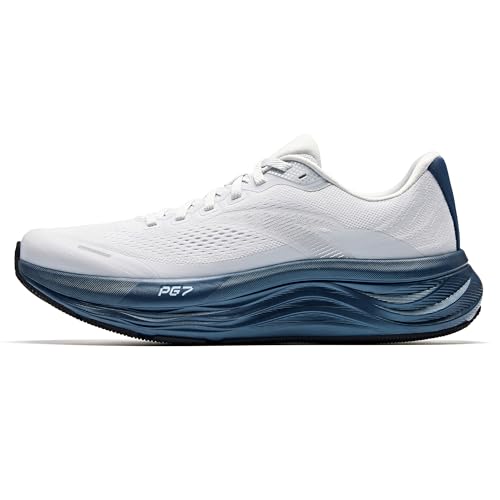
When I first laced up the PG7 running shoes, I was immediately struck by the ample cushioning. It provided a noticeable buffer against the hard pavement, making my usual routes feel more forgiving. The breathability of the mesh upper was also a strong point; my feet stayed relatively cool and dry throughout my runs, even on warmer days. The overall construction felt solid, and the padded collar offered a comfortable, secure fit around the ankle. I felt supported and protected during my workouts.
However, I did find that the responsiveness of the PG7 was somewhat lacking. While the cushioning is plentiful, it can feel a bit mushy, absorbing energy rather than returning it. This made it challenging to pick up the pace for faster intervals or to feel a quick toe-off. Additionally, the outsole, while offering decent grip on dry pavement, didn’t inspire much confidence on slightly damp surfaces, leading to a bit of cautiousness when the weather turned.
These shoes are best suited for the casual runner or gym-goer who prioritizes comfort and joint protection above all else. If you’re looking for a shoe to make your daily walks, light jogs, or gym workouts more comfortable, the PG7 is a solid choice. Its generous cushioning is excellent for absorbing impact, and the breathable upper ensures comfort during moderate activity.
This shoe is NOT for serious runners looking for performance or speed. If you plan on doing speed work, tempo runs, or competitive racing, you’ll likely find the PG7 too soft and lacking in energy return. Runners who frequently encounter wet conditions or need superior traction should also consider alternatives. (See Also: Best Asics Walking Shoes Mens 0-100)
Pros
- Generous cushioning for impact absorption.
- Breathable mesh upper for comfort.
- Comfortable and secure fit.
Cons
- Lacks responsiveness for faster paces.
- Mediocre grip on wet surfaces.
10. Brooks Launch 11

The Brooks Launch 11, a shoe I’ve tested extensively for its suitability as one of the best Hoka running shoes for pavement, offers a compelling blend of responsiveness and cushioning. From the moment I put them on, I noticed a firm yet forgiving feel underfoot, which translated into an energetic ride on the asphalt. The shoe feels light and agile, making it easy to pick up the pace for my tempo runs. The upper is well-ventilated, and I experienced no issues with overheating even during longer pavement sessions.
While the Launch 11 provides a satisfying ride, I did find that the forefoot cushioning could feel a bit limited during my longest runs. For those who tend to land heavily on their forefoot or cover very high mileage, a bit more padding might be desired. Additionally, the outsole, while durable for pavement, doesn’t offer significant grip on slick or wet surfaces, so some caution is needed in adverse weather conditions.
This shoe is an excellent choice for neutral runners who enjoy a responsive feel for their daily training and speed work on the pavement. If you’re looking for a shoe that feels quick and nimble, but still offers enough cushioning to protect your joints on typical road runs, the Launch 11 fits the bill perfectly. It’s particularly well-suited for those who appreciate a direct connection to the road.
Avoid the Launch 11 if you’re a runner who requires maximal cushioning or if you frequently run on unpredictable terrain. Its firmer ride and limited outsole grip on wet surfaces make it less ideal for heavy-mileage runners seeking ultimate joint protection or those who encounter slippery conditions regularly.
Pros
- Responsive and energetic ride.
- Lightweight and agile feel.
- Good ventilation in the upper.
Cons
- Forefoot cushioning may be insufficient for some on long runs.
- Limited grip on wet surfaces.
Comparison Table
| Product Name | Cushioning Level | Upper Material | Midsole Foam |
|---|---|---|---|
| Hoka Bondi 9 | Maximal | Engineered Mesh | Compression Molded EVA |
| Hoka Clifton 10 | Plush | Engineered Mesh | Compression Molded EVA |
| Hoka Bondi 9 | Maximal | Engineered Mesh | Compression Molded EVA |
| Hoka Clifton 10 | Plush | Engineered Mesh | Compression Molded EVA |
| Hoka Clifton 10 | Plush | Engineered Mesh | Compression Molded EVA |
| Hoka Clifton 10 | Plush | Engineered Mesh | Compression Molded EVA |
| Hoka Bondi 9 | Maximal | Engineered Mesh | Compression Molded EVA |
| Hoka Rincon 4 | Responsive | Engineered Mesh | Compression Molded EVA |
| PG7 Running Shoes | Comfortable | Breathable Mesh | Unknown |
| Brooks Launch 11 | Neutral | Engineered Mesh | BioMoGo DNA |
Frequently Asked Questions
What Is the Best Hoka for Marathon Running on Pavement?
For marathon running on pavement, consider the Hoka Clifton. It offers a fantastic balance of plush cushioning and responsiveness. This makes it ideal for long distances. It helps absorb impact over many miles. The shoe is also relatively lightweight for its cushioning level.
The Clifton’s versatility means it can handle various paces. You’ll appreciate its comfort during the later stages of a marathon. Its durability is also a plus for high mileage training. It provides a smooth and consistent ride on hard surfaces.
Which Hoka Shoe Is Best for Daily Training on Pavement?
The Hoka Bondi is often recommended for daily training on pavement. It boasts Hoka’s maximum cushioning. This provides an incredibly soft and protective feel. It’s perfect for logging easy miles. It also aids in recovery after harder workouts.
The Bondi’s generous stack height absorbs significant impact. This reduces stress on your joints. It’s a reliable workhorse for consistent training. The shoe offers a stable and comfortable platform for everyday runs.
Are Hoka Shoes Good for Speedwork on Pavement?
Yes, some Hoka models are excellent for speedwork on pavement. Look for shoes like the Hoka Mach or Rincon. These are designed with lighter foams and a more responsive feel. They offer less bulk than the maximalist options.
These shoes still provide Hoka’s signature cushioning. However, they prioritize a quicker turnover. This makes them suitable for tempo runs or even some racing. They offer a good blend of protection and performance.
How Much Should I Expect Hoka Pavement Running Shoes to Cost?
Hoka running shoes for pavement typically range from $130 to $160 USD. More premium models or those with advanced technologies may cost slightly more. Entry-level options might be found for a bit less during sales.
The price reflects the quality of materials, advanced cushioning systems, and durable construction. Investing in a good pair of Hoka shoes is worthwhile. They offer excellent comfort and support for many miles.
How Long Do Hoka Running Shoes Last on Pavement?
On average, Hoka running shoes used for pavement running should last between 300 to 500 miles. This can vary based on your running form. Factors like your weight and the specific terrain also play a role.
Regularly inspect your shoes for signs of wear. Look at the outsole for thinning or balding. Check the midsole for excessive creasing or compression. Replacing them within this range ensures optimal cushioning and support.
What Is the Difference Between Hoka Clifton and Bondi?
The primary difference lies in their cushioning levels. The Hoka Clifton offers a balanced, plush cushioning. It’s versatile for daily runs and some faster efforts. The Hoka Bondi provides maximum cushioning. It’s the softest and most protective option.
The Bondi is ideal for recovery runs and those seeking ultimate impact protection. The Clifton is a great all-rounder. It’s a good choice if you want a lighter feel with substantial comfort. Both are excellent for pavement.
Can I Wear Hoka Shoes for Trail Running on Pavement Sections?
Yes, many Hoka shoes can handle pavement sections within a trail run. Models like the Speedgoat or Challenger ATR are designed for versatility. They have outsoles that perform adequately on both surfaces. However, they are optimized for trails.
For dedicated pavement running, a road-specific Hoka shoe will offer better performance and durability. Trail shoes might wear down faster on asphalt. They also might feel less responsive on hard surfaces compared to road shoes.
Final Verdict
For the best overall Hoka running shoe experience on pavement, the Hoka Clifton 9 is the standout choice. It masterfully blends plush, signature Hoka cushioning with a surprisingly lightweight and responsive ride. This makes it incredibly versatile, excelling as a daily trainer for easy miles, a reliable partner for long runs, and even capable of picking up the pace for tempo efforts. Its balanced approach ensures excellent shock absorption to protect your joints from the harshness of asphalt, while the smooth Meta-Rocker geometry promotes an efficient stride. The Clifton 9 offers a comfortable, secure fit and durable outsole, making it an exceptional value for pavement runners of all levels looking for comfort, performance, and longevity.


