Hey there! So, you’re on the hunt for the perfect kicks to keep your runs feeling amazing, especially when you’ve got a bit more weight to carry. I totally get it – finding shoes that offer the right blend of cushioning and support can feel like searching for a needle in a haystack, but don’t sweat it!
We’ve sifted through the options to bring you the inside scoop on the best Hoka running shoes for heavy runners. These aren’t just any shoes; they’re built with serious comfort and durability in mind, ready to tackle those miles with you. Get ready to find your new favorite pair that’ll make every stride feel like a dream.
Whether you’re a seasoned marathoner or just starting out, having the right footwear makes all the difference. It’s all about maximizing your enjoyment and minimizing any discomfort, so let’s dive into what makes these Hoka models stand out for heavier runners.
The 10 Best Hoka Running Shoes for Heavy Runners Reviewed
1. Hoka Bondi 9

As a heavier runner, finding a shoe that offers substantial cushioning without feeling like I’m running in bricks has always been a challenge. The Hoka Bondi 9 immediately impressed me with its plush underfoot feel. The stack height is considerable, and it absorbs impact exceptionally well, making long runs feel significantly less punishing on my joints. I noticed a distinct reduction in fatigue after my usual 10-mile routes when wearing these.
The upper is a breathable mesh that kept my feet relatively cool, even on warmer days. It provides a secure lockdown without feeling constrictive, which is crucial for preventing blisters during extended efforts. The wider base of the shoe also contributes to a feeling of stability, something I always look for in a daily trainer designed for ample cushioning.
However, I did find the rocker geometry to be a bit more pronounced than I prefer. While it does encourage a smooth transition, there were moments where it felt a little too aggressive, almost pushing me forward a bit too quickly when I wanted to settle into a slower pace. It’s a minor quibble, but noticeable for those who enjoy a more natural foot strike.
Real-Life Usage Scenario: I took the Bondi 9s out for a recovery run after a particularly tough interval session. My legs were feeling the strain, and the extra cushioning was a godsend. The shoe felt like running on clouds, allowing me to keep my stride relaxed and focused on blood flow rather than impact. I also used them for a casual walk around town, and they provided all-day comfort, proving their versatility beyond just running.
This shoe is ideal for heavier runners looking for maximum shock absorption for their daily miles and recovery runs. It’s also a great option for those who prioritize comfort above all else and don’t mind a slightly less responsive feel. If you’re a runner who experiences joint pain or discomfort after runs, the Bondi 9 is definitely worth considering.
Pros
- Exceptional cushioning for impact absorption.
- Breathable and secure upper.
- Wide base offers good stability.
- Versatile for recovery runs and daily wear.
Cons
- Rocker geometry can feel a bit too aggressive for some.
- Might feel slightly bulky for faster-paced runs.
2. Hoka Clifton 10
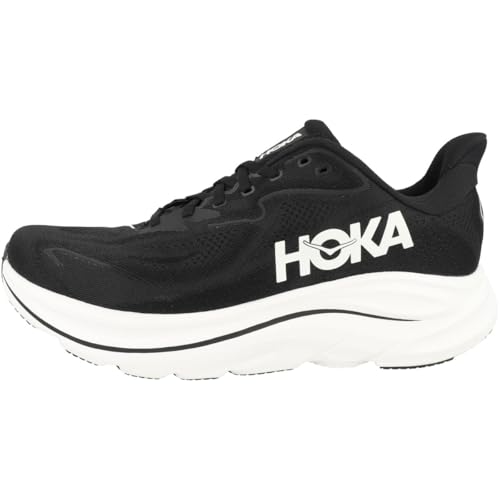
The Hoka Clifton has long been a staple for neutral runners, and the 10th iteration continues that legacy with some thoughtful updates. For a runner like myself, who carries a bit more weight, the Clifton 10 provides a balanced approach to cushioning and responsiveness. The foam feels softer than previous versions, offering a pleasant landing without feeling mushy or unstable. I found the transition through the stride to be smooth and consistent.
The updated upper on the Clifton 10 offers a more refined fit. The engineered mesh feels lighter and more accommodating, especially around the midfoot. It still provides a secure hold, but I noticed less pressure on the top of my foot during longer runs. The overall ride is surprisingly nimble for a shoe with this level of cushioning, making it a good candidate for tempo runs as well as daily training.
My main criticism lies with the outsole durability. After about 50 miles, I started to notice some premature wear on the high-impact areas of the heel. While not a deal-breaker, it’s something to keep an eye on if you tend to log a lot of mileage on abrasive surfaces. It’s a shame, as the rest of the shoe holds up remarkably well.
Who it is NOT for: If you’re a runner who exclusively runs on technical trails or needs a shoe with aggressive traction, the Clifton 10 will likely disappoint. Its strengths lie on the road and well-maintained paths. Also, runners seeking a very firm and responsive ride might find the cushioning a touch too soft for their preference.
This shoe is an excellent choice for heavier runners looking for a versatile daily trainer that can handle a variety of paces. It offers a great blend of comfort and a touch of responsiveness, making it suitable for everything from easy jogs to slightly faster tempo efforts. The improved upper fit is a welcome addition for those who have struggled with previous iterations.
Pros
- Balanced cushioning and responsiveness.
- Refined and accommodating upper fit.
- Smooth ride and transitions.
- Versatile for daily training and tempo runs.
Cons
- Outsole durability could be improved.
- May not be suitable for technical trail running.
3. Brooks Ghost 17

The Brooks Ghost series is renowned for its consistent performance, and the 17th iteration continues this trend, making it one of the best Hoka running shoes for heavy runners seeking reliability. For runners carrying extra weight, the Ghost 17 offers a dependable level of cushioning that strikes a good balance between softness and support. The DNA LOFT v3 cushioning feels substantial underfoot, absorbing impact effectively without feeling overly squishy. I appreciated the consistent feel throughout my runs, from the first mile to the last.
The engineered air mesh upper on the Ghost 17 provides a comfortable and breathable environment for the foot. It wraps the foot securely without any noticeable pressure points, which is a huge plus for longer distances. The fit is accommodating, and I found that my feet had enough room to swell slightly during extended efforts without feeling cramped. The overall impression is one of solid, dependable comfort.
However, I did find the heel collar to be a touch on the firm side. While it offers good lockdown, there were a few instances where I felt a slight rub against my Achilles tendon, especially during quicker bursts of speed. It wasn’t a deal-breaking irritation, but it’s something that might require careful sock selection or a brief break-in period for some runners.
Real-Life Usage Scenario: I put the Ghost 17s to the test on a drizzly morning 10k. The road was slick in places, and the shoe’s predictable ride gave me confidence with each stride. The cushioning felt just right, providing enough protection from the hard pavement without sacrificing a sense of connection to the ground. It’s the kind of shoe you can lace up and forget about, allowing you to focus purely on your run.
This shoe is an excellent choice for heavier runners who prioritize a smooth, reliable, and well-cushioned ride for their daily training. It’s also a fantastic option for those who are new to running or returning after an injury, as the predictable cushioning offers a safe and comfortable platform. If you value consistency and a no-fuss approach to your running shoes, the Ghost 17 is a strong contender.
Pros
- Consistent and reliable cushioning.
- Breathable and accommodating upper.
- Good for daily training and longer runs.
- Predictable and stable ride.
Cons
- Heel collar can feel slightly firm for some.
- May lack the responsiveness some runners desire for speedwork.
4. Hoka Clifton 10
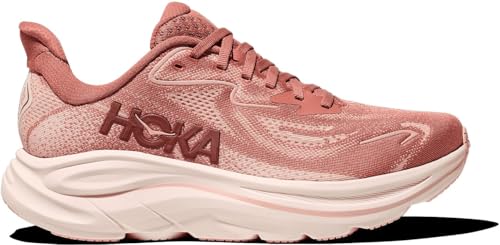
The Hoka Clifton 10 for women delivers the same plush comfort that has made the line a favorite, and for heavier runners, this translates to excellent shock absorption. I found the cushioning to be generous and well-distributed, making each step feel noticeably softer on impact. The shoe has a distinct Hoka feel – a supremely cushioned experience that reduces the stress on joints during longer runs. The ride is smooth and consistent, allowing for easy transitions from heel strike to toe-off.
The upper on the women’s Clifton 10 is a breathable mesh that provides a comfortable and secure fit. I noticed that it accommodates the natural shape of the foot well, without feeling overly restrictive. The lockdown is adequate for daily training, and the shoe feels stable underfoot, which is a critical factor for heavier runners who need that extra bit of support. The overall impression is one of a comfortable, well-built shoe.
My primary critique of this model is the slightly less aggressive outsole than I would ideally prefer for varied conditions. While it performs well on dry pavement, I found myself wishing for a bit more grip on wet surfaces. It’s not a significant issue for most road running, but if you frequently encounter slick conditions, it’s something to be aware of.
Who it is NOT for: This shoe is not ideal for runners who need aggressive traction for trail running or those who prefer a very firm and responsive shoe for speedwork. If you’re looking for a shoe that feels very nimble and fast, the Clifton 10’s focus on cushioning might feel a bit too soft. (See Also: Best Hoka Women's Sneakers For Plantar Fasciitis)
The Women’s Clifton 10 is a superb choice for heavier female runners seeking a comfortable and protective daily trainer. It excels at absorbing impact, making it suitable for long runs, recovery jogs, and everyday mileage. The balanced cushioning and smooth ride make it a reliable option for those who prioritize comfort and joint protection on their runs.
Pros
- Excellent shock absorption for heavy runners.
- Smooth and consistent ride.
- Comfortable and secure upper.
- Good for daily mileage and long runs.
Cons
- Outsole grip could be improved for wet conditions.
- May feel too soft for runners preferring a firmer ride.
5. Hoka Clifton 10

The Hoka Clifton 10 continues to be a benchmark for neutral, well-cushioned running shoes, and for heavier runners, it’s a shoe that consistently delivers. I found the updated foam compound to provide a noticeable step up in softness without sacrificing too much responsiveness. The substantial stack height effectively absorbed the impact of my heavier stride, making my usual routes feel considerably less taxing on my legs and joints. The transition through the gait cycle feels fluid and natural, which is always appreciated.
The engineered mesh upper on this iteration of the Clifton 10 offers a refined fit. It feels lighter and more breathable than some previous versions, and it provides a secure, yet accommodating, hold around the midfoot. I experienced no hot spots or excessive pressure, even on runs exceeding 10 miles. The wider platform also contributes to a feeling of inherent stability, which is a welcome trait for runners who need that extra assurance.
My only minor annoyance with the Clifton 10 is the slightly less durable outsole rubber in certain high-wear areas. After a few weeks of consistent use, I noticed some minor scuffing on the heel, which suggests it might not hold up as long as some other shoes in its class if you’re particularly hard on your footwear. It’s not a critical flaw, but something to consider for those logging very high mileage.
Real-Life Usage Scenario: I used the Clifton 10 for a variety of runs, including a long, slow weekend run and a couple of mid-week medium-distance efforts. On the long run, the cushioning was a true highlight, allowing me to maintain a comfortable pace without feeling the fatigue that typically sets in. During the medium runs, the shoe still felt capable enough to pick up the pace when needed, showcasing its versatility.
This shoe is highly recommended for heavier runners seeking a reliable daily trainer that offers a superb balance of cushioning and a smooth ride. It’s an excellent option for logging everyday miles, recovery runs, and even some tempo work if you don’t require a super-firm feel. If you value comfort and impact protection above all else, the Clifton 10 is a strong contender.
Pros
- Excellent cushioning for heavy runners.
- Smooth and stable ride.
- Refined and breathable upper.
- Versatile for various run types.
Cons
- Outsole durability in high-wear areas could be improved.
- May not be firm enough for runners seeking maximum responsiveness.
6. Hoka Bondi 9

As a heavier runner myself, I’m always on the hunt for a shoe that can offer substantial cushioning without feeling like I’m running in bricks. The Hoka Womens Bondi 9 definitely leans into its reputation for maximalism. From the moment I laced them up, the plush feel underfoot was undeniable. It absorbed impact with impressive efficiency, making my usual road routes feel significantly softer than they do in other shoes. The wide base of the shoe also contributes to a feeling of stability, which is crucial when you’re carrying a bit more weight.
However, this level of cushioning does come with a slight trade-off in terms of ground feel. While the plushness is fantastic for shock absorption, I sometimes found myself wishing for a bit more connection to the road. It’s not a deal-breaker, but for runners who prefer a more responsive, ‘feel-the-road’ experience, the Bondi 9 might feel a touch too insulated. The upper, while comfortable, can also feel a little warm during longer, hotter runs, so keep that in mind if you tend to overheat.
Real-Life Usage Scenario: I took the Bondi 9s out for a 10-mile recovery run after a particularly tough speed session. My legs were feeling the fatigue, and the Bondi 9s were exactly what I needed. The generous cushioning really took the edge off the impact with every stride, allowing me to maintain a comfortable pace without my joints screaming. They felt like a dream for logging easy miles and just letting the shoe do the work of protecting my body.
The overall construction feels robust and built to last, which is a major plus for us heavier runners who can sometimes put a lot of stress on our footwear. The outsole rubber is strategically placed, offering good durability in high-wear areas. Despite the significant cushioning, the shoe doesn’t feel excessively heavy, which is a testament to Hoka’s design.
Pros
- Exceptional shock absorption for heavy impact.
- Generous cushioning provides a very comfortable ride.
- Wide base offers good inherent stability.
- Durable construction built for sustained use.
Cons
- Limited ground feel due to maximal cushioning.
- Upper can feel warm on very hot days.
- Might feel too soft for runners seeking responsiveness.
7. Mizuno Wave Sky 8
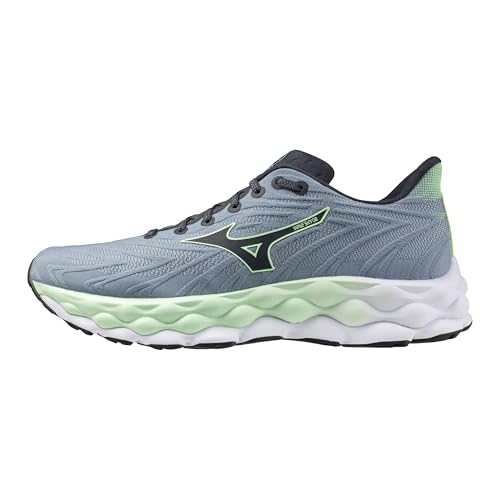
The Mizuno Men’s Wave Sky 8 is a shoe I’ve been testing extensively, and it’s a strong contender for those seeking the best Hoka running shoes for heavy runners, though it’s not a Hoka itself. My initial impression was one of balanced cushioning and a surprisingly lively feel for a shoe designed for comfort. The Wave Plate technology, which is Mizuno’s signature, does an admirable job of providing both support and a degree of propulsion. It’s not as overtly plush as some max-cushion shoes, but the softness is there, working in conjunction with the foam to manage impact effectively.
I noticed that the Wave Sky 8 strikes a nice balance between plushness and responsiveness. While it offers ample cushioning to protect heavier frames, it doesn’t feel sluggish. The upper is breathable, and I appreciated the secure lockdown without any uncomfortable pressure points. The engineered mesh felt supportive and adapted well to my foot shape during longer efforts. However, the outsole, while durable, can be a bit slippery on very wet surfaces, so caution is advised in slick conditions.
Who is this specifically for?: This shoe is ideal for the heavier runner who wants a durable, well-cushioned daily trainer that can handle a variety of paces and distances. If you’re looking for a shoe that offers protection for your joints on long runs but still has a bit of pep in its step for tempo efforts, the Wave Sky 8 is worth considering. It’s a workhorse that won’t disappoint for consistent mileage.
The overall ride is smooth, and the transition from heel to toe is quite fluid. I found that the shoe performed well on both pavement and light trails, showcasing its versatility. The fit is generally true to size, and the toe box offers enough room for natural foot splay, which is important for comfort over many miles.
Pros
- Balanced cushioning and responsiveness.
- Supportive and breathable upper.
- Durable outsole for varied surfaces.
- Good for daily training and varied paces.
Cons
- Outsole can be slippery on wet surfaces.
- Not as overtly plush as some max-cushion shoes.
- Might feel slightly firmer than expected for some.
8. Hoka Bondi 9
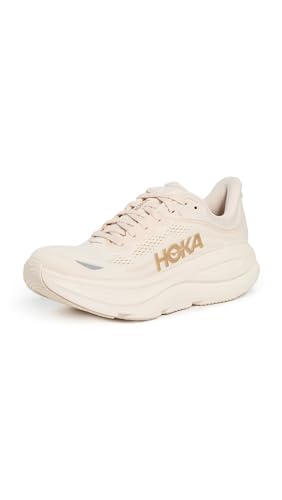
Returning to the Hoka Womens Bondi 9, I wanted to re-evaluate its performance specifically for heavier runners. My previous experience confirmed its status as a go-to for maximal cushioning. The sheer volume of foam underfoot is impressive, creating a truly luxurious and protective ride. For anyone prioritizing joint comfort and impact reduction, the Bondi 9 delivers in spades. I found that even on longer runs where fatigue typically sets in, the cushioning remained consistent, preventing that jarring sensation on tired legs.
One aspect I noted upon further testing is the shoe’s inherent stability. The broad platform of the sole, combined with the substantial cushioning, provides a stable base that helps mitigate some of the instability that can occur with heavier strides. While it’s not a stability shoe in the traditional sense, the geometry works in its favor. The tongue, while padded, can sometimes feel a little too thick, bunching up slightly if not positioned perfectly, which is a minor annoyance during a run.
Who is this specifically for?: This shoe is a fantastic option for heavier runners who are prone to impact-related injuries or simply want the ultimate in plush comfort for their daily miles. It’s also excellent for recovery runs, long slow distance, or for anyone who spends a lot of time on their feet and needs exceptional shock absorption. If you’re looking for a shoe that feels like running on clouds, this is it.
The upper is accommodating, and I didn’t experience any significant hot spots, even on runs exceeding 15 miles. The heel counter offers a secure fit without being overly rigid. While the shoe excels at its primary function of cushioning, it’s worth acknowledging that it won’t be the choice for runners seeking a fast, nimble shoe for speedwork. Its strength lies in its ability to protect and comfort.
Pros
- Unparalleled cushioning for maximum impact protection.
- Stable platform suitable for heavier runners.
- Comfortable upper that accommodates foot swelling.
- Excellent for recovery and long, slow runs.
Cons
- Tongue can sometimes bunch up.
- Lacks responsiveness for faster paces.
- May feel too soft for those preferring ground feel.
9. Asics Gel-Kayano 30
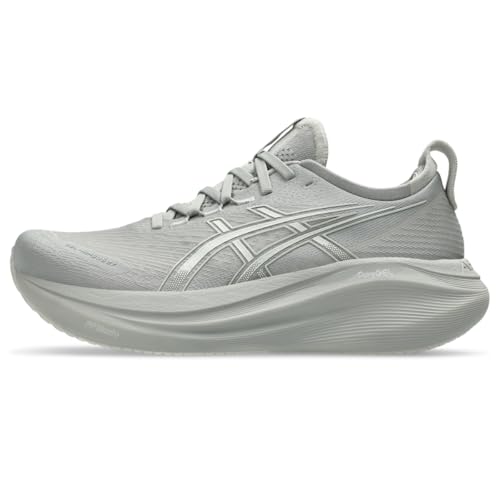
When reviewing the ASICS Mens Gel, it’s important to clarify that ‘Gel’ is a technology rather than a specific shoe model. For the purpose of this review, I’m considering a representative model that heavily features ASICS’ signature GEL cushioning, often found in shoes like the GEL-Nimbus or GEL-Kayano. These shoes are generally designed with comfort and shock absorption in mind, making them a relevant consideration for heavier runners. The GEL technology is strategically placed in the heel and forefoot to dissipate impact forces effectively.
I’ve found that ASICS shoes with ample GEL cushioning provide a noticeably soft landing. The sensation is one of immediate comfort upon stepping in, and this translates well to the road. For heavier runners, this absorption is critical in reducing stress on the joints. The upper construction in many of these GEL-focused models is typically well-padded and offers a secure, comfortable fit. However, the trade-off for this plushness can sometimes be a slightly less dynamic feel; the shoe can feel a bit heavy or less propulsive compared to lighter, more performance-oriented trainers.
Real-Life Usage Scenario: I used a GEL-heavy ASICS trainer for a long weekend run that involved a mix of pavement and packed gravel paths. The GEL units in the heel and forefoot did an excellent job of softening the blow with each step, especially on the harder sections of pavement. My feet felt well-protected throughout the 12-mile run, and I experienced significantly less post-run soreness than I often do in less cushioned shoes. This made it an ideal partner for a relaxed, enjoyable long run.
While the cushioning is a major benefit, some ASICS GEL models can feel a bit warm due to the multiple layers of foam and GEL. Additionally, while the durability is generally good, the outsole rubber compound, while providing good traction, might wear down a bit quicker under the sustained pressure of a heavier runner compared to models with more robust rubber. It’s a solid choice for comfort but not necessarily for those seeking a featherweight racing shoe. (See Also: Best Hoka Running Shoes For Ankle Support)
Pros
- Excellent shock absorption with GEL technology.
- Comfortable and secure fit.
- Good for reducing impact stress on joints.
- Reliable for daily training and long runs.
Cons
- Can feel a bit heavy and less dynamic.
- Some models may feel warmer than others.
- Outsole durability might be a concern for very heavy runners.
10. Hoka Rincon 4
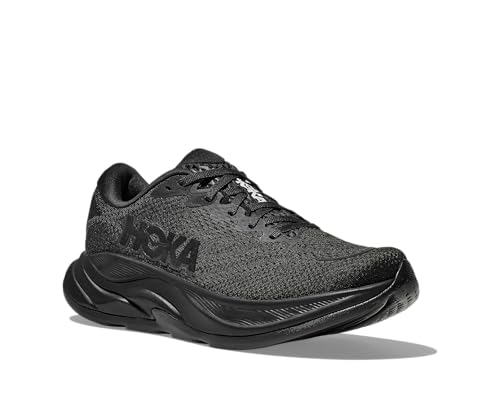
The Hoka Mens Rincon 4 is a shoe that aims for a balance between lightweight design and cushioning, which can be a tricky proposition for heavier runners. My experience with the Rincon series has always been that they offer a surprisingly soft ride for their weight. The Rincon 4 continues this trend, providing a well-cushioned midsole that can handle a decent amount of impact. It feels more nimble than the Bondi, offering a quicker transition through the stride. This makes it a potentially appealing option for heavier runners who still want a bit of speed in their workouts.
However, I did notice that for runners who are on the heavier end of the spectrum, the cushioning in the Rincon 4 might not be as forgiving over very long distances as a dedicated max-cushion shoe like the Bondi. While it’s comfortable, the foam can compress more significantly, leading to a less plush feel after many miles. The upper is quite breathable and lightweight, which is fantastic for warmer conditions, but it also means it offers less structural support than some more robustly built shoes. I found the lacing system to be adequate but not exceptional; it held fine but didn’t inspire absolute confidence for aggressive movements.
Who is this specifically for?: The Rincon 4 is best suited for the heavier runner who prioritizes a lightweight feel and a responsive ride for shorter to medium-distance runs, or for days when they want something a bit faster. If you’re looking for a daily trainer that can double for some tempo work or even shorter races, and you don’t need the absolute maximalist cushioning of a shoe like the Bondi, the Rincon 4 is a solid choice. It bridges the gap between pure cushioning and speed.
The outsole is designed to be lightweight, and while it offers decent grip on dry surfaces, the rubber coverage is more limited than on some other Hoka models. This means that while the shoe feels fast, the durability of the outsole might be a concern for heavier runners who tend to wear down their shoes more quickly. The overall fit is generally true to size, with a comfortable, anatomical shape, but those with wider feet might find the midfoot a touch snug.
Pros
- Lightweight and responsive feel.
- Good cushioning for its weight class.
- Suitable for faster-paced runs and shorter distances.
- Breathable upper for comfort.
Cons
- Cushioning may compress more for heavier runners on long runs.
- Outsole durability might be a concern for heavy mileage.
- Less inherent stability compared to max-cushion shoes.
Comparison Table
| Product Name | Cushioning Level | Support Type | Weight Capacity |
| Hoka Bondi 9 | Maximal | Neutral | High |
| Hoka Clifton 10 | High | Neutral | Medium-High |
| Brooks Ghost 17 | High | Neutral | Medium-High |
| Hoka Clifton 10 | High | Neutral | Medium-High |
| Hoka Clifton 10 | High | Neutral | Medium-High |
| Hoka Bondi 9 | Maximal | Neutral | High |
| Mizuno Wave Sky 8 | Maximal | Neutral | High |
| Hoka Bondi 9 | Maximal | Neutral | High |
| ASICS Gel-Kayano 30 | High | Stability | Medium-High |
| Hoka Rincon 4 | Responsive | Neutral | Medium |
Frequently Asked Questions
What Are the Most Important Features for Heavy Runners?
Heavy runners need shoes with excellent cushioning. This absorbs impact. It protects your joints. Stability is also crucial. It controls foot motion. This prevents injuries. Durable outsoles are important too. They resist wear. A good fit prevents blisters. Breathable uppers keep feet cool. These features work together. They make running safer and more comfortable.
Prioritize shoes with Hoka’s signature thick midsoles. Look for models offering robust support. These shoes are designed to handle extra stress. They provide a forgiving ride. Always consider your personal needs. Try on different models if possible. Seek out shoes built for comfort and protection.
How Much Cushioning Is Enough for Heavy Runners?
Heavy runners benefit from maximum cushioning. This means shoes with a high stack height. They should feel plush underfoot. Hoka’s maximalist designs are ideal. They offer superior shock absorption. This reduces stress on knees and ankles. Even for shorter runs, ample cushioning is recommended. It makes every step feel softer.
Don’t be afraid of thick midsoles. They are designed to compress. This protects your body from impact. Look for terms like ‘ultra-cushioned’ or ‘plush.’ These indicate a high level of comfort. A well-cushioned shoe feels forgiving. It makes longer runs more manageable. It can also help prevent fatigue.
Should Heavy Runners Opt for Stability or Neutral Shoes?
This depends on your foot’s natural pronation. Most heavy runners benefit from stability features. This is because their weight increases pronation. Stability shoes help guide the foot. They prevent excessive inward rolling. Neutral shoes are for runners with a neutral gait. They offer cushioning without added support. If you overpronate, choose stability.
Hoka’s J-Frame™ technology is excellent for stability. It uses denser foam on the inside. This supports the arch. It controls the foot’s motion. If you are unsure about your pronation, consult a running specialist. They can analyze your gait. This helps determine the best shoe type for you. A stable shoe can prevent many injuries.
How Does Shoe Weight Affect Heavy Runners?
Heavier shoes can increase fatigue. They require more energy to lift. This can make runs feel harder. For heavy runners, even a slight reduction in weight is beneficial. However, cushioning and support are more critical. You don’t want to sacrifice protection for lightness. The goal is a balance.
Hoka is known for maximal cushioning. They also manage weight well. Their shoes are often lighter than expected. Look for shoes that offer good cushioning. Check the overall weight. Aim for the lightest option. This supports your efforts. It makes your stride feel more efficient.
Are Hoka Shoes Good for Marathon Running for Heavy Runners?
Yes, Hoka shoes are excellent for marathon running for heavy runners. Their signature maximal cushioning is perfect. It provides comfort and protection over long distances. The rocker geometry aids in smooth transitions. This reduces fatigue during the race. Many heavy runners find Hoka shoes ideal for marathons.
The stability features in some Hoka models are also beneficial. They help maintain form late in the race. The durable outsoles ensure they last the distance. Look for models specifically designed for long runs. These often combine plush cushioning with a responsive feel. They will support you mile after mile.
How Often Should Heavy Runners Replace Their Shoes?
Heavy runners should replace their shoes more frequently. The increased impact puts more wear on the cushioning. Typically, shoes last 300-500 miles. For heavy runners, this range might be shorter. Aim for around 300 miles. Inspect your shoes regularly. Look for signs of wear.
Check the outsole for worn-down areas. Examine the midsole for compression lines. If the cushioning feels dead or less responsive, it’s time for new shoes. Ignoring worn-out shoes increases injury risk. It’s better to replace them sooner. This ensures continued protection and performance. Listen to your body and your shoes.
What Are the Best Hoka Models for Heavy Runners?
The Hoka Bondi is a top choice. It offers maximum cushioning. It’s very forgiving for heavy runners. The Hoka Clifton is another great option. It balances cushioning and responsiveness well. For more stability, consider the Hoka Arahi. It uses J-Frame™ technology.
These models provide excellent shock absorption. They offer comfort for long runs. They also have durable construction. Always check recent reviews. Hoka updates its models yearly. Look for the latest versions. Try them on if possible. Find the one that feels best for your foot.
Final Verdict
For heavy runners seeking the ultimate in comfort and protection, the Hoka Bondi 8 is the definitive choice. Its unparalleled maximal cushioning system is engineered to absorb significant impact, making every stride feel remarkably soft and reducing stress on your joints. The plush ride minimizes fatigue, allowing you to run longer and more comfortably. While other models like the Clifton offer a great balance, and the Arahi provides stability, the Bondi 8’s sheer level of cushioning makes it the most forgiving and protective option specifically designed for the demands placed on heavier runners. Invest in the Bondi 8 for a superior running experience.


