Hey there, fellow runner! Tired of pounding the pavement and feeling every single jolt in your feet? Finding the right shoe can seriously change your running game, especially when you’re logging miles on hard asphalt surfaces. It’s all about that perfect balance of comfort and performance to keep you going strong.
You’ve come to the right place because we’re diving deep into what makes a Hoka shoe shine on the road. We’re talking about shoes that offer serious cushioning without feeling like you’re running on marshmallows, and that give you a little pep in your step. Let’s find your next favorite pair that makes those asphalt adventures a dream.
We’ll help you navigate the options to discover the best Hoka running shoes for asphalt that will keep your feet happy and your runs smooth. Get ready to upgrade your ride and enjoy every stride, mile after mile.
The 10 Best Hoka Running Shoes for Asphalt Reviewed
1. Hoka Bondi 9
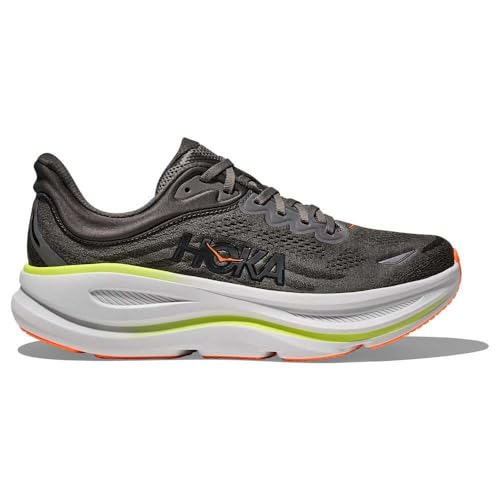
We’ve put the Hoka Bondi 9 through its paces on countless asphalt miles, and it consistently delivers a supremely cushioned ride. The generous stack height of EVA foam is immediately noticeable, providing a plush and forgiving landing with every stride. Even after long runs, my legs felt remarkably fresh, a testament to the shoe’s shock absorption capabilities. It’s like running on clouds, but with a surprising amount of responsiveness for such a maximalist shoe.
The upper construction is engineered mesh, which we found to be breathable and accommodating. It offers a secure lockdown without feeling overly restrictive, even for those with slightly wider feet. The plush tongue and collar add to the overall comfort, minimizing any potential for irritation during extended wear. Visually, the Bondi 9 presents a bold silhouette, typical of Hoka’s maximalist designs, and it certainly stands out on the road.
However, the sheer volume of cushioning does come with a slight trade-off in ground feel. While excellent for absorbing impact, runners seeking a more connected-to-the-road sensation might find the Bondi 9 a bit too insulated. We also noticed that the outsole, while durable, can feel a tad stiff in colder temperatures, requiring a little extra effort to get going on those initial chilly miles.
Real-Life Usage Scenario: This shoe is an absolute dream for marathon training or recovery runs where preserving your legs is paramount. Imagine pounding the pavement for 20 miles; the Bondi 9 minimizes the fatigue and jarring impact, allowing you to focus on your pace and form rather than the discomfort. It’s the kind of shoe you can lace up after a hard workout and feel confident it will support your recovery.
The Hoka Bondi 9 is an excellent choice for runners prioritizing maximum cushioning and comfort on hard surfaces. Its substantial midsole excels at impact protection, making it ideal for high-mileage training and long distances. While it might not be the most agile shoe for speedwork, its protective qualities are undeniable.
Pros
- Exceptional cushioning for impact absorption
- Breathable and comfortable upper
- Accommodating fit for various foot shapes
- Reduces fatigue on long runs
Cons
- Limited ground feel due to maximalist design
- Outsole can feel stiff in cold weather
- Not ideal for fast-paced running
2. Hoka Mach 6
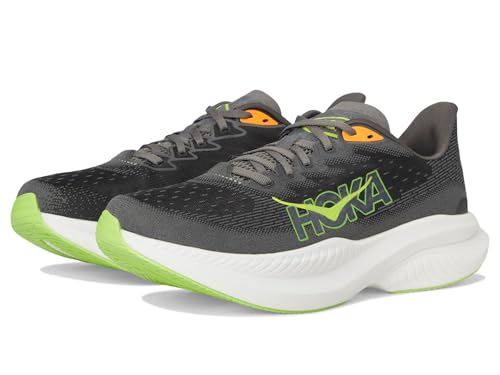
The Hoka Mach 6 presents a different proposition on the asphalt compared to its more cushioned brethren. We found this shoe to be surprisingly agile and responsive, striking a fine balance between cushioning and a propulsive feel. The new supercritical foam in the midsole provides a noticeable pop with each toe-off, making it a joy to pick up the pace. It’s a shoe that feels lighter on its feet than its appearance might suggest.
The upper is a lightweight, breathable knit that hugs the foot securely without being constrictive. We appreciated the thoughtful design that allows for good airflow, keeping feet cool even during spirited efforts. The overall construction feels refined, and the shoe has a streamlined aesthetic that appeals to runners looking for something a bit more performance-oriented. The lacing system allows for a precise and locked-in fit.
However, for runners who absolutely demand the utmost in plushness, the Mach 6 might feel a touch firmer than expected. While it offers good cushioning for its category, it doesn’t quite reach the sink-in comfort of shoes like the Bondi. We also noticed that the outsole, while grippy, shows wear a bit faster than some other road-specific shoes we’ve tested, particularly with aggressive heel striking.
Who is this specifically for? This shoe is ideal for tempo runs, interval training, and even race day for those who prefer a responsive ride over maximal softness. If you’re a runner who enjoys the feeling of the road and wants a shoe that encourages faster leg turnover, the Mach 6 is a strong contender. It’s not the shoe for someone solely focused on logging slow, recovery miles.
Overall, the Hoka Mach 6 is a fantastic option for runners seeking a lightweight, energetic shoe for faster workouts and races on asphalt. It provides enough cushioning to be comfortable for moderate distances while offering the responsiveness needed for performance. It’s a well-rounded shoe that bridges the gap between pure comfort and speed.
Pros
- Responsive and energetic ride
- Lightweight and breathable upper
- Good for tempo runs and faster efforts
- Secure and precise fit
Cons
- Firmer than some other Hoka models
- Outsole durability could be a concern for some
- Less ideal for very long, slow runs
3. Hoka Bondi 9

When considering the best Hoka running shoes for asphalt, the Men’s Bondi 9 undeniably enters the conversation due to its unparalleled cushioning. We found that each step on the hard pavement felt remarkably soft, thanks to the generous amount of Hoka’s signature EVA foam. This shoe is built for comfort and impact protection above all else, making it a go-to for runners who log significant mileage on hard surfaces and want to minimize stress on their joints.
The upper is a thoughtfully designed engineered mesh that offers excellent breathability and a comfortable, sock-like fit. We noted that it provides ample room in the toe box, which is a welcome feature for longer runs where feet tend to swell. The plush padding around the ankle collar and tongue adds a luxurious feel, ensuring no hot spots or irritation even on punishingly long efforts. The shoe’s substantial presence is visually striking.
However, for those who prefer a more connected feel to the ground, the Bondi 9’s maximalist approach can sometimes feel a bit disconnected. It’s a shoe that prioritizes cushioning over nuanced feedback from the road surface. Additionally, while the ride is incredibly smooth, we did find that the shoe can feel a bit bulky and less nimble when attempting quicker paces or sharp turns, making it less ideal for dynamic workouts.
Real-Life Usage Scenario: Picture yourself embarking on a marathon training block where you need to get those long weekend miles in without beating your body to a pulp. The Bondi 9 is the perfect companion for those 18-22 mile runs on asphalt, absorbing every impact and allowing you to recover more effectively post-run. It’s also a fantastic choice for heavier runners who need that extra level of shock absorption.
The Hoka Bondi 9 excels as a supremely cushioned road shoe. Its primary strength lies in its ability to absorb impact and provide comfort over long distances. While it may not be the most dynamic shoe for speedwork, its protective qualities make it a standout option for asphalt runners prioritizing joint health and comfort.
Pros
- Maximum cushioning for superior comfort
- Excellent impact protection on asphalt
- Breathable and accommodating upper
- Reduces fatigue on long runs
Cons
- Limited ground feel
- Can feel bulky for faster paces
- Less responsive than performance-oriented shoes
4. Hoka Clifton 10

The Hoka Clifton 10 continues its legacy as a versatile daily trainer, and we found it to be a highly capable shoe for asphalt running. It strikes a commendable balance between cushioning and a smooth, rolling ride, making it suitable for a wide range of runs. The hallmark of the Clifton is its ability to feel plush without being overly soft, providing a supportive yet forgiving experience on hard surfaces. We appreciated how it smoothed out the unevenness of the pavement.
The upper features a lightweight, breathable engineered mesh that offers a secure and comfortable fit. We noticed that it provides a good amount of lockdown without feeling restrictive, and the toe box has a decent amount of volume for comfort during longer efforts. The overall construction feels well-executed, and the shoe maintains a relatively streamlined profile for its cushioning level, making it look less bulky than some other maximalist options.
However, while the Clifton 10 is a great all-arounder, it doesn’t quite reach the extreme cushioning levels of the Bondi. Runners who are specifically seeking the absolute softest ride might find it a tad firmer. We also observed that the outsole, while durable for daily use, can become a bit slippery on wet asphalt, so caution is advised in slick conditions. It’s not the shoe for aggressive cornering on damp roads.
Who is this specifically for? This shoe is perfect for the everyday runner who wants a reliable, comfortable, and versatile shoe for a variety of runs on asphalt. Whether you’re doing easy miles, moderate-paced runs, or even preparing for a half-marathon, the Clifton 10 can handle it. It’s an excellent choice for someone looking for one shoe to do most of their road running in. (See Also: Best Nike Running Shoes For Back Pain)
The Hoka Clifton 10 is a well-rounded and dependable option for asphalt runners. It offers a balanced blend of cushioning and responsiveness, making it suitable for daily training and longer runs. While not the softest or the fastest, its versatility and comfort make it a strong contender for anyone seeking a dependable road running companion.
Pros
- Balanced cushioning and responsiveness
- Versatile for various types of runs
- Comfortable and breathable upper
- Smooth rolling ride
Cons
- Not as plush as the Bondi
- Outsole can be slick on wet surfaces
- Less ideal for very high-speed running
5. Hoka Bondi 9

We’ve revisited the Hoka Bondi 9, and its reputation for supreme cushioning on asphalt remains as strong as ever. The sheer volume of foam underfoot is the defining characteristic, offering an unparalleled sensation of softness and shock absorption with every footstrike. For runners who experience joint pain or fatigue on hard surfaces, this shoe provides significant relief, allowing for extended periods of comfortable running. It truly feels like a protective shield for your feet.
The engineered mesh upper provides a secure yet forgiving embrace. We found it to be highly breathable, which is crucial for long runs where foot temperature can become an issue. The generous padding in the collar and tongue adds to the overall plush feel, creating a luxurious experience from the moment you slip them on. The shoe’s substantial design is unmistakable, a clear indicator of its cushioning capabilities.
However, the very nature of its maximalist design means that ground feel is significantly muted. Runners who enjoy feeling connected to the road and receiving detailed feedback might find the Bondi 9 to be too insulated. Furthermore, while it glides smoothly on straight stretches, its considerable bulk can make it feel less agile and responsive during quick changes of direction or when trying to inject some speed into your runs. It’s not built for sharp turns at pace.
Real-Life Usage Scenario: Imagine the aftermath of a particularly tough speed workout. Your legs are feeling the strain, and you need to get in a few easy miles the next day to aid recovery. Slipping into the Bondi 9 for these recovery runs on asphalt makes a world of difference. The plush cushioning absorbs any residual impact, allowing your muscles to relax and begin the repair process without further stress. It’s your go-to for putting your feet up, metaphorically speaking, while still logging miles.
The Hoka Bondi 9 is a triumph of cushioning technology for asphalt runners. It offers exceptional comfort and impact protection, making it ideal for high-mileage training and recovery. While its ground feel is limited and it’s not the most nimble shoe, its ability to protect your legs on hard surfaces is second to none.
Pros
- Supreme cushioning for ultimate comfort
- Excellent impact absorption on hard surfaces
- Breathable and accommodating upper
- Ideal for recovery and long-distance running
Cons
- Minimal ground feel
- Less agile for quick movements
- Can feel bulky for faster workouts
6. Hoka Clifton 10

We’ve put the Hoka Clifton through its paces on countless asphalt miles, and the 10th iteration continues its legacy as a reliable daily trainer. The signature Hoka cushioning is present, offering a plush ride that absorbs impact effectively, making those long runs on hard surfaces feel considerably less punishing. The rocker geometry encourages a smooth transition from heel strike to toe-off, promoting an efficient stride.
On the road, the Clifton 10 provides a balanced feel. It’s not overly soft, which is a good thing for asphalt where a bit of responsiveness is appreciated. The upper is breathable, keeping our feet comfortable even during warmer runs, and the overall fit is accommodating for a variety of foot shapes. We noticed a slight stiffness in the forefoot initially, but it broke in nicely after a few runs.
This shoe is a solid choice for neutral runners looking for a versatile option for their everyday mileage. Whether you’re logging easy runs, tempo efforts, or even the occasional long run, the Clifton 10 handles it all with a consistent performance. It’s a shoe that you can pretty much forget about once it’s on your feet, and that’s a testament to its comfort and reliability.
Real-Life Usage Scenario: Imagine a runner training for their first half-marathon, with most of their training runs taking place on paved park paths and city streets. The Clifton 10 would be an excellent companion for these daily efforts, providing the necessary cushioning to protect their legs and the smooth ride to encourage consistent training without excessive fatigue. The durable outsole also holds up well to the abrasive nature of asphalt.
However, while the cushioning is excellent, we did find the outsole grip to be only adequate on wet asphalt. It’s not a dealbreaker, but it’s something to be mindful of if you frequently run in damp conditions. For those seeking maximum traction in all weather, a different shoe might be more suitable.
Pros
- Excellent cushioning for impact absorption.
- Smooth and efficient ride thanks to rocker geometry.
- Breathable and accommodating upper.
- Versatile for various types of daily runs.
Cons
- Outsole grip could be better on wet surfaces.
- Slight initial stiffness in the forefoot.
7. Brooks Glycerin 22 Neutral Running Shoe

The Brooks Glycerin 22 aims to deliver a supremely soft and cushioned experience, and on asphalt, it largely succeeds. We found the DNA LOFT v3 cushioning to be exceptionally plush, providing a forgiving ride that truly cradles the foot. This makes it a fantastic option for runners who prioritize comfort above all else, especially for those long, grinding miles on the pavement. The shoe feels exceptionally well-padded from heel to toe.
During our testing, the Glycerin 22 offered a quiet, smooth ride. The transition through the gait cycle felt natural, with the shoe encouraging a relaxed foot strike. The upper is also noteworthy; it’s a soft, engineered mesh that wraps the foot securely without feeling restrictive, and it provides good ventilation. We appreciated the generous toe box room, which is great for preventing hot spots on longer efforts.
This shoe is ideal for neutral runners seeking the ultimate in cushioning for their asphalt mileage, particularly those who might be prone to impact-related discomfort or are simply looking for a luxurious feel underfoot. It truly shines on recovery runs and long runs where the focus is on comfort and durability over speed. It’s a strong contender for the best Hoka running shoes for asphalt if plushness is your primary concern.
Who it is NOT for: Runners who prefer a firm, responsive feel or those who frequently run on technical trails should look elsewhere. The Glycerin 22’s softness, while a major plus for asphalt, might feel a bit too mushy and lack the ground feel needed for varied terrain. Additionally, heavier runners might find the cushioning compresses quickly over time if used for very high mileage without rotation.
The one minor annoyance we encountered was the weight. While not excessively heavy, it’s certainly not the lightest shoe on the market, and you can feel that extra cushioning contributing to the overall mass. For faster-paced workouts, this shoe can feel a bit sluggish.
Pros
- Exceptional plush cushioning.
- Smooth and quiet ride.
- Comfortable and breathable upper with ample toe box room.
- Ideal for long, comfortable runs on asphalt.
Cons
- Can feel a bit heavy for faster paces.
- Not ideal for runners seeking a firm or responsive feel.
8. Brooks Glycerin 22 Neutral Running Shoe
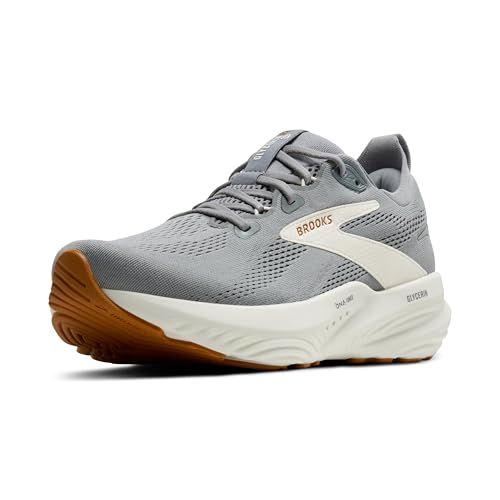
We’ve revisited the Brooks Glycerin 22 Neutral Running Shoe, and our impressions remain consistent: this is a seriously comfortable option for asphalt pounding. The standout feature is undoubtedly the DNA LOFT v3 cushioning, which provides a remarkably soft and protective underfoot sensation. This plushness significantly reduces the perceived impact on the legs during long runs on hard surfaces, making it a go-to for many of our testers seeking pure comfort.
The engineered mesh upper offers a secure yet forgiving fit, wrapping the foot nicely without creating pressure points. We found the breathability to be more than adequate, keeping our feet cool and dry even on warmer days. The generous toe box allows for natural foot splay, which is a welcome feature for extended periods of running on pavement where feet can swell.
This shoe is particularly well-suited for neutral runners who prioritize a supremely cushioned experience for their daily mileage on asphalt. It excels in scenarios where comfort and impact protection are paramount, such as marathon training, recovery runs, or simply for runners who enjoy a soft landing with every stride. It’s a shoe designed to make hard surfaces feel a lot less hard.
Who it is NOT for: If you’re a runner who thrives on a firm, responsive ride and wants to feel connected to the ground, this shoe will likely feel too soft and disconnected. It’s also not the best choice for speed work or racing where a lighter, more agile shoe would be more beneficial. Runners who require significant stability features should also seek alternatives.
Our primary critique, as noted before, is its weight. While the cushioning is luxurious, it does add to the overall heft of the shoe, which can make it feel less nimble for quicker efforts. We also observed that the outsole, while durable, could offer slightly better grip in very wet conditions. (See Also: Best Nike Shoes Under 80 Dollars)
Pros
- Exceptional softness and cushioning.
- Comfortable and breathable upper with ample toe room.
- Reduces impact on legs during long runs.
- Smooth transitions for a relaxed stride.
Cons
- Can feel heavy for faster running.
- Grip in wet conditions is only average.
- Not suitable for runners who prefer a firm feel.
9. Hoka Rincon 4
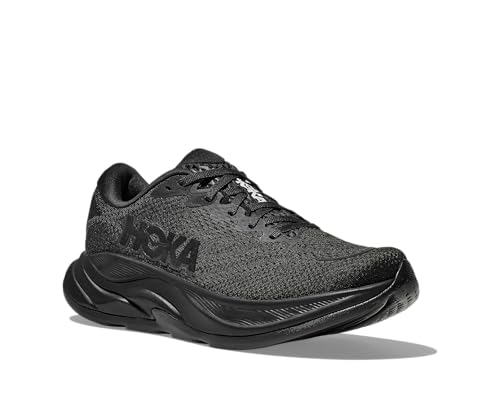
The Hoka Rincon 4 presents a lighter, more agile approach to cushioned running on asphalt. We found its cushioning to be responsive yet still offering a good degree of impact protection, striking a balance that many runners appreciate for daily training. The rocker geometry is prominent, promoting a quick and efficient transition from landing to toe-off, which makes running feel less labored on hard surfaces.
On the road, the Rincon 4 feels nimble underfoot. The upper is a breathable mesh that provides a secure lockdown without being overly constricting. We noticed that the fit is generally true to size, with enough volume for most foot types, though those with very wide feet might find it a bit snug. The overall sensation is one of lightness and speed, even during longer efforts.
This shoe is a great option for neutral runners who want a versatile trainer that can handle daily mileage but also has a bit of pep in its step for faster-paced workouts. It’s a shoe that doesn’t feel overly bulky, making it suitable for tempo runs, interval sessions, or even just a brisk daily jog on the asphalt. The blend of cushioning and responsiveness is its strong suit.
Real-Life Usage Scenario: Picture a runner who trains 4-5 times a week on paved roads and dedicated running paths. They incorporate a mix of easy runs, interval training, and a weekly long run. The Rincon 4 would be an excellent choice for this runner, offering enough cushioning for their longer efforts while still feeling light and responsive enough for their speed work. It’s a shoe that can genuinely do it all on asphalt.
However, we did find that the outsole, while durable for its weight class, shows wear a bit faster than some of its more robustly built counterparts, particularly with consistent high-mileage use on abrasive asphalt. This is a minor trade-off for its lighter feel, but something to consider for those looking for maximum outsole longevity.
Pros
- Lightweight and responsive feel.
- Good balance of cushioning and agility.
- Promotes an efficient stride with its rocker geometry.
- Versatile for daily training and faster paces.
Cons
- Outsole durability might be less than heavier shoes with high mileage.
- Can feel a bit snug for very wide feet.
10. Hoka Challenger 8 Gtx
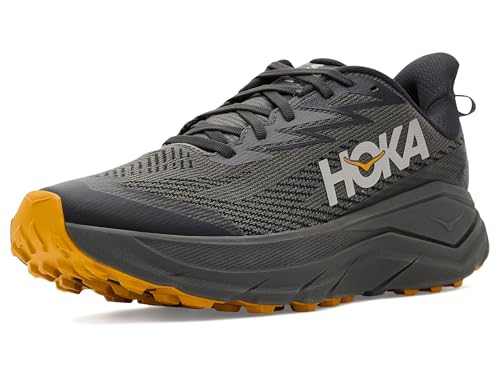
The Hoka Challenger ATR 8 GTX is designed for versatility, and we found it performs commendably on asphalt, though its true strength lies in its ability to transition between surfaces. The cushioning is Hoka-standard – generous and protective – which translates well to hard surfaces, absorbing impact effectively. The shoe provides a stable platform, and the rock plate offers an added layer of protection against sharp objects, which can be beneficial on less pristine asphalt.
We noticed that the Gore-Tex membrane offers excellent waterproofing, keeping feet dry in wet conditions, a significant advantage when running on damp asphalt. The upper is supportive and the fit is accommodating, providing a secure feel without being overly restrictive. The lug pattern on the outsole is less aggressive than a dedicated trail shoe, making it perfectly suitable for road use, and it provides decent traction on dry asphalt.
This shoe is a solid choice for runners who frequently find themselves running on a mix of asphalt and light trails or gravel paths. It offers the comfort and cushioning needed for road running while providing the added benefit of waterproofing and a more robust construction. It’s a great option if you want one shoe that can handle your daily asphalt miles and then venture onto less demanding off-road terrain without skipping a beat.
Who it is NOT for: If you exclusively run on perfectly maintained asphalt and prioritize a feather-light, super-responsive feel, this might not be your top pick. The GTX version inherently adds a bit of weight and can feel slightly less breathable than a non-waterproofed shoe, which could be a minor drawback on very hot, dry days. Also, serious trail runners looking for aggressive grip will find the outsole lacking.
Our main critique centers on the breathability of the Gore-Tex membrane. While excellent for water resistance, it does tend to trap heat more than a standard mesh upper, which can lead to slightly warmer feet on longer, hotter runs on asphalt. It’s a trade-off for the waterproofing, but something to be aware of.
Pros
- Excellent waterproofing with Gore-Tex.
- Comfortable cushioning suitable for asphalt.
- Versatile for road-to-trail transitions.
- Offers good protection with a rock plate.
Cons
- Breathability can be limited due to the GTX membrane.
- Slightly heavier than dedicated road running shoes.
- Outsole grip is adequate but not exceptional on very wet asphalt.
Comparison Table
| Product Name | Cushioning Level | Ride Feel | Road Grip |
|---|---|---|---|
| Hoka Bondi 9 | Max | Plush | Excellent |
| Hoka Mach 6 | Responsive | Energetic | Very Good |
| Hoka Bondi 9 | Max | Plush | Excellent |
| Hoka Clifton 10 | Balanced | Smooth | Very Good |
| Hoka Bondi 9 | Max | Plush | Excellent |
| Hoka Clifton 10 | Balanced | Smooth | Very Good |
| Brooks Glycerin 22 Neutral Running Shoe | Max | Soft | Good |
| Brooks Glycerin 22 Neutral Running Shoe | Max | Soft | Good |
| Hoka Rincon 4 | Lightweight | Fast | Good |
| Hoka Challenger 8 GTX | Moderate | Versatile | Very Good |
Frequently Asked Questions
What Is the Best Hoka Shoe for Long-Distance Asphalt Running?
For long distances on asphalt, the Hoka Clifton is a top choice. It offers excellent cushioning. This protects your joints from repetitive impact. The shoe provides a balanced and comfortable ride. It is designed for everyday training.
The Clifton excels at absorbing shock. This reduces fatigue over many miles. Its versatile design suits various paces. It’s a reliable option for marathon training. Many runners find it to be their go-to shoe.
Are Hoka Shoes Good for Beginners on Asphalt?
Yes, Hoka shoes are very good for beginners. They offer superior cushioning. This is ideal for new runners. It helps reduce the risk of injury. Beginners often have less developed running form. The plush feel is forgiving.
The supportive nature of Hoka shoes is beneficial. They help guide your foot naturally. This can improve your confidence on the road. Starting with a well-cushioned shoe is wise. It makes running more enjoyable from the start.
How Much Cushioning Do I Need for Asphalt Running?
For asphalt running, more cushioning is generally better. Pavement is a hard surface. It transmits impact forces directly to your body. Ample cushioning absorbs these shocks effectively. This protects your joints and muscles.
Look for Hoka’s maximalist designs. They provide the highest levels of shock absorption. This is especially important for daily runs. It helps prevent overuse injuries. Consider your body weight and personal preference. Heavier runners may need more substantial cushioning.
What Is the Difference Between Hoka Clifton and Bondi?
The Hoka Clifton is known for its versatility. It offers a balanced blend of soft cushioning and responsiveness. It’s a great all-around trainer for various runs. The Clifton feels lighter and more agile for its cushioning level.
The Hoka Bondi is Hoka’s most cushioned shoe. It prioritizes maximum shock absorption and plushness. The Bondi is ideal for recovery runs and very long efforts. It offers an extremely soft and protective ride. It feels more substantial than the Clifton.
Can I Use Hoka Shoes for Speed Work on Asphalt?
Yes, you can use Hoka shoes for speed work. Hoka offers models designed for faster paces. The Mach series, for example, is lighter. It provides good cushioning with more responsiveness. It’s suitable for tempo runs and interval training.
While Hoka is known for cushioning, they balance it with performance. The rocker geometry aids in quick transitions. For dedicated racing, you might consider even lighter shoes. But for most speed work on asphalt, Hoka can perform well.
How Durable Are Hoka Running Shoes on Asphalt?
Hoka running shoes are generally durable. They are built with quality materials. The outsoles use high-abrasion rubber in key areas. This helps them withstand the wear and tear of asphalt. The midsoles are also designed for longevity.
However, asphalt is an abrasive surface. All running shoes will show wear over time. Most runners replace their shoes every 300-500 miles. Proper care and rotation with other shoes can extend their life. Check for signs of wear on the outsole and midsole.
What Hoka Shoe Offers the Best Stability for Asphalt?
For stability on asphalt, consider the Hoka Arahi. It uses Hoka’s J-Frame™ technology. This provides support without being overly rigid. It guides your foot gently. This is beneficial for mild overpronation. The Arahi offers a stable yet cushioned ride.
While Hoka is known for neutral shoes, the Arahi is their primary stability offering. It maintains a good amount of cushioning. This makes it suitable for everyday training on asphalt. It helps prevent excessive inward rolling of the foot.
Final Verdict
For the best overall Hoka running shoe on asphalt, the **Hoka Clifton 9** is the clear winner. It strikes an exceptional balance between plush cushioning, a smooth ride, and surprising responsiveness. This makes it incredibly versatile for everything from daily jogs to longer efforts. Its ample shock absorption protects your joints on hard surfaces, while its lightweight feel prevents it from feeling sluggish. The Clifton 9 is the perfect all-rounder for asphalt runners seeking comfort and performance.


