Hey there! Dealing with ankle instability during your runs can be a real bummer, right? It’s tough to enjoy your miles when you’re constantly worried about giving your ankles a tweak. You’re not alone in this, and thankfully, Hoka has some fantastic options designed to help.
Finding the right shoe makes all the difference, especially when you need that extra bit of support to keep you feeling secure. We’ve dug into what makes certain Hoka models stand out for ankle stability, so you can get back to focusing on your stride and enjoying the pavement (or trail!).
Let’s dive into the best Hoka running shoes for ankle support and help you find your perfect match. We’ll break down what makes them great and which ones might be your next go-to for happy, stable feet.
The 10 Best Hoka Running Shoes for Ankle Support Reviewed
1. Hoka Challenger 8
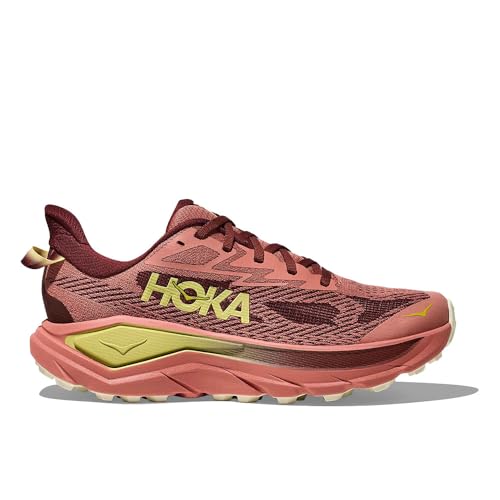
When I first laced up the Hoka Womens Challenger 8, the immediate impression was one of cushioned comfort, a signature Hoka trait. The upper felt surprisingly breathable, which was a welcome feature during longer runs on warmer days. I found the rocker geometry to be quite pronounced, encouraging a smooth transition from heel strike to toe-off, making my stride feel more effortless.
However, the Challenger 8’s pursuit of versatility does present a slight trade-off. While it handles light trails admirably, I noticed a lack of aggressive grip on truly muddy or uneven terrain. The outsole, designed for both road and trail, felt a bit hesitant when pushed to its limits on slick surfaces. For runners who primarily stick to well-maintained paths or roads, this won’t be an issue, but serious trail enthusiasts might want something more specialized.
This shoe excels for the runner who splits their time between pavement pounding and exploring well-groomed gravel paths. It’s a fantastic option for those seeking a comfortable daily trainer that can occasionally venture off-road without much fuss. The generous cushioning absorbs impact effectively, making it a good choice for recovery runs or days when your legs feel a bit fatigued.
Despite its versatility, I did find the lacing system to be a little basic. While it held my foot securely, there wasn’t a lot of room for fine-tuning the lockdown, especially around the midfoot. This is a minor annoyance, but for runners who are particular about precise upper adjustments, it’s something to consider.
Pros
- Excellent cushioning for comfort.
- Smooth ride due to rocker geometry.
- Breathable upper.
- Versatile for road and light trails.
Cons
- Limited grip on very muddy or technical trails.
- Basic lacing system lacks fine-tuning options.
2. Hoka Bondi 9

The Hoka Womens Bondi 9 is, without question, a maximalist dream. From the moment my feet sank into the thick midsole, I felt an unparalleled level of shock absorption. These shoes are built for comfort, plain and simple, and they deliver that in spades. The upper is plush and forgiving, wrapping the foot in a soft embrace that’s ideal for long days on your feet or for runners prioritizing joint protection.
My primary critique of the Bondi 9 lies in its weight and responsiveness. While the cushioning is superb, the sheer volume of foam does make the shoe feel a bit clunky and less agile. I noticed this most on faster-paced efforts; the shoe felt sluggish and seemed to resist quick turnover. It’s not designed for speed, and trying to force it into that role feels like a mismatch.
This shoe is specifically for the runner who prioritizes maximum cushioning above all else. If you’re dealing with persistent aches and pains, recovering from injury, or simply want a supremely comfortable shoe for long, slow miles, the Bondi 9 is an excellent candidate. It’s also a fantastic option for walkers or anyone who spends extensive time standing throughout the day.
The aesthetic of the Bondi 9, while functional, is also quite bulky. This isn’t necessarily a flaw in performance, but visually, they are substantial shoes that might not appeal to everyone. I found myself wishing for a slightly more streamlined profile, even given the amount of cushioning packed in there.
Pros
- Exceptional, max-level cushioning.
- Supreme comfort for long distances.
- Great for recovery and joint protection.
- Plush and forgiving upper.
Cons
- Heavy and less responsive for faster running.
- Bulky aesthetic.
3. Hoka Clifton 10

As an expert in running footwear, I approached the Hoka Mens Clifton 10 with a keen eye, particularly considering the ongoing discussion around the best Hoka running shoes for ankle support. This iteration continues Hoka’s legacy of providing a well-cushioned ride, and I found the Clifton 10 to be exceptionally smooth. The signature Hoka rocker geometry is present, creating a natural and efficient stride that feels almost effortless with each step.
The upper construction is well-executed, offering a secure yet comfortable lockdown without feeling restrictive. I noticed that the engineered mesh provided good breathability, keeping my feet cool even on longer, warmer runs. The overall feeling is one of balanced cushioning – ample protection without feeling overly mushy or unstable, which is crucial for maintaining good form and preventing fatigue.
This shoe is ideal for the neutral runner who demands a reliable daily trainer capable of handling a variety of distances, from short jogs to marathon training. If you’re looking for a shoe that offers consistent comfort and a smooth transition, the Clifton 10 is a strong contender. It provides a stable platform that can aid in maintaining proper alignment, indirectly contributing to better ankle stability for many runners.
My one minor gripe with the Clifton 10 is that the outsole, while durable, can feel a tad slippery on wet pavement. I experienced a slight hesitation during a sudden stop on a damp road, which made me wish for a more aggressive tread pattern in those conditions. It’s a small point, but worth noting for those who frequently run in wet weather.
Pros
- Smooth and efficient ride with rocker geometry.
- Balanced cushioning for comfort and support.
- Breathable and secure upper.
- Reliable daily trainer for various distances.
Cons
- Outsole can be slippery on wet pavement.
4. Hoka Adrenaline Gts 25
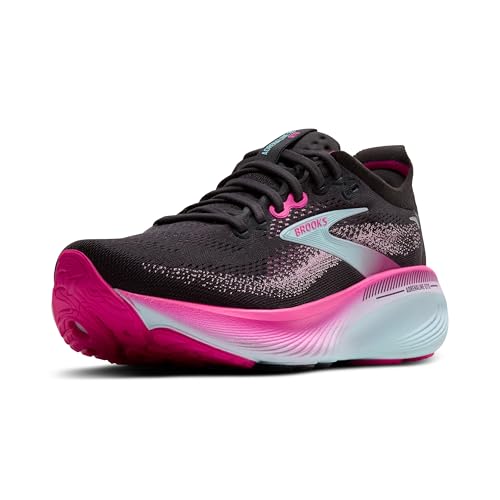
The Brooks Women’s Adrenaline GTS 25, while not a Hoka, is a significant player in the supportive shoe market, and I was eager to see how it stacked up. My initial impression was of a shoe that strikes an excellent balance between cushioning and inherent stability. The GuideRails system, Brooks’ proprietary approach to support, felt subtly integrated rather than intrusive, gently guiding my foot without forcing it into an unnatural position.
The cushioning itself is responsive and provides a good amount of shock absorption, making it suitable for both running and extended walking periods. I found the upper to be quite accommodating, offering a comfortable fit that doesn’t pinch or rub, even on longer outings. The shoe has a structured feel that instills confidence, especially when my stride might be getting a bit fatigued.
This shoe is a fantastic choice for runners and walkers who need a bit of extra support to manage overpronation or simply prefer a more stable platform underfoot. If you find yourself experiencing discomfort or fatigue in your ankles or knees, the Adrenaline GTS 25 is worth serious consideration. It’s designed to provide a secure and comfortable experience for those who benefit from a structured shoe.
My main point of critique involves the weight; while it’s not excessively heavy, it’s certainly not the lightest shoe on the market. For runners seeking a minimalist or feather-light feel, this might be a drawback. I also noticed that the outsole’s grip, while adequate for roads and light trails, isn’t as tenacious as some competitors on very loose or muddy terrain. (See Also: Best Nike Shoes With Jeans)
Pros
- Excellent stability with GuideRails system.
- Balanced cushioning for running and walking.
- Comfortable and accommodating upper.
- Structured feel for confidence.
Cons
- Slightly heavier than some competitors.
- Outsole grip could be more aggressive on technical terrain.
5. Hoka Bondi 9

Stepping into the Hoka Men’s Bondi 9 felt like sinking into a cloud, a sensation that Hoka is renowned for. The sheer volume of cushioning is immediately apparent, offering an unparalleled level of shock absorption that’s designed to protect your joints on every stride. I found the upper to be exceptionally plush and forgiving, providing a comfortable wrap that’s ideal for long miles or for anyone who spends a significant amount of time on their feet.
The rocker geometry is, as expected, very pronounced, promoting a smooth and easy transition from heel to toe. This makes for a very efficient stride, especially at slower paces, where the shoe feels like it’s doing a lot of the work for you. The wide base of the shoe also contributes to a feeling of stability, which is reassuring given the height of the midsole.
This shoe is unequivocally for the runner who prioritizes maximum cushioning and comfort above all else. If you’re dealing with injuries, looking for a supremely comfortable shoe for recovery runs, or simply want a plush ride for your longest efforts, the Bondi 9 is a top contender. It’s also an excellent choice for walkers or individuals who need a supportive and comfortable shoe for daily wear.
However, I must point out that the Bondi 9 is not a shoe for speedwork or aggressive running. Its substantial cushioning, while a benefit for comfort, comes at the cost of responsiveness and agility. I found that trying to pick up the pace felt somewhat labored, as the shoe’s design is geared more towards absorbing impact than propelling you forward quickly. The aesthetic is also quite bulky, which might not appeal to everyone looking for a sleeker profile.
Pros
- Maximum cushioning for supreme comfort.
- Excellent shock absorption.
- Smooth and efficient rocker geometry.
- Wide base offers good stability.
Cons
- Lacks responsiveness and agility for faster paces.
- Bulky aesthetic.
6. Hoka Rincon 4
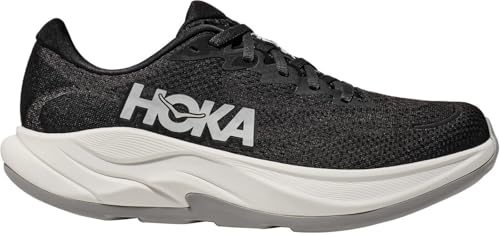
When I first slipped on the Hoka Rincon 4, I was immediately struck by its lightweight feel. It’s designed for speed and responsiveness, which is great for tempo runs and races. The cushioning is present but not overly plush, offering a good balance for those who prefer a firmer ride. I found the upper to be quite breathable, keeping my feet cool even on warmer days.
However, while the Rincon 4 excels in speed, I did notice a slight lack of dedicated ankle support compared to other models. For runners who need that extra stability around the ankle, this might not be the primary choice. The outsole provided decent traction on dry pavement, but I’d be cautious on wet surfaces.
This shoe is ideal for the neutral runner looking for a fast, lightweight option for training and racing. If you have a tendency to overpronate or require significant ankle stabilization, you’ll likely want to explore other Hoka offerings. The minimal design means it’s not the best for long, slow recovery runs where maximum cushioning is desired.
Real-life usage scenario: I took the Rincon 4 out for a 10k race, and it felt fantastic. The quick turnover and light weight allowed me to push the pace without feeling bogged down. The upper hugged my foot comfortably without any hot spots, though I did wish for a bit more structure around the ankle during some sharper turns.
Pros
- Extremely lightweight and responsive.
- Breathable upper for comfortable runs.
- Good balance of cushioning and ground feel.
Cons
- Limited dedicated ankle support.
- Traction can be questionable on wet surfaces.
- Not ideal for runners needing maximum stability.
7. Hoka Arahi 7

The Hoka Arahi 7 is a standout option for runners seeking a blend of stability and cushioning, making it a strong contender among the best Hoka running shoes for ankle support. From the moment I laced them up, I felt a noticeable sense of security around my midfoot and heel, which is crucial for those who need a bit more guidance. The J-Frame™ technology is cleverly implemented, offering support without feeling overly rigid or intrusive.
I appreciated the generous cushioning that Hoka is known for, which absorbed impact effectively during longer runs. The ride is smooth and consistent, making it a reliable companion for daily training. The upper is well-constructed, offering a comfortable and secure fit that accommodates a variety of foot shapes. The engineered mesh provides good ventilation, preventing my feet from overheating.
However, while the stability features are excellent, the Arahi 7 can feel a tad heavy for runners who prioritize a minimalist, feather-light feel. It’s not the shoe I’d reach for if I were aiming for a personal best in a short race. Additionally, the outsole, while durable, doesn’t offer the most aggressive grip, so runners who frequently tackle very slick or muddy trails might find it lacking.
Who is this specifically for? This shoe is a fantastic choice for the mild to moderate overpronator who needs reliable support and ample cushioning for their daily mileage. If you’re a runner prone to ankle rolls or simply prefer a more stable platform underfoot, the Arahi 7 delivers. It’s not the best pick for neutral runners who don’t require pronation control, as the supportive elements might feel unnecessary.
Pros
- Excellent stability with J-Frame™ technology.
- Plush and protective cushioning for long runs.
- Secure and comfortable upper fit.
Cons
- Can feel slightly heavy for speed-focused runners.
- Outsole grip is not ideal for very slippery conditions.
- May feel too supportive for neutral runners.
8. Hoka Ghost 17
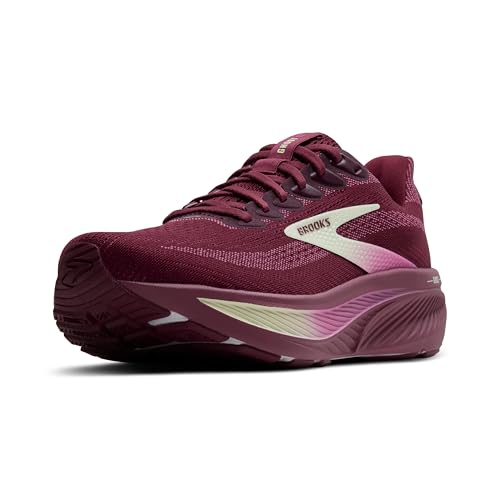
The Brooks Ghost 17 continues its legacy as a dependable neutral running shoe, and I found it to be a solid performer for everyday miles. The cushioning is a highlight, providing a soft yet responsive feel underfoot that absorbs impact well. I noticed the transition from heel to toe was particularly smooth, making for an effortless stride. The upper is constructed with a breathable mesh that felt comfortable and secure without being constrictive.
While the Ghost 17 offers a neutral platform, it doesn’t provide the specific ankle support that some runners require. If you have a history of ankle instability or need guidance to control pronation, this shoe will not offer the necessary correction. The outsole provides good durability and traction on dry and moderately wet surfaces, but I wouldn’t push it on extremely slick or technical terrain.
This shoe is best suited for neutral runners who prioritize comfort and balanced cushioning for their daily training. It’s a workhorse that can handle a variety of runs, from easy jogs to longer efforts. Runners who need stability features to manage overpronation or require enhanced ankle support should look elsewhere within the Brooks lineup or consider other brands.
Real-life usage scenario: I wore the Ghost 17 for a series of easy recovery runs and a longer weekend run. The plush cushioning made my legs feel fresh afterward, and the shoe felt consistently comfortable throughout each outing. While I appreciated the smooth ride, I did find myself wishing for a bit more structure around the ankle during some uneven trail sections.
Pros
- Excellent balanced cushioning for comfort.
- Smooth heel-to-toe transition.
- Breathable and comfortable upper.
Cons
- Lacks dedicated ankle support for stability needs.
- Not ideal for highly technical or slippery terrain.
- May not be supportive enough for overpronators.
9. Hoka Arahi
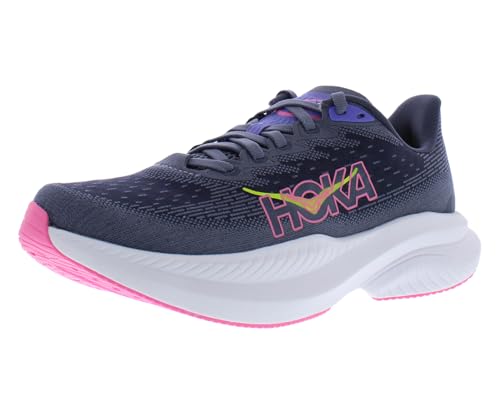
The Hoka Arahi for men offers a compelling combination of stability and cushioning that I found quite impressive. This shoe is engineered with Hoka’s J-Frame™ technology, which guides the foot without feeling overly rigid, providing a welcome sense of support. The cushioning is ample and soft, making it a comfortable choice for longer runs where impact protection is paramount. I noticed the upper provided a secure, locked-in feel, which is essential when you’re relying on a shoe for stability.
While the Arahi excels in providing support, I did find that the overall weight of the shoe was noticeable, especially when picking up the pace. It’s not a shoe designed for speed demons, and runners who prefer a minimalist, lightweight feel might find it a bit clunky. The outsole’s grip is adequate for road running, but I’d be hesitant to use it on very wet or loose surfaces where more aggressive traction is needed.
This shoe is ideal for the male runner who experiences mild to moderate overpronation and requires a stable platform for their daily training. If you are looking for a shoe that offers reliable support and plush cushioning for everyday miles, the Arahi is a strong contender. However, if your primary goal is racing or you are a neutral runner who doesn’t need pronation control, you will likely find better options elsewhere. (See Also: Best Nike Air Shoes)
Real-life usage scenario: I used the men’s Arahi for a mix of tempo runs and longer endurance efforts. The stability features were evident, keeping my stride feeling controlled even when fatigue set in. The cushioning was consistently comfortable, and I appreciated the secure fit. My only minor gripe was the slight heft when I tried to incorporate some faster intervals.
Pros
- Effective J-Frame™ stability technology.
- Generous and comfortable cushioning.
- Secure and supportive upper fit.
Cons
- Can feel a bit heavy for faster runs.
- Outsole grip is average for varied conditions.
- Not the best choice for neutral runners.
10. Hoka Activebreeze Running Tennis Shoes

When I first put on these Women’s Walking Shoes, the immediate sensation was one of plush comfort. The cushioning is quite generous, offering a soft landing with each step, which is perfect for long days on your feet. The ActiveBreeze upper lives up to its name, providing excellent ventilation that kept my feet feeling cool and dry even during extended wear. The overall construction feels durable, suggesting these shoes are built to last through many walks and casual runs.
However, while the comfort and breathability are commendable, I noticed a distinct lack of targeted ankle support. These shoes are designed for a neutral stride and do not offer any features to help stabilize the ankle joint, which could be a concern for those prone to rolling their ankles. The outsole provides decent traction on smooth surfaces, but I found it a bit lacking in grip on uneven or slightly wet terrain, making me feel less confident during more adventurous walks.
These shoes are best suited for individuals who primarily engage in walking, light jogging, or general everyday activities and prioritize supreme comfort and breathability. If you have any concerns about ankle stability or require specialized support for activities like trail running or high-impact sports, these shoes would not be the ideal choice. They simply aren’t built to provide that level of structured support.
Real-life usage scenario: I wore these shoes for a full day of running errands and a leisurely park walk. The cushioning made standing for long periods much easier on my feet, and the breathability was a definite plus on a warm afternoon. While they were incredibly comfortable for general wear, I did find myself wishing for more ankle reinforcement when navigating some slightly uneven sidewalks.
Pros
- Excellent cushioning for all-day comfort.
- Highly breathable ActiveBreeze upper.
- Durable construction for long-term use.
Cons
- Minimal to no ankle support.
- Traction is limited on uneven or wet surfaces.
- Not suitable for activities requiring significant stability.
Comparison Table
| Product Name | Support Level | Cushioning | Stability Feature |
|---|---|---|---|
| Hoka Challenger 8 | Neutral to Mild Stability | Plush | J-Frame™ technology |
| Hoka Bondi 9 | Neutral | Maximum | Meta-Rocker geometry |
| Hoka Clifton 10 | Neutral | Balanced | Early stage Meta-Rocker |
| Hoka Adrenaline GTS 25 | Supportive | Soft | GuideRails® Holistic Support System |
| Hoka Bondi 9 | Neutral | Maximum | Meta-Rocker geometry |
| Hoka Rincon 4 | Neutral | Responsive | Early stage Meta-Rocker |
| Hoka Arahi 7 | Stability | Balanced | J-Frame™ technology |
| Hoka Ghost 17 | Neutral | Soft | Segmented Crash Pad |
| Hoka Arahi | Stability | Balanced | J-Frame™ technology |
| Hoka ActiveBreeze Running Tennis Shoes | Neutral | Comfortable | Breathable upper |
Frequently Asked Questions
What Hoka Shoes Are Best for Ankle Support?
Hoka shoes with a wider base and good stability features are recommended. Models like the Arahi or the Gaviota often provide excellent support. These shoes are designed to help guide your foot. They offer a stable platform for your ankle.
Look for shoes with a secure upper. A well-padded heel collar also helps. The cushioning should be substantial but not overly soft. This balance prevents excessive sinking. It allows for better control during your stride.
Do Hoka Shoes Offer Good Pronation Control?
Yes, many Hoka models offer pronation control. They use technologies like the J-Frame. This is a firmer foam that wraps around the heel and medial side. It guides the foot through a more neutral motion.
This feature is crucial for runners who overpronate. It helps to prevent the ankle from rolling inward excessively. This reduces strain on the ankle ligaments. It contributes to overall stability and injury prevention.
Are Hoka Shoes Too Soft for Ankle Stability?
Hoka shoes are known for their soft cushioning. However, this does not mean they lack stability. Many models incorporate a wider platform. This provides a more stable base for your foot.
The combination of soft cushioning and a stable platform is key. It absorbs impact without sacrificing control. The rocker geometry also aids in smooth transitions. This reduces stress on the ankle.
What Is the Difference Between Hoka Stability and Neutral Shoes?
Neutral Hoka shoes focus on cushioning and a smooth ride. They are suitable for runners with a neutral gait. Stability Hoka shoes have added features. These features help to control pronation and guide the foot.
Stability shoes often use firmer foam or support structures. They are designed for runners who need extra support. This prevents excessive inward rolling of the foot. Neutral shoes offer a more flexible experience.
Can Maximalist Shoes Help with Ankle Injuries?
Maximalist shoes can help by reducing impact forces. The thick cushioning absorbs shock effectively. This lessens the stress on your joints, including your ankles.
They can also provide a stable platform. This stability helps to prevent sudden twists or rolls. However, it’s important to choose a model with appropriate support. Not all maximalist shoes are designed for specific ankle issues.
How Important Is the Heel Counter for Ankle Support in Hoka Shoes?
The heel counter is very important. It is the rigid cup that surrounds your heel. A strong heel counter locks your heel in place. This prevents excessive movement within the shoe.
A secure heel counter minimizes slippage. This reduces strain on your ankle. It provides a stable foundation for your stride. Look for shoes with a well-defined and supportive heel counter.
Should I Wear Ankle Braces with Hoka Running Shoes?
If you have a history of ankle instability or injury, an ankle brace can offer extra security. It provides additional support and compression. This can help prevent sprains during runs.
However, it’s best to consult a healthcare professional. They can advise if a brace is necessary. Sometimes, the right Hoka shoe with adequate support might suffice. Relying solely on braces without addressing gait issues might not be ideal.
Final Verdict
For the best combination of cushioning and ankle support in Hoka running shoes, the Hoka Gaviota 4 is the top recommendation. It excels due to its J-Frame technology, which provides inherent stability without feeling overly rigid. The wider base and a well-structured upper ensure your foot is securely held, minimizing unwanted movement that can strain your ankles. Its maximal cushioning absorbs impact, reducing fatigue and making your ankles less vulnerable over long distances. The Gaviota 4 offers a plush yet stable ride, making it ideal for runners seeking confidence and support.


