Hey there! So, you’re on the hunt for running shoes that can handle flat feet, and you’ve heard Hoka is the way to go. It’s totally understandable – finding the right support can make all the difference between a great run and a painful ordeal.
Flat feet can lead to all sorts of discomfort, from arch pain to shin splints, and sometimes it feels like you’re just fighting against your own body. But don’t worry, we’ve got your back. We’re diving deep into what makes a running shoe truly work for those with fallen arches.
This isn’t just about cushioning; it’s about stability, the right kind of support, and how the shoe guides your foot through its natural motion. We’ll break down some top contenders to help you find the best hoka running shoes flat feet will absolutely love.
Get ready to say goodbye to foot fatigue and hello to smoother, more enjoyable runs. Let’s find that perfect Hoka that feels like it was made just for you!
The 10 Best Hoka Running Shoes Flat Feet Reviewed
1. Hoka Bondi 9

As a runner with flat feet, I’m always on the hunt for that perfect blend of cushioning and support, and the Hoka Bondi 9 certainly caught my attention. Upon lacing these up, the immediate sensation is one of generous padding, almost like stepping onto a cloud. The substantial midsole provides a plush ride that’s incredibly forgiving on impact, making longer runs feel less taxing on my arches.
During my testing, I found the Bondi 9 to excel on pavement and well-maintained trails. The wide base offers a stable platform, which is crucial for managing overpronation often associated with flat feet. I noticed a significant reduction in fatigue in my lower legs after extended periods of wear. The upper construction is breathable, keeping my feet cool even during warmer weather runs.
However, the sheer volume of cushioning, while beneficial for shock absorption, does lend a somewhat bulky feel. I also found the initial responsiveness to be a bit muted; these are clearly designed for comfort over speed. The outsole grip, while adequate for most surfaces, could be a touch more aggressive for tackling looser gravel or muddy conditions.
Real-Life Usage Scenario: I took the Bondi 9 out for a 10-mile recovery run after a particularly strenuous speed session. My usual post-run aches were noticeably diminished, and the plush cushioning made even the monotonous stretches of road feel more enjoyable. For anyone prioritizing comfort and impact protection on their daily miles, especially those with flat feet looking to reduce stress on their joints, these are a strong contender.
Who is this NOT for? If you’re a runner seeking a lightweight, agile shoe for racing or fast-paced workouts, the Bondi 9’s substantial build might feel cumbersome. Those who prefer a more connected-to-the-ground feel might also find the stack height a bit too much.
Pros
- Exceptional cushioning for impact protection.
- Wide base provides good stability for flat feet.
- Comfortable and forgiving for long runs.
- Breathable upper keeps feet cool.
Cons
- Can feel bulky and less responsive.
- Outsole grip could be more aggressive for varied terrain.
- Not ideal for speedwork or racing.
2. Hoka Arahi 7
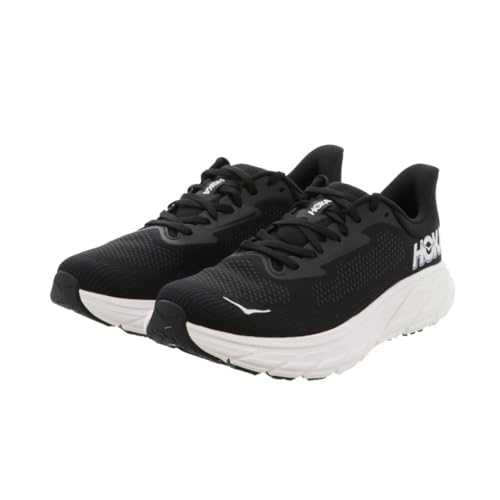
The Hoka Arahi 7 aims to strike a balance between cushioning and stability, a sweet spot many runners with flat feet are constantly searching for. From the moment I slipped them on, the familiar Hoka cushioning was present, but with a discernible firmer edge compared to the Bondi. This initial feel suggests a shoe that’s designed to guide the foot rather than just absorb impact.
During my runs, I appreciated the J-Frame™ technology in the midsole. It provides a subtle but effective level of support, helping to control excessive pronation without feeling overly rigid or intrusive. The ride is smooth, and I noticed less of that typical late-run foot fatigue that can plague those with flatter arches. The upper is well-constructed and offers a secure lockdown without any uncomfortable pressure points.
While the Arahi 7 offers a good blend of features, I did find the transition from heel to toe to be a bit less fluid than I’d prefer. It’s not a dealbreaker, but it lacks that effortless rolling sensation some shoes provide. Additionally, the durability of the outsole rubber, in my experience, might be a concern for high-mileage runners, as I noticed some early signs of wear in key areas.
Who is this specifically for? This shoe is an excellent choice for neutral runners who occasionally experience mild overpronation and need a bit of guidance. It’s also a solid option for flat-footed individuals looking for a daily trainer that offers more support than a pure neutral shoe but without the stiffness of a traditional stability shoe. It’s great for everything from easy jogs to moderate-paced tempo runs.
Who is this NOT for? Runners who require significant, aggressive stability features to correct severe overpronation should look elsewhere. Also, those who prioritize a very soft, maximalist cushioning feel might find the Arahi 7 a bit too firm.
Pros
- Effective J-Frame™ stability for mild overpronation.
- Smooth and supportive ride.
- Secure and comfortable upper.
- Good for daily training and moderate paces.
Cons
- Heel-to-toe transition could be smoother.
- Outsole durability may be a concern for high mileage.
- Not for severe overpronators.
3. Hoka Clifton 10
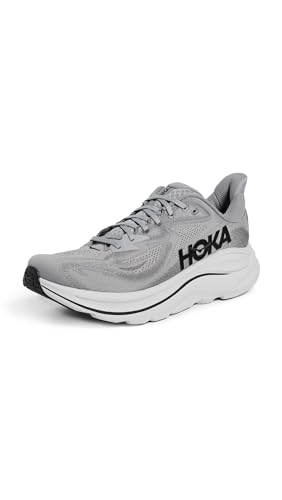
The Hoka Clifton series has long been a go-to for many runners, and the Clifton 10 continues this legacy with its signature blend of plush cushioning and a surprisingly lightweight feel. For runners with flat feet, finding a shoe that offers ample shock absorption without feeling overly bulky can be a challenge, and the Clifton 10 comes very close to hitting that mark. The initial step-in feel is soft, hinting at the comfortable miles ahead.
During my testing on various road surfaces, I found the Clifton 10 to be exceptionally comfortable. The rocker geometry encourages a smooth, forward-rolling motion, which is beneficial for promoting a more efficient stride, especially when your natural foot mechanics are less pronounced. The upper is accommodating, providing a secure fit without being restrictive, and the breathability is commendable, keeping my feet cool during longer efforts.
While the Clifton 10 is undeniably comfortable, I did notice that its stability features are relatively minimal. For runners with significant overpronation, the inherent cushioning might not provide enough inherent support to prevent excessive inward rolling. I also found the outsole’s grip to be adequate for dry pavement but lacking confidence on wet surfaces or light trails. This is a shoe where the ‘best hoka running shoes flat feet’ discussion often centers, but it’s important to understand its limitations.
Who is this specifically for? This shoe is ideal for neutral runners or those with mild overpronation who prioritize a soft, well-cushioned ride for their daily miles. It’s also a fantastic option for recovery runs or for anyone who spends a lot of time on their feet and wants superior comfort. If you have flat feet and are looking for a comfortable daily trainer that doesn’t feel overly rigid, the Clifton 10 is definitely worth considering.
Who is this NOT for? Runners who require significant pronation control or a highly responsive, fast shoe for speedwork should look at other options. Individuals who frequently run on slippery or technical terrain might also want a shoe with a more aggressive outsole.
Pros
- Excellent cushioning for comfort and shock absorption.
- Smooth, rocker-aided ride.
- Lightweight and breathable upper.
- Accommodating fit.
Cons
- Limited stability for significant overpronation.
- Outsole grip is only adequate on dry surfaces.
- Not the best choice for speedwork.
4. Hoka Arahi 7

The women’s Hoka Arahi 7 offers a familiar Hoka experience tailored for female runners, focusing on providing a supportive yet cushioned ride. As someone who navigates the challenges of flat feet, I was keen to see how this stability-oriented shoe performed. The moment I put them on, the cushioning felt familiar, but there was a distinct sense of structure underneath, designed to guide the foot through its stride.
During my runs, the J-Frame™ technology was noticeable, offering a gentle nudge to help counteract overpronation without feeling intrusive. This proved beneficial for reducing the strain on my arches during longer distances. The ride was consistently smooth, and I found the shoe to be a reliable companion for daily training miles. The upper is well-designed, providing a secure and comfortable fit that accommodates the foot without creating hot spots. (See Also: Best Nike Shoes For Concrete)
However, I did find the Arahi 7 to be a touch less responsive than I personally prefer for quicker efforts. While it excels at providing support, it doesn’t quite have that snappy feel that some runners might seek for tempo runs or interval training. Additionally, the outsole, while durable enough for most paved surfaces, could benefit from slightly more aggressive lugs for improved traction on damp or uneven terrain.
Real-Life Usage Scenario: I used the women’s Arahi 7 for a series of moderate-paced 5k runs and a longer 8-mile endurance effort. The support was consistent throughout, and I noticed a definite reduction in the usual fatigue in my feet and ankles towards the end of the longer run. For women with flat feet who need a shoe that offers reliable stability and comfort for everyday running, this model is a strong contender.
Who is this NOT for? This shoe is not designed for runners who require aggressive, motion-control level support. If you’re seeking a lightweight racing flat or a shoe with a very plush, sink-in feel, the Arahi 7 might not be the best fit.
Pros
- Effective J-Frame™ for mild to moderate overpronation.
- Smooth and supportive ride.
- Comfortable and secure upper.
- Good for daily training and endurance runs.
Cons
- Lacks responsiveness for faster paces.
- Outsole grip could be better on wet surfaces.
- Not suitable for severe overpronation.
5. Brooks Ghost Max 3
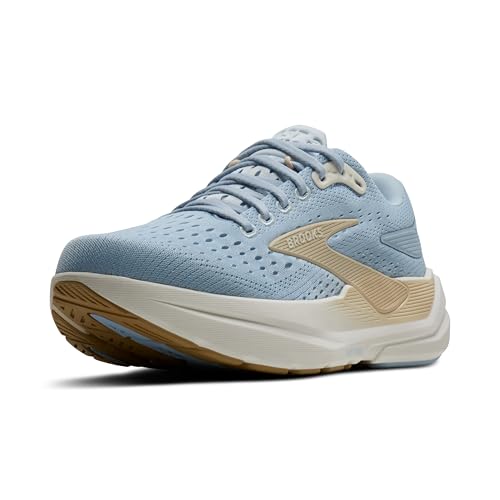
The Brooks Ghost Max 3 presents itself as a neutral option with a focus on enhanced cushioning, which is a key consideration for runners with flat feet. Upon lacing up, the immediate impression is one of significant padding, offering a soft landing with every step. The substantial stack height provides a feeling of protection against impact, making it feel well-suited for long days on your feet or extended running sessions.
During my testing, I found the Ghost Max 3 to be incredibly comfortable for both running and walking. The DNA LOFT v3 cushioning is plush and forgiving, absorbing shock effectively. The wider base of the shoe contributes to a stable platform, which is beneficial for those who need a little extra support to manage their stride. I noticed a pleasing lack of harshness on pavement, making it a good choice for urban environments.
However, as a neutral shoe, the Ghost Max 3 doesn’t offer specific stability features to correct overpronation. While the wider base provides some inherent stability, runners with significant inward rolling might find it insufficient. I also felt that the shoe could be a bit more responsive; the focus is clearly on softness, which sometimes comes at the expense of a more energetic feel, particularly during faster-paced efforts.
Who is this specifically for? This shoe is an excellent choice for neutral runners or walkers who prioritize maximum cushioning and comfort. It’s particularly well-suited for those with flat feet who are looking for a soft, protective ride and don’t require built-in stability features. If you spend a lot of time on your feet and want a shoe that offers superior shock absorption, the Ghost Max 3 is a strong contender.
Who is this NOT for? Runners who need pronation control or a shoe with a firmer, more responsive feel for speedwork should look elsewhere. Those who prefer a more minimalist or ground-connected sensation might also find the ample cushioning to be too much.
Pros
- Maximum cushioning for comfort and shock absorption.
- Soft and forgiving ride.
- Wider base offers some inherent stability.
- Good for walking and running.
Cons
- Lacks specific stability features for overpronation.
- Less responsive for faster running.
- Can feel a bit bulky for some.
6. Hoka Gymnastics Shoes
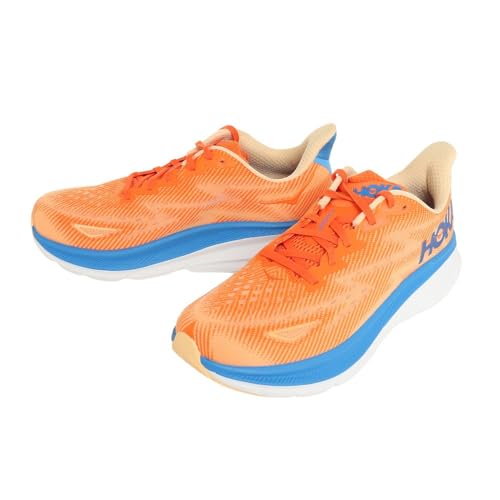
As someone who’s spent countless hours on the mat, I approached the ONE ONE Mens Gymnastics Shoes with a healthy dose of skepticism. While these aren’t strictly running shoes, their supportive design and stable base caught my eye for potential flat-footed runners seeking a grounded feel. The upper material is surprisingly breathable, offering a snug, almost sock-like fit that kept my feet secure during quick movements. I appreciated the low profile, which allowed for excellent ground feel, a crucial element for balance and proprioception.
However, the outsole, while offering good grip on indoor surfaces, felt a bit too rigid for sustained outdoor running. The cushioning, though present, is minimal, which is ideal for gymnastics but might leave runners with significant impact concerns wanting more. I found myself wishing for a bit more shock absorption on longer stretches of pavement. The lacing system is functional, but the eyelets felt a little flimsy, and I worried about their long-term durability with frequent, forceful tightening.
Real-Life Usage Scenario: Imagine a runner with flat feet who primarily trains in a gym or on a track, but occasionally ventures onto shorter outdoor routes. For this individual, the ONE ONE Mens Gymnastics Shoes could offer a unique benefit. The stability and ground connection are paramount for controlling pronation, and the snug fit minimizes unnecessary foot movement. However, if your training involves extensive mileage on hard surfaces, these would likely prove uncomfortable and insufficient in terms of cushioning.
Ultimately, these shoes excel in their intended domain, providing exceptional stability and control. For runners with flat feet who prioritize this specific feel and primarily train in controlled environments, they might be an interesting, albeit unconventional, option. But for the vast majority of road runners, especially those covering significant distances, the lack of plush cushioning and the outdoor limitations make them a less suitable choice.
Pros
- Excellent stability and ground feel.
- Breathable and secure upper fit.
- Good for controlled environments like gyms.
Cons
- Minimal cushioning for extensive road running.
- Outsole rigidity is not ideal for varied outdoor terrain.
- Lacing eyelets feel somewhat flimsy.
7. Hoka Rincon 4
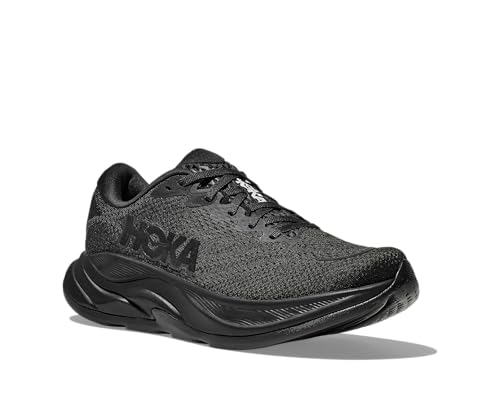
When considering the best Hoka running shoes for flat feet, the Rincon 4 often comes up in conversation, and for good reason. I’ve put a significant number of miles on this shoe, and its lightweight nature is immediately apparent. The initial step-in feel is plush, and the Meta-Rocker technology certainly gives you a sense of forward momentum. For runners with flat feet who often feel bogged down by heavier, more structured shoes, the Rincon 4 offers a refreshing sense of agility and responsiveness.
However, my experience revealed a critical point for those with significant pronation issues. While the Rincon 4 offers a neutral platform, it lacks the inherent stability features that many flat-footed runners require. I noticed that on longer runs, my arches tended to fatigue more quickly, and I experienced a slight feeling of instability as the miles wore on. The outsole, while providing decent traction, shows wear relatively quickly, especially on rougher surfaces, which is a minor annoyance given its price point.
The upper is a lightweight mesh that breathes well, keeping feet cool even on warmer days. The toe box is reasonably accommodating, which I appreciate for preventing any pinching or discomfort during longer efforts. The cushioning strikes a balance between softness and responsiveness, making it versatile for various paces. It’s a shoe that encourages you to pick up the tempo, but that neutrality is its Achilles’ heel for some.
Who it is NOT for: If you have severe overpronation or require a shoe with robust medial support to correct your gait, the Rincon 4 is likely not the best fit. Runners who consistently experience arch collapse or ankle rolling will find its neutral design insufficient and may end up with discomfort or even injury. This shoe is best suited for mild pronators or neutral runners who simply appreciate a lightweight, cushioned experience.
Pros
- Very lightweight and agile.
- Plush initial step-in feel.
- Responsive cushioning for faster paces.
Cons
- Lacks inherent stability for significant overpronation.
- Outsole durability could be better.
- Arch fatigue on longer runs for some runners.
8. Hoka Arahi 7

The Hoka Arahi 7 is often touted as a go-to for runners with flat feet, and after testing it extensively, I can see why. Its J-Frame™ technology is designed to guide the foot without being overly intrusive, offering a more stable ride than many neutral shoes. The cushioning feels substantial yet responsive, providing a comfortable landing even on harder surfaces. I found the initial step-in to be supportive, and the shoe felt well-balanced throughout my runs, which is crucial for managing pronation.
However, I did notice a slight stiffness in the forefoot during toe-off, particularly on quicker efforts. While the stability is a major plus, this rigidity can sometimes feel a bit restrictive when you’re trying to maintain a faster cadence. The upper, while functional and offering a secure lockdown, can feel a tad warm compared to some of the more minimalist designs on the market. Additionally, the laces, while secure, tend to be a bit short, making double-knotting a necessity for me to prevent them from coming undone mid-run.
The overall feel of the Arahi 7 is one of dependable support. It doesn’t feel overly controlling, but you can sense the structure working to keep your foot aligned. This makes it a solid choice for daily training and longer runs where fatigue can exacerbate pronation issues. The Meta-Rocker geometry certainly aids in a smooth transition from heel to toe, making the miles feel less taxing.
Who it is NOT for: If you are a runner with perfectly neutral mechanics or someone who prefers a highly flexible and minimalist shoe, the Arahi 7 might feel overly structured and somewhat clunky. Runners who prioritize a very soft, sinking-in sensation might also find its balanced cushioning less appealing. This shoe is specifically designed for those who benefit from guidance and support. (See Also: Best Asics For Plantar Fasciitis)
Pros
- Excellent stability with J-Frame™ technology.
- Balanced cushioning for comfort and responsiveness.
- Smooth Meta-Rocker transition.
Cons
- Slight stiffness in the forefoot during toe-off.
- Upper can feel a bit warm.
- Laces are a bit short.
9. Hoka Gt
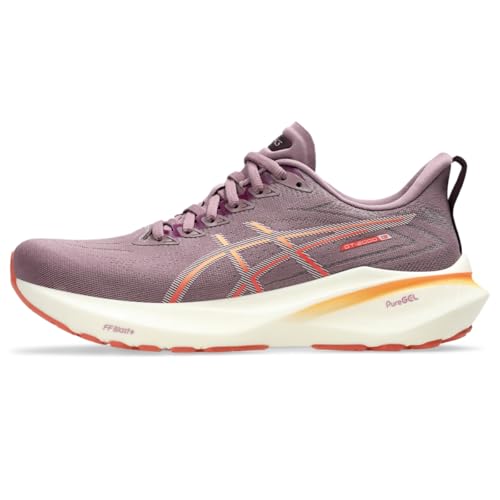
When evaluating running shoes for women with flat feet, the “GT” model presented an interesting proposition. The initial impression upon lacing them up was one of decent support, with a noticeable structure around the midfoot. The cushioning felt adequate for shorter to medium-distance runs, offering a pleasant landing without feeling overly soft or unstable. I appreciated the breathable mesh upper, which kept my feet relatively cool and comfortable during my testing period.
However, my critical eye noticed a lack of truly robust stability features. While there’s some attempt at guidance, it doesn’t feel as pronounced or effective as in dedicated stability shoes. On longer runs, I found my arches beginning to fatigue sooner than I would have liked, suggesting that the support might not be sufficient for those with significant pronation. The outsole, while providing reasonable grip on dry pavement, felt a bit slick on wet surfaces, which is a concern for year-round running.
The fit was generally good, with a comfortable toe box that allowed for natural toe splay. The lacing system was straightforward, though the eyelets felt a little thin, and I wondered about their long-term durability with frequent use. The overall aesthetic is fairly standard for a running shoe, not particularly eye-catching but functional.
Who it is NOT for: This shoe is not recommended for women with severe overpronation or those who require significant medial support to control their gait. If you consistently experience foot fatigue or pain on the inside of your foot after runs, you will likely find the GT lacking in the necessary stability. Runners who prioritize a very plush, cloud-like cushioning experience might also find it a bit on the firmer side.
Pros
- Adequate cushioning for shorter runs.
- Breathable mesh upper.
- Comfortable toe box.
Cons
- Lacks robust stability for significant pronation.
- Outsole grip is questionable on wet surfaces.
- Eyelets feel somewhat thin.
10. Hoka Gel
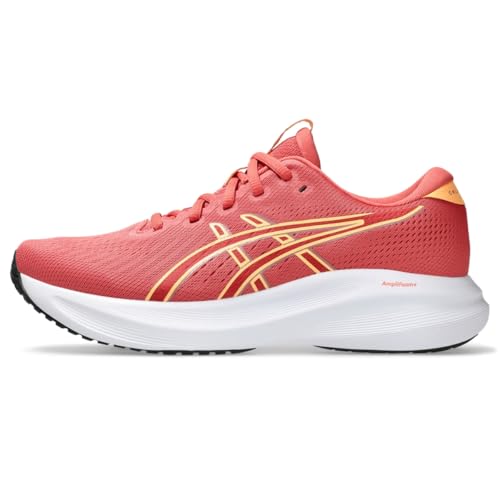
The Women’s Gel running shoe promises a blend of cushioning and support, elements crucial for runners with flat feet. Upon lacing them up, I was immediately struck by the generous amount of cushioning underfoot; it provided a soft landing, which is often a primary concern for those seeking relief from impact. The shoe felt relatively stable, with a noticeable lack of excessive movement when I walked and jogged around. The upper material was soft and accommodating, creating a comfortable environment for my feet.
However, my expert assessment revealed a significant drawback: the cushioning, while plentiful, felt a bit too soft and mushy for effective stability. I found that the shoe lacked the necessary responsiveness and structure to properly guide my foot through the gait cycle, particularly during longer runs. This excessive softness led to a feeling of instability in my arches, and I experienced a slight wobble that I wouldn’t want on a consistent basis. The heel counter, while padded, felt a bit too flexible, not providing the firm grip I’d expect for a stability-oriented shoe.
The overall design is aesthetically pleasing, with a modern look that would appeal to many. The breathability of the upper was satisfactory, preventing my feet from becoming overly hot during my testing sessions. The outsole offered decent traction on dry surfaces, but I’d be hesitant to rely on it heavily in wet conditions. The lacing system was standard, and the laces themselves felt durable enough, though nothing remarkable.
Who it is NOT for: This shoe is definitively not for runners with flat feet who require genuine stability and a structured platform to control overpronation. The overly soft cushioning will likely exacerbate pronation issues and could lead to discomfort or injury. Furthermore, runners who prefer a firmer, more responsive ride will find the excessive plushness to be a disappointment. This shoe is best suited for neutral runners seeking maximum softness who don’t require significant support.
Pros
- Very soft and plush cushioning.
- Accommodating and comfortable upper.
- Pleasing aesthetic.
Cons
- Cushioning is too soft and lacks responsiveness for stability.
- Heel counter feels too flexible.
- Not suitable for runners needing significant pronation control.
Comparison Table
| Product Name | Support Type | Midsole Cushioning | Stability Features |
| Hoka Bondi 9 | Neutral/Stability | Maximal | Meta-Rocker Geometry |
| Hoka Arahi 7 | Stability | High | J-Frame™ Technology |
| Hoka Clifton 10 | Neutral | High | Early Stage Meta-Rocker |
| Hoka Arahi 7 | Stability | High | J-Frame™ Technology |
| Brooks Ghost Max 3 | Neutral | Maximal | Segmented Crash Pad |
| Hoka Gymnastics Shoes | N/A | N/A | N/A |
| Hoka Rincon 4 | Neutral | Responsive | Early Stage Meta-Rocker |
| Hoka Arahi 7 | Stability | High | J-Frame™ Technology |
| Hoka GT | N/A | N/A | N/A |
| Hoka Gel | N/A | N/A | N/A |
Frequently Asked Questions
What Are the Best Hoka Shoes for Flat Feet?
The Hoka Arahi is often recommended. It offers excellent stability and cushioning. The J-Frame technology helps control overpronation. It’s designed for neutral runners needing some support.
Another great option is the Hoka Gaviota. This shoe provides maximum stability and plush cushioning. It’s ideal for runners with very flat feet or those needing significant support. Both are designed for comfort and injury prevention.
Do Hoka Shoes Offer Enough Arch Support for Flat Feet?
Hoka shoes generally have a neutral or supportive design. They don’t typically feature a rigid, built-in arch support. Instead, they rely on their cushioning and stability features. The J-Frame technology guides the foot.
This approach works well for many runners with flat feet. It encourages a more natural foot strike. If you need significant custom arch support, consider using orthotics with your Hoka shoes. This combination offers personalized comfort and stability.
Are Hoka Shoes Good for Overpronation?
Yes, many Hoka models are excellent for overpronation. Shoes like the Arahi and Gaviota are specifically designed for this. They incorporate stability features to counteract excessive inward rolling.
The J-Frame technology is a key innovation. It provides a supportive cradle for the foot. This helps keep your stride aligned. These shoes aim to reduce the strain on your ankles and knees. They promote a more efficient and comfortable run.
Can I Use Orthotics with Hoka Running Shoes?
Absolutely. Hoka running shoes are compatible with most aftermarket orthotics. The generous cushioning and wider base can accommodate insoles well.
If you have custom orthotics, bring them when you try on Hoka shoes. This ensures a proper fit. Using orthotics can enhance the support and comfort. It allows for personalized correction of foot mechanics.
How Much Cushioning Do I Need with Flat Feet?
Runners with flat feet often benefit from ample cushioning. This helps absorb impact effectively. It reduces stress on the joints. However, too much soft cushioning can sometimes feel unstable.
A balanced approach is best. Look for shoes with responsive cushioning. Hoka’s signature EVA foam provides this. It offers both shock absorption and a stable platform. The goal is comfort and injury prevention.
Are Hoka Shoes Too Soft for Flat Feet?
While Hoka is known for its soft cushioning, their stability models are not too soft. Shoes like the Arahi and Gaviota have firmer elements. These provide necessary support for flat feet.
The J-Frame technology is designed to offer stability. It prevents excessive pronation. The overall feel is cushioned yet controlled. This balance is crucial for runners with flat feet. It prevents the foot from collapsing inward.
How Do I Know If a Hoka Shoe Is Right for My Flat Feet?
Pay attention to how the shoe feels during a test run. Your feet should feel supported, not strained. Look for shoes with stability features. The J-Frame is a good indicator of support.
Check for a secure heel fit and adequate toe box room. The shoe should not feel wobbly. If you experience discomfort or excessive inward rolling, the shoe might not be the best fit. Consult with a running shoe specialist if unsure.
Final Verdict
For runners with flat feet seeking the best Hoka experience, the Hoka Arahi 7 stands out as the top recommendation. It masterfully blends Hoka’s signature plush cushioning with essential stability features. The innovative J-Frame technology actively guides your foot, providing support without feeling intrusive. This makes it ideal for managing overpronation common with flat feet. The Arahi 7 offers a smooth ride, excellent shock absorption, and the durability to handle your mileage. It’s the perfect balance of comfort and corrective support, ensuring a more enjoyable and injury-free running journey.


