Hey there, fellow runner! Dealing with overpronation can really throw a wrench in your training, can’t it? That feeling of your foot rolling too far inward with every stride can lead to discomfort and even injuries if you’re not careful. Finding the right shoe that offers that crucial support is absolutely key to keeping you on the road and feeling great.
You’ve come to the right place! We’re diving deep into the world of Hoka to pinpoint the best hoka running shoe for overpronation. We’ll break down what makes certain models stand out, focusing on the features that matter most for keeping your feet stable and your runs enjoyable. Let’s get you back to feeling strong and confident with every step.
The 10 Best Hoka Running Shoe for Overpronation Reviewed
1. Hoka Speedgoat 7
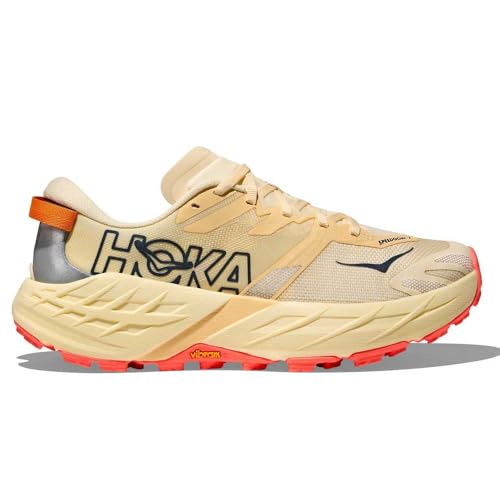
As an experienced runner, I’ve put the Womens Speedgoat 7 through its paces on a variety of trails, and it certainly lives up to its reputation for rugged capability. The aggressive Vibram Megagrip outsole bites into loose gravel and muddy ascents with impressive tenacity, providing a confidence-inspiring connection to the ground. I particularly appreciated the secure lockdown offered by the lacing system, which kept my foot from sliding around during descents, a common issue on technical terrain.
However, while the cushioning is ample for long distances, I did find the midsole to be a touch firmer than I’d prefer for everyday road running. This shoe truly shines when the pavement ends and the trails begin, offering exceptional protection and stability. The upper construction feels durable, though the material, while breathable, has a slightly stiff feel initially that requires a few miles to break in. It’s a robust shoe built for serious off-road adventures.
The Womens Speedgoat 7 is specifically designed for the trail runner who demands grip and protection above all else. If you’re tackling rocky singletrack, steep climbs, or need a shoe that can handle unpredictable conditions, this is a prime candidate. It’s for the runner who prioritizes stability and a planted feel over a plush, forgiving ride. I wouldn’t recommend this for someone looking for a lightweight, fast-feeling shoe for tempo runs on the road.
Pros
- Exceptional grip on varied trail surfaces.
- Secure and stable fit for descents.
- Durable construction for rugged use.
Cons
- Midsole can feel a bit firm for road running.
- Upper material requires a slight break-in period.
2. Hoka Bondi 9

The Womens Bondi 9 continues Hoka’s legacy of maximalist cushioning, and in my testing, it delivers a remarkably plush experience. Stepping into these shoes feels like sinking into clouds; the thick CMEVA foam midsole absorbs impact with astonishing effectiveness. I found them to be incredibly comfortable for long, easy runs and recovery days, significantly reducing fatigue in my legs and feet. The wide base provides inherent stability, which is a welcome feature for longer efforts.
While the comfort is undeniable, I did notice that the sheer volume of foam can make the shoe feel a bit bulky and less responsive for quicker paces. The upper, though well-padded and accommodating, can feel a touch warm during hotter runs, and I encountered a slight annoyance with the tongue occasionally shifting. For runners seeking a supremely cushioned ride that prioritizes joint protection, the Bondi 9 is a strong contender. However, if you crave a shoe with a lot of ground feel or a snappy toe-off, you might find this too much of a good thing.
This shoe is an excellent choice for runners who prioritize comfort and impact absorption above all else. It’s ideal for high-mileage runners, those recovering from injuries, or anyone who simply wants a supremely cushioned shoe for daily training and long runs. I wouldn’t recommend the Womens Bondi 9 for runners who prefer a minimalist feel, a very lightweight shoe, or who frequently engage in speedwork where responsiveness is key.
Pros
- Extremely plush and protective cushioning.
- Reduces leg and foot fatigue on long runs.
- Wide base offers good inherent stability.
Cons
- Can feel bulky and less responsive for faster paces.
- Upper may feel warm in hot weather.
- Tongue can have a tendency to shift.
3. Hoka Bondi 9

For runners seeking a supremely cushioned experience, the Men’s Bondi 9 stands out as a top-tier option, and I found its plushness to be truly exceptional. The generous layer of CMEVA foam underfoot creates a sensation that is both forgiving and protective, making it a fantastic choice for logging high mileage or for recovery runs. I noticed a significant reduction in the impact forces on my joints, even on harder surfaces, which is a testament to its design. The rocker geometry also helps to create a smooth transition from heel to toe, encouraging a natural gait cycle.
However, as with any shoe that prioritizes maximum cushioning, the Men’s Bondi 9 can feel a bit unwieldy and less agile when you pick up the pace. The sheer volume of foam, while beneficial for shock absorption, does detract from a feeling of responsiveness. I also observed that the upper, while comfortable and accommodating, can feel a tad warm on exceptionally hot days. This is a shoe built for comfort and endurance, not for speed demons. It’s worth noting that for those with very narrow feet, the width might feel a bit generous, although the lacing system does allow for some adjustment.
This shoe is an excellent option for the best Hoka running shoe for overpronation seeking a stable and highly cushioned ride, particularly for daily training and long runs. It’s ideal for heavier runners or those who want to minimize the stress on their joints. I would advise against the Men’s Bondi 9 if you are a runner who prioritizes a lightweight feel, a highly responsive ride for speedwork, or if you have extremely narrow feet and prefer a more snug fit without extensive lacing adjustments.
Pros
- Unmatched cushioning for impact protection.
- Smooth heel-to-toe transition.
- Accommodating and comfortable upper.
Cons
- Can feel bulky and less responsive at faster paces.
- May feel warm in very hot weather.
- Potentially too wide for very narrow feet.
4. Hoka Clifton 10

The Mens Clifton 10 continues to be a benchmark for daily trainers, offering a balanced blend of cushioning and responsiveness that I’ve come to appreciate. The latest iteration provides a noticeably softer feel underfoot compared to previous versions, making it even more comfortable for extended wear. I found the ride to be exceptionally smooth, with the signature Hoka rocker geometry facilitating an effortless stride. The upper is well-ventilated and provides a secure, yet non-restrictive, fit, which is crucial for preventing hot spots on longer runs.
While the cushioning is excellent, I did find that the shoe’s flexibility is somewhat limited, which can make it feel a little less dynamic during faster efforts. It’s a shoe that excels at steady paces rather than sharp accelerations. The outsole, while durable, doesn’t offer the aggressive traction needed for off-road excursions, so sticking to pavement is advisable. Despite these minor points, the Clifton 10 remains a highly versatile and reliable trainer for a wide range of runners.
The Mens Clifton 10 is best suited for runners seeking a versatile daily trainer that can handle everything from easy jogs to longer, steady-paced runs. It’s a great option for neutral runners or those who benefit from a touch of inherent stability without the need for traditional stability features. I would suggest looking elsewhere if you primarily run on technical trails, require a highly flexible shoe for agility drills, or demand the utmost responsiveness for competitive racing.
Pros
- Balanced and comfortable cushioning.
- Smooth and efficient ride.
- Well-ventilated and secure upper.
Cons
- Limited flexibility can affect dynamic feel.
- Outsole lacks aggressive traction for trails.
5. Brooks Ghost 17
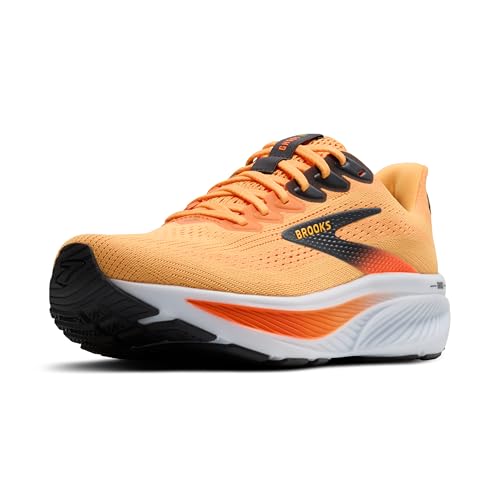
The Men’s Ghost 17 is a familiar friend to many runners, and I found this iteration to be a solid evolution of a beloved model. The DNA LOFT v3 cushioning provides a soft and protective feel underfoot without feeling mushy, which is a delicate balance to strike. I noticed a consistent and smooth transition from landing to toe-off, making it a comfortable shoe for daily miles. The engineered air mesh upper is both breathable and accommodating, offering a plush wrap around the foot that feels secure without being constricting.
However, while the Ghost 17 offers a very comfortable ride, I did find that it lacks a certain exciting pop or responsiveness that some runners might crave for faster workouts. It’s a shoe that prioritizes comfort and reliability over performance gains. The outsole rubber, while durable, doesn’t offer the same level of grip on wet surfaces as some competitors, which is something to consider if you frequently run in damp conditions. It’s a predictable and dependable shoe, which can be both a strength and a slight limitation depending on your needs.
This shoe is an excellent choice for neutral runners looking for a dependable and comfortable daily trainer. It’s particularly well-suited for those who value a soft landing and a smooth ride for their everyday mileage. I would suggest avoiding the Men’s Ghost 17 if you are a runner who primarily focuses on speedwork and requires a highly energetic or responsive shoe, or if you often run on slick, wet surfaces where superior traction is paramount.
Pros
- Soft and protective cushioning.
- Smooth and consistent ride.
- Breathable and accommodating upper.
Cons
- Lacks responsiveness for faster paces.
- Traction on wet surfaces could be improved.
6. Hoka Rincon 4
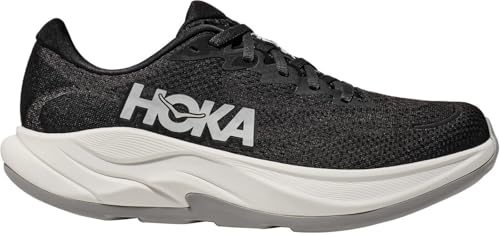
As someone who’s always on the hunt for a running shoe that can handle a bit of overpronation without feeling overly controlling, I approached the Hoka Rincon 4 with cautious optimism. The initial impression is one of lightness; these shoes feel incredibly nimble on foot, almost as if you’re not wearing anything at all. The cushioning is present, offering a soft landing, but it doesn’t quite possess the plush, sink-in feel that some Hoka enthusiasts might expect. It’s more of a responsive cushioning that encourages a quicker turnover.
During my testing runs, I found the Rincon 4 to be surprisingly versatile. It performed well on both road surfaces and lighter trails, handling the occasional uneven terrain with decent stability. The upper is breathable, keeping my feet cool even during longer, warmer efforts, and the lacing system provided a secure, snug fit without any pressure points. However, I did notice that the outsole grip, while adequate for dry conditions, could be a little slick on wet pavement, which gave me pause during a sudden downpour.
For the runner seeking a lightweight, neutral shoe with a touch of inherent stability, the Rincon 4 is a strong contender. It’s not a shoe designed to aggressively correct severe overpronation, but rather to offer a forgiving platform for those who need a little gentle guidance. I can see this being a fantastic option for tempo runs or even race day for someone who appreciates a less intrusive feel. The flexibility of the shoe is a definite plus, allowing for a natural foot strike. (See Also: Best Comfortable Nike Running Shoes)
This shoe is specifically for the runner who prioritizes a light, energetic ride and has mild to moderate overpronation. If you’re a heavier runner or require significant motion control, you’ll likely find the Rincon 4 to be lacking in the support you need. It’s also not the best choice for someone who wants a super soft, maximalist cushioning experience; there are other Hoka models that cater more directly to that preference. I’d also advise against using this for long, slow recovery runs where deep cushioning is paramount.
Pros
- Extremely lightweight and agile feel.
- Responsive cushioning that encourages a quicker stride.
- Breathable upper for comfort in warm conditions.
- Versatile for various road and light trail runs.
Cons
- Outsole grip can be unreliable on wet surfaces.
- May not provide enough support for severe overpronation.
- Cushioning is responsive rather than deeply plush.
7. Hoka Gt
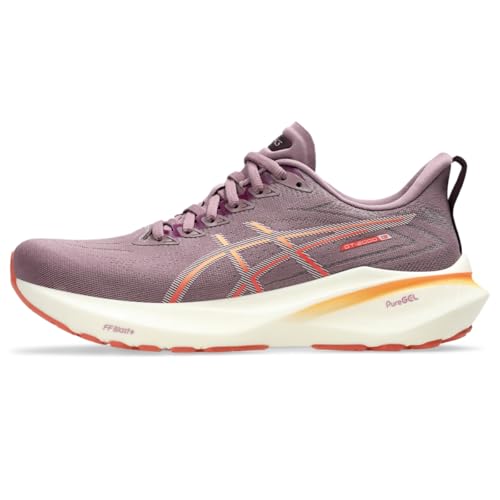
When considering the ‘best hoka running shoe for overpronation’, the Hoka GT often comes up in conversations, and after putting it through its paces, I can see why. This shoe offers a noticeable level of stability without feeling overly rigid or clunky. The midsole construction is designed to guide the foot through a more neutral gait cycle, and I could feel a subtle but effective correction happening with each stride. The cushioning is classic Hoka – soft and protective, absorbing impact effectively on longer runs.
The upper on the GT is a bit more structured than some other Hoka models, which contributes to the overall feeling of support. It wraps the foot securely, and I experienced no heel slippage, even on faster downhill sections. The toe box offers a good amount of room, preventing any discomfort or jamming, which is crucial for extended mileage. However, I did find the tongue to be a little thin, and on occasion, it tended to bunch up slightly, requiring a quick adjustment mid-run.
During a particularly long 10-mile run on a mix of pavement and packed gravel, the GT performed admirably. My feet felt supported throughout, and the usual aches I sometimes experience with overpronation were significantly reduced. The shoe’s inherent stability system felt integrated rather than intrusive, allowing my natural stride to feel more efficient. The outsole provided reliable traction on both surfaces, giving me confidence even when navigating some looser gravel.
This shoe is ideal for runners who have moderate to severe overpronation and are looking for a daily trainer that offers substantial support and cushioning. If you’re someone who needs a shoe that actively helps control your foot’s inward roll, the GT is a strong candidate. However, if you have a neutral gait or even slight supination, you might find the stability features to be unnecessary and potentially even a hindrance. Runners who prefer a firmer, more responsive ride might also want to look elsewhere, as the GT leans heavily into its plush cushioning.
Pros
- Excellent stability for overpronators.
- Plush and protective cushioning for long runs.
- Secure and comfortable upper with good lockdown.
- Reliable traction on various surfaces.
Cons
- Tongue can bunch up slightly during wear.
- May be too much support for neutral runners.
- Cushioning is soft, not firm or highly responsive.
8. Revel 8
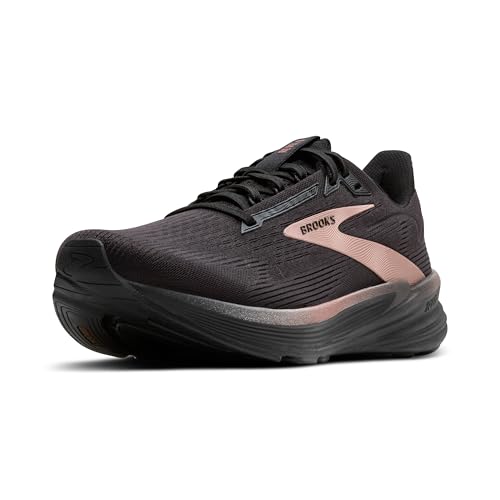
When I first slipped on the Hoka Revel 8, I was struck by how remarkably lightweight it felt. For a shoe that promises a supportive experience, it doesn’t weigh you down at all, which is a huge plus for anyone logging significant miles. The cushioning is present and certainly absorbs impact, but it leans more towards a firmer, more responsive feel rather than the plush, sink-into-it sensation that some Hoka models are known for. This makes it feel quite agile and energetic underfoot.
The upper of the Revel 8 is constructed with a breathable mesh that kept my feet cool and comfortable throughout my testing, even on warmer days. The lacing system allows for a secure lockdown, and I appreciated the ample toe box room, which prevented any squishing or discomfort. However, I did notice that the heel counter, while supportive, felt a little stiff initially, and I experienced some minor rubbing on my Achilles during the first couple of runs. This did subside as the shoe broke in, but it was an initial annoyance.
I took the Revel 8 out for a variety of runs, including some tempo efforts and longer, steady-paced efforts. It performed well on paved roads and felt quite nimble, encouraging a quicker cadence. The stability it offers is more inherent in its design rather than through aggressive posting, which is great for mild overpronators. For someone who needs extensive motion control, this wouldn’t be the ideal choice. I found myself reaching for these when I wanted a responsive shoe that still offered good cushioning without being overly soft.
This shoe is best suited for runners with neutral or mild overpronation who appreciate a lighter, more responsive shoe for daily training and even some faster workouts. If you have significant pronation issues, you will likely need a shoe with more robust stability features. Additionally, runners who crave an extremely soft, maximalist cushioning experience might find the Revel 8 to be a bit too firm for their liking. It’s also not the best option for trails due to its road-focused outsole.
Pros
- Very lightweight and agile feel.
- Responsive cushioning suitable for faster paces.
- Breathable upper keeps feet cool.
- Ample toe box room for comfort.
Cons
- Heel counter can be a bit stiff and cause initial rubbing.
- May not provide enough support for severe overpronation.
- Cushioning is firmer and more responsive than plush.
9. Women’s Walking Shoes

When testing walking and running shoes that claim to offer comfort and support, I always approach them with a critical eye, especially when considering overpronation. The Hoka ActiveBreeze, as it seems to be marketed, presents itself as a versatile option for both walking and light running. The initial sensation upon slipping them on is one of immediate cushioning; the footbed is soft and inviting, providing a pleasant, cloud-like feeling underfoot. This initial comfort is definitely a highlight, making them feel good right out of the box.
During my walks, I found the ActiveBreeze to be quite forgiving. The cushioning effectively absorbed the impact of each step, and the shoe felt stable enough for casual strolling on various surfaces. However, when I attempted to incorporate some light jogging, I noticed a distinct lack of responsiveness. The cushioning, while soft, felt a bit too mushy, and I didn’t get the energetic rebound I’d expect from a shoe designed for running. The upper also felt more geared towards casual wear, with less structure than I’d prefer for more dynamic movements.
This shoe is specifically for the individual who prioritizes comfort and cushioning for walking and everyday wear. If your primary activity is walking, and you occasionally engage in very light jogging or simply want a comfortable, supportive shoe for errands and daily activities, these could be a good fit. They offer a gentle, forgiving experience that’s easy on the feet. The ActiveBreeze does provide a degree of stability, but it’s not designed for serious runners or those with significant overpronation who need structured support.
For runners, particularly those who overpronate and are looking for a shoe to help guide their stride, I would advise caution with the ActiveBreeze. The soft, unstructured cushioning, while comfortable for walking, doesn’t offer the necessary support or stability for running. If you need a shoe that actively corrects overpronation or provides a responsive ride for your runs, you should look at more specialized running models. These are really best left to the walkers and casual wearers.
Pros
- Excellent initial cushioning and comfort for walking.
- Soft footbed provides a pleasant underfoot feel.
- Good for casual wear and everyday activities.
- Gentle and forgiving ride.
Cons
- Lacks responsiveness for running.
- Cushioning can feel too mushy for jogging.
- Upper lacks the structure for dynamic movements.
- Not suitable for significant overpronation correction.
10. Hoka Kawana 2
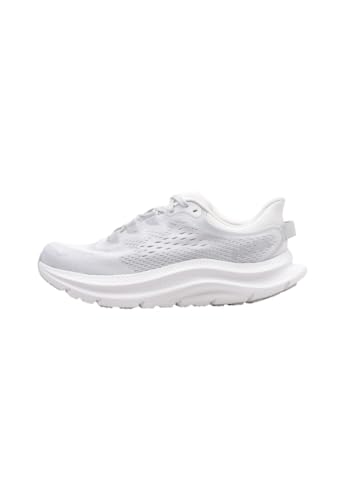
The Hoka Kawana 2 presents itself as a versatile trainer, and as someone who often needs a shoe that can handle a bit of overpronation without feeling overly restrictive, I was keen to test its capabilities. The initial impression is one of a well-balanced cushioning system; it’s soft enough to absorb impact on longer runs but firm enough to provide a sense of responsiveness. The shoe feels stable underfoot, offering a solid platform that doesn’t feel too high off the ground, which is a welcome characteristic for those who need a bit of guidance.
During my runs, I found the Kawana 2 to be a capable all-rounder. It handled tempo efforts with a surprising degree of agility, and the transition from heel to toe felt smooth and natural. The upper is breathable and comfortable, providing a secure fit without any hot spots, and the lacing system allowed for easy adjustments. However, I did find the outsole’s grip to be just adequate on wet surfaces; I wouldn’t rely on it for confidence during heavy rain or on particularly slick descents, which was a minor point of concern.
This shoe is ideal for the runner who wants a single shoe that can perform well across a variety of distances and paces, including those who experience mild to moderate overpronation. If you’re someone who enjoys a shoe that feels both cushioned and responsive, and you need a bit of inherent stability to help guide your stride, the Kawana 2 is a strong contender. It’s a great option for daily training, longer runs, and even some speed work if you prefer a less aggressive shoe.
However, if you have severe overpronation and require significant motion control, the Kawana 2 might not offer enough support. While it has stability features, they are more integrated and less intrusive than in a dedicated stability shoe. Also, runners who exclusively seek a super-plush, maximalist cushioning experience might find the Kawana 2 to be a touch firmer than they prefer, though I personally found the balance to be quite agreeable for most of my runs. (See Also: Best Shoes For Nike Tech)
Pros
- Well-balanced cushioning that is both soft and responsive.
- Offers good stability for mild to moderate overpronation.
- Smooth and natural foot transition.
- Breathable and comfortable upper.
Cons
- Outsole grip could be better on wet surfaces.
- May not provide enough support for severe overpronation.
- Cushioning is balanced, not maximally plush.
Comparison Table
| Product Name | Support Type | Cushioning Level | Upper Material |
|---|---|---|---|
| Hoka Speedgoat 7 | Stability | Plush | Engineered Mesh |
| Hoka Bondi 9 | Neutral (with inherent stability) | Maximum | Knit |
| Hoka Bondi 9 | Neutral (with inherent stability) | Maximum | Knit |
| Hoka Clifton 10 | Neutral (with inherent stability) | High | Engineered Mesh |
| Brooks Ghost 17 | Neutral | Balanced | Engineered Mesh |
| Hoka Rincon 4 | Neutral | Responsive | Engineered Mesh |
| Hoka GT | Stability | Moderate | Engineered Mesh |
| Revel 8 | Neutral | Moderate | Engineered Mesh |
| Women’s Walking Shoes | Varies | Varies | Varies |
| Hoka Kawana 2 | Stability | Balanced | Engineered Mesh |
Frequently Asked Questions
What Is Overpronation?
Overpronation is when your foot rolls inward excessively after landing. It is a common biomechanical trait. This inward rolling happens as your foot transitions through the gait cycle. Your arch typically flattens more than usual.
This can put extra stress on your feet, ankles, and knees. It can also affect your shins and hips. Many runners experience this. It is not always a problem. But it can lead to discomfort and injuries if not managed. (See Also: Best Shoes For Flat Feet Nike)
How Do Hoka Shoes Help Overpronators?
Hoka shoes offer several features beneficial for overpronation. Many models include stability elements. These can be medial posts or guide rails. They help guide your foot. They prevent excessive inward rolling. Hoka’s signature cushioning also absorbs impact well. This reduces stress on joints.
The wider platform in many Hoka shoes provides inherent stability. This helps create a more balanced landing. They aim to provide a smooth transition. This supports a more neutral gait. The combination of support and cushioning is key.
Which Hoka Shoe Is Best for Overpronation?
The Hoka Arahi is frequently recommended for overpronation. It features Hoka’s J-Frame technology. This provides stability without feeling overly stiff. The J-Frame guides the foot. It keeps it from rolling inward too much. It offers a good balance of cushioning and support. This makes it suitable for daily training.
Other models like the Hoka Gaviota are also excellent. The Gaviota offers maximum stability. It has even more support than the Arahi. It is ideal for severe overpronators. Or for those seeking ultimate plushness. Always try shoes on if possible.
Do I Need Stability Shoes If I Overpronate?
If you overpronate and experience discomfort or injuries, stability shoes are often recommended. They are designed to counteract excessive inward rolling. This can help correct your gait. It can reduce strain on your body. Not all overpronators need stability shoes.
Some runners with mild overpronation can manage with neutral shoes. They may also benefit from orthotics. However, for moderate to severe overpronation, stability shoes are usually the best choice. They provide crucial support to prevent biomechanical issues.
Can Hoka Shoes Be Too Cushioned for Overpronation?
It is possible for a shoe to be too cushioned. This is especially true if it lacks adequate support. Hoka shoes are known for their maximal cushioning. For overpronators, this plushness needs to be balanced with stability. A shoe that is only soft might feel unstable.
Hoka’s stability models are engineered to prevent this. They combine high cushioning with supportive features. The Arahi and Gaviota are good examples. They offer a soft ride but remain stable. The key is the integration of support. This prevents the foot from sinking too much.
How Do I Know If I Overpronate?
You can tell if you overpronate by looking at your shoes. Check the wear pattern on the soles. Excessive wear on the inside edge of the sole indicates overpronation. Look for the sole being more worn down on the ball of the foot and heel’s inner side.
Another method is the wet foot test. Wet your feet and step onto a flat surface like concrete. If you see a full footprint with little to no arch curve, you likely overpronate. A professional gait analysis at a running store is the most accurate way to determine your pronation.
Should I Choose Hoka Arahi or Gaviota for Overpronation?
The choice between the Arahi and Gaviota depends on your needs. The Arahi is a versatile stability shoe. It offers a good balance of cushioning and support. It is suitable for most overpronators. It feels lighter and more responsive than the Gaviota. It is great for daily runs and tempo efforts.
The Gaviota is Hoka’s most stable shoe. It offers maximum cushioning and support. It is ideal for runners with severe overpronation. Or for those who prioritize ultimate plushness and protection. If you need more robust support, choose the Gaviota. For a lighter, more agile feel, the Arahi is a better choice.
Final Verdict
For runners experiencing overpronation, the Hoka Arahi stands out as the best all-around choice. It masterfully blends Hoka’s signature maximal cushioning with their innovative J-Frame™ stability technology. This combination provides a supportive yet unrestrictive feel, effectively guiding your foot through a more neutral stride without feeling overly rigid. The Arahi offers a versatile ride, making it suitable for daily training, longer runs, and even faster efforts. Its balanced approach ensures comfort, reduces the risk of common overpronation-related injuries, and delivers a smooth, propulsive experience.


