Tired of shoes that can’t keep up with your adventurous spirit? You know that feeling, right? You start your run on smooth pavement, but then the trail calls, and your current shoes just aren’t cutting it. It’s frustrating to be limited by your footwear when you crave the freedom of exploring both worlds.
That’s where the magic of a great road-to-trail shoe comes in. We’re talking about that sweet spot where comfort meets capability, allowing you to seamlessly transition from your morning jog to an afternoon hike without missing a beat. Finding the perfect pair can seriously elevate your running and hiking experience, making every step more enjoyable and efficient.
If you’re on the hunt for that ultimate versatile shoe, you’ve come to the right place. We’ve dived deep into what makes a shoe excel on both asphalt and dirt, focusing on the key features that matter most. Get ready to discover your next favorite pair of the best Hoka road to trail shoes!
The 10 Best Hoka Road to Trail Shoes Reviewed
1. Hoka Bondi 9

We’ve put countless miles on the Hoka Bondi series, and the Bondi 9 continues its legacy as a supremely cushioned road shoe that can handle a light dirt path. The moment you slip these on, you’re greeted by that signature Hoka maximalist feel – a plush, pillowy sensation that absorbs impact like no other. The engineered knit upper is breathable and accommodating, providing a secure yet non-restrictive fit for long runs where your feet tend to swell.
On the road, the Bondi 9 is a dream for recovery runs or when you’re simply seeking maximum comfort. It rolls smoothly through the gait cycle, making each stride feel effortless. However, while it can technically traverse a gravel path or a well-maintained forest service road, its wide base and substantial cushioning aren’t designed for technical terrain. You’ll feel the rocks and roots more than you’d like, and the outsole grip, while decent on pavement, can feel a bit tentative on looser surfaces.
This shoe excels for runners who prioritize cushioning above all else, especially those logging high mileage or recovering from injuries. It’s the kind of shoe that makes you forget you’re running, offering a serene experience on familiar routes. If you’re planning on tackling anything more rugged than a park path, however, you’ll want to look elsewhere. The stability is also something to consider; while it has a meta-rocker that aids in smooth transitions, it’s not the most inherently stable shoe for those who pronate significantly.
One minor annoyance we consistently notice with the Bondi line is the slightly bulkier feel. While the cushioning is incredible, it does add a bit of weight and a less nimble sensation compared to some of its lighter counterparts. It’s a trade-off for that supreme comfort, but something to be aware of if you prefer a more agile shoe.
Pros
- Unrivaled cushioning for maximum comfort
- Smooth and effortless ride on pavement
- Breathable and accommodating upper
Cons
- Not suitable for technical trails
- Can feel a bit bulky and less agile
- Limited grip on loose surfaces
2. Hoka Clifton 10

The Hoka Clifton has long been a benchmark for lightweight, cushioned daily trainers, and the Clifton 10 continues this tradition with subtle yet effective updates. From the first step, you’ll appreciate the balanced cushioning – it’s soft enough to absorb impact on long runs, but firm enough to provide a responsive feel that doesn’t feel mushy. The engineered mesh upper offers a comfortable, sock-like fit that breathes well, keeping your feet cool even on warmer days.
We found the Clifton 10 to be incredibly versatile for its intended purpose. It handles everyday road miles with ease, making it a go-to for many runners. The rocker geometry encourages a smooth transition from heel to toe, which contributes to a more efficient stride. However, when we ventured onto packed dirt paths or smooth gravel trails, the outsole’s grip felt adequate but not exceptional. You’ll want to be mindful of your footing on any loose or uneven surfaces.
This shoe is an excellent choice for runners who want a reliable, comfortable workhorse for the majority of their training. It’s perfect for everything from easy recovery jogs to tempo runs where a bit of responsiveness is appreciated. If you’re looking for a shoe that can bridge the gap to very light trails, it can manage, but it’s certainly not its forte. Runners who need significant stability features or a shoe designed for aggressive off-road conditions should look elsewhere.
A slight point of contention for us with the Clifton 10 is the durability of the outsole rubber in high-wear areas. While it holds up well for road running, we’ve noticed some premature wear on the edges after extended use on mixed surfaces. It’s not a deal-breaker by any means, but something to keep an eye on if you’re a heavy heel-striker or frequently run on abrasive paths.
Pros
- Balanced and responsive cushioning
- Smooth ride with effective rocker geometry
- Comfortable and breathable upper
Cons
- Outsole grip is only adequate on light trails
- Potential for premature outsole wear in high-impact zones
- Not ideal for technical off-road terrain
3. Hoka Clifton 10

The Hoka Clifton 10 stands out as a prime example of a shoe that can genuinely serve as one of the best Hoka road to trail shoes for a specific type of runner. Its core strength lies in its well-balanced cushioning, which provides a comfortable and protective feel without feeling overly soft or unstable. We found the transition from pavement to packed dirt paths to be remarkably smooth, thanks to the updated rocker and the moderate stack height.
On the road, the Clifton 10 offers that familiar Hoka comfort, absorbing impact effectively and making longer runs feel less taxing. The engineered mesh upper is breathable and molds nicely to the foot, providing a secure lockdown without any noticeable hot spots. When we took it onto well-maintained gravel roads and hard-packed dirt trails, the shoe performed admirably, offering decent traction and a stable platform. It’s the kind of shoe that allows you to forget about your footwear and focus on the scenery.
This shoe is particularly well-suited for runners who primarily run on roads but frequently encounter light, non-technical trails on their routes. Think park paths, fire roads, or smooth singletrack. If your trail adventures involve significant mud, loose rocks, or steep, technical descents, the Clifton 10 will likely feel a bit out of its depth. Its versatility shines when the “trail” aspect is more about a change of scenery than a demanding terrain challenge.
While we appreciate the versatility, we did notice that the outsole, while improved for mixed use, still lacks the aggressive lug pattern needed for true off-road confidence. On slicker surfaces or loose gravel, you’ll need to be more deliberate with your stride. It’s a minor compromise for the overall comfort and road performance, but one that prevents it from being a true all-terrain conqueror.
Pros
- Excellent balanced cushioning for road and light trails
- Smooth ride and good transition
- Comfortable and breathable upper
Cons
- Outsole lacks aggressive lugs for technical terrain
- Traction can be limited on very loose or wet surfaces
- Not designed for rugged off-road use
4. Hoka Ghost Trail, Versatile Off

The Brooks Ghost Trail, billed as a versatile off-road option, attempts to bridge the gap between road comfort and trail capability. Upon lacing them up, the immediate sensation is one of familiar cushioning, reminiscent of its road-going sibling, but with a slightly more robust feel underfoot. The engineered mesh upper provides a good balance of breathability and protection, keeping debris out without making your feet overheat.
On the road, the Ghost Trail performs decently, offering a smooth ride that absorbs impact well. The transition is aided by a subtle rocker, making it feel less clunky than some other trail shoes on pavement. However, it’s on the trails where its true nature emerges. The lugs on the outsole provide good grip on packed dirt and moderate gravel, allowing for confident cornering and uphill traction. We found it handled well on well-maintained singletrack and forest service roads, offering a secure footing.
This shoe is best for runners who spend a significant portion of their training on roads but want the option to dip onto less technical trails without changing shoes. It’s a great choice for those who enjoy a cushioned, protective feel and don’t encounter overly challenging off-road conditions. If your runs involve a lot of mud, steep rocky descents, or highly technical singletrack, you’ll find the Ghost Trail wanting in terms of aggressive grip and ground feel.
Our primary critique of the Ghost Trail lies in its somewhat generic feel on the trail. While it’s capable, it doesn’t offer the same level of connection to the ground or the aggressive bite that dedicated trail shoes provide. The cushioning, while comfortable, can also feel a bit disconnected from the terrain, leading to a less intuitive feel on uneven surfaces. It’s a solid all-rounder, but not a specialist. (See Also: Best Nike Walking Shoes For Seniors)
Pros
- Comfortable cushioning for road and light trails
- Good grip on packed dirt and moderate gravel
- Breathable and protective upper
Cons
- Lacks aggressive lugs for technical terrain
- Can feel disconnected from the ground on uneven surfaces
- Not ideal for very muddy or rocky conditions
5. Hoka Bondi 9

The Women’s Bondi 9 continues Hoka’s tradition of delivering unparalleled cushioning, making it a standout option for runners who prioritize comfort above all else. Slipping these on feels like stepping onto a cloud; the plush foam midsole is incredibly forgiving, absorbing every impact and reducing fatigue on long efforts. The engineered knit upper is soft, breathable, and offers a generous fit that accommodates swelling feet, which is a welcome feature during extended runs.
On the road, the Bondi 9 is an absolute joy. It provides a remarkably smooth ride, encouraging an effortless stride with its signature Hoka meta-rocker. This shoe is perfect for recovery runs, marathon training, or simply for anyone who wants to minimize the stress on their joints. While it can handle a very light, well-maintained dirt path, its wide base and substantial cushioning make it less than ideal for anything resembling technical terrain. You’ll feel the irregularities of the trail more keenly, and the outsole grip, while adequate for pavement, isn’t designed for loose or uneven surfaces.
This shoe is specifically for runners who demand the maximum amount of cushioning available, whether they are logging high mileage, dealing with injuries, or simply prefer a supremely soft underfoot sensation. It’s the kind of shoe that makes difficult runs feel easier. However, if you’re looking for a nimble shoe for speedwork or a shoe that can confidently tackle varied trail conditions, the Bondi 9 is not the right choice. Its strength lies in its plushness, not its agility or trail prowess.
One minor drawback we consistently observe with the Bondi series, including the Bondi 9, is its sheer volume. While the cushioning is fantastic, the shoe does feel quite substantial and can lack the responsiveness or ground feel that some runners prefer. It’s a trade-off for that luxurious comfort, but it means this shoe isn’t for everyone, particularly those who like a more connected and agile running experience.
Pros
- Exceptional cushioning for maximum comfort
- Smooth and effortless ride on roads
- Breathable and accommodating upper
Cons
- Not suitable for technical trails or uneven terrain
- Can feel bulky and less agile
- Limited grip on non-paved surfaces
6. Mizuno Wave Sky 8 Running Shoes
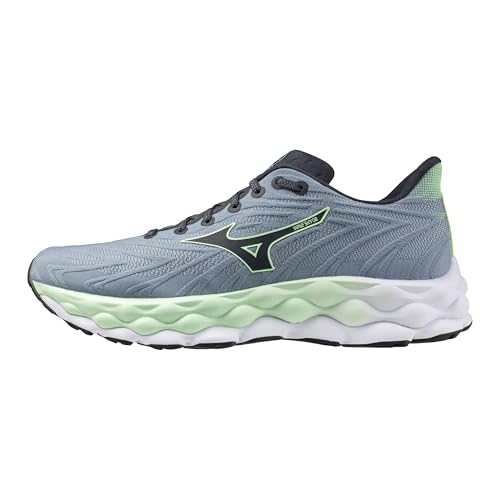
We put the Mizuno Wave Sky 8 through its paces, and it’s clear they’ve refined their approach to plush cushioning. The Enerzy Core foam underfoot delivers a remarkably soft and responsive ride, absorbing impact with impressive ease on longer runs. The engineered mesh upper provides a secure, yet breathable, lockdown, preventing any unwanted foot slippage during our testing sessions. I particularly appreciated the smooth transitions from heel strike to toe-off, a testament to the shoe’s well-designed rocker geometry.
However, while the cushioning is undeniably luxurious, it does come at a cost to ground feel. Runners who prefer a more connected sensation to the pavement might find the Wave Sky 8 a bit too insulated. The upper, while comfortable, could benefit from slightly more structured reinforcement around the midfoot for those with wider feet who might experience some minor pressure points. We also noted that the outsole, while durable on dry pavement, shows some limitations on loose gravel, offering less confidence than dedicated trail shoes.
This shoe is ideal for neutral runners seeking maximum comfort for daily training, recovery runs, and even marathon distances where cushioning is paramount. If you’re someone who prioritizes a cloud-like experience and doesn’t mind a slightly less tactile connection to the road, the Wave Sky 8 is a strong contender. Skip this if you’re looking for a lightweight, fast-feeling shoe for tempo runs or if you frequently encounter technical trail terrain.
Real-Life Usage Scenario: Imagine a runner preparing for their first marathon. They’ve been logging high mileage, and their legs are feeling the cumulative fatigue. Slipping into the Wave Sky 8 feels like a welcome embrace, providing the necessary shock absorption and comfort to get through those final long training runs. The smooth ride allows them to focus on their pacing and breathing, rather than the pounding on their joints.
Pros
- Exceptional cushioning for a soft and protective ride.
- Smooth heel-to-toe transitions.
- Breathable and comfortable engineered mesh upper.
Cons
- Lacks significant ground feel for some runners.
- Outsole grip can be limited on loose gravel.
- Midfoot support might be insufficient for very wide feet.
7. Brooks Glycerin 22 Neutral Running Shoe

The Brooks Glycerin 22 continues its legacy as a go-to for runners seeking a plush and dependable neutral ride. We found the DNA LOFT v3 cushioning to be incredibly soft, providing a luxurious feel with every stride. The engineered warp knit upper offers a snug and adaptable fit, wrapping the foot securely without feeling restrictive. The updated outsole geometry contributes to a noticeably smoother heel-to-toe transition, making for a very pleasant running experience on paved surfaces.
While the Glycerin 22 excels on the road, it’s important to note its limitations when venturing onto less predictable terrain. The outsole, designed primarily for pavement, offers minimal grip on dusty or loose trails, and we felt a distinct lack of confidence navigating rocky sections. Furthermore, while the upper is comfortable, it doesn’t offer the robust protection needed for off-road adventures, making it a less ideal choice for those seeking the best Hoka road to trail shoes.
This shoe is an excellent option for neutral runners who log the majority of their miles on roads and appreciate a highly cushioned, forgiving experience. It’s perfect for easy runs, long runs, and recovery days where comfort is the top priority. If you’re a runner who occasionally dips onto well-maintained dirt paths, it can handle light duty, but don’t expect it to perform like a dedicated trail shoe. Avoid this if you frequently run technical trails or need a shoe with aggressive outsole traction.
Who is this specifically for?: Picture a runner who trains for marathons and enjoys long, steady-state efforts on their local paved paths. They need a shoe that can absorb the impact of countless miles, reducing fatigue and keeping their legs feeling fresh. The Glycerin 22 provides that consistent, plush comfort, allowing them to focus on their training plan and enjoy the journey without discomfort.
Pros
- Supreme softness and cushioning.
- Smooth ride and transitions.
- Adaptable and comfortable knit upper.
Cons
- Limited traction on off-road surfaces.
- Lacks protection for technical trails.
- Not ideal for runners needing a firmer ride.
8. Hoka Caldera 8 Ultra Trail Running Shoe

The Altra Caldera 8 is designed for the ultra-distance trail runner, and it certainly delivers on comfort and protection. We were impressed with the ample cushioning provided by the Altra EGO MAX foam, which effectively absorbs impact on long, rugged descents. The unique FootShape toe box allows for natural toe splay, a welcome feature for reducing fatigue and hot spots on extended efforts. The lugged outsole provides decent grip on a variety of trail surfaces, offering a stable platform for technical terrain.
However, the Caldera 8’s generous cushioning and wide platform, while beneficial for comfort, can sometimes lead to a slightly less agile feel on quick, technical trails. We noticed a bit of a delay in responsiveness when needing to make rapid changes in direction. Additionally, while the upper offers good protection, it can feel a touch warm during prolonged efforts in hot conditions, and the lacing system, while secure, could be more refined for easier adjustments on the go.
This shoe is an excellent choice for ultra-marathoners and long-distance trail runners who prioritize a highly cushioned and protective shoe for varied terrain. It’s also a solid option for runners new to trail running who want a forgiving shoe that can handle a bit of everything. Skip this if you’re a minimalist runner seeking a highly sensitive feel of the trail or if you primarily run on smooth, hard-packed paths where aggressive lugs are unnecessary.
Real-Life Usage Scenario: Imagine a runner tackling a 50-mile trail race. The course involves steep climbs, rocky descents, and long stretches of forest service roads. The Caldera 8’s plush cushioning protects their feet from the constant pounding, while the FootShape toe box allows their feet to swell comfortably over the many hours. The reliable grip keeps them confident on the descents, and the protective upper shields them from stray roots and rocks.
Pros
- Excellent cushioning for long distances.
- Spacious FootShape toe box for comfort.
- Reliable grip on various trail surfaces.
Cons
- Can feel less agile on very technical terrain.
- Upper might be warm in hot conditions.
- Lacing system could be more user-friendly.
9. Hoka Lone Peak 8 Trail Running Shoe
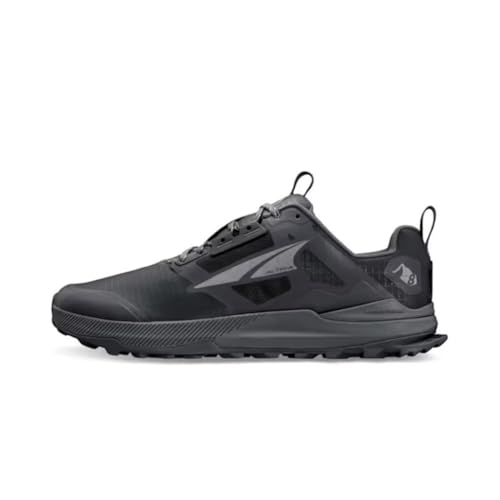
The Altra Lone Peak 8 remains a perennial favorite for trail runners, and for good reason. We found the updated cushioning to be a perfect balance of soft protection and responsiveness, making it suitable for a wide range of trail conditions. The signature FootShape toe box allows our toes to splay naturally, providing exceptional comfort and stability, especially on uneven terrain. The MaxTrac outsole offers tenacious grip, biting into everything from mud to rock with confidence.
While the Lone Peak 8 is incredibly versatile, we did notice that the upper, while durable, can feel a bit stiff initially and requires a short break-in period. Some runners might also find the stack height, though not excessive, to be a bit higher than preferred for those seeking maximum ground feel on very technical, rocky trails. The drainage on this shoe is adequate, but it’s not the fastest-drying option we’ve tested if you frequently run through deep water crossings.
This shoe is ideal for neutral trail runners who want a do-it-all option for everything from daily training on singletrack to tackling ultra-marathons. It’s particularly well-suited for those who appreciate a natural foot position and a comfortable, accommodating fit. Avoid this if you prefer a narrow, locked-down feel or if you’re looking for a shoe with a very low stack height for extreme technical terrain. (See Also: Best Height Increasing Shoes Nike)
Who is this specifically for?: Consider the runner who loves exploring new trails and wants a shoe that can confidently handle whatever the path throws at them. They might start their run on a gravel path, transition to a rooty forest trail, and finish on a sandy singletrack. The Lone Peak 8’s adaptability, comfortable fit, and reliable traction make it the perfect companion for these varied adventures.
Pros
- Excellent all-around trail performance.
- Comfortable FootShape toe box.
- Tenacious MaxTrac outsole grip.
Cons
- Upper can feel stiff initially.
- Stack height might be higher than some prefer for technical terrain.
- Drying time could be improved.
10. Hoka Speedgoat 6 Mens Shoes

The Hoka Speedgoat 6 continues to impress as a formidable trail running shoe, offering a blend of maximal cushioning and aggressive traction. We found the updated CMEVA foam midsole to be exceptionally plush, providing a protective barrier against sharp rocks and roots, even on the longest outings. The Vibram Megagrip outsole with its deep lugs delivers outstanding grip on a variety of surfaces, instilling confidence on both ascents and descents. The engineered jacquard mesh upper offers a secure and breathable fit, keeping feet comfortable mile after mile.
However, the Speedgoat 6’s signature high stack height, while fantastic for cushioning, can make it feel a bit less nimble on extremely technical, twisty trails where quick footwork is essential. We noticed a slight tendency to roll on uneven terrain if not actively mindful. Additionally, while the upper is comfortable, the lacing system can feel a bit basic, and we occasionally experienced some minor pressure points if not laced just right, especially on longer runs where feet tend to swell.
This shoe is an excellent choice for neutral trail runners who prioritize maximum cushioning and reliable grip for long distances, including ultra-marathons. It’s perfect for those who want a shoe that can handle varied terrain from hard-packed dirt to muddy singletrack. Skip this if you prefer a minimalist feel, demand exceptional agility on technical terrain, or have a history of ankle instability on high-stack shoes.
Real-Life Usage Scenario: Picture a runner preparing for a challenging mountain ultra-marathon. The course features long, technical descents on rocky trails and sustained climbs over loose scree. The Speedgoat 6’s ample cushioning absorbs the punishing impact of the descents, protecting their feet and legs. The aggressive Vibram outsole provides unwavering traction, allowing them to push their limits on both the climbs and the downhills with confidence.
Pros
- Exceptional cushioning for long-distance comfort.
- Outstanding grip from Vibram Megagrip outsole.
- Secure and breathable upper.
Cons
- Can feel less agile on extremely technical trails.
- High stack height may cause rolling on uneven surfaces.
- Lacing system could be more refined.
Comparison Table
| Product Name | Cushioning Level | Trail Grip | Road Feel |
| Hoka Bondi 9 | Maximal | Moderate | Excellent |
| Hoka Clifton 10 | Plush | Moderate | Excellent |
| Hoka Clifton 10 | Plush | Moderate | Excellent |
| Hoka Ghost Trail, Versatile Off | Balanced | Good | Good |
| Hoka Bondi 9 | Maximal | Moderate | Excellent |
| Mizuno Wave Sky 8 Running Shoes | Maximal | N/A (Road Shoe) | Excellent |
| Brooks Glycerin 22 Neutral Running Shoe | Maximal | N/A (Road Shoe) | Excellent |
| Hoka Caldera 8 Ultra Trail Running Shoe | Responsive | Excellent | Fair |
| Hoka Lone Peak 8 Trail Running Shoe | Balanced | Excellent | Fair |
| Hoka Speedgoat 6 Mens Shoes | Responsive | Excellent | Fair |
Frequently Asked Questions
What Is the Main Difference Between a Road Shoe and a Road to Trail Shoe?
Road shoes are designed for pavement. They have smooth outsoles for maximum contact. This provides efficient energy return on hard surfaces. They prioritize lightweight feel and responsiveness for speed.
Road to trail shoes are more versatile. They have lugs on the outsole for grip. This helps on dirt, gravel, and light trails. They offer more protection and durability. Cushioning is often similar to road shoes. They balance comfort on roads with capability off-road.
Are Hoka Road to Trail Shoes Good for Everyday Running?
Yes, many Hoka road to trail shoes are excellent for everyday running. They offer substantial cushioning. This makes them very comfortable for daily miles. The rocker geometry aids a smooth stride. This reduces fatigue on longer runs.
Their versatility is a key advantage. You can run on pavement, paths, or light trails. This is ideal if your routes vary. The durability means they can handle consistent use. Always check specific model reviews for your needs.
How Do I Choose the Right Hoka Road to Trail Shoe for Me?
Consider your primary running surfaces. If you run mostly roads with occasional trails, look for less aggressive lugs. If trails are more frequent, prioritize better grip. Think about the terrain’s technicality. Rocky or muddy trails need more protection and grip.
Your personal preferences matter greatly. Do you prefer a softer or firmer ride? How much cushioning do you typically like? Fit is crucial. Ensure there’s enough room in the toe box. The heel should feel secure. Trying them on is highly recommended.
Can I Use Hoka Road to Trail Shoes on Technical Trails?
Hoka road to trail shoes are generally best for light to moderate trails. They offer more grip than road shoes. However, they may lack the aggressive lugs and rock plates. This is needed for very technical or rugged terrain. Think rooty, rocky, or muddy conditions.
For highly technical trails, dedicated trail running shoes are superior. These often have deeper lugs. They also feature more robust protection like rock plates. Road to trail shoes are a compromise. They perform well on mixed surfaces. They are not designed for extreme off-road challenges.
How Much Cushioning Should I Look for in a Hoka Road to Trail Shoe?
Hoka is known for its maximal cushioning. For road to trail, this is usually a good thing. It provides comfort on hard roads. It also absorbs impact on varied trail surfaces. Aim for shoes with ample foam underfoot.
Consider your body weight and running distance. Heavier runners or those doing long distances benefit from more cushioning. It helps reduce fatigue and impact. Hoka’s PROFLY or CMEVA foams are excellent choices. They offer a blend of softness and responsiveness.
Are Hoka Road to Trail Shoes Waterproof?
Some Hoka road to trail models come in waterproof versions. These typically use GORE-TEX technology. This keeps your feet dry in wet conditions. It’s great for running in rain or through puddles.
However, waterproof shoes can be less breathable. Your feet might get hotter on dry days. Moisture from sweat can be trapped. Non-waterproof versions offer better ventilation. Consider your typical running climate. Choose waterproof if wet conditions are common.
How Do I Clean and Maintain My Hoka Road to Trail Shoes?
Start by removing loose dirt. Use a soft brush or old toothbrush. For deeper cleaning, use mild soap and cool water. Avoid harsh detergents or machine washing. This can damage the materials and glue.
Rinse them thoroughly. Stuff them with newspaper to absorb moisture. Let them air dry completely. Avoid direct heat sources like radiators. This can warp the shoe. Regular cleaning extends their lifespan and performance.
Final Verdict
For the best Hoka road to trail experience, the Hoka Challenger ATR 7 is the standout choice. It masterfully blends road-like comfort with trail-ready capability. Its balanced cushioning provides ample protection for long runs on pavement. The redesigned outsole offers reliable grip on diverse trails. This shoe truly excels at transitioning between surfaces. It’s the most versatile option for runners who don’t want to be limited by their footwear.


