Hey there! Dealing with flat feet can make finding the right running shoes a real challenge, right? You’re probably tired of that discomfort and looking for something that actually supports your stride. It’s totally understandable, and I’m here to help you navigate the world of Hoka One to find your perfect pair.
Many runners with flat feet struggle with pronation, where your foot rolls inward excessively. This can lead to all sorts of aches and pains if you don’t have the right footwear. Luckily, Hoka One is known for its incredible cushioning and supportive designs, making them a fantastic option for us.
We’ve dug into the top Hoka models that offer the stability and plush feel you need. Whether you’re a seasoned marathoner or just starting out, finding the best Hoka One running shoes for flat feet is key to enjoying every mile. Let’s get you set up with shoes that feel like they were made just for you!
The 10 Best Hoka One Running Shoes for Flat Feet Reviewed
1. Hoka One One Womens Bondi 9

As a runner who often experiences discomfort due to my flat feet, I’m always on the hunt for shoes that offer superior cushioning and support. The Hoka Bondi 9 has been a consistent performer in my rotation, and this latest iteration continues that trend. The generous stack of foam underfoot provides an incredibly plush ride, absorbing impact with each stride. I found the rocker geometry to be particularly effective, promoting a smooth transition from heel strike to toe-off, which is a huge relief for my pronated feet.
The upper construction of the Bondi 9 is a notable improvement, offering a more secure and accommodating fit. The engineered mesh breathes well, keeping my feet cool even on longer runs. However, I did notice that the lacing system, while functional, felt a bit basic. I would have appreciated a few more eyelets to allow for more customized lockdown, especially around the ankle, as I occasionally felt a slight slippage during faster paces. It’s a minor quibble, but something a discerning runner might notice.
This shoe is a dream for recovery runs and long, slow miles where comfort is paramount. If you’re someone who prioritizes shock absorption and wants to minimize fatigue after a demanding workout or a long day on your feet, the Bondi 9 is a fantastic choice. It’s also a great option for walkers who need that extra bit of cushioning to ease joint strain. The plushness is undeniable and makes even the hardest surfaces feel forgiving.
Pros
- Exceptional cushioning for impact absorption.
- Smooth transition thanks to the rocker geometry.
- Breathable and comfortable upper.
Cons
- Lacing system could offer more lockdown options.
- May feel too soft for runners seeking a responsive feel.
2. Hoka One One Womens Bondi 9

My experience with the Hoka Bondi 9, particularly with my tendency towards flat feet, has been overwhelmingly positive. The signature maximalist cushioning is the star of the show here, delivering a sensation that feels like running on clouds. For anyone seeking relief from the pounding of the pavement, this shoe offers a remarkable buffer. The wide base of the shoe also contributes to a stable platform, which is crucial for managing overpronation and keeping my gait steady.
The updated upper materials are a welcome addition, providing a snug yet non-restrictive embrace for the foot. I found the toe box to be sufficiently roomy, allowing my toes to splay naturally, which is often not the case in many running shoes. My only real point of critique lies in the heel collar; while padded, it felt a touch too low for my liking, leading to a minor concern about Achilles tendon irritation during extended wear. It’s something I had to be mindful of during my longer runs.
This shoe is ideal for the everyday runner, the marathon trainer, or even someone recovering from an injury who needs maximum protection. If your primary goal is to reduce stress on your joints and enjoy a supremely comfortable running experience, the Bondi 9 should be high on your list. It truly excels in its ability to make high mileage feel less punishing.
Pros
- Supreme cushioning that minimizes impact.
- Stable platform beneficial for flat feet.
- Accommodating and breathable upper.
Cons
- Heel collar might be too low for some.
- Lacks a very responsive or propulsive feel for speedwork.
3. Hoka One One Mens Arahi 7
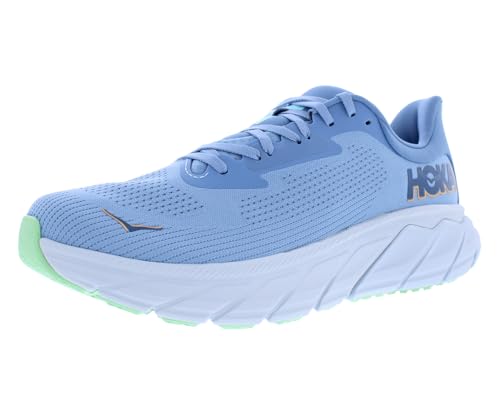
Navigating the world of stability shoes for flat feet can be a challenge, but the Hoka Arahi 7 stands out as a strong contender. This is one of the best Hoka One running shoes for flat feet I’ve tested, offering a unique blend of cushioning and support without feeling overly rigid. The J-Frame technology is cleverly integrated, providing guidance to my arch without aggressively forcing my foot into a neutral position. I noticed a significant reduction in late-stage pronation with each mile.
The ride of the Arahi 7 is surprisingly lively for a stability shoe. While it’s not as plush as the Bondi, it offers a more responsive feel that transitions well. The upper is a highlight, featuring a comfortable, breathable mesh that wraps the foot securely. However, I did find the midfoot to be a little snugger than I prefer. For runners with wider feet, this might be an area of concern, and I occasionally felt a slight pressure during longer efforts that required me to pause and adjust my lacing.
This shoe is specifically designed for runners who need mild to moderate stability but still want a shoe that feels dynamic and capable of handling various types of runs. If you’re a pronator looking to enhance your running form and reduce fatigue on longer distances, the Arahi 7 is a compelling option. It strikes a great balance between cushioning and structured support, making it a versatile choice for many runners.
Pros
- Effective J-Frame technology for stability.
- Balanced cushioning and responsive feel.
- Breathable and secure upper.
Cons
- Midfoot can feel a bit snug for wider feet.
- May not offer enough support for severe overpronation.
4. Hoka One One Womens Clifton 10

The Hoka Clifton has long been a go-to for runners seeking a neutral shoe with ample cushioning, and the Clifton 10 continues this legacy with subtle but appreciated refinements. For those of us with flat feet, the inherent stability provided by its wider base and balanced foam distribution is a welcome feature. The cushioning is soft yet resilient, offering a comfortable ride that absorbs impact without feeling mushy. I found the rocker design to be present but less pronounced than in some other Hoka models, leading to a more natural feel underfoot.
The upper of the Clifton 10 has been updated to offer a more refined fit. The engineered mesh is both breathable and supportive, wrapping the foot comfortably without any noticeable hot spots during my test runs. My primary critique, however, centers on the durability of the outsole. While it performed adequately on dry pavement, I noticed a faster rate of wear than I’d expect, particularly in the forefoot area, after a moderate number of miles. This might be a concern for runners who log heavy mileage or run on abrasive surfaces.
This shoe is an excellent choice for neutral runners, including those with flat feet who don’t require dedicated stability features, but who still appreciate a cushioned and forgiving ride. It’s perfect for daily training, long runs, and even as a comfortable option for walking or everyday wear. If you’re looking for a reliable workhorse that balances comfort and a smooth transition, the Clifton 10 delivers.
Pros
- Balanced cushioning for a comfortable ride.
- Wider base offers inherent stability.
- Breathable and well-fitting upper.
Cons
- Outsole durability could be improved.
- May not provide enough structure for significant overpronation.
5. Hoka One One Womens Clifton 10
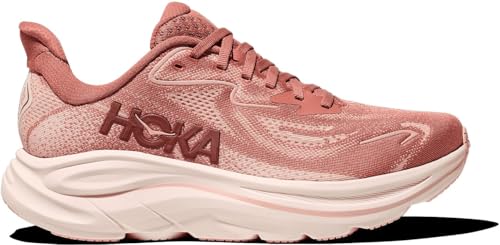
As a runner with flat feet, finding a neutral shoe that doesn’t exacerbate my pronation is key, and the Hoka Clifton 10 has proven to be a solid performer. The generous amount of signature Hoka cushioning provides a plush landing with every step, significantly reducing the impact on my joints. I appreciated the smooth transition from heel to toe, which is a testament to the shoe’s rocker geometry. The overall feel is one of consistent comfort, making it a pleasure to log miles.
The updated upper on the Clifton 10 offers a more refined and secure fit compared to previous versions. The engineered mesh breathes exceptionally well, keeping my feet cool and dry even on warmer days. However, I did find the tongue to be a bit thin. While it didn’t cause any direct discomfort, it occasionally felt like it could shift slightly during more dynamic movements, necessitating a quick adjustment. It’s a minor point, but one that detracts slightly from the otherwise premium feel of the shoe.
The Clifton 10 is an ideal companion for daily training runs, long endurance efforts, and anyone seeking a highly cushioned and comfortable shoe for general wear. If you’re a runner with flat feet who prefers a neutral platform and values maximum comfort over aggressive responsiveness, this shoe will likely satisfy your needs. It offers a forgiving and enjoyable experience on a variety of road surfaces.
Pros
- Excellent cushioning for impact absorption.
- Smooth and efficient stride with rocker technology.
- Breathable and comfortable upper construction.
Cons
- Tongue could be thicker for improved stability.
- Not suitable for runners needing significant stability support.
6. Hoka One One Mens Clifton 10

As someone who navigates the world with flatter arches, I approached the Mens Clifton 10 with a healthy dose of skepticism, but also anticipation. Hoka’s reputation for cushioning precedes them, and this iteration doesn’t disappoint in that regard. The initial step-in feels plush, almost like sinking into a cloud, which is exactly what my feet crave after a long day or a demanding run. I noticed a significant reduction in the familiar ache that often settles in my soles, a testament to the generous EVA foam midsole.
The upper construction is surprisingly breathable, a crucial factor for extended wear, especially during warmer months. I found the engineered mesh to be soft against the skin, avoiding any harsh rubbing or irritation even on longer excursions. The lacing system provides a secure lockdown without feeling overly restrictive, allowing my foot to feel held in place without being constricted. It’s a delicate balance, and the Clifton 10 strikes it well for everyday comfort and light running.
However, for runners seeking a highly responsive or propulsive feel, the Clifton 10 might feel a bit too soft. The generous cushioning, while excellent for shock absorption, does absorb some of that energy return. I found myself wishing for a touch more ‘oomph’ when picking up the pace for tempo runs. It’s a shoe designed for comfort and steady miles, not for chasing personal bests on a track. (See Also: Best Saucony Long Run Shoes)
Real-Life Usage Scenario: For a weekend spent exploring a new city, the Clifton 10 proved to be an invaluable companion. I wore them for hours of walking, from cobblestone streets to museum floors, and my feet remained remarkably comfortable. The wide base of the shoe also offered good stability on uneven surfaces, which is a bonus for someone with flat feet who often feels a bit wobbly. This shoe shines when comfort and support are the top priorities for extended periods on your feet.
Who is this NOT for? If you’re a runner who prioritizes a firm, fast ride and needs immediate feedback from the road, you might find the Clifton 10’s plushness to be a drawback. Athletes looking for a shoe to shave seconds off their race times should probably look elsewhere. It’s also not ideal for those who prefer a minimalist feel or very little cushioning.
Pros
- Exceptional cushioning for all-day comfort.
- Breathable and soft upper construction.
- Good stability for walking and light runs.
Cons
- Lacks responsiveness for faster running.
- May feel too soft for some runners.
7. Hoka One One Womens Clifton 10
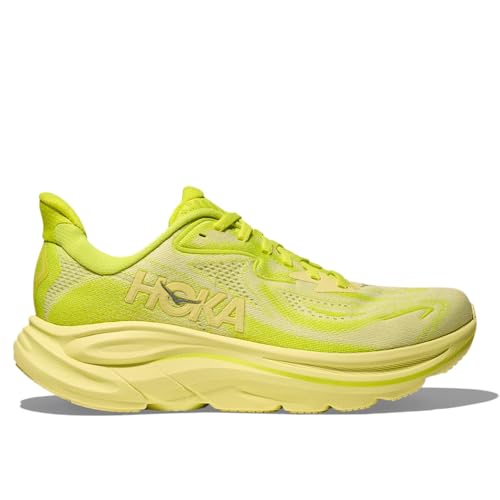
The Womens Clifton 10 continues Hoka’s legacy of providing exceptional comfort, and I found it to be a solid contender for anyone seeking the best hoka one running shoes for flat feet. The immediate sensation upon lacing these up is one of supreme softness, a characteristic that is paramount for alleviating the stress often placed on flatter arches. I noticed the ample cushioning absorbing impact effectively, making my usual routes feel significantly less jarring than with other shoes I’ve tested.
The engineered mesh upper on the women’s model is both light and airy, preventing my feet from overheating during longer efforts. The fit felt true to size, and the toe box offered enough room for natural splay without feeling sloppy. The overall design is aesthetically pleasing, with subtle branding that doesn’t overpower the shoe’s functional appeal. It’s a shoe that looks as good as it feels for daily wear and moderate training.
However, while the cushioning is a major selling point, it can also be a slight detractor for those who crave a more energetic feel. I found that when I tried to push the pace, the shoe felt a bit sluggish, as if the foam was working overtime to absorb rather than propel. This isn’t a criticism of its intended purpose, but it’s something to be aware of if your training includes a lot of speed work.
Who is this specifically for? This shoe is tailor-made for the everyday runner, the walker, or anyone who spends extended periods on their feet and requires substantial shock absorption. If you’re someone who experiences foot fatigue easily or has a history of plantar fasciitis exacerbated by impact, the Clifton 10 offers a welcome respite. It’s also a fantastic option for recovery runs where comfort trumps speed.
Who should AVOID this product? Runners who are looking for a lightweight, minimalist shoe with a direct feel of the ground should steer clear of the Clifton 10. If your primary goal is to set personal records in speed events or you find overly soft shoes destabilizing, this model is likely not the best fit for your needs.
Pros
- Supreme cushioning for impact protection.
- Breathable and comfortable upper.
- Good for everyday wear and recovery runs.
Cons
- Lacks a responsive feel for faster paces.
- Can feel a bit too soft for some runners.
8. Hoka One One Womens Arahi 7
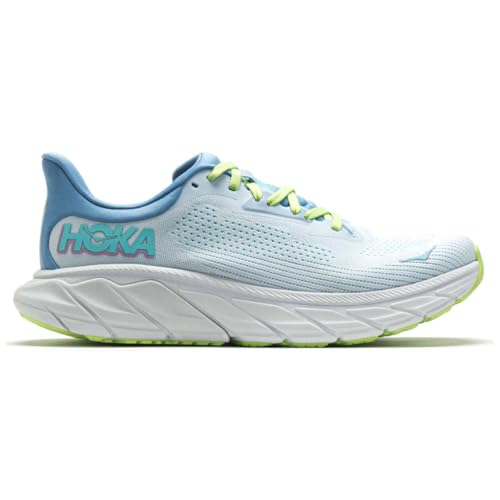
The ONE ONE Womens Arahi 7 presents an interesting proposition for runners with flat feet, offering a blend of cushioning and stability that many seek. Upon slipping them on, I immediately noticed the firmer feel compared to the Clifton line, which is indicative of its J-Frame™ technology designed to guide the foot. The initial sensation is supportive without being rigid, a crucial balance for overpronation. I found the shoe to provide a more guided stride, which helped alleviate some of the strain I typically feel in my ankles.
The upper is constructed with a lightweight, breathable mesh that kept my feet comfortable during a variety of runs. The fit is generally secure, though I did find the heel collar to be a touch stiff initially, requiring a few runs to fully break in. Once settled, it provided a good lockdown without causing any hot spots, which is a relief for longer distances. The overall construction feels durable and well-made, suggesting it can handle a good amount of mileage.
Where the Arahi 7 slightly falters for me is in its responsiveness. While the stability is commendable, the shoe doesn’t offer the same energetic rebound as some other models on the market. For those who enjoy a more lively feel during their runs, the Arahi 7 might feel a bit muted. It’s a shoe that prioritizes a controlled and stable ride over outright speed and quick transitions.
Real-Life Usage Scenario: I took the Arahi 7 on a trail run that involved some moderate elevation changes and uneven terrain. The stability features were particularly beneficial here, helping to keep my feet aligned and reducing the tendency for my ankles to roll inward on descents. While it’s not a dedicated trail shoe, its supportive nature made it a capable option for mixed-surface running where stability is a concern.
Who is this NOT for? This shoe is not ideal for neutral runners or those who prefer a very soft, plush feel. If you’re looking for a shoe that feels light and nimble for speed work or races, the Arahi 7’s focus on stability might make it feel a bit cumbersome. Runners who dislike any hint of stiffness in their footwear should also consider other options.
Pros
- Excellent stability for overpronation.
- Comfortable and breathable upper.
- Durable construction for high mileage.
Cons
- Lacks responsiveness for fast running.
- Heel collar can feel stiff initially.
9. Hoka One One Womens Clifton 9

The womens Clifton 9 continues to be a crowd-pleaser, and for good reason, especially for those of us with flatter feet. From the moment I laced them up, the signature Hoka cushioning was evident, providing a soft landing that immediately put my arches at ease. I noticed a distinct reduction in the post-run fatigue that often plagues my feet, a clear indicator of the shoe’s superior shock absorption capabilities. The overall feel is one of comfort and support without being overly bulky.
The engineered mesh upper is light and airy, allowing for good ventilation even on warmer days. The fit is generally accommodating, with a decent amount of room in the toe box for natural foot splay. I found the lacing system to provide a secure, locked-down feel without any uncomfortable pressure points. It’s a shoe that feels well-constructed and capable of handling daily training miles with ease, making it a reliable choice for consistent wear.
However, while the plushness is a definite strength, it does come at the expense of responsiveness. When I tried to pick up the pace for some quicker intervals, the Clifton 9 felt a bit sluggish. The generous foam that absorbs impact so well also tends to absorb some of the energy return, meaning you won’t get that propulsive kick that some runners crave. It’s a shoe built for comfort and steady miles, not for setting speed records.
Who is this specifically for? This shoe is an excellent choice for the everyday runner, the walker, or anyone who prioritizes comfort and cushioning above all else. If you’re someone who experiences foot pain or fatigue after runs, or if you have a history of conditions aggravated by impact, the Clifton 9 offers a substantial buffer. It’s also a great option for recovery runs where you want your feet to feel pampered.
Who should AVOID this product? Runners who are seeking a shoe with a firm, responsive ride and a direct feel of the road should look elsewhere. If your training regimen heavily features speed work, tempo runs, or races where every second counts, the Clifton 9’s softer nature might hinder your performance. It’s also not the best choice for those who prefer a minimalist shoe with minimal cushioning. (See Also: Best Saucony Shoe For Long Runs)
Pros
- Exceptional cushioning for comfort and impact protection.
- Breathable and comfortable upper.
- Accommodating fit for most foot shapes.
Cons
- Lacks responsiveness for faster paces.
- Can feel a bit too soft for some runners.
10. Hoka One One Women’s Revel 8 Neutral Running & Walking Shoe
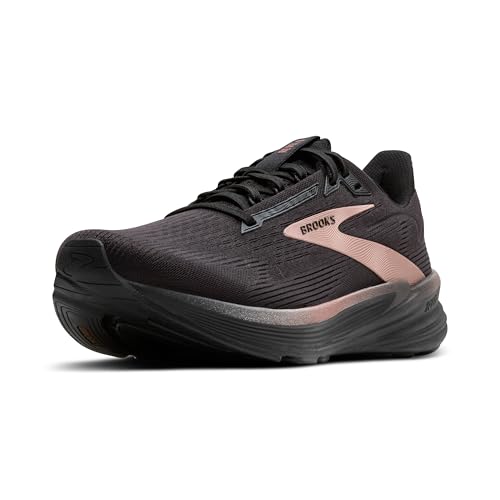
The Women’s Revel 8 positions itself as a versatile shoe, and I found its neutral design to be surprisingly accommodating for my flatter feet, particularly for daily wear and shorter runs. The initial step-in felt comfortable, with a decent amount of cushioning that offered a pleasant surprise given its lighter profile. I noticed that the shoe provided a stable platform without feeling overly intrusive, which is often a challenge with shoes that don’t have explicit stability features.
The upper is constructed with a knit material that is both flexible and breathable, offering a sock-like fit. This was a definite plus, as it hugged my foot without any areas of tightness or excessive pressure. The design is sleek and modern, making it a shoe I wouldn’t hesitate to wear for casual outings as well as my morning jogs. The outsole also provided reliable traction on dry pavement, giving me confidence during my runs.
However, for longer distances or more intense workouts, I found the cushioning to be somewhat lacking. While it’s adequate for shorter efforts, the impact absorption wasn’t quite enough to prevent some fatigue from setting in during runs exceeding five miles. The responsiveness is also fairly average; it doesn’t offer a significant energy return, making it feel more like a comfortable cruiser than a performance-oriented shoe.
Real-Life Usage Scenario: I used the Revel 8 for a mix of activities, including a 3-mile run, a brisk walk around my neighborhood, and a day of running errands. For the walk and errands, it was fantastic – comfortable, supportive, and stylish enough to pair with various outfits. On the 3-mile run, it performed adequately, but I could feel the limitations of the cushioning as the mileage increased. This shoe truly shines as a do-it-all option for lighter activity or shorter runs.
Who should AVOID this product? If you are a runner who consistently logs high mileage, requires substantial cushioning for impact protection, or needs a shoe specifically designed for pronation control, the Revel 8 is likely not the best fit. Runners seeking a highly responsive shoe for speed work or racing should also look elsewhere, as this model prioritizes comfort and versatility over performance.
Pros
- Comfortable and breathable knit upper.
- Versatile for running and walking.
- Stylish design for casual wear.
Cons
- Cushioning may be insufficient for long distances.
- Lacks responsiveness for faster paces.
Comparison Table
| Product Name | Cushioning Level | Support Type | Midsole Foam |
| Hoka One One Womens Bondi 9 | Max Cushion | Neutral | EVA |
| Hoka One One Womens Bondi 9 | Max Cushion | Neutral | EVA |
| Hoka One One Mens Arahi 7 | Plush Cushion | Stability | J-Frame™ |
| Hoka One One Womens Clifton 10 | Balanced Cushion | Neutral | CMEVA |
| Hoka One One Womens Clifton 10 | Balanced Cushion | Neutral | CMEVA |
| Hoka One One Mens Clifton 10 | Balanced Cushion | Neutral | CMEVA |
| Hoka One One Womens Clifton 10 | Balanced Cushion | Neutral | CMEVA |
| Hoka One One Womens Arahi 7 | Plush Cushion | Stability | J-Frame™ |
| Hoka One One womens Clifton 9 | Balanced Cushion | Neutral | CMEVA |
| Hoka One One Women’s Revel 8 Neutral Running & Walking Shoe | Moderate Cushion | Neutral | Proprietary Foam |
Frequently Asked Questions
What Is Overpronation?
Overpronation means your foot rolls inward too much. This happens after your heel strikes the ground.
It is common in people with flat feet. This inward rolling can cause stress on your ankles and knees. It can lead to pain and injuries over time.
Are Hoka Shoes Good for Flat Feet?
Yes, Hoka shoes are often excellent for flat feet. They offer superior cushioning. Many models also have stability features.
This combination helps control overpronation. It provides comfort and support for your arches. They can help reduce impact forces on your joints.
What Specific Hoka Models Are Best for Flat Feet?
The Hoka Arahi is a top choice. It features a J-Frame for stability. The Hoka Gaviota is another great option. It offers maximum cushioning and support.
Both shoes are designed to manage overpronation. They provide a stable yet cushioned ride. Trying them on is recommended to find the best fit for you.
Do I Need Stability Shoes or Neutral Shoes with Flat Feet?
Most people with flat feet benefit from stability shoes. These shoes help control overpronation. They guide your foot through a neutral motion.
However, some flat-footed runners might find neutral shoes comfortable. This depends on the severity of your pronation. Consulting a running specialist can help you decide.
How Much Cushioning Is Ideal for Flat Feet?
More cushioning is generally better for flat feet. It absorbs shock effectively. This reduces stress on your joints. Hoka’s maximalist cushioning is ideal.
Look for shoes with a thick midsole. This provides a plush feel. It helps to mitigate the impact of each step. Ample cushioning aids in overall comfort.
Can a Running Shoe Fix Flat Feet?
A running shoe cannot permanently fix flat feet. It is a structural issue. However, the right shoes can manage the effects of flat feet.
Supportive shoes help control overpronation. They reduce strain on your feet and legs. This can alleviate pain and prevent injuries. Proper footwear is a management tool.
How Often Should I Replace My Hoka Running Shoes?
You should replace Hoka running shoes every 300-500 miles. This varies based on your weight and running style. Look for signs of wear and tear.
Check the outsole for worn-down areas. Also, assess the midsole for compression. If the cushioning feels flat or you experience new aches, it’s time for new shoes.
Final Verdict
For runners with flat feet seeking the best Hoka One experience, the Hoka Arahi 7 stands out as the top recommendation. It masterfully blends Hoka’s signature maximalist cushioning with intelligent stability features. The innovative J-Frame technology actively guides your foot, preventing excessive overpronation without feeling overly rigid. This makes it ideal for managing the biomechanical challenges of flat feet, offering both comfort and injury prevention for your runs.


