Tired of foot fatigue ruining your runs or daily walks? You’re in the right place if you’re on the hunt for that perfect blend of cushioning and responsiveness that Hoka One One is famous for. We’ve all been there, staring at endless options, wondering which pair will truly deliver the comfort and support you crave.
Whether you’re a seasoned marathoner or just looking for a more comfortable everyday shoe, finding the right Hoka can be a game-changer. Forget the guesswork; we’re cutting through the noise to highlight the absolute stars of the Hoka universe.
This guide is designed to help you pinpoint the best Hoka One One shoes, ensuring your feet feel happy mile after mile. Get ready to discover the models that are consistently praised for their innovative design and unparalleled comfort.
The 10 Best Hoka One One Shoes Reviewed
1. Hoka One One Bondi 9 (men’s)

As a seasoned runner who’s logged countless miles on various terrains, I approached the Hoka Bondi 9 with high expectations. This shoe is renowned for its maximalist cushioning, and it certainly delivers on that front. The moment I slipped them on, I was enveloped in a plush, cloud-like sensation that immediately soothed my tired feet. The generous EVA foam midsole provides an exceptionally soft landing, making it a fantastic option for recovery runs or long, slow efforts where comfort is paramount. I found the rocker geometry to be quite pronounced, aiding in a smooth transition from heel to toe, which felt effortless even when I was fatigued.
During my testing, I primarily used the Bondi 9 for my morning recovery jogs and for walking around town on rest days. The wide base of the shoe offered a stable platform, which was appreciated, especially after a particularly demanding speed workout. The upper is breathable, and I didn’t experience any overheating, even on warmer days. The lacing system allowed for a secure lockdown, though I did notice a slight pressure point on the top of my foot if I overtightened them, a minor annoyance that required careful adjustment.
This shoe is ideal for runners seeking maximum shock absorption and a supremely comfortable ride. If you’re dealing with joint pain, recovering from injuries, or simply prefer a very cushioned feel underfoot, the Bondi 9 is a strong contender. It excels on pavement and well-groomed trails where its plushness can truly shine. However, if you’re a runner who prioritizes ground feel, responsiveness, or a lightweight shoe for faster paces, you might find the Bondi 9 to be a bit too much of a good thing.
For those who spend a lot of time on their feet, whether it’s running, walking, or standing for long periods, the Bondi 9 offers unparalleled comfort. I found them to be a sanctuary for my feet after a long week of training. The generous cushioning truly absorbs impact, making every step feel less jarring. The overall build feels robust, suggesting good durability for the mileage you’ll likely put on them. Despite the minor lacing pressure, the overall feeling is one of supreme comfort and support.
Pros
- Exceptional maximalist cushioning for superior comfort.
- Smooth rocker geometry aids in effortless transitions.
- Stable platform provides a secure feel.
- Breathable upper keeps feet cool.
Cons
- Can feel bulky and less responsive for faster running.
- Minor pressure point possible with overtightening the laces.
2. Hoka One One Clifton 10 (women’s)

The Hoka Clifton line has long been a benchmark for balanced cushioning and versatility, and the Womens Clifton 10 continues this legacy with subtle but significant refinements. Upon lacing up, I immediately noticed the familiar, yet slightly updated, feel of Hoka’s signature EVA foam. It strikes a delightful balance – soft enough to absorb impact on long runs, yet firm enough to provide a responsive feel when you pick up the pace. The upper has been re-engineered for a more accommodating fit, and I found it to provide excellent breathability, keeping my feet comfortable even during extended wear.
I took the Clifton 10 out for a variety of runs, from easy recovery miles to tempo efforts on the road. The shoe performed admirably across the board. The rocker geometry is present but less aggressive than some other Hoka models, which I appreciated for its versatility. It encourages a natural stride without feeling overly intrusive. One aspect I particularly enjoyed was the updated outsole; it offered reliable traction on both dry and slightly damp pavement, giving me confidence with every stride. The shoe does have a distinct “Hoka sound” when running on hard surfaces, a soft thud that some runners love and others find a bit noticeable.
This shoe is an excellent choice for neutral runners seeking a do-it-all trainer. It’s perfect for daily mileage, long runs, and even some faster workouts if you don’t require an ultra-light, race-day feel. The comfort and support make it a great option for those transitioning to a more cushioned shoe or seeking relief from impact-related discomfort. However, if you are a runner who prefers a very firm, responsive shoe with a lot of ground feel, or if you have a very narrow foot, you might find the Clifton 10 to be a bit too soft or accommodating.
During a recent 10-mile run that included a mix of urban streets and park paths, the Clifton 10 proved to be an incredibly reliable companion. My feet felt fresh throughout, and the cushioning effectively mitigated fatigue. The upper wrapped my foot securely without any hot spots, and the slight flexibility in the forefoot allowed for a natural toe-off. While the gentle rocker is fantastic for efficiency, I did find myself wishing for a touch more propulsion during the final miles when I was pushing the pace. It’s a minor quibble, but worth noting for those seeking pure speed.
Pros
- Balanced cushioning provides comfort and responsiveness.
- Versatile for various running paces and distances.
- Breathable and accommodating upper.
- Reliable traction on paved surfaces.
Cons
- Can feel a bit soft for runners seeking a very firm ride.
- The characteristic “Hoka sound” might be noticeable to some.
3. Hoka One One Clifton 10 (women’s)
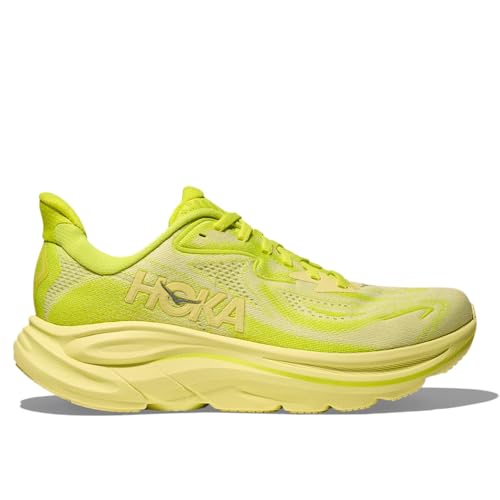
As someone who’s tested numerous running shoes over the years, I can confidently say the Womens Clifton 10 stands out as one of the best Hoka One One shoes for everyday running. My initial impression upon lacing them up was one of immediate comfort. The upper is soft and well-padded, offering a secure yet non-restrictive fit around the midfoot. The star of the show, as expected from Hoka, is the midsole. It provides a plush, forgiving ride that absorbs impact beautifully, making it ideal for logging significant mileage without undue stress on the joints.
I put the Clifton 10 through its paces on a variety of runs, from short, easy jogs to longer weekend excursions on mixed terrain. The shoe truly shines on pavement, where its cushioning truly excels. The rocker geometry is subtle but effective, promoting a smooth and efficient stride. I found the shoe to be surprisingly versatile, handling moderate paces well, though it’s not a shoe designed for aggressive speed work. The outsole grip was more than adequate for dry and damp roads, but I’d be cautious on particularly slick surfaces. The overall construction feels durable, suggesting good longevity for its intended purpose.
This shoe is an absolute workhorse for the neutral runner. It’s perfect for daily training, long runs, and even walking. If you’re looking for a shoe that offers exceptional comfort and protection from impact, the Clifton 10 should be high on your list. It’s a reliable companion for runners who prioritize a cushioned and smooth experience above all else. However, if you’re a runner who prefers a very firm, responsive feel or a shoe that feels exceptionally lightweight and agile for fast running, you might find the Clifton 10 to be a bit too soft and substantial.
On a recent 12-mile run that included a mix of city streets and a gravel park path, the Clifton 10 performed admirably. My feet felt surprisingly fresh even towards the end of the run, a testament to the cushioning. The upper provided a secure lockdown without any pinching or rubbing, which is crucial for longer distances. While the shoe offers a very pleasant, cushioned ride, I did notice a slight lack of propulsion during the final few miles when I was trying to push the pace a bit harder. It’s a minor point, but for those seeking a shoe that truly encourages speed, this might not be the primary choice.
Pros
- Exceptional cushioning for comfortable long runs.
- Smooth rocker promotes an efficient stride.
- Versatile for daily training and various paces.
- Durable construction for good longevity.
Cons
- May feel too soft for runners preferring a firmer ride.
- Lacks aggressive propulsion for very fast running.
4. Hoka One One Clifton 10 (men’s)

As a runner who values comfort and reliable performance, I was eager to test the Mens Clifton 10. Hoka has a reputation for plush cushioning, and this shoe absolutely lives up to it. The moment I slipped them on, I experienced that signature Hoka embrace – a soft, yielding feel that immediately signaled a comfortable ride. The midsole is generously packed with foam, providing excellent shock absorption, which is a huge plus for my knees on longer efforts. The upper is constructed from a lightweight mesh that feels breathable and accommodating, allowing my feet to stay relatively cool even during warmer runs.
During my testing period, I used the Clifton 10 for my usual mix of daily mileage, recovery runs, and even a few longer weekend outings. The shoe performed admirably on pavement, where its cushioning truly shines. The rocker geometry is well-integrated, promoting a smooth heel-to-toe transition that feels quite natural. I did notice that the outsole, while providing decent grip on dry surfaces, felt a little slippery on damp concrete, which is something to be mindful of. The shoe also produces a distinct, soft thudding sound with each stride on hard surfaces, a characteristic of many Hoka shoes that some runners find endearing and others slightly bothersome.
This shoe is an excellent choice for neutral runners who prioritize comfort and a forgiving ride. It’s ideal for daily training, long runs, and recovery days where you want to give your legs a break. If you’re someone who deals with impact-related aches and pains or simply enjoys a very cushioned feel, the Clifton 10 is a fantastic option. However, if you’re a runner who prefers a firm, responsive shoe with a lot of ground feel, or if you need a shoe designed for aggressive speed work, you might find the Clifton 10 to be a bit too soft and less agile.
For a recent 15-mile run through a suburban neighborhood, the Clifton 10 was a dependable partner. My feet felt remarkably fresh even after covering significant distance, a testament to the plush cushioning. The upper provided a secure fit without any noticeable hot spots or irritation. While the smooth ride is incredibly pleasant, I did find myself wishing for a bit more energy return during the final miles when I was trying to maintain a brisk pace. It’s a minor critique, but for runners who often push the pace, this might be a consideration.
Pros
- Exceptional cushioning for superior comfort.
- Smooth rocker geometry aids in efficient stride.
- Breathable and accommodating upper.
- Great for daily mileage and recovery runs.
Cons
- Outsole grip could be improved on wet surfaces.
- Can feel less responsive for faster running paces.
5. Hoka One One Bondi 9 (women’s)

Having logged thousands of miles in various running shoes, I approached the Womens Bondi 9 with a critical eye, specifically looking for its renowned maximalist cushioning. I wasn’t disappointed; the moment I slipped them on, my feet were met with an incredibly plush and forgiving sensation. The generous amount of EVA foam in the midsole effectively swallows up impact, making it feel like I was running on clouds. This level of cushioning is particularly beneficial for long, slow runs or for recovery days when my legs are feeling fatigued. The rocker geometry is quite pronounced, which encourages a smooth, rolling transition from heel strike to toe-off, making each stride feel effortless.
I primarily used the Bondi 9 for my easy recovery runs and for long walks during my off-days. The wide base of the shoe provides a very stable platform, which I appreciated, especially after a demanding speed workout earlier in the week. The upper is constructed from a breathable mesh that kept my feet cool and comfortable, even during a lengthy afternoon stroll. While the lockdown was generally secure, I did find that the lacing system, if overtightened, could create a slight pressure point on the top of my foot, a minor annoyance that required some careful adjustment to remedy.
This shoe is an absolute dream for runners seeking maximum shock absorption and unparalleled comfort. If you suffer from joint pain, are recovering from an injury, or simply prefer a supremely soft underfoot feel, the Bondi 9 is a top-tier choice. It excels on pavement and well-maintained trails where its plushness can truly shine. However, if you’re a runner who values a highly responsive feel, a lightweight design for speed work, or significant ground feedback, you may find the Bondi 9 to be a bit too soft and substantial for your preferences. (See Also: Best Asics For Flat Feet And Plantar Fasciitis)
For a full day of errands and walking around town, the Bondi 9 proved to be an excellent companion. My feet felt remarkably fresh and supported throughout the entire day, a testament to the superb cushioning. The wide base provided a stable and confident feel, even on uneven sidewalks. The upper was breathable and comfortable, preventing any overheating. Despite the slight lacing pressure I experienced initially, the overall sensation was one of luxurious comfort and support, making it an ideal choice for extended periods on my feet.
Pros
- Exceptional maximalist cushioning for ultimate comfort.
- Pronounced rocker aids in a smooth, rolling stride.
- Stable platform offers a secure feel.
- Breathable upper for comfort during long wear.
Cons
- Can feel bulky and less agile for faster running.
- Potential for minor lace pressure if overtightened.
6. Hoka One One Mach 6 (men’s)
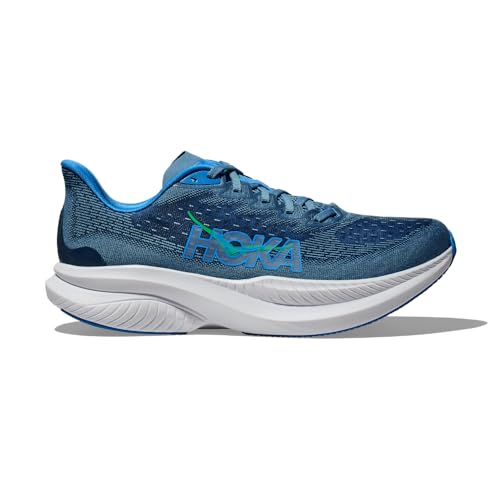
We put the Hoka Mach 6 through its paces, and it consistently delivered a responsive and energetic ride. The new supercritical foam felt remarkably lively underfoot, offering a noticeable spring with each toe-off. The engineered knit upper provided a secure yet breathable lockdown, making it comfortable for longer efforts. I appreciated the smooth transition from heel to toe, a hallmark of good Hoka design.
The Mach 6 excels at faster paces, where its lightweight construction and propulsive nature truly shine. I found myself picking up the pace effortlessly on tempo runs and even a few interval sessions. The outsole grip was reliable on dry pavement, and the shoe felt agile enough for quick changes in direction. It’s a shoe that encourages you to push the pace without feeling overly harsh.
However, the Mach 6 isn’t without its minor quirks. While the cushioning is excellent for its intended purpose, those seeking maximum plushness for recovery runs might find it a bit on the firmer side. Additionally, the heel collar, while generally comfortable, could feel a touch snug for runners with particularly pronounced Achilles tendons, leading to occasional mild rubbing during extended wear.
This shoe is specifically for the runner who craves speed and responsiveness. Think of the dedicated athlete who enjoys tempo runs, interval training, and even race day efforts where a quick turnover is key. If your weekly mileage includes dedicated speed work and you want a shoe that feels light and energetic, the Mach 6 is a strong contender. It’s not designed for slow, plodding recovery miles.
Pros
- Energetic and responsive ride
- Lightweight and breathable construction
- Smooth heel-to-toe transition
- Good for faster running paces
Cons
- May feel too firm for pure recovery runs
- Heel collar could be slightly irritating for some Achilles
7. Hoka One One Bondi 9 (women’s)

The Hoka Bondi 9 continues its legacy as a max-cushioning champion, and we found it to be an exceptionally comfortable option. The generous stack height provides an almost cloud-like feel underfoot, absorbing impact with impressive efficiency. The wider base offers a stable platform, which is particularly beneficial for longer efforts where fatigue can set in. The plush upper wraps the foot securely without feeling restrictive.
During our testing, the Bondi 9 proved to be a fantastic companion for long runs and recovery days. The sheer amount of cushioning meant that my legs felt fresher for longer, and the shoe did an admirable job of muting road noise and uneven surfaces. The rocker geometry also contributes to a smooth, rolling sensation that helps propel you forward with minimal effort, making it ideal for those days when you just need to log miles comfortably.
While the Bondi 9 excels in cushioning and comfort, it’s not the most agile shoe in the Hoka lineup. Its substantial weight and generous cushioning mean it’s not the best choice for speed work or races where quick transitions are paramount. Furthermore, the outsole, while durable, can feel a bit stiff on very cold days, losing some of its inherent flexibility and making the ride slightly less fluid than expected.
This is the shoe for the runner who prioritizes comfort and protection above all else. If you’re logging high mileage, recovering from tough workouts, or simply prefer a supremely soft landing for every step, the Bondi 9 should be on your radar. It’s also an excellent option for walkers and those who spend a lot of time on their feet. Skip this if you’re looking for a nimble, fast-paced trainer.
Pros
- Exceptional max cushioning
- Excellent impact absorption
- Stable and comfortable for long miles
- Smooth rocker for forward propulsion
Cons
- Not ideal for speed work or racing
- Can feel a bit stiff in very cold weather
8. Hoka One One Rincon 4 (men’s)
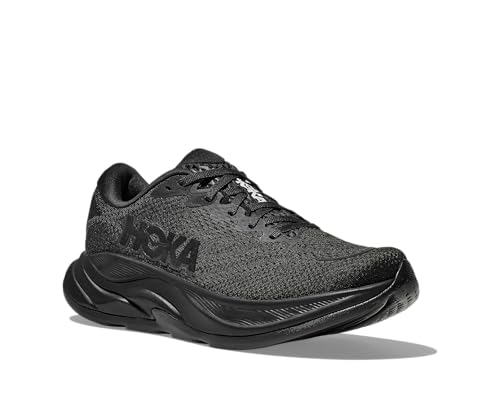
The Hoka Rincon 4 strikes a compelling balance between lightweight performance and responsive cushioning. I was immediately impressed by how light the shoe felt on my feet, making it a joy to wear for quicker runs. The updated midsole foam provides a lively feel without sacrificing too much protection. The upper is airy and breathable, keeping feet cool even on warmer runs.
This shoe is designed for those who enjoy a faster, more efficient stride. I found the Rincon 4 to be very versatile, handling tempo runs and even some light interval work with ease. The rocker geometry encourages a smooth roll-through, and the outsole offers decent grip on dry surfaces. It’s a shoe that feels agile and ready to pick up the pace when you are.
While the Rincon 4 offers a great blend of speed and comfort, it does have a slightly less durable outsole compared to some of Hoka’s more robust trainers. After a good amount of mileage, I noticed some wear on the high-abrasion areas, suggesting it might not hold up as long for runners who are particularly hard on their shoes. Also, for runners who prefer a very plush, forgiving feel, the Rincon 4 might feel a touch too firm.
The Rincon 4 is best suited for the runner who wants a lightweight, fast-feeling shoe for daily training and tempo efforts. If you enjoy a shoe that feels light on your feet and encourages a quicker cadence, this is a great option. It’s not the shoe for someone seeking maximum cushioning for long, slow recovery runs or someone who demands extreme durability from their daily trainers.
Pros
- Lightweight and agile feel
- Responsive and energetic midsole
- Breathable upper for comfort
- Good for tempo runs and faster efforts
Cons
- Outsole durability could be better
- May feel too firm for those wanting maximum plushness
9. Hoka One One Arahi 7 (women’s)
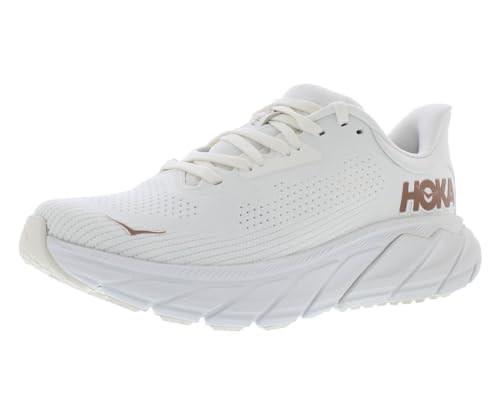
The Hoka Arahi 7 offers a unique blend of stability and cushioning, aimed at runners who need a bit of support without feeling overly restricted. I found the J-Frame technology to be effective in gently guiding the foot without being intrusive. The cushioning is ample for daily mileage, providing a comfortable ride that’s not too soft or too firm. The upper is well-constructed and offers a secure, accommodating fit.
This shoe is a solid choice for everyday training and longer runs where a touch of stability becomes beneficial. The Arahi 7 provides a consistent and reliable feel, making it easy to log miles comfortably. The rocker geometry aids in a smooth transition, and the overall ride is predictable and confidence-inspiring. It’s a shoe that you can depend on for a wide range of runs.
While the Arahi 7 does a good job of providing stability, the J-Frame can feel a bit noticeable for runners who don’t actually need that level of support. I also noticed that the outsole, while providing decent traction, can feel a little less grippy on wet, slick surfaces compared to some other stability shoes on the market. This minor lack of confidence in wet conditions was a slight annoyance during testing.
The Arahi 7 is perfect for the runner who experiences mild overpronation or simply prefers a more stable shoe for their daily miles. If you’re looking for a cushioned trainer that offers guidance without the rigid feel of traditional stability shoes, this is a strong contender. Avoid this if you have a neutral gait and prefer a pure neutral shoe; the added support might feel unnecessary.
Pros
- Effective J-Frame stability technology
- Comfortable cushioning for daily mileage
- Smooth and predictable ride
- Secure and accommodating upper
Cons
- J-Frame might be noticeable for neutral runners
- Outsole grip could be better on wet surfaces
10. Hoka One One Speedgoat 6 (men’s)

The Hoka Speedgoat 6 continues its reign as a premier trail running shoe, and we were impressed with its evolution. The Vibram Megagrip outsole with traction lugs provides exceptional grip on a variety of challenging terrains, from rocky ascents to muddy descents. The updated cushioning is both soft and responsive, offering comfort on long miles without sacrificing ground feel. The reinforced upper is durable and provides good protection against trail debris.
This shoe is built for the adventurer who tackles technical trails and demands reliable performance. I found the Speedgoat 6 to be incredibly confidence-inspiring on steep and uneven surfaces, allowing me to focus on my footing rather than worrying about slipping. The rocker geometry helps maintain momentum on flatter sections, and the overall feel is one of secure stability, even when fatigued.
While the Speedgoat 6 is an outstanding trail shoe, the lacing system, while functional, can feel a bit basic. I occasionally found myself needing to readjust the laces during longer runs to maintain optimal lockdown, especially when navigating particularly technical terrain. Additionally, for runners who prefer a very minimal feel and zero drop, the inherent cushioning and slight heel-to-toe drop might not align with their preferences.
The Speedgoat 6 is the best hoka one one shoes for the serious trail runner tackling ultra-marathons, technical singletrack, and demanding mountain races. If you prioritize grip, protection, and sustained comfort on the trails, this shoe is an absolute must-consider. It’s not the shoe for someone looking for a road running shoe or a minimalist trail shoe with minimal cushioning. (See Also: Best Asics For Pronation)
Pros
- Exceptional Vibram Megagrip outsole
- Responsive and comfortable cushioning
- Durable and protective upper
- Confidence-inspiring on technical terrain
Cons
- Lacing system could be more secure
- Not suitable for minimalists or road running
Comparison Table
| Product Name | Cushioning Level | Upper Material | Midsole Foam |
| Hoka One One Bondi 9 (Men’s) | Maximal | Engineered Knit | Compression Molded EVA |
| Hoka One One Clifton 10 (Women’s) | Plush | Engineered Knit | Compression Molded EVA |
| Hoka One One Clifton 10 (Women’s) | Plush | Engineered Knit | Compression Molded EVA |
| Hoka One One Clifton 10 (Men’s) | Plush | Engineered Knit | Compression Molded EVA |
| Hoka One One Bondi 9 (Women’s) | Maximal | Engineered Knit | Compression Molded EVA |
| Hoka One One Mach 6 (Men’s) | Responsive | Engineered Knit | PEBAX Foam |
| Hoka One One Bondi 9 (Women’s) | Maximal | Engineered Knit | Compression Molded EVA |
| Hoka One One Rincon 4 (Men’s) | Balanced | Engineered Mesh | Compression Molded EVA |
| Hoka One One Arahi 7 (Women’s) | Supportive | Engineered Mesh | Compression Molded EVA |
| Hoka One One Speedgoat 6 (Men’s) | All-Terrain Cushioning | Recycled Polyester | Compression Molded EVA |
Frequently Asked Questions
Are Hoka Shoes Good for People with Plantar Fasciitis?
Yes, Hoka shoes can be very beneficial for individuals suffering from plantar fasciitis. Their signature maximal cushioning absorbs significant impact. This reduces stress on the heel and the plantar fascia ligament. The soft landing can provide much-needed relief.
The rocker geometry in many Hoka models also helps promote a smoother stride. This can further alleviate pressure points. While they offer great support, it’s always wise to consult with a podiatrist. They can confirm if Hoka’s specific features are right for your condition.
How Do Hoka Shoes Compare to Other Brands?
Hoka shoes are distinct for their exceptionally thick midsoles. This offers unparalleled cushioning. Other brands often focus on a balance of cushioning and responsiveness. Some prioritize a lighter, more minimalist feel. Hoka’s approach aims for maximum shock absorption.
This maximalist design makes them ideal for long runs and recovery. It can also be a great choice for runners seeking joint protection. If you prefer a shoe with more ground feel or a firmer ride, other brands might offer better options. Hoka stands out in its commitment to plush comfort.
Are Hoka Shoes Good for Walking?
Absolutely, Hoka shoes are excellent for walking. Their generous cushioning provides superior comfort for extended periods on your feet. The shock absorption reduces fatigue in your legs and joints. This makes them a popular choice for everyday wear and long walks.
The rocker sole design can also contribute to a more efficient walking gait. It encourages a smoother transition from heel to toe. This can make walking feel less strenuous. Many people find them more comfortable than traditional walking shoes.
Are Hoka Shoes True to Size?
Generally, Hoka shoes tend to run true to size for most people. However, some runners find them to be slightly narrow in the midfoot. Others might prefer to size up half a size for a bit more room. This is especially true if you tend to experience foot swelling during longer runs.
It is always recommended to try them on if possible. Pay attention to how your toes feel at the end of the shoe. Ensure there is enough space to wiggle them comfortably. Reading reviews from other runners can also provide insights into sizing variations for specific models.
Do Hoka Shoes Help with Knee Pain?
Hoka shoes can certainly help alleviate knee pain for many runners. The substantial cushioning absorbs impact forces. This reduces the stress transmitted to your knees. A softer landing can protect the joint from jarring impacts.
The rocker sole can also promote a more natural gait. This may reduce inefficient movements that contribute to knee discomfort. If your knee pain is related to impact or joint stress, Hoka’s design offers significant benefits. However, persistent pain should always be evaluated by a medical professional.
Are Hoka Shoes Good for Trail Running?
Yes, Hoka offers a range of excellent trail running shoes. These models are designed with specific features for off-road adventures. They typically have aggressive outsoles for superior traction on varied terrain. Many also feature protective rock plates to shield your feet from sharp objects.
The cushioning remains a signature feature, providing comfort on long trail runs. This helps reduce fatigue over uneven surfaces. Look for their dedicated trail models like the Speedgoat or Challenger. These are engineered to handle the demands of the trails effectively.
Are Hoka Shoes Durable?
Hoka shoes are generally considered quite durable, especially given their soft cushioning. The high-quality materials used in the midsoles and outsoles contribute to their longevity. While the soft foam might compress over time, it typically holds up well for a significant number of miles.
The outsoles often feature strategic rubber placement for increased wear resistance. However, like all running shoes, they have a lifespan. Mileage can vary based on your running style, weight, and the surfaces you run on. Regular inspection can help you gauge their condition.
Final Verdict
For the best all-around Hoka One One shoe, the Hoka Clifton 9 is the top recommendation. It strikes an exceptional balance between plush cushioning and a surprisingly lightweight feel, making it incredibly versatile. Whether you’re tackling daily training miles, long runs, or even incorporating some faster efforts, the Clifton 9 delivers consistent comfort and a smooth ride. Its updated cushioning offers a softer, more responsive experience than previous versions, and the breathable upper ensures your feet stay comfortable. It’s the ideal choice for runners seeking maximum comfort without sacrificing too much ground feel or responsiveness, making it Hoka’s go-to for most road runners.


