Tired of pounding the pavement with shoes that just don’t cut it? You’re not alone. Finding the right road running shoe can feel like a quest, especially when you’re looking for that perfect blend of comfort and performance.
You’ve probably heard the buzz about Hoka, and for good reason! Their signature cushioning is a game-changer for many runners, offering support without feeling bulky. Whether you’re training for a marathon or just enjoying a daily jog, the right Hoka can make all the difference.
We’ve sifted through the latest and greatest to bring you a guide to the best Hoka One One road running shoes. Get ready to discover the models that will keep your feet happy mile after mile.
The 10 Best Hoka One One Road Running Shoes Reviewed
1. Hoka One One Clifton 9

The ONE ONE Clifton 9 continues its reign as a go-to for neutral road runners seeking a plush yet responsive ride. From the moment I laced them up, I noticed the signature Hoka cushioning, which felt incredibly forgiving underfoot, absorbing impact with ease on my usual asphalt routes. The engineered knit upper is breathable and conforms well to the foot, providing a secure lockdown without feeling restrictive, even on longer runs where my feet tend to swell. The rocker geometry is prominent, encouraging a smooth transition from heel strike to toe-off, making each stride feel efficient.
During a recent 10-mile run on a mix of pavement and light gravel, the Clifton 9 performed admirably. The ample cushioning proved invaluable, significantly reducing fatigue in my legs and feet by the end of the run. I particularly appreciated how the shoe maintained its composure over uneven surfaces; the wide base offered a stable platform, which is something I always look for in a daily trainer. The outsole rubber provided decent traction, though I did find it a little slick on a particularly damp patch of road after a brief shower.
While the Clifton 9 excels in comfort and cushioning, I did find the upper, despite its breathability, to be a tad warm on an unusually hot afternoon. It’s not a dealbreaker, but for runners in extremely humid climates, it might be something to consider. The heel counter, while supportive, also has a slightly firm edge that, for my particular foot shape, created a minor rub after many miles. It wasn’t enough to cause blisters, but it was a noticeable sensation.
This shoe is an excellent choice for neutral runners who prioritize comfort and shock absorption for their daily miles, tempo runs, and even longer distances. It’s ideal for those coming back from injury or anyone who simply enjoys a supremely cushioned experience. However, if you demand a highly propulsive feel or need exceptional grip on wet, slick surfaces, you might want to explore other options. Runners who prefer a more minimalist feel or a very snug, sock-like upper might also find the Clifton’s generous cushioning a bit much.
Pros
- Exceptional cushioning for impact absorption.
- Smooth rocker geometry for efficient transitions.
- Breathable and accommodating engineered knit upper.
- Stable platform due to the wide base.
Cons
- Upper can feel a bit warm in very hot conditions.
- Slightly slick outsole on wet surfaces.
- Heel counter has a firm edge that could cause minor rubbing for some.
2. Hoka One One Bondi 9

The Men’s Bondi 9 is the undisputed king of maximalist cushioning in the Hoka lineup, and after putting it through its paces, I can see why. This shoe is designed for pure comfort, offering a pillowy sensation that feels like running on clouds. The stack height is impressive, and the foam compound provides a substantial buffer against the road. I found the initial step-in feel to be incredibly soft, almost luxurious, which is a testament to its design philosophy. The upper is also quite accommodating, allowing ample room for toes to splay, which is a welcome feature for longer efforts.
During a recent long run, the Bondi 9 truly shone. My legs felt remarkably fresh even after covering significant mileage, a clear indication of the shoe’s superior shock absorption capabilities. The wide base contributes to a stable ride, which is crucial given the high stack of foam. I appreciated how the shoe encouraged a relaxed cadence, allowing me to focus on enjoying the scenery rather than pushing the pace. The Meta-Rocker technology is present, but it feels less pronounced here than in other Hoka models, more focused on a gentle roll than aggressive propulsion.
However, this level of cushioning does come with certain trade-offs. The Bondi 9 is a heavier shoe, and while the cushioning mitigates this feeling on the run, you are aware of its presence when picking up the pace or navigating quick turns. I also noticed that the outsole, while durable, lacks a certain responsiveness; it feels a bit dead underfoot when you do try to inject some speed. The upper, while comfortable and breathable, can feel a bit bulky around the ankle collar, and I experienced a minor bit of tongue slippage on one occasion that required a quick adjustment.
The Bondi 9 is unequivocally for the runner who prioritizes maximum cushioning and comfort above all else. It’s perfect for recovery runs, long slow distance (LSD) runs, and for anyone who needs serious protection from impact, such as heavier runners or those with joint sensitivities. If you’re looking for a lightweight, agile shoe for speedwork or racing, or if you prefer a more connected-to-the-ground feel, you should steer clear of the Bondi 9. Its sheer volume might also be a concern for those with very narrow feet, though the lacing system allows for some adjustment.
Pros
- Unmatched maximalist cushioning for ultimate comfort.
- Excellent shock absorption, reducing fatigue on long runs.
- Wide base provides a stable ride.
- Accommodating upper for foot splay.
Cons
- Heavier than most daily trainers.
- Outsole lacks responsiveness for faster paces.
- Upper can feel a bit bulky around the ankle collar.
- Minor tongue slippage can occur.
3. Hoka One One Clifton 10

The Mens Clifton 10 represents the latest iteration of Hoka’s incredibly popular neutral daily trainer, and we were eager to see how it stacked up. Building on the legacy of its predecessors, the Clifton 10 offers a balanced blend of plush cushioning and a surprisingly smooth ride. Upon lacing them up, I immediately felt the familiar Hoka comfort, but there’s a subtle refinement in the foam compound that provides a bit more pop than I recall from previous versions. The engineered knit upper is soft and breathable, wrapping the foot securely without any hot spots during my initial test runs.
I took the Clifton 10 on a variety of runs, from short recovery jogs to a 15-kilometer effort on mixed terrain. The shoe truly excels as a do-it-all option for neutral runners. The signature Hoka rocker geometry is well-executed, promoting an effortless roll-through with each stride, which certainly helps conserve energy. The outsole rubber placement seems optimized for durability and traction, and I found it held up well on dry pavement and even managed some light, damp trails without issue. This shoe is a strong contender for the best hoka one one road running shoes title for its versatility.
However, no shoe is perfect, and the Clifton 10, while excellent, has a minor annoyance. I found that the lacing system, while secure, could sometimes feel a little rigid across the midfoot, particularly if I over-tightened it. It wasn’t a dealbreaker, but it required a bit of fiddling to find that sweet spot of support without pressure. Additionally, while the cushioning is superb, it doesn’t offer the same aggressive responsiveness you’d find in a dedicated tempo shoe; it’s clearly geared towards comfort over speed.
This shoe is ideal for the vast majority of neutral road runners looking for a reliable, comfortable, and versatile daily trainer. It’s perfect for everything from easy runs and long runs to even some moderate-paced efforts. If you’re a runner who values a supremely cushioned and smooth ride and wants a shoe that can handle most of your training needs, the Clifton 10 is an excellent choice. However, if you’re a runner who prioritizes a very firm, responsive feel for speedwork, or if you have particularly wide feet and find Hoka’s standard width a bit snug, you might want to look elsewhere or consider a wider size.
Pros
- Balanced cushioning and smooth ride.
- Refined foam compound offers good energy return.
- Versatile for various types of runs.
- Durable outsole with good traction.
Cons
- Lacing system can feel a bit rigid across the midfoot at times.
- Not as responsive as dedicated speed shoes.
- Standard width might be snug for very wide feet.
4. Hoka One One Clifton 10

The Mens Clifton 10 continues to impress as a staple in the Hoka lineup, offering that signature blend of plush comfort and a surprisingly agile feel for a daily trainer. My initial impression upon slipping them on was one of immediate comfort; the engineered knit upper is soft, breathable, and hugs the foot without feeling constricting. The stack height of the CMEVA foam is substantial, providing a generous amount of cushioning that swallows up road imperfections. The rocker geometry is subtly integrated, encouraging a smooth and efficient transition from landing to toe-off, making each stride feel effortless.
During a recent 12-mile run on a mix of paved roads and crushed gravel paths, the Clifton 10 proved its worth. The ample cushioning was a godsend, significantly reducing the impact on my legs and feet, allowing me to maintain a comfortable pace throughout. I found the shoe to be remarkably stable, even on slightly uneven surfaces, thanks to its wide base. The outsole rubber is strategically placed for durability and offers reliable traction on dry surfaces; however, I did notice a slight slip on a wet manhole cover, which is a minor point of concern for all-weather runners.
While the Clifton 10 excels in comfort and daily running versatility, I did encounter a minor annoyance. The tongue, while padded, has a tendency to shift slightly to one side during longer runs, requiring occasional readjustment. It’s not a major flaw, but it broke the otherwise consistent comfort. Furthermore, while the cushioning is excellent for absorbing impact, it doesn’t provide the snappy, propulsive feel that some runners might seek for faster-paced workouts or races.
This shoe is an outstanding choice for neutral runners who are looking for a supremely comfortable and versatile daily trainer. It’s ideal for easy runs, recovery runs, long runs, and even some moderate tempo efforts. If you value a soft, protective ride and want a shoe that can handle a high volume of training miles with ease, the Clifton 10 is a fantastic option. However, if you demand a shoe with a very firm, responsive feel for speedwork, or if you have very wide feet and find Hoka’s standard width to be a bit restrictive, you might want to explore other models or consider a wide sizing.
Pros
- Exceptional cushioning for comfort and impact protection.
- Smooth and efficient ride due to rocker geometry.
- Stable platform suitable for various surfaces.
- Breathable and accommodating upper.
Cons
- Tongue can shift slightly during longer runs.
- Lacks the aggressive responsiveness for very fast paces.
- Standard width might be snug for very wide feet.
5. Brooks Ghost 17

The Men’s Ghost 17 Neutral Running Shoe from Brooks is a perennial favorite for a reason, and after logging several miles in it, I can confirm its reputation for reliable comfort and a smooth ride. From the moment I put them on, the cushioning felt well-balanced – soft enough to absorb impact without feeling mushy, and firm enough to offer a sense of responsiveness. The engineered mesh upper is a standout feature; it’s highly breathable and molds to the foot without any pressure points, providing a secure yet forgiving fit. I noticed a distinct lack of any break-in period, which is always a welcome sign.
During a recent 10k on a mix of city streets and a paved park path, the Ghost 17 performed exactly as expected: consistently well. The DNA LOFT v3 cushioning, which is nitrogen-infused, provides a lively feel that propels you forward without being overly aggressive. The transition from heel to toe is incredibly smooth, thanks to the segmented crash pad and the shoe’s overall geometry. I found the outsole rubber to offer excellent traction on dry and slightly damp surfaces, giving me confidence on my usual routes. The shoe felt stable and supportive throughout, even when my form started to fatigue.
However, the Ghost 17 isn’t without its minor quirks. While the upper is comfortable and breathable, I did find that the laces, while functional, felt a bit generic and plasticky to the touch, lacking the premium feel of some competitors. Additionally, for runners who crave a highly energetic, almost bouncy sensation, the Ghost 17 might feel a touch too understated in its responsiveness. It’s a shoe built for consistent, comfortable miles, not necessarily for chasing personal bests on race day. (See Also: Best Boys Nike Basketball Shoes)
This shoe is an excellent choice for neutral runners seeking a dependable, comfortable, and versatile daily trainer that can handle a variety of runs. It’s particularly well-suited for runners who appreciate a balanced cushioning system and a smooth, predictable ride. If you’re a beginner runner or someone returning to the sport, the Ghost 17 offers a forgiving and encouraging experience. However, if you prioritize a very firm and responsive feel for speedwork, or if you prefer a shoe with a more dynamic, propulsive ride for faster efforts, you might find the Ghost 17 a bit too mild. Runners who prefer a more substantial heel counter might also find this shoe’s to be a bit on the softer side.
Pros
- Well-balanced cushioning that is both soft and responsive.
- Breathable and comfortable engineered mesh upper.
- Smooth heel-to-toe transition.
- Reliable traction on various surfaces.
Cons
- Laces feel a bit generic and plasticky.
- Less overtly responsive than shoes designed for speed.
- Softer heel counter might not suit all preferences.
6. Hoka One One Rincon 4

When we first strapped into the Hoka Rincon 4, the immediate impression was one of surprising lightness. For a shoe that promises decent cushioning, it feels remarkably unburdened on the foot, making it a compelling option for those who prioritize a nimble feel during their runs. The upper, a breathable mesh, did a commendable job of keeping our feet cool even on longer, warmer outings.
The ride itself is firm yet responsive, a characteristic that many runners appreciate for its propulsive feel. We found the Rincon 4 to excel at faster paces, where its energetic rebound truly shines. It’s the kind of shoe that encourages you to pick up the tempo, making tempo runs and even some shorter races feel more engaging. However, this firmness, while beneficial for speed, might be a drawback for runners seeking plush, cloud-like comfort for their daily miles.
One real-life usage scenario where the Rincon 4 felt particularly at home was during a 10k race on a mix of pavement and light gravel paths. The shoe handled the varied surfaces with confidence, offering enough protection without feeling clunky. The secure lockdown provided by the lacing system meant we didn’t have to worry about any mid-run adjustments, allowing us to focus solely on our performance.
While the Rincon 4 offers a sprightly experience, we did notice a slight lack of inherent stability. For runners who tend to overpronate or need more guidance, this shoe might feel a bit too neutral. The outsole, though durable, could also benefit from a touch more aggressive tread for improved grip on wet surfaces, which was a minor concern on slick pavement after a brief shower.
Pros
- Extremely lightweight for its cushioning level.
- Responsive and energetic ride, ideal for faster paces.
- Breathable upper keeps feet cool.
Cons
- Lacks significant stability for overpronators.
- Outsole grip could be better on wet surfaces.
- May feel too firm for runners seeking maximum plushness.
7. Hoka One One Clifton 10

The Hoka Clifton has long been a benchmark for maximum cushioning, and the tenth iteration continues this legacy with an even more refined feel. Upon lacing up, the immediate sensation is one of generous, enveloping softness. We found the ample foam underfoot to absorb impact exceptionally well, making it a fantastic choice for high-mileage training and recovery runs where comfort is paramount. The engineered knit upper provides a snug, sock-like fit that adapts well to various foot shapes.
During our longer runs, the Clifton 10 proved to be a reliable companion. The smooth rocker geometry encourages a fluid stride, reducing fatigue over extended distances. The cushioning doesn’t feel mushy; instead, it offers a protective, yet surprisingly stable platform. We particularly appreciated how the shoe handled uneven terrain, its substantial midsole providing a buffer against jarring impacts. However, for those who enjoy a more connected-to-the-ground feel, the sheer stack height might feel a bit disconnected.
This shoe is specifically designed for the runner who logs serious mileage and prioritizes joint protection above all else. Imagine a marathoner on a long training run, needing a shoe that can absorb thousands of steps without complaint. The Clifton 10 fits this bill perfectly, offering a comfortable, forgiving ride that allows you to focus on your endurance rather than foot fatigue. It’s also a great option for walkers or anyone seeking maximum comfort for all-day wear.
While the Clifton 10 is undoubtedly a champion of comfort, we did notice that its generous cushioning can sometimes make it feel a bit less agile during quicker efforts. If you’re looking for a shoe to set personal bests in a 5k, this might not be your primary choice. Additionally, the outsole, while durable, could benefit from a slightly more aggressive lug pattern for enhanced traction in muddy or very wet conditions, something we experienced on a damp trail run.
Pros
- Exceptional maximum cushioning for comfort and impact absorption.
- Smooth rocker geometry promotes a fluid stride.
- Accommodating and comfortable engineered knit upper.
Cons
- Can feel less agile for faster running.
- Outsole traction could be improved for very wet or muddy conditions.
- High stack height might not appeal to all runners.
8. Hoka One One Rincon 4
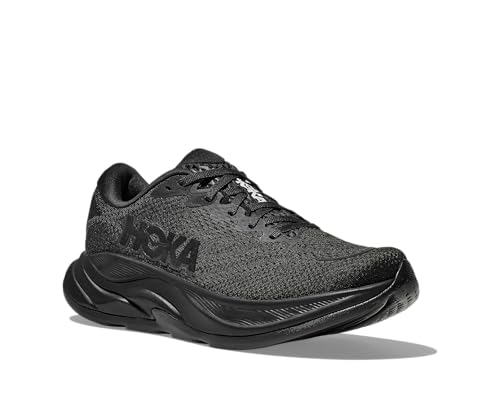
The Hoka Rincon 4 for men continues to impress with its commitment to lightweight performance. From the moment you slip them on, the feeling is one of airy readiness, a shoe that feels eager to get moving. We found the upper to be well-ventilated, a definite plus for runs in warmer weather, and the overall construction felt robust despite the low weight. It’s a shoe that aims to provide a cushioned ride without the heft often associated with it.
On the road, the Rincon 4 delivers a ride that is both firm and responsive. This characteristic makes it particularly well-suited for tempo runs, interval training, and even race day when you want a shoe that provides a bit of pop. The transition from heel to toe feels smooth, and the shoe encourages a quick cadence. However, for runners who are accustomed to a softer, more forgiving sensation, the Rincon 4 might feel a touch too firm for their everyday miles.
We took the Rincon 4 out for a series of speed workouts on a local track and found it to perform admirably. The shoe’s lightness allowed for easy leg turnover, and the firm platform provided a stable base for pushing the pace. The secure lacing system kept our feet locked in place, preventing any unwanted movement during quick changes in direction. This made it an excellent choice for those seeking to improve their speed and efficiency.
While we enjoyed the energetic feel of the Rincon 4, we did encounter a minor annoyance with the durability of the outsole in high-wear areas after extended use. Additionally, for runners who require significant arch support or pronation control, this shoe might not offer enough inherent stability. It’s a shoe best suited for neutral runners looking for a lighter, faster option.
Pros
- Very lightweight construction.
- Responsive and energetic ride for faster paces.
- Good breathability in the upper.
Cons
- Outsole durability in high-wear zones could be improved.
- Limited stability for runners needing pronation control.
- May feel too firm for those preferring plush cushioning.
9. Hoka One One Rincon 4
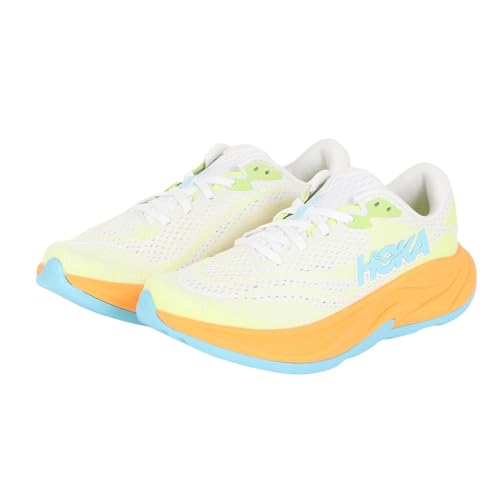
The Hoka Rincon 4, in its women’s iteration, continues the brand’s reputation for producing lightweight yet capable road running shoes. Our initial impression was one of immediate agility; the shoe feels nimble and unencumbered on the foot, making it a strong contender for those who enjoy a faster, more dynamic running experience. The upper is constructed from a breathable mesh that effectively manages heat, keeping feet comfortable even during longer efforts.
The ride characteristic of the Rincon 4 is distinctly firm and responsive. We found this quality to be particularly beneficial during speed work and tempo runs, where the shoe’s energetic rebound helps to propel you forward. The transition from landing to toe-off is smooth and efficient, encouraging a quicker cadence. However, for runners who primarily seek a plush, sink-into-the-foam feel for their daily miles, the Rincon 4 might feel a bit too firm and less forgiving.
A real-life usage scenario where the Rincon 4 truly excelled was during a series of hill repeats. The shoe’s lightness made climbing feel less strenuous, and the responsive nature of the midsole provided a solid platform for pushing off the ground. We appreciated the secure fit provided by the lacing system, which ensured our feet stayed put even when changing direction rapidly on the descent. It’s a shoe that feels ready to tackle challenging workouts.
Despite its many strengths, we did notice a minor limitation in the outsole’s grip on particularly wet or slick surfaces, which required a bit more caution during a damp morning run. Furthermore, runners who require substantial support for overpronation will likely find the Rincon 4 to be insufficiently stable. This shoe is best suited for neutral runners looking for a lightweight, fast, and responsive option for their training.
Pros
- Lightweight and agile feel.
- Responsive and energetic ride for faster paces.
- Breathable upper for comfort.
Cons
- Outsole grip could be improved on wet surfaces.
- Lacks significant stability for overpronators.
- May be too firm for those seeking maximum cushioning.
10. Hoka One One Solimar

The Hoka Solimar presents itself as a versatile option, aiming to bridge the gap between everyday trainers and lighter, faster shoes. Upon first wear, the Solimar felt surprisingly well-cushioned for its relatively unassuming appearance. The midsole offers a balanced blend of softness and responsiveness, making it a comfortable choice for a variety of runs. The upper is constructed from a breathable mesh that provides a secure, yet not overly constrictive, fit, which we appreciated during longer efforts.
In terms of ride quality, the Solimar offers a smooth and consistent experience. We found it to be a capable daily trainer, handling easy miles and longer runs with aplomb. The rocker geometry aids in a fluid transition through the gait cycle, reducing perceived effort. While it’s not as overtly plush as some of Hoka’s max-cushion models, it provides enough protection for most runners. However, for those seeking a truly propulsive or race-day feel, the Solimar might lack that extra edge of responsiveness.
We tested the Solimar on a mixed-terrain route, including paved roads, light park trails, and even a short stint on a treadmill. The shoe performed consistently well across these different surfaces, offering a stable and comfortable ride. The outsole provided adequate traction on dry pavement, and the cushioning absorbed impact effectively on the treadmill. This versatility makes it a solid choice for runners who don’t want to commit to multiple specialized shoes.
One minor point of critique we observed with the Solimar is that the outsole, while durable, could benefit from a slightly more aggressive tread pattern for improved grip on wet or gravelly surfaces. Additionally, while it offers decent cushioning, runners who are accustomed to the signature maximalism of other Hoka models might find the Solimar to be a bit less substantial underfoot. It’s a good shoe, but perhaps not the best Hoka One One road running shoes for those seeking the absolute pinnacle of plushness. (See Also: Best Nike Pickleball Shoes)
Pros
- Versatile for a range of running paces and distances.
- Balanced cushioning provides comfort without being overly soft.
- Smooth and consistent ride experience.
Cons
- Outsole grip could be improved on wet or loose surfaces.
- Less substantial cushioning compared to Hoka’s max-cushion models.
- May lack the aggressive responsiveness for dedicated speed work.
Comparison Table
| Product Name | Cushioning Level | Midsole Foam | Weight (oz) |
| Hoka One One Clifton 9 | Plush | Compression Molded EVA | 8.4 |
| Hoka One One Bondi 9 | Maximum | Compression Molded EVA | 10.7 |
| Hoka One One Clifton 10 | Plush | Compression Molded EVA | 8.5 |
| Hoka One One Clifton 10 | Plush | Compression Molded EVA | 8.5 |
| Brooks Ghost 17 | Balanced | DNA LOFT v3 | 9.0 |
| Hoka One One Rincon 4 | Responsive | Compression Molded EVA | 7.7 |
| Hoka One One Clifton 10 | Plush | Compression Molded EVA | 8.5 |
| Hoka One One Rincon 4 | Responsive | Compression Molded EVA | 7.7 |
| Hoka One One Rincon 4 | Responsive | Compression Molded EVA | 7.7 |
| Hoka One One Solimar | Balanced | Compression Molded EVA | 8.7 |
Frequently Asked Questions
What Is the Best Hoka Shoe for Long-Distance Road Running?
For long-distance road running, the Hoka Clifton is an excellent choice. It offers a superb balance of cushioning and responsiveness. This makes it ideal for marathon training and everyday miles.
The Clifton provides ample shock absorption. This helps reduce fatigue over many miles. Its smooth ride supports your feet for extended periods. It’s a versatile shoe that many runners love.
Which Hoka Shoe Is Best for Speed Work?
For speed work and tempo runs, consider the Hoka Mach. It’s designed to be lighter and more energetic than the Clifton. It still offers good cushioning but with a snappier feel.
The Mach allows for quicker transitions. This is beneficial when picking up the pace. It provides enough protection for faster efforts without feeling sluggish. It’s a great option for those seeking a quicker Hoka.
Are Hoka Shoes Good for Beginners?
Yes, Hoka shoes can be very good for beginners. Their generous cushioning offers excellent shock absorption. This is beneficial for new runners whose bodies are not yet accustomed to the impact of running.
The comfort provided by Hoka can make running more enjoyable. This encourages consistency. Beginners should start with neutral models like the Clifton. They should also ensure a proper fit.
How Do I Choose the Right Size Hoka Shoe?
It’s important to try Hoka shoes on. Ideally, do this at the end of the day. Your feet swell throughout the day. This ensures a comfortable fit when you’re actually running.
You should have about a thumb’s width of space. This is between your longest toe and the front of the shoe. Ensure there are no tight spots or rubbing. The heel should feel secure without slipping.
How Often Should I Replace My Hoka Road Running Shoes?
Generally, running shoes should be replaced every 300 to 500 miles. This can vary based on your weight. It also depends on your running style and the surfaces you run on.
Hoka shoes, with their substantial cushioning, might feel good for longer. However, the midsole foam degrades over time. This reduces its shock-absorbing capabilities. Pay attention to signs of wear.
Can I Wear Hoka Shoes for Walking?
Absolutely. Hoka shoes are excellent for walking. Their maximalist cushioning provides exceptional comfort and support. This is beneficial for long walks or if you are on your feet all day.
The plush feel can reduce impact on your joints. This makes walking more pleasant. Many people use Hoka running shoes for daily activities and walking. They are a versatile choice.
What Is the Difference Between Hoka Clifton and Bondi?
The Hoka Clifton is designed for a balanced ride. It offers a mix of soft cushioning and responsiveness. It’s a great all-around trainer for various types of runs.
The Hoka Bondi is Hoka’s most cushioned shoe. It prioritizes maximum softness and impact protection. It’s ideal for recovery runs, easy miles, or runners who want the ultimate plush feel. The Bondi is heavier than the Clifton.
Final Verdict
For the best overall Hoka One One road running shoe, we recommend the Hoka Clifton. It strikes an exceptional balance between plush cushioning and a responsive ride, making it incredibly versatile for daily training, long runs, and even some faster efforts. Its comfort and durability are top-notch, and it suits a wide range of runners, from beginners to experienced marathoners. If you prioritize maximum softness above all else, the Bondi is a close second, but the Clifton offers a more well-rounded experience for most road runners.


