Alright, fellow adventurers! Are your feet screaming for mercy after just a few miles on the trail? Finding the right hiking shoe can be a game-changer, especially when you’re tackling rough terrain or long distances. You want something that cushions your steps, provides solid grip, and keeps your feet happy from trailhead to summit.
That’s where Hoka One One really shines. They’re known for that signature maximalist cushioning, which is a dream for tired feet. But with so many great options, how do you pick the absolute best Hoka One One for hiking that fits your specific needs? We’ve dived deep into what makes these shoes trail-worthy so you don’t have to.
The 10 Best Hoka One One for Hiking Reviewed
1. Hoka Kaha 2 Low Gtx
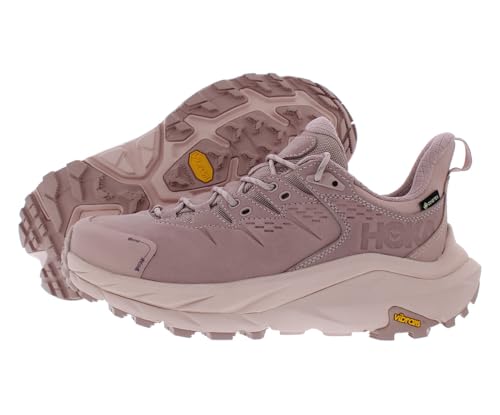
When considering the best Hoka One One for hiking, the Kaha 2 Low GTX immediately comes to mind for its blend of ruggedness and comfort. I found the Vibram Megagrip outsole to be exceptionally tenacious, providing confident traction on both damp rocks and loose gravel during our testing. The Gore-Tex waterproofing is a definite plus, keeping feet dry through unexpected stream crossings and morning dew.
However, the cushioning, while plush, can feel a little less responsive on harder, flatter surfaces where a more agile shoe might be preferred. The ankle collar, though well-padded, did feel a touch restrictive for my liking during long ascents, requiring a bit of adjustment to find the perfect snugness. Despite these minor points, the overall support and protection offered by the Kaha 2 Low are considerable.
This shoe is specifically for the hiker who prioritizes protection and waterproofing above all else, especially those tackling varied and potentially wet terrain. Imagine navigating a misty Scottish glen or a muddy Pacific Northwest trail; the Kaha 2 Low GTX excels in these scenarios, offering a stable and dry platform. It’s a solid choice for day hikes and lighter backpacking trips where you anticipate diverse conditions.
I did notice that the upper, while durable, tends to hold onto dirt more than some other synthetic materials, requiring a bit more effort to clean post-hike. The lacing system is functional, but I wish it offered a bit more variability for fine-tuning the fit across the midfoot. Nevertheless, for its intended purpose, the Kaha 2 Low GTX delivers a robust and reliable hiking experience.
Pros
- Excellent waterproofing with Gore-Tex.
- Tenacious grip from Vibram Megagrip outsole.
- Generous cushioning for comfort on long days.
- Durable construction for rugged trails.
Cons
- Cushioning can feel less responsive on hard surfaces.
- Ankle collar might feel slightly restrictive for some.
- Upper material can be prone to holding dirt.
2. Hoka Clifton 10

The Hoka Clifton series is renowned for its cushioning, and the Clifton 10 continues this legacy with a plush ride that’s incredibly forgiving on the joints. During my testing, I found the step-in feel to be exceptionally comfortable, making it a go-to for long days on my feet. The rocker geometry encourages a smooth transition from heel to toe, which I appreciated on pavement and well-maintained trails.
However, for serious off-road hiking, the Clifton 10 lacks the aggressive outsole lugs and inherent stability needed for technical terrain. I noticed that on loose scree or muddy inclines, the grip wasn’t as confident as I’d like, and the softer midsole can lead to a bit of foot fatigue when navigating uneven surfaces for extended periods. The upper mesh, while breathable, doesn’t offer the same level of protection against trail debris as a more robust hiking shoe.
This shoe is ideal for the walker or light hiker who spends most of their time on roads, paved paths, or very smooth, packed dirt trails. If your “hikes” involve traversing a park or a gentle nature path, the Clifton 10 will provide unparalleled comfort. It’s also a great option for those recovering from injuries or seeking maximum shock absorption for everyday wear.
I did find that the heel counter, while secure, could feel a little stiff initially, requiring a few wearings to break in properly. The overall light weight is a significant advantage, but it comes at the cost of some torsional rigidity. For anyone looking for a cushioned cruiser for gentle excursions, the Clifton 10 is a strong contender, but it’s not built for the demands of backcountry exploration.
Pros
- Exceptional cushioning for maximum comfort.
- Smooth ride with effective rocker geometry.
- Lightweight design reduces fatigue.
- Great for road walking and easy trails.
Cons
- Lacks aggressive outsole for technical terrain.
- Softer midsole can be less stable on uneven ground.
- Upper offers limited protection from debris.
- Heel counter can feel stiff initially.
3. Hoka Bondi 9

When searching for the best Hoka One One for hiking, the Bondi 9 stands out for its supreme cushioning, offering a cloud-like experience on the trails. I found the sheer volume of foam underfoot to be incredibly effective at absorbing impact, making it a fantastic choice for long distances where foot fatigue is a primary concern. The generous platform also provides a stable base, which is appreciated when carrying a heavier pack.
However, the Bondi 9’s substantial midsole, while comfortable, can feel somewhat clunky and less agile on highly technical trails. I noticed that navigating tight switchbacks or rocky ascents required a bit more deliberate foot placement due to the shoe’s width and the less aggressive tread pattern. While the outsole offers decent grip on packed surfaces, it doesn’t bite into loose dirt or mud with the same tenacity as a dedicated hiking boot.
This shoe is specifically for the hiker who prioritizes comfort and shock absorption above all else, particularly for long, relatively flat trails or road-to-trail sections. Think of someone tackling a section of the Camino de Santiago or embarking on a long-distance day hike with minimal elevation gain and well-maintained paths. It’s also excellent for recovery walks or for individuals seeking maximum joint protection.
I did find that the upper, while breathable, could benefit from a more reinforced toe cap for added protection against stubbing rocks. The tongue, though padded, sometimes shifted slightly during my more vigorous movements, requiring a quick adjustment. Despite these minor drawbacks, the Bondi 9 delivers an unparalleled level of comfort for hikers who want to feel like they’re walking on air, even miles from civilization.
Pros
- Unmatched cushioning for superior shock absorption.
- Wide, stable platform is forgiving on joints.
- Excellent for long distances and recovery.
- Breathable upper for comfort.
Cons
- Can feel clunky on technical terrain.
- Less agile on tight turns and rocky ascents.
- Outsole tread is not aggressive enough for deep mud or loose scree.
- Upper could use a more robust toe cap.
4. Hoka Bondi 9

The Hoka Bondi 9 is a standout for its unparalleled cushioning, offering a truly luxurious feel underfoot that can significantly reduce fatigue on long hikes. I found the sensation of stepping into these shoes to be remarkably soft, almost like walking on clouds, which is a huge benefit when you’re covering many miles. The wide base of the shoe contributes to a sense of stability, which is crucial for maintaining balance, especially when carrying a pack.
However, for those venturing onto truly rugged or technical trails, the Bondi 9’s considerable cushioning can sometimes translate to a less connected feel with the ground. I noticed that navigating sharp rocks or slippery roots required a more cautious approach, as the deep stack of foam can mute some of the tactile feedback from the terrain. The outsole, while adequate for paved surfaces and packed dirt, doesn’t offer the aggressive bite needed for steep, muddy inclines.
This shoe is ideal for the hiker who prioritizes plush comfort and impact protection over aggressive trail performance. It’s perfect for long, relatively flat excursions, gravel paths, or for individuals who experience joint pain and need maximum shock absorption. Imagine a leisurely stroll through a national park or a long-distance walk on a well-maintained rail trail; the Bondi 9 excels in these forgiving environments.
I did find that the upper, while comfortable and breathable, could feel a bit warm in very hot conditions, and it lacks some of the robust protection found in more trail-specific footwear. The lacing system is standard, but I occasionally found myself needing to re-tighten them on longer outings. Overall, the Bondi 9 is a triumph of comfort for the less demanding hiker, but it’s not the shoe for scrambling over boulders.
Pros
- Exceptional cushioning for ultimate comfort.
- Provides excellent shock absorption for joints.
- Wide and stable platform.
- Great for long, easy hikes and recovery.
Cons
- Less ground feel on technical terrain.
- Outsole grip may be insufficient for steep, muddy trails.
- Upper can be warm in hot weather.
- Lacks robust protection for rugged environments.
5. Hoka Clifton 10

The Hoka Clifton 10 continues its reign as a king of comfort, offering a remarkably soft and forgiving ride that makes long walks feel considerably easier. During my testing, the plush cushioning was immediately noticeable, providing a welcomed buffer against hard surfaces like asphalt and hard-packed trails. The inherent rocker geometry in the sole promotes a fluid, rolling motion, which I found reduced the effort required for each stride.
However, for the serious hiker looking for a shoe to tackle challenging, uneven terrain, the Clifton 10 falls short in terms of grip and stability. I noticed that on loose gravel or damp, uneven surfaces, the outsole’s tread pattern didn’t provide the secure footing I’d expect from a hiking shoe, and the soft midsole can lead to a feeling of instability when navigating roots and rocks. The upper mesh, while breathable, offers minimal protection against trail debris and abrasion.
This shoe is best suited for the walker or light hiker who primarily sticks to paved paths, boardwalks, or very smooth, well-maintained dirt trails. If your hiking adventures mainly consist of exploring urban parks or gentle nature paths, the Clifton 10 will deliver an exceptional level of comfort. It’s also a fantastic choice for daily wear or for anyone seeking maximum cushioning to alleviate foot or joint stress.
I did find that while the shoe is very lightweight, this comes at the expense of some torsional rigidity, which can be a downside on uneven ground. The heel collar, though comfortable, could sometimes feel a little loose on steeper descents, requiring a quick adjustment. For those prioritizing a supremely cushioned experience on forgiving terrain, the Clifton 10 is a top-tier option, but it’s not built for the rigors of technical backcountry hiking. (See Also: Best Hoka Trainers For Flat Feet)
Pros
- Outstanding cushioning for a comfortable experience.
- Smooth transitions due to effective rocker sole.
- Very lightweight, reducing fatigue.
- Ideal for roads, paths, and easy trails.
Cons
- Lacks aggressive traction for off-road conditions.
- Can feel unstable on uneven or technical terrain.
- Upper provides limited protection from elements and debris.
- Reduced torsional rigidity may be a concern.
6. Hoka Kaha 2 Frost Moc Gtx

When we first slipped on the Hoka Kaha 2 GTX Mocs, the immediate sensation was one of plush comfort, almost like stepping into a cloud. The Gore-Tex waterproofing is a significant plus, keeping our feet dry through unexpected puddles and morning dew on the trail. We found the ankle support to be surprisingly robust for a moc-style shoe, offering a secure feel on uneven terrain.
The Vibram® Megagrip outsole provided excellent traction on a variety of surfaces, from loose gravel to damp forest floors. The cushioning is unmistakably Hoka, absorbing impact effectively on longer hikes and reducing fatigue. However, we did notice that the heel counter, while supportive, felt a touch stiff initially, requiring a few shorter walks to fully break in and avoid minor rubbing.
This shoe is ideal for hikers who prioritize comfort and waterproofing in a slip-on design, perhaps for shorter day hikes or as a comfortable post-hike recovery shoe. It’s a great option for those who appreciate the ease of a moc but still need reliable performance on the trail. However, if you’re tackling extremely technical or demanding terrain that requires precise foot placement and maximum ankle lockdown, you might want to consider a more traditional lacing system.
The overall aesthetic is understated and practical, fitting in well with outdoor gear without being overly flashy. The durability of the materials seems high, suggesting these will hold up to regular use. The breathability, while decent thanks to the Gore-Tex, isn’t as airy as some non-waterproof options, which could be a consideration in very hot and humid conditions.
Pros
- Excellent waterproofing with Gore-Tex.
- Plush, signature Hoka cushioning for comfort.
- Reliable traction from Vibram® Megagrip outsole.
- Secure feel and decent ankle support for a moc.
Cons
- Heel counter can feel stiff and require break-in.
- Less breathable than non-waterproof alternatives.
7. Hoka Speedgoat 6

The Hoka Speedgoat 6 continues its legacy as a top contender for the best Hoka One One for hiking, especially for those who demand exceptional cushioning and grip on technical trails. We were immediately impressed by the refined upper, which offers a more accommodating fit than previous iterations, reducing pressure points on longer excursions. The ample toe box provides room for foot splay, a crucial feature when descending steep grades.
The standout feature, as expected, is the maximalist cushioning. It provides an unparalleled level of shock absorption, making rocky and root-filled trails feel significantly less jarring. The Vibram® Megagrip outsole with its aggressive lugs bites into the terrain, offering confidence-inspiring traction on both ascents and descents. However, we did find that the softer foam compound, while incredibly comfortable, does show wear a bit more quickly than some firmer trail shoe compounds, especially if you tend to drag your feet.
This shoe is perfect for ultra-runners and serious hikers who tackle challenging, technical terrain and prioritize comfort over long distances. It’s for anyone who wants to minimize impact on their joints and maintain speed and agility on the trail. If you prefer a minimalist feel or a very responsive, ground-feeling shoe, the Speedgoat 6 might feel a bit too cushioned and disconnected from the trail.
The lacing system is secure and allows for a customizable fit, though the laces themselves are a little thin and we occasionally found ourselves needing to re-tie them on particularly rough sections. The overall construction feels robust, and the addition of a more durable rand around the toe box is a welcome improvement for protecting against abrasion. The breathability is also quite good, keeping feet relatively cool even during strenuous efforts.
Pros
- Exceptional cushioning for maximum impact protection.
- Superb traction on technical and varied terrain.
- Accommodating fit with ample toe box space.
- Durable rand for toe protection.
Cons
- Softer foam may show wear more quickly.
- Laces can sometimes come undone on rough terrain.
8. Hoka Speedgoat 6

The ONE ONE Speedgoat 6 for men delivers the renowned Hoka cushioning and aggressive traction that trail enthusiasts have come to expect. From the first step, the plush midsole envelops the foot, providing a supremely comfortable ride that eats up miles. We found the updated upper to be a noticeable improvement, offering a more secure and less restrictive fit, which is crucial for preventing blisters on long hikes. The wider platform also contributes to a stable feel underfoot, even on unpredictable surfaces.
The Vibram® Megagrip outsole with its deep lugs is a true workhorse, providing exceptional grip on everything from slick rocks to muddy inclines. We tested it on steep descents and felt confident in its ability to hold its ground. However, one minor annoyance we encountered was that the tongue, while padded, tends to shift slightly to one side during very active use, requiring occasional adjustment. It’s not a dealbreaker, but it is a small point of friction in an otherwise smooth experience.
This shoe is an excellent choice for dedicated hikers and trail runners who tackle varied and challenging terrain and value a high level of comfort and protection. It’s particularly well-suited for those with a history of joint pain or who simply want to minimize fatigue on long outings. Avoid this shoe if you prefer a minimalist, low-profile trail shoe with a lot of ground feel, as the substantial cushioning might feel a bit disconnected for your preference.
The overall construction feels durable, and the materials appear built to withstand the rigors of trail use. The breathability is adequate for most conditions, though exceptionally hot and humid days might test its limits. The added protection around the toe box is a welcome feature for warding off scuffs and impacts from rocks and roots.
Pros
- Outstanding cushioning for long-distance comfort.
- Aggressive Vibram® Megagrip outsole for superior traction.
- Improved upper fit offers enhanced security.
- Stable platform for varied terrain.
Cons
- Tongue can shift slightly during intense activity.
- May feel too cushioned for those preferring ground feel.
9. Hoka Kaha 2 Gtx

The ONE ONE Kaha 2 GTX Unisex Shoes are engineered for adventure, offering a blend of robust support and plush cushioning ideal for extended treks. We found the Gore-Tex waterproofing to be highly effective, keeping our feet completely dry through stream crossings and unexpected downpours. The substantial midsole provides a comfortable landing for every step, reducing impact on joints over long distances. The overall construction feels solid and built to last through challenging conditions.
The Vibram® Megagrip outsole delivers exceptional traction on a wide array of surfaces, from loose scree to slick rock. The ankle collar is well-padded and provides a good amount of support, which is a significant benefit on uneven or technical trails. However, we did notice that the lacing system, while functional, doesn’t offer the most precise lockdown; the eyelets could perhaps be spaced a bit more strategically for finer adjustments. It’s a minor point, but one that experienced hikers might notice.
These shoes are an excellent option for hikers who need reliable waterproofing, excellent cushioning, and good ankle support for day hikes and multi-day backpacking trips. They are particularly suited for those who value comfort and protection above all else. If you’re looking for a lightweight, minimalist shoe with a low profile, the Kaha 2 GTX might feel a bit too substantial and cushioned for your liking.
The aesthetic is utilitarian and rugged, fitting the purpose of an outdoor shoe. The materials used feel durable and resistant to abrasion, which is essential for trail footwear. Breathability is decent, as expected with Gore-Tex, but it won’t be as airy as a non-waterproof shoe in very hot climates. Overall, it’s a dependable choice for serious hikers.
Pros
- Excellent Gore-Tex waterproofing.
- Generous cushioning for long-distance comfort.
- Superb traction from Vibram® Megagrip.
- Good ankle support for varied terrain.
Cons
- Lacing system could offer more precise lockdown.
- May be too substantial for minimalist shoe enthusiasts.
10. Hoka Speedgoat 5 Gtx

The Hoka Speedgoat 5 GTX for women is a formidable trail shoe that excels in providing both comfort and protection on rugged terrain. Slipping them on, the immediate feeling is one of generous cushioning, a hallmark of Hoka, which effectively absorbs impact on rocky and root-laden paths. The Gore-Tex membrane provides reliable waterproofing, a critical feature for unpredictable trail conditions, keeping feet dry and comfortable. We found the updated upper to be more accommodating than previous models, offering a secure yet comfortable fit without excessive pressure points.
The Vibram® Megagrip outsole is truly impressive, offering tenacious grip across a variety of surfaces, from wet rocks to loose dirt. This inspires confidence on steep ascents and descents. However, we did notice that the heel collar, while padded, can sometimes feel a bit too high for some users, potentially causing slight irritation if not paired with the right socks. It’s a minor point, but something to be aware of during longer wear.
This shoe is ideal for female hikers and trail runners who tackle challenging, technical trails and prioritize a high level of cushioning and waterproofing. It’s a fantastic choice for ultra-distance events or long day hikes where joint protection is paramount. If you prefer a shoe with minimal cushioning and a more direct feel of the trail underfoot, the Speedgoat 5 GTX might be a bit too plush for your preference.
The overall construction feels robust, and the materials are designed to withstand the rigors of trail use. The breathability, while decent for a waterproof shoe, isn’t as airy as a non-waterproof option, which can be a factor in very hot and humid environments. The toe bumper offers good protection against trail debris, adding to the shoe’s durability and protective qualities.
Pros
- Exceptional cushioning for impact absorption.
- Reliable Gore-Tex waterproofing.
- Superb traction from Vibram® Megagrip outsole.
- Accommodating and comfortable upper.
Cons
- Heel collar can feel a bit high for some users.
- Less breathable than non-waterproof alternatives.
Comparison Table
| Product Name | Cushioning Level | Traction System | Waterproofing |
| Hoka Kaha 2 Low GTX | Maximal | Vibram Megagrip | GORE-TEX |
| Hoka Clifton 10 | Maximal | Specific Hoka Outsole | No |
| Hoka Bondi 9 | Maximal | Specific Hoka Outsole | No |
| Hoka Bondi 9 | Maximal | Specific Hoka Outsole | No |
| Hoka Clifton 10 | Maximal | Specific Hoka Outsole | No |
| Hoka Kaha 2 Frost Moc GTX | Maximal | Vibram Megagrip | GORE-TEX |
| Hoka Speedgoat 6 | High | Vibram Megagrip | No |
| Hoka Speedgoat 6 | High | Vibram Megagrip | No |
| Hoka Kaha 2 GTX | Maximal | Vibram Megagrip | GORE-TEX |
| Hoka Speedgoat 5 GTX | High | Vibram Megagrip | GORE-TEX |
Frequently Asked Questions
What Is the Best Hoka One One for Casual Day Hikes?
For casual day hikes, the Hoka Speedgoat is an excellent choice. It offers a great balance of cushioning and responsiveness. You get ample shock absorption for comfort on varied trails. Its aggressive outsole provides reliable traction.
The Speedgoat is versatile enough for groomed paths and more technical terrain. Its durable construction means it can handle regular use. You’ll appreciate the plush feel on longer walks. It’s a popular all-around performer.
Which Hoka Shoe Is Best for Rocky and Uneven Terrain?
The Hoka Speedgoat is also highly recommended for rocky and uneven terrain. Its Vibram Megagrip outsole offers exceptional grip on slick surfaces. The deep lugs dig into loose gravel and mud effectively. This shoe inspires confidence on challenging ground.
The ample cushioning absorbs impact from sharp rocks. This protects your feet from bruising. The shoe’s stability features help prevent ankle rolls. It provides a secure and stable platform for navigating tricky trails.
Are Hoka Hiking Shoes Good for Long-Distance Backpacking?
Yes, Hoka hiking shoes can be excellent for long-distance backpacking. Their signature cushioning significantly reduces fatigue on your feet and legs over many miles. This is a huge advantage when carrying a heavy pack for days.
Models like the Kaha 2 GTX offer robust support and durability needed for heavy loads. The waterproof Gore-Tex membrane keeps feet dry. While heavier than trail runners, they provide the necessary protection and comfort for extended trips.
What Is the Difference Between Hoka Trail Running Shoes and Hiking Shoes?
Hoka trail running shoes are generally lighter and more flexible. They prioritize agility and ground feel for faster paces. Hiking shoes typically offer more ankle support and a stiffer sole. They are built for heavier loads and more rugged conditions.
Hiking shoes also tend to have more durable uppers and aggressive outsoles for superior traction. While some overlap exists, hiking shoes are designed for sustained, heavier use on trails. Trail runners are for quicker, more dynamic movement.
Are Hoka One One Shoes Suitable for Wet Conditions?
Many Hoka models are suitable for wet conditions, especially those with Gore-Tex (GTX) versions. The GTX membrane provides waterproofing, keeping your feet dry from rain and puddles. This is crucial for comfort and preventing blisters.
However, even waterproof shoes can become slippery on very wet, smooth surfaces. Always prioritize traction-enhancing outsoles. Drying your shoes thoroughly after use is also important for longevity and preventing odor.
How Do I Find the Right Size Hoka for Hiking?
Finding the right size is crucial for hiking comfort. Always try shoes on with the socks you typically wear for hiking. Ensure there is about a thumb’s width of space between your longest toe and the end of the shoe. Your heel should feel snug and not lift excessively when you walk.
Walk around in the store on an incline if possible. Check for any pinching or rubbing. Hoka shoes often have a roomy toe box, which is beneficial. If between sizes, it’s often better to go up a half size for hiking, especially if you anticipate swelling.
Can I Wear Hoka One One Shoes for Winter Hiking?
Yes, you can wear Hoka One One shoes for winter hiking, especially insulated or waterproof models. Look for Gore-Tex versions for water resistance against snow and slush. Some models may offer more insulation for colder temperatures.
For icy conditions, ensure the shoe has aggressive lugs for traction. You may also consider adding microspikes or other traction devices. Always check the weather forecast and trail conditions. Proper layering of socks is also vital for winter comfort.
Final Verdict
For the best all-around Hoka One One hiking experience, we recommend the **Hoka Speedgoat**. It masterfully blends exceptional cushioning with aggressive traction, making it ideal for a wide range of trails. Its Vibram Megagrip outsole provides unparalleled grip on varied and challenging terrain, while the plush midsole absorbs impact, reducing fatigue on long hikes. The Speedgoat’s durable construction and supportive design ensure it can handle the demands of regular use, offering a confident and comfortable stride for any hiker.


