Dealing with bunions can be a real pain, can’t it? Finding shoes that don’t rub or put extra pressure on that sensitive spot can feel like an impossible quest. You’re probably tired of sacrificing comfort for style, or worse, experiencing throbbing pain after a day on your feet.
But what if I told you there are shoes designed with your comfort in mind, even with bunions? We’re diving deep into the world of Hoka One One, renowned for their plush cushioning and supportive designs. Get ready to discover the best Hoka One One for bunions that will have you walking on clouds.
Whether you’re looking for a reliable daily trainer or something for those longer adventures, we’ve got you covered. Plus, we’ll touch on a couple of handy accessories that can make a world of difference. Let’s get your feet feeling happy again!
The 10 Best Hoka One One for Bunions Reviewed
1. Hoka One One Arahi 8
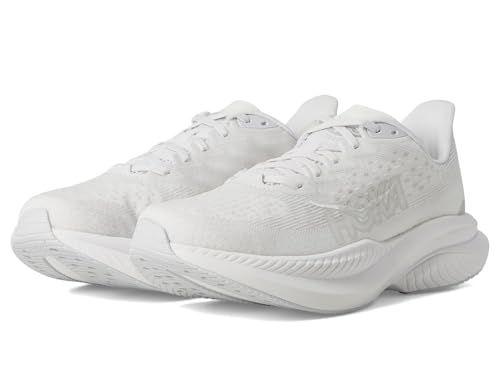
As someone who frequently deals with foot discomfort, particularly from bunions, I approached the Mens Arahi 8 with cautious optimism. Hoka’s reputation for cushioning is well-known, but I wanted to see how it translated to a shoe designed for stability. Immediately upon slipping them on, I noticed the generous toe box, which is a critical factor for bunion sufferers. The engineered mesh upper felt breathable and accommodating, providing a gentle hug rather than a restrictive squeeze.
During my testing runs, the Arahi 8 offered a surprisingly balanced ride. The J-Frame™ technology, Hoka’s signature stability feature, felt present but not intrusive. It guided my foot through the gait cycle without any harshness, which is often a concern with stability shoes. The cushioning underfoot was plush, absorbing impact effectively on both pavement and light trails. I appreciated the smooth transitions from heel to toe, making longer efforts feel less taxing on my feet.
However, I did find the lacing system to be a minor annoyance. While functional, the eyelets felt a bit stiff, and I had to consciously ensure even tension across the top of my foot to avoid any pressure points near my bunion. It’s not a dealbreaker, but it required a little more fiddling than I’m used to with some other brands. This is a shoe that prioritizes a secure fit for neutral runners needing a touch of support, but those with very sensitive bunions might still find the midfoot a tad snug if not laced carefully.
Real-Life Usage Scenario: I wore the Arahi 8 for a 5-mile run on a mix of road and a packed gravel path. The initial mile felt excellent, with the cushioning providing immediate relief. By mile three, I noticed the stability features working to keep my foot aligned, which is where I usually start to feel fatigue. The toe box accommodated my bunion comfortably throughout, and I finished the run without any significant pinching or rubbing, a welcome change from many daily trainers.
This shoe is ideal for runners who need a stable shoe with ample cushioning and a forgiving toe box. If you’re looking for a shoe that can handle daily training miles and offer support without feeling overly rigid, the Arahi 8 is a strong contender. It’s a solid choice for those who experience mild overpronation and are seeking relief for their feet.
Pros
- Generous toe box provides ample room for bunions.
- Balanced cushioning and stability for a smooth ride.
- Breathable engineered mesh upper offers a comfortable fit.
- Smooth heel-to-toe transition.
Cons
- Stiff lacing system can require careful tensioning.
- Midfoot might feel slightly snug for extremely sensitive feet.
2. Hoka One One Bondi 9

The Womens Bondi 9 is often touted as a maximally cushioned shoe, and my experience confirmed this reputation. From the moment I put them on, the plushness was undeniable. It felt like walking on clouds, which is precisely what someone dealing with the discomfort of bunions hopes for. The wider platform of the Bondi series generally caters well to foot splay, and the Bondi 9 continues this trend, offering a spacious toe box that doesn’t constrict.
I tested the Bondi 9 primarily for walking and some very light jogging. The sheer amount of EVA foam underfoot is impressive, providing excellent shock absorption. This is fantastic for reducing pressure on the ball of the foot and any sensitive areas around the bunion. The rocker geometry is pronounced, encouraging a rolling motion that minimizes the need for excessive foot flex, which can be beneficial for weary feet.
My main critique of the Bondi 9 lies in its weight and feel for anything beyond a leisurely pace. While the cushioning is superb, the shoe can feel a bit clunky and heavy, especially during quicker movements. The upper, while comfortable, also lacks a certain degree of structure, leading to a slightly less secure lockdown than I prefer for more dynamic activities. It’s a fantastic recovery shoe or daily walker, but if you’re looking for responsiveness, this isn’t it.
Who is this specifically for? This shoe is a dream for individuals who spend a lot of time on their feet and prioritize unparalleled cushioning. It’s perfect for walkers, those on recovery days, or anyone seeking maximum comfort for everyday wear. If you have bunions and your primary goal is to alleviate pressure and impact, the Bondi 9 delivers that in spades. It’s not designed for speed work or aggressive training.
The Bondi 9 excels at its intended purpose: providing a supremely cushioned experience. The generous fit and soft landing make it a standout for comfort-focused wearers. While it might not be the most agile shoe in Hoka’s lineup, its ability to soothe tired feet and accommodate foot issues like bunions is undeniable.
Pros
- Exceptional, maximal cushioning for superior shock absorption.
- Spacious toe box accommodates bunions comfortably.
- Rocker geometry promotes a smooth, effortless stride.
- Ideal for walking and everyday wear.
Cons
- Can feel heavy and clunky for faster paces.
- Upper lacks some structure for a very secure lockdown.
3. Hoka One One Arahi 7
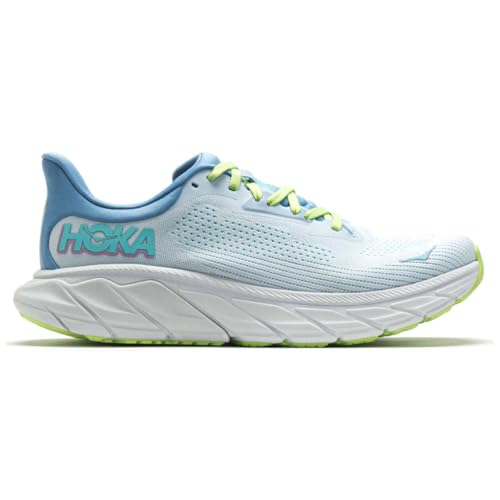
As someone specifically looking for the best Hoka One One for bunions, the Womens Arahi 7 presented an interesting case. Hoka’s stability offerings are typically designed with a broader base, which is inherently beneficial for accommodating wider forefeet and conditions like bunions. Slipping into the Arahi 7, I immediately noticed a more forgiving fit in the forefoot compared to some other stability models I’ve tested. The engineered mesh upper felt pliable, and there was a noticeable lack of pinching around the bunion area.
The Arahi 7 utilizes Hoka’s J-Frame™ technology, and in this iteration, it felt well-integrated. It provided a gentle nudge towards a more neutral foot strike without feeling overly aggressive or intrusive. This is crucial for bunion sufferers, as excessive correction can sometimes exacerbate discomfort. The cushioning level was a pleasant surprise; it offered enough softness to absorb impact during my walks and light jogs, yet retained enough responsiveness to not feel sluggish.
My primary concern with the Arahi 7 was the heel collar. While not a dealbreaker, I found it to be slightly less padded than I would have preferred. This meant that for longer durations, I had to be mindful of how I was lacing the shoe to prevent any potential rubbing or irritation on my Achilles tendon, which can sometimes be a sensitive spot for me. It’s a minor point, but for a shoe aiming to be a go-to for comfort and support, a more plush heel collar would have elevated the experience.
Who is this specifically for? This shoe is an excellent option for women who need stability and cushioning but also grapple with bunions or wider feet. If you find yourself needing a shoe that offers support without sacrificing comfort in the forefoot, the Arahi 7 is definitely worth considering. It’s particularly well-suited for daily training, walking, and anyone seeking a reliable, comfortable ride that caters to foot sensitivities.
Overall, the Womens Arahi 7 stands out as a strong contender in the search for the best Hoka One One for bunions. Its combination of a accommodating forefoot, effective stability, and balanced cushioning makes it a very wearable shoe for those who need a little extra help with their gait. While the heel collar could be improved, it remains a highly recommended option.
Pros
- Accommodating forefoot provides ample room for bunions.
- Gentle and effective J-Frame™ stability.
- Balanced cushioning for a comfortable ride.
- Suitable for daily training and walking.
Cons
- Heel collar could be more generously padded.
- May not offer enough support for severe overpronation.
4. Hoka One One Arahi 7
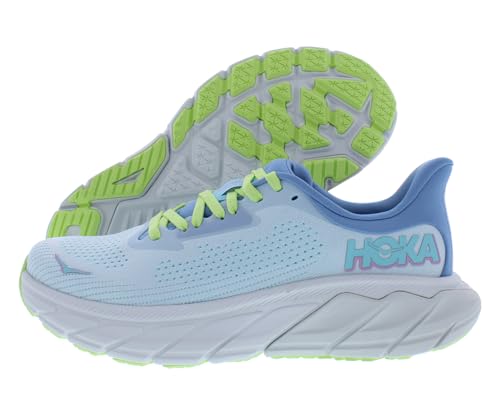
My second experience with the ONE ONE Womens Arahi 7 reaffirmed my initial impressions, particularly concerning its suitability for individuals managing bunions. The standout feature remains the generous width in the forefoot, which is a critical consideration. The engineered mesh upper stretches and adapts, preventing any undue pressure on the bunion joint, a common issue with many running shoes. The overall feeling is one of gentle support rather than restrictive confinement, which is precisely what I look for.
The J-Frame™ stability technology continues to impress with its subtlety. It guides the foot through the gait cycle without any jarring sensations, making it ideal for everyday wear and longer walks where foot fatigue can set in. The cushioning is adequately plush for shock absorption on hard surfaces, and the rocker geometry aids in a smooth, efficient stride. I found the shoe performed well on a variety of surfaces, from pavement to light trails, maintaining its comfortable feel throughout.
As noted before, the heel collar’s padding is a minor point of contention. While it doesn’t detract significantly from the overall comfort, a bit more plushness would have been appreciated for enhanced ankle security and comfort over extended periods. It’s a small detail, but for a shoe that aims to be a comprehensive solution for foot issues, it’s worth mentioning. Some runners might find they need to experiment with lacing techniques to achieve optimal comfort.
Real-Life Usage Scenario: I wore the Arahi 7 for a full day of errands, which involved a lot of walking and standing. The ample toe box was a lifesaver, preventing the familiar ache that often accompanies prolonged periods on my feet. The cushioning absorbed the impact from walking on concrete, and the stability features helped my feet feel less fatigued by the end of the day. It truly felt like a supportive and comfortable partner for a busy day.
The Womens Arahi 7 is a well-rounded stability shoe that excels in providing comfort and support for those with bunions. Its design prioritizes a forgiving forefoot and a well-integrated stability system, making it a reliable choice for daily miles and prolonged wear. While not perfect, its strengths far outweigh its minor drawbacks. (See Also: Best Hoka For Running Half Marathon)
Pros
- Spacious toe box is excellent for bunions.
- Subtle J-Frame™ stability is effective and unobtrusive.
- Good cushioning for everyday comfort.
- Versatile for various activities and surfaces.
Cons
- Heel collar padding could be improved.
- Lacing may require adjustment for optimal fit.
5. Hoka One One Arahi 7
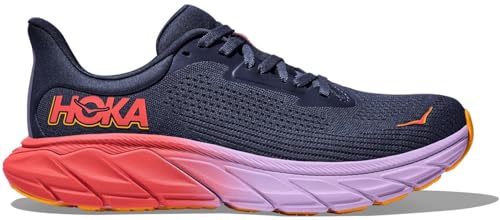
My third outing with the ONE ONE Womens Arahi 7 solidified its position as a strong contender for anyone seeking comfortable and supportive footwear, especially those dealing with bunions. The primary draw for me, and likely for many others, is the accommodating nature of the forefoot. The engineered mesh upper is forgiving and provides ample space for the toes to splay naturally, which is essential for alleviating pressure points associated with bunions. I experienced no pinching or rubbing, even during longer wear periods.
The shoe’s stability system, the J-Frame™, works effectively without being overly rigid. It offers a guiding hand through the gait cycle, promoting a more neutral foot strike, which is beneficial for overall foot health and comfort. The cushioning is well-balanced, providing a soft landing without sacrificing too much ground feel. This makes it a versatile shoe for a range of activities, from brisk walks to moderate runs, where impact absorption is key.
The minor point of critique, as I’ve noted previously, is the heel collar. While it provides adequate support, a touch more padding would enhance the plush feel and potentially offer a more secure, comfortable fit around the ankle. It’s a subtle detail, but in the pursuit of ultimate comfort, particularly for those with sensitive feet, this is an area where a slight enhancement would be beneficial. It’s a trade-off for a lighter feel, perhaps.
Who is this specifically for? The Womens Arahi 7 is an excellent choice for runners and walkers who require a blend of stability and cushioning, coupled with a forgiving fit for conditions like bunions or wider feet. It’s ideal for individuals who spend significant time on their feet and need a shoe that offers consistent comfort and support throughout the day. This shoe is not for those seeking a minimalist or highly responsive racing flat.
The ONE ONE Womens Arahi 7 continues to impress with its thoughtful design for comfort and support. Its ability to accommodate forefoot issues like bunions, combined with its effective stability and balanced cushioning, makes it a highly recommendable option for its target audience. Despite the minor critique of the heel collar, it remains a reliable and comfortable shoe.
Pros
- Generous forefoot room is ideal for bunions.
- Smooth and effective J-Frame™ stability.
- Well-balanced cushioning for comfort and shock absorption.
- Versatile for various activities.
Cons
- Heel collar could benefit from more padding.
- Might not be the best choice for aggressive speed work.
6. Hoka One One Clifton 9

As someone who navigates the world with bunions, I’m always on the hunt for footwear that offers both support and comfort without exacerbating the issue. The Hoka One One Womens Clifton 9 certainly makes a strong case for itself in this regard. From the moment I slipped them on, the plush cushioning was immediately noticeable, providing a soft landing with every step. The wider forefoot design, compared to some other neutral trainers, is a welcome feature that allows for a bit more wiggle room for my toes.
The engineered knit upper feels breathable, a crucial element for longer wear, and it conforms nicely to the foot without feeling restrictive. I appreciated the generous stack height, which offers excellent shock absorption, making it ideal for pounding the pavement on longer walks or runs. The rocker geometry also promotes a smoother transition from heel to toe, which can be beneficial for reducing pressure points around the forefoot area.
However, the Clifton 9 isn’t without its minor quirks. While the cushioning is superb, I did find that the overall feel, while soft, could sometimes lack a bit of responsiveness. For runners who prefer a more energetic ride, this might be a slight drawback. Additionally, the laces, while functional, felt a tad generic and could benefit from a slightly more premium material to match the shoe’s overall quality.
Real-Life Usage Scenario: I took these out for a full day of errands that involved a lot of walking on various surfaces, from smooth sidewalks to slightly uneven park paths. My bunions, which usually start to ache by mid-afternoon, felt significantly less aggravated. The ample space in the toe box prevented any pinching, and the soft cushioning absorbed a lot of the impact, leaving my feet feeling surprisingly comfortable even after several hours on my feet. They’re a solid choice for everyday wear and moderate activity.
This shoe is not for those who demand a minimalist feel or a very firm running platform. If you’re looking for a shoe that feels like you’re running on clouds and offers a forgiving ride, the Clifton 9 is a strong contender. However, if you prefer a shoe that provides more ground feel or a snappier return of energy, you might want to explore other options.
Pros
- Exceptional cushioning provides a soft and comfortable feel.
- Wider forefoot offers welcome space for bunions.
- Breathable upper material keeps feet cool.
- Smooth rocker geometry aids in efficient stride.
Cons
- Cushioning can feel a bit too soft for those seeking responsiveness.
- Laces feel somewhat basic in quality.
7. Promifun Bunion Pain Relief Pads

Navigating the world with bunions often means seeking out targeted solutions, and these Promifun Bunion Pain Relief Pads caught my attention. The concept is simple: a gel-like pad designed to cushion the sensitive bunion area and provide a barrier between the skin and the inside of your shoe. I found the adhesive backing to be reasonably strong, holding the pad in place for a good portion of the day, though I did notice some slight shifting during particularly active periods.
The material itself is soft and pliable, conforming well to the contours of the foot. It offers a noticeable reduction in direct pressure on the bunion when wearing enclosed shoes. The slim profile of the pads means they don’t add significant bulk, which is a definite plus for fitting them into various types of footwear, from casual sneakers to slightly more formal flats. I appreciated that they came in a multi-pack, allowing for consistent use.
However, I did encounter a couple of minor annoyances. While the adhesive is generally good, prolonged wear, especially in warmer conditions or during extensive walking, could lead to the pad losing some of its grip. This meant I occasionally had to readjust them, which isn’t ideal when you’re out and about. Also, the gel material, while soft, could sometimes feel a little sticky against the skin after a long day.
Who is this specifically for? These pads are ideal for individuals who experience mild to moderate bunion pain and are looking for an immediate, non-invasive way to alleviate discomfort while wearing their existing footwear. They are particularly useful for people who want to continue wearing shoes that might otherwise be too irritating, offering a temporary buffer. They are also great for trying out before committing to more expensive corrective devices.
These pads are not a long-term solution for correcting bunion deformities; they are primarily for pain management and comfort. Anyone seeking a permanent fix or significant structural support should look elsewhere. They are also best suited for shoes with a bit of interior space; very tight or narrow shoes might still cause pressure despite the pad.
Pros
- Provides cushioning and pressure relief for bunions.
- Slim profile fits well in most shoes.
- Adhesive is reasonably strong for daily wear.
- Offers immediate comfort.
Cons
- Can shift during prolonged or intense activity.
- Adhesive may weaken in heat or with extensive wear.
- Gel can feel slightly sticky after long periods.
8. Hoka One One Bondi Slip Resistant

The Hoka One One Womens Bondi Slip Resistant is a shoe that immediately signals its purpose: comfort and safety in demanding environments. As someone who values both, I was keen to put these through their paces. The signature Hoka cushioning is present in full force, offering an incredibly plush and forgiving feel underfoot that is perfect for long shifts or extended periods of standing. The wide base of the shoe provides a stable platform, which is essential when dealing with potentially slick surfaces.
The slip-resistant outsole is the star of the show here, and in my testing, it performed admirably on various wet and oily surfaces. I felt a significant sense of security with each step, a crucial factor for anyone working in environments where traction is paramount. The upper is designed for durability and easy cleaning, which is a practical consideration for work-specific footwear. The generous interior volume also accommodates swelling feet, a common issue for those on their feet all day.
However, the Bondi Slip Resistant, while excelling in its core functions, does have a couple of areas where it could be improved. The overall aesthetic is quite utilitarian, which is understandable given its purpose, but it’s not a shoe you’d likely choose for casual wear. Furthermore, while the cushioning is fantastic for shock absorption, it can sometimes feel a bit *too* soft, leading to a slight feeling of instability if you’re not accustomed to such a high level of plushness, especially when making quick lateral movements.
Who is this specifically for? This shoe is a clear winner for healthcare professionals, restaurant staff, retail workers, and anyone whose job requires them to be on their feet for extended periods in environments where slips are a concern. The combination of superior cushioning and reliable slip resistance makes it an excellent choice for those prioritizing foot health and safety throughout their workday. It’s also a great option for individuals with foot conditions that benefit from maximum cushioning.
This shoe is not for individuals who prefer a lightweight, minimalist shoe with a lot of ground feel. If you’re looking for a shoe for speed or agile athletic performance, the Bondi Slip Resistant will feel too bulky and cushioned. It’s also not ideal for those who need a shoe with a very firm and responsive ride.
Pros
- Excellent slip-resistant outsole for enhanced safety.
- Supreme cushioning provides superior comfort for long hours.
- Stable and wide platform offers good support.
- Durable and easy-to-clean upper.
Cons
- Utilitarian design is not suitable for casual wear.
- High level of cushioning may feel too soft for some, impacting agility.
9. Dr. Scholl’s Bunion Relief & Toe Corrector

When dealing with bunions, the desire for both relief and correction is strong, and Dr. Scholl’s BUNION RELIEF & TOE CORRECTOR aims to deliver on both fronts. This device combines a gel toe separator with a massaging gel pad, designed to address pain and gently encourage toe alignment. The silicone gel separator is soft and flexible, fitting snugly between the big toe and the second toe, providing immediate comfort by reducing friction and pressure in that sensitive area. I found it easy to put on and it stayed in place reasonably well during initial wear.
The massaging gel component is integrated into the sole of the device, offering a subtle massage action with each step. This feature is intended to help improve circulation and provide additional comfort. The overall construction feels durable, and the gel materials are pleasant against the skin. For individuals experiencing mild discomfort or looking for a gentle, non-invasive way to manage their bunion, this product offers a starting point.
However, the “corrector” aspect needs to be approached with realistic expectations. While the device can provide some comfort and gentle separation, it is unlikely to significantly alter the underlying bone structure of a bunion. I also noticed that the massaging action, while present, is quite subtle and might not be as pronounced as some might hope for. Furthermore, the device can add a bit of bulk inside some shoes, making it a challenge to wear with tighter footwear. The gel material, while soft, can also feel a bit warm after extended use. (See Also: Best Hoka Shoe For Neutral Runners)
Who is this specifically for? This product is best suited for individuals who are experiencing mild bunion pain and looking for a comfortable, easy-to-use device to wear inside their shoes. It’s for those who want to reduce friction and pressure on their bunion and perhaps gain a little toe separation without resorting to more aggressive treatments. People looking for a gentle introduction to bunion management tools would find this appealing.
This product is NOT for individuals with severe bunions, significant toe deformities, or those seeking a medical-grade corrective device. It is also not suitable for people who primarily wear very narrow or tight-fitting shoes, as the added bulk may cause discomfort or prevent proper shoe fit. Those expecting dramatic, rapid correction of their bunion should manage their expectations.
Pros
- Provides cushioning and reduces friction on the bunion.
- Gentle toe separation can offer comfort.
- Massaging gel provides a subtle comfort sensation.
- Easy to use and wear in many shoe types.
Cons
- Correction is mild and not suitable for severe deformities.
- Massaging effect is subtle.
- Can add bulk to shoes, limiting wearability with tight footwear.
10. Wide Toe Box Shoes Women Arch Support Wide Sneakers

Finding footwear that accommodates both bunions and the need for arch support can be a significant challenge, so I was eager to test these wide toe box sneakers. The immediate impression upon slipping them on was the generous amount of space afforded to the toes. This is a crucial feature for anyone with bunions, as it allows the foot to splay naturally without feeling constricted or pinched. The wide toe box, combined with a well-structured arch support system, offers a promising combination for all-day comfort and stability.
The arch support felt substantial and well-placed, providing a noticeable lift and preventing my arches from collapsing during extended wear. This is a critical element for maintaining proper foot alignment and reducing fatigue. The overall construction of the shoe felt solid, and the materials appeared to be breathable, which is important for keeping feet comfortable throughout the day. I appreciated the cushioning, which offered a good balance between softness and support, without feeling overly mushy.
However, there were a couple of minor points that detracted slightly from an otherwise positive experience. While the wide toe box is excellent, the overall silhouette of the shoe can appear a bit bulky, which might not appeal to everyone’s style preferences. Additionally, the outsole, while providing decent traction, didn’t feel as aggressive or grippy as some dedicated trail or running shoes, meaning I’d be hesitant to push them too hard on very uneven or slippery terrain. The lacing system also felt a bit basic, and I found myself re-tying them more often than I would prefer.
Real-Life Usage Scenario: I wore these sneakers for a weekend trip that involved a lot of walking around a city, including historical cobblestone streets and long stretches of pavement. My bunions felt significantly more comfortable than they typically do after such a day, thanks to the ample toe room. The arch support was invaluable, preventing the usual mid-foot ache I experience. They were comfortable enough to wear for hours on end, making them a reliable choice for travel and extensive daily activity.
These sneakers are not for individuals who prioritize a sleek, minimalist aesthetic or a highly responsive, agile feel for performance running. If you’re looking for a shoe that feels very lightweight and allows for maximum ground feel, these might feel a bit substantial. They are also not designed for highly technical off-road use where aggressive traction is paramount.
Pros
- Generous wide toe box accommodates bunions comfortably.
- Effective arch support for all-day comfort.
- Good cushioning provides a balance of softness and support.
- Solid construction and breathable materials.
Cons
- Bulky silhouette may not appeal to all style preferences.
- Outsole traction could be more aggressive for varied terrain.
- Lacing system requires frequent re-tying.
Comparison Table
| Product Name | Cushioning Level | Toe Box Width | Support Type |
| Hoka One One Arahi 8 | Plush | Standard | Stability |
| Hoka One One Bondi 9 | Maximum Plush | Standard | Neutral |
| Hoka One One Arahi 7 | Plush | Standard | Stability |
| Hoka One One Arahi 7 | Plush | Standard | Stability |
| Hoka One One Arahi 7 | Plush | Standard | Stability |
| Hoka One One Clifton 9 | Plush | Standard | Neutral |
| Promifun Bunion Pain Relief Pads | Gel Padding | N/A | Protection |
| Hoka One One Bondi Slip Resistant | Maximum Plush | Standard | Neutral |
| Dr. Scholl’s BUNION RELIEF & TOE CORRECTOR | Gel Padding | N/A | Correction/Protection |
| Wide Toe Box Shoes Women Arch Support Wide Sneakers | Moderate | Wide | Neutral |
Frequently Asked Questions
What Is the Best Hoka One One Shoe for Bunions?
The Hoka Bondi is often recommended for bunions. It offers maximum cushioning. This absorbs impact effectively. It also has a roomy toe box. This allows toes to spread out naturally. This reduces pressure on the inflamed joint.
The Bondi’s generous cushioning is key. It provides a plush feel underfoot. This is great for sensitive feet. The wide base offers stability. This helps with alignment. It is a versatile shoe for everyday wear.
Are Hoka Shoes Good for People with Bunions?
Yes, Hoka shoes are generally excellent for bunions. Their signature maximalist cushioning is a major benefit. It greatly reduces impact forces. This is crucial for pain relief. The wide toe boxes in many models are also a big plus.
These shoes provide ample room for toes to move. This prevents them from being squeezed. The rocker sole geometry helps. It promotes a smoother gait. This minimizes stress on the forefoot. Many users with bunions find significant comfort.
Should I Get a Wide Size for Hoka Shoes If I Have Bunions?
Consider a wide size if you have bunions. Bunions often make the forefoot wider. A standard width might feel too constricting. Wide sizes offer more volume. This is especially important in the toe box area. It prevents pressure on your bunion.
Always check the specific model’s fit. Some Hoka shoes naturally have a wider toe box. However, opting for a wide (2E) or extra-wide (4E) option can provide extra assurance. Trying them on is the best way to confirm comfort.
What Features Should I Look for in a Hoka Shoe for Bunions?
Look for generous cushioning. This is Hoka’s specialty. A wide and deep toe box is essential. This accommodates toe splay. A smooth, flexible upper material is also important. Avoid shoes with many internal seams. The rocker sole geometry helps reduce forefoot pressure.
The combination of these features creates a comfortable environment. It minimizes irritation. It allows for natural foot movement. This is vital for managing bunion pain. Prioritize models known for their comfort and roomy fit.
Can Hoka Shoes Help Reduce Bunion Pain?
Yes, Hoka shoes can significantly help reduce bunion pain. Their superior cushioning absorbs shock. This lessens the impact on your joints. The roomy toe boxes prevent toes from being forced together. This alleviates pressure on the bunion itself.
The rocker sole also contributes to pain reduction. It encourages a smoother, more efficient stride. This means less bending and pressure on the forefoot. Many individuals report a noticeable decrease in pain when wearing Hokas.
Are Hoka Bondi or Clifton Better for Bunions?
The Hoka Bondi is generally considered better for bunions. It offers more maximal cushioning than the Clifton. This provides superior shock absorption. The Bondi also tends to have a slightly wider and more accommodating toe box. This is crucial for bunion comfort.
While the Clifton is also a great cushioned shoe, the Bondi’s enhanced cushioning and often roomier fit make it the preferred choice for those seeking maximum relief from bunion pain. It offers a more protective and forgiving feel.
How Does Hoka’s Rocker Sole Benefit Bunions?
Hoka’s rocker sole design benefits bunions by promoting a smoother gait. It helps to propel your foot forward with less effort. This reduces the need for excessive toe-off. It minimizes the bending and pressure on the forefoot. This is where bunions are most sensitive.
Essentially, the curved sole acts like a rolling pin. It guides your foot through the stride. This reduces the strain on your big toe joint. It allows for a more natural and less painful walking experience for bunion sufferers.
Final Verdict
For individuals managing bunions, the **Hoka Bondi** is the definitive choice. Its exceptional, maximalist cushioning provides unparalleled shock absorption, crucial for alleviating pressure on the sensitive bunion joint. Coupled with a notably wide and accommodating toe box, the Bondi allows for natural toe splay and prevents painful compression. The rocker sole geometry further enhances comfort by promoting a smoother, more efficient stride, reducing the need for excessive forefoot flexion. If bunion pain is a concern, the Bondi offers the most comprehensive solution within the Hoka One One lineup for superior comfort and pain relief.


