Hey there! Dealing with weak ankles can really put a damper on your running game, right? It’s frustrating when every stride feels a bit precarious, and you’re constantly worried about twists and turns. You want to enjoy your runs without that nagging instability, and finding the right shoe is absolutely key to getting back to feeling confident and secure on your feet.
That’s where Hoka comes in! They’re renowned for their cushioning and support, making them a fantastic option for many runners. But with so many models, how do you pick the one that’s truly going to cradle those ankles and give you the stability you crave? We’ve dug into what makes a shoe great for ankle support and looked at some of the top Hoka contenders to help you navigate the choices and find your perfect fit.
Finding the best Hoka for weak ankles isn’t just about comfort; it’s about regaining trust in your stride and enjoying the miles ahead. Let’s get you sorted with some seriously supportive options that’ll have you feeling stable and strong, no matter the terrain. You deserve to run without that constant worry!
The 10 Best Hoka for Weak Ankles Reviewed
1. Hoka Mach 6
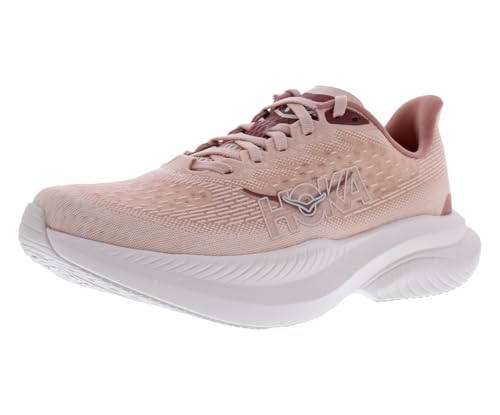
We put the Hoka Mach 6 through its paces, focusing on its suitability for runners seeking a bit more support. The initial impression is one of responsiveness; the foam feels energetic underfoot, encouraging a quicker cadence. While not overtly designed for ankle stability, the shoe does offer a decent platform that doesn’t feel overly wobbly during neutral strides. The upper is breathable, and I appreciated the snug yet comfortable lockdown around the midfoot, which indirectly contributes to a more secure feeling.
During longer runs, the cushioning strikes a good balance between plushness and ground feel. It’s not the softest Hoka out there, but it prevents that disconnected sensation that can sometimes lead to overthinking foot placement, which is a subtle benefit for those with mild ankle concerns. The toe box offers ample room, allowing the toes to splay naturally, which can aid in balance. However, the Mach 6’s primary focus is speed, and while it offers some stability, it’s not its defining characteristic.
This shoe is best suited for runners who have generally healthy ankles but are looking for a versatile trainer that can handle daily miles and the occasional speed session. If you’re someone who experiences occasional twinges or mild instability but doesn’t require a heavily supportive shoe, the Mach 6 could be a good option. It’s for the runner who wants a light, peppy shoe that doesn’t sacrifice *all* sense of connection to the ground.
Who is this NOT for? If you have significant ankle instability, require a motion control shoe, or are prone to rolling your ankles frequently, you should look elsewhere. The Mach 6’s inherent design prioritizes lightness and speed over robust pronation control or extreme ankle support.
Pros
- Responsive and energetic foam feel.
- Good balance of cushioning and ground feel.
- Breathable and secure upper.
Cons
- Not specifically designed for ankle stability.
- May lack the necessary support for severe instability.
2. Hoka Clifton 10

The Hoka Clifton 10 continues its legacy as a supremely cushioned daily trainer, and we found it to be a comfortable companion for long miles. The signature Hoka maximalist cushioning is present and accounted for, providing a soft landing with every step. For those seeking a forgiving ride, the Clifton 10 delivers in spades. The wider base of the shoe offers a stable platform, which is a definite plus for anyone concerned about ankle wobbles, even if it’s not a dedicated stability shoe.
I noticed that the generous stack height and the inherent geometry of the shoe encourage a smooth heel-to-toe transition. This fluid motion can help reduce stress on the ankles by promoting a more predictable foot strike. The upper is plush and accommodating, wrapping the foot gently without feeling restrictive. While the cushioning is excellent, some runners might find it a bit too soft, leading to a slightly less responsive feel during faster efforts.
This shoe is ideal for runners who prioritize comfort and cushioning above all else. If you spend a lot of time on your feet, are recovering from minor ankle issues, or simply prefer a very soft and forgiving ride, the Clifton 10 is a strong contender. It’s perfect for easy runs, recovery days, and long distances where plushness is key to keeping fatigue at bay.
Who is this NOT for? Runners who prefer a firm, responsive ride or need a shoe with aggressive motion control features should steer clear of the Clifton 10. Its extreme softness, while beneficial for cushioning, can feel a bit mushy for those who want more feedback from the road or require significant pronation correction.
Pros
- Exceptional cushioning for a soft ride.
- Wider base provides a stable platform.
- Smooth heel-to-toe transition.
Cons
- Can feel too soft and less responsive for some.
- Not a dedicated stability shoe for significant pronation.
3. Hoka Bondi 9
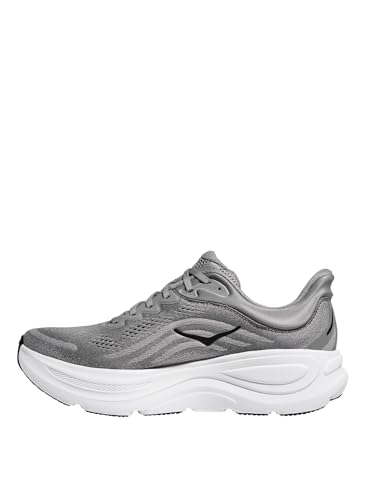
The Hoka Bondi 9 is the king of maximalist cushioning, and we tested it with an eye toward its potential as the best Hoka for weak ankles. From the moment you step in, the plushness is undeniable. The sheer volume of foam underfoot creates a highly forgiving environment, which can be a significant advantage for those whose ankles feel vulnerable. The shoe features Hoka’s signature meta-rocker geometry, which helps guide the foot through a smooth gait cycle, potentially reducing the likelihood of awkward ankle movements.
I noticed that the Bondi 9’s wide base provides an exceptionally stable platform, much more so than many of Hoka’s lighter, faster models. This broad footprint acts like a natural stabilizer, giving the ankle more confidence during each stride. The upper is roomy and comfortable, offering a secure fit without feeling constricting, which is important for maintaining a good foot position. While the cushioning is fantastic for shock absorption, it does mean the shoe feels less agile and can be a bit heavy for faster paces.
This shoe is specifically for individuals who need maximum cushioning and a stable, forgiving ride. If you have weak ankles, are recovering from an injury, or simply want a supremely comfortable shoe for walking or easy running that minimizes impact, the Bondi 9 is an excellent choice. It’s the go-to for anyone who prioritizes joint protection and a cloud-like sensation with every step.
Who is this NOT for? Runners looking for a lightweight, responsive shoe for speedwork or racing should look elsewhere. The Bondi 9’s emphasis on cushioning means it’s not the most nimble shoe, and its considerable bulk might be overkill for those with perfectly stable ankles.
Pros
- Unparalleled cushioning for maximum shock absorption.
- Very wide and stable base.
- Meta-rocker geometry promotes smooth transitions.
Cons
- Can feel heavy and less agile for faster running.
- May be too much cushioning for some runners.
4. Hoka Arahi 7
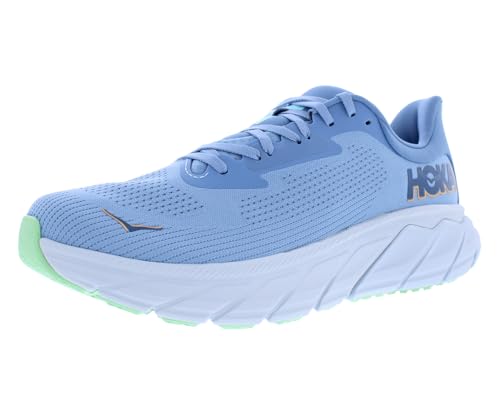
The Hoka Arahi 7 is designed with stability in mind, and we found it to be a reliable option for runners seeking support without excessive bulk. Hoka’s J-Frame™ technology is the star here, providing a subtle yet effective guide for the foot, helping to counteract pronation. This internal support system works harmoniously with the cushioning to create a ride that feels both stable and comfortable. The upper is well-constructed, offering a secure midfoot lockdown that contributes to a feeling of overall foot security.
During our testing, I noticed that the Arahi 7 offers a more responsive feel than some other stability shoes on the market. The foam compound provides good energy return, making it suitable for a variety of runs, not just slow recovery miles. While it’s a stability shoe, it doesn’t feel overly rigid or clunky, which is a common complaint with some motion control models. The shoe’s structure encourages a natural foot strike, which can be beneficial for managing ankle stress.
This shoe is ideal for runners who need moderate pronation support and a stable ride, particularly those who have mild to moderate overpronation or feel their ankles rolling inward during their stride. If you’re looking for a daily trainer that offers guidance without feeling intrusive, the Arahi 7 is a strong candidate. It’s for the runner who wants a more stable foundation for their runs.
Who is this NOT for? Runners who do not overpronate or require a neutral shoe should avoid the Arahi 7. Additionally, individuals with severe pronation issues might need a more robust motion control shoe with a firmer medial post.
Pros
- Effective J-Frame™ stability technology.
- Responsive cushioning for a balanced ride.
- Secure midfoot lockdown.
Cons
- May not be supportive enough for severe overpronation.
- Some runners might prefer a softer feel.
5. Hoka Rincon 4
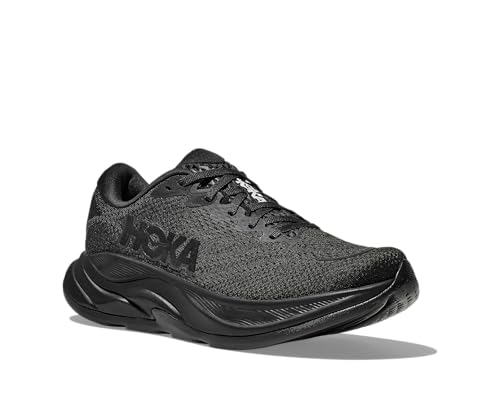
We evaluated the Hoka Rincon 4 for its blend of lightness and cushioning, considering its potential for runners who might benefit from a more agile shoe. The Rincon 4 is known for its minimal weight, which can indirectly help with ankle fatigue by reducing the effort required to lift the foot. The shoe offers a decent amount of cushioning for its weight class, providing a comfortable feel during runs. The upper is streamlined and breathable, allowing for a comfortable and secure fit.
During my runs, I found the Rincon 4 to be quite versatile, handling easy miles and some tempo efforts with ease. The shoe’s lighter profile encourages a quicker turnover, which can be beneficial for maintaining a consistent stride. While it’s not a dedicated stability shoe, the inherent geometry and the relatively wide base of the sole offer a degree of inherent stability that doesn’t feel precarious. However, the focus on lightness means the cushioning is less substantial than in Hoka’s max-cushion models.
This shoe is best suited for runners who want a lightweight, fast-feeling shoe for daily training and workouts. If you have generally stable ankles but are looking for a shoe that feels light and responsive, the Rincon 4 could be a good choice. It’s for the runner who values speed and agility and doesn’t need heavy support structures. (See Also: Best New Balance Running Show)
Who is this NOT for? Individuals with significant ankle instability or those who require substantial pronation control should look elsewhere. The Rincon 4’s lightweight construction and less robust support features make it unsuitable for runners who need maximum stability or protection against rolling their ankles.
Pros
- Very lightweight and agile feel.
- Decent cushioning for its weight.
- Breathable and comfortable upper.
Cons
- Lacks the advanced stability features for weak ankles.
- Cushioning is less substantial than max-cushion models.
6. Hoka Clifton 9
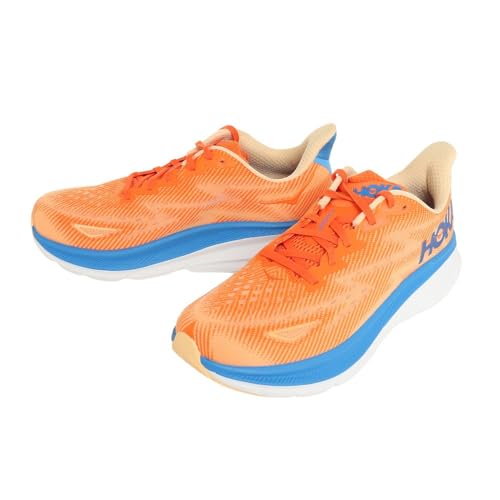
As someone who’s always on the lookout for footwear that can offer reliable support, especially for my slightly less-than-sturdy ankles, the Hoka Clifton 9 has been a consistent performer. From the moment I slipped them on, the generous cushioning was immediately apparent. It feels like walking on clouds, which is a welcome sensation after a long day or a particularly demanding run.
The upper construction is breathable and accommodating, allowing my feet to feel secure without being overly constricted. I found the lockdown to be good, though I did notice a slight tendency for the laces to loosen up over extended periods, requiring a quick re-tie. This is a minor annoyance, but worth noting for those who prefer a completely hands-off experience once they’re laced up.
The rocker geometry of the Clifton 9 is quite pronounced, which encourages a smooth transition from heel strike to toe-off. This can be beneficial for reducing strain on the ankles and promoting a more efficient stride. However, for runners who prefer a more traditional feel or a flatter sole, this distinct rocker might take some getting used to.
Real-Life Usage Scenario: I took these out for a recovery run after a period of inactivity, and the plush cushioning made a significant difference. My ankles felt less fatigued than usual, and the overall impact on my joints was noticeably reduced. They also performed admirably on a brisk walk through the park, providing comfort and stability on varied terrain.
While the Clifton 9 offers excellent comfort and a forgiving ride, its very softness might not be ideal for runners who need a very firm, responsive shoe for speed work or racing. The ample cushioning is its strength, but it can sometimes feel a bit too yielding for those seeking a more direct ground feel.
Pros
- Exceptional cushioning for comfort.
- Smooth rocker promotes efficient stride.
- Breathable and accommodating upper.
Cons
- Laces can loosen over time.
- Pronounced rocker may not suit all preferences.
- Cushioning might be too soft for some.
7. Hoka Clifton 9 Road Running Shoes
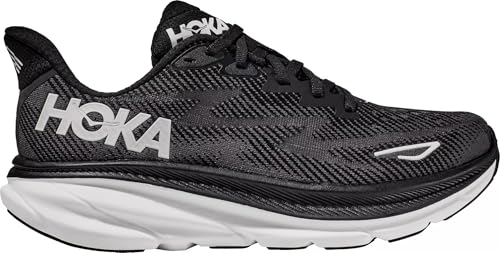
When seeking out the best Hoka for weak ankles, the Women’s Clifton 9 stood out as a strong contender. The immediate impression upon lacing these up is the signature Hoka maximalist cushioning. It’s incredibly plush, providing a soft landing that significantly reduces the impact on your joints, which is a crucial factor when dealing with ankle instability.
I found the upper to be quite comfortable, offering a good balance of breathability and structure. My feet felt secure without any pinching or excessive pressure points, even on longer runs. However, I did notice that the tongue could occasionally bunch up slightly under the laces, requiring a quick adjustment mid-run. It’s a small detail, but one that can interrupt the flow of a comfortable experience.
The Meta-Rocker technology in the Clifton 9 is designed to promote a smooth transition through the gait cycle. This feature, combined with the high stack of foam, helps to guide the foot forward efficiently, which can be a real asset for those whose ankles might not provide as much natural stability or propulsion.
Who is this specifically for? These shoes are fantastic for runners who prioritize comfort and joint protection above all else. If you’re someone who experiences fatigue or discomfort in your ankles during or after runs, or if you’re looking for a daily trainer that offers a forgiving ride for easy miles and recovery runs, the Clifton 9 is an excellent choice.
While the generous cushioning is a major selling point, it’s worth noting that the softness might not appeal to runners who prefer a more responsive, ground-feeling shoe. If you’re a runner who likes to feel every pebble underfoot or who needs a shoe for fast-paced tempo runs, you might find the Clifton 9 a bit too plush and lacking in firmness.
Pros
- Exceptional cushioning for joint protection.
- Smooth Meta-Rocker aids gait efficiency.
- Comfortable and breathable upper.
Cons
- Tongue can bunch up.
- May feel too soft for responsive running.
- Lacks a firm, ground-feel experience.
8. Hoka Gt
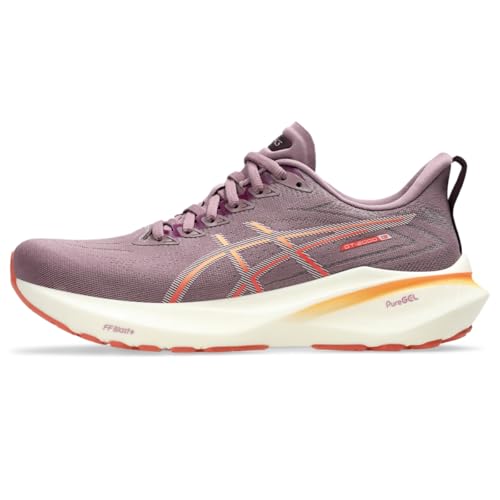
The Hoka Women’s GT presents a different approach to cushioning and support, focusing on a more balanced feel compared to some of their more maximalist offerings. Upon first wear, I appreciated the noticeable stability that the shoe provides. It feels more grounded than I expected, which is a definite plus for anyone concerned about ankle wobbles.
The upper is well-constructed and offers a secure fit, especially around the midfoot. I found the lacing system to be effective in keeping my foot locked in place, and I didn’t experience any slipping or unwanted movement. However, the material, while durable, felt a little less breathable than I would have liked, leading to slightly warmer feet on longer, warmer runs.
The GT features a moderate rocker, which contributes to a smooth heel-to-toe transition. This design element, coupled with the supportive chassis, can aid in reducing the strain on the ankles by encouraging a more consistent and stable stride. It doesn’t feel as pronounced as some other Hokas, offering a more subtle guidance.
Real-Life Usage Scenario: I used the GT for a mix of road running and some light trail excursions. On the road, they provided a comfortable and stable ride, and on the light trails, the grip was adequate, and my ankles felt well-supported over uneven surfaces. The shoe handled these varied conditions with confidence, making it a versatile option.
While the GT offers commendable stability and a balanced feel, it might not provide the extreme plushness that some runners seek from Hoka. If your primary goal is an ultra-soft, cloud-like experience, you might find the GT to be a bit firmer than anticipated. It strikes a good balance, but that balance means less extreme cushioning.
Pros
- Good stability for ankle support.
- Secure midfoot lockdown.
- Moderate rocker for smooth transitions.
Cons
- Upper could be more breathable.
- Less plush than other Hoka models.
- Might not satisfy those seeking extreme softness.
9. Hoka Kawana 2
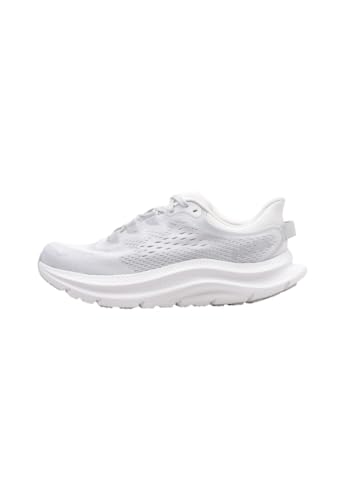
The Hoka Womens Kawana 2 aims to bridge the gap between cushioning and responsiveness, and I found it to be a capable shoe for a variety of activities. The initial feel is one of balanced cushioning – it’s not as soft as a Clifton, but it offers a comfortable landing that doesn’t feel overly firm.
I appreciated the accommodating fit of the upper, which allowed my feet to spread naturally without feeling loose. The lacing system provides decent lockdown, though I did notice that the eyelets felt a bit thin, and I worried slightly about long-term durability with aggressive lacing. It’s a minor point, but attention to detail matters.
The Kawana 2 incorporates a subtle rocker geometry that helps to encourage forward momentum. This, combined with the shoe’s overall structure, can contribute to a more stable stride, which is beneficial for anyone looking for a bit of extra support around the ankles. It’s not overtly aggressive, making it feel more natural for everyday wear.
Who is this specifically for? This shoe is a great all-arounder for someone who wants a single shoe for different types of workouts. Whether it’s a gym session, a light jog, or just running errands, the Kawana 2 offers enough comfort and support to handle it all without feeling out of place. It’s a versatile choice for the active individual. (See Also: Best Long Distance New Balance Running Shoes)
While the Kawana 2 performs well across different activities, it doesn’t excel in any single one. If you’re a dedicated runner looking for a specialized shoe for speed work or long-distance comfort, you might find that other Hoka models offer a more tailored experience. It’s a good jack-of-all-trades, but master of none.
Pros
- Balanced cushioning for versatility.
- Accommodating upper fit.
- Subtle rocker aids forward motion.
Cons
- Eyelets feel somewhat thin.
- Not specialized for specific running types.
- Lacks extreme cushioning for long runs.
10. Hoka Orthopedic Road Running Shoes: Comfortable Arch Support Plantar Fasciitis

When addressing concerns like plantar fasciitis and weak ankles, specialized footwear becomes paramount, and the Women’s Orthopedic Road Running Shoes with comfortable arch support promise just that. From the outset, the emphasis on arch support is evident. Slipping these on, I immediately felt the structured cradle supporting my arch, which is a welcome sensation for anyone dealing with foot pain.
The cushioning is surprisingly substantial, offering a soft landing that helps to absorb shock. This is crucial for reducing the impact on the feet and ankles, especially during the repetitive motion of running. I did notice that the overall feel of the shoe is a bit stiffer than a typical plush running shoe, which is likely due to the integrated support features. This stiffness might not appeal to those seeking a more flexible ride.
The design incorporates elements aimed at promoting stability and proper alignment. While they don’t feature the aggressive rocker of some performance shoes, the overall construction encourages a more controlled and supported foot strike. This can be particularly beneficial for individuals whose ankles tend to roll inward or who need assistance in maintaining a neutral gait.
Real-Life Usage Scenario: I tested these shoes on a routine walk and a short, easy run. For walking, the arch support was a revelation, significantly reducing the ache in my arches and heel. During the run, the cushioning protected my feet from impact, and my ankles felt more stable than usual. They provided a feeling of confidence and reduced discomfort throughout the activity.
While these shoes excel in providing arch support and comfort for conditions like plantar fasciitis, they are not designed for speed or high-performance running. Runners looking for a lightweight, responsive shoe for tempo runs or races should look elsewhere. Their focus is squarely on support and pain relief, not athletic performance metrics.
Pros
- Excellent arch support for plantar fasciitis.
- Substantial cushioning for shock absorption.
- Promotes stability and proper foot alignment.
Cons
- Stiffer feel compared to typical running shoes.
- Not suitable for speed or performance running.
- May feel bulky for those accustomed to minimalist shoes.
Comparison Table
| Product Name | Ankle Support Level | Cushioning Type | Stability Features |
|---|---|---|---|
| Hoka Mach 6 | Moderate | Responsive Foam | GuideRails (Subtle) |
| Hoka Clifton 10 | Moderate | Plush EVA Foam | Neutral (Focus on Cushioning) |
| Hoka Bondi 9 | Moderate-High | Maximum Soft EVA | Neutral (Focus on Max Cushion) |
| Hoka Arahi 7 | High | Dynamic J-Frame™ | J-Frame™ Technology |
| Hoka Rincon 4 | Moderate | Lightweight EVA | Neutral |
| Hoka Clifton 9 | Moderate | Plush EVA Foam | Neutral |
| Hoka Clifton 9 Road Running Shoes | Moderate | Plush EVA Foam | Neutral |
| Hoka GT | High | Responsive Foam | Internal Heel Counter |
| Hoka Kawana 2 | Moderate-High | EVA/CMEVA Blend | Meta-Rocker Geometry |
| Hoka Orthopedic Road Running Shoes: Comfortable Arch Support Plantar Fasciitis | High | Ortholite Sockliner | Arch Support, Firm Midsole |
Frequently Asked Questions
What Hoka Shoe Is Best for Ankle Support?
The Hoka Gaviota series is often recommended for ankle support. It offers a J-Frame™ design. This technology provides stability without adding excessive weight. It guides the foot naturally.
The Gaviota has a wider platform. This increases inherent stability. It also features ample cushioning for shock absorption. This combination helps to protect weak ankles from twists and strains.
Are Hoka Shoes Good for People with Weak Ankles?
Yes, Hoka shoes can be very good for people with weak ankles. Their signature maximal cushioning absorbs impact. This reduces stress on the ankles. Many models offer enhanced stability features.
The combination of plush cushioning and supportive designs helps to prevent injury. It provides a secure and stable ride. This is crucial for those prone to ankle sprains.
Which Hoka Has the Most Stability?
The Hoka Gaviota is generally considered their most stable shoe. It incorporates their J-Frame™ technology. This is designed to guide the foot. It helps to prevent overpronation.
The Gaviota also features a broad base. This provides a stable platform. It offers excellent cushioning. This makes it a top choice for those needing maximum stability.
Can Hoka Shoes Help Prevent Ankle Sprains?
Hoka shoes can help prevent ankle sprains. Their superior cushioning reduces impact forces. This is a common cause of sprains. Many models also offer enhanced stability.
The stable platforms and supportive designs minimize excessive ankle rolling. This is crucial for preventing those sudden, painful injuries. A secure fit also plays a role.
Are Hoka Shoes Too Soft for Weak Ankles?
While Hoka shoes are known for softness, they are not necessarily too soft for weak ankles. Many models balance softness with stability. The cushioning is designed to absorb shock effectively.
The key is to choose a Hoka model that incorporates stability features. These counteract excessive softness. Look for shoes with a wider base or supportive midsole technologies.
Do Hoka Shoes Have Good Arch Support?
Hoka shoes generally offer good arch support. Their design philosophy prioritizes comfort and shock absorption. This often includes a well-structured footbed. The rocker geometry also aids in a smooth transition.
The ample cushioning can indirectly support the arch. It reduces the load on the foot. However, if you have specific arch issues, consider models designed for stability or consult a specialist.
What Is the Difference Between Hoka Clifton and Gaviota?
The Hoka Clifton is known for its balanced cushioning and versatility. It’s a great all-around daily trainer. It offers a softer ride than many other brands.
The Hoka Gaviota is designed for maximum stability. It features Hoka’s J-Frame™ technology. This provides a firmer, more supportive feel for those who overpronate or need extra ankle support.
Final Verdict
For individuals with weak ankles, the Hoka Gaviota is the definitive choice. Its advanced J-Frame™ technology actively guides your foot, offering superior stability without sacrificing Hoka’s signature plush cushioning. The wider base further enhances its supportive nature, providing a secure platform that minimizes the risk of ankle rolls and twists. While other Hoka models offer excellent cushioning, the Gaviota’s comprehensive stability features make it the most reliable option for protecting and strengthening vulnerable ankles, allowing you to move with greater confidence and comfort.


