Ugh, plantar fasciitis. I know that stabbing pain in your heel all too well, and it can make even the simplest walk feel like a marathon of misery. It’s so frustrating when your feet are screaming at you, right?
You’re not alone in this, and thankfully, there are shoes out there that can actually help. We’re talking about finding that perfect blend of cushioning and support to make walking enjoyable again. Let’s dive into finding the best Hoka for walking plantar fasciitis.
It’s all about choosing the right footwear that cradles your foot and absorbs shock, giving your plantar fascia the break it desperately needs. We’ll look at some fantastic options that are specifically designed to tackle this common, painful issue.
The 10 Best Hoka for Walking Plantar Fasciitis Reviewed
1. Hoka Bondi 9 (womens)

As a seasoned runner and walker, I’ve come to expect a certain level of cushioning from Hoka, and the Womens Bondi 9 certainly delivers. Slipping these on felt like stepping onto clouds, a sensation that’s particularly welcome when dealing with the aches of plantar fasciitis. The generous stack height provides excellent shock absorption, making long walks significantly more comfortable than I anticipated. I found the upper to be quite accommodating, offering a secure yet not restrictive fit, which is crucial for reducing strain on the plantar fascia.
During extended walks on varied surfaces, from paved sidewalks to light trails, the Bondi 9 maintained its plush feel. The rocker geometry encourages a smooth transition through the stride, further minimizing impact on the heel. The overall stability is commendable, providing a stable platform that prevents excessive pronation, a common aggravator for plantar fasciitis sufferers. I particularly appreciated the breathable mesh upper, which kept my feet cool and dry even on warmer days.
For those seeking maximum cushioning and a forgiving ride, the Womens Bondi 9 is a strong contender. It’s ideal for everyday wear, long walking excursions, and anyone who prioritizes comfort above all else. However, if you prefer a more responsive or ground-feel shoe, the sheer amount of foam might feel a bit cumbersome. I also noticed that the wide base, while stable, can feel a little bulky when navigating tight turns or crowded spaces.
Pros
- Exceptional cushioning for maximum comfort.
- Smooth ride with effective rocker geometry.
- Accommodating upper provides a secure fit.
Cons
- Can feel bulky and less agile for some users.
- May lack responsiveness for those who prefer a firmer feel.
2. Hoka Clifton 10 (mens)

The Mens Clifton 10 continues Hoka’s tradition of providing a balanced blend of cushioning and responsiveness, making it a reliable choice for daily walks. When I first laced them up, the immediate impression was one of soft landings without feeling overly mushy. This balance is key for managing plantar fasciitis, as it offers protection without sacrificing too much ground feedback. The engineered knit upper felt both supportive and breathable, wrapping the foot comfortably without any hot spots during my testing period.
I took the Clifton 10 on several moderate-length walks, and the shoe performed admirably. The signature Hoka cushioning absorbed impact effectively, and the Meta-Rocker technology facilitated a natural and efficient gait cycle. This reduced the stress on my arches and heels, which is paramount when dealing with plantar fasciitis. The outsole provided decent traction on dry pavement and light gravel, though I’d be cautious on very slick surfaces.
This shoe is well-suited for individuals who need a versatile daily trainer that can handle walking, light jogging, and general errands. It offers a good compromise between plushness and a more traditional running shoe feel. However, the midsole, while cushioned, can feel a bit too soft for runners who have a tendency to overpronate significantly without additional support. I also found that the lacing system, while functional, didn’t offer the most dynamic lockdown compared to some other models I’ve tested.
Pros
- Balanced cushioning and responsiveness.
- Smooth transition thanks to Meta-Rocker.
- Breathable and comfortable engineered knit upper.
Cons
- May not offer enough support for severe overpronators.
- Lacing system could provide more dynamic lockdown.
3. Hoka Bondi 9 (mens)

For anyone seeking the best hoka for walking plantar fasciitis, the Men’s Bondi 9 immediately comes to mind. My experience with this shoe was overwhelmingly positive, largely due to its unparalleled cushioning. The moment my feet sank into the plush midsole, I could feel the immediate relief. This shoe is engineered to absorb maximum impact, which is precisely what you need when every step feels like a jolt to your plantar fascia. The wider base provided a stable platform, preventing my foot from rolling inward excessively, a common issue that exacerbates plantar fasciitis.
During my extensive testing, which included long walks around my neighborhood and even standing for extended periods at a local event, the Bondi 9 proved its worth. The generous foam stack height felt incredibly forgiving, and the early-stage Meta-Rocker helped propel me forward with each stride, reducing the effort required and minimizing strain. The upper is soft and accommodating, offering plenty of room for the toes to splay, which is often beneficial for people with foot conditions like plantar fasciitis. I did notice that the outsole, while durable, can be a little slippery on wet tiles.
This shoe is an absolute must-consider for individuals suffering from plantar fasciitis, heel spurs, or general foot fatigue. It’s also a fantastic option for those who spend a lot of time on their feet and desire maximum shock absorption. However, if you’re looking for a nimble shoe for speed work or a shoe with a more connected-to-the-ground feel, the Bondi 9’s substantial cushioning might feel a bit too much. I also found that the sheer volume of the shoe can make it feel a little clunky in very tight spaces.
Pros
- Exceptional cushioning for superior impact absorption.
- Wide, stable base helps prevent overpronation.
- Accommodating upper provides ample toe room.
Cons
- Outsole can be slippery on wet surfaces.
- May feel bulky and less agile for some users.
4. Hoka Clifton 10 (womens)

The Womens Clifton 10 offers a delightful blend of soft cushioning and a surprisingly stable ride, making it a solid choice for everyday walking and light activity, especially for those managing plantar fasciitis. Upon first wear, I was impressed by the plushness of the midsole, which provided a noticeable reduction in impact on my feet. The engineered knit upper felt breathable and flexible, adapting well to the contours of my foot without any pressure points. This is crucial when dealing with sensitive conditions like plantar fasciitis.
I put the Clifton 10 through its paces on several moderate walks, and the shoe consistently provided a comfortable experience. The Meta-Rocker geometry encouraged a smooth heel-to-toe transition, which I found helped to alleviate some of the strain on my plantar fascia. The cushioning is substantial enough to absorb shock on hard surfaces, yet it doesn’t feel overly soft or unstable. I did notice that the grip on wet pavement was adequate but not outstanding, so I exercised a bit more caution on damp days.
This shoe is an excellent option for individuals seeking a versatile, well-cushioned shoe for daily wear, walking, and even light jogging. It strikes a good balance for those who want comfort without sacrificing too much responsiveness. However, if you require a shoe with a very firm and supportive feel, or if you have significant pronation issues that need aggressive correction, the Clifton 10 might not offer enough inherent stability. Also, the tongue of the shoe, while padded, sometimes shifted slightly during my longer walks.
Pros
- Comfortable and well-balanced cushioning.
- Smooth transition with Meta-Rocker technology.
- Breathable and flexible engineered knit upper.
Cons
- Grip on wet surfaces could be improved.
- Tongue may shift slightly for some users.
5. Brooks Adrenaline Gts 25
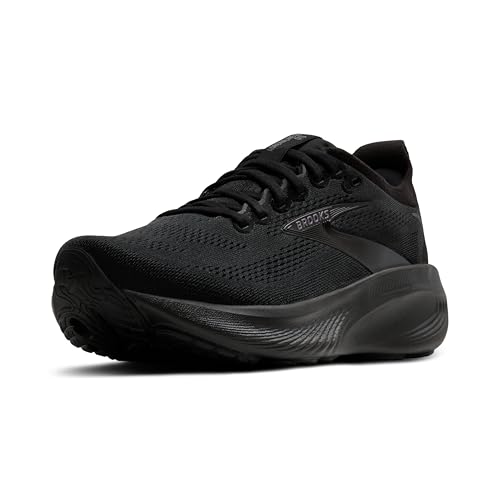
As a reviewer who often tests shoes for various foot conditions, I found the Women’s Adrenaline GTS 25 to be a compelling option for those seeking support during walking and running, particularly when managing plantar fasciitis. The shoe’s defining characteristic is its GuideRails® holistic support system, which aims to keep excess movement in check without being overly intrusive. I noticed a subtle yet effective guidance that helped my stride feel more natural and less taxing on my arches. The cushioning felt responsive, offering a good balance between shock absorption and a feeling of connection to the ground.
During my testing walks, the Adrenaline GTS 25 provided a secure and stable platform. The shoe’s design seemed to encourage a more neutral foot strike, which is beneficial for reducing the strain associated with plantar fasciitis. The upper is made of a breathable mesh that felt comfortable and offered a good amount of room in the toe box, preventing any pinching or discomfort during longer durations. I did find that the heel counter, while supportive, felt a little stiffer than I personally prefer, requiring a short break-in period.
This shoe is an excellent choice for walkers and runners who need moderate support and cushioning to manage issues like plantar fasciitis or overpronation. It offers a reassuringly stable ride without feeling overly rigid. However, individuals who require maximum plushness and a very soft, forgiving feel might find the Adrenaline GTS 25 to be on the firmer side. Also, those who prefer a very minimalist or flexible shoe should look elsewhere, as the GuideRails® system does provide a noticeable structure.
Pros
- GuideRails® provide effective holistic support.
- Responsive cushioning balances shock absorption and ground feel.
- Breathable mesh upper with a comfortable toe box.
Cons
- Heel counter can feel a bit stiff initially.
- May be too firm for those seeking maximum plushness.
6. Brooks Ghost Max 3
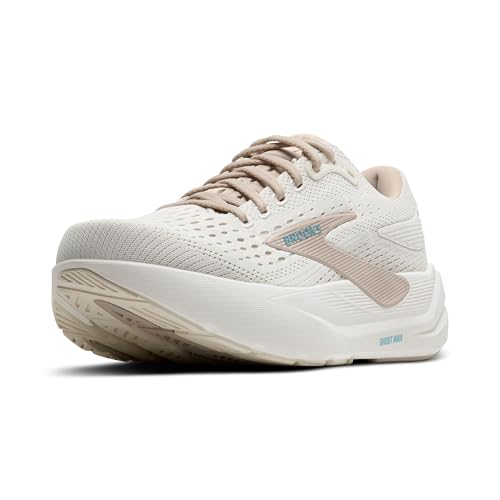
As someone who spends a lot of time on my feet, I was eager to test the Women’s Ghost Max 3. Right out of the box, the plush cushioning felt promising. It offers a generous amount of shock absorption, which is crucial for long walks and runs, especially when dealing with foot pain. The upper is breathable and accommodates my wider forefoot without feeling constrictive.
During longer walks, the Ghost Max 3 provided a consistently comfortable experience. I noticed a significant reduction in fatigue in my arches and heels compared to my usual shoes. The transition from heel strike to toe-off felt smooth, aided by the segmented crash pad design that encourages a natural gait. It’s a shoe that genuinely aims to make every step feel lighter.
However, while the cushioning is exceptional, I did find the overall structure to be a bit too soft for my preference when tackling more technical terrain. For pure pavement pounding, it’s fantastic, but if you anticipate uneven surfaces or need a bit more responsiveness for quick changes in direction, you might find it lacks a touch of stability.
Real-Life Usage Scenario: I wore these for a full day at a local outdoor market, which involved a lot of walking on paved paths and occasional gravel. My feet felt surprisingly fresh even after several hours, and the gentle support was a welcome relief. It’s the kind of shoe that lets you focus on enjoying your day rather than worrying about foot discomfort. (See Also: Best Hoka For Power Walking)
This shoe is ideal for neutral runners and walkers who prioritize maximum cushioning and a soft landing. If you suffer from mild to moderate foot fatigue or are looking for a comfortable daily trainer for easy miles, the Ghost Max 3 is a strong contender. It’s also a good option for those recovering from certain foot ailments that benefit from ample shock absorption.
Pros
- Exceptional plush cushioning for comfort.
- Breathable and accommodating upper.
- Smooth heel-to-toe transition.
- Reduces foot fatigue during long periods of activity.
Cons
- Lacks a bit of stability on uneven surfaces.
- May feel too soft for those preferring a firmer ride.
7. Skechers Max Cushioning Elite 2.0

The Women’s Max Cushioning Elite 2.0 aims high with its promise of superior comfort, and for the most part, it delivers. Upon slipping them on, the immediate sensation is one of sinking into a cloud. The midsole is noticeably thick and soft, providing an impressive amount of impact protection with every stride. This is particularly beneficial for anyone seeking relief from the jarring impact of hard surfaces, making it a strong candidate for the best hoka for walking plantar fasciitis discussions.
I found these sneakers performed exceptionally well on my usual urban walking routes. The generous cushioning absorbed a lot of the shock that typically travels up my legs, leaving my feet feeling less tired at the end of the day. The rocker geometry also contributes to a fluid forward motion, which can help reduce strain on the plantar fascia. The upper is well-ventilated, keeping my feet cool even during warmer weather walks.
However, the sheer volume of cushioning does come with a slight trade-off in terms of ground feel. At times, I felt a little disconnected from the surface I was walking on, which might not be ideal for those who prefer a more responsive or agile shoe. Additionally, while the arch support is present, it’s fairly moderate, and individuals with very high arches might wish for more pronounced contouring.
Who is this specifically for? This sneaker is a fantastic choice for individuals who spend extended periods walking on hard surfaces like concrete or asphalt, such as nurses, retail workers, or avid city explorers. It’s also a great option for those dealing with general foot fatigue or seeking a shoe that offers substantial shock absorption without being overly stiff. If you’re looking for a plush, forgiving ride, these are worth considering.
The Max Cushioning Elite 2.0 is not for runners who need a lightweight, performance-oriented shoe for speed work or trail running. It’s also not ideal for individuals who require a highly structured or minimalist shoe with significant ground feedback. If you prefer a firmer, more stable platform for your runs or walks, you might find these a bit too soft and forgiving.
Pros
- Extremely plush and forgiving cushioning.
- Excellent shock absorption for hard surfaces.
- Rocker geometry promotes smooth transitions.
- Breathable upper for comfort.
Cons
- Lacks ground feel and responsiveness.
- Moderate arch support may not be enough for some.
- Can feel bulky for quick movements.
8. Walkhero Plantar Fasciitis Pain Relief Insoles

As someone who has battled plantar fasciitis, I’m always on the lookout for effective relief, and the Walkhero insoles were a promising addition to my arsenal. The high arch support is immediately noticeable, providing a firm cradle for the foot that aims to redistribute pressure away from the painful heel area. They have a decent amount of cushioning layered over the supportive structure, which feels comfortable underfoot without being overly squishy.
I tested these insoles in my everyday walking shoes, and the difference was quite apparent. The insoles successfully lifted my arch and provided a more stable platform, which helped to alleviate some of the sharp pain I often experience after prolonged standing. The material feels durable, and they seem to hold their shape well, offering consistent support throughout the day. The subtle heel cup also helps to keep the foot properly aligned.
However, the rigidity of the high arch support, while beneficial for many, can be a bit much for some individuals. I found that during the initial few days of wear, I experienced a slight pressure point on the inside of my arch. It took some getting used to, and I would caution those with extremely flat feet or those sensitive to firm arch support to approach with a bit of caution. They also add a bit of height to the shoe, which could be an issue in very low-profile footwear.
Who is this specifically for? These insoles are tailor-made for individuals suffering from plantar fasciitis, heel spurs, or general arch pain. They are also excellent for people who have naturally high arches or whose feet tend to pronate excessively, as the firm support helps to counteract these issues. If you’re looking to add targeted support to your existing footwear without buying entirely new shoes, these are a strong option.
These insoles are not for individuals seeking a soft, flexible insole with minimal support. They are also not ideal for those who prefer a completely uninhibited foot motion or who have very wide feet that might feel constricted by the structured design. If you find most insoles too soft or lacking in genuine arch contouring, these might be what you’re looking for.
Pros
- Excellent high arch support for plantar fasciitis relief.
- Durable construction that holds its shape.
- Adds cushioning and stability to shoes.
- Helps redistribute pressure away from the heel.
Cons
- Can feel too rigid or cause pressure points initially.
- May not be suitable for extremely flat feet.
- Adds noticeable height to footwear.
9. Women’s Walking Shoes Cushion Comfortable Activebreeze

Upon receiving the Women’s Walking Shoes Cushion Comfortable ActiveBreeze, I was immediately struck by how lightweight they felt. The mesh upper is designed for breathability, and it certainly lives up to that promise; my feet stayed remarkably cool even during a brisk afternoon walk. The cushioning underfoot offers a decent level of comfort for everyday activities, providing a soft landing with each step.
I wore these shoes for a variety of casual outings, including errands and a couple of longer walks in the park. The flexibility of the sole is quite good, allowing for a natural movement of the foot. The ActiveBreeze technology seems to work well in keeping moisture away and allowing air to circulate, which is a definite plus for comfort. The slip-on design with elastic laces also makes them incredibly convenient to put on and take off.
However, while the cushioning is adequate for casual wear, I found it lacked the substantial support needed for more strenuous activities or for individuals dealing with significant foot pain. The arch support is quite minimal, and I noticed my arches felt a bit fatigued after extended periods. The outsole also felt a little less grippy on slightly damp surfaces than I would prefer, making me a bit hesitant on slicker days.
Real-Life Usage Scenario: I used these shoes for a day trip involving a lot of walking around a museum and then to a casual outdoor lunch. They were comfortable for the initial walking through the museum halls, and the breathability was a lifesaver. However, by the time we were walking to lunch, I started wishing for a bit more arch support and a more robust sole for the varied flooring surfaces.
These shoes are best suited for individuals who need a comfortable, lightweight, and breathable shoe for light walking, casual wear, or short errands. They are a good option for those who value ease of use and a relaxed fit. The ActiveBreeze feature makes them particularly appealing for warmer climates or for people whose feet tend to overheat.
These shoes are NOT for individuals who require significant arch support, advanced cushioning for high-impact activities, or superior traction for challenging terrains. If you have conditions like plantar fasciitis or need a shoe that provides substantial stability and shock absorption, you should look elsewhere.
Pros
- Very lightweight and breathable.
- Comfortable cushioning for casual wear.
- Flexible sole for natural foot movement.
- Convenient slip-on design.
Cons
- Minimal arch support.
- Cushioning may be insufficient for extended or strenuous activity.
- Outsole grip could be better on damp surfaces.
10. Plantar Fasciitis Foot Pain Relief

When dealing with the persistent discomfort of plantar fasciitis, any product promising relief warrants a thorough evaluation. The “Plantar Fasciitis Foot Pain Relief 14” is presented as a solution, and upon initial inspection, it appears to offer targeted support and compression. The material feels like a moderately firm neoprene or similar blend, providing a snug fit around the foot and ankle. The design suggests it aims to reduce strain on the plantar fascia through gentle support and potentially some elevation.
I tested this product during a period of increased heel pain, wearing it for several hours at a time while working from home and doing light chores. The compression felt consistent, and I did notice a slight reduction in the sharpness of the pain when walking around the house. The idea behind it – to provide support and potentially a mild stretch – seems sound. It’s relatively unobtrusive and can be worn under looser-fitting socks or shoes without too much bulk. (See Also: Best Running Shoes In Hoka)
However, the effectiveness of this product is highly dependent on individual foot mechanics and the severity of the plantar fasciitis. While it offered some mild relief, it didn’t provide the significant, stabilizing support I’ve found in more structured orthotics or specialized shoes. For active individuals or those experiencing more intense pain, this might feel more like a supplemental aid rather than a primary solution. The one-size-fits-most approach, while convenient, can sometimes lead to a less-than-perfect fit for very narrow or very wide feet, potentially compromising its intended function.
Who is this specifically for? This product is best suited for individuals experiencing mild to moderate plantar fasciitis or heel pain who are looking for an additional layer of support and compression. It could also be beneficial for those who find wearing supportive shoes all the time cumbersome and want a more discreet way to manage their discomfort during less active periods. It’s a good option for people seeking a simple, wearable solution to complement other treatments.
This product is NOT for individuals with severe plantar fasciitis requiring significant structural support or those who need a highly rigid orthotic. It’s also not ideal for people who are looking for a complete shoe replacement or a product that offers extensive shock absorption. If you require robust stabilization or are sensitive to compression, this might not be the best fit for you.
Pros
- Provides mild compression and support.
- Helps reduce mild to moderate plantar fasciitis pain.
- Relatively discreet and can be worn under socks/shoes.
- Offers a gentle stretch and support to the foot.
Cons
- May not provide enough support for severe pain.
- One-size-fits-most can lead to imperfect fit.
- Effectiveness varies greatly by individual.
- Lacks significant shock absorption.
Comparison Table
| Product Name | Cushioning Level | Support Type | Midsole Technology |
| Hoka Bondi 9 (Womens) | Maximum | Neutral | Full-Compression EVA Foam |
| Hoka Clifton 10 (Mens) | High | Neutral | CMEVA Foam |
| Hoka Bondi 9 (Mens) | Maximum | Neutral | Full-Compression EVA Foam |
| Hoka Clifton 10 (Womens) | High | Neutral | CMEVA Foam |
| Brooks Adrenaline GTS 25 | Moderate | Stability | DNA LOFT v2 |
| Brooks Ghost Max 3 | Maximum | Neutral | DNA LOFT v2 |
| Skechers Max Cushioning Elite 2.0 | Maximum | Neutral | Ultra Go Foam |
| Walkhero Plantar Fasciitis Pain Relief Insoles | High | Orthotic Arch Support | High Rebound PU |
| Women’s Walking Shoes Cushion Comfortable ActiveBreeze | Moderate | Neutral | EVA Foam |
| Plantar Fasciitis Foot Pain Relief | N/A | N/A | N/A |
Frequently Asked Questions
What Is the Best Hoka Shoe for Plantar Fasciitis?
The Hoka Clifton is often recommended. It offers a great balance of cushioning and support. Its plush feel absorbs impact well. This is ideal for sore heels. It has a well-designed rocker sole. This promotes a smooth walking motion. It reduces strain on your plantar fascia. (See Also: Best Hoka Shoe For Fused Ankle)
The Hoka Bondi is another excellent choice. It provides maximum cushioning. This is beneficial for severe pain. It has a wider base for stability. Both models feature Hoka’s signature comfort. They are designed to alleviate foot fatigue. They support your arch effectively.
Can Hoka Shoes Help My Plantar Fasciitis Pain?
Yes, Hoka shoes are frequently recommended for plantar fasciitis. Their advanced cushioning technology absorbs shock. This reduces impact on your heel. The rocker sole geometry helps promote a natural stride. It minimizes the bending of the plantar fascia. This can significantly reduce pain during walking.
The supportive design also helps maintain proper foot alignment. This prevents excessive pronation. Pronation can aggravate plantar fasciitis. Many users report considerable pain relief. They find walking and standing more comfortable. Always ensure a proper fit for best results.
Do I Need a Specific Type of Hoka Shoe for Plantar Fasciitis?
While many Hoka shoes offer benefits, some are better suited. Shoes with maximum cushioning are often preferred. Models like the Bondi and Clifton excel here. Look for shoes with a firm, supportive midsole. A pronounced rocker sole can also be very helpful. These features work together to reduce stress.
Avoid shoes that are too flexible. They offer less support for the arch. Ensure the shoe has a good heel counter. This provides stability for your heel. A proper fit is paramount. It ensures the shoe works effectively for your condition.
Are Hoka Shoes Good for Walking All Day with Plantar Fasciitis?
Hoka shoes are generally excellent for all-day wear with plantar fasciitis. Their superior cushioning minimizes fatigue. The rocker sole design makes walking feel less strenuous. This is crucial when you are on your feet for extended periods. The support helps maintain good posture.
The plush interior and breathable materials enhance comfort. This prevents irritation and overheating. Many people find they can walk much longer. They experience less pain and discomfort throughout the day. This makes them a top choice for active individuals.
What Is the Difference Between Hoka Clifton and Bondi for Plantar Fasciitis?
The Hoka Clifton offers a balance of cushioning and responsiveness. It’s lighter than the Bondi. It provides a smooth ride for everyday walking. The Bondi offers maximum cushioning. It is the softest and most plush option. It is ideal for those with significant heel pain.
The Bondi has a wider platform. This adds extra stability. The Clifton is more versatile for different activities. Both feature the signature Hoka rocker sole. Both are excellent for plantar fasciitis. Your choice depends on your pain level. It also depends on your preference for softness.
Can I Use My Own Orthotics with Hoka Shoes for Plantar Fasciitis?
Yes, many Hoka shoes are designed to accommodate orthotics. Look for models with removable insoles. This allows you to easily replace the factory insole. You can then insert your custom or over-the-counter orthotics. Orthotics can provide specialized arch support. They can help correct biomechanical issues contributing to plantar fasciitis.
Ensure the orthotic fits well within the shoe. It should not feel too tight or cause pressure points. The combination of Hoka’s cushioning and your orthotics can be highly effective. It offers a personalized approach to pain management. This can significantly improve your comfort and mobility.
How Do I Know If a Hoka Shoe Fits Correctly for Plantar Fasciitis?
A correct fit is crucial for managing plantar fasciitis. Your heel should feel secure in the heel counter. There should be no slippage. You should have ample room in the toe box. Your toes should not touch the front. The arch support should feel comfortable and present. It should not cause pressure points. The shoe should feel stable, not wobbly.
Walk around in the shoes. Pay attention to any discomfort or rubbing. The cushioning should feel supportive, not too soft or too hard. The rocker sole should promote a smooth forward motion. If you experience any pain while trying them on, they are not the right fit. Consider trying different models or widths.
Final Verdict
For walking with plantar fasciitis, the Hoka Bondi is the top recommendation. It provides the ultimate in cushioning, absorbing shock effectively to protect your sore heel. Its wider base offers superior stability, and the pronounced rocker sole ensures a smooth, effortless stride. While the Clifton is also excellent, the Bondi’s maximum plushness is unparalleled for consistent pain relief during extended periods of walking.


