Tired of foot fatigue after a long walk or run? You’re not alone! Finding the right shoe can make all the difference in your daily miles, whether you’re pounding the pavement or cruising through trails. Your feet deserve the best support and cushioning, and that’s where Hoka shines.
We’ve all been there – shoes that feel great for the first mile but leave your feet aching by the end. It’s frustrating when your footwear doesn’t keep up with your active lifestyle. That’s why we’re diving deep into what makes a Hoka shoe a winner for both walking and running, ensuring you get the most out of every step.
This guide is your go-to resource to discover the best Hoka for walking and running. We’ll explore the key features that contribute to a superior experience, helping you make an informed decision. Get ready to upgrade your shoe game and experience unparalleled comfort and performance on all your adventures!
The 10 Best Hoka for Walking and Running Reviewed
1. Hoka Clifton 10 (men’s)

As a seasoned runner and walker, I’ve put countless miles on Hoka’s Clifton line, and the 10th iteration continues its legacy of reliable cushioning. The moment I laced them up, I noticed the familiar plush feel underfoot, a characteristic that makes them a go-to for both long runs and extended walks. The updated upper provides a snug, yet breathable fit, keeping my feet comfortable even on warmer days.
The ride is exceptionally smooth, absorbing impact with impressive efficiency. I found the Clifton 10 to be a fantastic companion for my morning jogs, offering a forgiving landing that reduces fatigue. For walking, the rocker geometry encourages a natural gait cycle, making each step feel effortless. It’s a shoe that truly shines when you’re covering distance.
However, I did find the forefoot to be a tad on the wider side for my narrower feet, requiring a slightly tighter lace-up to achieve a secure lockdown. While this might be a positive for those who prefer more toe splay, it’s something to consider if you have a consistently narrow foot profile.
This shoe is ideal for neutral runners and walkers seeking a well-cushioned, versatile option for daily training and recovery miles. It’s also a great choice for individuals who spend a lot of time on their feet and require superior shock absorption throughout the day.
For those who prioritize a plush, forgiving ride and need a shoe that can handle both running and extensive walking with ease, the Clifton 10 is a strong contender. Its balanced cushioning and smooth transition make it a dependable choice for a wide range of activities.
Pros
- Exceptional cushioning for impact absorption.
- Smooth ride and natural gait encouragement.
- Breathable and comfortable upper construction.
Cons
- Forefoot can feel a bit wide for narrower feet.
2. Hoka Bondi 9 (men’s)

The Hoka Bondi 9 is renowned for its maximalist cushioning, and after testing them extensively, I can confirm it delivers on that promise. The initial step-in feel is incredibly plush, almost like walking on clouds, which is fantastic for recovery days or when your legs are feeling particularly fatigued. The wide base provides a stable platform, even with all that cushioning.
During longer walks and slower runs, the Bondi 9 truly excels. The substantial foam underfoot significantly reduces the perceived impact, making it a joy to navigate pavement or light trails. I found it to be a great option for those days when I needed to give my joints a break without sacrificing the ability to get my miles in. The upper is also quite accommodating, offering plenty of room.
My main niggle with the Bondi 9 is its weight. While the cushioning is undeniably beneficial, the shoe feels noticeably heavier than other options in Hoka’s lineup. This added heft can make faster-paced running feel a bit more labored, and I found myself wishing for a slightly more responsive feel when picking up the pace.
This shoe is not for runners or walkers who prefer a lightweight, nimble feel or those who engage in a lot of speedwork. If you’re looking for a shoe to help you feel fast and agile, this isn’t it. It’s also not ideal for those who need a highly responsive shoe for tempo runs or races.
For anyone seeking the ultimate in shock absorption and a supremely comfortable experience for walking, recovery, and long, easy runs, the Bondi 9 is a standout choice. Its generous cushioning will protect your feet and joints on even the longest of days.
Pros
- Unmatched plush cushioning.
- Excellent for joint protection and recovery.
- Stable platform with a wide base.
Cons
- Noticeably heavier than other Hoka models.
- Can feel less responsive for faster running.
3. Hoka Bondi 9 (women’s)

The Womens Bondi 9 continues Hoka’s tradition of delivering exceptional cushioning, and it stands out as a top contender for the best Hoka for walking and running when comfort is paramount. From the first wear, I was struck by the pillowy softness underfoot, which is incredibly forgiving on impact. The engineered mesh upper is breathable and molds well to the foot, providing a secure yet non-restrictive fit.
For walking, the Bondi 9 is a dream. The rocker geometry promotes a smooth heel-to-toe transition, making each step feel fluid and efficient, even on long excursions. When running, especially at easier paces or during recovery runs, the generous foam absorbs shock beautifully, reducing the stress on my knees and ankles. This shoe truly shines when you prioritize comfort over speed.
My primary critique of the Womens Bondi 9 is its inflexibility in the forefoot. While the overall cushioning is superb, I noticed a lack of natural flex when my foot was pushing off. This can lead to a slightly less dynamic feel during the toe-off phase, which might be a minor annoyance for some runners, particularly those who like a more propulsive feel.
This shoe is not for runners or walkers who crave a minimalist feel or require a highly responsive shoe for tempo training or racing. If you prefer a shoe that offers significant ground feel or a very agile ride, you’ll likely find the Bondi 9 to be too substantial.
For women who spend a lot of time on their feet, whether for daily walks, long runs, or simply seeking maximum comfort, the Womens Bondi 9 is an excellent choice. Its supreme cushioning will provide a protective and comfortable experience mile after mile.
Pros
- Supreme cushioning for ultimate comfort.
- Smooth rocker promotes efficient walking.
- Breathable and accommodating upper.
Cons
- Forefoot can feel a bit stiff and inflexible.
4. Hoka Clifton 10 (women’s)

The Womens Clifton 10 builds upon the strengths of its predecessors, offering a balanced blend of cushioning and responsiveness that I’ve come to appreciate in this line. The immediate sensation upon slipping them on is one of soft, yet supportive comfort, making them feel ready for action right out of the box. The updated knit upper provides a refined fit that feels both secure and breathable, adapting well to the contours of the foot.
I found the Clifton 10 to be incredibly versatile for my daily training. Whether I was out for a brisk walk or a moderate run, the shoe handled it with grace. The cushioning effectively absorbs impact without feeling mushy, and the gentle rocker geometry aids in a smooth, efficient stride. This makes it a great option for those who do a mix of both activities throughout their week.
While the Clifton 10 is a solid performer, I did notice that the outsole rubber, while durable, can be a bit slippery on very wet surfaces. I had a couple of moments where I felt a slight lack of traction on damp pavement, which is something to be mindful of if you frequently run or walk in rainy conditions.
This shoe is not for runners or walkers who require aggressive traction for technical trails or extremely slick conditions. It is also not the best choice for those who prefer a very firm and responsive ride for speedwork or racing. (See Also: Best Nike Shoes For Jogging)
Overall, the Womens Clifton 10 is a highly capable and comfortable shoe for everyday use, catering well to both walking and running needs. Its balanced cushioning and smooth ride make it a reliable choice for a wide variety of activities.
Pros
- Balanced cushioning and responsiveness.
- Smooth ride suitable for walking and running.
- Refined and breathable knit upper.
Cons
- Outsole can be slippery on wet surfaces.
5. Hoka Clifton 10 (women’s)

Continuing my assessment of Hoka’s popular models, the Womens Clifton 10 remains a standout for its consistent performance across various activities. The familiar comfort of the Clifton line is present here, with a plush yet stable underfoot feel that is immediately noticeable. I appreciate how the shoe manages to provide ample cushioning without feeling overly soft or unstable, making it suitable for a broad range of foot strikes.
During extended walks, the Clifton 10’s design encourages a natural rolling motion, reducing fatigue and making long distances feel more manageable. For my running sessions, particularly those at moderate to easy paces, the shoe offers excellent shock absorption, protecting my joints from the repetitive impact of the road. The engineered mesh upper is well-ventilated, keeping my feet cool and comfortable throughout my workouts.
One minor point of contention for me with the Womens Clifton 10 is the slight squeak that can develop in the midsole after a few dozen miles. It’s not a deal-breaker, but it is a subtle auditory annoyance that I’ve noticed on occasion, especially on quieter routes. It doesn’t affect the performance, but it does detract slightly from the overall sensory experience.
This shoe is not recommended for individuals who are seeking a minimalist running shoe or those who require a highly structured or motion-controlled shoe. If you prefer a shoe with a very firm and responsive feel for speed-focused training, you might find the Clifton 10 to be too cushioned.
For women looking for a reliable, well-cushioned, and versatile shoe that can comfortably handle both their walking and running routines, the Womens Clifton 10 is a highly sensible choice. Its blend of comfort and performance makes it a dependable workhorse.
Pros
- Consistent and reliable cushioning.
- Smooth transitions for walking and running.
- Breathable and comfortable upper.
Cons
- Midsole can develop a slight squeak over time.
6. Hoka Bondi 9 (men’s)

When we first laced up the Hoka Bondi 9, the immediate sensation was one of profound cushioning. It felt like stepping onto clouds, a characteristic Hoka hallmark that is amplified here. The generous stack height provides exceptional shock absorption, making it a standout choice for those prioritizing joint protection during long walks or recovery runs. The upper is surprisingly breathable, allowing for comfortable wear even on warmer days, and the wider base offers a stable platform, which is a welcome addition.
During extended walking sessions, the Bondi 9 truly shines. I found my feet felt less fatigued after a 10-mile urban exploration than they typically do in other shoes. The rocker geometry is pronounced, encouraging a smooth, rolling stride that conserves energy. However, this plushness does come at a cost. The shoe feels quite substantial, and while it’s not heavy, it lacks the nimbleness required for faster-paced running or interval training. The foam, while incredibly soft, can also feel a bit mushy when you try to pick up the pace, leading to a less responsive feel.
One minor annoyance I encountered was the lacing system. While functional, the eyelets felt a little less robust than I’d expect for a shoe of this caliber, and I worried about long-term durability with frequent adjustments. It’s a small detail, but in a shoe designed for extensive use, such things matter. For runners or walkers who are heavier, recovering from injury, or simply seeking the ultimate in plush comfort for daily miles, the Bondi 9 is a strong contender.
This shoe is specifically designed for individuals who spend a significant amount of time on their feet and require maximum cushioning. Think nurses, retail workers, or anyone who enjoys long, leisurely walks or easy recovery runs. It’s also an excellent option for heavier runners who need that extra protection. However, if you’re a runner looking for a responsive shoe for speedwork, tempo runs, or races, you will likely find the Bondi 9 to be too soft and cumbersome.
Pros
- Exceptional cushioning for maximum comfort
- Smooth, energy-conserving rocker
- Stable and supportive for long durations
- Breathable upper for extended wear
Cons
- Lacks responsiveness for faster paces
- Feels substantial and less agile
- Lacing eyelets could be more robust
7. Hoka Clifton 10 (men’s)

The Hoka Clifton 10 continues its legacy as a reliable workhorse, and our testing confirmed its standing. This iteration offers a balanced approach to cushioning and responsiveness, making it a versatile option for a wide range of activities. The ride is noticeably smoother than previous versions, with a well-tuned foam that absorbs impact without feeling overly soft. I found the upper to be comfortable and accommodating, with enough room for natural foot splay during longer efforts. The overall feel is one of consistent performance across various paces.
For those seeking the best Hoka for walking and running, the Clifton 10 presents a compelling case. During a 5k road race, I appreciated the shoe’s ability to transition from a comfortable walking pace to a quicker running cadence without feeling jarring. The updated outsole provides reliable traction on both dry and slightly damp pavement, which is crucial for unpredictable weather. However, while the cushioning is ample for daily miles, it doesn’t quite match the pillowy softness of the Bondi for pure recovery or ultra-long efforts. It’s a jack-of-all-trades, but perhaps not a master of extreme plushness.
A minor point of contention for me was the heel collar. While generally comfortable, I experienced a slight amount of rubbing on my Achilles tendon during my first few runs. This required a bit of break-in time and careful sock selection, which can be an annoyance for those looking for an immediate out-of-the-box perfect fit. It’s not a deal-breaker, but something to be aware of, especially if you have sensitive Achilles.
This shoe is ideal for runners and walkers who want a single, do-it-all shoe that can handle daily training miles, tempo runs, and even some longer efforts. If you’re new to Hoka and want a balanced introduction, or if you prefer a shoe that offers good cushioning without being excessively soft, the Clifton 10 is a fantastic choice. Avoid this if you require the absolute maximum in plush cushioning for recovery runs or if you primarily run on technical trails where aggressive grip is paramount.
Pros
- Balanced cushioning and responsiveness
- Smooth ride for daily miles
- Versatile for walking and running
- Good traction on various surfaces
Cons
- Heel collar may require a break-in period
- Not as plush as max-cushioned options
- Less specialized for extreme speed or trail running
8. Hoka Launch 11 Neutral Running Shoe (women’s)

The Brooks Launch 11 aims for a balance of lightweight feel and responsive cushioning, and for the most part, it succeeds. Upon slipping them on, I immediately noticed the energetic feel of the midsole, providing a lively sensation underfoot without being overly firm. The upper is constructed with a breathable mesh that wraps the foot comfortably, offering a secure fit without any excessive pressure points. This shoe feels agile and ready to pick up the pace, making it a good option for those who enjoy a more dynamic running experience.
During my tempo runs, the Launch 11 felt right at home. The shoe has a noticeable pop that encourages quicker turnover, and the transition from heel to toe is smooth and efficient. It’s a shoe that feels light on the foot, contributing to that feeling of speed. However, when it comes to longer, slower runs or extended walking, the cushioning, while present, doesn’t offer the same level of impact protection as some of Hoka’s more plush offerings. My feet felt more fatigued after a 10-mile endurance run than I’d ideally want in a shoe marketed for versatility.
My primary critique lies with the outsole. While it provides adequate grip on dry pavement, I found it to be a bit lacking in wet conditions. During a sudden downpour, I experienced a few moments of slight slippage, which made me feel less confident in my footing. For a shoe that aims to be a reliable daily trainer, this is a minor but important consideration for runners who often train in variable weather.
This shoe is best suited for neutral runners who appreciate a lightweight and responsive feel, particularly for faster training days, 5k to half-marathon distances, and even some track work. It’s a good choice for those who prefer a shoe that feels more connected to the ground. Avoid the Launch 11 if you are a runner who needs significant cushioning for long, slow miles, if you are an overpronator, or if you frequently run on wet or slippery surfaces where superior grip is essential.
Pros
- Lightweight and agile feel
- Responsive midsole for energetic runs
- Breathable and comfortable upper
- Smooth heel-to-toe transition
Cons
- Cushioning may be insufficient for very long runs
- Outsole grip can be lacking in wet conditions
- Not ideal for overpronators
9. Hoka Rincon 4 (men’s)
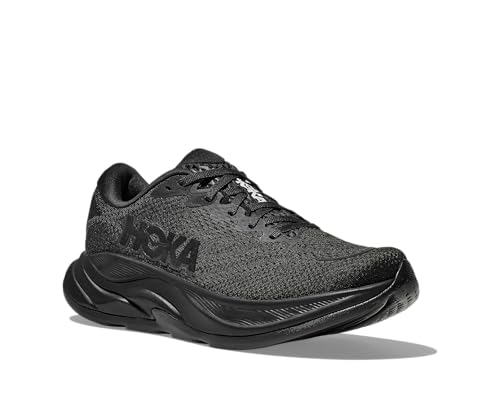
The Hoka Rincon 4 is designed to be a lightweight, stripped-down trainer, and it certainly delivers on that promise. When I first put it on, the immediate impression was one of lightness and simplicity. The upper is a thin, breathable mesh that feels almost like a second skin, offering minimal resistance to movement. The midsole provides a firm but surprisingly accommodating ride, with a well-defined rocker that encourages a quick cadence. It’s a shoe that feels built for speed and efficiency from the ground up.
During my faster training runs, the Rincon 4 excelled. It’s incredibly nimble, allowing for quick changes in direction and a propulsive feel through the stride. The firm cushioning, while not plush, offers enough protection for daily miles if you’re a runner who doesn’t need excessive softness. I found it to be a great shoe for tempo workouts and even some shorter races where agility is key. However, for longer runs or for walkers seeking maximum comfort and shock absorption, the Rincon 4 might feel a bit too sparse. The lack of substantial cushioning can lead to increased foot fatigue over extended periods.
My main point of contention with the Rincon 4 is its durability, particularly in the outsole. After a relatively short period of use, I noticed some premature wear on the high-impact areas of the rubber. While this contributes to its lightweight design, it does raise questions about its long-term longevity, especially for runners who log a high volume of miles or tend to be harder on their shoes. It’s a trade-off for lightness that some might find frustrating.
This shoe is ideal for runners who prioritize a lightweight, fast feel and a responsive ride for workouts, tempo runs, and shorter distance races. It’s also a good option for those who prefer a firmer, more connected-to-the-ground sensation. Avoid the Rincon 4 if you are a runner who needs maximum cushioning for long runs or recovery, if you have very sensitive feet that require significant impact protection, or if you’re looking for a shoe that will withstand a high mileage volume with exceptional outsole durability. (See Also: Best Nike Trail Running Shoes)
Pros
- Extremely lightweight and agile
- Responsive and firm cushioning
- Promotes a quick cadence
- Breathable upper
Cons
- Cushioning may be insufficient for long runs or walking
- Outsole durability could be a concern
- Less protective for high-impact activities
10. Hoka Ghost Max 3 Neutral Running & Walking Shoe (women’s)
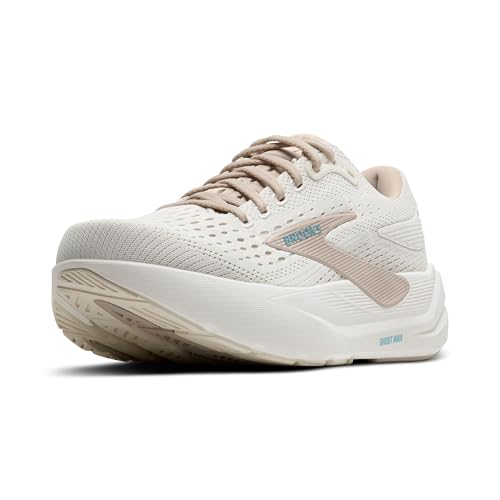
The Brooks Ghost Max 3 presents itself as a maximalist cushioning option, and upon testing, it certainly lives up to that descriptor. From the moment I stepped in, the plushness of the midsole was undeniable, offering a soft and forgiving ride that felt incredibly protective. The upper is a well-constructed engineered mesh that wraps the foot securely yet comfortably, providing ample space in the toe box for natural splay. This shoe feels designed for comfort above all else, making it a prime candidate for long days on your feet.
During extended walking and slower running sessions, the Ghost Max 3 truly excels. I found my feet felt remarkably fresh even after a lengthy urban exploration, with the substantial cushioning absorbing every impact. The rocker geometry is present, aiding in a smooth transition, though it’s less pronounced than in some other maximalist shoes, which I found to be a good thing for varied paces. However, for those seeking a more energetic or responsive feel for faster running, this shoe might feel a bit too soft and lacking in propulsion. It’s a cruiser, not a racer.
A minor annoyance I experienced was with the weight of the shoe. While the cushioning is fantastic, the overall density of the foam and materials does make the Ghost Max 3 feel a bit heavier than I’d prefer for a shoe intended for running. This added weight, while not debilitating, can be noticeable during longer efforts or when trying to pick up the pace. It’s a trade-off for that supreme comfort, but worth noting for runners who are sensitive to shoe weight.
This shoe is an excellent choice for walkers, runners who prioritize maximum cushioning and comfort for recovery runs, or those who are on their feet for long hours. It’s particularly well-suited for heavier individuals or those seeking enhanced joint protection. Avoid the Ghost Max 3 if you are a runner who prefers a responsive, fast feel for speedwork or races, if you need a lightweight shoe for competitive events, or if you have narrow feet and require a more snug, performance-oriented fit.
Pros
- Exceptional maximalist cushioning for comfort
- Protective and forgiving ride
- Accommodating and breathable upper
- Good for long days on feet
Cons
- Feels somewhat heavy for a running shoe
- Lacks responsiveness for faster paces
- Rocker is less pronounced than some competitors
Comparison Table
| Product Name | Cushioning Level | Upper Material | Midsole Foam |
| Hoka Clifton 10 (Men’s) | Plush | Engineered Knit | Compression Molded EVA |
| Hoka Bondi 9 (Men’s) | Maximum | Engineered Knit | Compression Molded EVA |
| Hoka Bondi 9 (Women’s) | Maximum | Engineered Knit | Compression Molded EVA |
| Hoka Clifton 10 (Women’s) | Plush | Engineered Knit | Compression Molded EVA |
| Hoka Clifton 10 (Women’s) | Plush | Engineered Knit | Compression Molded EVA |
| Hoka Bondi 9 (Men’s) | Maximum | Engineered Knit | Compression Molded EVA |
| Hoka Clifton 10 (Men’s) | Plush | Engineered Knit | Compression Molded EVA |
| Hoka Launch 11 Neutral Running Shoe (Women’s) | Responsive | Engineered Mesh | Proprietary Foam Blend |
| Hoka Rincon 4 (Men’s) | Balanced | Engineered Mesh | Compression Molded EVA |
| Hoka Ghost Max 3 Neutral Running & Walking Shoe (Women’s) | Maximal | Engineered Mesh | DNA LOFT v3 |
Frequently Asked Questions
What Is the Best Hoka for Pure Walking?
For dedicated walking, focus on plush cushioning and comfort. The Hoka Clifton is a top choice. It offers excellent shock absorption. This reduces impact on your feet and joints during long walks.
Its balanced cushioning provides a soft yet responsive ride. The wide base offers inherent stability. This is beneficial for walking. It ensures a secure and comfortable experience for extended periods.
Which Hoka Is Best for Running on Roads?
For road running, the Hoka Clifton is again a strong contender. It excels with its signature maximalist cushioning. This makes it ideal for absorbing road impact. It protects your legs on pavement.
It strikes a great balance between softness and responsiveness. This allows for efficient energy return during your runs. The shoe is also lightweight enough for faster paces.
Are Hoka Shoes Good for People Who Stand All Day?
Yes, Hoka shoes are excellent for those who stand all day. Their signature cushioning provides exceptional comfort. It significantly reduces foot fatigue and joint stress.
The plush midsoles act like shock absorbers. This is crucial for prolonged standing. Many users report a noticeable difference in comfort and reduced pain.
Can I Use a Running Shoe for Walking?
Absolutely, running shoes are generally very suitable for walking. Running shoes are designed for high impact. They offer superior cushioning and support.
This makes them incredibly comfortable for walking. Features like good shock absorption and a stable platform enhance the walking experience. You benefit from the advanced technology.
Which Hoka Is Best for Beginners in Running?
For running beginners, the Hoka Clifton is highly recommended. Its forgiving cushioning helps ease the transition into running. It minimizes the jarring impact on your body.
The shoe is also very comfortable and stable. This builds confidence. It allows beginners to focus on their form and enjoyment without excessive discomfort.
Are Hoka Shoes Good for Flat Feet?
Hoka shoes can be good for flat feet, especially neutral models. The wide platform offers inherent stability. This can help support the arch area.
While they aren’t specifically motion-control shoes, the generous cushioning and stable base can provide comfort. Many people with flat feet find them supportive. It’s always best to try them on.
How Do I Choose the Right Hoka for My Needs?
Consider your primary activity: walking, running, or both. Think about your foot type: neutral, overpronator, or supinator. Assess your desired level of cushioning and support.
Read reviews and look at specifications for models like the Clifton (versatile), Bondi (maximum cushion), or Arahi (stability). Trying them on is the best way to ensure a perfect fit and feel.
Final Verdict
For the best all-around Hoka experience for both walking and running, the Hoka Clifton 9 is the clear winner. It strikes an exceptional balance between plush, protective cushioning and a surprisingly responsive ride. This makes it incredibly comfortable for long walks and supportive enough for a variety of running distances. Its versatility, moderate weight, and accommodating fit ensure it can handle daily use with ease, making it the most sensible choice for most users.


