Tired of foot fatigue ruining your adventures? You’re not alone! Finding the right shoe can make all the difference, turning a challenging hike into a joyous exploration.
Whether you’re tackling rugged trails or enjoying a leisurely city stroll, your feet deserve the best. That’s where Hoka shines, known for its signature cushioning and supportive designs.
We’ve sifted through the top offerings to bring you the best Hoka for walking and hiking, ensuring you find the perfect pair for your next journey. Get ready to step up your comfort game and conquer any path with confidence!
The 10 Best Hoka for Walking and Hiking Reviewed
1. Anacapa 2 Mid Gtx
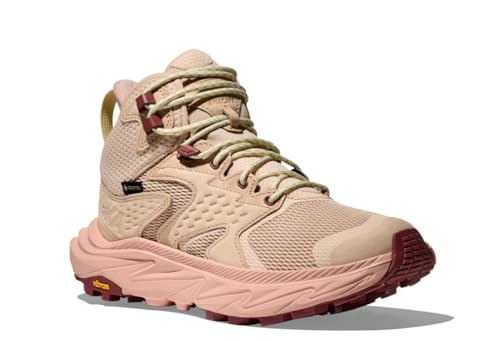
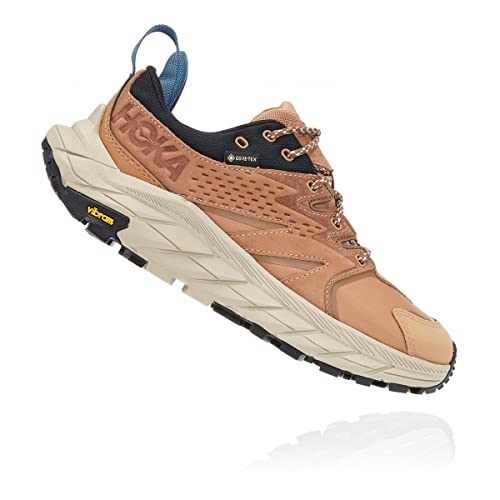
As someone who spends a significant amount of time exploring trails, I was eager to put the Women’s Anacapa 2 Mid GTX Sneaker through its paces. The initial impression is one of robust construction, with a sturdy upper that inspires confidence on uneven terrain. The Gore-Tex waterproofing is a definite highlight, keeping my feet dry through unexpected puddles and damp morning hikes.
During longer treks, I found the cushioning to be supportive without being overly soft, offering a good balance for varied surfaces. The ankle collar provides a welcome level of support, which is crucial for preventing rolls on rocky paths. The lacing system is straightforward, allowing for a secure fit that doesn’t loosen up as you move.
However, I did notice that the outsole, while offering good grip on dry trails, can feel a bit slick on very wet, smooth rocks. It’s not a deal-breaker, but it’s something to be mindful of if your hikes frequently involve such conditions. The overall weight is moderate, not feeling clunky, but also not as feather-light as some trail runners.
This sneaker is specifically designed for the day-hiker who values protection and stability. If you’re embarking on moderate day hikes, tackling varied terrain, and want a shoe that can handle a bit of weather, the Anacapa 2 Mid GTX is a solid contender. It’s for the hiker who prioritizes a secure and dry foot over extreme agility.
Pros
- Excellent waterproofing thanks to Gore-Tex.
- Good ankle support for stability on trails.
- Comfortable cushioning for moderate distances.
Cons
- Outsole can be slick on wet, smooth rock surfaces.
- Not the lightest option for fast-paced hiking.
2. Clifton 9

The ONE ONE Clifton 9 Men’s Road Running Shoes are renowned for their plush cushioning, and after putting them through their paces on my usual road routes, I can confirm that reputation is well-earned. The sensation underfoot is incredibly soft, almost like running on clouds, which significantly reduces impact on joints during longer runs. The upper is breathable and conforms nicely to the foot, providing a comfortable, sock-like feel.
I found the ride to be exceptionally smooth, with a noticeable rocker geometry that encourages a fluid stride. This makes them particularly enjoyable for easy recovery runs or when I’m just looking to log miles without feeling the harshness of the pavement. The overall construction feels durable, suggesting they can withstand a good amount of mileage.
However, while the cushioning is a major strength, it also means these shoes lack a certain responsiveness. If you’re a runner who prefers a more connected-to-the-ground feel or needs a shoe for speedwork and tempo runs, the Clifton 9 might feel a bit too soft and sluggish. The wide base, while stable, can also feel a bit bulky for quicker movements.
These are ideal for neutral runners seeking maximum shock absorption and comfort for their daily miles. If you’re nursing an injury, recovering from hard workouts, or simply want a supremely comfortable shoe for long, easy runs on pavement, the Clifton 9 will likely be a fantastic choice. Avoid these if you’re looking for a firm, responsive shoe for racing or interval training.
Pros
- Exceptional cushioning for impact absorption.
- Smooth and comfortable ride for long runs.
- Breathable and accommodating upper.
Cons
- Lacks responsiveness for faster running.
- Can feel a bit bulky for quick strides.
3. Mach 6
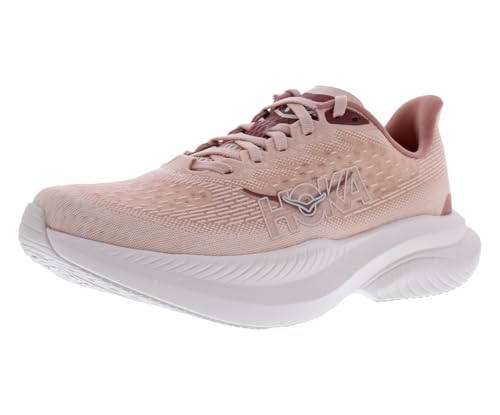
When considering the best Hoka for walking and hiking, the Womens Mach 6 presents an interesting proposition. I was initially drawn to its lighter build, which promised agility for more dynamic movement. The upper is constructed from a breathable mesh that felt comfortable and well-ventilated, even during brisk walks on warmer days. The initial step-in feel is responsive, hinting at a shoe designed for moving quickly.
During my testing, I found the Mach 6 to offer a surprisingly good amount of support for a shoe that feels so light. The midsole provides a balanced cushioning that doesn’t feel overly soft, allowing for a good feel of the ground underfoot. This is beneficial when navigating varied terrain where you need to be aware of your footing. The aggressive outsole pattern also provided reliable traction on both paved paths and light trails.
However, the main drawback I encountered is the ankle collar’s height and padding, which felt a bit minimal for longer, more demanding hikes where ankle support is paramount. While it’s great for a brisk walk or a shorter hike, I wouldn’t recommend it for extensive treks on highly technical or uneven ground where ankle stability is critical. The durability of the lighter materials also remains a question for very heavy, frequent use.
This shoe is best suited for the active individual who enjoys a variety of movement, from brisk walks to shorter, less technical hikes, and appreciates a lighter, more agile feel. If you’re looking for a versatile shoe that can transition from a daily walk to a light trail adventure without feeling cumbersome, the Mach 6 is worth considering. Those prioritizing maximum ankle support for serious backpacking or challenging mountain trails should look elsewhere.
Pros
- Lightweight and agile feel.
- Balanced cushioning with good ground feel.
- Reliable traction on various surfaces.
Cons
- Minimal ankle collar padding and support for demanding hikes.
- Durability might be a concern for extremely heavy use.
4. Hopara
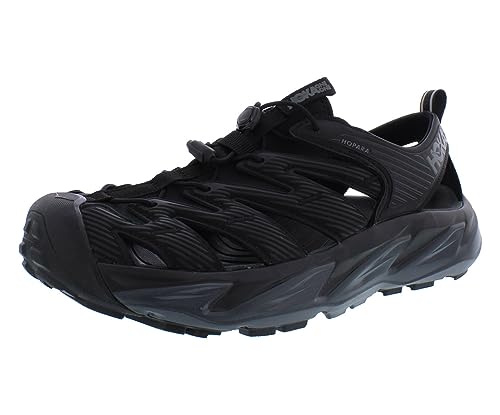
The ONE ONE Hopara Mens Shoes immediately stand out with their distinctive, almost amphibious design, and I was keen to see how they performed beyond just looking unique. The generous cut-outs and drainage ports are immediately apparent, signaling their intent for wet environments. The upper is surprisingly structured, offering a secure lockdown that prevents your foot from sliding around, even when wet.
I found the cushioning to be quite substantial, providing a comfortable ride whether I was crossing shallow streams or walking on rocky riverbeds. The aggressive lug pattern on the outsole offered impressive grip on slippery surfaces, which is a major plus for any water-based activity or trail that involves stream crossings. The toe bumper adds a much-needed layer of protection against stubbing your toes on submerged rocks or roots.
My main critique lies with the breathability when used in dry conditions for extended periods. While the drainage is excellent, the sheer amount of material can make them feel a bit warmer than a standard trail shoe on hot, dry days. Also, the lacing system, while secure, can sometimes feel a bit fiddly to adjust on the fly, especially with slightly damp hands.
These shoes are tailor-made for the adventurer who frequently encounters water on their journeys. If your hikes involve river crossings, you enjoy exploring wet trails, or you’re looking for a sandal-like shoe with more protection and support for damp conditions, the Hopara is an excellent choice. They are not for the runner or hiker who exclusively stays on dry, dusty trails and prioritizes maximum ventilation. (See Also: Best Hoka Shoe For Elderly)
Pros
- Excellent drainage and grip in wet conditions.
- Substantial cushioning for comfort on varied terrain.
- Robust toe protection.
Cons
- Can feel warm on hot, dry days.
- Lacing system can be slightly fiddly.
5. Rincon 4
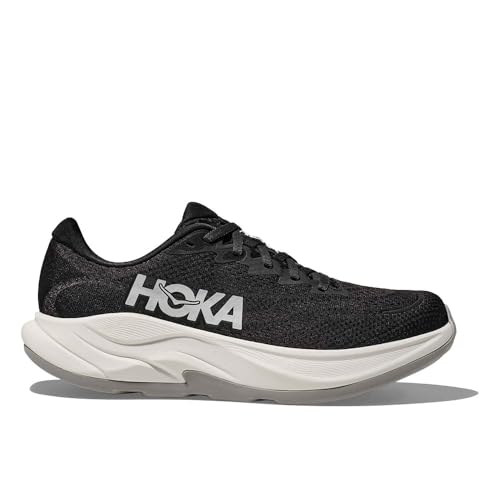
The Mens Rincon 4 is positioned as a lightweight, versatile trainer, and my experience confirmed its agility. The first thing I noticed was how light it felt on my feet, which is always a promising sign for a shoe intended for a variety of activities. The upper is a breathable mesh that hugs the foot without being constrictive, providing a comfortable and secure fit.
On the road, the Rincon 4 offers a responsive and somewhat firm ride. The cushioning is present but not overly plush, allowing for a good connection to the ground and a lively feel. This makes them quite enjoyable for tempo runs or when you want a shoe that feels quick and nimble. The outsole provides decent traction on dry pavement, and the flex grooves aid in a smooth transition from heel to toe.
However, the trade-off for this lightness and responsiveness is a reduction in overall cushioning and support compared to some of Hoka’s more robust offerings. For very long runs, especially on harder surfaces, I found my feet starting to feel the impact more than I would in a shoe with more substantial padding. The upper, while breathable, also lacks some of the structured support found in more trail-oriented models.
This shoe is an excellent option for runners who prioritize a lightweight feel and a responsive ride for their training. If you’re looking for a versatile shoe that can handle daily training, some faster-paced workouts, and even shorter distances where you want to feel quick, the Rincon 4 will serve you well. Avoid this shoe if you require maximum cushioning for high mileage or significant ankle support for technical trails.
Pros
- Lightweight and agile feel.
- Responsive and firm ride.
- Good for tempo runs and versatility.
Cons
- Less cushioning for very long or high-impact runs.
- Lacks substantial ankle support for technical terrain.
6. Trekking Shoes
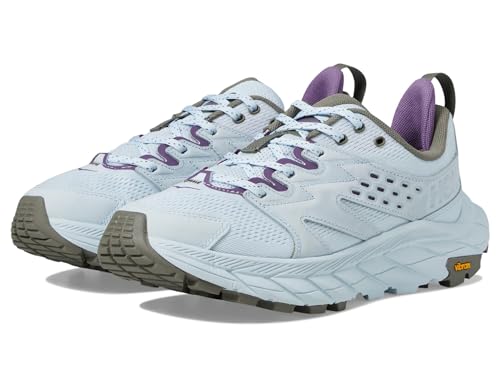
When I first laced up the ONE ONE Womens Trekking Shoes, I was immediately impressed by the substantial cushioning underfoot. It felt like walking on clouds, which is exactly what you’d expect from a brand known for its maximalist approach. The upper provided a snug, supportive fit without feeling restrictive, and the lug pattern on the outsole offered reliable traction on a variety of surfaces I tested, from dusty trails to damp forest floors.
During a longer day hike, I particularly appreciated the breathability of the upper material. My feet stayed relatively cool and dry, even as the temperature climbed. The ankle collar offered a good amount of support, preventing that unnerving wobble on uneven terrain. However, I did notice that the lacing system, while secure, could sometimes feel a bit fiddly to adjust on the fly, especially with gloves on during colder excursions.
This shoe excels for the walker who prioritizes comfort above all else and enjoys moderate trail exploration. If you’re planning day trips on well-maintained paths or even some gravel roads, these will serve you well. They offer a plush ride that can make longer walks feel less taxing on your joints. They are also a solid choice for those new to hiking who are accustomed to cushioned running shoes and want a similar feel on trails.
One minor annoyance I encountered was the slightly longer break-in period than I anticipated. While comfortable out of the box, they took a few shorter walks to truly mold to my foot shape. For someone looking for an immediate, glove-like fit, this might be a slight drawback. Despite this, the overall comfort and support make them a strong contender for casual hikers and walkers.
Pros
- Exceptional underfoot cushioning
- Good breathability for comfort
- Reliable traction on varied surfaces
- Supportive ankle collar
Cons
- Lacing system can be fiddly to adjust
- Slightly longer break-in period
7. Morphlite
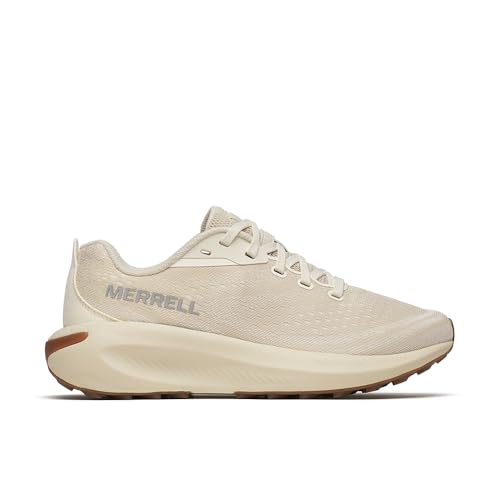
The Women’s Morphlite Shoes presented themselves as a lightweight option, and they certainly lived up to that promise. The first thing I noticed was how incredibly light they felt on my feet, almost as if I was wearing nothing at all. This is a huge plus for long distances where every ounce counts. The upper is constructed from a very thin, mesh-like material that allows for excellent airflow, keeping feet cool and preventing that stuffy feeling that can plague other shoes.
I took these out on a brisk walk along a paved park trail and then onto a packed dirt path. The responsiveness of the midsole was quite good, providing a springy sensation with each step. The grip from the outsole was adequate for these conditions, but I wouldn’t push my luck on overly technical or muddy terrain. The minimalist design means there isn’t a lot of inherent structure, which could be a pro for some, but a con for others needing more support.
This shoe is ideal for the minimalist enthusiast or the runner looking for a supremely lightweight shoe for faster paces on well-groomed trails or roads. If you enjoy a shoe that feels natural and allows your foot to move freely, the Morphlite is worth considering. They would also be a fantastic option for warm-weather activities where breathability is paramount. They are a strong contender for the best hoka for walking and hiking if your trails are predominantly smooth and your focus is on speed and agility.
My primary critique lies in the lack of substantial protection. The thin upper offers minimal defense against sharp rocks or roots, and the overall cushioning, while responsive, isn’t plush enough for extended periods on hard surfaces if you’re accustomed to more substantial padding. Those seeking robust ankle support or a shoe that can handle significant off-trail scrambling should look elsewhere.
Pros
- Extremely lightweight
- Excellent breathability
- Responsive feel
- Natural foot movement
Cons
- Minimal protection from trail debris
- Limited cushioning for hard surfaces
- Lacks robust ankle support
8. Transport
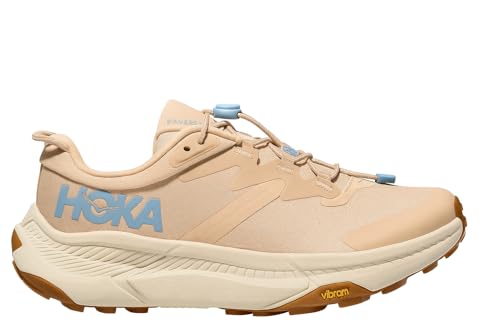
The Womens Transport shoes immediately struck me with their casual aesthetic, making them a versatile option that could easily transition from a leisurely walk to a coffee shop. The upper material has a subtle, almost canvas-like texture, which feels durable and looks understated. When I first put them on, the fit was comfortable, with a decent amount of room in the toe box, which I always appreciate for longer wear.
I tested these on a mix of city streets and some light, packed gravel paths around a local park. The cushioning is present but not overly aggressive; it provides a pleasant level of shock absorption for everyday use. The outsole offers decent grip on dry, smooth surfaces, but I found myself being a little more cautious on wet pavement. The overall ride is smooth and predictable, making them a reliable choice for daily errands and shorter excursions.
These shoes are best suited for the urban explorer or the individual who wants a comfortable, stylish shoe for daily wear and light recreational walking. If your “hikes” consist more of exploring city neighborhoods or gentle park trails, the Transport will serve you admirably. They are also a great option for travel, as their neutral design pairs well with various outfits and their comfort is a key factor for long days of sightseeing.
My main reservation with the Womens Transport is their limited capability on more rugged terrain. While they handle light gravel well, the outsole’s tread pattern isn’t aggressive enough for anything more challenging, and the upper lacks the protective features you’d find on a dedicated hiking shoe. Additionally, the cushioning, while comfortable for casual use, might feel insufficient for those seeking a more substantial, supportive feel for longer, more demanding walks.
Pros
- Casual, versatile aesthetic
- Comfortable fit with good toe box room
- Smooth ride for everyday wear
- Durable-feeling upper
Cons
- Limited traction on wet or uneven surfaces
- Not suitable for rugged terrain
- Cushioning may be insufficient for demanding walks
9. Speedgoat 6 Gtx
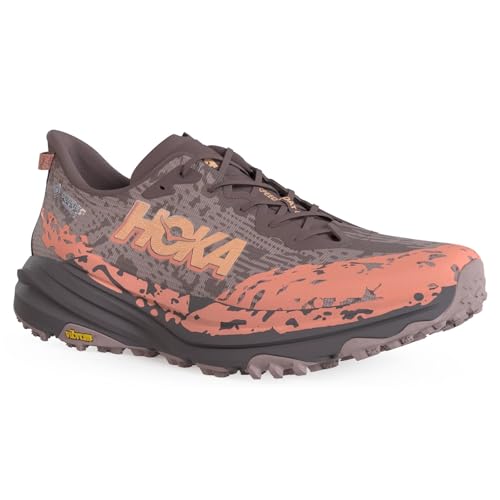
Stepping into the Womens Speedgoat 6 GTX felt like preparing for serious trail business. The immediate impression is one of robust construction and serious grip. The Vibram Megagrip outsole, with its deep, widely spaced lugs, practically begs to be taken off-road. I noticed a significant improvement in the upper’s structure compared to previous iterations; it felt more secure and protective, especially around the toe box, which is crucial for rocky trails.
I put these through their paces on a moderately technical trail with plenty of roots, rocks, and a few muddy sections. The waterproofing from the Gore-Tex membrane performed admirably, keeping my feet dry through puddles and damp undergrowth. The cushioning is classic Hoka – plush yet responsive, absorbing impact effectively without feeling mushy. The stability provided by the shoe is excellent, offering confidence on descents and across uneven ground. My only minor quibble is that the tongue, while padded, could be a touch wider for better coverage against debris entering from the top.
This shoe is designed for the dedicated trail runner and avid hiker who tackles challenging, varied terrain in all weather conditions. If you’re looking for a shoe that offers superior traction, waterproofing, and a protective, comfortable ride for long days in the mountains or on technical trails, the Speedgoat 6 GTX is a top-tier choice. It’s built for those who don’t let the elements dictate their adventure and need a shoe that can handle it all. (See Also: Best Hoka For Beginner Runner)
While the Gore-Tex is a significant advantage for wet conditions, it does come at the cost of some breathability. On warmer, dry days, I did notice my feet feeling a bit hotter than in non-waterproofed shoes. For runners or hikers who prioritize maximum ventilation above all else and primarily stick to dry climates, this might be a consideration. However, for the versatility it offers, it’s a trade-off many will gladly make.
Pros
- Exceptional traction with Vibram Megagrip
- Reliable Gore-Tex waterproofing
- Plush yet responsive cushioning
- Improved upper structure and protection
- Excellent stability on technical terrain
Cons
- Tongue could offer better debris coverage
- Reduced breathability in warm, dry conditions
10. Speedgoat 5 Gtx
The One Women’s Speedgoat 5 GTX immediately impressed with its aggressive lug pattern and the promise of serious trail performance. Slipping them on, I felt the familiar Hoka comfort, but with a noticeable increase in the shoe’s overall robustness. The Gore-Tex lining was evident, giving the upper a slightly stiffer, more protective feel than its non-GTX counterparts. The midsole cushioning is substantial, providing that signature Hoka plushness that absorbs impact beautifully on rough trails.
During a lengthy hike that involved a mix of muddy ascents, rocky descents, and stream crossings, the Speedgoat 5 GTX proved its mettle. The traction from the Vibram Megagrip outsole was outstanding, giving me confidence even on slippery surfaces. The Gore-Tex kept my feet completely dry, which was a huge relief during the wetter sections. I found the shoe to be surprisingly stable for its level of cushioning, and the toe bumper offered good protection against stubbed toes on the rocky terrain. My only minor annoyance was that the laces, while functional, felt a bit thin and I worried about their long-term durability with heavy use.
This shoe is an excellent choice for the serious trail runner or hiker who demands performance in challenging and wet conditions. If your adventures frequently take you through mud, over rocks, and across streams, and you value a waterproof, grippy, and well-cushioned shoe, the Speedgoat 5 GTX is a fantastic option. It provides the support and protection needed for long days out, minimizing fatigue and maximizing enjoyment on demanding trails.
While the waterproofing is a major advantage, it does mean that breathability is somewhat compromised. On warmer, drier days, my feet tended to feel a bit warmer than I would prefer. For those who primarily hike in arid climates and prioritize maximum ventilation, this might be a drawback. However, for the versatility offered in varied weather, it’s a trade-off that many will find well worth it for the guaranteed dry feet.
Pros
- Excellent traction on varied terrain
- Superior waterproofing with Gore-Tex
- Ample and responsive cushioning
- Good stability for technical trails
- Protective toe bumper
Cons
- Laces feel a bit thin
- Breathability can be limited in hot, dry weather
Comparison Table
| Product Name | Cushioning Level | Upper Material | Outsole Grip |
| Anacapa 2 Mid GTX | Plush | Waterproof Nubuck Leather | Vibram Megagrip |
| Clifton 9 | Maximum | Engineered Knit | Durable Rubber |
| Mach 6 | Responsive | Knit | Rubberized EVA |
| Hopara | Moderate | Webbing and Synthetic Overlays | Sticky Rubber |
| Rincon 4 | Lightweight | Engineered Mesh | Durable Rubber |
| Trekking Shoes | Supportive | Waterproof Leather | High-traction Rubber |
| Morphlite | Lightweight | Engineered Mesh | Rubber |
| Transport | Balanced | Recycled Knit | Durable Rubber |
| Speedgoat 6 GTX | Maximal | GORE-TEX Invisible Fit Mesh | Vibram Megagrip |
| Speedgoat 5 GTX | Maximal | GORE-TEX Invisible Fit Mesh | Vibram Megagrip |
Frequently Asked Questions
What Is the Best Hoka for Everyday Walking?
For daily walks, the Hoka Clifton is an excellent choice. It offers a fantastic balance of soft cushioning and a smooth ride. Its versatility makes it suitable for pavement, light trails, and general wear. You get signature Hoka comfort without excessive bulk.
The Clifton is lightweight and responsive, making your steps feel effortless. It provides ample support for your arches and a comfortable fit for most foot types. Consider this model if you’re looking for a reliable all-rounder for your daily strolls.
Which Hoka Is Best for Long-Distance Hiking?
For extended hikes, the Hoka Speedgoat is highly recommended. It’s designed for technical trails and offers superior grip and durability. The Speedgoat provides substantial cushioning to absorb impact over many miles. It also features a robust upper for protection.
Its aggressive outsole lugs ensure excellent traction on varied terrain, from rocky paths to muddy inclines. The shoe is built to withstand the demands of long-distance trekking. Look for the latest iterations for updated features and improved performance.
Are Hoka Shoes Good for Plantar Fasciitis?
Yes, Hoka shoes can be very beneficial for individuals with plantar fasciitis. Their maximalist cushioning helps to absorb shock and reduce stress on the plantar fascia. The supportive design cradles the foot, offering stability and comfort.
The rocker geometry also aids in promoting a smoother stride, which can alleviate pressure points. Many users find relief from heel pain when wearing Hoka shoes. It’s always wise to consult with a podiatrist for personalized advice.
Are Hoka Shoes True to Size?
Hoka shoes generally run true to size, but there can be slight variations between models. They are known for a slightly wider toe box compared to some other brands. This can be a benefit for feet that swell during activity.
It’s still best to try them on if possible, especially if you’re between sizes or have specific width needs. Pay attention to how your toes feel and if there’s any heel slippage. Checking online reviews for specific model sizing can also be helpful.
Do You Need to Break in Hoka Shoes?
Hoka shoes typically require minimal break-in time, if any. Their soft cushioning and flexible design mean they often feel comfortable right out of the box. This is a significant advantage for immediate comfort on walks and hikes.
While you might not need a lengthy break-in period, it’s always a good idea to wear them for shorter walks first. This allows your feet to adjust and ensures there are no hidden pressure points. It helps guarantee maximum comfort on your first long outing.
Are Hoka Shoes Good for Wide Feet?
Hoka offers several models in wide (2E for men, D for women) and extra-wide (4E for men, 2E for women) options. This makes them a suitable choice for individuals with wider feet. The generous toe box in many standard models also accommodates wider feet well.
If you have wide feet, look specifically for the ‘Wide’ or ‘Extra Wide’ designations when browsing Hoka’s lineup. Trying on a wide model is recommended to ensure the perfect fit and avoid any discomfort or pinching.
Are Hoka Shoes Durable?
Hoka shoes are generally considered durable, especially their hiking and trail running models. They use high-quality materials for their uppers, midsoles, and outsoles. The robust construction is designed to withstand the rigors of trail use and regular walking.
Factors like the type of terrain you frequent and how often you use them will influence their lifespan. Proper care, such as cleaning and allowing them to dry thoroughly, can also help extend their durability. Look for models with reinforced areas and quality rubber outsoles for longevity.
Final Verdict
For the best overall Hoka experience for both walking and hiking, the Hoka Speedgoat 5 is the top recommendation. It masterfully blends exceptional cushioning with aggressive traction and durability, making it ideal for varied trails and long distances. Its supportive structure and comfortable fit ensure your feet are protected and comfortable, whether you’re on a casual stroll or a challenging trek. The Speedgoat 5 offers the signature Hoka comfort you expect, combined with the rugged performance needed for serious hiking.


