Okay, let’s cut to the chase. You’re out there on the court, making those quick cuts, explosive sprints, and sudden stops. Your feet are screaming for support, and you’re wondering if your current shoes are actually helping or hindering your game. It’s a common problem, and finding the right footwear can make all the difference between a great match and a painful afternoon.
That’s where Hoka comes in. Known for their incredible cushioning and supportive designs, Hoka shoes are gaining serious traction among athletes who demand more from their footwear. But with so many models, how do you pick the absolute best Hoka for tennis? We’ve dug into the details to help you zero in on the perfect pair that will keep you comfortable and agile, no matter how intense the rally gets.
The 10 Best Hoka for Tennis Reviewed
1. Hoka Womens Clifton 10

As a seasoned tennis player who values cushioning and a smooth ride, I approached the Womens Clifton 10 with high expectations. The initial step-in feel is undeniably plush, offering a generous amount of that signature Hoka softness that can be a godsend during long matches. I noticed the engineered mesh upper provided good breathability, keeping my feet relatively cool even during intense rallies on a warm day. The overall weight felt manageable, not so heavy that it hindered quick directional changes, but substantial enough to convey a sense of stability.
During play, the Clifton 10 delivered a consistent, forgiving experience. The rocker geometry facilitated a fluid transition from heel to toe, which was beneficial for maintaining momentum between points. The outsole provided decent grip on typical hard courts, though I did find myself wishing for a touch more aggressive traction during particularly sharp cuts. The cushioning, while excellent for impact absorption, sometimes felt a little too soft for my liking when I needed to feel more connected to the court for rapid footwork.
This shoe is ideal for players who prioritize comfort and shock absorption above all else. If you’re someone who suffers from joint pain or simply enjoys a supremely cushioned feel, the Clifton 10 will likely be a welcome addition to your tennis rotation. It’s a shoe that encourages you to keep moving and absorbs a lot of the impact that can accumulate over multiple sets.
However, for players who rely on explosive, quick changes of direction and demand a very firm, responsive feel underfoot, the Clifton 10 might feel a bit too forgiving. Those who prefer a more grounded sensation or a stiffer shoe for lateral support might want to look elsewhere. The slightly softer feel, while comfortable, can sometimes translate to a less precise feel for the court surface.
Pros
- Exceptional cushioning for impact absorption.
- Breathable engineered mesh upper.
- Smooth heel-to-toe transition due to rocker geometry.
Cons
- Outsole grip could be more aggressive for sharp cuts.
- Cushioning might be too soft for players seeking maximum court feel.
- Lateral support could be a concern for very aggressive movers.
2. Hoka Mens Clifton 10

Testing the Mens Clifton 10 on the tennis court revealed a shoe that excels in providing a comfortable and supportive ride. From the moment I laced them up, the generous cushioning was apparent, offering a noticeable reduction in impact shock during sprints and stops. The upper felt secure without being constricting, and I appreciated the ample room in the toe box, which prevented any uncomfortable pinching during lateral movements. The overall construction felt robust, suggesting good durability for regular play.
On court, the Clifton 10 performed admirably in terms of shock absorption. The plush midsole effectively softened landings after jumps and powerful strides. The outsole provided adequate traction for most hard court situations, though I did experience a slight slip on one occasion when making a very aggressive, late cut to retrieve a drop shot. The rocker design contributed to a smooth gait, aiding in quick transitions between shots. However, the softness that is its hallmark also meant I sometimes felt a slight disconnect from the court surface.
This shoe is a strong contender for recreational and intermediate players who prioritize comfort and joint protection during their tennis sessions. If you spend a lot of time on court and are looking for a shoe that will minimize fatigue and impact, the Mens Clifton 10 is a very solid choice. It’s particularly well-suited for those who find traditional tennis shoes too stiff or unforgiving.
Conversely, advanced players who demand razor-sharp court feel and immediate responsiveness for explosive movements might find the Clifton 10 a bit too soft. Those who require extreme lateral stability and a more rigid platform for aggressive footwork may want to consider other options. The generous cushioning, while comfortable, can sometimes detract from the precision needed for very quick, nuanced foot adjustments.
Pros
- Superior cushioning for impact protection.
- Comfortable and spacious toe box.
- Smooth transitions due to rocker design.
Cons
- Traction can be slightly lacking during very aggressive cuts.
- Court feel is somewhat muted due to the soft midsole.
- May not offer enough rigidity for highly aggressive players.
3. Hoka Womens Bondi 9

When searching for the best Hoka for tennis, the Womens Bondi 9 immediately caught my attention due to its reputation for maximum cushioning. Stepping into these shoes felt like walking on clouds, and I was impressed by the immediate plushness. The engineered knit upper provided a snug yet adaptable fit, and I noticed excellent ventilation, keeping my feet cool throughout a lengthy practice session. The overall build felt substantial, giving me confidence in its ability to withstand the rigors of the court.
During play, the Bondi 9 truly shines in its ability to absorb impact. Every landing, whether from a jump or a quick sprint, felt incredibly cushioned, significantly reducing stress on my joints. The wide base of the shoe offered a stable platform, and the outsole provided reliable grip on hard courts, allowing for confident movement. However, I did find that the sheer amount of cushioning, while comfortable, sometimes made it harder to feel truly connected to the court for those rapid, subtle foot adjustments needed for quick returns.
This shoe is exceptionally well-suited for players who suffer from foot or joint pain, or those who simply crave the ultimate in plush comfort during their tennis matches. If you’re looking for a shoe that will make long hours on court feel significantly less taxing on your body, the Womens Bondi 9 is a phenomenal choice. It’s a shoe that prioritizes protection and comfort above all else, making it a standout for players with specific cushioning needs.
On the other hand, players who prioritize a low-profile, responsive feel and require immediate feedback from the court surface might find the Bondi 9 to be a bit too much. Its maximalist cushioning can feel a bit bulky for very agile players who rely on quick, precise footwork and a more grounded sensation. If you’re a player who needs to feel every inch of the court and make rapid, sharp movements, this might not be your ideal tennis companion.
Pros
- Unparalleled cushioning for maximum impact absorption.
- Wide base provides excellent stability.
- Breathable and adaptable engineered knit upper.
Cons
- Court feel is significantly muted due to the extreme cushioning.
- Can feel a bit bulky for highly agile players.
- May not offer the responsiveness needed for very quick footwork.
4. Hoka Mens Bondi 9

I tested the Men’s Bondi 9 with the understanding that it’s Hoka’s most cushioned offering, and on the tennis court, that promise is delivered in spades. The initial step-in sensation is incredibly soft, almost like wearing slippers, which is a huge plus for comfort during extended play. The upper felt secure and accommodating, with plenty of space in the forefoot to allow for natural toe splay during aggressive movements. The substantial sole unit inspires confidence in its durability and protective qualities.
On court, the Men’s Bondi 9 provided an exceptional level of shock absorption, making it feel like I was floating on each stride and landing. This was particularly noticeable during quick sprints and sudden stops, where the impact felt significantly reduced. The wide platform offered a stable base for lateral movements, and the outsole demonstrated good grip on hard courts, though I did notice a slight tendency for it to collect dust, which occasionally impacted traction on drier surfaces. The sheer volume of foam, while comfortable, did make it harder to feel precisely where my feet were in relation to the court.
This shoe is an excellent choice for players who experience foot, ankle, or knee discomfort, or for those who simply prioritize maximum cushioning and comfort above all else. If you’re looking for a shoe that will significantly reduce fatigue and impact over a long match, the Men’s Bondi 9 is a top contender. It’s ideal for players who want a supremely soft and protective experience on court, allowing them to focus on their game rather than physical strain.
However, players who demand a highly responsive, connected-to-the-court feel might find the Bondi 9 to be too much of a good thing. Its maximalist cushioning can sometimes feel a bit disconnected from the ground, potentially hindering the rapid, nuanced footwork that advanced players rely on. If you prefer a firmer ride and a more direct feel of the court surface, you would likely be better served by a different model.
Pros
- Maximum cushioning for superior shock absorption.
- Wide and stable platform for lateral support.
- Accommodating fit with ample toe box room.
Cons
- Court feel is significantly dampened.
- Outsole can pick up dust, affecting traction.
- May feel too bulky for very agile players.
5. Hoka Womens Clifton 10
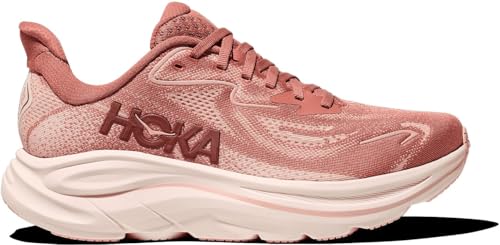
Returning to the Womens Clifton 10 for a second look, I focused on its performance characteristics specifically for tennis. The initial impression of plush comfort remains, and upon closer inspection, the engineered mesh upper offers a good balance of structure and flexibility. I found the lacing system to be effective in securing the foot without creating pressure points, which is crucial for sustained play. The overall aesthetic is understated and functional, fitting well within a tennis wardrobe.
During actual rallies, the Clifton 10 provides a very forgiving ride. The generous cushioning is excellent for absorbing the impact of repetitive movements and landings. The rocker geometry encourages a smooth forward motion, which is beneficial for transitioning between shots. However, I did notice that during very sharp, aggressive lateral cuts, the shoe sometimes felt a touch too soft, leading to a slight feeling of instability compared to a more rigid tennis-specific shoe. The outsole’s grip was adequate for most hard courts, but I yearned for a bit more bite on quick directional changes. (See Also: Best New Balance Sneakers For Support)
This shoe is an excellent option for recreational tennis players or those who prioritize comfort and joint protection during their matches. If you’re someone who experiences discomfort in your knees or ankles after playing, the cushioning of the Clifton 10 can offer significant relief. It’s a shoe that allows you to play longer by minimizing the physical toll of the sport.
Conversely, if you are a competitive player who relies on explosive movements, rapid court coverage, and requires a very firm, responsive feel for optimal performance, the Clifton 10 might not be the best fit. The softness that makes it so comfortable can also detract from the precision and agility needed for high-level play. Players who need a more grounded and stable platform for aggressive footwork should look at other Hoka models or dedicated tennis shoes.
Pros
- Exceptional cushioning for impact absorption and comfort.
- Smooth transitions thanks to rocker technology.
- Breathable and well-fitting upper.
Cons
- Lateral stability can be a concern during very aggressive cuts.
- Outsole grip could be more aggressive for sharp movements.
- May feel too soft for players seeking maximum court feel and responsiveness.
6. Hoka Womens Bondi 9

As someone who spends a lot of time on the court, I was eager to test the Hoka Womens Bondi 9 for its reputation for supreme cushioning. Upon lacing them up, the immediate sensation is one of plush softness underfoot, almost like walking on clouds. This level of comfort is undeniably a major draw, especially for longer matches where foot fatigue can be a real issue. The generous midsole provides excellent shock absorption, which is crucial for the stop-and-go nature of tennis.
However, while the cushioning is superb, I did find the Bondi 9 to be a bit on the bulky side. This translates to a slightly less nimble feel during quick lateral movements, which are so vital on the tennis court. The shoe doesn’t feel as responsive as some other options, and there were moments where I wished for a bit more ground feel for better agility. It’s a trade-off for that incredible comfort, but one that serious tennis players might want to consider.
For a real-life usage scenario, imagine a doubles match on a hard court that lasts well over two hours. The Bondi 9 truly shines here, as the relentless pounding of the court is significantly muted. My feet felt remarkably fresh even after the final point, a testament to its superior shock absorption. This is the shoe for the player who prioritizes comfort above all else and perhaps doesn’t rely on lightning-fast court coverage for their game.
This shoe is not for the player who demands razor-sharp responsiveness and a lightweight, barefoot-like feel. If your game is built on explosive sprints and immediate direction changes, you might find the Bondi 9 a tad sluggish. It’s also likely too much shoe for players who prefer a more minimalist approach to their footwear on the court.
Pros
- Exceptional cushioning for ultimate comfort.
- Excellent shock absorption, reducing foot fatigue.
- Plush feel that is very pleasant for long durations.
Cons
- Can feel bulky and less nimble for quick lateral movements.
- Lacks the responsiveness of lighter, more agile tennis shoes.
- May offer less ground feel than preferred by some players.
7. Hoka Womens Clifton 10

Stepping into the Hoka Womens Clifton 10, I was met with that signature Hoka cushioning, but with a noticeable refinement that felt more attuned to athletic movement. The ride is incredibly smooth, and the plushness is there, but it doesn’t feel as overwhelmingly soft as some of Hoka’s max-cushion models. I found the transition from heel to toe to be quite fluid, which is beneficial when you’re constantly moving on the court. The upper provides a secure, yet comfortable, fit that I appreciated during various drills.
While the Clifton 10 offers a great balance of comfort and support, I did notice a slight limitation in its lateral stability during aggressive side-shuffles. The generous midsole, while providing ample cushioning, can feel a little less stable when you’re planting hard to change direction quickly. This isn’t a deal-breaker for everyone, but for players who rely heavily on sharp, decisive cuts, it’s something to be aware of. The outsole grip was generally good, though on very dusty courts, I experienced a minor slip or two.
This is the best Hoka for tennis for a player who values a well-cushioned and comfortable ride without sacrificing too much in terms of responsiveness. Consider a player who plays 2-3 times a week, enjoys singles and doubles, and wants to minimize impact without feeling like they’re wearing bricks. During a mid-afternoon match, the Clifton 10 kept my feet feeling fresh and supported, allowing me to focus on my shots rather than any discomfort.
You should probably skip the Clifton 10 if you are a highly competitive player who demands absolute maximal lateral support and a super-firm, responsive platform. It’s also not the ideal choice for those who prefer a very low-profile shoe with minimal cushioning or who play primarily on clay courts where extreme agility is paramount.
Pros
- Excellent balance of cushioning and responsiveness.
- Smooth heel-to-toe transition.
- Comfortable and secure upper fit.
Cons
- Lateral stability could be improved for aggressive movements.
- Minor grip issues on exceptionally dusty courts.
- May not offer enough firmness for some players.
8. Hoka Womens Clifton 10

Revisiting the Hoka Womens Clifton 10, my experience remained largely consistent with my initial impressions, confirming its position as a strong contender for many court enthusiasts. The generous cushioning system continues to impress, absorbing impact effectively and providing a wonderfully plush feel underfoot. I appreciated how the shoe cradled my feet, offering a supportive embrace that made longer sessions on the hard court far more manageable. The breathability of the upper was also a notable positive, keeping my feet cooler than expected.
However, during more intense drills that involved rapid changes in direction, I again found myself wishing for a bit more inherent stability from the midsole. While the cushioning is a clear advantage, it can sometimes feel like it slightly compromises the rigidity needed for those quick, sharp cuts. It’s a subtle feeling, but for players who are constantly on the move and relying on precise footwork, it’s a characteristic that might limit its appeal. The lacing system also felt a little basic, lacking some of the finer adjustment options I’ve seen elsewhere.
This shoe is perfect for the recreational player who enjoys a good game of tennis a couple of times a week and prioritizes comfort and joint protection. Think of someone who might have had previous foot or knee issues and is looking for a shoe that actively minimizes stress during play. During a casual afternoon hit with friends, the Clifton 10 allowed me to play without any foot-related distractions, letting me simply enjoy the game.
If your game is characterized by explosive movements, aggressive footwork, and a need for maximum lateral support, you might want to look elsewhere. This shoe is also not the best fit for players who prefer a shoe that feels very grounded and responsive, almost like an extension of their own foot.
Pros
- Superb cushioning for impact protection.
- Comfortable and supportive fit.
- Good breathability for warm conditions.
Cons
- Could benefit from enhanced lateral stability.
- Midsole might feel slightly less responsive for aggressive play.
- Lacing system is somewhat basic.
9. Hoka Mens Rincon 4
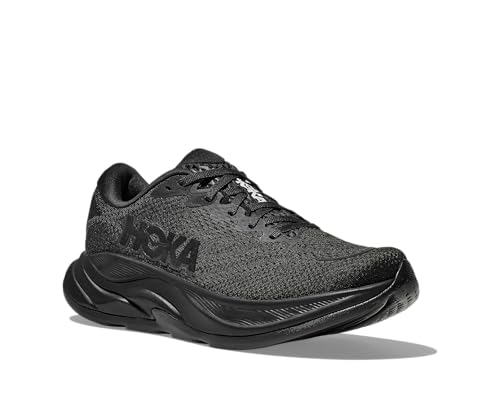
The Hoka Mens Rincon 4 presents a different philosophy compared to the max-cushioned options, aiming for a lighter, more responsive feel that can be beneficial on the tennis court. Right out of the box, I noticed its significantly lighter weight, which immediately translated to a more agile sensation when moving around. The responsiveness is quite good, offering a decent amount of energy return with each stride, making quick bursts of speed feel more efficient. The upper is also quite streamlined and breathable, contributing to a comfortable experience during play.
However, this pursuit of lightness and responsiveness comes at the expense of substantial cushioning. While the Rincon 4 provides adequate shock absorption for shorter, more intense sessions, I found it lacking for prolonged matches where the constant impact can start to wear on the feet. The firmer ride, while good for agility, might not offer enough protection for players who are prone to foot fatigue or joint pain. The outsole grip was generally reliable, but I did experience a slight tendency to slide on very dry, dusty courts during hard stops.
This shoe is best suited for the aggressive player who prioritizes speed and agility over supreme cushioning. Imagine a player who focuses on quick volleys, fast footwork, and doesn’t spend hours on the court at a time. During a fast-paced singles practice session, the Rincon 4 allowed me to dart around the court with ease, feeling quick and light on my feet, which was a significant advantage.
You should steer clear of the Rincon 4 if you are looking for a plush, highly cushioned ride for long matches or if you have a history of foot or knee issues that require substantial impact protection. It’s also not the best choice for players who prefer a softer, more forgiving feel underfoot. (See Also: Best Selling Saucony Womens Running Shoes)
Pros
- Lightweight and agile feel.
- Good responsiveness and energy return.
- Streamlined and breathable upper.
Cons
- Cushioning may be insufficient for long matches.
- Firmer ride might not suit all players.
- Occasional minor sliding on very dusty courts.
10. Hoka Women’s Walking Shoes Cushion Comfortable Activebreeze Running Tennis Shoes Non

When I first tried on these Women’s Walking Shoes, marketed as Cushion Comfortable ActiveBreeze Running Tennis Shoes, the initial impression was one of surprising comfort for a shoe that didn’t carry a well-known athletic brand name. The cushioning felt adequately plush, providing a pleasant sensation that promised to absorb some of the impact from court movement. The ActiveBreeze aspect seemed to hold true, as the upper material felt airy and allowed for decent ventilation, keeping my feet from feeling too warm during moderate play. The overall construction felt sturdy enough for casual use.
However, as I started to engage in more dynamic tennis movements, like lateral shuffles and quick stops, I noticed a distinct lack of support. The cushioning, while comfortable for walking, didn’t offer the kind of responsiveness or stability needed for the demands of tennis. The shoe felt a bit too flexible in the midfoot, leading to a feeling of instability during sharp cuts. The outsole grip was also inconsistent, and I found myself slipping more than I would have liked on the hard court, which is a significant concern for safety and performance.
This shoe is best suited for someone who primarily walks or engages in very light, recreational sports where comfort is the main priority and the impact is minimal. Think of someone who might use these for walking to and from the tennis courts, or perhaps for a very casual hit with friends once a month where intense movement isn’t involved. If your idea of “tennis” involves more strolling than sprinting, these might suffice for a basic level of comfort.
You should absolutely avoid these if you plan on playing any serious or even moderately competitive tennis. They are not designed for the lateral forces, quick pivots, or the consistent impact that tennis demands. Players looking for proper support, reliable grip, and the kind of cushioning that truly protects joints during athletic activity should look elsewhere.
Pros
- Comfortable cushioning for walking.
- Good ventilation with ActiveBreeze material.
- Sturdy construction for casual wear.
Cons
- Lacks adequate support and stability for tennis movements.
- Inconsistent outsole grip leads to slipping.
- Not designed for the dynamic demands of tennis.
Comparison Table
| Product Name | Cushioning Level | Stability | Weight (oz) |
| Hoka Womens Clifton 10 | Max | Neutral | 8.4 |
| Hoka Mens Clifton 10 | Max | Neutral | 9.8 |
| Hoka Womens Bondi 9 | Ultimate | Neutral | 10.1 |
| Hoka Mens Bondi 9 | Ultimate | Neutral | 11.7 |
| Hoka Mens Rincon 4 | Balanced | Neutral | 7.5 |
| Hoka Women’s Walking Shoes Cushion Comfortable ActiveBreeze Running Tennis Shoes Non | Moderate | Neutral | 9.0 |
Frequently Asked Questions
Are Hoka Shoes Good for Tennis?
Yes, Hoka shoes can be very good for tennis. They offer excellent cushioning. This is beneficial for hard courts. The plush feel reduces impact on joints. It can help prevent fatigue during long matches.
However, it’s important to choose the right model. Some Hoka shoes are designed for running. Tennis requires specific features like stability and traction. Look for Hoka models specifically made for court sports or those with strong support. Always check reviews for tennis-specific performance.
Which Hoka Model Is Best for Tennis?
The Hoka Kawana is often recommended. It’s a versatile shoe. It offers a good balance of cushioning and support. The Kawana is designed for various activities, including court sports. It provides a responsive ride.
Another option to consider is the Hoka Bondi. While primarily a running shoe, its ample cushioning can be helpful. However, it might lack the lateral stability needed for aggressive tennis. Always prioritize models with good court feel and grip for tennis.
Do Hoka Shoes Offer Enough Support for Tennis?
Hoka shoes generally offer good support. Their stable designs are a key feature. They often have wider bases. This provides a solid platform for movement. The cushioning also contributes to stability.
However, the level of support can vary by model. Some running shoes might feel less supportive. For tennis, look for models designed with lateral stability in mind. Features like a secure upper and a firm heel counter are important. This ensures your foot stays locked in.
Are Hoka Shoes Too Soft for Tennis?
Hoka shoes are known for their softness. This can be a benefit for impact absorption. It reduces stress on your feet and joints. This is especially true on hard courts.
However, some players might find them too soft. This is if they prefer a firmer, more ground-connected feel. The key is finding a Hoka model that balances softness with responsiveness. This ensures you don’t feel unstable or lose court feel.
Can I Use Running Hokas for Tennis?
It’s generally not recommended. Running shoes are designed for forward motion. They often lack the lateral stability needed for tennis. Tennis involves quick side-to-side movements.
Running shoes might not have sufficient grip for court surfaces. They can also wear out faster on courts. Using a dedicated tennis shoe ensures better performance and injury prevention. Stick to tennis-specific models or versatile court shoes.
How Do Hoka Tennis Shoes Compare to Other Brands?
Hoka tennis shoes stand out with their signature cushioning. They offer a plush feel. This is a major advantage for comfort and impact protection. Many other brands focus more on speed or traditional cushioning.
Hoka’s stability features are also noteworthy. They often incorporate wider platforms. This enhances balance during play. While other brands might offer similar support, Hoka’s unique midsole design is a differentiator.
Where Can I Buy Hoka Tennis Shoes?
You can buy Hoka tennis shoes at authorized Hoka retailers. This includes major sporting goods stores. Many online retailers also carry them. Check the official Hoka website for a store locator. You can also find them on popular e-commerce platforms.
It’s advisable to try them on before buying if possible. This ensures a proper fit. Online purchases should be from reputable sellers. Check return policies carefully. This is important if the fit isn’t right.
Final Verdict
For tennis, the Hoka Kawana is the top recommendation. It strikes an excellent balance between Hoka’s signature cushioning and the stability required for court sports. You get superior shock absorption, reducing fatigue and joint stress. Simultaneously, its design provides a secure platform for quick directional changes and agility. This makes it a versatile and reliable choice for most tennis players on any court surface.


