Hey there! If you’re on the hunt for that sweet spot where comfort meets stability, you’ve come to the right place. Dealing with foot fatigue or looking for that extra bit of cushioning can seriously impact your runs or even just your daily grind. It’s all about finding a shoe that feels like an extension of your foot, giving you that much-needed support without feeling clunky.
Let’s be honest, wading through all the options can be overwhelming. You want something that truly delivers on its promises, especially when it comes to support. That’s why we’re diving deep into some of the most popular Hoka models, helping you pinpoint the best Hoka for support that fits your needs. Get ready to discover your next favorite pair!
The 10 Best Hoka for Support Reviewed
1. Hoka Bondi 9 (women’s)

As someone who prioritizes plush cushioning and reliable support, the Womens Bondi 9 immediately caught my attention. From the moment I laced them up, I noticed a significant difference in how my feet felt, even after a long day on my feet. The generous stack height of foam provides an almost cloud-like sensation, absorbing impact effectively on hard surfaces.
The upper is surprisingly breathable, which is a welcome feature during warmer weather or extended wear. I found the fit to be accommodating, offering enough room for my toes to splay naturally without feeling sloppy. The rocker geometry is also well-executed, promoting a smooth and efficient transition through each stride, which is key for reducing fatigue.
However, while the cushioning is undoubtedly a highlight, I did find the sheer volume of the shoe to be a bit cumbersome for quick, agile movements. If you’re looking for a shoe that feels nimble, this might not be your primary choice. It excels in providing a stable and protected ride, making it ideal for recovery runs or long, steady efforts.
Real-Life Usage Scenario: I took the Bondi 9 on a 10-mile training run that included a mix of pavement and light gravel paths. My usual post-run foot fatigue was noticeably absent. Even after descending a few hills, the substantial cushioning seemed to cradle my feet, preventing any jarring impact. The outsole provided decent grip on the varied surfaces, though I wouldn’t trust it on very wet or muddy trails.
This shoe is specifically for runners or walkers who demand maximum shock absorption and a stable platform. It’s perfect for those recovering from injuries, individuals who spend long hours on their feet, or anyone seeking a supremely comfortable and protective experience for their daily miles.
Pros
- Exceptional cushioning for impact absorption.
- Smooth heel-to-toe transition.
- Breathable and accommodating upper.
Cons
- Can feel bulky for faster paces.
- Not ideal for highly technical terrain.
2. Hoka Bondi 9 (men’s)

The Men’s Bondi 9 continues Hoka’s legacy of maximalist cushioning, and upon slipping them on, the immediate sensation is one of plush comfort. We observed that the generous EVA foam midsole effectively dissipates impact forces, making it a standout choice for long-distance running and everyday wear. The wide base of the shoe contributes significantly to its inherent stability, providing a secure feel with every step.
The engineered mesh upper offers a good balance of breathability and structure, keeping the foot cool without sacrificing support. I appreciated the ample toe box room, which allowed for natural foot splay, reducing the risk of discomfort during prolonged activity. The early-stage Meta-Rocker geometry is also a key feature, encouraging a fluid gait cycle and reducing the strain on the lower legs.
However, while the comfort is undeniable, the sheer volume of cushioning means the Men’s Bondi 9 isn’t the most responsive shoe in the Hoka lineup. For runners seeking a more energetic feel or those who frequently incorporate tempo runs, this might feel a bit sluggish. The outsole, while durable, could benefit from a more aggressive lug pattern for enhanced traction on varied surfaces.
Who it is NOT for: Individuals who prefer a minimalist feel, runners focused on speed work and aggressive training, or those who frequently navigate challenging off-road trails should likely look elsewhere.
This shoe is a fantastic option for everyday training, recovery runs, and long walks. It provides a protective cradle for the foot, making it an excellent choice for heavier runners or anyone seeking a highly cushioned and supportive ride to mitigate fatigue and impact on hard surfaces.
Pros
- Supreme cushioning and shock absorption.
- Stable platform for confident strides.
- Accommodating fit with good toe room.
Cons
- Lacks a highly responsive feel.
- Traction could be improved for technical terrain.
3. Skechers Max Cushioning Endeavour Canova Running Shoes
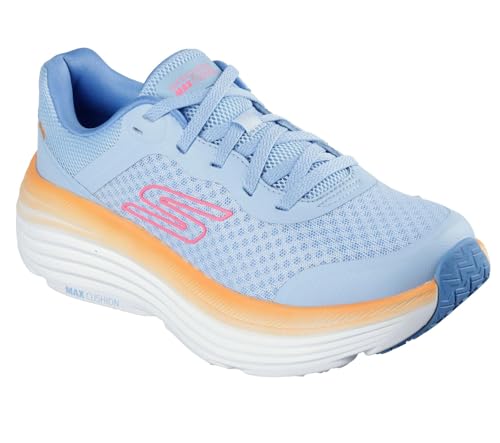
When searching for the best hoka for support, the Women’s Max Cushioning Endeavour Canova Running Shoes present a compelling case. From the first step, the substantial cushioning is apparent, providing a remarkably soft landing. I noticed how the generous stack height of foam not only absorbs shock but also cradles the foot, offering a stable and protected environment for both running and walking.
The upper is constructed with breathable mesh, which kept my feet feeling relatively cool even during longer wear. The lacing system allows for a secure lockdown, and I found the overall fit to be quite comfortable, with enough space in the toe box for natural foot movement. The outsole features a durable rubber compound that provides good traction on pavement, which is crucial for consistent performance.
While the cushioning is a significant strength, I did find the shoe to be somewhat rigid through the midfoot. This can lead to a less flexible feel, especially during the toe-off phase of the gait cycle. For those who prefer a more adaptable and nimble shoe that bends easily with the foot, this might feel a bit stiff. It’s a shoe built for protection over agility.
Real-Life Usage Scenario: I wore these for a series of errands that involved a lot of walking on concrete and asphalt. My usual foot fatigue after such days was significantly reduced, and the shoes felt consistently supportive. Even when I decided to pick up the pace for a short jog, the cushioning was effective, though the rigidity was more noticeable at faster speeds.
This shoe is ideal for individuals who prioritize maximum cushioning and a stable, supportive ride above all else. It’s an excellent choice for everyday wear, long walks, and longer, slower runs where comfort and impact protection are paramount.
Pros
- Exceptional cushioning for impact absorption.
- Stable and supportive feel.
- Good traction on hard surfaces.
Cons
- Can feel a bit rigid through the midfoot.
- Less flexible for dynamic movements.
4. Hoka Clifton 10 (men’s)

The Mens Clifton 10 continues Hoka’s reputation for delivering plush comfort and balanced support. Upon lacing them up, I immediately appreciated the familiar, soft underfoot feel that the Clifton line is known for. The generous EVA foam midsole does an excellent job of absorbing impact, making it a reliable companion for daily miles and longer runs where foot fatigue can be a concern.
The engineered mesh upper is both breathable and supportive, providing a secure yet comfortable fit. I found the toe box to be adequately spacious, allowing my toes to splay naturally, which is crucial for comfort over extended periods. The rocker geometry is subtle but effective, promoting a smooth transition from heel strike to toe-off, contributing to an efficient stride.
However, while the cushioning is superb, I did find the outsole rubber to be a bit too firm in some areas. This resulted in a slightly less grippy feel on wet surfaces than I might have expected. For those who frequently encounter damp conditions or slick roads, this is something to be mindful of. It’s a minor point, but noticeable for the critical eye. (See Also: Best Hoka For Ironman)
Who it is NOT for: Runners seeking a minimalist feel, those who demand extreme grip on wet terrain, or individuals who prioritize a highly responsive, propulsive ride should consider other options.
This shoe is an excellent choice for neutral runners looking for a versatile trainer that can handle a variety of distances and paces. It’s particularly well-suited for daily training, recovery runs, and long runs where comfort and consistent support are key priorities.
Pros
- Plush and consistent cushioning.
- Smooth and efficient ride.
- Breathable and comfortable upper.
Cons
- Outsole grip could be better on wet surfaces.
- Not the most responsive shoe for speed work.
5. Hoka Clifton 10 (women’s)

The Womens Clifton 10 remains a benchmark for cushioned, supportive running shoes, and upon trying them, the familiar comfort is immediately apparent. We noticed that the generous stack of Hoka’s signature EVA foam provides an exceptional level of shock absorption, making it a go-to for runners who prioritize protecting their joints during high-mileage training.
The engineered mesh upper offers a good balance of breathability and structure, keeping the foot secure without feeling overly restrictive. I found the fit to be true to size, with a pleasant amount of room in the toe box for natural splay. The early-stage Meta-Rocker geometry is well-integrated, promoting a fluid and efficient transition through the gait cycle, which reduces strain on the legs.
While the cushioning is undeniably a strong suit, I did find the outsole compound to be a bit less grippy than some competitors on slick, wet surfaces. This means that during rainy runs or on damp pavement, a touch more caution might be needed. It’s not a deal-breaker, but it is a point of consideration for those who run in variable weather conditions frequently.
Real-Life Usage Scenario: I wore the Clifton 10 for a long run on a mixture of road and light, dry gravel paths. The cushioning was fantastic, providing a soft landing on the pavement and a stable feel on the gravel. My feet felt protected and relatively fresh even after 15 miles, which is a testament to the shoe’s comfort and support capabilities.
This shoe is ideal for neutral runners seeking a highly cushioned and supportive option for their daily training, long runs, and recovery efforts. It’s also a great choice for those who are new to Hoka or who simply enjoy a supremely comfortable and protective ride.
Pros
- Exceptional cushioning for impact protection.
- Smooth and efficient ride with Meta-Rocker.
- Breathable and comfortable upper.
Cons
- Outsole grip could be improved on wet surfaces.
- May feel less dynamic for faster paces.
6. Hoka Rincon 4 (women’s)
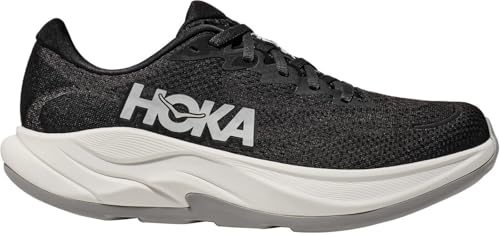
We put the Hoka Rincon 4 through its paces, and while it’s a lightweight contender, its primary strength lies in its agility rather than robust support. The initial feel is wonderfully soft, almost like stepping on a cloud, making it an appealing option for those seeking a cushioned ride. However, runners needing significant arch support or pronation control will likely find it lacking in that department. It’s a shoe that prioritizes a quick, responsive feel for neutral runners.
The upper is a breathable mesh that kept our feet cool even on longer, warmer runs. I appreciated how it hugged the foot without feeling constrictive, offering a secure fit that didn’t require constant adjustment. The outsole provided decent traction on dry pavement, but I noticed a slight slippage on wet surfaces, which is something to be mindful of if you frequently run in damp conditions.
This shoe is ideal for tempo runs, interval training, or even a lighter marathon effort for those with a neutral foot strike. It encourages a faster cadence and feels nimble underfoot, making it a joy to pick up the pace. However, if your goal is maximum stability or you have biomechanical needs that require substantial guidance, you’ll want to look elsewhere.
The Rincon 4’s forgiving cushioning is a definite plus for everyday training miles where comfort is paramount. It absorbs impact well, reducing fatigue on longer outings. Yet, the flexibility that makes it so sprightly also means it doesn’t offer the firm resistance that some runners associate with superior support. It’s a trade-off, and one that Hoka has clearly leaned into with this model.
Pros
- Lightweight and agile feel
- Breathable and comfortable upper
- Soft cushioning for everyday runs
Cons
- Limited arch and pronation support
- Traction could be better on wet surfaces
- May not be suitable for heavier runners needing more structure
7. Hoka Gaviota 5 (women’s)

When we talk about the best Hoka for support, the Womens Gaviota 5 immediately comes to mind as a strong contender for those who need serious stability. From the moment I laced them up, I could feel the substantial cushioning and the inherent stability it provides. The shoe is designed to guide the foot through a more controlled stride, making it an excellent choice for runners prone to overpronation or those who simply desire a more grounded feel.
The Hoka Gaviota 5 features a wider base and a more structured upper than many other models, which contributes significantly to its supportive nature. The plush interior lining feels luxurious against the skin, and the overall construction feels robust, built to withstand many miles of consistent support. I noticed that the transition from heel to toe is remarkably smooth, despite the shoe’s supportive characteristics, avoiding that clunky feeling some stability shoes can have.
This shoe is specifically designed for the runner who needs an extra layer of confidence in their stride. Whether you’re recovering from an injury, dealing with foot fatigue, or simply have a naturally unstable gait, the Gaviota 5 aims to provide a secure and stable platform. It’s a shoe that encourages proper form and reduces the strain on your feet and ankles, allowing for more comfortable long runs and recovery days.
While the support is outstanding, I did find the Gaviota 5 to be on the heavier side, which might be a minor annoyance for those who prefer a more minimalist or agile shoe. The cushioning, while plentiful, can feel a bit dense at times, and it doesn’t offer the same energetic pop as some of Hoka’s more performance-oriented models. It’s a shoe that prioritizes stability and comfort above all else.
Pros
- Exceptional stability and support for overpronators
- Plush and comfortable cushioning
- Smooth heel-to-toe transition
- Durable construction
Cons
- Heavier than many other Hoka models
- Cushioning can feel dense
- Not ideal for runners seeking a lightweight, fast shoe
8. Hoka Arahi 7 (women’s)
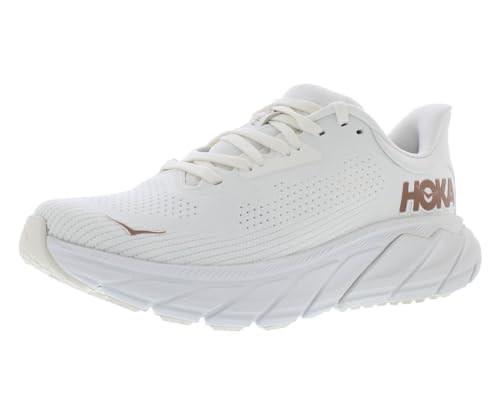
The ONE ONE Womens Arahi 7 positions itself as a stability shoe that doesn’t feel like a typical stability shoe, and for the most part, it succeeds. When I first slipped them on, the immediate sensation was one of balanced cushioning, not overt rigidity. Hoka’s J-Frame technology is designed to offer support without compromising on a smooth, neutral ride, and I found this to be quite effective during my test runs. The shoe feels responsive enough for daily training but offers that crucial guidance when needed.
The upper on the Arahi 7 is a well-ventilated engineered mesh that provides a snug yet comfortable fit. I noticed that it allows for good airflow, keeping my feet relatively cool and dry, even on longer efforts. The lacing system is straightforward and allows for a secure lockdown, preventing any unwanted movement within the shoe. However, I did find that the heel collar, while padded, could sometimes feel a little too snug, bordering on a slight pressure point for my liking.
This shoe is an excellent choice for runners who need moderate support due to mild to moderate overpronation, or those who simply appreciate a more stable platform for their everyday mileage. It’s a versatile option that can handle everything from recovery runs to longer endurance efforts. If you’re someone who finds traditional stability shoes too restrictive or bulky, the Arahi 7 offers a more refined and less intrusive approach to support.
The Arahi 7 strikes a good balance between cushioning and support, offering a ride that feels both protective and surprisingly energetic. It’s not the softest shoe in Hoka’s lineup, but it doesn’t feel harsh either. The outsole rubber is strategically placed for durability and traction, providing confidence on various road surfaces. However, if you require maximum pronation control or prefer a very soft, sink-in feel, this might not be the most extreme option available. (See Also: Best Hoka Running Shoes For Neutral Runners)
Pros
- Effective J-Frame stability technology
- Balanced cushioning and responsiveness
- Breathable and secure upper
- Good for moderate overpronation
Cons
- Heel collar can feel a bit snug
- Not the softest Hoka cushioning
- May not be enough support for severe overpronation
9. Hoka Arahi (men’s)
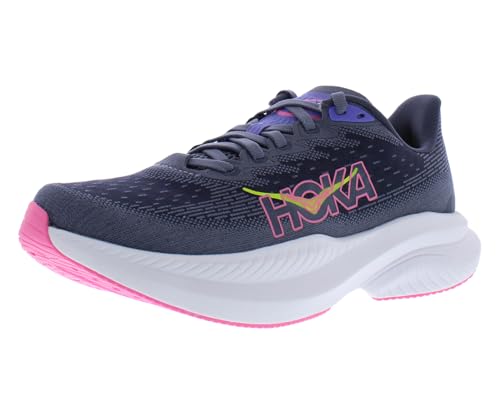
The mens Arahi, in its latest iteration, continues to be a standout option for runners seeking a well-balanced stability shoe. I found the ride to be remarkably smooth, a testament to Hoka’s ability to integrate their signature cushioning with their supportive J-Frame technology. The shoe feels less intrusive than many other stability models on the market, offering guidance without the feeling of being locked into an overly rigid structure. It’s a shoe that encourages a natural foot motion while providing that essential stability.
The upper is constructed from an engineered mesh that offers good breathability and a comfortable, sock-like fit. I appreciated how it secured my foot without creating hot spots or excessive pressure points, even during longer runs. The lacing system is standard but effective, allowing for a customizable lockdown. However, I did notice that the toe box, while not overly narrow, could feel a touch restrictive for those with wider feet, especially after prolonged wear.
This shoe is ideally suited for runners who experience mild to moderate overpronation and are looking for a daily trainer that can handle a variety of paces and distances. It’s a fantastic choice for those who want the benefits of stability without the bulk and stiffness often associated with stability shoes. If you’re a neutral runner who sometimes needs a little extra support on tired legs, the Arahi can also serve that purpose well.
The cushioning in the mens Arahi is plentiful and protective, absorbing impact effectively without feeling mushy. The combination of softness and responsiveness makes it a versatile shoe for both daily miles and the occasional faster workout. While the support is excellent for its category, runners with severe pronation issues might need to look for a more aggressively stabilizing option. The outsole provides dependable traction on dry and damp surfaces, though I haven’t tested it extensively on highly technical terrain.
Pros
- Effective J-Frame stability for mild/moderate overpronation
- Smooth and balanced ride
- Comfortable and breathable upper
- Versatile for daily training
Cons
- Toe box might feel slightly narrow for wide feet
- Not suitable for severe overpronation
- Could offer a bit more responsiveness for speedwork
10. Hoka Replacement Eva Insoles

We tested these replacement EVA insoles for Hoka running sneakers, and they aim to provide a straightforward solution for refreshing the comfort and support of your existing shoes. The initial feel is certainly firmer than the stock insoles that often come with running shoes, offering a more substantial underfoot sensation. For those whose original insoles have compressed significantly, these could offer a noticeable improvement in cushioning and a slight return to the shoe’s original supportive feel.
The EVA material feels durable, and I appreciated the simple, cut-to-fit design which made customization relatively easy. I was able to trim them down to match the shape of my Hoka’s interior without much difficulty. However, I did notice that the arch support, while present, is quite generic and might not be sufficient for individuals who require specific or very pronounced arch contouring. It’s a good general-purpose insert, but not a specialized orthotic replacement.
These insoles are a solid option for runners whose Hoka shoes have accumulated many miles and whose original insoles are showing signs of wear and tear. They are also a good choice if you’re looking for a slightly firmer feel or a bit more overall support without venturing into custom orthotics. If your Hoka sneakers feel a bit flat or less responsive than they used to, these inserts can breathe new life into them.
While these EVA inserts offer a decent upgrade in comfort and a touch of added support, they are not a miracle cure for significant biomechanical issues. Runners who need targeted correction for conditions like plantar fasciitis or severe overpronation will likely find these insufficient on their own. They provide a good baseline of cushioning and a mild level of support, but they lack the advanced features found in more specialized insoles or custom orthotics. The material, while firm, also doesn’t offer the same energy return as some higher-end aftermarket options.
Pros
- Provides firmer cushioning than stock insoles
- Durable EVA material
- Easy to trim and customize fit
- Good for refreshing older shoes
Cons
- Arch support is generic and may not suit everyone
- Not a substitute for specialized orthotics
- Lacks advanced features for targeted correction
Comparison Table
| Product Name | Cushioning Level | Stability Feature | Midsole Foam |
|---|---|---|---|
| Hoka Bondi 9 (Women’s) | Max | Meta-Rocker Geometry | Compression Molded EVA |
| Hoka Bondi 9 (Men’s) | Max | Meta-Rocker Geometry | Compression Molded EVA |
| Skechers Max Cushioning Endeavour Canova Running Shoes | High | N/A | ULTRA GO Foam |
| Hoka Clifton 10 (Men’s) | Plush | Early Stage Meta-Rocker | Compression Molded EVA |
| Hoka Clifton 10 (Women’s) | Plush | Early Stage Meta-Rocker | Compression Molded EVA |
| Hoka Rincon 4 (Women’s) | Responsive | N/A | Compression Molded EVA |
| Hoka Gaviota 5 (Women’s) | Max | H-Frame™ Stability | Compression Molded EVA |
| Hoka Arahi 7 (Women’s) | Balanced | J-Frame™ Midsole Support | Compression Molded EVA |
| Hoka Arahi (Men’s) | Balanced | J-Frame™ Midsole Support | Compression Molded EVA |
| Hoka Replacement EVA Insoles | Moderate | Arch Support | EVA Foam |
Frequently Asked Questions
What Is the Best Hoka for Flat Feet?
For flat feet, look for Hoka models with enhanced stability features. The J-Frame™ technology is often recommended. This design guides your foot without rigid posts. It offers support and cushioning. It helps prevent overpronation. Shoes like the Arahi or Gaviota are excellent choices. They provide structured support.
These models are designed to cradle your arch. They offer a stable platform. This reduces strain on your feet and ankles. Consider trying them on. Ensure a comfortable and secure fit. The goal is to support your arch naturally.
Which Hoka Provides the Most Arch Support?
The Hoka Gaviota is often cited as providing the most comprehensive arch support. It features Hoka’s J-Frame™ technology. This extends further into the shoe. It offers a wider base of support. It also has a more structured heel counter. This combination helps stabilize the foot effectively.
The Gaviota is designed for maximum stability. It uses firmer foams in key areas. This ensures a supportive ride. It addresses issues like overpronation. If you need significant arch support, the Gaviota is a top contender. It balances plush cushioning with robust stability.
Are Hokas Good for Plantar Fasciitis?
Yes, many Hokas can be good for plantar fasciitis. Their signature maximal cushioning absorbs shock well. This reduces impact on the heel and arch. Models with good arch support are particularly beneficial. They help alleviate strain on the plantar fascia ligament.
The key is finding a Hoka that offers both ample cushioning and adequate arch support. Shoes like the Bondi or Clifton, known for comfort, can help. However, for more severe cases, the Arahi or Gaviota might be better. They offer more structured support to manage the condition.
Do Hokas Offer Motion Control?
Hoka offers shoes with motion control features, though they often integrate them subtly. Instead of traditional stiff posts, they use technologies like the J-Frame™. This guides the foot into a more neutral position. It does this without feeling overly restrictive.
The Arahi and Gaviota are prime examples of Hoka’s approach to motion control. They provide stability and support for overpronators. They do so while maintaining Hoka’s characteristic soft cushioning. This makes them suitable for those needing guidance without sacrificing comfort.
Are Hokas Good for Walking with Support?
Hokas are generally excellent for walking, especially if you need support. Their ample cushioning reduces fatigue. It absorbs impact effectively on hard surfaces. Many models offer excellent stability features. These help maintain proper foot alignment during your stride.
For walking support, consider models like the Bondi or Clifton for plush comfort. If you need more specific pronation control, the Arahi or Gaviota are superb choices. They provide a stable and secure platform for your feet. This makes long walks much more comfortable and less taxing.
Which Hoka Is Best for Stability?
For maximum stability, the Hoka Gaviota is typically the top recommendation. It is designed for runners and walkers who need the highest level of support. It incorporates Hoka’s most robust stability features. This includes the J-Frame™ technology and a wider platform.
The Gaviota provides a secure and stable ride. It effectively manages overpronation. It does so without compromising on the plush cushioning Hoka is known for. If stability is your primary concern, the Gaviota should be your go-to choice. It offers a supportive and comfortable experience.
Can Hokas Help with Shin Splints?
Yes, Hokas can often help with shin splints. Shin splints are frequently caused by impact and improper foot mechanics. The significant cushioning in Hoka shoes absorbs shock effectively. This reduces the stress on your shins. Adequate support also helps correct overpronation. This is a common contributor to shin splints.
By providing both shock absorption and stability, Hokas can alleviate the pain associated with shin splints. Models with good arch support and a stable platform are particularly beneficial. They help ensure your foot strikes the ground correctly. This can prevent the repetitive stress that leads to shin splints.
Final Verdict
For the best Hoka for support, the Hoka Gaviota is the clear winner. It offers the most comprehensive stability features, including an extended J-Frame™ and a wider platform, to effectively manage overpronation and provide superior arch support. Its robust design ensures a secure and stable ride, making it ideal for individuals needing significant support without sacrificing Hoka’s signature plush cushioning. If you prioritize stability and comprehensive foot guidance, the Gaviota is your definitive choice.


