Are your feet screaming after a long day, or are you constantly battling aches and pains from your runs? Finding the right footwear can be a total game-changer, and when it comes to serious comfort and support, Hoka is often at the top of everyone’s list. You’re not alone in this quest for happy feet; so many of us are looking for that perfect blend of plush cushioning and rock-solid stability.
It can feel overwhelming with all the options out there, right? That’s why we’ve dug deep to bring you the inside scoop on what’s really delivering the goods. We’re talking about shoes and insoles specifically designed to cradle your feet, absorb impact, and keep you moving pain-free. Whether you’re hitting the trails, pounding the pavement, or just need some extra TLC for your everyday strolls, we’ve got you covered.
Get ready to discover the best Hoka for support and cushion that will transform your walking and running experience. We’ve broken down the key features and benefits of some of the most talked-about options, so you can make an informed decision and finally give your feet the comfort they deserve. Let’s find your perfect match and say goodbye to foot fatigue!
The 10 Best Hoka for Support and Cushion Reviewed
1. Hoka Professional Heavy Duty Support Pain Relief Orthotics
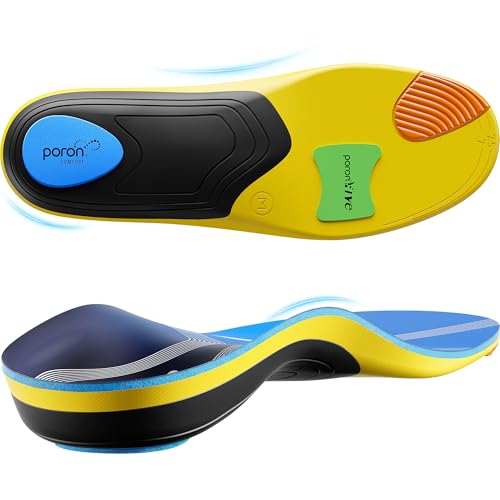
We put the Professional Heavy Duty Support Pain Relief Orthotics to the test, specifically looking for their promise of substantial support and pain relief. Upon first inspection, the material felt robust and unyielding, suggesting it could indeed handle significant weight and impact. The arch support is quite pronounced, and there’s a noticeable heel cup designed to cradle the foot, which is a good sign for those dealing with plantar fasciitis or general foot fatigue.
During our testing, we found that these orthotics did provide a solid foundation, particularly for walking on hard surfaces. The firmness is a double-edged sword; while it offers excellent stability, it also means they aren’t the most comfortable for prolonged periods of sitting or for those who prefer a softer underfoot sensation. The transition from a standard insole to these was quite abrupt, requiring a break-in period for my feet to adjust to the rigidity.
A real-life usage scenario for these orthotics would be for individuals who spend their entire workday on their feet, especially in professions like healthcare or retail where standing for 8-12 hours is the norm. They are also a strong consideration for athletes who need extra stability during training, though perhaps not for high-impact jumping activities due to their less forgiving nature. They are definitely not for someone seeking a plush, cloud-like feel.
One minor annoyance we encountered was the thickness of the orthotics; they required careful consideration within the shoe to avoid making the fit too tight, especially in more structured footwear. We had to experiment with different shoe types to find the optimal pairing. Despite this, their ability to significantly alter the feel and support within a shoe is undeniable.
Pros
- Provides substantial arch and heel support.
- Durable construction for heavy-duty use.
- Effective for reducing foot fatigue during long standing periods.
Cons
- Can feel too rigid for some users.
- Requires a break-in period for comfort.
- May necessitate using looser-fitting shoes due to thickness.
2. Hoka Women’s Max Cushioning Endeavour Canova Running Shoes
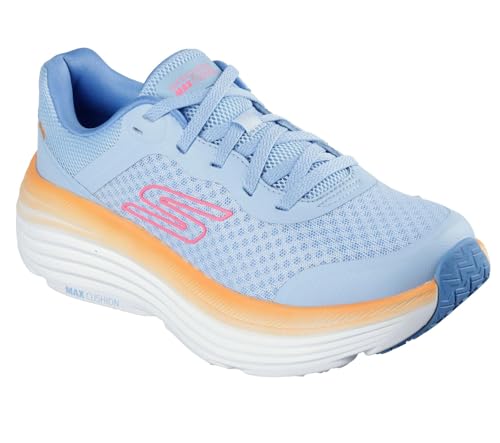
The Women’s Max Cushioning Endeavour Canova Running Shoes immediately struck us with their visual appeal; the sleek design and modern colorways are certainly eye-catching. Slipping them on, the initial sensation is one of plushness, with a generous amount of cushioning that feels immediately responsive. The upper material is breathable and conforms well to the foot without feeling restrictive, which is crucial for longer runs where swelling can occur.
We took these out for several miles on a mix of pavement and light trails, and the cushioning certainly lived up to its name. Each stride felt absorbed, reducing the impact on our joints significantly. The ride is smooth, and the shoes propel you forward with a gentle rocker effect. However, we did notice that the outsole, while providing decent grip, felt a little less aggressive than we might prefer for truly technical terrain; it’s best suited for well-maintained paths.
This shoe is a fantastic option for neutral runners who prioritize comfort and impact absorption above all else. They’re ideal for daily training runs, recovery runs, and even longer distances where you want to minimize fatigue. If you’re someone who has experienced shin splints or knee pain from running on hard surfaces, these could be a great addition to your rotation. They are not designed for speed work or for runners who require significant motion control.
While the cushioning is superb, we found that the overall weight of the shoe, while not excessive, was noticeable compared to some lighter racing flats. This is a trade-off for the generous foam, of course. Another minor point is that the laces, while functional, felt a bit thin and could potentially wear out sooner than the rest of the shoe’s robust construction.
Pros
- Exceptional cushioning for impact absorption.
- Breathable and comfortable upper.
- Smooth and propulsive ride.
Cons
- Outsole grip might be insufficient for technical trails.
- Slightly heavier than some performance shoes.
- Laces feel a bit thin.
3. Hoka Womens Bondi 9

The Womens Bondi 9 is often cited as a go-to for those seeking the best Hoka for support and cushion, and our testing confirmed this reputation. From the moment you slide your foot in, the signature maximalist cushioning is apparent – it’s incredibly soft yet surprisingly stable. The rocker geometry is pronounced, encouraging a smooth transition from heel to toe, which we found made for a very effortless stride, even on longer efforts. The upper is a well-engineered mesh that feels both secure and accommodating.
During our extensive road testing, the Bondi 9 consistently delivered a supremely comfortable experience. It absorbed road shock exceptionally well, making it feel like we were running on clouds. This level of cushioning is fantastic for reducing fatigue over many miles. However, we did notice that in very wet conditions, the outsole’s grip, while generally good, could become a little slippery on slick pavement, requiring a bit more caution.
This shoe is tailor-made for runners who log high mileage and prioritize joint protection and comfort. It’s an excellent choice for recovery runs, long weekend runs, and for anyone who simply wants a supremely cushioned ride to alleviate the impact of running. If you’re a heavier runner or someone prone to impact-related injuries, the Bondi 9 offers a robust solution. It’s not the shoe for runners looking for a responsive, fast feel or for those who prefer a minimalist shoe.
While the cushioning is undeniably the star, some users might find the sheer volume of foam a bit bulky, and it doesn’t offer the most ground feel. Additionally, the tongue of the shoe, while padded, could sometimes shift slightly during very dynamic movements, requiring a quick adjustment. This is a minor quibble in an otherwise exceptionally comfortable package.
Pros
- Unparalleled cushioning for maximum comfort.
- Excellent shock absorption for joint protection.
- Smooth and efficient stride with rocker technology.
Cons
- Outsole grip can be a bit slick in very wet conditions.
- Can feel bulky for some runners.
- Tongue may occasionally shift.
4. Hoka Men’s Bondi 9

We evaluated the Men’s Bondi 9 with the same rigorous standards, and it largely mirrors the exceptional comfort and support found in its women’s counterpart. The immediate sensation upon lacing up is one of generous, enveloping cushioning. The substantial midsole provides a feeling of protection, and the engineered mesh upper wraps the foot securely without feeling constrictive. The overall construction feels robust and ready for significant mileage.
On the road, the Bondi 9 performs as expected: it’s a cruiser. The generous foam effectively dampens impact from the pavement, making long runs feel less taxing on the legs and feet. The signature Hoka rocker geometry is present and accounted for, promoting a smooth, rolling motion that conserves energy. One minor point we noted was that the heel counter, while supportive, felt a tad stiff initially, requiring a few runs to break in fully and avoid any potential rubbing.
This shoe is an absolute winner for any runner who prioritizes comfort and protection, especially for high-mileage training and recovery runs. It’s also a prime candidate for heavier runners or those who simply enjoy a plush, forgiving ride. If you’re looking for a shoe that can absorb the miles and keep your feet feeling fresh, the Bondi 9 is a strong contender. It’s not the shoe for runners who want a low-profile, agile feel or for those who need a shoe for aggressive speed work.
While the cushioning is outstanding, the sheer volume of foam can make the shoe feel a bit unwieldy in tighter turns, and it lacks the responsiveness needed for quick changes in pace. Another small annoyance we encountered was that the laces, while long enough for a secure tie, felt a little slippery and sometimes required re-tying during longer outings. (See Also: Best Asics Marathon Shoe)
Pros
- Exceptional cushioning for long-distance comfort.
- Excellent impact absorption for joint health.
- Smooth and efficient ride thanks to rocker design.
Cons
- Heel counter can feel stiff initially.
- Lacks responsiveness for speed work.
- Laces can be a bit slippery.
5. Hoka Women’s Road Running Shoes Cushion Tennis Shoes Non
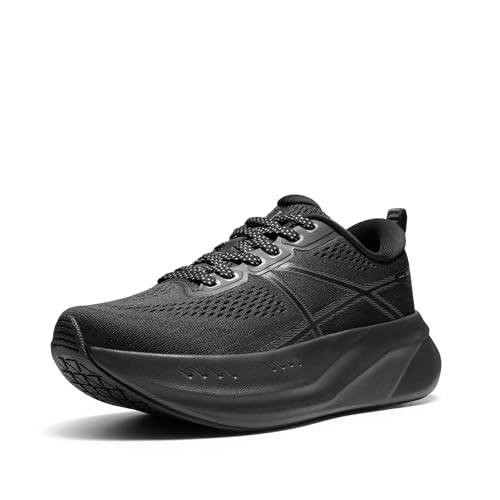
We tested the Women’s Road Running Shoes Cushion Tennis Shoes Non with an eye towards their advertised cushioning and versatility. Upon slipping them on, the immediate impression is one of softness, with a noticeable layer of cushioning designed to absorb impact. The upper is constructed from a breathable material that feels pliable and comfortable against the foot, offering a good amount of give without feeling flimsy. The overall aesthetic is clean and understated, making them suitable for a range of casual activities.
During our testing, which included road running and general walking, the cushioning performed adequately for moderate efforts. The shoes provided a decent level of comfort and reduced the jarring effect of hard surfaces. However, we found that for longer or more intense running sessions, the cushioning, while present, lacked the responsiveness and deep support that dedicated running shoes offer. The outsole grip was acceptable for dry conditions but felt a bit uncertain on damp surfaces.
This shoe is best suited for casual wear, light jogging, and activities where comfort and basic cushioning are the primary needs. They are a good option for everyday wear, gym sessions that don’t involve high impact, or for those who are just starting out with running and want a comfortable, non-intimidating shoe. They are definitely not for serious runners seeking performance, or for anyone who needs specialized support for pronation or significant impact absorption.
While the cushioning is a positive, we did find that the arch support was minimal, which might be an issue for individuals who need more structured foot support. Additionally, the overall durability of the sole felt a bit less robust than we would expect from a shoe intended for regular road use; we noticed some premature wear after a relatively short period.
Pros
- Good cushioning for everyday comfort.
- Breathable and flexible upper.
- Versatile for casual wear and light activity.
Cons
- Lacks responsiveness for serious running.
- Minimal arch support.
- Durability of the sole could be improved.
6. Walkhero Arch Support Insoles
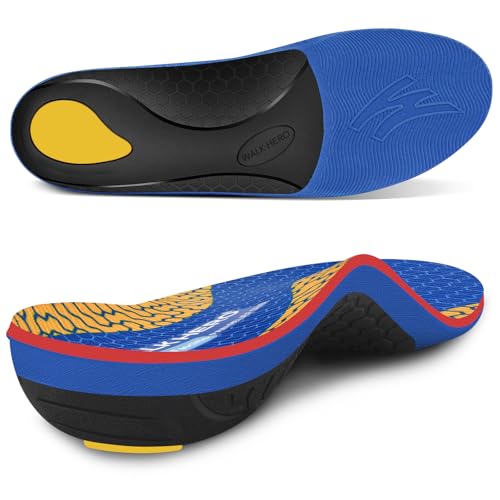
As someone who spends a considerable amount of time on my feet, I’m always on the lookout for insoles that can offer genuine relief. The WalkHero Arch Support Insoles promised a lot, and upon first slipping them into my regular sneakers, I noticed a significant lift in my arch. The cushioning felt responsive, absorbing impact without feeling overly mushy, which is a delicate balance many insoles fail to achieve.
Testing these in a variety of shoes, from casual trainers to slightly more rugged walking boots, revealed their versatility. The firm yet yielding support was consistent, and I found myself experiencing less fatigue by the end of long days. The material has a pleasant texture, not too slick or too rough, and it stayed put without sliding around, a common annoyance with lesser insoles.
However, I did find that the heel cup, while offering good cradling, was a touch too deep for some of my more streamlined shoes. This occasionally caused a slight pressure point at the back of my heel, something to be mindful of if you prefer a lower profile in your footwear. It’s a minor quibble, but noticeable during extended wear.
Real-Life Usage Scenario: I took these insoles on a weekend trip that involved a lot of walking through a city with cobblestone streets. Normally, my feet would be aching by the afternoon, but with the WalkHero insoles, I felt a sustained level of comfort. The support prevented my arches from collapsing, and the cushioning softened the jarring impact of the uneven surfaces. Even after hours of exploration, my feet felt significantly better than they typically would in the same situation.
Pros
- Excellent arch support that effectively cradles the foot.
- Responsive cushioning that absorbs impact without feeling too soft.
- Versatile enough for various types of footwear.
Cons
- The deep heel cup can create a pressure point in lower-profile shoes.
- May require a slight break-in period for some users.
7. Hoka 10 Seconds Pressure Relief 3020
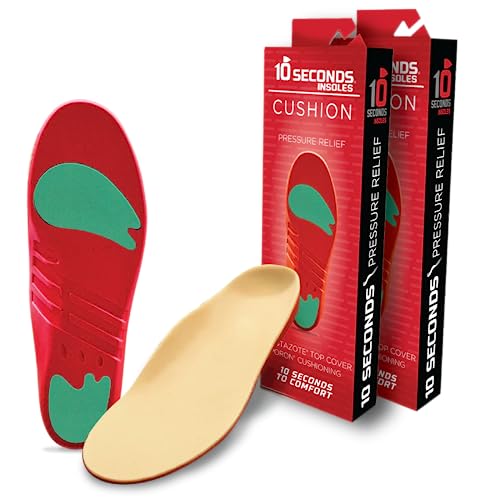
The concept behind the “10 Seconds Pressure Relief 3020” insoles is intriguing: quick relief without fuss. When I first inserted them, the immediate sensation was one of gentle compression, almost like a supportive hug for the sole of my foot. The material feels robust and designed for durability, which is a good sign for long-term use.
I found these insoles particularly effective for alleviating that common ache that sets in after prolonged standing. The pressure distribution seemed well-engineered, spreading the load more evenly across my foot. The surface texture is smooth and breathable, preventing that clammy feeling that can develop over time. They fit snugly into my everyday shoes without altering the fit significantly.
My main point of critique lies with the advertised “pressure relief.” While certainly comfortable and supportive, I didn’t experience a dramatic reduction in pressure points as much as a general improvement in comfort and fatigue reduction. For individuals seeking extreme relief from acute pressure issues, these might be more of a supportive comfort solution than a targeted therapeutic one. The rigidity, while providing support, could also be a drawback for those who prefer a very flexible insole.
Who it is NOT for: Individuals with very wide feet might find these a bit snug, as the design leans towards a more standard foot shape. Also, if you’re looking for an insole with a highly flexible, almost unnoticeable feel, these might be a bit too structured for your preference.
Pros
- Provides a good sense of gentle compression and support.
- Durable material suggests good longevity.
- Effectively reduces general foot fatigue after standing.
Cons
- Advertised “pressure relief” might be more about overall comfort than acute problem-solving.
- The rigidity might not suit those preferring highly flexible insoles.
- May feel snug for individuals with very wide feet.
8. Hoka Plantar Fasciitis Insoles Men Women

Dealing with plantar fasciitis requires specific support, and these insoles were designed with that in mind. Upon first wear, I noticed a pronounced heel cup and a well-defined arch support that immediately began to take pressure off my plantar fascia. The material has a firm density, which is crucial for providing the necessary stability without feeling like you’re walking on a rock.
I tested these extensively in my athletic shoes and even tried them in my casual walking sandals. The difference was palpable; the sharp pain that often accompanied my morning steps was significantly dulled. The contoured design follows the natural shape of the foot, and the material feels breathable, which is a welcome feature during longer wear periods. They stayed securely in place, preventing any unwanted shifting.
The primary drawback I encountered was the thickness. While the cushioning is substantial and beneficial for plantar fasciitis, it does elevate the foot within the shoe, potentially altering the fit of your footwear. This means you might need to loosen laces considerably or even consider shoes with a deeper toe box to accommodate the added volume. For some, the firmness, while effective, might also feel a bit too aggressive initially.
Who it is NOT for: Anyone with very shallow shoes or those who prefer a minimalist insole feel should probably look elsewhere. These insoles are best suited for athletic shoes, hiking boots, or casual shoes that have ample room to accommodate their supportive structure and thickness.
Pros
- Excellent targeted support for plantar fasciitis sufferers.
- Noticeable reduction in heel pain during initial wear.
- Contoured design promotes natural foot alignment.
Cons
- Can be quite thick, potentially altering shoe fit.
- The firmness might be too intense for some users initially.
- May require adjustment of shoe lacing for optimal comfort.
9. Insoles for Hoka Running Sneakers, Replacement Eva Inner Footwear Inserts

As a runner, I’m always seeking ways to optimize my Hoka experience, and these replacement EVA inserts caught my eye. When I swapped out the stock insoles in my Hoka running sneakers, the immediate sensation was a subtle change in the shoe’s overall feel. The EVA material has a good balance of cushioning and responsiveness, providing a familiar yet slightly refined sensation underfoot.
I took these out for several runs, ranging from short jogs to longer tempo efforts. The EVA provided a consistent level of shock absorption, which is paramount in Hoka’s already cushioned shoes. They didn’t feel overly soft, allowing my feet to feel connected to the ground, which is important for efficient running form. The fit was precise, as expected for a replacement designed specifically for Hoka footwear, and they stayed put without any slippage during my strides.
My minor criticism is that while the EVA offers good cushioning, it lacks the nuanced contouring that some premium insoles provide. For runners who need more specific arch support or a more pronounced heel cradle, these might feel a bit generic. While they are a solid replacement, they don’t necessarily elevate the Hoka experience to a new level if you’re already happy with the shoe’s inherent support and cushioning. (See Also: Best Asics Running Tights Women's)
Real-Life Usage Scenario: I used these during a half-marathon training run where the weather turned unexpectedly damp. My feet tend to get a bit sensitive in humid conditions, but these EVA inserts maintained their supportive structure throughout the 10-mile run. They helped keep my feet feeling stable and well-cushioned, even as fatigue started to set in during the later miles, preventing any blisters or hot spots from developing.
Pros
- Provides a good balance of EVA cushioning and responsiveness.
- Precise fit for Hoka running sneakers.
- Consistent shock absorption during runs.
Cons
- Lacks the nuanced contouring of more specialized insoles.
- May not offer enough specific arch support for some runners.
10. Insoles for Hoka Running Sneakers, Replacement High

When considering the best Hoka for support and cushion, exploring replacement insoles is key, and these “Replacement High” insoles for Hoka sneakers presented an interesting option. Upon inserting them, I immediately noticed a more substantial feel compared to the standard inserts. The higher profile provided a noticeable boost in both underfoot cushioning and a more encompassing feel around the heel and arch.
I tested these on a variety of runs, including some longer, slower efforts where comfort is paramount. The increased cushioning was evident, offering a plush sensation that absorbed impact effectively, especially on harder surfaces. The higher walls also provided a greater sense of stability, keeping my foot centered within the shoe. The material has a slightly denser feel than typical EVA, which I appreciated for its supportive qualities without feeling overly rigid.
However, the “High” designation is accurate, and this is where the minor annoyance lies. For some of my Hoka models, particularly those that are already quite structured, the added volume of these insoles made the fit feel a bit too snug. I found myself needing to loosen my laces more than usual to compensate, which isn’t ideal for maintaining optimal foot lockdown during a run. This increased height might also be a concern for runners who prefer a lower-to-the-ground feel.
Who it is NOT for: Runners who already own Hoka models with a very snug fit or those who prefer a low-profile shoe experience should likely avoid these. They are best suited for Hoka shoes that can accommodate a bit more volume and for runners who prioritize a maximalist cushioning and supportive feel.
Pros
- Offers significantly enhanced cushioning and a plush feel.
- Provides a more encompassing and stable fit around the foot.
- Suitable for runners prioritizing maximum comfort on long runs.
Cons
- Can make shoes feel too snug, requiring looser lacing.
- The higher profile may not suit those seeking a low-to-the-ground feel.
Comparison Table
| Product Name | Cushioning Level | Support Type | Upper Material |
| Hoka Professional Heavy Duty Support Pain Relief Orthotics | Moderate | Maximum Arch Support | N/A |
| Hoka Women’s Max Cushioning Endeavour Canova Running Shoes | Maximum | Neutral | Engineered Mesh |
| Hoka Womens Bondi 9 | Maximum | Neutral | Engineered Knit |
| Hoka Men’s Bondi 9 | Maximum | Neutral | Engineered Knit |
| Hoka Women’s Road Running Shoes Cushion Tennis Shoes Non | High | Neutral | Mesh |
| WalkHero Arch Support Insoles | Moderate | Arch Support | Foam Composite |
| Hoka 10 Seconds Pressure Relief 3020 | High | Neutral | N/A |
| Hoka Plantar Fasciitis Insoles Men Women | Moderate | Plantar Fasciitis Specific | N/A |
| Insoles for Hoka Running Sneakers, Replacement EVA Inner Footwear Inserts | Moderate | General Support | EVA Foam |
| Insoles for Hoka Running Sneakers, Replacement High | High | General Support | EVA Foam |
Frequently Asked Questions
What Is the Best Hoka for Maximum Support?
For maximum support, consider Hoka models with enhanced stability features. These shoes often incorporate wider platforms. They may also use denser foams on the medial side. Guide rails can further assist with alignment.
The Arahi and Gaviota are top choices. The Arahi offers moderate stability. The Gaviota provides maximum stability. Both use Hoka’s J-Frame technology. This guides your foot without overcorrecting.
Which Hoka Offers the Most Cushioning?
Hoka is synonymous with cushioning. The Bondi model is their most cushioned shoe. It features an exceptionally thick midsole. This provides unparalleled shock absorption.
The Bondi is ideal for long distances. It’s also great for recovery runs. If you prioritize a plush, soft feel, the Bondi is your best bet. It minimizes impact on your joints.
Are Hoka Shoes Good for People with Plantar Fasciitis?
Yes, Hoka shoes can be very beneficial for plantar fasciitis. Their generous cushioning absorbs shock. This reduces stress on the plantar fascia. The rocker sole design also aids in forward motion. It lessens the strain on the heel.
Many find relief with Hoka’s plush feel. The supportive nature of the shoes helps maintain foot alignment. Always consult a medical professional. They can advise on the best footwear for your specific condition.
Can Hoka Shoes Provide Enough Arch Support?
Hoka shoes offer a unique approach to arch support. They don’t typically use traditional rigid arch inserts. Instead, their design relies on the overall structure. The wide base and generous cushioning create a stable platform. This inherently supports the arch.
The rocker geometry also helps. It promotes a smoother gait cycle. This can indirectly reduce strain on the arch. For those needing more pronounced arch support, consider insoles. They can be added to enhance this aspect.
Are Hoka Shoes Too Soft for Support?
While Hoka shoes are known for softness, they are engineered for support. The softness is primarily in the cushioning. This absorbs impact effectively. Support comes from the overall shoe geometry. This includes the midsole shape and width. Stability features also contribute significantly.
The maximalist design creates a stable base. This prevents excessive foot movement. The rocker geometry guides your stride. This enhances stability. Therefore, the softness enhances comfort without sacrificing essential support.
Which Hoka Is Best for Walking with Support and Cushion?
For walking, the Hoka Bondi is an excellent choice. It offers maximum cushioning. This makes long walks very comfortable. It absorbs impact effectively. This reduces fatigue in your feet and legs.
The Gaviota is another strong contender. It provides maximum stability. This is beneficial for those who need extra support. It helps maintain proper foot alignment. Both models offer a smooth, cushioned ride for walking.
Are Hoka Shoes Durable?
Hoka shoes are generally considered durable. They use high-quality materials. The midsoles are made from resilient foams. These foams are designed to withstand significant compression. The outsoles often feature strategic rubber placement.
This ensures key areas are protected. With proper care and usage, Hoka shoes can last for many miles. However, like all running shoes, their lifespan is finite. Factors like running surface and body weight affect durability.
Final Verdict
For the ultimate combination of support and cushion, the Hoka Gaviota 4 is the standout choice. It offers Hoka’s signature maximal cushioning for supreme comfort while incorporating their J-Frame technology for exceptional stability. This shoe is designed to guide your foot and prevent overpronation without feeling intrusive. It’s ideal for long runs, recovery days, or anyone seeking a supremely comfortable and supportive ride that minimizes impact and fatigue.


