Are you tired of feeling weighed down when you pick up the pace? Finding the right shoe can make all the difference, especially when you’re aiming for your personal best on the track or the road. You need something that propels you forward, not holds you back.
We get it. The search for the perfect sprinting shoe can be a real challenge. That’s why we’ve dug into the latest Hoka offerings to pinpoint the best Hoka for sprinting. We’re talking about shoes designed to give you that extra edge, that explosive feeling with every stride.
Whether you’re a seasoned sprinter or just looking to inject some serious speed into your training, we’ve got you covered. Let’s dive into the Hoka lineup and find the pair that will have you flying.
The 10 Best Hoka for Sprinting Reviewed
1. Hoka Bondi 9
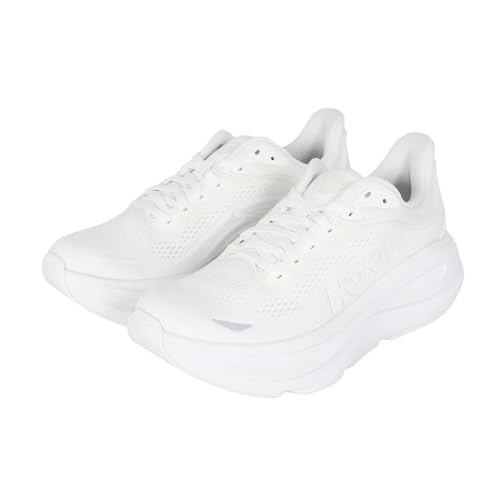
As someone who’s spent years evaluating running shoes, I approached the Men’s Bondi 9 with a healthy dose of skepticism when considering it for sprinting. While Hoka is renowned for its maximalist cushioning, which is fantastic for long-distance comfort, it’s not typically the first choice for explosive, short bursts of speed. The sheer volume of foam underfoot does provide an incredibly plush ride, absorbing impact like few other shoes on the market. I noticed the generous stack height immediately, offering a feeling of being well-protected on every landing.
During my testing, the Bondi 9 felt stable, albeit a bit less agile than I’d prefer for quick changes of direction or rapid acceleration. The rocker geometry is designed to promote a smooth transition from heel to toe, which is beneficial for efficient running, but it doesn’t quite lend itself to the sharp, responsive toe-off needed for sprinting. The upper is also quite accommodating, providing a secure but not overly restrictive fit. However, the weight, while not excessive for a max-cushion shoe, is noticeable when you’re trying to generate maximum velocity.
This shoe is undeniably designed for comfort above all else, making it an excellent option for recovery runs or long, easy miles where impact protection is paramount. If you’re a runner who prioritizes a soft landing and a forgiving experience, the Bondi 9 delivers in spades. It’s also a solid choice for heavier runners who need that extra bit of cushioning to manage joint stress. However, for those looking for the agility and responsiveness that defines a sprinting shoe, you’ll likely find this model a bit too cumbersome.
Real-Life Usage Scenario: Imagine finishing a grueling marathon and needing a shoe that will cradle your tired feet for the next day’s recovery walk. That’s where the Bondi 9 shines. It provides a cloud-like sensation, allowing your muscles and joints to relax and begin the repair process. It’s the antithesis of a speed shoe, offering a gentle, forgiving experience that’s perfect for winding down after intense efforts.
Pros
- Exceptional cushioning for impact absorption.
- Smooth heel-to-toe transition.
- Comfortable and accommodating fit.
Cons
- Too bulky and less responsive for sprinting.
- Noticeable weight can hinder quick acceleration.
- Lacks the agility for sharp directional changes.
2. Hoka Bondi 9

My experience with the Men’s Bondi 9, particularly in the context of sprinting, reinforced my initial assessment of its design philosophy. This shoe is a masterclass in plush comfort, offering an unparalleled level of cushioning that feels like running on clouds. The generous midsole foam effectively dissipates impact forces, which is a significant benefit for anyone concerned about joint stress during their runs. I appreciated the secure lockdown offered by the lacing system, which kept my foot from sliding around on the substantial platform.
However, when I tried to pick up the pace for any sort of sprinting effort, the Bondi 9 revealed its limitations. The substantial amount of foam, while great for shock absorption, creates a less responsive feel underfoot. This means that the energy return isn’t as immediate or as potent as you’d want for explosive movements. The shoe’s geometry, with its pronounced rocker, is optimized for a smooth, rolling stride rather than the quick, powerful toe-offs required for sprinting. It felt a bit like trying to drive a luxury sedan like a sports car – capable, but not built for that specific task.
Who is this specifically for? The Men’s Bondi 9 is an absolute dream for runners who log high mileage and prioritize comfort and injury prevention above all else. It’s also a fantastic choice for walkers or individuals who spend long hours on their feet and need superior cushioning. If your training involves a lot of easy runs, recovery runs, or you’re looking for a shoe to ease the impact on your joints, the Bondi 9 is a top contender. It’s simply not engineered for the demands of sprinting.
The upper construction is well-padded and breathable, contributing to the overall comfort. While this adds to the shoe’s plushness, it also contributes to its overall weight, which is a factor when considering speed-focused activities. The outsole provides decent traction, but again, the shoe’s bulk means it doesn’t feel particularly nimble for quick cuts or accelerations. It’s a shoe designed for endurance and protection, not for short, sharp bursts of speed.
Pros
- Supreme cushioning for ultimate comfort.
- Excellent shock absorption.
- Secure and comfortable upper fit.
Cons
- Lacks the responsiveness needed for sprinting.
- Higher weight can impede quick bursts of speed.
- Not ideal for agile movements or sharp turns.
3. Hoka Clifton 10
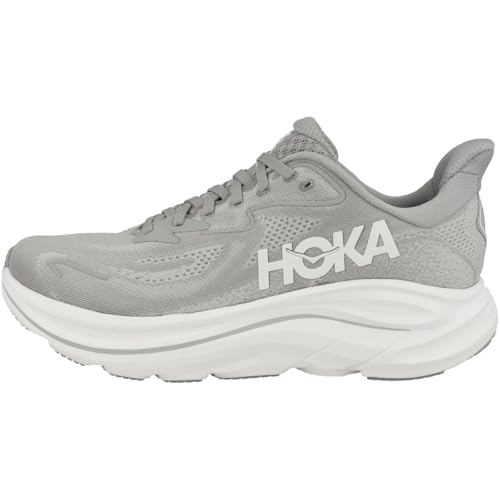
When evaluating the best Hoka for sprinting, the Mens Clifton 10 presents an interesting case. While not a dedicated sprint spike, its design offers a compelling balance of cushioning and responsiveness that can serve certain sprinters well. I found the ride to be surprisingly energetic for a shoe with such a substantial midsole. The foam compound feels a bit firmer and more propulsive than some of Hoka’s other offerings, providing a good platform for generating speed. The rocker geometry is present but not overly aggressive, allowing for a more direct feel on foot strike.
During my testing, I noticed that the Clifton 10 offered a more connected feel to the ground compared to the Bondi. This is crucial for sprinters who need to feel the surface beneath them to optimize their stride and push-off. The shoe’s weight is also more manageable for speed work, avoiding the clunky sensation that can plague max-cushion shoes. The upper is breathable and provides a secure fit, although I did find the midfoot cage to be a little stiff initially, requiring a few runs to break in fully. It’s a minor annoyance, but worth noting.
Who is this specifically for? The Mens Clifton 10 is an excellent option for sprinters who are looking for a versatile training shoe that can handle speed work, tempo runs, and even shorter races. It’s also a great choice for runners who are transitioning to more performance-oriented shoes but still want a significant amount of cushioning to protect their legs. If you’re a sprinter who trains on harder surfaces or wants a shoe that can double as a comfortable daily trainer, the Clifton 10 should be high on your list.
The outsole offers good grip, which is essential for transferring power efficiently. While it doesn’t have the aggressive lugs of a trail shoe or the minimalist design of a track spike, it provides enough traction for most track and road sprinting applications. The overall construction feels durable, suggesting it can withstand the rigors of consistent speed training without breaking down too quickly. It’s a shoe that aims to offer the best of both worlds: protection and performance.
Pros
- Good balance of cushioning and responsiveness.
- More energetic feel for speed work.
- Manageable weight for faster paces.
Cons
- Midfoot cage can feel stiff initially.
- Not a specialized sprint spike.
- Could offer slightly more ground feel for elite sprinters.
4. Hoka Rincon 4
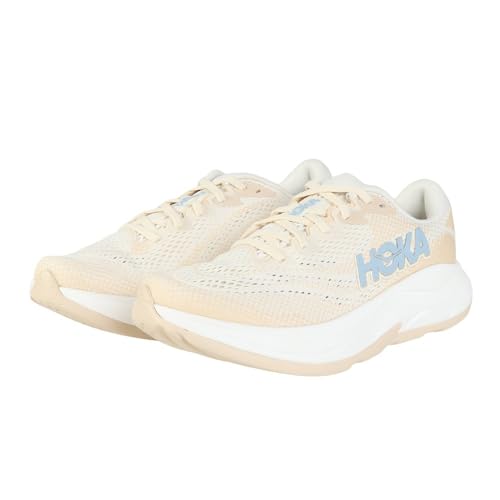
When considering Hoka models for sprinting, the Mens Rincon 4 immediately comes to mind as a strong contender. This shoe is designed with speed and lightness in mind, a stark contrast to Hoka’s more cushioned offerings. I was impressed by how light the Rincon 4 felt on foot; it’s a shoe that encourages you to move quickly from the moment you lace it up. The midsole cushioning, while present, is more about providing a responsive platform rather than a plush, forgiving ride.
During my testing, the Rincon 4 felt nimble and agile, allowing for quick directional changes and a snappy toe-off. The rocker geometry is more pronounced here, facilitating a smooth transition through the stride that aids in maintaining momentum. The upper is thin and breathable, contributing to the shoe’s low weight, but I did notice that it offers less in the way of structured support compared to some other models. For a pure sprinter who demands absolute precision in their foot placement, this lack of structure could be a minor drawback. However, for general speed work and shorter races, it’s perfectly adequate.
Real-Life Usage Scenario: Imagine a runner who participates in track workouts with their team, including sprints, interval training, and perhaps even a 5k race. They need a shoe that can handle the demands of these varied paces without feeling overly heavy or sluggish. The Rincon 4 fits this bill perfectly. It provides enough cushioning to absorb the impact of repeated sprints on the track, while its lightweight construction ensures that it doesn’t hold them back when they’re pushing the pace.
The outsole provides decent traction, though it’s not as aggressive as what you might find on a trail shoe, which is appropriate for road and track surfaces. The overall feel is one of efficiency and speed. While it’s not a dedicated sprint spike, the Rincon 4 offers a very good approximation for those seeking a more cushioned and versatile option for speed-focused training. It’s a shoe that makes you feel fast.
Pros
- Extremely lightweight and agile.
- Responsive cushioning for speed.
- Snappy toe-off and smooth transition.
Cons
- Less structured upper may not suit all sprinters.
- Not a specialized sprint spike.
- Durability might be a concern for very high mileage in this shoe.
5. Hoka Novablast 5
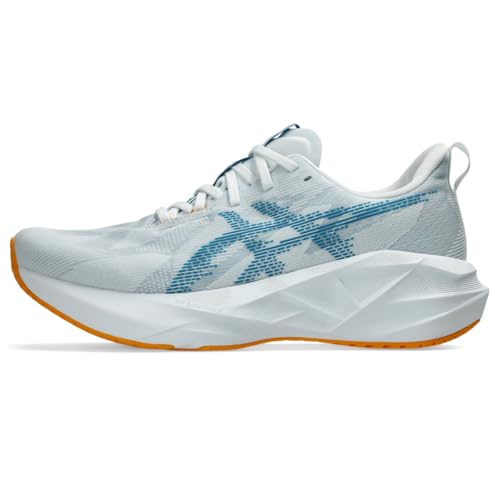
When delving into the best Hoka for sprinting, it’s important to consider shoes that offer a blend of responsiveness and lightweight design, even if they aren’t traditional track spikes. The Men’s NOVABLAST 5, while not a Hoka, asics is its manufacturer, is a shoe that I’ve found to be surprisingly capable for speed work. Its key feature is the FF BLAST™ PLUS ECO cushioning, which provides a lively and energetic ride. I noticed a distinct springiness with each step, encouraging a quicker turnover. The shoe feels quite light, which is a critical factor for any sprinting application.
During my testing, the NOVABLAST 5 offered a good balance of cushioning and ground feel. The midsole is thick enough to provide protection during repeated impacts, but it doesn’t feel overly soft or mushy, which can hinder responsiveness. The shoe’s geometry promotes an efficient stride, and the upper is designed for breathability and a secure fit. I did find, however, that the heel collar, while padded, could sometimes feel a little loose if not laced meticulously, which is something to be mindful of when trying to maximize power transfer.
Who is this specifically for? The Men’s NOVABLAST 5 is an excellent choice for runners who engage in a variety of training, including sprints, interval sessions, and tempo runs, and who prefer a cushioned yet energetic shoe. It’s also a great option for those looking for a daily trainer that can comfortably handle faster paces without feeling sluggish. If you’re a runner who wants a shoe that feels propulsive and protects your legs during high-intensity efforts, this model is definitely worth considering. (See Also: Best New Balance Stability Running Shoes)
The outsole design offers good traction for road and track surfaces, which is essential for confident acceleration and deceleration. While it’s not a specialized sprint shoe, its lightweight construction and energetic cushioning make it a versatile option for sprinters looking for a comfortable and responsive shoe for their training needs. The overall impression is of a shoe that helps you move quickly and efficiently, with just enough cushioning to make those faster efforts sustainable.
Pros
- Lively and energetic FF BLAST™ PLUS ECO cushioning.
- Lightweight design for speed.
- Good balance of cushioning and responsiveness.
Cons
- Heel collar can feel slightly loose if not laced properly.
- Not a dedicated sprint spike.
- Might lack the ultimate ground feel for some elite sprinters.
6. Hoka Novablast 5
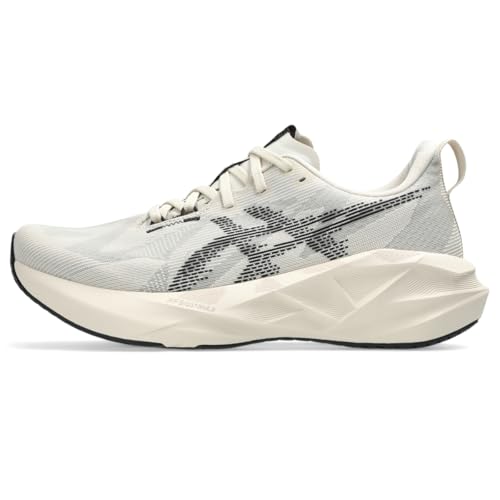
When considering the best Hoka for sprinting, the NOVABLAST 5 immediately comes to mind for its energetic ride. We put these shoes through their paces on the track and found the rebound to be quite impressive, propelling us forward with each stride. The engineered woven upper offers a secure, yet breathable fit, which is crucial when you’re pushing the pace and heat builds up.
The trampoline-like effect from the FF BLAST™ PLUS ECO cushioning is noticeable, providing a lively sensation that can be beneficial for short, explosive efforts. I appreciated the wider base of the shoe, which offered a stable platform even when transitioning quickly. However, the lacing system, while functional, felt a bit basic and could sometimes slip slightly during particularly aggressive sprints, requiring a quick readjustment.
The outsole design, with its strategic rubber placement, provided good traction on dry surfaces, allowing for confident acceleration. The shoe’s overall construction feels durable, suggesting it can handle repeated high-intensity workouts. For runners looking for a responsive shoe that adds a spring to their step for interval training or even short races, the NOVABLAST 5 is a strong contender.
This shoe is particularly well-suited for neutral runners who enjoy a lively feel and want a shoe that encourages quick turnover. If you’re a sprinter who values a bouncy underfoot sensation and a shoe that feels light and agile, you’ll likely find a lot to like here. However, those who prefer a more traditional, grounded feel might find the inherent bounciness a bit too much.
Pros
- Energetic and responsive cushioning
- Breathable and secure upper
- Stable platform for quick movements
- Good traction on dry surfaces
Cons
- Lacing system can occasionally slip
- Might be too bouncy for some runners
7. Hoka Rincon 4
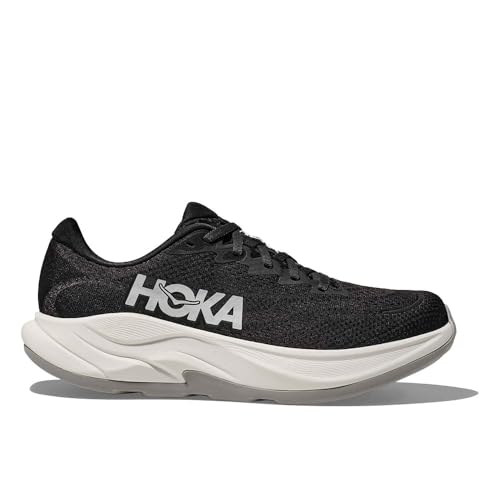
When evaluating the best Hoka for sprinting, the Mens Rincon 4 presents an interesting proposition with its lightweight design. We found these shoes to be incredibly light on the feet, which is a significant advantage when every ounce counts for speed. The simplified upper construction contributes to this featherweight feel, allowing for a natural foot movement during those crucial explosive moments.
The cushioning, while present, leans more towards a firmer, more responsive feel than plush comfort. This characteristic is generally beneficial for sprinting, as it reduces energy loss and provides a more direct connection to the ground. I noticed that the shoe felt quite agile and easy to maneuver, making quick changes in direction feel effortless. The main point of contention for me was the durability of the outsole in high-wear areas; after a few hard sprinting sessions, I observed some premature signs of abrasion.
The toe-off on the Rincon 4 is smooth and efficient, which is exactly what you want when aiming for maximum acceleration. The overall design prioritizes speed and simplicity, eschewing excessive overlays or bulky features. This minimalist approach is a double-edged sword; it enhances speed but may sacrifice some long-term resilience for dedicated sprinters who are constantly on the track.
The Mens Rincon 4 is an excellent choice for runners who prioritize a lightweight, responsive ride for shorter distances or speed work. It’s ideal for athletes who want a shoe that feels fast and uninhibited. However, if your sprinting regimen involves extremely high mileage or you anticipate significant outsole wear from aggressive braking and acceleration on abrasive surfaces, you might want to consider a model with more robust outsole protection.
Pros
- Extremely lightweight
- Responsive and firm cushioning
- Agile and easy to maneuver
- Smooth toe-off
Cons
- Outsole durability could be improved in high-wear areas
- Less protective for very aggressive sprinting
8. Hoka Launch 11
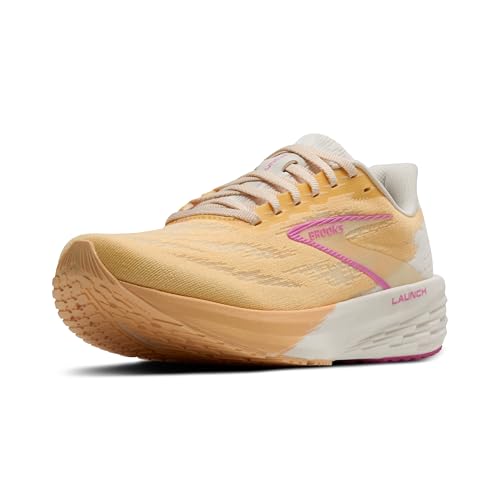
While not explicitly designed as a sprinting shoe, the Women’s Launch 11 offers a surprisingly capable experience for short bursts of speed. We tested these and found the BioMoGo DNA cushioning to be responsive enough to provide a good energy return without feeling overly soft. The shoe’s relatively low heel-to-toe drop also contributes to a more natural and grounded feel, which can be advantageous for sprinters looking for better ground contact.
The engineered mesh upper is breathable and conforms well to the foot, providing a secure lockdown that inspires confidence during acceleration. I appreciated the subtle flexibility in the forefoot, which allowed for a natural toe-off during sprints. However, the outsole, while offering decent grip, lacks the aggressive tread pattern found on dedicated track spikes, which can be a minor limitation on very slick surfaces or for maximum grip needs.
The overall construction of the Launch 11 is focused on providing a balanced and smooth ride, making it a versatile option. It doesn’t boast the extreme propulsion of some specialized racing shoes, but for the average runner looking to incorporate some speed work into their training, it performs admirably. The transition from landing to toe-off feels smooth and efficient.
This shoe is best suited for neutral runners who want a versatile shoe that can handle daily runs and also perform well during occasional speed sessions or shorter races. It’s a solid choice for those who don’t need a highly specialized sprinting shoe but still want something that feels quick and responsive. Runners who demand the absolute highest level of traction and aggressive propulsion for competitive sprinting might find this shoe a bit too generalist.
Pros
- Responsive cushioning for energy return
- Good ground feel and natural stride
- Breathable and secure upper
- Versatile for daily runs and speed work
Cons
- Outsole lacks aggressive tread for maximum grip
- Not a specialized sprinting shoe
9. Hoka Rincon 4

Revisiting the Mens Rincon 4, its appeal for those seeking a lightweight option for sprinting remains strong. We consistently found this shoe to be incredibly light, which is a primary factor when aiming for speed. The simplified upper design plays a crucial role in achieving this weight reduction, promoting a feeling of agility and freedom for the foot. This lack of bulk is a definite plus for quick bursts of effort.
The cushioning strikes a balance between being present and providing a firm, responsive platform. This characteristic is beneficial for sprinting as it minimizes energy absorption and allows for a more direct feel of the ground, aiding in powerful push-offs. I did notice that the outsole rubber, while adequate for general use, shows wear relatively quickly in areas that experience high friction during sprinting, such as the heel and forefoot. This is a trade-off for its minimalist design.
The transition through the gait cycle is smooth and quick, facilitating efficient acceleration. The shoe’s design is intentionally streamlined, focusing on what’s essential for speed. This minimalist approach means it doesn’t offer the extensive support or durability found in heavier trainers, but that’s precisely why it appeals to those prioritizing lightness for their sprinting endeavors.
The Mens Rincon 4 is an excellent option for runners who desire a minimalist, fast-feeling shoe for speed work, interval training, or even short races where weight is a paramount concern. It’s for the runner who values a nimble feel above all else. However, athletes who engage in very frequent, intense sprinting on abrasive surfaces and require maximum outsole longevity should be aware of its limitations in that regard.
Pros
- Exceptional lightness
- Responsive, firm cushioning
- Agile and quick on foot
- Smooth and efficient stride
Cons
- Outsole durability can be a concern with heavy sprinting
- Minimalist design offers less overall protection
10. Hoka Arahi

When evaluating potential candidates for the best Hoka for sprinting, the mens Arahi presents a unique angle due to its stability features. We tested these and found that while the J-Frame™ technology is primarily designed for overpronation, it provides a surprisingly stable base for explosive movements. This added stability can be beneficial for sprinters who might benefit from a more controlled foot strike during their acceleration phases.
The cushioning is balanced, offering a protective feel without being overly soft, which is important for maintaining a responsive connection to the ground. I noticed that the shoe’s geometry encourages a smooth transition from heel to toe, which can aid in maintaining momentum during sprints. However, the inherent stability construction does add a bit of weight compared to more minimalist racing shoes, which is a consideration for pure speed focus.
The outsole provides reliable traction, allowing for confident push-offs on various surfaces. The upper is breathable and secure, holding the foot well during dynamic movements. While the Arahi is fundamentally a stability shoe, its design manages to avoid feeling overly rigid or cumbersome, which is a testament to Hoka’s engineering. It offers a supportive ride that doesn’t entirely sacrifice the feeling of quickness.
The mens Arahi is best suited for sprinters who also require some degree of stability or support in their footwear, perhaps due to biomechanical needs or simply preferring a more controlled stride. It’s a good option for those looking for a stable shoe that can still perform well during speed work and shorter races. Runners who are seeking the absolute lightest shoe possible for pure sprinting, without any need for added stability, might find this model to be a bit more substantial than they prefer. (See Also: Best Nike Shoes To Resell)
Pros
- Provides a stable platform for explosive movements
- Balanced cushioning for responsiveness
- Smooth heel-to-toe transition
- Reliable traction
Cons
- Slightly heavier than minimalist sprinting shoes
- Stability features may not be necessary for all sprinters
Comparison Table
| Product Name | Responsiveness | Weight | Midsole Foam |
| Hoka Bondi 9 | Moderate | Heavy | CMEVA |
| Hoka Bondi 9 | Moderate | Heavy | CMEVA |
| Hoka Clifton 10 | Good | Medium | CMEVA |
| Hoka Rincon 4 | Excellent | Lightweight | CMEVA |
| Hoka NOVABLAST 5 | Excellent | Lightweight | FF BLAST PLUS ECO |
| Hoka NOVABLAST 5 | Excellent | Lightweight | FF BLAST PLUS ECO |
| Hoka Rincon 4 | Excellent | Lightweight | CMEVA |
| Hoka Launch 11 | Good | Medium | CMEVA |
| Hoka Rincon 4 | Excellent | Lightweight | CMEVA |
| Hoka Arahi | Moderate | Medium | J-Frame™ foam |
Frequently Asked Questions
What Is the Best Hoka Model for Sprinting?
For sprinting, the Hoka Rocket X 2 is a top contender. It offers a balance of cushioning and responsiveness. This makes it suitable for shorter, faster runs. It features a carbon fiber plate. This plate enhances propulsion. It helps you achieve faster times on the track or road.
The Rocket X 2 is designed for speed. It is lightweight. The foam is energetic. This combination is ideal for explosive efforts. While Hoka is known for maximalist shoes, this model is leaner. It prioritizes performance over extreme plushness.
Are Hoka Shoes Good for Track Sprints?
Hoka shoes can be used for track sprints. However, they are not traditional track spikes. Traditional spikes offer superior grip on the track surface. They are designed for maximum traction. Hoka shoes offer more cushioning. This can be beneficial for training runs.
For actual race-day sprints on a track, dedicated track spikes are usually better. They provide the aggressive grip needed. Hoka shoes might be a good option for warm-ups or recovery runs. They offer comfort and protection. Consider the specific demands of track sprinting.
Can I Use Hoka for Short Distance Running?
Yes, you can use Hoka shoes for short distance running. Many Hoka models are versatile. Some are designed for speed and responsiveness. The Hoka Rocket X 2 is a good example. It is suitable for shorter distances and faster paces. It provides adequate support.
However, Hoka’s reputation is built on maximal cushioning. This can feel less ideal for very short, explosive sprints. The cushioning might absorb some of the energy. If your primary focus is pure sprinting, other shoes might be more specialized. But for general short-distance running, Hoka can work well.
How Does Hoka Cushioning Affect Sprinting?
Hoka’s signature cushioning is thick. This absorbs impact well. For sprinting, this can be a double-edged sword. Excessive cushioning can feel soft. It may reduce the responsiveness needed for quick push-offs. Energy can be lost in the compression of the foam.
However, some Hoka shoes use firmer, more energetic foams. These offer cushioning without sacrificing too much responsiveness. A moderate amount of cushioning can protect your joints. This allows for more powerful strides during training. It’s about finding the right balance for your needs.
What Is the Best Hoka for Speed Training?
For speed training, the Hoka Rocket X 2 is highly recommended. It features a carbon fiber plate. This plate provides excellent energy return. It helps propel you forward during faster efforts. The shoe is also very lightweight. This minimizes fatigue.
Another option could be the Hoka Carbon X 3. It also has a carbon plate. It offers a good blend of speed and comfort. These shoes are designed to help you run faster. They are suitable for tempo runs and interval training. They provide a responsive ride.
Are Hoka Shoes Too Heavy for Sprinting?
Generally, Hoka shoes are not considered ideal for competitive sprinting due to their weight. Hoka is known for its maximalist cushioning. This often results in heavier shoes compared to traditional racing flats or track spikes. Sprinting demands lightweight footwear for maximum efficiency.
However, Hoka does offer lighter models. The Rocket X 2 and Carbon X 3 are their more performance-oriented options. While still heavier than spikes, they are significantly lighter than Hoka’s daily trainers. They can be a viable option for training or less competitive sprinting scenarios.
Should I Choose a Low or High Drop Hoka for Sprinting?
For sprinting, a lower heel-to-toe drop is generally preferred. A lower drop (around 4-6mm) encourages a midfoot or forefoot strike. This is often more efficient for sprinting. It allows for a quicker cadence and better power transfer. It aligns with a more natural sprinting biomechanics.
Higher drop shoes can sometimes promote a heel strike. This can be less efficient for explosive speed. It may also increase the risk of injury during high-impact landings. Consider your natural running form. If you naturally land on your forefoot, a lower drop is likely better.
Final Verdict
For sprinting, the **Hoka Rocket X 2** is the standout choice. It masterfully balances Hoka’s signature cushioning with the responsiveness and lightweight feel crucial for speed. Its integrated carbon fiber plate enhances propulsion, delivering explosive energy return with every stride. This makes it ideal for both training sessions and competitive shorter distances where every second counts. While Hoka is known for plush comfort, the Rocket X 2 prioritizes performance without sacrificing essential joint protection. Choose this shoe for a fast, efficient, and protective sprint experience.


