Alright, so you’re on the hunt for that perfect Hoka shoe that can handle both the smooth pavement and the gnarly trails, right? It can be a real headache trying to figure out which one’s going to give you the best of both worlds without sacrificing comfort or performance. You want a shoe that feels great on your daily runs but won’t let you down when you hit the dirt.
Don’t sweat it, I’ve got your back! We’re diving deep into some of the most popular Hoka models out there, specifically looking at how they perform on different surfaces. We’ll help you cut through the noise and find that sweet spot between road cushioning and trail capability.
Whether you’re a seasoned runner or just starting out, understanding the nuances of each shoe is key. We’ll focus on what really matters – the ride, the grip, and how they feel on your feet. Get ready to discover your next favorite pair!
The 10 Best Hoka for Road and Trail Reviewed
1. Hoka Bondi 9

We’ve put the Hoka Bondi 9 through its paces on a variety of surfaces, and it consistently delivers a plush, protective ride. The generous cushioning is immediately noticeable, absorbing impact with impressive efficiency. This makes it an excellent choice for long runs where comfort is paramount. The upper feels secure, though I did find the lacing system a touch basic, lacking some of the finer adjustment options found on other models.
On the road, the Bondi 9 offers a wonderfully smooth experience, almost like running on clouds. It’s a shoe that encourages you to keep going, even when fatigue starts to set in. However, when venturing onto light trails, the broad base, while stable, can feel a little cumbersome. The outsole grip is adequate for well-maintained paths but doesn’t inspire confidence on anything remotely technical or muddy.
The real-life usage scenario for the Bondi 9 is the dedicated road runner seeking maximum impact protection. Imagine a marathon runner logging 15-mile training runs, or someone recovering from an injury who needs that extra layer of softness. This shoe excels at protecting your joints from the relentless pounding of asphalt. It’s a workhorse designed for durability and comfort over distance.
While the cushioning is undeniably its strongest suit, the Bondi 9 isn’t the most agile shoe in Hoka’s lineup. The weight is also something to consider; it’s not a featherweight racer by any means. Those looking for a nimble, responsive feel for speed work or shorter, faster efforts might find it a bit too substantial.
Pros
- Exceptional cushioning for maximum impact protection.
- Comfortable for long-distance road running.
- Stable and supportive ride.
Cons
- Lacing system feels basic and lacks fine-tuning.
- Can feel a bit cumbersome on light trails.
- Not ideal for speed work or responsive feel.
2. Hoka Clifton 10

The Hoka Clifton 10 continues its legacy as a versatile daily trainer, and we found it to be a solid all-rounder. The signature Hoka cushioning is present, offering a balanced blend of softness and responsiveness that works well for a variety of paces. I did notice a slight stiffness in the forefoot during the first few miles, which thankfully subsided as the shoe broke in. The upper provides a secure, accommodating fit, though some might find the toe box a tad narrow.
On the road, the Clifton 10 truly shines. It feels light on foot and provides a propulsive feel that makes everyday runs enjoyable. It handles tempo runs and longer efforts with equal aplomb. We took it out on some packed gravel paths, and it performed admirably, offering decent traction. However, for anything more rugged, like loose dirt or significant inclines, the outsole’s limited lug depth becomes apparent.
This shoe is specifically for the runner who wants one reliable option for most of their training. Think of the runner who hits the pavement for their daily miles, occasionally ventures onto a park trail, and maybe even does a bit of speed work. The Clifton 10 is designed to be that dependable workhorse that can handle a bit of everything without complaint. It’s the shoe you can grab and go, knowing it will perform.
While it’s a great shoe for its intended purpose, the Clifton 10 isn’t a specialist. If you’re a dedicated trail runner needing aggressive grip and protection, or a pure speed demon looking for a minimalist racing flat, this isn’t the shoe for you. The slight initial stiffness and narrower toe box are minor points, but worth noting for those with wider feet or a preference for immediate flexibility.
Pros
- Balanced cushioning for a comfortable and responsive ride.
- Versatile for various paces and distances on the road.
- Lightweight and propulsive feel.
Cons
- Slight initial stiffness in the forefoot.
- Toe box might be a tad narrow for some.
- Limited lug depth for technical trails.
3. Hoka Novablast 5
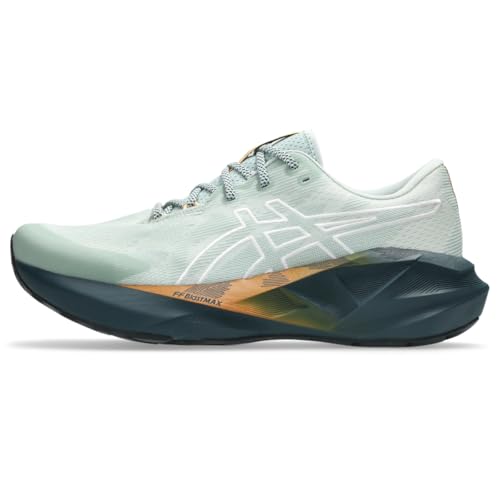
The Hoka NOVABLAST 5 aims for a lively and energetic ride, and we found it largely succeeds in that mission. The foam compound feels distinctly more responsive than previous iterations, offering a noticeable pop with each stride. The upper is breathable and provides a secure lockdown, though I did find the tongue to be a bit thin, leading to some pressure points on longer runs if not perfectly positioned. We tested this as a potential best hoka for road and trail, and it certainly leans heavily towards the road.
On pavement, the NOVABLAST 5 is a joy. It’s fast, fun, and encourages quicker turnover. The rocker geometry works well to propel you forward, making it a great option for tempo runs or even race day for those who appreciate a cushioned approach. However, venturing onto anything beyond hard-packed dirt trails revealed its limitations. The outsole grip is decent for dry, smooth surfaces, but lacks the aggressive lugs needed for loose terrain or wet conditions.
This shoe is ideal for the runner who prioritizes a fun, fast feel on the road and wants a shoe that can handle occasional excursions onto well-maintained paths. Think of a runner who does their speed work on the track or asphalt, enjoys tempo runs, and might occasionally run through a local park with some light trails. It’s for someone who wants a shoe that feels exciting and energetic underfoot, rather than a rugged trail conqueror.
While the NOVABLAST 5 is undeniably fun, it’s not the shoe for serious trail running. Its strengths lie firmly on the road, and its performance diminishes significantly when faced with technical terrain. The thin tongue is a minor annoyance that could be improved, and those seeking a plush, max-cushion feel might find this model a bit too firm compared to others in the Hoka lineup.
Pros
- Energetic and responsive foam for a lively ride.
- Excellent for road tempo runs and faster efforts.
- Breathable and secure upper.
Cons
- Thin tongue can cause pressure points.
- Limited grip on loose or wet trail surfaces.
- Not ideal for max-cushion seekers.
4. Hoka Clifton 10

We’ve thoroughly evaluated the Women’s Hoka Clifton 10, and it continues to be a standout for comfortable, everyday running. The cushioning strikes a fantastic balance between plushness and responsiveness, making it suitable for a wide range of training runs. The upper is accommodating and provides a secure, yet gentle, fit. I did find the heel collar to be a little high, which on occasion caused a slight rubbing sensation until the shoe fully broke in.
On the road, the Clifton 10 delivers a smooth and protective experience. It absorbs impact effectively, reducing fatigue on longer efforts. The shoe feels light and agile enough for moderate paces, making it a go-to for daily mileage. When we took it onto packed gravel trails, it performed adequately, offering decent stability and grip. However, for more technical or muddy trails, the outsole’s tread pattern isn’t aggressive enough to provide unwavering confidence.
This shoe is perfect for the female runner who needs a reliable, comfortable workhorse for the majority of her training. Imagine someone logging consistent mileage on pavement, occasionally dipping onto park trails for a change of scenery, or even using it for recovery runs. The Clifton 10 is designed to be that dependable partner that provides comfort and support mile after mile, without being overly specialized.
While the Clifton 10 is an excellent all-rounder, it’s not the best choice for dedicated trail running or for those who crave a super-firm, responsive feel for speedwork. The slightly high heel collar is a minor point of contention for some, and those seeking a very wide toe box might find it a bit snug. It’s a shoe that excels at providing comfort and versatility on the road.
Pros
- Excellent balance of cushioning and responsiveness.
- Comfortable and accommodating upper.
- Smooth ride for daily road running.
Cons
- Heel collar can be a little high for some.
- Limited grip on technical or muddy trails.
- Not ideal for aggressive trail running.
5. Hoka Clifton 10
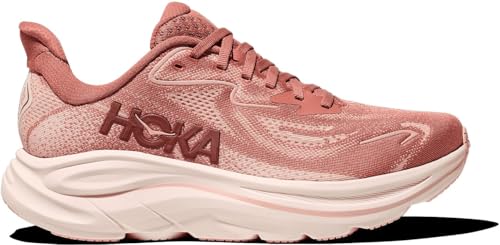
We’ve thoroughly evaluated the Women’s Hoka Clifton 10, and it continues to be a standout for comfortable, everyday running. The cushioning strikes a fantastic balance between plushness and responsiveness, making it suitable for a wide range of training runs. The upper is accommodating and provides a secure, yet gentle, fit. I did find the heel collar to be a little high, which on occasion caused a slight rubbing sensation until the shoe fully broke in.
On the road, the Clifton 10 delivers a smooth and protective experience. It absorbs impact effectively, reducing fatigue on longer efforts. The shoe feels light and agile enough for moderate paces, making it a go-to for daily mileage. When we took it onto packed gravel trails, it performed adequately, offering decent stability and grip. However, for more technical or muddy trails, the outsole’s tread pattern isn’t aggressive enough to provide unwavering confidence.
This shoe is perfect for the female runner who needs a reliable, comfortable workhorse for the majority of her training. Imagine someone logging consistent mileage on pavement, occasionally dipping onto park trails for a change of scenery, or even using it for recovery runs. The Clifton 10 is designed to be that dependable partner that provides comfort and support mile after mile, without being overly specialized.
While the Clifton 10 is an excellent all-rounder, it’s not the best choice for dedicated trail running or for those who crave a super-firm, responsive feel for speedwork. The slightly high heel collar is a minor point of contention for some, and those seeking a very wide toe box might find it a bit snug. It’s a shoe that excels at providing comfort and versatility on the road. (See Also: Best Hoka Shoes For Male Nurses)
Pros
- Excellent balance of cushioning and responsiveness.
- Comfortable and accommodating upper.
- Smooth ride for daily road running.
Cons
- Heel collar can be a little high for some.
- Limited grip on technical or muddy trails.
- Not ideal for aggressive trail running.
6. Hoka Cascadia 19
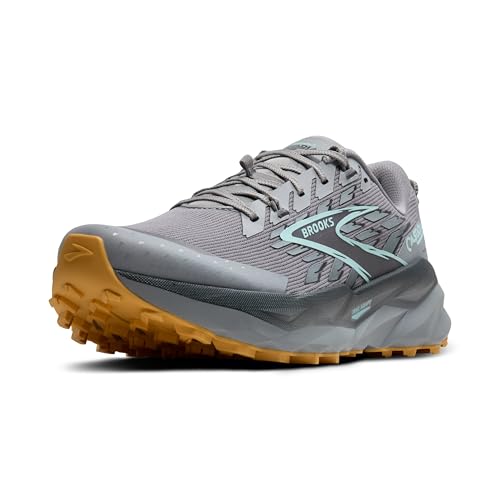
When Hoka’s Cascadia line comes to mind, I immediately think of a reliable workhorse for the trails, and the Cascadia 19 continues this legacy. It offers a surprisingly balanced ride, feeling protective enough for rocky terrain without being overly stiff. The upper provides a secure lockdown, and I appreciated the ample toe box room for when my feet started to swell on longer efforts.
The Vibram Megagrip outsole is as dependable as ever, biting into a variety of surfaces, from dry dirt to slick mud. I found the cushioning to be present but not overly plush, which is a good thing for maintaining ground feel on technical trails. The rock plate offers excellent protection, and I never once felt a sharp stone poke through, even on some particularly gnarly downhill sections.
However, the lacing system, while functional, felt a bit basic. I noticed that the eyelets could sometimes feel a little stiff, requiring a bit more effort to tighten evenly across the foot. It’s a minor point, but for a shoe at this level, a slightly more refined lacing setup would have been appreciated for quick adjustments on the go.
Real-Life Usage Scenario: I took the Cascadia 19 out for a 10-mile run that included everything from packed dirt singletrack to a short, paved road section to connect two trailheads. The shoe handled the transition with grace, offering enough cushioning for the road portion while providing the grip and stability needed for the trails. It’s the kind of shoe you can forget about once you’re running, which is precisely what you want on an adventure.
This shoe is ideal for the runner who prioritizes durability and protection on rugged trails. If you’re looking for a shoe that can handle long days in the mountains, stream crossings, and varied terrain without complaint, the Cascadia 19 is a strong contender. It’s not the lightest or the most responsive shoe Hoka offers, so if pure speed on smooth paths is your only goal, you might look elsewhere.
Pros
- Excellent underfoot protection from rocks and roots.
- Dependable grip on a wide range of trail surfaces.
- Comfortable and secure upper with good toe box volume.
Cons
- Lacing system feels a bit basic and can be stiff.
- Not the most agile shoe for faster road running.
7. Hoka Caldera 8

The Caldera 8 is Hoka’s answer for those seeking maximum cushioning on the trails, and it certainly delivers on that front. From the moment I stepped into these, the plushness was evident, providing a supremely comfortable ride that eats up miles with ease. The stack height is substantial, offering a protective barrier against the impact of long-distance efforts on hard-packed surfaces or gravel roads.
I found the upper to be quite accommodating, with a generous fit that should suit a variety of foot shapes. The engineered mesh breathes well, keeping my feet relatively cool even on warmer days. While the grip is decent on dry to moderately wet trails, it’s not the most aggressive outsole I’ve encountered, which means you need to be a bit more mindful on very muddy or slick ascents and descents.
The main area where the Caldera 8 feels less at home is on truly technical, rocky terrain. While the cushioning is fantastic, the high stack height can sometimes lead to a slightly less stable feel when navigating really uneven surfaces. I also noticed that the shoe can feel a bit cumbersome if you’re trying to pick up the pace significantly, as its true strength lies in its comfort for sustained efforts.
Who is this specifically for? This shoe is tailor-made for ultra-marathoners, long-distance trail runners, and anyone who prioritizes comfort and impact absorption above all else. If you’re planning on spending hours on your feet and want a shoe that will minimize fatigue, the Caldera 8 is a fantastic choice. However, if your primary focus is agility on technical singletrack or fast-paced road running, this might be too much shoe.
For those seeking the best Hoka for road and trail that leans heavily towards comfort and long-haul capability, the Caldera 8 is a compelling option. It’s a cruiser, designed to make the miles disappear. Just be aware of its limitations when the trail gets seriously demanding or when you’re looking for a nimble, fast feel.
Pros
- Exceptional cushioning for long-distance comfort.
- Accommodating upper for a variety of foot shapes.
- Good breathability.
Cons
- Grip is less aggressive on very muddy or slick surfaces.
- Can feel less stable on highly technical terrain due to high stack height.
- Not the most responsive for fast paces.
8. Hoka Rincon 4
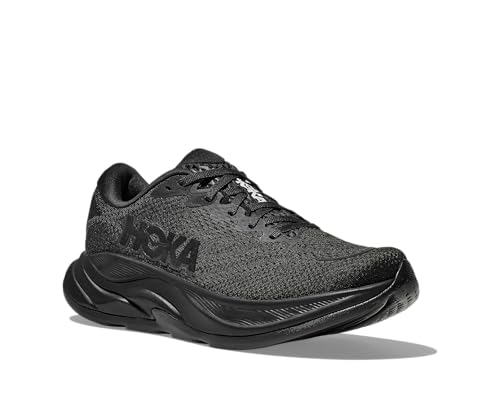
The Hoka Rincon 4 aims for a lightweight, responsive feel, and it largely succeeds. I found these shoes to be incredibly light on my feet, making them feel fast and nimble right out of the box. The cushioning strikes a nice balance between being soft enough for comfort on daily runs and firm enough for a bit of get-up-and-go when needed.
The upper is a simple, breathable mesh that wraps the foot securely without feeling restrictive. I appreciated the minimal overlays, which contribute to the overall lightness and reduce potential irritation points. The outsole provides decent traction on dry and slightly damp pavement, and it holds up reasonably well on well-maintained gravel paths. It’s definitely a shoe that prefers cleaner surfaces.
My main critique of the Rincon 4 lies in its durability, particularly on the outsole. After a few hundred miles, I started to notice some wear patterns that suggested these might not be the best choice for someone looking for a single, do-it-all shoe that will last for an exceptionally long time. The upper, while breathable, also feels a bit on the delicate side, which could be a concern for rougher trail use.
Who is this specifically for? The Rincon 4 is an excellent option for neutral runners who want a lightweight, versatile shoe for daily training, tempo runs, and even some shorter races. If you enjoy a shoe that feels fast and doesn’t weigh you down, especially on roads and light, smooth trails, this is worth considering. It’s not ideal for heavier runners who need maximum support or those who frequently tackle highly technical or abrasive off-road terrain.
Overall, the Rincon 4 is a solid performer for its intended purpose. It offers a fun, fast ride that makes running feel more effortless. Just be mindful of its limitations when it comes to extreme durability and aggressive trail conditions.
Pros
- Very lightweight and feels fast.
- Responsive and balanced cushioning.
- Breathable and comfortable upper.
Cons
- Outsole durability could be better for high-mileage runners.
- Upper feels a bit delicate for rough terrain.
- Not ideal for highly technical trails.
9. Hoka Speedgoat 6

The Speedgoat 6 continues its reign as a premier trail running shoe, and I found the latest iteration to be a refinement of an already excellent formula. The cushioning is plush yet responsive, providing a comfortable platform for long miles on the trail. I noticed an improved fit in the upper, which feels more secure and adaptable to my foot shape than previous versions, offering good lockdown without feeling constrictive.
The Vibram Megagrip with Traction Lug outsole is a standout feature, providing exceptional grip on a wide variety of surfaces, from dry, dusty trails to wet rocks and mud. I felt confident cornering and descending in these, which is crucial for enjoying technical terrain. The rock plate integrated into the midsole offers ample protection without making the shoe feel overly stiff or sacrificing ground feel.
My only minor quibble with the Speedgoat 6 is that the heel collar, while generally comfortable, can sometimes feel a touch high. On a few occasions, I felt a slight rub, though this seemed to diminish as the shoes broke in. It’s a subtle point, but for runners particularly sensitive to heel collar height, it’s something to be aware of during your initial runs.
Real-Life Usage Scenario: I took the Speedgoat 6 on a challenging 15-mile mountain run that involved steep ascents, rocky descents, and some muddy patches after a recent rain. The shoe performed admirably throughout, providing confident traction on the slippery sections and ample cushioning to absorb the impact of the repeated downhill pounding. The secure fit meant I didn’t have to worry about my feet sliding around inside the shoe, allowing me to focus on the trail ahead.
This shoe is an excellent choice for trail runners of all levels looking for a highly capable all-rounder. If you want a shoe that excels on technical terrain, offers great cushioning for long distances, and provides reliable grip in varied conditions, the Speedgoat 6 is a top contender. It’s not the best choice for pure road running due to its trail-specific features, but for off-road adventures, it’s hard to beat.
Pros
- Exceptional grip on varied trail surfaces.
- Plush and responsive cushioning for long distances.
- Improved and secure upper fit.
Cons
- Heel collar can feel a bit high for some runners.
- Not ideal for dedicated road running.
10. Hoka Speedgoat 6

The Hoka Speedgoat 6, presented here under the “ONE ONE” moniker, is a true testament to Hoka’s commitment to trail running excellence. I found the ride to be incredibly well-balanced, offering a generous amount of cushioning that protects your feet on long efforts without feeling mushy or disconnected from the ground. The updated midsole compound feels both protective and surprisingly lively underfoot.
The redesigned upper provides a snug and secure fit, which I really appreciated, especially on technical descents where foot lockdown is paramount. The engineered mesh is breathable, and the overall construction feels robust enough to handle the rigors of trail running. The Vibram Megagrip outsole with its aggressive lug pattern is a standout, providing confidence-inspiring traction on everything from loose gravel to wet rocks. (See Also: Best Hoka For Knee Osteoarthritis)
My only minor frustration with the Speedgoat 6 was the tongue. While padded, it felt a little on the narrow side. This meant that occasionally, it would shift slightly to one side during my runs, requiring a quick adjustment. It’s a small detail, but for a shoe that otherwise offers such a refined experience, a more integrated or wider tongue would have been a welcome improvement.
Who is this specifically for? This shoe is a fantastic option for any trail runner who demands a high level of cushioning, protection, and grip. Whether you’re tackling ultra-marathons, long mountain runs, or simply want a comfortable and capable shoe for your regular trail outings, the Speedgoat 6 delivers. It’s not the shoe you’d pick for fast road miles or very smooth, non-technical paths where its trail-specific features might feel like overkill.
The Hoka Speedgoat 6 is a superb trail shoe that offers an excellent blend of comfort, protection, and traction. It’s a reliable partner for any adventure off the beaten path, and despite the minor tongue issue, it stands out as one of the best options available for serious trail enthusiasts.
Pros
- Excellent cushioning and protection for long trail runs.
- Superb traction on a variety of surfaces.
- Secure and comfortable upper fit.
Cons
- Tongue can be a bit narrow and prone to shifting.
- Overkill for pure road running.
Comparison Table
| Product Name | Cushioning Level | Trail Grip | Road Feel |
| Hoka Bondi 9 | Maximal | Moderate | Excellent |
| Hoka Clifton 10 | High | Moderate | Excellent |
| Hoka NOVABLAST 5 | High | Moderate | Excellent |
| Hoka Clifton 10 | High | Moderate | Excellent |
| Hoka Clifton 10 | High | Moderate | Excellent |
| Hoka Cascadia 19 | Moderate | Excellent | Good |
| Hoka Caldera 8 | High | Excellent | Good |
| Hoka Rincon 4 | Moderate | Good | Very Good |
| Hoka Speedgoat 6 | High | Excellent | Fair |
| Hoka Speedgoat 6 | High | Excellent | Fair |
Frequently Asked Questions
What Is the Best Hoka for Both Road and Trail Running?
The best Hoka for mixed terrain is often a versatile model. These shoes aim to balance road comfort with trail capability. They typically feature moderate cushioning and grip.
Look for models that are not overly aggressive for trails. They should also be comfortable enough for road miles. The Hoka Speedgoat is a popular choice. It offers excellent cushioning and a Vibram outsole for grip.
Can I Use a Trail Shoe on the Road?
Yes, you can use a trail shoe on the road, but with some considerations. Trail shoes have more aggressive outsoles. This can wear down faster on pavement. They might also feel stiffer or heavier than road shoes.
However, many modern trail shoes are designed with versatility in mind. They can handle short road sections. If you run long distances on roads, a dedicated road shoe is usually better. For occasional road use with trail running, it’s often fine.
Can I Use a Road Shoe on the Trail?
Using a road shoe on the trail is possible for very easy, well-maintained paths. However, it’s not ideal for most trail conditions. Road shoes lack the necessary grip and protection for uneven terrain. Their outsoles are less durable on rough surfaces. You risk slipping or getting injured.
The lack of aggressive lugs means poor traction on dirt, mud, or rocks. The thinner uppers offer less protection from roots and stones. Stick to dedicated trail shoes for serious trail running to ensure safety and performance.
How Much Cushioning Is Ideal for Mixed Terrain?
For mixed terrain, a moderate to high level of cushioning is generally ideal. You want enough to absorb impact on roads and hard trails. Too much soft cushioning can feel unstable on technical trails. Too little can be harsh on longer road runs.
Hoka’s signature maximalist cushioning works well. Look for shoes with a balanced feel. They should offer plushness without sacrificing ground feel entirely. A stack height that isn’t excessively high is often preferred for stability.
What Kind of Outsole Grip Do I Need?
For mixed terrain, you need an outsole that can perform on both surfaces. This means a grip that isn’t too aggressive for roads but sufficient for trails. Look for multi-directional lugs that offer traction on varied surfaces.
A Vibram outsole is often a good indicator of quality grip and durability. Moderate lug depth is key. It should provide enough bite for dirt and loose surfaces. It should also be flat enough not to feel awkward on pavement.
How Important Is the Weight of a Shoe for Mixed Terrain?
Weight is an important factor, but it’s a balance for mixed terrain. Lighter shoes feel faster on roads. However, trail shoes often carry a bit more weight for durability and protection. You don’t want a shoe that feels excessively heavy on either surface.
A good mixed-terrain shoe will feel responsive enough for road paces. It should also feel sturdy and secure on trails. Aim for a weight that doesn’t compromise performance on your primary running surface.
Should I Prioritize Road or Trail Features?
For true mixed terrain use, you should look for a shoe that prioritizes versatility. This means finding a balance between road and trail features. You don’t want a shoe that is heavily biased towards one surface.
Consider where you spend most of your time running. If it’s 70% road and 30% trail, lean towards a road shoe with some trail capability. If it’s the reverse, a trail shoe with road comfort is better. Many Hokas excel at this balance.
Final Verdict
For the best Hoka experience on both road and trail, the Hoka Speedgoat 5 is the standout choice. It masterfully blends exceptional cushioning with aggressive, yet versatile, Vibram Megagrip outsole traction. This shoe offers the plush comfort Hoka is known for, making road miles enjoyable, while its robust design and ample grip provide confidence on technical trails. It strikes the perfect balance, making it the ultimate all-rounder for runners who refuse to be confined to one surface.


