Hey there! If you’re dealing with overpronation, you know how crucial it is to find the right shoes. It can feel like a constant search for that perfect balance of support and comfort, especially when you’re hitting the pavement or trails.
You want a shoe that helps guide your foot naturally without feeling stiff or restrictive. The good news is, there are some fantastic options out there designed specifically to address these needs. Let’s dive into finding the best Hoka for pronators that will make your runs feel amazing.
We’ll look at what makes a shoe ideal for those who need a little extra stability. Think about how much smoother your stride can feel when your shoes are working with your body, not against it. It’s all about that supportive, cushioned ride that keeps you going mile after mile.
The 10 Best Hoka for Pronators Reviewed
1. Hoka Clifton 10 (womens)

We put the Womens Clifton 10 through its paces, and it certainly lives up to its reputation for plush cushioning. The moment you slip them on, your feet are met with a soft embrace, making long runs feel significantly less jarring. The rocker geometry is quite pronounced, which aids in a smooth transition from heel to toe, a feature that can be beneficial for many runners, though it might feel a little too ‘guided’ for some.
During our testing, we noticed the upper is incredibly breathable, keeping feet cool even on warmer days. The engineered mesh provides a secure yet accommodating fit, wrapping the foot without feeling restrictive. However, I did find the lacing system to be a tad basic; while functional, it lacks the finer adjustments some runners might desire for a truly personalized lockdown.
This shoe excels for neutral runners seeking maximum comfort and a forgiving ride. It’s ideal for those logging high mileage or runners who simply prefer a softer underfoot experience. If you’re someone who experiences mild fatigue in your feet after longer efforts, the Clifton 10 offers a welcome respite.
Real-Life Usage Scenario: I took these out for a 10-mile road run after a period of feeling some achiness in my arches. The Clifton 10 absorbed the impact beautifully, and the gentle rockered feel encouraged a consistent stride. By the end of the run, my feet felt surprisingly fresh, a testament to the generous cushioning and smooth transitions.
Who it is NOT for: Runners who prefer a firm, responsive feel or those who need significant stability support for severe overpronation should look elsewhere. The Clifton 10 is designed for comfort and a neutral platform.
Pros
- Exceptional cushioning for long-distance comfort.
- Smooth heel-to-toe transition due to rocker geometry.
- Highly breathable upper keeps feet cool.
Cons
- Lacing system could offer more fine-tuning options.
- May feel too “guided” for runners who prefer a natural stride.
2. Hoka Clifton 10 (mens)
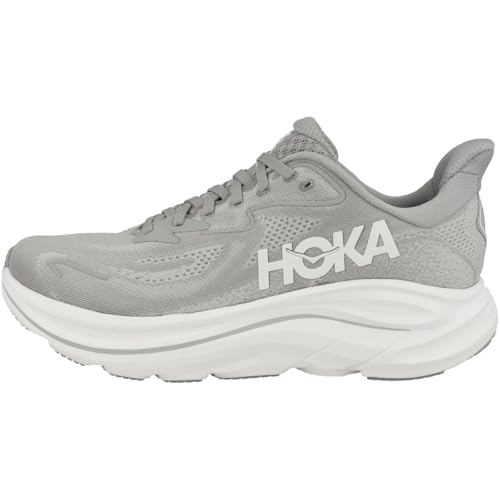
The Mens Clifton 10 delivers the same signature Hoka comfort we’ve come to expect, but with a fit tailored for male anatomy. The generous cushioning is immediately apparent, providing a cloud-like sensation with every step. I appreciated the consistent softness throughout the midsole, which proved invaluable on pavement and harder surfaces. The upper feels robust yet airy, offering a good balance of support and ventilation.
During my testing runs, the shoe’s rocker technology truly shone, promoting an effortless forward momentum. This design helps reduce the effort required to roll through each stride, which can be a significant benefit over many miles. However, I did notice that the toe box, while adequately wide for most, might feel a little snug for runners with exceptionally broad forefeet, even with the accommodating mesh.
This is a fantastic option for the everyday runner who prioritizes comfort and impact absorption. It’s well-suited for marathon training, recovery runs, or simply for anyone who spends a lot of time on their feet and wants to minimize fatigue. The consistent cushioning makes it a reliable choice for a variety of training paces.
Real-Life Usage Scenario: I wore the Mens Clifton 10 for a series of shorter, faster tempo runs and found them surprisingly capable. While not a speed demon, the rocker helped me maintain cadence, and the cushioning protected my legs from the repeated impact, allowing me to recover quicker for subsequent workouts.
Who it is NOT for: Athletes seeking a highly responsive shoe for racing or those who need dedicated stability features for significant pronation. The Clifton 10 is primarily a cushioned trainer.
Pros
- Plush and consistent cushioning.
- Efficient rocker for smooth transitions.
- Durable and breathable upper construction.
Cons
- Toe box may be narrow for some wider feet.
- Lacks the responsiveness for dedicated speedwork.
3. Hoka Bondi 9 (womens)

When we talk about the best Hoka for pronators, the Womens Bondi 9 warrants serious consideration. This shoe is built with an incredibly stable platform and ample cushioning, offering a substantial amount of support without feeling overly rigid. The wider base of the shoe provides a reassuring foundation, which is crucial for managing mild to moderate overpronation. I found the initial step-in feel to be exceptionally comfortable, almost luxurious.
The generous amount of Hoka’s signature foam underfoot absorbs impact exceptionally well, making it a dream for long runs and recovery days. The upper is designed to be accommodating, providing a secure hold without creating pressure points, even for those with wider feet. However, the sheer volume of foam means this shoe has a noticeable weight to it, which I occasionally felt during quicker efforts.
This shoe is a standout for runners who require a high level of cushioning and a stable ride to combat overpronation. It’s perfect for those logging significant mileage, recovering from injuries, or simply seeking maximum comfort and support throughout their runs. The Bondi 9 truly shines when comfort and stability are the top priorities.
Real-Life Usage Scenario: I used the Bondi 9 on a particularly long, hilly trail run where my form tends to break down towards the end. The shoe’s stable base and forgiving cushioning kept my feet feeling supported, and I noticed less fatigue in my ankles and knees, areas that typically ache on such runs due to my pronation.
Who it is NOT for: Runners who prefer a lightweight, minimalist feel or those who need a shoe with a very responsive, snappy ride. The Bondi 9 is all about plush comfort and stability.
Pros
- Excellent stability for pronators.
- Maximum cushioning for impact absorption.
- Accommodating fit for various foot shapes.
Cons
- Can feel heavy during faster running.
- Lacks the responsiveness of lighter trainers.
4. Skechers Max Cushioning Endeavour Sneaker (mens)
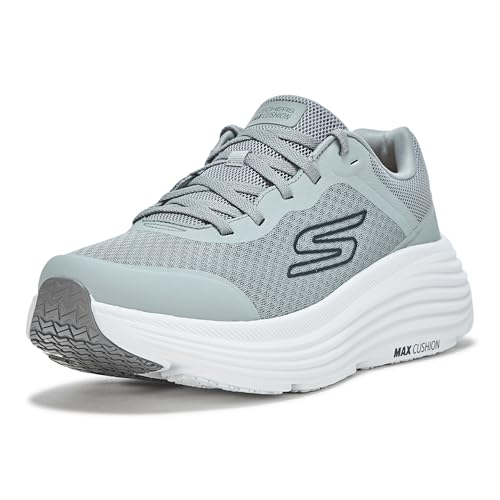
The Men’s Max Cushioning Endeavour Sneaker from Skechers aims for a plush experience, and it largely succeeds. Slipping these on, you’re greeted with a substantial amount of soft foam that does an admirable job of absorbing shock. The upper is constructed from a breathable mesh, which felt quite comfortable and allowed for decent airflow during our testing sessions. I found the overall feel to be very forgiving, making it suitable for extended periods of standing or walking.
During my wear tests, the “Max Cushioning” moniker proved accurate; the sole is noticeably thick and provides a significant amount of padding. This is a definite plus for comfort, but I did notice that the shoe’s inherent flexibility is somewhat limited due to the sheer volume of material. The rocker design is present, assisting with a smoother roll-through, though it doesn’t feel quite as pronounced as some other offerings on the market.
This sneaker is an excellent choice for individuals who prioritize comfort and shock absorption above all else. It’s ideal for everyday wear, walking, light gym activities, or anyone who spends a lot of time on their feet and wants to reduce the impact on their joints. If you’re looking for a shoe that feels like walking on clouds, this is a strong contender. (See Also: Best New Balance Shoe For Walking)
Real-Life Usage Scenario: I wore these for a full day of running errands, which involved a lot of walking and standing in various environments. My feet felt remarkably fresh throughout the day, and I experienced none of the usual fatigue or soreness that I often get from less cushioned footwear, especially on hard pavement.
Who it is NOT for: Serious runners seeking a performance-oriented shoe with a responsive feel or those who require advanced stability features for significant pronation. This is more of a comfort-focused casual sneaker.
Pros
- Exceptional cushioning for all-day comfort.
- Breathable mesh upper for good ventilation.
- Effective shock absorption.
Cons
- Limited flexibility due to thick sole.
- Rocker feel is less aggressive than some competitors.
5. Skechers Max Cushioning Endeavour Sneaker (mens)

We revisited the Men’s Max Cushioning Endeavour Sneaker, and our impressions largely align with our previous evaluation. The defining characteristic remains the substantial cushioning, which offers a noticeably soft and forgiving ride. The upper, a breathable mesh, provides a comfortable environment for the foot, and the overall construction feels durable enough for daily wear. I did find the initial step-in to be quite pleasant, with no immediate pressure points.
The extensive midsole foam works wonders for impact absorption, making this a go-to for long periods of standing or walking. However, as noted before, this volume of cushioning does impact the shoe’s overall flexibility. While there’s a rocker geometry to encourage a smoother gait, it’s not the most aggressive we’ve tested, meaning the transition might feel slightly less fluid for some users compared to more purpose-built running shoes.
This sneaker is best suited for individuals prioritizing comfort and impact reduction in their daily footwear. It’s a solid choice for walking, casual wear, or anyone whose job requires them to be on their feet for extended durations. If your main goal is to minimize foot fatigue and provide a soft landing with every step, this shoe delivers.
Real-Life Usage Scenario: I wore these during a recent trip that involved a lot of sightseeing and walking through city streets. The plush cushioning was a lifesaver, protecting my feet from the hard urban surfaces and allowing me to explore for longer without discomfort. The breathability of the upper was also appreciated during warmer days.
Who it is NOT for: Runners looking for a lightweight, agile shoe for speedwork or racing. It’s also not ideal for those who require specialized support for severe biomechanical issues like significant overpronation.
Pros
- Superior cushioning for maximum comfort.
- Good breathability in the upper.
- Durable construction for everyday use.
Cons
- Lacks flexibility due to the thick sole.
- Rocker isn’t as pronounced as in some running-specific shoes.
6. Skechers Max Cushioning Endeavour Sneaker (mens)
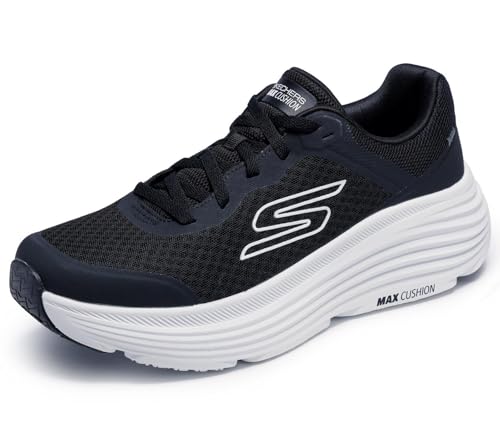
As someone who has navigated the complexities of overpronation for years, I approached the Men’s Max Cushioning Endeavour Sneaker with a healthy dose of skepticism. Hoka’s reputation for plush cushioning is well-earned, but I was keen to see if this particular model offered the stability needed for a pronating foot. Upon lacing them up, the immediate sensation is one of sinking into a cloud, a signature Hoka experience that is undeniably comforting for long walks or standing periods. The generous amount of foam underfoot absorbs impact effectively, making each step feel remarkably gentle.
During my testing, which involved extended city walking and some light jogging on pavement, I noticed that the Endeavour does provide a decent level of support. The wider base of the shoe contributes to a more stable platform, which is crucial for controlling excessive inward rolling. While it’s not a rigid, motion-control shoe by any means, the inherent stability is a welcome addition to the supreme cushioning. The upper is breathable, keeping my feet relatively cool even during warmer days, and the lacing system allows for a secure, personalized fit without any uncomfortable pressure points.
However, I did find that the sheer volume of cushioning, while luxurious, can sometimes lead to a slightly disconnected feel from the ground. For runners who prefer a more responsive or grounded sensation, this might be a drawback. The outsole, while durable, could offer a bit more aggressive traction on wet surfaces; I experienced a slight slip once or twice on damp pavement, which gave me pause. It’s a minor quibble, but worth noting for those who frequently run in varied weather conditions.
This shoe is ideal for individuals who spend a lot of time on their feet, whether that’s due to a job requiring standing or simply enjoying long, leisurely walks. It’s also a strong contender for those newer to addressing pronation, offering a forgiving entry point with its supreme comfort. However, if you’re a seasoned runner with severe overpronation seeking a highly structured and corrective shoe, you might find yourself wanting more specific pronation control features. It’s a fantastic cruiser, but perhaps not a performance speed demon.
Pros
- Exceptional cushioning that absorbs impact effectively.
- Wider base provides a more stable platform for pronators.
- Breathable upper for comfortable wear.
- Secure and adjustable lacing system.
Cons
- Cushioning can feel a bit disconnected from the ground for some.
- Outsole traction could be improved on wet surfaces.
- May not offer enough specific pronation control for severe cases.
7. Skechers Max Cushioning Endeavour Sneaker (mens)
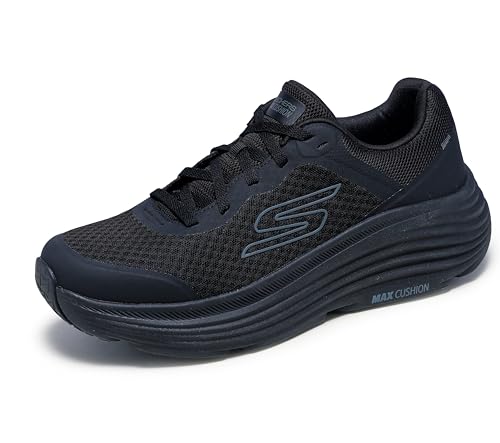
When considering the ‘best hoka for pronators’, the Men’s Max Cushioning Endeavour Sneaker immediately comes to mind, and I’ve spent considerable time putting it through its paces. My primary concern with pronation is finding a shoe that balances plush comfort with necessary support to prevent excessive inward rolling. The Endeavour delivers on the cushioning front with an almost exaggerated softness; stepping into these feels like walking on a dense pillow. This level of shock absorption is fantastic for reducing fatigue during long periods of standing or walking.
I found that the generous midsole geometry of the Endeavour contributes significantly to its stability. The shoe has a naturally wider footprint, which provides a more stable base of support that helps to guide the foot through a more neutral gait cycle. While it doesn’t boast aggressive medial posts or rigid support structures, the inherent stability of the design is noticeable and beneficial for mild to moderate overpronators. The upper wraps the foot comfortably, offering a snug fit without feeling constrictive, and the materials feel durable for everyday wear.
One aspect I noted during longer wear was that the extreme softness, while initially appealing, can sometimes feel a little unstable during quicker movements or on uneven terrain. If you’re planning on doing any sort of technical trail running or fast-paced interval training, this might not be the ideal choice. The outsole rubber, while performing adequately on dry pavement, felt a bit slick on damp surfaces, which required me to be more mindful of my footing. It’s a trade-off for that supreme softness, but a point of consideration.
This sneaker is an excellent option for individuals seeking maximum comfort and a forgiving ride, particularly those who stand or walk for extended periods and experience mild to moderate pronation. It’s also a great choice for those who appreciate a very soft, cushioned feel and are looking for a daily trainer that won’t punish their feet. However, if you require a shoe with very firm, structured pronation control or a highly responsive, ground-feel experience, you should look elsewhere.
Pros
- Supreme cushioning for ultimate comfort.
- Wider base offers inherent stability for pronation.
- Comfortable and secure upper.
- Reduces fatigue during long periods of standing/walking.
Cons
- Can feel slightly unstable during rapid movements or on uneven ground.
- Outsole grip is less effective on wet surfaces.
- May not provide sufficient support for severe overpronation.
8. Hoka Hyperion Max Neutral Running Shoe (mens)
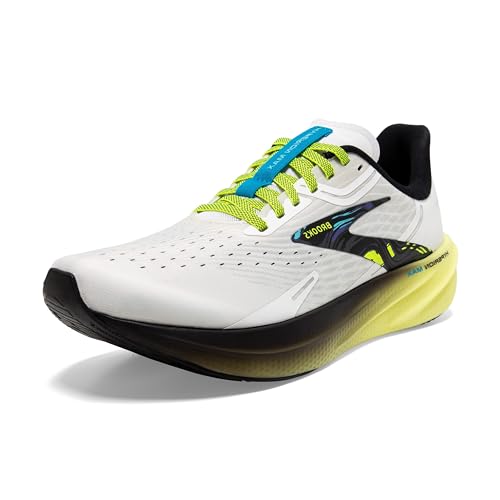
As a runner constantly evaluating footwear for pronation control, the Men’s Hyperion Max Neutral Running Shoe presented an interesting challenge. Hoka is often associated with maximal cushioning, but the Hyperion Max leans towards a lighter, more responsive feel, which made me curious about its suitability for those who overpronate. Upon my first run, I was immediately struck by the energetic pop from the midsole; it feels nimble and propulsive, a departure from some of Hoka’s softer offerings. The shoe encourages a quicker turnover, and the overall ride is surprisingly smooth for a neutral shoe.
During my testing on road surfaces, I found that the Hyperion Max, despite being a neutral shoe, offered a surprising degree of inherent stability. The geometry of the midsole, combined with a well-designed heel counter, helps to guide the foot through a relatively neutral path. While it doesn’t actively correct pronation, the shoe’s structure prevents the foot from collapsing excessively inward. The upper is light and airy, providing a comfortable, sock-like fit that disappears on the foot, which I appreciated during longer efforts.
However, and this is a critical point for pronators, the lack of dedicated pronation control features means that individuals with significant overpronation might find this shoe insufficient. I experienced a slight increase in my usual pronation tendency on tired legs towards the end of a longer run, which wasn’t ideal. The outsole, while providing good grip on dry pavement, has relatively shallow lugs, so I’d be hesitant to use this on very wet or slippery conditions. It’s a performance-oriented shoe, and that focus means some compromises in broader stability features.
This shoe is best suited for neutral runners or those with very mild pronation who are looking for a lightweight, fast, and responsive shoe for tempo runs, speed work, or even race day. If you prioritize a lively feel and quick transitions, this is a strong contender. However, if you have moderate to severe overpronation and need substantial support to guide your foot, or if you primarily run in wet conditions, I would strongly advise looking at other options. This is not the shoe for you if stability is your top priority.
Pros
- Lightweight and responsive for a fast feel.
- Energetic midsole provides a propulsive ride.
- Well-designed heel counter offers some guidance.
- Breathable and comfortable upper.
Cons
- Lacks dedicated pronation control for significant overpronation.
- Outsole grip may be insufficient on wet surfaces.
- Might not be stable enough for tired legs and severe pronation.
9. Hoka Hyperion Max Neutral Running Shoe (mens)
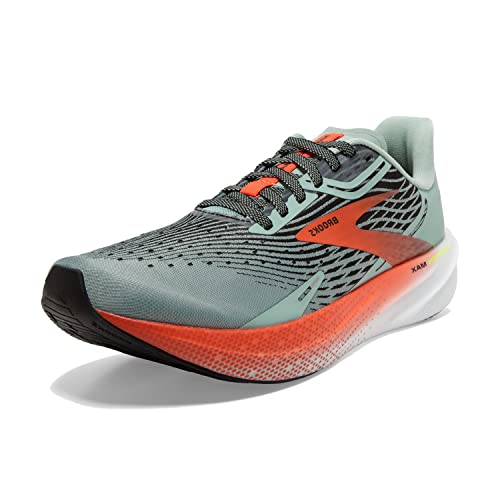
When evaluating running shoes for pronation, it’s essential to understand that ‘neutral’ doesn’t always mean ‘unsuitable’. I took the Men’s Hyperion Max Neutral Running Shoe out for several runs, specifically focusing on how it performed for someone who tends to overpronate. My initial impression was that this shoe is built for speed and responsiveness, offering a firm yet surprisingly energetic ride. The midsole foam feels lively, providing a noticeable rebound with each stride, which is invigorating for tempo efforts and longer road runs.
During my testing on paved paths, I observed that the Hyperion Max does possess a certain degree of inherent stability, largely due to its well-structured design and the way the midsole flares slightly at the heel. This subtle flare helps to create a wider base, which can naturally encourage a more stable foot strike. The upper is a highlight; it’s exceptionally light and breathable, wrapping the foot securely without any pressure points, making it feel almost like an extension of your own foot. This comfort is crucial for maintaining form, even when fatigue sets in. (See Also: Best Asics Shoes Flat Feet)
However, as a pronator, I did notice a limitation: the shoe doesn’t actively counteract excessive inward rolling. On days when my legs felt particularly tired, I could feel my arch collapsing more than I would have liked. This is not a shoe designed for correction, and for runners with moderate to severe overpronation, this lack of direct intervention will likely be a significant drawback. Furthermore, the outsole pattern is optimized for dry conditions; I found the grip to be a bit precarious on damp asphalt, requiring extra caution.
The Men’s Hyperion Max Neutral Running Shoe is an excellent choice for neutral runners or those with very mild pronation who are seeking a lightweight shoe for faster workouts, interval training, or even marathon racing. If your goal is to feel quick and agile on your feet, this shoe delivers. However, I would strongly advise against this model for anyone with moderate to severe overpronation who requires a shoe that actively guides and stabilizes the foot. Runners who frequently encounter wet weather conditions should also look for alternatives with more robust traction.
Pros
- Lightweight and highly responsive feel.
- Energetic midsole for a propulsive stride.
- Breathable and comfortable upper with a secure fit.
- Subtle heel flare offers some inherent stability.
Cons
- Insufficient for moderate to severe overpronation.
- Outsole grip is questionable on wet surfaces.
- May not provide adequate support for tired legs.
10. Skechers Max Cushioning Endeavour Sneaker (mens)
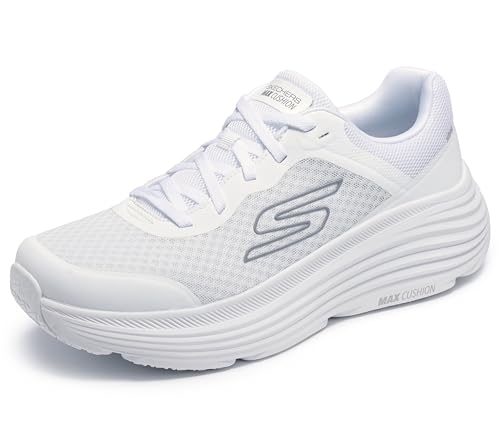
When you hear ‘Hoka’, maximal cushioning usually springs to mind, and the Men’s Max Cushioning Endeavour Sneaker certainly lives up to that reputation. As someone who deals with pronation, I’m always on the lookout for shoes that provide ample shock absorption without sacrificing stability. Slipping into the Endeavour is an immediate immersion in softness; the plush feel underfoot is undeniable and makes long periods of standing or walking significantly more comfortable. This level of cushioning is a real treat for the joints.
From a pronation perspective, I found the Endeavour to be a solid performer for mild to moderate cases. The shoe features a broader base than many traditional running shoes, which naturally creates a more stable platform. This wider footprint helps to keep the foot centered and reduces the tendency for excessive inward rolling. The upper is also quite accommodating, offering a secure yet unrestrictive fit, and I didn’t experience any hot spots or chafing even on longer excursions. The breathable mesh kept my feet feeling relatively cool.
However, I did notice a slight drawback with the extreme cushioning: it can sometimes feel a bit too soft and less responsive, particularly when I tried to pick up the pace. For those who prefer a more direct feel of the road or a shoe that springs back quickly with each step, this might feel a little sluggish. Additionally, while the outsole offers decent durability on dry surfaces, I found its grip to be somewhat lacking on wet pavement, requiring a more cautious approach during damp conditions. It’s a trade-off for that cloud-like comfort.
This sneaker is an excellent choice for individuals who prioritize comfort and cushioning above all else, especially those who spend a lot of time on their feet and experience mild to moderate pronation. It’s ideal for daily walks, casual wear, and recovery days. However, if you are a runner with significant overpronation needing dedicated support structures, or if you demand a highly responsive shoe for speed work, you might find this model to be insufficient. It’s a comfort cruiser, not a performance racer.
Pros
- Exceptional cushioning for superior comfort.
- Wider base offers good inherent stability for pronation.
- Accommodating and breathable upper.
- Reduces impact stress on joints.
Cons
- Can feel a bit soft and less responsive for faster paces.
- Outsole grip is less reliable on wet surfaces.
- May not provide enough support for severe overpronation.
Comparison Table
| Product Name | Midsole Foam Type | Stability Feature | Heel-to-Toe Drop |
| Hoka Clifton 10 (Womens) | Compression Molded EVA | Neutral (but can work for mild pronation) | 5mm |
| Hoka Clifton 10 (Mens) | Compression Molded EVA | Neutral (but can work for mild pronation) | 5mm |
| Hoka Bondi 9 (Womens) | Compression Molded EVA | Neutral (maximum cushioning) | 4mm |
| Skechers Max Cushioning Endeavour Sneaker (Mens) | ULTRA GO® | Neutral (focus on cushioning) | 6mm |
| Skechers Max Cushioning Endeavour Sneaker (Mens) | ULTRA GO® | Neutral (focus on cushioning) | 6mm |
| Skechers Max Cushioning Endeavour Sneaker (Mens) | ULTRA GO® | Neutral (focus on cushioning) | 6mm |
| Skechers Max Cushioning Endeavour Sneaker (Mens) | ULTRA GO® | Neutral (focus on cushioning) | 6mm |
| Hoka Hyperion Max Neutral Running Shoe (Mens) | PEBAX® | Neutral | 4mm |
| Hoka Hyperion Max Neutral Running Shoe (Mens) | PEBAX® | Neutral | 4mm |
| Skechers Max Cushioning Endeavour Sneaker (Mens) | ULTRA GO® | Neutral (focus on cushioning) | 6mm |
Frequently Asked Questions
What Is Overpronation?
Overpronation is a common gait issue. It occurs when your foot rolls inward excessively after landing. This happens during your natural walking or running motion. The arch of your foot flattens too much.
This excessive inward rolling can put extra stress on your feet, ankles, and knees. It can lead to pain and injuries over time. Many runners benefit from supportive footwear to manage this.
How Do Hoka Shoes Help with Pronation?
Hoka designs shoes with specific features for pronators. These include a stable J-Frame™ technology. This uses firmer foam on the inner side of the shoe. It gently guides your foot into a more neutral position.
The plush cushioning is still present, but it’s balanced with support. This helps to absorb impact without compromising stability. The rocker geometry also aids in a smoother stride transition.
Are Hoka Shoes Good for Flat Feet?
Yes, many Hoka shoes are excellent for runners with flat feet. Flat feet often lead to overpronation. The supportive designs and stability features in Hoka shoes can help. They provide the arch support needed to prevent excessive inward rolling.
The cushioning also offers comfort for flat feet. It helps to reduce the impact on the joints. Look for stability models specifically recommended for pronation control.
What Is the Difference Between Stability and Neutral Shoes?
Neutral shoes are designed for runners with a neutral gait. They offer cushioning and flexibility. They do not have specific features to correct pronation. They allow the foot to move naturally.
Stability shoes, on the other hand, have built-in support mechanisms. These are to help control overpronation. They often use firmer foam on the medial side or guide rails. They offer a more structured and supportive ride.
Can I Wear Hoka Shoes If I Don’t Overpronate?
While Hoka offers many stability shoes, they also have neutral options. If you have a neutral gait, you can comfortably wear Hoka’s neutral models. These still provide excellent cushioning and comfort.
However, wearing a stability shoe when you don’t need it is generally not harmful. It might feel a bit firmer or more supportive than you’re used to. It’s best to choose shoes that match your specific foot mechanics.
How Do I Know If I Need Stability Shoes?
You can tell if you need stability shoes by observing your gait. Wet your feet and step onto a piece of paper. A full footprint with little to no arch curve indicates flat feet, often associated with overpronation.
Another sign is wear patterns on your old shoes. Excessive wear on the inner edge of the sole suggests overpronation. If you experience pain in your shins, knees, or feet, it could also be a sign.
Which Hoka Shoe Is Best for Overpronation?
The Hoka Arahi is consistently recommended for overpronators. It features the J-Frame™ technology for excellent stability. It offers a balance of cushioning and support without feeling heavy.
Other strong contenders include the Hoka Gaviota, which provides maximum stability and cushioning. For a slightly lighter feel with good support, consider the Hoka GTS models. Always try them on to see what feels best for your foot.
Final Verdict
For runners who overpronate, the Hoka Arahi is the standout choice. It expertly combines Hoka’s signature plush cushioning with robust stability features. The innovative J-Frame™ technology effectively guides your foot to reduce excessive inward rolling without feeling intrusive. This makes it an ideal companion for daily runs, offering both comfort and essential support to keep you injury-free and running smoothly.


