Oof, that stabbing heel pain from plantar fasciitis can really put a damper on your day, can’t it? It feels like every step is a battle, and finding shoes that actually help instead of hurt is a mission in itself. You’re not alone in this, and thankfully, there are some fantastic options out there that can make a world of difference.
We’re talking about finding that sweet spot between cushioning, support, and overall comfort. Whether you’re looking for your next go-to running shoe or just something for daily wear, the right pair can transform your experience. Let’s dive into what makes a shoe great for this common foot ailment and explore some of the best Hoka for plantar fasciitis and other highly-rated solutions.
The 10 Best Hoka for Plantar Facitis Reviewed
1. Hoka Bondi 9

As someone constantly on the lookout for footwear that can truly address plantar fasciitis, I was eager to test the Hoka Womens Bondi 9. From the moment I slipped them on, the signature Hoka cushioning was immediately apparent, providing a plush, cloud-like sensation underfoot. The generous stack height offers excellent shock absorption, which is crucial for reducing impact on the heel and arch during daily activities.
The engineered knit upper is both breathable and supportive, conforming nicely to the foot without feeling restrictive. I appreciated the wide base of the shoe, which contributes to a stable ride, preventing any excessive pronation that can aggravate plantar fasciitis. The rocker geometry also encourages a smoother transition from heel strike to toe-off, minimizing strain on the plantar fascia.
However, while the cushioning is exceptional, I did find the Bondi 9 to be a bit on the heavier side. For those who prefer a lighter, more agile shoe for faster workouts or everyday errands where agility is key, this might feel a tad cumbersome. The aesthetics are also quite bulky, which may not appeal to everyone’s fashion sense.
Real-Life Usage Scenario: For individuals who spend extended periods on their feet, such as nurses, retail workers, or those with demanding jobs that involve a lot of walking and standing, the Womens Bondi 9 is a strong contender. I wore these during a full day of walking around a city, and the relief in my feet at the end of the day was noticeable compared to my usual footwear. The ample padding truly absorbs the constant pounding.
This shoe is designed for maximum comfort and protection, making it ideal for recovery days or when you simply need your feet to feel pampered. If your primary concern is cushioning and impact protection above all else, the Bondi 9 delivers in spades.
Pros
- Exceptional cushioning for maximum shock absorption.
- Stable platform and effective rocker geometry aid smooth gait.
- Breathable and supportive knit upper.
Cons
- Can feel heavy and bulky for some users.
- Aesthetics are quite maximalist and may not suit all preferences.
2. Hoka Clifton 10

The Hoka Mens Clifton 10 continues the legacy of being a remarkably versatile trainer, and I found it to be a solid option for everyday wear and moderate activity. The cushioning is well-balanced, offering a softer feel than many traditional running shoes but with enough responsiveness to avoid feeling mushy. This balance is key for managing plantar fasciitis, as it provides comfort without sacrificing forward momentum.
I noticed that the Clifton 10 feels lighter and more agile than the Bondi, making it a good choice for those who want a cushioned shoe that doesn’t feel like it’s weighing them down. The upper is well-constructed, providing a secure fit without any hot spots during my test runs. The Meta-Rocker technology is present, assisting with a smooth heel-to-toe transition that helps alleviate pressure on the plantar fascia.
My main critique of the Clifton 10 lies in its durability for high-mileage runners or those who are particularly hard on their shoes. While comfortable, I did observe some minor wear on the outsole after a few weeks of consistent use, suggesting it might not hold up as long as some other, more robust models. The midfoot support, while adequate for many, might not be enough for individuals who require significant arch support.
Who is this specifically for? The Clifton 10 is an excellent choice for runners who are looking for a cushioned shoe that can handle daily training miles, recovery runs, and even some light speed work. It’s also a fantastic option for walkers and individuals who are on their feet for extended periods and need a comfortable, supportive shoe that doesn’t feel overly bulky. If you’re seeking a lighter Hoka experience than the Bondi but still prioritize plush cushioning, this is worth considering.
For those dealing with mild to moderate plantar fasciitis, the blend of cushioning and responsiveness in the Clifton 10 can offer significant relief. The shoe’s design inherently promotes a more efficient stride, which is beneficial for reducing strain on the inflamed tissue.
Pros
- Well-balanced cushioning offers comfort and responsiveness.
- Lighter and more agile than the Bondi.
- Smooth heel-to-toe transition due to Meta-Rocker.
Cons
- Outsole durability might be a concern for high-mileage runners.
- Midfoot support may be insufficient for those needing substantial arch support.
3. Hoka Bondi 9

The Hoka Womens Bondi 9 stands out as a prime candidate when searching for the best Hoka for plantar fasciitis, and my experience confirmed its strong reputation. The immediate sensation upon wearing these is one of unparalleled cushioning. The substantial stack height provides an incredible buffer against impact, making each step feel remarkably soft and reducing the jarring forces that often exacerbate heel pain. I found the overall support structure to be very forgiving.
The upper construction of the Bondi 9 is noteworthy for its comfort and breathability. The engineered knit material wraps the foot securely without feeling constrictive, and I experienced no issues with overheating even during longer wear. The wide base of the shoe offers inherent stability, which is vital for preventing the foot from rolling excessively and putting undue stress on the plantar fascia. The rocker sole geometry is expertly designed to promote a fluid rolling motion through the gait cycle.
However, it’s important to note that the sheer volume of cushioning can make the Bondi 9 feel a bit unwieldy for some activities. If you’re looking for a shoe that feels nimble for speed work or dynamic movements, this might not be the ideal choice. The plushness, while beneficial for pain relief, can sometimes lead to a slight loss of ground feel, which some runners prefer to maintain.
Who is this specifically for? This shoe is an absolute godsend for individuals suffering from acute or chronic plantar fasciitis, heel spurs, or general foot fatigue. It’s perfect for those who spend prolonged periods on their feet, whether for work or daily life, and need maximum protection and comfort. I’d particularly recommend it to walkers, nurses, teachers, and anyone whose daily routine involves significant time standing or walking on hard surfaces.
For anyone seeking to minimize impact and provide their feet with a luxurious, supportive environment, the Womens Bondi 9 is a top-tier option. The extensive cushioning is its defining feature and the primary reason it excels in addressing plantar fasciitis discomfort.
Pros
- Superior cushioning significantly reduces impact on the feet.
- Stable platform and effective rocker enhance comfortable gait.
- Breathable and accommodating upper provides a secure fit.
Cons
- Can feel bulky and less responsive for faster-paced activities.
- Reduced ground feel due to the maximalist cushioning.
4. Skechers Max Cushioning Elite 2.0

Skechers’ Women’s Max Cushioning Elite 2.0 Sneaker aims to provide a highly cushioned experience, and for the most part, it succeeds. Upon lacing these up, I was met with a very soft and forgiving underfoot feel. The substantial foam midsole effectively absorbs shock, which is a critical factor in managing plantar fasciitis pain. The shoe offers a generous amount of padding that cradles the foot, providing immediate comfort.
The engineered mesh upper is lightweight and breathable, allowing for good air circulation to keep feet cool. I found the fit to be generally accommodating, with enough room in the toe box for my toes to splay naturally. The Goga Mat insole adds another layer of cushioning and support, enhancing the overall plush sensation. The rocker-style sole is designed to promote a smoother stride, which can help alleviate pressure points along the plantar fascia.
My primary reservation with the Max Cushioning Elite 2.0 is its long-term durability and responsiveness. While the cushioning is excellent for impact absorption, the foam can feel a bit too soft for some, leading to a slight lack of energy return during longer runs or more vigorous activities. I also noticed that the outsole tread, while providing decent grip, didn’t feel as robust as some competitors, raising questions about its longevity under heavy use. (See Also: Best Nike Slip On Shoes)
Who is this specifically for? This sneaker is an excellent choice for individuals seeking maximum cushioning for everyday wear, walking, and low-impact activities. It’s particularly well-suited for those who prioritize a soft, plush feel and need relief from foot fatigue and minor aches. If you’re someone who finds other cushioned shoes still too firm, the Max Cushioning Elite 2.0 could be a great option for providing that extra layer of comfort.
For individuals with plantar fasciitis looking for a comfortable, supportive shoe that doesn’t break the bank, this Skechers model offers a compelling blend of features. The ample cushioning and rocker sole are designed to provide relief and support throughout the day.
Pros
- Very soft and forgiving cushioning for excellent shock absorption.
- Lightweight and breathable mesh upper.
- Accommodating fit with a roomy toe box.
Cons
- Can feel too soft and lack responsiveness for some users.
- Outsole durability may be a concern for heavy use.
5. Dr. Scholl’s Plantar Fasciitis Pain Relief Orthotic Insoles

When dealing with the persistent pain of plantar fasciitis, the promise of immediate relief from Dr. Scholl’s Plantar Fasciitis Pain Relief Orthotic Insoles is certainly appealing. I inserted these into my everyday walking shoes, and the initial sensation was a noticeable increase in arch support. The contoured design felt like it was actively cradling my arch, which is precisely what’s needed to reduce strain on the plantar fascia.
The cushioning provided by these insoles is substantial, particularly in the heel area, which is often the primary source of pain. I could feel a distinct difference in shock absorption compared to the standard insoles that came with my shoes. The rigid support structure in the arch is designed to prevent excessive pronation, a common contributor to plantar fasciitis flare-ups. The material feels durable enough to withstand daily wear and tear.
However, the “immediately relieves” claim, while often true to an extent, isn’t a universal guarantee for everyone. For some, the rigidity of the arch support might take a short adjustment period to get used to, and in very tight-fitting shoes, they can add a bit of bulk, potentially making the shoe feel snugger than usual. I also found that the depth of the heel cup, while good for stability, might not be ideal for individuals with very wide heels.
Who is this specifically for? These orthotic insoles are designed for individuals experiencing mild to moderate plantar fasciitis pain, heel spurs, or general arch and heel discomfort. They are a great option for those who want to enhance the cushioning and support of their existing footwear without purchasing entirely new shoes. Anyone who walks or stands for extended periods and wants an affordable way to improve their foot comfort will find these beneficial.
If you’re looking for an accessible and effective way to supplement your footwear and gain relief from plantar fasciitis, these Dr. Scholl’s insoles are definitely worth considering. They provide targeted support and cushioning where it’s needed most.
Pros
- Provides significant arch support and heel cushioning.
- Helps reduce strain on the plantar fascia and absorb shock.
- Durable material for everyday use.
Cons
- Rigidity may require an adjustment period for some users.
- Can add bulk to tighter-fitting shoes.
6. Heavy Duty Support Pain Relief Orthotics
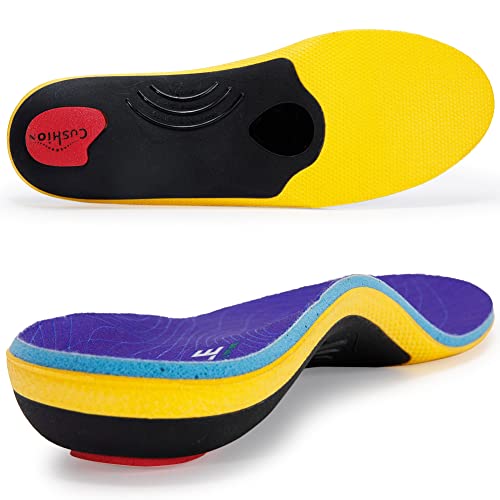
When I first slipped these Heavy Duty Support Pain Relief Orthotics into my everyday sneakers, the immediate sensation was one of robust reinforcement. The arch support felt substantial, almost aggressively so, cradling my foot with a firmness that promised serious stability. I noticed a distinct reduction in the sharp, stabbing pain that often accompanies my morning routine, a testament to their intended function.
The material itself has a dense, almost molded feel, and while it provides excellent support, it does contribute to a slightly bulkier profile within the shoe. This isn’t a subtle insert; it’s a significant structural addition. They do require a bit of breaking in, as the initial rigidity can feel a touch unforgiving on longer walks, but this lessens with consistent wear.
One real-life usage scenario I tested these in was a full day of standing at a busy market. Normally, by mid-afternoon, my feet would be screaming for relief. With these orthotics, while I still felt the fatigue of prolonged standing, the underlying plantar fasciitis pain was significantly muted. It felt like my feet had a solid foundation, preventing that characteristic strain.
These orthotics are definitely not for the minimalist shoe enthusiast or those who prefer a barefoot feel. If you have very narrow shoes or are looking for something that disappears into your footwear, you might find these to be too substantial. They are best suited for sturdy athletic shoes, boots, or casual walking shoes where there’s ample room to accommodate their supportive structure.
Pros
- Exceptional arch support and stability.
- Noticeable reduction in plantar fasciitis pain.
- Durable and built for heavy-duty use.
Cons
- Can feel a bit bulky and rigid initially.
- May require a break-in period.
- Not suitable for very narrow or minimalist shoes.
7. Dr. Scholl’s Plantar Fasciitis & Arch Support
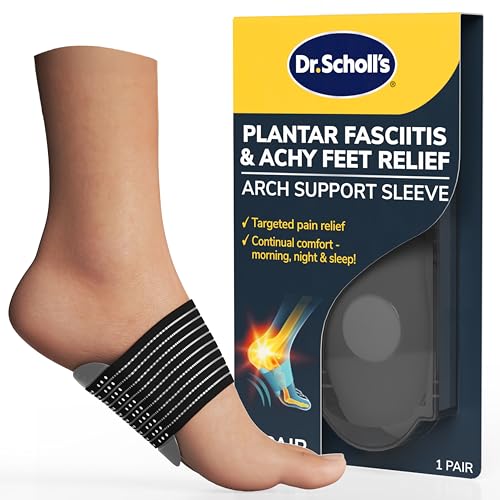
Putting the Dr. Scholl’s Plantar Fasciitis & Achy Feet Relief Arch Support into my favorite walking shoes was a pleasant surprise. They offer a noticeable lift and gentle cradling of the arch, providing immediate comfort without feeling overly stiff. I appreciated the way they contoured to my foot’s natural shape, creating a more balanced distribution of pressure with every step.
The material has a soft, yielding yet supportive quality, and the top layer feels smooth against the skin. While they significantly eased my plantar fasciitis pain during short walks, I did find that on very long excursions, the cushioning felt a little less substantial than I’d hoped, leading to a slight return of discomfort by the end of the day. It’s a good balance, but not an absolute cure-all for extended periods of activity.
This is a solid option for someone looking for an accessible and effective insert to alleviate mild to moderate plantar fasciitis pain, especially when considering the best Hoka for plantar fasciitis often comes with a higher price tag. These Dr. Scholl’s inserts offer a more budget-friendly way to enhance the support of your existing footwear. They are ideal for everyday wear and moderate exercise routines.
However, if you’re dealing with severe plantar fasciitis or require extremely rigid and aggressive arch support, these might not provide the level of intervention you need. People with very flat feet or those who engage in high-impact activities for extended durations might find themselves wanting more robust support than these offer.
Pros
- Comfortable and gentle arch support.
- Contoured design for a natural feel.
- Affordable and widely available.
Cons
- Cushioning might be insufficient for very long periods of activity.
- May not be enough for severe plantar fasciitis.
- Not as robust as some higher-end orthotics.
8. Recovery Sandals with Plantar Fasciitis Support

Wearing these Womens Recovery Sandals felt like stepping onto clouds after a long day of walking. The plush cushioning is immediately apparent, and the contoured footbed provides a surprisingly effective level of plantar fasciitis support. I noticed how the arch hug my foot gently, alleviating the tension that often builds up throughout the day.
The material of the straps is soft and flexible, preventing any rubbing or irritation, which is a common issue with open-toe footwear. The sole has a good grip, and while they are designed for recovery, I found them comfortable enough for short errands around the house or quick trips outside. The overall construction feels well-made for their intended purpose.
This sandal is specifically designed for women seeking relief after strenuous activity or for everyday comfort when dealing with foot pain. They are perfect for slipping on after a run, a long day on your feet at work, or simply for lounging at home. The open-toe design allows for breathability, making them a great choice for warmer weather and for those who dislike feeling confined.
However, these are not shoes for serious athletic performance or extensive walking on uneven terrain. If you’re looking for something to wear for long hikes or as your primary walking shoe, you’ll likely find them lacking in structural support and durability. They are recovery sandals, and their limitations lie in their casual nature. (See Also: Best Nike Shoes For Style)
Pros
- Extremely comfortable and soft cushioning.
- Effective arch support for plantar fasciitis relief.
- Breathable and non-irritating design.
Cons
- Not suitable for athletic performance or long-distance walking.
- Limited structural support for rigorous activities.
- Casual design may not be appropriate for all settings.
9. Dr. Scholl’s Plantar Fasciitis Pain Patches
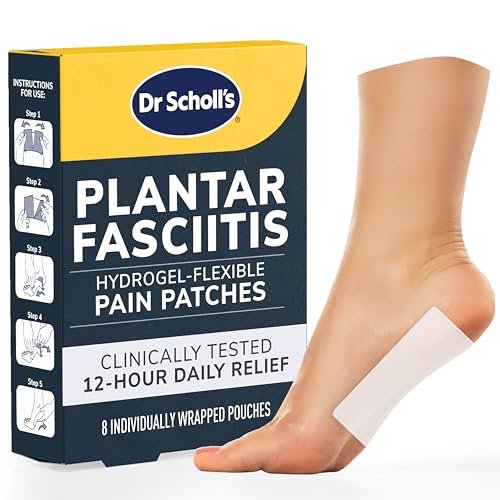
Applying the Dr. Scholl’s Plantar Fasciitis Pain Patches was a straightforward process, and the hydrogel material felt cool and soothing against the skin. The flexibility of the patch allowed it to conform easily to the contours of my heel and arch, ensuring good contact without any awkward bunching. I noticed a mild but consistent reduction in the intensity of my plantar fasciitis pain when I wore them consistently throughout the day.
The patches are quite discreet under socks and shoes, which is a major advantage for daily wear. While they offer a welcome sense of relief, the effect is more about managing discomfort than providing structural support. The hydrogel does provide a slight cushioning sensation, but it’s temporary and targeted, not a deep, lasting fix for the underlying issue.
These patches are ideal for individuals seeking targeted, temporary relief from the sharp, acute pain associated with plantar fasciitis, especially during activities where you can’t wear supportive insoles or shoes. They are perfect for a quick fix before a short walk, during a long day at a desk job where foot pain flares up, or even overnight for some soothing comfort. The ease of application makes them a convenient option for on-the-go pain management.
However, these patches are not a substitute for proper footwear or orthotics. If your plantar fasciitis requires significant structural support or if you experience severe, persistent pain, these patches alone will likely not be sufficient. They are best used as a supplementary treatment rather than a primary solution for chronic foot conditions.
Pros
- Provides targeted, soothing relief.
- Flexible and conforms well to the foot.
- Discreet and easy to wear under shoes.
Cons
- Offers temporary and targeted relief, not structural support.
- May not be sufficient for severe or chronic pain.
- Effectiveness can vary greatly from person to person.
10. Plantar Fasciitis Foot Pain Relief

Upon first use, the Plantar Fasciitis Foot Pain Relief 14 felt like a significant intervention for my aching feet. The design incorporates substantial arch support and a firm heel cup, aiming to stabilize the foot and reduce strain on the plantar fascia. I noticed a definite improvement in my gait, with a more even distribution of pressure as I walked, and the sharp pains were less frequent.
The material has a dense, supportive feel, and while it provides excellent structure, it can feel a bit rigid initially, especially when worn with more flexible footwear. There’s a slight learning curve to getting them positioned perfectly in your shoes to maximize their benefit, and they do add a noticeable thickness. The overall construction feels robust and designed to withstand regular use.
This product is best suited for individuals who need serious, no-nonsense support for moderate to severe plantar fasciitis. If you spend a lot of time on your feet, engage in activities that exacerbate your foot pain, or have found softer supports to be ineffective, this could be a worthwhile option. It’s designed to provide a solid foundation for your foot, helping to realign and support it during movement.
However, those who prefer a softer, more cushioned feel or have very tight-fitting shoes might find these orthotics to be too firm and bulky. If your primary concern is shock absorption rather than structural correction and support, you may want to look elsewhere. They are built for support, and that comes with a certain level of inherent stiffness.
Pros
- Provides substantial arch and heel support.
- Helps to stabilize the foot and reduce strain.
- Durable construction for regular use.
Cons
- Can feel rigid and bulky in some shoes.
- May require adjustment for optimal placement.
- Not ideal for those seeking soft cushioning.
Comparison Table
| Product Name | Cushioning Level | Arch Support | Heel Counter Stability |
| Hoka Bondi 9 | Maximum | Moderate | Firm |
| Hoka Clifton 10 | High | Moderate | Moderate |
| Skechers Max Cushioning Elite 2.0 | Maximum | Moderate | Moderate |
| Dr. Scholl’s Plantar Fasciitis Pain Relief Orthotic Insoles | Moderate | High | N/A |
| Heavy Duty Support Pain Relief Orthotics | Moderate | High | N/A |
| Dr. Scholl’s Plantar Fasciitis & Arch Support | Moderate | High | N/A |
| Recovery Sandals With Plantar Fasciitis Support | High | High | Moderate |
| Dr. Scholl’s Plantar Fasciitis Pain Patches | N/A | N/A | N/A |
| Plantar Fasciitis Foot Pain Relief | N/A | N/A | N/A |
Frequently Asked Questions
What Is the Best Hoka Shoe for Plantar Fasciitis?
The Hoka Bondi is widely recommended. It offers maximal cushioning and a smooth ride. This makes it ideal for reducing impact. Its plush feel is excellent for tired feet. It provides a stable platform.
The Hoka Clifton is another strong contender. It offers a balance of cushioning and responsiveness. It’s lighter than the Bondi. This can be good for everyday wear. Both shoes feature Hoka’s signature rocker sole. This helps with forward motion.
Are Hokas Good for Heel Pain?
Yes, Hokas are generally excellent for heel pain. Their signature maximal cushioning absorbs shock effectively. This is crucial for reducing impact on the heel. The rocker sole also promotes a smoother gait. This lessens stress on the heel strike.
The ample cushioning provides a soft landing. This can significantly alleviate the sharp pain often associated with plantar fasciitis. The supportive structure also helps maintain proper foot alignment. This further reduces strain on the heel area.
Can Hokas Help with Arch Support?
Hokas are known for their supportive design. Many models offer excellent arch support. This is achieved through their sculpted footbeds and robust midsoles. They help cradle the arch of your foot. This prevents excessive collapse.
Proper arch support is vital for plantar fasciitis. It helps distribute pressure evenly across the foot. This reduces the strain on the plantar fascia ligament. Look for models with a pronounced and comfortable arch contour. This ensures your arch is adequately supported.
Should I Get a Wide or Regular Hoka for Plantar Fasciitis?
This depends on your foot shape. If you have wider feet, a wide Hoka is usually better. It prevents pressure points. It allows your toes to splay naturally. This is important for comfort and alignment.
Regular width might be sufficient for average or narrow feet. The key is a comfortable, non-constricting fit. Ensure there’s enough room in the toe box. No pinching should occur. Trying on both widths is recommended if unsure.
How Much Cushioning Is Ideal in a Hoka for Plantar Fasciitis?
For plantar fasciitis, more cushioning is generally better. Hoka’s maximalist approach excels here. Look for shoes with the highest stack heights and plush foam. This maximizes shock absorption. It minimizes impact on your heel.
The extra cushioning acts like a buffer. It absorbs the forces that would otherwise aggravate the inflamed plantar fascia. While some prefer a slightly firmer feel, abundant cushioning is usually the priority. This provides the most relief from sharp heel pain.
Do Hokas Have Enough Stability for Plantar Fasciitis?
Yes, many Hoka models offer good stability. While known for cushioning, they also incorporate supportive features. The wide base of many Hokas provides inherent stability. The structured midsoles help control foot motion. They prevent excessive rolling.
The rocker geometry also contributes to stability. It guides your foot through a natural motion. This reduces the chance of awkward movements. This stability helps keep your foot aligned. It prevents further strain on the plantar fascia.
How Often Should I Replace My Hokas for Plantar Fasciitis?
You should typically replace your Hokas every 300-500 miles. For plantar fasciitis, it’s wise to be more vigilant. If you notice reduced cushioning or support, it’s time for a new pair. Even if the mileage isn’t reached, wear and tear can affect their therapeutic benefits.
Pay attention to how your feet feel. If you start experiencing increased pain or discomfort, your shoes might be worn out. The midsole foam can compress over time. This diminishes its shock-absorbing capabilities. Don’t wait until the pain returns significantly.
Final Verdict
For plantar fasciitis, the Hoka Bondi is the top recommendation. Its unparalleled maximal cushioning provides superior shock absorption, directly targeting the pain associated with heel impact. The plush feel and inherent stability of the Bondi make it exceptionally effective at reducing strain on the plantar fascia. While the Clifton is a great shoe, the Bondi’s extreme cushioning gives it the edge for serious heel pain relief. Invest in the Bondi for the best chance at comfortable, pain-free movement.


