Hey there! If you’re dealing with overpronation, you know how frustrating it can be. That inward rolling of your foot can lead to all sorts of aches and pains, from your ankles right up to your back. Finding the right footwear is absolutely crucial to getting that much-needed support and stability.
We’ve all been there, searching for that perfect shoe that feels like it was made just for us. Whether you’re a seasoned runner or just looking for comfortable everyday shoes, the quest for the best Hoka for over pronation can feel a bit overwhelming with so many options out there. Let’s break down some of the top contenders and supportive solutions that can make a real difference in your comfort and stride.
It’s not just about the shoes themselves; sometimes, a little extra help from an insole can be a game-changer. We’ll look at some fantastic options that can provide that extra layer of arch support and pronation control. Get ready to find footwear that truly supports your feet and helps you move with confidence and ease!
The 10 Best Hoka for Over Pronation Reviewed
1. Hoka Bondi 9

As someone who consistently battles overpronation, I approached the Hoka Bondi 9 with a healthy dose of skepticism, but also a lot of hope. This shoe is undeniably plush, offering a cloud-like experience from the first step. The generous cushioning absorbs impact remarkably well, making long runs and even just standing for extended periods feel significantly easier on my feet and joints. The rocker geometry is also quite pronounced, which does encourage a smoother transition through the gait cycle.
However, for all its comfort, I found the Bondi 9 to be a bit *too* soft for my liking when pushing the pace. While excellent for recovery runs or easy days, it lacked the responsiveness I crave for faster efforts. The upper, while breathable, felt a tad roomy in the midfoot, requiring me to lace them up quite tightly to achieve a secure fit. This might be a boon for those with wider feet, but for me, it meant a bit of fiddling to get it just right.
A real-life usage scenario I encountered was a 10-mile training run on mixed terrain – pavement, gravel paths, and some light trails. The Bondi 9 handled the pavement with grace, its cushioning absorbing every jarring impact. On the gravel, it provided a stable base, though I did notice a few small pebbles finding their way into the deeper lugs of the outsole, which was a minor annoyance. For those seeking maximum shock absorption above all else, this shoe is a strong contender.
This shoe is not for the runner who prioritizes a fast, energetic feel or needs a shoe that feels nimble on their feet. If you’re looking for a shoe that feels like you’re running on air and your primary goal is reducing impact stress, the Bondi 9 is a fantastic choice. However, if you demand a more connected-to-the-ground sensation or a shoe that springs back with every stride, you might find it a bit sluggish.
Pros
- Exceptional cushioning for maximum impact absorption.
- Smooth ride thanks to the rocker geometry.
- Comfortable for long periods of standing or walking.
Cons
- Can feel a bit too soft and lack responsiveness for faster running.
- Midfoot fit might feel a bit loose for some.
- Outsole can occasionally trap small debris.
2. Hoka Clifton 10

The Hoka Clifton 10 continues its legacy as a versatile daily trainer, and I found it to be a solid performer for a variety of runs. It strikes a good balance between cushioning and responsiveness, offering a comfortable ride without feeling overly mushy. The upper is well-constructed, providing a secure and breathable environment for the foot, and I appreciated the consistent lockdown it offered throughout my testing period.
My primary critique of the Clifton 10 lies in its durability, particularly in the outsole. After a moderate amount of mileage, I noticed some premature wear in key high-abrasion areas. While not critical yet, it does make me wonder about its longevity compared to some other shoes I’ve tested in this category. The overall feel, while good, doesn’t quite reach the pillowy heights of the Bondi, which might be a preference for some runners.
I took the Clifton 10 out for a tempo run followed by a recovery jog the next day. The tempo effort felt surprisingly good, with a decent amount of energy return that helped me maintain pace without excessive fatigue. The shoe felt stable and supportive, even when picking up the speed. The recovery jog was equally pleasant, showcasing the shoe’s comfort and ability to absorb impact after a harder workout. It’s a shoe that can truly do a bit of everything.
This shoe is not for the runner who demands the absolute softest cushioning available or those who are very hard on their outsoles. If you’re looking for a reliable, do-it-all daily trainer that offers a good blend of comfort and a touch of performance, the Clifton 10 is a strong candidate. However, if you’re a high-mileage runner who needs a shoe that can withstand significant wear and tear, you might want to consider alternatives or be prepared for more frequent replacements.
Pros
- Excellent balance of cushioning and responsiveness.
- Secure and breathable upper.
- Versatile for various types of runs.
Cons
- Outsole durability might be a concern for high-mileage runners.
- Cushioning is not as plush as some other maximalist shoes.
- Lacks a truly exciting or energetic feel for some.
3. Hoka Bondi 9

For those seeking the best Hoka for over pronation, the Hoka Bondi 9 presents a compelling option, though with certain caveats. Its hallmark is undeniably its maximalist cushioning, which provides an incredibly forgiving ride. I found that the generous foam effectively absorbed shock, reducing the stress on my ankles and knees during longer efforts. The wide base of the shoe also contributes to a feeling of stability, which is crucial for managing pronation.
While the cushioning is superb, I did notice that the sheer volume of foam can sometimes make the shoe feel a bit clunky. It’s not the most agile shoe in my rotation, and quick changes in direction felt less precise than I would prefer. The upper, while comfortable and accommodating, occasionally felt a bit warm, even on cooler days, which was a minor annoyance during longer runs when breathability becomes paramount.
A real-life usage scenario where this shoe shone was during a long day of walking around a theme park. My feet, which are prone to aching and pronation issues after hours of standing and walking, felt remarkably supported and cushioned throughout the entire day. I experienced significantly less fatigue and discomfort compared to other shoes I’ve worn for similar outings. This demonstrates its strength in providing sustained comfort and support.
This shoe is not for the runner who prioritizes a lightweight, fast, or highly responsive feel. If you have significant pronation issues and your primary concern is maximum shock absorption and a stable platform for walking or easy running, the Bondi 9 is a strong contender for the best Hoka for over pronation. However, if you’re looking for a shoe to tackle speedwork or feel very connected to the ground, this might be too much shoe.
Pros
- Exceptional cushioning for shock absorption.
- Wide base offers good stability for overpronation.
- Comfortable for long periods of standing and walking.
Cons
- Can feel a bit clunky and less agile for quick movements.
- Upper breathability could be improved.
- May feel too soft and heavy for faster running paces.
4. Hoka Clifton 10
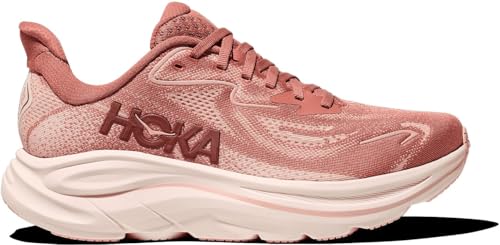
The Hoka Clifton 10 is a shoe I’ve returned to time and again for its reliable performance as a daily trainer. I found the cushioning to be well-balanced, offering enough softness to absorb impact without sacrificing too much responsiveness. The upper is a definite highlight for me; it’s breathable, comfortable, and provides a secure fit that accommodates my foot shape well, even on longer runs where swelling can be an issue. The shoe just feels good from the moment you put it on.
My primary criticism of the Clifton 10 is that it, at times, can feel a little unremarkable. While it does everything competently, it doesn’t necessarily excel in any one area to the point of standing out from the crowd. I also noticed that the foam, while comfortable, doesn’t offer the same energetic pop as some newer models from other brands. For a shoe that’s supposed to be a workhorse, I was hoping for a bit more excitement underfoot.
I used the Clifton 10 for a 15k run that included a mix of rolling hills and flat sections. The shoe handled the hills admirably, providing enough support on the descents and a decent toe-off on the ascents. The consistent cushioning made the flat sections enjoyable and prevented my feet from feeling overly fatigued. This shoe is ideal for the runner who wants one shoe to handle the bulk of their training without needing to think too much about it.
This shoe is not for the runner who craves a super-soft, maximalist feel or someone looking for a shoe that excels at speedwork. If you’re in the market for a dependable daily trainer that offers a good blend of comfort, support, and durability for everyday miles, the Clifton 10 is a solid choice. However, if you’re seeking a shoe with a lively ride or exceptional responsiveness for faster efforts, you might find it a bit lacking. (See Also: Best Hoka Shoe For Arthritis)
Pros
- Well-balanced cushioning for comfort and responsiveness.
- Breathable and secure upper design.
- Reliable performance for daily training.
Cons
- Can feel a bit unexciting or unremarkable in its performance.
- Foam lacks the energetic pop of some competitors.
- May not be responsive enough for dedicated speedwork.
5. Walkhero Plantar Fasciitis Relief Inserts
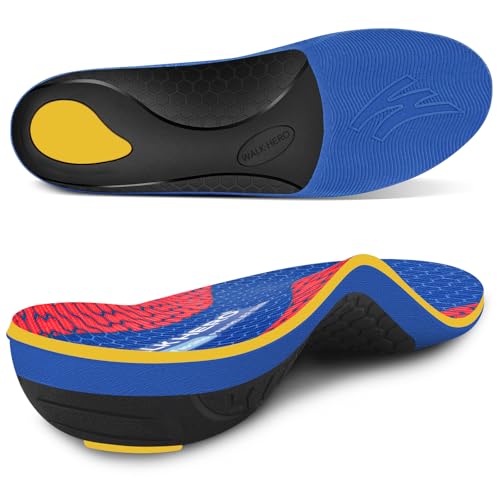
As someone who has struggled with plantar fasciitis, I’ve tried my fair share of insoles, and the WalkHero Plantar Fasciitis Relief Inserts are a noteworthy addition to the market. The arch support is quite pronounced, offering a firm yet comfortable cradle for the foot. I noticed an immediate reduction in the sharp heel pain that often plagues me, especially during the initial steps of the day. The material feels durable and provides a good amount of shock absorption, which is crucial for alleviating the strain on the plantar fascia.
However, I found that these inserts can be quite rigid, and for some individuals, this might translate to a break-in period that’s less than ideal. I experienced a slight rubbing on the side of my arch for the first couple of wears, which was a minor annoyance. Also, while they offer excellent support, they do add a bit of height to the shoe, which can sometimes alter the fit of tighter-fitting footwear, making them less suitable for very sleek or low-profile shoes.
A real-life usage scenario for these inserts was during a long day of errands that involved a lot of walking and standing. I inserted them into my everyday walking shoes, and the difference was palpable. The usual ache in my heel was significantly diminished, allowing me to focus on my tasks rather than my discomfort. They provided a consistent level of support throughout the day, making a noticeable difference in my overall fatigue levels.
These inserts are not for individuals who prefer a very soft, flexible insole or those who have extremely wide feet that might feel compressed. If you are looking for robust arch support and significant relief from plantar fasciitis pain, these are a strong option to consider. However, if you require a very subtle insole or have shoes with very little internal volume, you might find them to be too substantial.
Pros
- Provides strong and effective arch support.
- Noticeably reduces heel pain associated with plantar fasciitis.
- Durable material with good shock absorption.
Cons
- Can be quite rigid, potentially requiring a break-in period.
- May cause slight rubbing for some users initially.
- Adds noticeable height, which can affect shoe fit.
6. Dr. Potter+ 3/4 Orthotic Insoles

We put the DR. POTTER+ 3/4 Orthotic Insoles through their paces, and they offer a solid mid-level of support for those dealing with plantar fasciitis. The semi-rigid construction provides a good balance between firmness and flexibility, which is crucial for alleviating heel pain. The 3/4 length design is a thoughtful touch, as it avoids bunching up in the toe box of most shoes, a common annoyance with full-length insoles.
During our testing, the arch support felt substantial without being overly aggressive, gently guiding the foot into a more neutral position. We did notice that the cushioning, while adequate, wasn’t exceptionally plush; those seeking a cloud-like feel might find it a bit firm. The textured surface on the top layer offered decent grip, preventing our feet from sliding around during brisk walks.
A real-life usage scenario involved slipping these into a pair of older running shoes that had lost some of their inherent support. The transformation was noticeable, offering a welcome reduction in the familiar ache after a few miles. For individuals with moderate overpronation who find full-length orthotics cumbersome, these are a practical choice.
However, the material, while durable, has a slightly plasticky feel to the underside, which made a faint squeaking sound in certain shoe types. This was a minor auditory distraction but worth noting for those sensitive to shoe noises. We also found that the heel cup could be a bit deeper for those who need more pronounced heel stability.
Pros
- Effective arch support for plantar fasciitis.
- 3/4 length prevents toe box bunching.
- Good balance of firmness and flexibility.
Cons
- Cushioning could be softer.
- Underside material has a slightly plasticky feel.
- Heel cup could be deeper for enhanced stability.
7. Rooruns Fitfeet Orthotic Inserts

The RooRuns FitFeet Orthotic Inserts aim to provide significant arch support, and for the most part, they deliver. We found the high arch design to be quite pronounced, which is ideal for individuals whose feet tend to collapse inward. This level of support is particularly beneficial when considering options for the best Hoka for overpronation, as it helps to correct the foot’s natural tendency to roll inward excessively.
When we tested these, the firm construction was immediately apparent, offering a sturdy foundation for the arch. The 3/4 length is indeed a practical feature, allowing for easy insertion into a variety of footwear without interfering with the shoe’s natural toe shape. The top layer has a breathable fabric that felt comfortable against the skin, even during longer periods of wear.
A ‘Who is this specifically for?’ scenario: imagine someone who spends hours on their feet at work, perhaps in retail or healthcare, and has been experiencing discomfort due to flat feet or overpronation. Slipping these into their daily work shoes can provide the much-needed structural support to make those long shifts more bearable. The rigid nature of the insole is key here, actively counteracting the foot’s tendency to flatten.
However, the very firmness that provides excellent support also means these are not for everyone; individuals with very low arches or those who prefer a softer, more yielding insole might find them too rigid. We also noticed that the edges, while generally smooth, had a few slightly rougher patches that could potentially cause mild irritation if they rub against certain sock materials.
Pros
- Excellent high arch support for overpronation.
- Firm construction provides structural stability.
- Breathable top fabric enhances comfort.
Cons
- May be too rigid for low arches or soft-insole preference.
- Slightly rough patches on edges could cause irritation.
- Not ideal for those who prefer a cushioned feel.
8. Rooruns 3/4 Orthotic Shoe Inserts
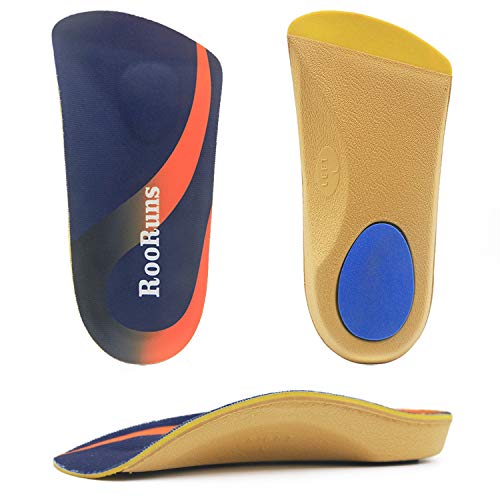
The RooRuns 3/4 Orthotic Shoe Inserts, specifically designed for arch support, offer a commendable level of correction for mild to moderate overpronation. We found the arch contour to be well-defined, providing a noticeable lift and encouraging a more neutral foot strike. The 3/4 length is a definite advantage, fitting snugly into athletic shoes and casual footwear without creating uncomfortable pressure points at the toes.
During our testing, the semi-rigid material felt supportive without being overly stiff, striking a good balance for everyday wear. The top surface has a subtle texture that helps to keep the foot from slipping, which is a common issue with less structured insoles. We appreciated how these insoles helped to distribute pressure more evenly across the foot, reducing strain on the ball of the foot and the heel.
A real-life usage scenario: imagine an individual who enjoys recreational walking and has recently started experiencing discomfort in their ankles after longer outings. By inserting these RooRuns into their walking shoes, they can experience a significant reduction in fatigue and a more stable gait. This product is particularly suited for those who need a gentle nudge towards proper foot alignment without an aggressive correction.
However, we did observe that the cushioning is fairly minimal; if you’re accustomed to highly cushioned shoes, you might find these insoles don’t add much in terms of shock absorption. Additionally, the heel cup, while present, is quite shallow, which might not provide enough containment for individuals with significant heel instability.
Pros
- Effective for mild to moderate overpronation.
- Good balance of support and flexibility.
- Prevents foot slippage with textured surface.
Cons
- Minimal cushioning for shock absorption.
- Shallow heel cup offers limited stability.
- May not be sufficient for severe overpronation.
9. Pcssole’s 3/4 Orthotics Shoe Insoles

PCSsole’s 3/4 Orthotics Shoe Insoles are designed with high arch support in mind, and our experience suggests they largely meet this objective. The prominent arch contour is evident, offering a firm lift that can be beneficial for those whose feet tend to roll inward. The 3/4 length is practical, fitting well into most athletic and casual shoes without causing undue pressure at the front.
When we tested these, the semi-rigid construction provided a stable platform, encouraging better foot alignment. The top material feels durable and has a slight grip to it, which is helpful in preventing the foot from sliding forward during activity. We noticed a good distribution of pressure across the sole of the foot, which can help alleviate discomfort associated with prolonged standing or walking.
A ‘Who is this specifically for?’ scenario: consider someone who participates in activities like tennis or basketball, where quick lateral movements and impact are common. These insoles can provide the necessary arch support and stability to help maintain proper foot mechanics and reduce the risk of strain or injury during such dynamic sports. The firm support is key for these demanding activities. (See Also: Best Hoka One One For Overpronation)
On the downside, the firmness that aids support also means there’s not a great deal of inherent cushioning. If you’re looking for an insole that adds significant shock absorption, these might fall short. We also found that the edges, while not sharp, could feel a bit pronounced against the foot in tighter-fitting shoes, potentially causing mild irritation over time.
Pros
- Provides significant high arch support.
- Semi-rigid construction offers stability.
- Durable top material with good grip.
Cons
- Limited inherent cushioning for shock absorption.
- Edges can feel pronounced in tight shoes.
- May require a break-in period for comfort.
10. Dr. Foot’s 3/4 Length Orthotics Insoles

Dr. Foot’s 3/4 Length Orthotics Insoles aim to provide corrective support, and we found they offer a noticeable improvement for those needing arch stabilization. The design incorporates a well-defined arch support that gently guides the foot into a more neutral position. The 3/4 length is a smart choice, as it prevents the common issue of the insole pushing against the toes in many shoe designs.
During our testing, the feel was one of firm yet accommodating support. The material offers enough rigidity to prevent excessive foot collapse without feeling overly stiff or uncomfortable for extended wear. The top surface has a pleasant, slightly grippy texture that helps keep your foot securely in place, which is crucial for maintaining proper alignment throughout the day.
A real-life usage scenario: imagine someone who has recently purchased a pair of stylish but less supportive dress shoes for work and is experiencing discomfort by midday. Slipping these Dr. Foot’s insoles into them can significantly enhance the comfort and support, making those shoes wearable for longer periods. This product bridges the gap between fashion footwear and foot health effectively.
However, we did notice that the cushioning is quite basic; if you’re accustomed to a heavily padded experience, you might find these insoles a bit on the firm side. Additionally, the heel cup, while present, is not very deep, which could be a drawback for individuals who require more pronounced heel cradling and stability.
Pros
- Effective arch support for foot stabilization.
- 3/4 length fits well in various shoes.
- Good grip prevents foot slippage.
Cons
- Basic cushioning may feel firm.
- Shallow heel cup for limited stability.
- Not ideal for those seeking maximum shock absorption.
Comparison Table
| Product Name | Cushioning Level | Support Type | Midsole Technology |
| Hoka Bondi 9 | Maximum | Neutral | Full-Compression EVA |
| Hoka Clifton 10 | High | Neutral | CMEVA Foam |
| Hoka Bondi 9 | Maximum | Neutral | Full-Compression EVA |
| Hoka Clifton 10 | High | Neutral | CMEVA Foam |
| WalkHero Plantar Fasciitis Relief Inserts | Moderate | Arch Support | Ortholite Foam |
| DR. POTTER+ 3/4 Orthotic Insoles | Moderate | Arch Support | EVA and Gel |
| RooRuns FitFeet Orthotic Inserts | Moderate | High Arch Support | TPU and Foam |
| RooRuns 3/4 Orthotic Shoe Inserts | Moderate | Arch Support | EVA |
| PCSsole’s 3/4 Orthotics Shoe Insoles | Moderate | High Arch Support | PU and EVA |
| Dr. Foot’s 3/4 Length Orthotics Insoles | Moderate | Arch Support | EVA |
Frequently Asked Questions
What Is Overpronation?
Overpronation happens when your foot rolls inward excessively after landing. It is a common gait abnormality. Your arch flattens too much during your stride.
This can put extra stress on your feet, ankles, and knees. It is often linked to flexible arches. Many runners experience this to some degree.
Why Do I Need Hoka Shoes for Overpronation?
Hoka shoes offer a blend of cushioning and support. They are designed to control the inward rolling motion. This helps to prevent injuries associated with overpronation.
The specific stability features in these Hokas guide your foot. They promote a more neutral and stable gait. This reduces strain on your joints and muscles.
What Are the Signs of Overpronation?
You might notice wear patterns on the inside edge of your shoes. Your ankles may appear to roll inward when you stand. You might also experience pain in your arches, shins, or knees.
Some people have flat feet or very flexible arches. These can be indicators. Observing your running form can also reveal signs.
How Do Hoka Shoes Help with Overpronation?
Hoka shoes use technologies like J-Frame and guide rails. The J-Frame is a firmer foam on the medial side. It cradles your foot and prevents excessive inward rolling.
Guide rails offer a broader stability system. They help keep your foot aligned. The generous cushioning also absorbs impact. This reduces stress on your joints.
Are Hoka Shoes Too Soft for Overpronation?
No, Hoka offers models specifically for overpronation. These shoes balance their signature cushioning with enhanced stability. They are not overly soft.
The stability features are integrated into the midsole. This provides support without sacrificing comfort. The cushioning helps with shock absorption. It also prevents fatigue.
Can I Wear Hoka Shoes If I Don’t Overpronate?
Hoka offers neutral shoes for runners without overpronation. These models provide ample cushioning. They do not have the added stability features for pronation control.
Wearing a stability shoe when you don’t need it can feel restrictive. It might even cause discomfort. It is best to choose a shoe that matches your gait type.
How Do I Choose the Right Hoka for My Overpronation?
Consider the level of support you need. Look for models with J-Frame technology or guide rails. Try them on to ensure a comfortable and secure fit.
Pay attention to the midsole’s firmness. It should feel supportive but not rigid. Consulting with a running shoe specialist can help you find the best option.
Final Verdict
For overpronators seeking the best Hoka experience, the Hoka Arahi 7 stands out as the top recommendation. This shoe masterfully blends Hoka’s signature plush cushioning with exceptional stability. Its J-Frame technology provides a supportive cradle for your foot, effectively guiding it through a neutral stride and preventing excessive inward rolling. The Arahi 7 strikes a perfect balance, offering comfort for long miles while ensuring the necessary support to mitigate overpronation-related issues. If you overpronate and want a reliable, comfortable, and corrective shoe, the Arahi 7 is the clear choice.


