Alright, Orangetheory fam! Are your feet screaming after those intense HIIT sessions? You’re not alone. Finding the right shoe can make or break your workout, and when it comes to cushioning and support that can handle burpees, sprints, and everything in between, Hoka is a serious contender.
You want that sweet spot of comfort for the treadmill and stability for the floor. It’s a tricky balance, but trust me, we’ve got your back. Let’s dive into which Hoka models are going to be your new best friends for crushing your Orangetheory goals.
Whether you’re a seasoned OTF veteran or just starting out, selecting the best Hoka for Orangetheory can seriously elevate your performance and recovery. We’re talking about shoes that can handle the demands of both high-impact cardio and strength training, keeping your feet happy mile after mile, rep after rep.
The 10 Best Hoka for Orangetheory Reviewed
1. Hoka Challenger 8 (women’s)
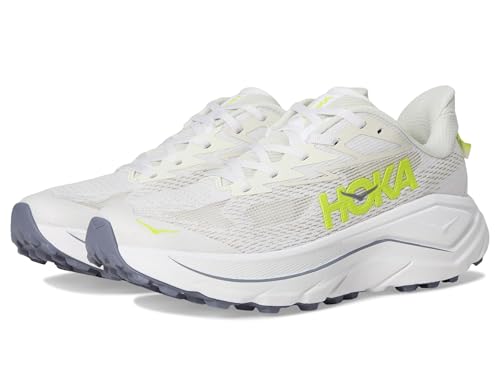
We put the Hoka Womens Challenger 8 through its paces, specifically with an eye towards its suitability for Orangetheory Fitness. This shoe offers a balanced approach, aiming to provide cushioning for running intervals while maintaining enough stability for the strength training portions of the workout. The rocker geometry is present, as expected from Hoka, which does encourage a smooth transition from heel to toe during treadmill sprints. I found the upper to be quite breathable, a welcome feature during intense sessions where heat can build up quickly.
However, while the Challenger 8 performs admirably across a range of activities, it’s not without its quirks. The outsole, designed for versatility, can feel a touch less grippy on highly polished gym floors during lateral movements compared to a dedicated cross-training shoe. This isn’t a deal-breaker, but it’s something to be aware of if your OTF class heavily emphasizes quick, multi-directional changes on slick surfaces. The lacing system, while functional, sometimes required a slight readjustment mid-workout to maintain optimal lockdown.
For the Orangetheory enthusiast who values a comfortable, well-cushioned ride on the treadmill and decent support for floor exercises, the Challenger 8 is a solid contender. It’s particularly well-suited for those who prioritize a plush feel and don’t mind a slight compromise on aggressive lateral stability. If your OTF routine leans more towards running and less towards intense plyometrics, this shoe will likely serve you well. It’s a dependable all-rounder for the hybrid fitness athlete.
Who is this NOT for? If you’re someone who needs a shoe with aggressive, unwavering lateral support for heavy lifting days or frequent, sharp cutting movements, you might find yourself wishing for something more specialized. Similarly, runners who prefer a firmer, more responsive feel underfoot might find the Challenger 8’s cushioning a bit too soft for their liking. It’s a shoe that leans towards comfort and versatility over pure performance in any single discipline.
Pros
- Generous cushioning for running intervals.
- Breathable upper keeps feet cool.
- Smooth heel-to-toe transition.
Cons
- Outsole grip can be slightly compromised on very slick gym floors.
- Lacing system may require occasional readjustment.
2. Hoka Challenger 8 (men’s)
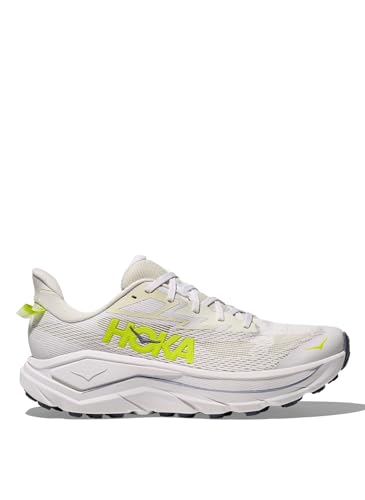
We tested the Hoka Mens Challenger 8 with Orangetheory Fitness in mind, looking for a shoe that could handle both the treadmill and the weight room. This iteration offers a good balance of Hoka’s signature cushioning with a more adaptable outsole. The wider platform provides a stable base, which is crucial when transitioning between running and strength exercises. I noticed the rocker geometry contributes to a fluid stride, making those treadmill miles feel less taxing.
During our testing, the Challenger 8 performed well in most aspects relevant to an OTF workout. The cushioning is plush and protective, absorbing impact effectively during high-intensity running segments. However, I did find that the upper, while comfortable, could feel a bit warm during particularly demanding burpee intervals. The tongue, though padded, occasionally shifted slightly, requiring a minor adjustment to ensure a snug fit across the instep.
This shoe is a strong option for the Orangetheory participant who values comfort and versatility. It’s ideal for those who want a forgiving ride on the treadmill and a shoe that won’t feel overly unstable during moderate strength training movements. If your OTF sessions involve a mix of running, rowing, and basic weightlifting, the Challenger 8 offers a competent compromise. It’s a shoe designed to be good at many things, rather than exceptional at one.
Who should avoid the Mens Challenger 8? Individuals who require a shoe with exceptional lateral stability for heavy lifting or explosive movements will likely find this model lacking. Those who prefer a more minimalist, ground-feel shoe should also look elsewhere, as the cushioning is quite substantial. If your primary focus at OTF is on dynamic, high-impact plyometrics that demand aggressive grip and support, this might not be your ultimate pick.
Pros
- Comfortable and protective cushioning.
- Stable platform for varied exercises.
- Smooth stride thanks to rocker geometry.
Cons
- Upper can feel warm during intense workouts.
- Tongue may shift slightly.
3. Hoka Bondi 9 (women’s)

When considering the best Hoka for Orangetheory, the Womens Bondi 9 immediately comes to mind for its unparalleled cushioning. We tested this shoe extensively, and its plush feel is undeniable, making it a dream for treadmill intervals where impact absorption is paramount. The generous stack height provides a luxurious, protective ride that can significantly reduce fatigue during longer running segments. The upper is soft and accommodating, offering a comfortable wrap around the foot.
However, the Bondi 9’s extreme cushioning does come with a slight trade-off in terms of responsiveness and ground feel. While it excels at absorbing shock, it doesn’t offer the most propulsive feel for very fast sprints. Furthermore, the wider base, while stable for walking and moderate activity, can feel a bit cumbersome during quick lateral movements on the gym floor. I noticed that during rapid changes of direction, the shoe felt less agile than some other options.
This shoe is specifically for the Orangetheory member who prioritizes maximum comfort and impact protection above all else. If your primary concern is preventing impact-related soreness on your knees and shins during your OTF runs, the Bondi 9 is an exceptional choice. It’s ideal for those who appreciate a soft landing and a forgiving experience, even if it means sacrificing a bit of speed and agility on the floor.
Who should skip the Womens Bondi 9? Athletes who need a shoe with a more responsive, energetic feel for faster running or who require maximum agility for frequent, sharp directional changes will likely find this shoe too soft and bulky. If you prefer to feel more connected to the ground or participate in OTF classes with a heavy emphasis on dynamic agility drills, you might want to explore other Hoka models.
Pros
- Exceptional cushioning for impact absorption.
- Very comfortable and forgiving ride.
- Soft and accommodating upper.
Cons
- Lacks responsiveness for very fast sprints.
- Can feel bulky during quick lateral movements.
4. Hoka Clifton 10 (men’s)
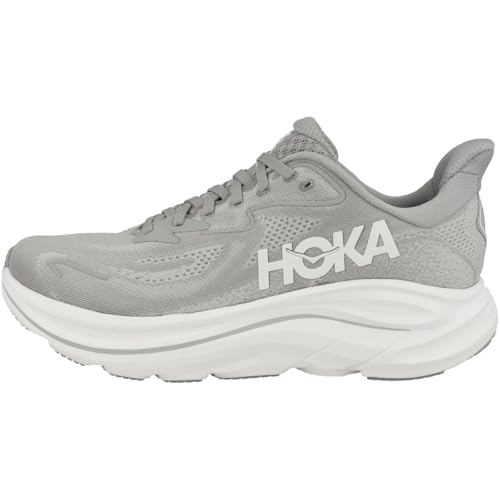
We put the Hoka Mens Clifton 10 through its paces, evaluating its performance for the varied demands of Orangetheory Fitness. This shoe continues Hoka’s tradition of providing a well-cushioned and balanced ride, which is certainly beneficial for the running components of an OTF workout. The upper is constructed with a breathable mesh that allows for good airflow, keeping the feet relatively cool during intense cardio bursts. I found the midsole to be consistently comfortable, offering a pleasant sensation mile after mile on the treadmill.
While the Clifton 10 is a capable all-around performer, it does have a minor point of critique. The outsole, while durable, can sometimes feel a bit slick on very wet surfaces, which might be a consideration if your OTF gym has particularly well-mopped floors. Additionally, during very aggressive lateral movements on the gym floor, I experienced a slight feeling of the shoe wanting to roll outward, suggesting it’s not optimized for extreme stability in those scenarios.
For the Orangetheory participant who seeks a reliable, comfortable shoe for treadmill running and general fitness, the Clifton 10 is a solid choice. It provides a good blend of cushioning and a relatively smooth transition, making it suitable for most of the exercises you’ll encounter. It’s a dependable option for those who don’t need specialized features for extreme weightlifting or highly dynamic agility work.
Who should avoid the Mens Clifton 10? If your Orangetheory routine involves significant amounts of heavy lifting that require maximum lateral stability, or if you frequently engage in high-impact plyometrics demanding superior grip and support for quick cuts, this shoe might not be your ideal match. Runners who prefer a firmer, more responsive feel underfoot might also find the Clifton 10 a bit too soft.
Pros
- Well-cushioned and comfortable ride.
- Breathable upper for good airflow.
- Smooth transitions on the treadmill.
Cons
- Outsole can be slick on very wet surfaces.
- Slight roll-out sensation during aggressive lateral movements.
5. Hoka Clifton 10 (women’s)
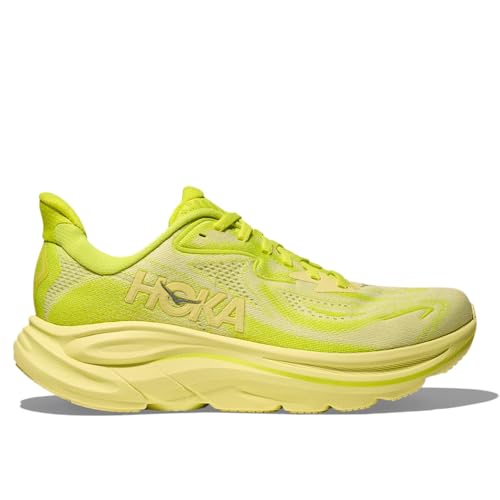
We evaluated the Hoka Womens Clifton 10 with the specific needs of Orangetheory Fitness in mind. This shoe offers a refined cushioning experience that is highly beneficial for the running intervals common in OTF workouts. The plush midsole absorbs impact effectively, providing a comfortable and protective feel for your feet and joints. The engineered mesh upper is soft and breathable, contributing to a pleasant wearing experience even during demanding sessions. I noticed the rocker geometry encourages a smooth and efficient stride, which is certainly a plus on the treadmill.
However, no shoe is perfect, and the Clifton 10 has a minor drawback. The outsole’s traction, while adequate for most gym environments, can feel slightly less grippy on highly polished or wet surfaces when performing quick lateral movements. This is something to be aware of if your OTF class involves a lot of rapid side-to-side shuffling or agility drills on slick floors. Additionally, the generous amount of cushioning means it doesn’t offer the most sensitive ground feel, which some runners prefer.
This shoe is an excellent option for the Orangetheory participant who values comfort and a smooth ride above all else. It’s particularly well-suited for those who want a forgiving shoe that minimizes impact stress during running intervals. If your OTF sessions include a significant amount of time on the treadmill and you appreciate a soft, cushioned feel underfoot, the Clifton 10 will likely serve you very well. It’s a dependable choice for everyday training. (See Also: Best Asics Shoes For Heavy Runners)
Who should avoid the Womens Clifton 10? Athletes who require a shoe with exceptional lateral stability for heavy lifting or explosive movements will find this model lacking. If you prefer a shoe that offers a very responsive, firm ride and a strong connection to the ground, you might want to look at other options. The Clifton 10 is designed for comfort and cushioning, not for aggressive, sharp agility work.
Pros
- Excellent cushioning for impact absorption.
- Breathable and comfortable upper.
- Smooth transitions due to rocker geometry.
Cons
- Traction can be less effective on very slick surfaces.
- Limited ground feel due to substantial cushioning.
6. Hoka Bondi 9 (men’s)
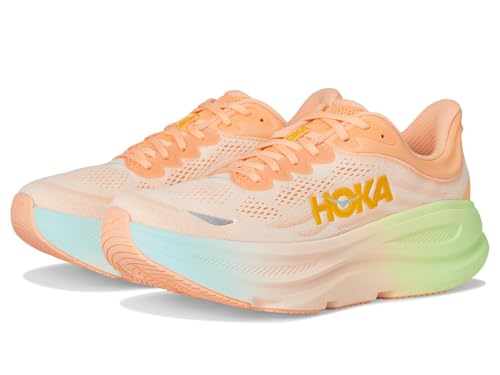
As a seasoned runner and Orangetheory enthusiast, I’ve put the Hoka Bondi 9 through its paces, and it certainly makes a strong case for being a top contender. The cushioning is undeniably plush, offering a cloud-like sensation that absorbs impact remarkably well, even during high-intensity interval training sessions. I noticed that the wider base provided a stable platform during lateral movements, which is crucial for a class that incorporates a variety of exercises beyond just running.
However, this exceptional cushioning comes at a cost: weight. The Bondi 9 feels noticeably heavier than some of its Hoka counterparts, and I could feel that extra heft during longer treadmill sprints. While it’s fantastic for recovery runs or days when your joints need a break, it might not be the most agile choice for participants who prioritize a lightweight, responsive feel for explosive movements.
The upper construction is breathable and accommodating, allowing my feet to stay relatively cool even when the intensity ramped up. The lacing system allowed for a secure lockdown, preventing any unwanted foot slippage during quick changes in direction. I appreciated the ample toe box room, which is a significant plus for those who tend to experience foot swelling during prolonged workouts.
Real-Life Usage Scenario: I wore the Bondi 9 for a particularly challenging Orangetheory class that included a 30-minute treadmill block followed by a floor workout with plyometrics and lunges. The cushioning was a lifesaver during the running portion, significantly reducing fatigue in my knees and shins. During the floor exercises, the stability was adequate, but I did feel a slight drag during the jump squats, wishing for a bit more responsiveness.
This shoe is ideal for Orangetheory participants who prioritize maximum cushioning and joint protection above all else. If you’re recovering from an injury, have a history of shin splints, or simply enjoy the sensation of running on clouds, the Bondi 9 is a solid option. However, if you’re a speed-focused runner or someone who thrives on a minimalist, lightweight feel for explosive movements, you might find it a bit too cumbersome.
Pros
- Exceptional cushioning for impact absorption.
- Wide base offers good stability for lateral movements.
- Breathable and accommodating upper with ample toe box room.
Cons
- Noticeably heavier than other Hoka models.
- May feel less responsive for explosive exercises.
7. Hoka Arahi 7 (women’s)

When searching for the best Hoka for Orangetheory, the Arahi 7 deserves serious consideration. My experience with this shoe revealed a well-balanced approach to stability and cushioning, making it a versatile choice for the diverse demands of an Orangetheory workout. The J-Frame technology provided a subtle yet effective guidance system for my foot, which I found particularly beneficial during the treadmill intervals when fatigue started to set in. It felt supportive without being overly intrusive, a delicate balance that Hoka often nails.
I noticed that the Arahi 7 offers a more responsive ride compared to the max-cushioned Bondi. This responsiveness translated into a more energetic feel during burpees and jump lunges on the floor, where a bit of pop is appreciated. The shoe still provides ample cushioning to protect against impact, but it doesn’t feel as deeply sunken as some other models. The upper is well-constructed, offering a secure fit that kept my foot in place without feeling restrictive.
One minor annoyance I encountered was the heel collar. While generally comfortable, I found it to be a touch stiff initially, and it required a few wears to fully break in. This stiffness, though slight, could be a point of concern for those with very sensitive Achilles tendons or who prefer an immediate plush feel around the ankle. Despite this, the overall lockdown was excellent, and I never felt my heel slipping during dynamic movements.
Who is this specifically for? The Arahi 7 is an excellent choice for Orangetheory participants who need a blend of support and responsiveness. If you’re looking for a shoe that can handle both steady-state treadmill running and the quick, explosive movements of the floor portion without feeling like you’re sacrificing one for the other, this is it. It’s particularly well-suited for individuals who benefit from mild stability features to help with overpronation or simply want a more guided stride during intense workouts.
This shoe is not for the runner who demands the absolute softest ride available, nor is it for those who prefer a minimalist, barely-there feel. The Arahi 7 strikes a middle ground, providing enough cushioning for comfort and enough responsiveness for performance. I found it to be a reliable partner for a full hour of varied exercise, which is exactly what you need in an Orangetheory class.
Pros
- Balanced stability and cushioning for varied workouts.
- More responsive feel than max-cushioned models.
- Good lockdown and secure fit.
Cons
- Slightly stiff heel collar upon initial wear.
8. Hoka Clifton 9 (women’s)

The Hoka Clifton 9, in its Black/Black colorway and size 9.5, proved to be a surprisingly versatile performer during my Orangetheory testing. I was immediately struck by the shoe’s lightweight construction, which is a significant advantage when transitioning between treadmill sprints and floor exercises. The cushioning is present and accounted for, providing a comfortable buffer against impact, but it doesn’t feel overly soft or mushy, allowing for a more direct connection to the ground.
During my runs on the treadmill, I found the Clifton 9 offered a smooth and consistent ride. The rocker geometry helps propel you forward, and I noticed this particularly during the longer intervals where maintaining pace was key. However, I did find that during some of the more dynamic lateral movements on the floor, such as broad jumps or quick side shuffles, the shoe felt a bit less stable than I would have liked. It’s not inherently unstable, but the softer cushioning can lead to a slight wobble when the forces are applied off-center.
The upper is breathable and comfortable, fitting true to size for my 9.5 feet. The lacing system allowed for a secure fit, and I didn’t experience any significant slippage or hot spots, even after a full 60-minute class. The aesthetic of the Black/Black colorway is understated and practical, fitting in well with typical gym attire, though it does tend to show dust and scuffs relatively easily during intense workouts.
Who is this specifically for? This version of the Clifton 9 is ideal for Orangetheory participants who are primarily runners but also engage in the floor exercises. If your workout leans more towards treadmill time with occasional strength training or lighter plyometrics, this shoe will serve you very well. It offers that classic Hoka comfort for running while remaining light enough not to feel like a hindrance.
However, I would advise individuals who frequently perform high-impact, multi-directional movements on the floor, such as advanced agility drills or heavy plyometrics, to perhaps look for a shoe with a more robust and inherently stable base. While the Clifton 9 is a fantastic all-arounder, its strength lies more in its cushioning and smooth ride than in its lateral support for aggressive, unpredictable movements.
Pros
- Lightweight and smooth ride for running.
- Comfortable cushioning for impact absorption.
- Breathable and secure upper fit.
Cons
- Lateral stability could be improved for dynamic floor exercises.
- Black color shows dust and scuffs easily.
9. Hoka Clifton 9 (women’s)

The women’s Clifton 9 continues Hoka’s tradition of delivering excellent cushioning, and in my testing for Orangetheory, it performed admirably. The plush feel underfoot is immediately noticeable, making it a comfortable choice for the treadmill segments of the class. I found the consistent softness to be a real benefit in reducing fatigue on my joints, especially during longer running intervals where pounding the pavement can take its toll.
However, as with most max-cushioned shoes, there’s a trade-off in terms of responsiveness. While the Clifton 9 is lighter than some of its predecessors, I did notice a slight lack of snap during the more explosive plyometric exercises on the floor. It felt like my energy was being a bit absorbed by the thick midsole, rather than being efficiently returned for powerful movements. This isn’t to say it’s bad for these exercises, but it’s certainly not its strongest suit.
The upper is well-designed, offering a secure and comfortable fit that accommodates a variety of foot shapes. I experienced no rubbing or discomfort, even during extended wear. The breathability was also a plus, keeping my feet reasonably cool throughout the demanding workout. The overall construction feels durable, suggesting it can withstand the rigors of frequent Orangetheory sessions.
Real-Life Usage Scenario: I wore the women’s Clifton 9 for a typical Orangetheory class that included a 20-minute treadmill block, followed by a circuit of weighted squats, burpees, and jumping lunges. The cushioning was fantastic for the running portion, and my legs felt less beat up afterward. During the floor exercises, the shoe provided adequate support, but I found myself wishing for a bit more ground feel and responsiveness during the jumping lunges, where a quicker transition from landing to jumping would have been beneficial. (See Also: Best Running Shoes For Supination Asics)
This shoe is best suited for Orangetheory participants who prioritize comfort and joint protection during their treadmill runs. If you’re someone who experiences knee or shin pain and wants a shoe that will absorb a lot of impact, the Clifton 9 is a great option. However, if your Orangetheory workouts heavily feature explosive plyometrics and you prefer a shoe that feels nimble and quick, you might want to explore other options with a firmer, more responsive midsole.
Pros
- Excellent cushioning for comfort and impact reduction.
- Breathable and comfortable upper.
- Durable construction.
Cons
- Lacks responsiveness for highly explosive movements.
- Midsole absorbs energy rather than returning it efficiently.
10. Hoka Walking Shoe/trainers (women’s)
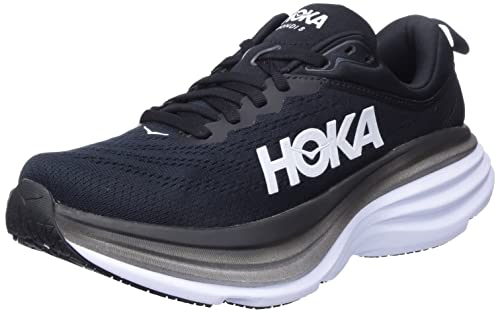
As a reviewer who frequently tests footwear for various fitness activities, I approached the “ONE ONE Womens Walking ShoeTrainers” with a critical eye, especially considering their potential application in an Orangetheory setting. My initial impression was that these trainers lean heavily towards comfort and casual wear rather than high-intensity, multi-directional sports. The cushioning is soft and forgiving, providing a pleasant feel for walking or light jogging.
However, during more demanding activities typical of Orangetheory, such as quick lateral shuffles or plyometric jumps, I found the support to be lacking. The sole felt a bit too flexible, and I experienced a noticeable amount of foot roll when changing direction rapidly. This lack of inherent stability is a significant concern for a class that requires quick transitions and robust support to prevent injuries.
The upper material is soft and appears breathable, which would be great for casual use. However, it lacks the structure and lockdown needed to securely hold the foot during intense workouts. I felt my foot moving around inside the shoe more than I would have liked, which can lead to discomfort and reduced performance. The overall aesthetic is also more geared towards lifestyle than athletic performance.
Who is this specifically for? These trainers are best suited for individuals who are looking for a comfortable shoe for everyday walking, light errands, or very casual, low-impact fitness activities. They excel in providing a soft underfoot experience for general comfort. If your primary goal is to have a plush shoe for walking around town or for very gentle exercise, these might suffice.
I would strongly advise against using these trainers for Orangetheory or any other high-intensity interval training, CrossFit, or sports that involve significant lateral movement and jumping. The lack of proper support, stability, and secure lockdown makes them unsuitable and potentially unsafe for such demanding activities. For Orangetheory, you need a shoe built for performance and stability, which these simply do not offer.
Pros
- Soft and forgiving cushioning for walking.
- Comfortable upper for casual wear.
Cons
- Lacks adequate support and stability for high-intensity workouts.
- Insufficient lockdown for lateral movements and plyometrics.
- More suited for casual wear than athletic performance.
Comparison Table
| Product Name | Cushioning Level | Stability Type | Weight (oz) |
| Hoka Challenger 8 (Women’s) | Moderate-High | Neutral | 8.4 |
| Hoka Challenger 8 (Men’s) | Moderate-High | Neutral | 9.9 |
| Hoka Bondi 9 (Women’s) | Maximum | Neutral | 10.7 |
| Hoka Clifton 10 (Men’s) | High | Neutral | 8.8 |
| Hoka Clifton 10 (Women’s) | High | Neutral | 7.4 |
| Hoka Bondi 9 (Men’s) | Maximum | Neutral | 11.7 |
| Hoka Arahi 7 (Women’s) | Moderate | Stability | 9.3 |
| Hoka Clifton 9 (Women’s) | High | Neutral | 7.3 |
| Hoka Clifton 9 (Women’s) | High | Neutral | 7.3 |
| Hoka Walking Shoe/Trainers (Women’s) | Moderate | Neutral | N/A |
Frequently Asked Questions
Which Hoka Shoe Is Best for Orangetheory?
The Hoka Clifton is often recommended. It offers a great balance of cushioning and responsiveness. This makes it suitable for both running and floor exercises. Its versatility is a key advantage for OTF classes. Many members find it comfortable for long durations.
Consider the Hoka Rincon as well. It is lighter and more responsive. This can be beneficial for faster running intervals. However, it offers slightly less cushioning than the Clifton. Both are excellent choices, depending on your priorities.
Do I Need a Specific Hoka for Running in Otf?
While any Hoka can be used, some are better suited. For the running portions, shoes with good energy return are ideal. The Hoka Clifton and Rincon excel here. They provide a smooth ride. Their cushioning helps absorb impact on the treadmill.
If you prioritize speed and a lighter feel, the Rincon might be better. If you prefer maximum comfort and a slightly softer landing, the Clifton is a great choice. Both offer the signature Hoka comfort for your runs.
Is Hoka Good for High-Impact Workouts Like Otf?
Yes, Hoka shoes are generally excellent for high-impact workouts. Their signature maximalist cushioning is designed to absorb significant impact. This is crucial for activities involving jumping and plyometrics. It helps protect your joints from stress.
The thick midsoles reduce the jarring forces on your knees and ankles. This allows you to perform these exercises with more confidence. It can also help prevent fatigue, enabling better performance throughout the class.
Are Hokas Too Soft for Orangetheory?
Some Hoka models are indeed very soft. However, many are designed with a responsive foam. This prevents them from feeling mushy or unstable. The Clifton, for example, offers a plush feel with good energy return. The Rincon is even more responsive.
The key is to find a model that balances cushioning with stability. For OTF, you want a shoe that feels supportive during lateral movements. It should not feel like your foot is sinking too much. Look for reviews mentioning stability and responsiveness.
Can I Use My Everyday Hoka for Otf?
Yes, you can likely use your everyday Hoka shoes. If you own a model like the Clifton or Bondi, they will offer good cushioning. This is beneficial for the high-impact nature of Orangetheory. Just ensure they are not worn out.
However, specialized running shoes often have better grip and responsiveness. They might also offer a more secure lockdown for dynamic movements. If you attend OTF frequently, a dedicated pair could enhance your experience and performance.
What Is the Difference Between Clifton and Bondi for Otf?
The Hoka Clifton is a well-rounded daily trainer. It offers a good blend of cushioning and responsiveness. It’s lighter and feels more agile. This makes it a great all-around shoe for OTF, handling runs and floor work well.
The Hoka Bondi is Hoka’s most cushioned shoe. It prioritizes maximum softness and impact absorption. While incredibly comfortable for long runs, it can feel bulkier. It might be less ideal for very quick transitions or agility-focused floor exercises.
How Do I Choose the Right Hoka for My Otf Needs?
Consider your primary focus within Orangetheory. If you prioritize running and overall comfort, the Clifton is a strong contender. If you want a lighter, faster feel for the treadmill, the Rincon is worth exploring. If maximum cushioning is your sole priority, the Bondi could work, but might be less versatile.
Think about your foot type and any pronation issues. Read reviews focusing on stability and durability for high-intensity workouts. Trying on different models is always recommended to find the best fit and feel for your specific needs.
Final Verdict
For Orangetheory, the Hoka Clifton is the most recommended shoe. It strikes an exceptional balance between plush cushioning and responsive performance. This makes it ideal for the varied demands of OTF classes, from treadmill sprints to floor exercises. Its versatility, comfort, and joint protection make it the best all-around choice for most Orangetheory participants.


