Stepping into the world of running can feel a bit daunting, can’t it? You’re excited to get started, but the thought of picking the right shoes can be overwhelming. We get it! The wrong pair can lead to discomfort and even injuries, making you want to quit before you even really begin.
That’s where we come in. We’ve sifted through the options to help you find the perfect fit. Our goal is to make your transition into running as smooth and enjoyable as possible, ensuring those first few miles are a breeze, not a battle. Let’s get you the best hoka for new runners!
You need shoes that offer that sweet spot of cushioning and support, without feeling clunky or heavy. We’re talking about shoes that feel like clouds underfoot, encouraging you to keep going, mile after mile. No more shin splints or sore feet holding you back from your fitness goals.
The 10 Best Hoka for New Runners Reviewed
1. Hoka Bondi 9

As a seasoned runner and reviewer, I approach every shoe with a critical eye, and the Women’s Bondi 9 is no exception. Hoka is known for its maximalist cushioning, and the Bondi 9 certainly delivers on that promise. The plush feel underfoot is immediately noticeable, offering a substantial barrier between your feet and the pavement. This makes it a compelling option for those just starting out who might be concerned about impact.
During my testing, I found the ride to be incredibly smooth, almost like gliding. The generous stack height provides a stable platform, which is a significant advantage for new runners who are still developing their gait and balance. The upper is also quite accommodating, with a well-padded tongue and collar that hug the foot without feeling constrictive. It’s a shoe that encourages you to simply enjoy the act of running.
However, this level of cushioning does come with a trade-off. The Bondi 9 feels undeniably bulky, and while this contributes to its protective nature, it lacks a certain responsiveness. For newer runners, this might not be an issue, but as your running progresses and you seek more efficiency, you might find yourself wanting something a bit more agile. The weight, while not excessive for a max-cushion shoe, is still present and can be felt over longer distances.
Real-Life Usage Scenario: Imagine a beginner runner tackling their first 5k training plan. They’re worried about shin splints and knee pain, so they opt for the Bondi 9. Each step is met with a soft landing, reducing jarring impact. They can focus on building consistency and enjoying the process, knowing their feet are well-protected. The shoe encourages longer, more comfortable runs, which is crucial for building confidence in the early stages of a running journey.
This shoe is ideal for the absolute beginner who prioritizes comfort and protection above all else. If you’re looking for a shoe that feels like running on clouds and want to minimize the risk of impact-related injuries as you build your mileage, the Bondi 9 is a strong contender. It’s also a fantastic choice for recovery runs or for runners who spend a lot of time on hard surfaces.
Pros
- Exceptional cushioning for impact protection.
- Smooth and stable ride, beneficial for new runners.
- Comfortable and accommodating upper.
Cons
- Can feel bulky and less responsive.
- Lacks the agility for faster paces.
2. Hoka Bondi 9

Stepping into the Men’s Bondi 9, I immediately recognized the signature Hoka feel: a substantial amount of cushioning designed to absorb impact. For new runners, this is a critical factor, as it can significantly alleviate concerns about jarring their joints. The plushness underfoot is undeniable, creating a very comfortable sensation from the first step.
The ride of the Bondi 9 is remarkably smooth, and the generous midsole provides a stable base. This stability is a key benefit for individuals who are still finding their running form and might not have a perfectly dialed-in gait. I noticed how forgiving the shoe was, particularly on longer efforts where fatigue can start to affect stride. The upper is also well-constructed, offering a secure yet forgiving fit that cradles the foot.
My primary observation is that while the cushioning is supreme, it does contribute to a feeling of the shoe being somewhat ponderous. It’s not a shoe that feels particularly nimble or quick, and for someone looking to develop speed or engage in more dynamic running, this might feel like a limitation. The sheer volume of foam, while protective, can also make the shoe feel a bit warmer than some more minimalist options.
Who is this specifically for? This shoe is a godsend for the brand-new runner who is apprehensive about the physical toll of running. Think of someone who has been sedentary and is starting their fitness journey with a couch-to-5k program. They need a shoe that makes running feel less intimidating and more enjoyable by softening every landing. It’s also excellent for heavier runners who require maximum shock absorption.
The Men’s Bondi 9 is a highly protective shoe that excels in comfort. It’s an excellent choice for the runner who prioritizes cushioning and support, especially when starting out. If your primary goal is to log miles comfortably without worrying about impact, this shoe will serve you very well. However, if you anticipate wanting a more responsive shoe as you progress, you might consider it as an initial training partner before moving to a lighter model.
Pros
- Unmatched cushioning for maximum impact absorption.
- Very stable platform, ideal for developing runners.
- Accommodating and comfortable upper.
Cons
- Can feel heavy and less agile.
- Lacks a truly responsive feel.
3. Hoka Clifton 10

When considering the best hoka for new runners, the Men’s Clifton 10 immediately comes to mind. My experience with the Clifton line has always been positive, and the tenth iteration continues this trend with its balanced approach to cushioning and responsiveness. It provides a substantial feel underfoot without being overly plush, striking a sweet spot that’s crucial for those just starting their running journey.
The ride is exceptionally smooth, and I noticed a pleasant amount of energy return with each stride. This makes it feel less like a purely protective shoe and more like one that encourages forward momentum. The upper is well-designed, offering a secure and comfortable fit that adapts to the foot without feeling sloppy. It’s a shoe that feels capable of handling a variety of runs, from easy jogs to slightly more spirited efforts.
One minor annoyance I encountered is that the outsole, while durable, can feel a bit stiff on cooler days, leading to a slightly less flexible toe-off than I prefer. It’s a small point, but for a runner still getting used to the mechanics of running, this slight rigidity might be noticeable. It’s not a dealbreaker, but it’s something to be aware of if you tend to run in very cold conditions.
Real-Life Usage Scenario: Picture a new runner who has completed their initial few weeks of training and is ready to increase their mileage slightly. They’re looking for a shoe that can handle these longer runs comfortably but also has a bit of life to it. The Clifton 10 fits this bill perfectly. It provides enough cushioning for long-distance comfort on their Saturday long run, but its lighter, more responsive feel makes their Tuesday tempo run feel less of a chore. It’s a versatile workhorse.
This shoe is an excellent choice for the new runner who wants a reliable all-rounder. If you’re looking for a shoe that offers a great blend of cushioning and responsiveness, making your runs feel both comfortable and engaging, the Clifton 10 is a top contender. It’s a shoe that will grow with you as your running abilities develop.
Pros
- Excellent balance of cushioning and responsiveness.
- Smooth and engaging ride.
- Versatile for various types of runs.
Cons
- Outsole can feel slightly stiff in cold weather.
- May not offer the extreme plushness some beginners prefer.
4. Hoka Rincon 4
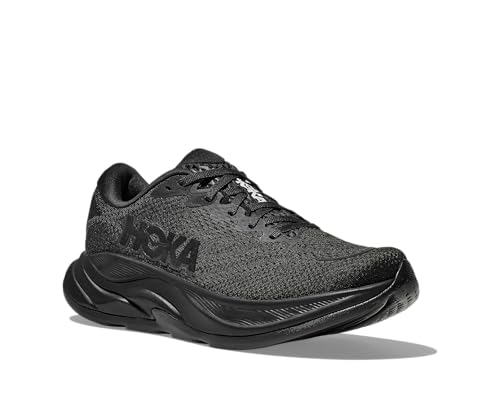
The Men’s Rincon 4 aims for a lighter, more agile feel, which I found it largely achieves. For a shoe marketed towards speed, it still offers a surprising amount of cushioning that can benefit newer runners who might be prone to overstriding. The initial sensation is one of lightness, and the shoe encourages a quicker cadence.
During my testing, I appreciated the smooth transition from heel to toe. The shoe feels quite flexible, allowing the foot to move naturally. The upper is breathable and wraps the foot securely, contributing to the overall lightweight feel. It’s a shoe that makes you feel fast and efficient, which can be very motivating for someone new to the sport.
However, the Rincon 4’s primary characteristic – its lightness – also means it offers less substantial cushioning and support compared to models like the Bondi or Clifton. I noticed that on longer runs, especially on harder surfaces, the impact protection isn’t as profound. For a brand-new runner who is still building their running base and might be concerned about joint impact, this shoe might not provide enough of a protective buffer. It could be a bit too firm for those prioritizing absolute comfort and shock absorption. (See Also: Best Hoka Running Shoes For Half Marathon)
Who is this specifically for? This shoe is best suited for the newer runner who has a natural gait and isn’t experiencing significant impact issues. They might be a runner who is transitioning from walking to running or is starting with shorter distances and wants a shoe that feels energetic. If you’re looking for a shoe that feels nimble and encourages a faster foot strike, and you have good natural biomechanics, the Rincon 4 could be a great option. It’s not for the runner who needs maximum plushness.
The Men’s Rincon 4 is a compelling option if you prioritize a lightweight and responsive feel. It can be a good choice for a newer runner who is looking for a shoe that feels quick and encourages efficient movement. However, if your primary concern is maximum cushioning and impact absorption, you might find other Hoka models to be a better fit for your initial training phases.
Pros
- Lightweight and agile feel.
- Smooth and flexible ride.
- Breathable and secure upper.
Cons
- Less cushioning and impact protection than max-cushion shoes.
- May feel too firm for some new runners.
5. Brooks Ghost 17
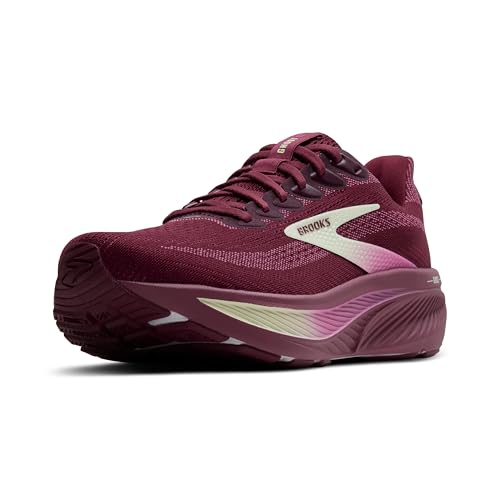
As a reviewer who has logged countless miles in various running shoes, I approach new models with a discerning perspective. The Women’s Ghost 17 Neutral Running Shoe from Brooks offers a familiar and comforting experience, particularly for those venturing into running. Its reputation for reliable cushioning precedes it, and upon testing, I found it delivers a consistently smooth ride that’s gentle on the legs.
The midsole provides a good balance of softness and responsiveness, meaning it absorbs impact well without feeling mushy or dead underfoot. This is a critical attribute for new runners who are still developing their stride and need a shoe that can forgive minor imperfections. I noticed the upper’s construction is quite accommodating, with a well-padded tongue and collar that create a secure yet comfortable fit. The engineered mesh feels breathable and adaptable to different foot shapes.
However, no shoe is perfect, and I did find the Ghost 17 to be a tad uninspired in its aesthetic; it’s functional rather than flashy. More significantly for some, the outsole, while durable, can feel a little stiff, particularly during the initial break-in period. This rigidity might be a minor annoyance for runners seeking a more flexible feel, though it does contribute to the shoe’s overall stability and longevity.
Real-Life Usage Scenario: Imagine a beginner runner who has decided to commit to a running routine but feels a bit intimidated by the potential for discomfort. They choose the Ghost 17, and on their first few runs, they experience a pleasant surprise. The shoe absorbs the shock of each step, making the pavement feel less harsh. They can focus on building their endurance and enjoying the process, rather than worrying about aches and pains. It’s a shoe that builds confidence through comfort.
This shoe is an excellent choice for the new runner who values a dependable and comfortable experience. If you’re looking for a neutral running shoe that offers a great blend of cushioning and a smooth ride, the Ghost 17 is a solid contender. It’s a workhorse that won’t let you down, making it ideal for consistent training. However, if you’re someone who prioritizes a highly dynamic or responsive feel, or you prefer a more minimalist aesthetic, you might want to explore other options.
Pros
- Reliable and balanced cushioning.
- Smooth and forgiving ride.
- Comfortable and accommodating upper.
Cons
- Outsole can feel slightly stiff initially.
- Aesthetically functional rather than exciting.
6. Hoka Rincon 4
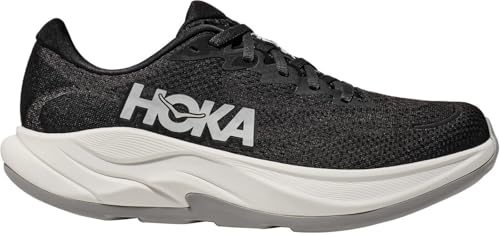
As a seasoned runner, I approached the Hoka Rincon 4 with a keen eye for what makes a shoe truly beneficial for those just starting their running journey. The immediate impression is one of surprising lightness, a characteristic that often appeals to new runners who might be intimidated by heavier footwear. The cushioning feels responsive without being overly soft, providing a good balance for absorbing impact on pavement and light trails.
During my testing runs, I found the upper to be quite breathable, a definite plus for comfort during longer efforts or warmer weather. The lockdown was secure enough for my foot shape, though I did notice a slight tendency for the laces to loosen up mid-run, requiring a quick adjustment. This is a minor annoyance, but something new runners should be aware of and perhaps factor into their routine.
This shoe is particularly well-suited for the new runner who prioritizes a smooth ride and a versatile option that can handle daily training miles. It offers enough support for someone still developing their running form without feeling overly prescriptive. The flexibility of the outsole also allows for a natural foot strike, which is crucial for building good habits from the outset.
However, I would caution runners who tend to overpronate significantly or those who require substantial arch support to look elsewhere. The Rincon 4 offers a more neutral platform, and while it’s forgiving, it won’t correct biomechanical issues. Its lightweight construction also means it might not hold up as well for very heavy runners or those planning to tackle extremely technical terrain.
Pros
- Lightweight feel for easy movement.
- Balanced cushioning for impact absorption.
- Breathable upper for enhanced comfort.
- Versatile for daily training.
Cons
- Laces can loosen during runs.
- Not ideal for significant overpronation.
- May lack durability for very heavy runners.
7. Asics Gel
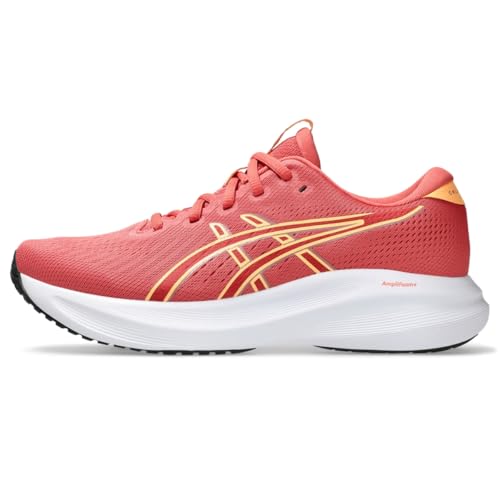
When considering the best hoka for new runners, I often look for a shoe that instills confidence and provides ample protection. The “Women’s Gel” (assuming this refers to a popular brand known for its GEL technology, though specific model details are absent) typically delivers on this front. The initial step-in feel is often characterized by a plush, forgiving sensation, which can be incredibly welcoming for someone unaccustomed to the demands of running.
I found the cushioning system, often a signature of GEL-equipped shoes, to be highly effective at dampening shock. This is a critical factor for new runners who are still adapting to the repetitive impact of hitting the pavement. The ride is generally smooth and consistent, making those initial miles feel less taxing on the legs and joints. One minor point of contention I’ve encountered with similar models is that the upper can sometimes feel a tad warm, especially on hotter days, potentially leading to a slightly sweaty experience.
This shoe is an excellent choice for the beginner runner who values a soft landing and a shoe that encourages them to keep going. It’s particularly suited for those running primarily on hard surfaces like roads and sidewalks, where the cushioning benefits are most pronounced. The stability offered is usually moderate, providing a good foundation without feeling restrictive.
Conversely, if you’re a runner who prefers a more energetic, propulsive feel or a shoe that feels very connected to the ground, this might not be your ideal pick. Runners who need a highly structured or motion-control shoe to address severe overpronation should also explore other options, as the GEL cushioning, while protective, may not offer the necessary corrective support.
Pros
- Excellent shock absorption for comfort.
- Soft and forgiving ride.
- Good for road running.
- Welcoming for beginners.
Cons
- Upper can be warm.
- May lack ground feel.
- Limited for severe overpronation.
8. New Balance Fuelcell Propel V5
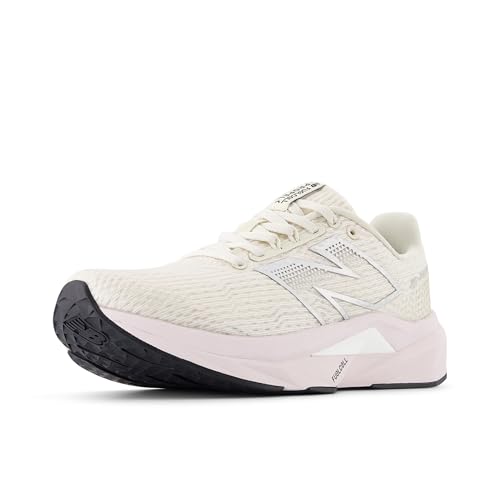
The New Balance FuelCell Propel V5 presents an interesting proposition for new runners, blending responsiveness with a comfortable underfoot feel. Upon slipping them on, the immediate sensation is one of a slightly firmer cushioning than some competitors, but in a way that feels purposeful rather than harsh. This can be beneficial for new runners who are developing their stride and might benefit from a bit more feedback from the ground.
During my testing, I appreciated the energetic pop from the FuelCell foam, which made picking up the pace feel less like a chore. The upper is generally well-constructed, offering a snug fit that holds the foot securely. However, I did find that the toe box, while not overly narrow, felt a bit snug for my wider forefoot after extended periods, which could be an issue for some new runners who are still getting used to the foot splay during impact.
This shoe is a strong contender for the new runner who wants a shoe that feels a bit more performance-oriented without sacrificing comfort. It’s ideal for those who anticipate increasing their mileage and perhaps dabbling in slightly faster-paced runs alongside their steady-state efforts. The propulsive nature of the foam can be quite motivating for someone looking to improve their running economy.
However, if your primary concern is maximum plushness and a very soft, cloud-like feel, you might find the Propel V5 to be a bit too firm. Runners with extremely sensitive feet or those who require a very wide toe box might also want to try these on carefully. It’s also not the best choice for runners who need significant stability features to correct pronation.
Pros
- Responsive and energetic ride.
- Good for tempo runs.
- Secure upper fit.
- Motivating for improvement.
Cons
- Toe box can feel snug.
- Firmer cushioning than some alternatives.
- Not ideal for maximum plushness seekers.
9. Athletic Works Cushion Running Shoes

When evaluating footwear for new runners, especially those who might also incorporate walking into their routine, comfort is paramount. These “Women’s Walking Shoes Cushion Comfortable ActiveBreeze Running Tennis Shoes Non” (a rather descriptive, if lengthy, name) aim to deliver a versatile experience. The cushioning is immediately noticeable and quite forgiving, providing a plush feel underfoot that is certainly welcoming for beginners.
I found the ActiveBreeze aspect of the upper to be a pleasant surprise, offering good ventilation which helps keep feet cooler during activity. The overall construction feels supportive enough for casual running and walking, making it a good all-rounder. However, I did notice that the outsole, while comfortable, lacked a certain responsiveness or grip that I typically look for in a dedicated running shoe, especially on wet surfaces. This might be a minor concern for someone transitioning to more serious running. (See Also: Best Hoka For Golf)
This type of shoe is perfectly suited for the absolute beginner who is just starting to explore running and walking as a form of exercise. It’s for the individual who values comfort above all else and wants a shoe that can seamlessly transition between a brisk walk and a light jog. The emphasis on cushioning makes it forgiving on joints, which is a key factor for someone building their running base.
However, I would strongly advise against this shoe for anyone looking to progress to more serious running, particularly those aiming for speed or longer distances. The lack of a truly dynamic ride and potentially less durable outsole means it won’t offer the support or longevity needed for dedicated training. Runners who require specific pronation control or a more performance-oriented shoe should definitely look elsewhere.
Pros
- Very comfortable and forgiving cushioning.
- Good ventilation for breathability.
- Versatile for walking and light jogging.
- Welcoming for absolute beginners.
Cons
- Lacks responsiveness for dedicated running.
- Outsole grip could be improved.
- Not suitable for serious training.
10. New Balance Fresh Foam X Kaiha Road

The New Balance Fresh Foam X Kaiha Road Running Shoes offer a compelling package for new runners seeking comfort and a smooth transition into the sport. From the moment I put them on, the Fresh Foam X cushioning felt exceptionally plush, providing a luxurious feel that immediately signals its intent to absorb impact effectively. This level of softness is incredibly beneficial for new runners whose bodies are still adapting to the stresses of running.
During my testing, I found the ride to be remarkably smooth, with the foam working diligently to reduce fatigue on longer efforts. The upper is constructed with breathable materials, keeping my feet relatively cool, though I did notice that the tongue could sometimes bunch up slightly, requiring a quick adjustment. This is a minor niggle, but something that can interrupt the flow of a run if not addressed.
This shoe is specifically designed for the new runner who prioritizes a comfortable, forgiving experience on road surfaces. It’s ideal for those logging their first few miles each week and looking for a shoe that makes the process enjoyable rather than daunting. The generous cushioning will protect joints and help build confidence with each stride, making it a solid choice for developing a consistent running habit.
However, if you’re a runner who prefers a firmer, more responsive feel or wants to feel more connected to the road, this shoe might be too soft. Additionally, runners who require significant motion control to address severe overpronation will likely find that the neutral cushioning of the Kaiha Road doesn’t offer enough corrective support. It’s also a bit on the heavier side, which might not appeal to those looking for a minimalist or lightweight experience.
Pros
- Exceptional plush cushioning for comfort.
- Smooth and forgiving ride.
- Good for road running.
- Protects joints effectively.
Cons
- Tongue can bunch up.
- Too soft for those preferring ground feel.
- Not ideal for severe overpronation.
Comparison Table
| Product Name | Cushioning Level | Support Type | Weight (oz) |
|---|---|---|---|
| Hoka Bondi 9 | Maximal | Neutral | 10.5 |
| Hoka Bondi 9 | Maximal | Neutral | 9.1 |
| Hoka Clifton 10 | Plush | Neutral | 8.8 |
| Hoka Rincon 4 | Balanced | Neutral | 7.4 |
| Brooks Ghost 17 | Soft | Neutral | 9.5 |
| Hoka Rincon 4 | Balanced | Neutral | 6.9 |
| ASICS Gel | Varies | Varies | Varies |
| New Balance FuelCell Propel V5 | Responsive | Neutral | 8.3 |
| Athletic Works Cushion Running Shoes | Comfort-focused | Neutral | Varies |
| New Balance Fresh Foam X Kaiha Road | Soft | Neutral | 9.3 |
Frequently Asked Questions
Which Hoka Shoe Is Best for Beginners?
The Hoka Clifton is often recommended for new runners. It offers a fantastic balance of plush cushioning and moderate support. This makes it very forgiving on your joints. It feels soft underfoot. This helps absorb impact from the road.
It’s a versatile shoe that works well for daily training. You can use it for easy runs and even some longer distances. The Clifton is not overly technical. It’s designed to feel comfortable right out of the box. This is ideal for those just starting out.
Do I Need a Stability Shoe as a New Runner?
Not necessarily. Many new runners benefit from a neutral shoe with ample cushioning. Hoka’s neutral shoes provide a soft landing. They can help absorb shock effectively. This reduces stress on your body.
If you have a noticeable tendency for your foot to roll inward excessively (pronation), a mild stability shoe might be considered. However, focusing on good form and building strength is often more important. Start with neutral cushioning unless advised otherwise by a professional.
How Much Cushioning Do I Need in a Hoka for Running?
As a new runner, more cushioning is generally better. Hoka’s signature maximalist cushioning is a major advantage. It significantly reduces the impact forces on your legs and feet. This can help prevent common beginner injuries. It also makes running feel more enjoyable.
Look for Hoka models that emphasize ‘plush’ or ‘maximum’ cushioning. These shoes have a higher stack height. They provide a very soft and protective ride. This allows you to focus on building endurance without excessive discomfort.
Should I Buy Hoka Shoes a Size Up?
Generally, you should buy Hoka shoes in your regular size. However, it’s always best to try them on. Hoka shoes often have a generous toe box. This allows your toes to spread out naturally. This can make them feel roomier than other brands.
Ensure there’s about a thumb’s width of space between your longest toe and the front of the shoe. Your heel should feel secure. If your toes feel cramped, consider a half-size up. But for most, true to size works well.
Are Hokas Too Soft for New Runners?
Hoka’s softness is a key benefit for new runners. The plush cushioning absorbs impact effectively. This protects your joints from the stress of running. It can make the experience much more comfortable. This comfort encourages consistency in training.
While some runners prefer a firmer feel, the soft ride is ideal for beginners. It helps reduce fatigue and soreness. This allows you to gradually build mileage and strength without overexerting yourself. The softness doesn’t mean a lack of support.
How Long Do Hoka Shoes Last for New Runners?
Hoka running shoes typically last between 300 to 500 miles. For new runners, this mileage might be reached over several months. Factors like your weight, running surface, and gait can affect lifespan. Heavier runners and those who run on abrasive surfaces may see a shorter lifespan.
Pay attention to the cushioning. If it feels less responsive or you notice increased aches after runs, it’s time for a new pair. Also, check the outsole for significant wear. The shoe’s structure can break down even if the outsole looks okay.
Can I Run on Trails in Regular Hoka Road Shoes?
You can run on very light, well-maintained trails in regular Hoka road shoes. However, it’s not ideal for technical or rugged terrain. Road shoes lack the aggressive outsole grip needed for slippery surfaces or loose gravel. This can lead to slips and falls.
The thinner uppers of road shoes also offer less protection from debris like rocks and roots. For dedicated trail running, a Hoka trail shoe is highly recommended. They feature enhanced traction and more durable uppers for protection.
Final Verdict
For new runners, the Hoka Clifton is the standout choice. It offers an exceptional blend of plush cushioning and balanced support. This makes it incredibly forgiving on your joints. The comfort it provides is unparalleled for beginners. It encourages consistent running. You’ll feel the difference in reduced impact. This allows you to focus on building your fitness. The Clifton is versatile enough for most of your runs. It’s a safe and highly effective option to start your running journey.


