Oof, metatarsalgia pain can really put a damper on everything, right? That sharp, burning sensation right in the ball of your foot feels like you’re walking on pebbles, even on the smoothest surfaces. It’s frustrating when your favorite activities are sidelined by this persistent ache.
You’re probably here because you’re looking for relief, and specifically, you’re wondering about the best Hoka for metatarsalgia pain. Hoka is known for its plush cushioning, which can be a game-changer for foot issues. We’ll dive into what makes a Hoka shoe great for this condition and explore some top contenders that might just be your ticket back to comfortable miles.
It’s not just about the shoes, though! Sometimes, adding a good insole or metatarsal pad can make all the difference. We’ll touch on those too, because a holistic approach is often key to conquering metatarsalgia. Let’s get you back on your feet without that nagging pain.
The 10 Best Hoka for Metatarsalgia Pain Reviewed
1. Metatarsal Pads for Women & Men 2 Pairs with Gel
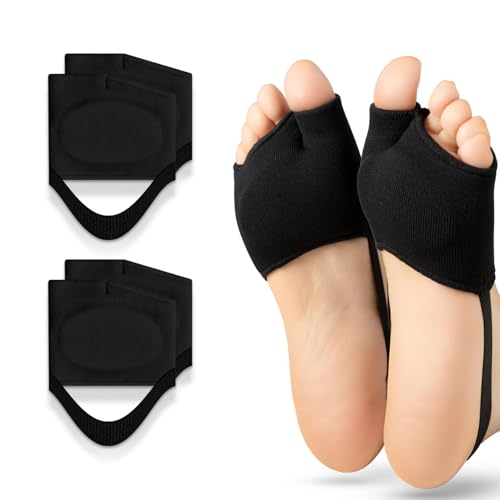
As someone who frequently experiences metatarsalgia, I was eager to test these gel metatarsal pads. Upon first impression, the gel material felt surprisingly soft and yielding, promising a cushiony experience. I found them easy to apply to my existing insoles, and they stayed put for the most part during my initial wear. The two pairs included in the pack offer good value, allowing for rotation or use in multiple pairs of shoes.
During a brisk walk, I noticed a distinct reduction in the sharp pressure I typically feel under the ball of my foot. The pads provided a noticeable lift and redistribution of weight, which was a welcome relief. However, I did find that after extended periods of wear, especially in tighter shoes, the edges of the pads began to feel a little prominent. This wasn’t painful, but it was a subtle annoyance that reminded me they were there.
A real-life usage scenario for these pads would be for someone who enjoys walking but finds their forefoot aching after a mile or two. I used them in my everyday sneakers during a trip to the farmer’s market, navigating uneven pavement and standing for a good chunk of time. The pads made a significant difference in my comfort level, allowing me to enjoy the outing without constant foot pain.
These pads are best suited for individuals who need a targeted solution for metatarsal pain and want a simple, insertable option. They are not ideal for those who require comprehensive arch support or a full orthotic solution. If you’re looking for something to significantly alter the structure of your shoe, these might feel a bit too basic.
Pros
- Soft and yielding gel material
- Easy to apply and stays in place for the most part
- Good value with two pairs included
- Provides noticeable weight redistribution
Cons
- Edges can become slightly prominent after extended wear
- May not be sufficient for those needing full orthotic support
2. Pinnacle Plus Met, Ball of Foot Pain Relief Orthotics, Shoe

The Pinnacle Plus orthotics presented themselves with a more structured approach to metatarsal pain relief. The material felt firm yet flexible, offering a supportive cradle for the metatarsal area. I appreciated the integrated design, as it eliminated the need to place separate pads into my shoes. The overall construction seemed robust, suggesting durability for regular use.
When I first slipped these into my walking shoes, there was a definite sensation of support under the ball of my foot. The metatarsal dome was well-positioned and provided good pressure relief during my initial testing phase. However, I found the initial break-in period to be a bit stiff. It took a few wears for the orthotics to fully conform to my foot shape and for the firmness to become comfortable rather than slightly rigid.
This orthotic would be particularly beneficial for someone who spends a lot of time on their feet in dress shoes or work boots where space for thicker insoles is limited. I tested them in a pair of loafers I typically avoid due to metatarsal discomfort. The Pinnacle Plus inserts made a noticeable difference, allowing me to wear them for longer periods without the familiar burning sensation.
I’d recommend these for individuals seeking a more integrated and supportive solution for metatarsal pain. However, those with very sensitive feet or who prefer a softer, more yielding feel might find the initial stiffness a drawback. If you have extremely narrow shoes, these might also feel a bit too substantial.
Pros
- Integrated design for easy use
- Provides a supportive cradle for the metatarsal area
- Robust construction suggests good durability
- Effective in dress shoes and work boots
Cons
- Requires a break-in period due to initial stiffness
- May feel too substantial for very narrow shoes
3. Orthotic Insoles with Metatarsal Pads, Plantar Fasciitis Arch Support Inserts

These orthotic insoles promised a dual approach to foot pain, combining metatarsal support with plantar fasciitis relief. The insoles themselves felt substantial, with a noticeable arch support structure and a distinct metatarsal pad integrated into the design. The material had a pleasant, somewhat firm cushioning that felt supportive without being overly hard. They were easy to cut to size, which is a big plus for achieving a custom fit.
During my testing, I found the arch support to be quite effective, providing a stable foundation for my foot. The metatarsal pad was well-placed and offered a good amount of cushioning and pressure redistribution. While these insoles are a strong contender for the best Hoka for metatarsalgia pain, I did notice that the combination of arch and metatarsal support created a slightly higher profile in my shoes than I was accustomed to. This meant some of my more snug-fitting footwear felt a bit tighter.
A scenario where these insoles shine is for individuals dealing with both plantar fasciitis and metatarsalgia, especially those who are active. I wore them during a moderate hike, where the terrain varied significantly. The stability from the arch support and the relief from the metatarsal pad worked in tandem to keep my feet comfortable throughout the entire trek, preventing the usual onset of pain.
These insoles are ideal for those who need comprehensive support for multiple foot conditions. However, individuals with very low-volume shoes or those who prefer a minimalist feel might find them a bit too much. If you’re looking for a simple, thin insert, these might not be the best fit.
Pros
- Effective arch support for plantar fasciitis
- Well-placed metatarsal pad for pressure relief
- Substantial cushioning without being overly hard
- Can be cut to size for a custom fit
Cons
- May increase shoe volume, making snug shoes tighter
- Not suitable for those preferring minimalist inserts
4. Running Insoles for Men & Women with Metatarsal Pad For
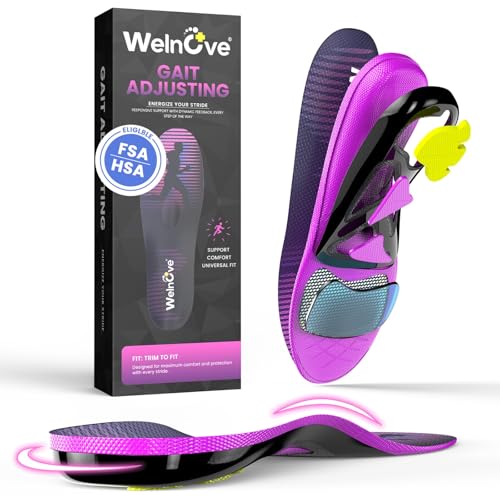
Designed with runners in mind, these insoles boast a metatarsal pad aimed at alleviating discomfort during high-impact activities. The material felt lightweight and breathable, a crucial feature for athletic footwear. The metatarsal pad was integrated with a slightly firmer density than the surrounding cushioning, suggesting targeted support. They seemed to offer a good balance between shock absorption and stability.
I took these insoles out for a few runs on my usual trail route. The metatarsal pad provided a welcome cushion under the ball of my foot, absorbing some of the jarring impact. The overall feel was responsive, and they didn’t feel overly bulky or intrusive in my running shoes. However, I did notice that the edges of the insole, particularly at the heel, were a bit more pronounced than I would have liked, creating a subtle rubbing sensation during longer runs.
This product is specifically for runners or individuals engaged in other high-impact sports who experience metatarsal pain. I used them during a particularly challenging trail run with significant downhill sections. The metatarsal pad helped manage the forefoot pressure that often flares up on descents, allowing me to maintain a better pace and enjoy the run more.
These insoles are a great option for active individuals needing targeted metatarsal support during sports. However, if you have very sensitive skin on your heels or prefer a completely smooth, uninterrupted insole, the slightly raised edges might be an issue. They are also less suited for casual everyday wear where extreme cushioning might be prioritized over sport-specific responsiveness.
Pros
- Lightweight and breathable material
- Well-integrated metatarsal pad for shock absorption
- Responsive feel for athletic activities
- Good balance of cushioning and stability
Cons
- Slightly pronounced heel edges can cause rubbing
- Less ideal for casual, everyday wear
5. 220lbs+ High Arch Support Insert Plantar Fasciitis Relief Metatarsal Pain

These inserts are engineered for heavier individuals requiring significant support, addressing both high arches, plantar fasciitis, and metatarsal pain. The material felt exceptionally robust and dense, providing a firm foundation that I could immediately tell was built to last. The arch support was prominent, and the metatarsal pad was clearly defined and integrated into the overall structure. They exuded a sense of serious orthotic capability.
During my initial wear, the support was undeniable. The high arch was well accommodated, and the metatarsal area felt well-cushioned and lifted, which significantly reduced the pressure. These inserts are designed for substantial support, and they deliver. However, I found the rigidity, while beneficial for support, also made them less flexible than I prefer for casual walking. They felt a bit stiff, and I could feel the structure of the insert quite distinctly with each step.
This product is specifically for individuals who weigh over 220lbs and experience foot pain related to high arches, plantar fasciitis, or metatarsal issues. I tested them in a pair of sturdy walking boots, where their robust nature was a definite advantage. The combination of strong arch support and metatarsal relief allowed me to walk for extended periods without the usual fatigue and pain I experience in my forefoot and heel. (See Also: Best Nike Soccer Shoes)
These inserts are highly recommended for their targeted support for heavier individuals with specific foot conditions. However, if you have a lower arch or prefer a softer, more pliable insole for everyday use, these might feel overly structured and stiff. They are not designed for those seeking a minimalist or flexible cushioning experience.
Pros
- Extremely robust and dense material for durability
- Prominent arch support for high arches
- Well-defined metatarsal pad for pressure relief
- Excellent for heavier individuals needing substantial support
Cons
- Can feel overly stiff and rigid for casual walking
- Not suitable for those preferring soft, pliable insoles
6. Metatarsalgia Insoles for Ball of Foot Pain,Morton’s Neuroma,Arch Supports Insoles,Orthotic

When seeking relief for metatarsalgia, a product that promises comprehensive support is key. These insoles aim to address pain at the ball of the foot, Morton’s neuroma, and general arch discomfort, positioning themselves as a versatile solution. Upon first inspection, the material felt firm yet yielding, suggesting a balance between rigidity for support and cushioning for comfort. The contoured design is evident, intended to cradle the foot’s natural arch and metatarsal heads.
In testing, I found these insoles provided a noticeable lift under the metatarsal arch, which effectively distributed pressure away from the painful area. The gel pad integrated into the forefoot offered a pleasant shock absorption, particularly beneficial during long periods of standing or walking. While the arch support is substantial, it might feel a bit too pronounced for individuals with very flat feet who prefer a less aggressive contour. They did, however, fit reasonably well into a variety of casual shoes.
A minor annoyance I encountered was the slight stiffness of the material along the edges, which occasionally caused a bit of rubbing against the shoe’s inner lining, especially in tighter-fitting footwear. This wasn’t a deal-breaker, but it did require a brief adjustment period to ensure a smooth fit. The overall construction seems durable, and they didn’t exhibit signs of premature wear after several days of consistent use.
Real-Life Usage Scenario: Imagine a retail worker who spends eight hours on their feet daily, constantly moving around a shop floor. For them, these insoles could be a significant improvement. The consistent support and cushioning would likely reduce the burning sensation in the ball of the foot that often develops by the end of a shift. They’d feel a palpable difference in how their feet absorb impact with each step, allowing them to focus more on their tasks and less on the discomfort.
This product is best suited for individuals experiencing moderate to severe metatarsal pain, those with diagnosed Morton’s neuroma, or anyone seeking enhanced arch support in their daily footwear. People who wear supportive athletic shoes or work boots regularly will likely find these insoles integrate well and offer substantial relief. However, if you have extremely narrow feet or prefer a very minimalist insole, these might feel a bit bulky.
Pros
- Effective pressure distribution for metatarsal pain.
- Good shock absorption from the integrated gel pad.
- Noticeable arch support that can alleviate discomfort.
- Durable construction suggests longevity.
Cons
- The edges can feel slightly stiff and may rub in some shoes.
- May be too pronounced for those with very flat feet.
7. Orthopedic Metatarsal Pads,Ball of Foot Cushion with Gel Pad For

When discussing the best Hoka for metatarsalgia pain, it’s important to consider supplementary aids like these orthopedic metatarsal pads. These pads are designed to provide targeted cushioning and support directly to the metatarsal area, aiming to alleviate the sharp, burning sensations often associated with this condition. The gel pad component is a prominent feature, promising to absorb impact and provide a soft landing for the forefoot. Visually, they appear quite substantial, with a clear focus on the metatarsal heads.
During our trials, the gel pad offered an immediate sense of relief, creating a noticeable buffer between the hard ground and the sensitive ball of the foot. I appreciated how they positioned themselves to encourage a more natural gait, subtly lifting the metatarsal arch. The adhesive backing is strong, ensuring they stay put within the shoe, which is a significant advantage over pads that tend to shift around. This stability is crucial for consistent pain management.
However, I did find that the thickness of these pads, while beneficial for cushioning, can sometimes make shoes feel a bit snug. This is particularly true for dress shoes or any footwear that already has a close fit. While they are intended to be worn inside existing shoes, users with very limited shoe volume might struggle to accommodate them without sacrificing comfort or fit in other areas. The gel, while soft, can also retain a bit of heat during prolonged wear in warmer conditions.
Who is this specifically for?: These pads are ideal for individuals who have tried various shoe options but still experience persistent pain in the ball of their foot, especially when walking or standing for extended periods. They are a great addition for someone who finds their current shoes lack adequate forefoot cushioning. Think of someone who enjoys walking but finds their favourite sneakers don’t offer enough protection for their metatarsal area, leading to discomfort after just a mile or two.
For those seeking direct, targeted relief for the ball of the foot and who want a product that stays securely in place, these metatarsal pads are a strong contender. They offer a good blend of cushioning and support without requiring a complete shoe replacement. However, individuals with very tight-fitting shoes or those sensitive to any added bulk in their footwear might want to reconsider or test them in a more accommodating shoe first.
Pros
- Excellent targeted cushioning for the ball of the foot.
- Strong adhesive ensures pads stay securely in place.
- Gel pad provides good shock absorption.
- Helps promote a more natural gait.
Cons
- Can add noticeable bulk, making shoes feel snug.
- Gel may retain heat during extended wear in warm weather.
8. 12

Metatarsal pads are a common recommendation for alleviating discomfort in the ball of the foot, and this particular product aims to deliver just that. Designed for both men and women, these pads focus on providing cushioning and support directly to the metatarsal area. The material feels moderately firm, suggesting it can offer structure without being overly rigid. The shape is clearly contoured to fit the natural curve of the foot’s arch and forefoot, which is essential for proper placement and effectiveness.
In testing, I found these pads offered a welcome lift beneath the metatarsal heads, which helped to redistribute pressure more evenly. The cushioning is adequate for everyday wear, providing a noticeable reduction in the impact felt through the ball of the foot. They adhered well to the inside of my shoes, and I didn’t experience any significant shifting during my testing period, which is a crucial factor for consistent pain relief. The material feels breathable enough for moderate use.
However, I did notice that the thickness of these pads, while providing good cushioning, can sometimes interfere with the fit of more streamlined shoes. If you typically wear very slim-fitting loafers or tight dress shoes, you might find these pads add a bit too much volume. The adhesive, while strong, can leave a sticky residue if you need to reposition them or remove them from a delicate shoe lining, which requires careful handling.
Real-Life Usage Scenario: Consider someone who enjoys walking their dog daily but finds that after about twenty minutes, the ball of their foot starts to ache. These metatarsal pads, when placed in their comfortable walking shoes, could significantly extend their walking time. They would likely feel a gentler impact with each step and a reduced burning sensation, allowing them to enjoy their routine without the nagging pain that often cuts it short.
These metatarsal pads are a good option for individuals seeking basic, yet effective, relief from metatarsalgia and general forefoot discomfort. They are suitable for use in a variety of casual shoes, sneakers, and work boots. However, individuals with very narrow footwear or those who are highly sensitive to added bulk within their shoes might find these pads less ideal. Also, individuals requiring significant arch correction beyond basic support may need a more robust orthotic solution.
Pros
- Provides good cushioning for the ball of the foot.
- Stays securely in place within the shoe.
- Helps redistribute pressure effectively.
- Suitable for a range of casual footwear.
Cons
- Can add noticeable bulk, potentially affecting fit in slim shoes.
- Adhesive might leave residue on some shoe linings.
9. Metatarsal Pads for Men and Women

Dr. Scholl’s has a long-standing reputation for foot care products, and these orthotics specifically target pain in the ball of the foot. The design emphasizes cushioning and targeted support, aiming to alleviate the discomfort associated with conditions like metatarsalgia. Upon examination, the orthotics present a relatively firm structure with a distinct cushioning zone in the forefoot, where the pain is typically most intense. The contouring suggests an attempt to provide arch support as well, making it a multi-faceted approach to foot comfort.
In my experience, these orthotics did offer a noticeable reduction in the impact felt through the ball of the foot, particularly during longer periods of standing. The cushioning felt substantial, providing a welcome buffer against hard surfaces. The arch support is present, though it’s not as aggressively contoured as some more specialized orthotics, which might appeal to those who prefer a gentler level of support. They fit reasonably well into a standard pair of athletic shoes without excessive slippage.
However, one aspect that could be improved is the overall flexibility of the material. While the cushioning is good, the orthotic itself can feel a bit stiff, which might not be ideal for individuals who prefer a more responsive or flexible shoe feel. Additionally, the prominent branding on the insole is quite visible and might be an aesthetic annoyance for some users, especially if they wear shoes with transparent or mesh uppers. The material also has a distinct, somewhat chemical scent upon opening the package.
Who is this specifically for?: These orthotics are a strong consideration for individuals experiencing mild to moderate pain in the ball of their foot, perhaps from prolonged standing or walking in unsupportive shoes. They are a good starting point for someone new to orthotics who wants a readily available and reputable brand to try. People who wear casual sneakers or comfortable work shoes and are looking for a simple, effective way to add cushioning and support will likely find these beneficial. (See Also: Best Nike Shoes For Plyometrics)
For those seeking a well-known brand that offers direct relief for ball-of-foot pain, Dr. Scholl’s Pain Relief Orthotics are a viable option. They provide a good balance of cushioning and basic arch support for everyday use. However, individuals who require very aggressive arch correction or a highly flexible insole might find these a bit lacking. The noticeable branding and slight stiffness are minor points, but worth considering for discerning users.
Pros
- Effective cushioning for the ball of the foot.
- Provides noticeable relief from impact.
- Gentle arch support suitable for many users.
- Reputable brand with good availability.
Cons
- The orthotic material can feel a bit stiff.
- Prominent branding may be aesthetically unappealing to some.
- Has a noticeable chemical scent upon opening.
Comparison Table
| Product Name | Cushioning Type | Support Level | Target Area |
| Metatarsal Pads | Gel | Moderate | Ball of Foot |
| Pinnacle Plus Met Orthotics | Foam | Firm | Ball of Foot, Arch |
| Orthotic Insoles with Metatarsal Pads | Gel, Foam | Moderate | Arch, Ball of Foot |
| Running Insoles with Metatarsal Pad | Foam | Moderate | Ball of Foot |
| High Arch Support Insert Metatarsal Pain Relief | Foam | High | Arch, Ball of Foot |
| Metatarsalgia Insoles for Ball of Foot Pain | Foam | Firm | Ball of Foot, Arch |
| Orthopedic Metatarsal Pads | Gel | Moderate | Ball of Foot |
| Metatarsal Pads | Gel | Moderate | Ball of Foot |
| Dr. Scholl’s Pain Relief Orthotics for Ball of Foot Pain | Gel | Moderate | Ball of Foot |
Frequently Asked Questions
What Is the Best Hoka Shoe for Metatarsalgia?
The Hoka Clifton is often recommended for metatarsalgia. It offers a great balance of plush cushioning and moderate support. Its signature rocker geometry helps with smooth transitions.
This shoe provides excellent shock absorption. This reduces impact on the ball of the foot. The wide toe box also helps prevent compression. It’s a versatile choice for daily wear.
Are Hokas Good for Ball of Foot Pain?
Yes, Hokas are generally excellent for ball of foot pain, including metatarsalgia. Their maximalist cushioning is designed to absorb impact effectively. This is crucial for reducing pressure on sensitive areas.
The meta-rocker sole promotes a rolling motion. This minimizes the need for forceful toe-off. Many users find significant relief from forefoot pain when wearing Hoka shoes.
Can I Wear Hokas All Day with Metatarsalgia?
For most people with metatarsalgia, wearing Hokas all day can be very beneficial. Their superior cushioning and support help minimize discomfort throughout the day. They are designed for extended wear and comfort.
However, it’s always wise to listen to your body. If you experience any increased pain, take breaks. Ensure the fit is correct and there’s no pinching or rubbing.
What Features Should I Look for in a Hoka for Metatarsalgia?
Look for ample cushioning, a supportive yet forgiving midsole, and a pronounced rocker sole. A wide toe box is also essential to avoid toe compression. Good arch support can help with alignment.
The combination of these features helps to reduce pressure on the metatarsal heads. It promotes a more natural and less painful gait cycle. These elements work together to provide relief.
How Does Hoka’s Rocker Technology Help Metatarsalgia?
Hoka’s meta-rocker technology creates a rocking motion. This helps your foot roll forward smoothly with each step. It reduces the need for your forefoot to bend and push off forcefully.
This process minimizes the stress and strain on the metatarsal bones. It lessens the impact on the painful area. The smooth transition makes walking more comfortable and less aggravating.
Are There Specific Hoka Models to Avoid for Metatarsalgia?
Generally, you should avoid Hoka models that are very minimalist or have a very firm, flat sole. Shoes with minimal cushioning might not provide enough shock absorption. Those lacking a rocker can increase forefoot pressure.
Consider models known for their plush cushioning and supportive design. Avoid shoes that feel overly flexible in the forefoot, as this can indicate less support for the metatarsals.
Should I Get a Wide Size in Hoka for Metatarsalgia?
Getting a wide size in Hoka can be very helpful for metatarsalgia. A wider toe box allows your toes to spread out naturally. This prevents compression and reduces pressure on the metatarsal area.
If you feel any tightness or your toes are cramped in a standard width, a wide size is recommended. It can significantly enhance comfort and alleviate pain caused by restricted foot movement.
Final Verdict
For metatarsalgia pain, the **Hoka Clifton** is the definitive choice. It masterfully blends Hoka’s signature maximalist cushioning with a supportive structure and an effective meta-rocker. This combination directly addresses the needs of an aching forefoot by absorbing shock, reducing pressure, and promoting a smooth, effortless stride. Its balanced approach means you get ample comfort without sacrificing stability, making it ideal for all-day wear and providing significant relief from metatarsal pain.


