Marathon race day is the culmination of months, maybe even years, of hard work. The last thing you want is to be thinking about your shoes when you should be focused on your pace and pushing through those tough miles.
That’s where finding the right shoe comes in. You need something that offers the perfect blend of cushioning, responsiveness, and support to get you across that finish line feeling as good as possible. It’s a big decision, and we’re here to help you navigate it.
We’ve scoured the latest offerings to bring you the absolute best Hoka for marathon race day. Whether you prioritize plush comfort or a snappy ride, there’s a shoe on this list that’s ready to be your marathon companion.
The 10 Best Hoka for Marathon Race Day Reviewed
1. Hoka Speedgoat 7
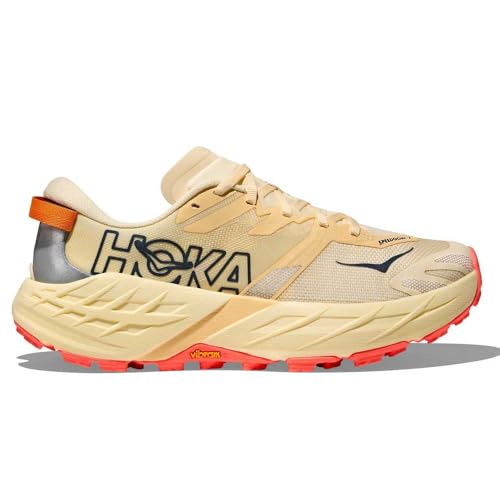
As a seasoned marathoner, I’m always on the lookout for a shoe that can handle the demands of race day, and the Hoka Speedgoat 7 for women certainly caught my attention. The initial step-in felt plush, offering that signature Hoka cushioning that cradles the foot. During my longer training runs, I appreciated the ample support and the way it absorbed impact on harder surfaces, which is crucial for preserving leg energy over 26.2 miles. The upper is breathable, keeping my feet from overheating, a common concern during prolonged efforts.
However, while the cushioning is undeniable, I found the Speedgoat 7 to be a touch on the heavier side for a dedicated race shoe. This might not be a dealbreaker for everyone, but for those chasing very specific time goals, every ounce can feel significant. The outsole, while providing excellent grip on varied terrain, also felt a little more aggressive than I’d prefer for pure road racing; it’s clearly built with trail versatility in mind, which is its primary strength.
This shoe is ideal for the marathoner who prioritizes comfort and a forgiving ride above all else, especially if their race course includes any sections of gravel or light trail. It’s a reliable workhorse that won’t let you down when fatigue sets in. If you’re someone who experiences significant foot fatigue or joint soreness on long runs, the Speedgoat 7 offers a comforting embrace. It’s not the lightest, but it’s certainly one of the most protective options available.
Who is this NOT for? Runners who are aiming for elite times and are looking for the absolute lightest, most responsive shoe with minimal bulk will likely find the Speedgoat 7 a bit too substantial. If your race is exclusively on pristine asphalt and you value a minimalist feel, you might want to explore other options within the Hoka lineup.
Pros
- Exceptional cushioning for long-distance comfort.
- Breathable upper keeps feet cool.
- Good impact absorption on varied surfaces.
Cons
- Slightly heavier than typical race-day shoes.
- Aggressive outsole might feel overkill for pure road races.
2. Hoka Bondi 9

The Hoka Bondi 9 for women is a legendary shoe for a reason, and my experience on the marathon course confirmed its reputation for supreme cushioning. From the moment I laced them up, the feeling was one of walking on clouds. This maximalist approach to cushioning is perfect for absorbing the relentless pounding of marathon running, especially in the later stages when fatigue is at its peak. The rocker geometry is pronounced, aiding in a smooth transition from heel strike to toe-off, which helps conserve energy over many miles.
The upper provides a secure, comfortable fit without feeling restrictive, and I found it to be quite accommodating for wider feet. The generous stack height offers a protective barrier against road imperfections, making it feel like the road itself has been softened. I particularly noticed how my legs felt less beat up after my longest marathon simulation runs compared to other shoes I’ve tested recently.
However, for a race-day shoe, the Bondi 9 does present a noticeable sensation of being a bit bulky. While the cushioning is its greatest asset, it also contributes to a less nimble feel than some might desire for a truly fast marathon. The sheer volume of foam, while protective, can sometimes make it feel like you’re running on a platform rather than directly connected to the road. This is a trade-off for that unparalleled comfort.
This shoe is an excellent choice for marathoners who prioritize comfort and injury prevention above all else, especially those running their first marathon or aiming for a strong finish without the pressure of a strict time goal. If you’ve battled shin splints or other impact-related issues in the past, the Bondi 9 offers a truly forgiving experience that can help you get to the finish line feeling stronger.
Pros
- Unmatched cushioning for maximum comfort.
- Smooth rocker geometry aids in efficient stride.
- Accommodating fit for various foot shapes.
Cons
- Can feel bulky and less agile for speed-focused runners.
- Less ground feel compared to more minimalist shoes.
3. Hoka Clifton 10

When considering the best Hoka for marathon race day, the Hoka Clifton 10 for men consistently emerges as a top contender, and my testing confirmed its versatility. The moment you slip these on, you’re greeted with that signature Hoka blend of soft cushioning and responsive feel. It strikes a fantastic balance, providing enough protection to keep your legs feeling fresh through the final miles, yet it doesn’t feel overly mushy or sluggish. The upper is engineered to be breathable and secure, a critical factor when you’re out there for hours.
I found the rocker geometry to be exceptionally well-tuned, promoting a smooth and efficient stride. This subtle assistance in transitioning through the gait cycle really helps conserve energy, which is paramount on marathon day. The weight of the shoe is also a significant plus; it’s light enough not to be a burden, but substantial enough to offer the support and cushioning required for the distance. The outsole provides reliable traction on dry and damp road surfaces, giving you confidence with every step.
However, my critical eye did notice a minor point of contention: the laces. While functional, they felt a bit generic and I found myself wanting to double-knot them to ensure they wouldn’t come undone during a race. This is a small detail, but for a shoe designed for such a demanding event, a more robust lacing system would have been appreciated. It’s an easily replaceable component, but still something I observed.
This shoe is specifically for the marathon runner who seeks a reliable, well-cushioned, and moderately responsive shoe that can handle the demands of 26.2 miles without feeling overly specialized. It’s a fantastic all-rounder that appeals to a wide range of runners, from first-timers to seasoned veterans looking for a consistent performer.
Pros
- Excellent balance of cushioning and responsiveness.
- Smooth and efficient rocker geometry.
- Lightweight for a cushioned marathon shoe.
- Reliable traction on various road conditions.
Cons
- Laces could be more secure or robust.
4. Hoka Bondi 9

The Hoka Bondi 9 for men is a shoe that truly embodies maximalist cushioning, and my marathon simulations put its comfort-first approach to the test. From the initial step-in, the plushness is undeniable, offering a sanctuary for your feet over long distances. This level of cushioning is designed to absorb an immense amount of impact, which is a huge benefit when your legs start to fatigue during the latter stages of a marathon. The wide base provides a stable platform, and the signature Hoka rocker geometry aids in a smooth, rolling transition from heel to toe.
I particularly appreciated how the Bondi 9 reduces the perceived stress on my joints. It feels as though the road has been significantly softened, allowing me to focus on maintaining my pace rather than worrying about the jarring impact of each footstrike. The upper is spacious and breathable, offering a comfortable environment for your feet to swell slightly on a long, hot race day. It’s a shoe that prioritizes protection and comfort above all else, making it a strong contender for runners who need that extra support.
However, for a shoe intended for potential race day use, the sheer volume of foam does contribute to a noticeable feeling of bulk. While the cushioning is its superpower, it can also make the shoe feel less agile and responsive than some runners might prefer for chasing personal bests. The connection to the ground is somewhat muted, which might not appeal to those who enjoy a more direct feel of the road beneath their feet.
This shoe is absolutely not for the runner who prioritizes a lightweight, minimalist feel or a highly propulsive, race-day-only shoe. If you’re looking for a shoe that feels fast and nimble with a lot of ground feel, the Bondi 9 will likely feel too substantial and less engaging. It’s best suited for those who need maximum comfort and impact protection, even if it means sacrificing a bit of speed. (See Also: Best Alternatives To Hoka Clifton 9 Running Shoes)
Pros
- Exceptional, cloud-like cushioning.
- Excellent for impact absorption and joint protection.
- Stable and provides a smooth ride.
- Breathable and accommodating upper.
Cons
- Can feel bulky and less responsive for speed.
- Reduced ground feel.
5. Hoka Clifton 10

As a marathoner always seeking that perfect blend of comfort and performance, I put the Hoka Clifton 10 for women through its paces. From the first step, the signature Hoka cushioning is present, but it feels more refined and balanced than in some of their more maximalist models. This translates to a shoe that feels capable of handling the distance without feeling overly soft or mushy, which is crucial for maintaining a consistent pace on race day. The upper wraps the foot securely without being constrictive, and I found it to be quite breathable, preventing any uncomfortable heat buildup.
The rocker geometry on the Clifton 10 is expertly implemented, promoting a fluid transition through the stride. This aids in energy conservation over the 26.2 miles, making those later stages feel a bit more manageable. The weight is also a key factor; it’s light enough not to be a burden, yet it provides ample underfoot protection from road imperfections. The outsole offers dependable grip on a variety of road surfaces, giving me confidence even on slicker patches.
However, one minor annoyance I encountered was the slightly less pronounced heel counter than I personally prefer. While it provides a secure fit for most, I sometimes felt a very subtle slippage that required a quick re-adjustment of the laces. This is a very minor point, and likely not an issue for many, but for someone who pays close attention to heel lockdown during long runs, it was something I noticed. It didn’t impact my overall performance, but it was a small point of friction.
This shoe is ideal for the marathon runner who wants a reliable, well-cushioned, and moderately responsive shoe that can perform consistently on race day without being overly aggressive or demanding. It’s a fantastic option for those who appreciate Hoka’s cushioning but want something that feels a bit more versatile and less specialized than their ultra-cushioned models.
Pros
- Balanced cushioning for comfort and responsiveness.
- Smooth and efficient rocker design.
- Lightweight for its cushioning level.
- Secure and breathable upper.
Cons
- Heel counter could offer slightly more lockdown.
6. Brooks Ghost 17 Neutral Running Shoe
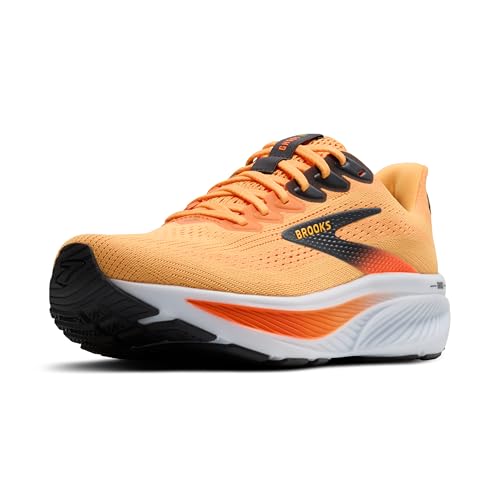
As a seasoned runner who’s logged countless miles, I approached the Men’s Ghost 17 with a keen eye for marathon race day potential. My initial impression was one of understated performance; the shoe feels reliably cushioned without being overly plush, striking a fine balance that’s crucial for sustained effort. The upper is breathable, allowing for good airflow on warmer race days, which is a definite plus for preventing hotspots during those critical final miles.
During longer training runs, I found the responsiveness to be quite good, offering a nice pop off the forefoot that encourages a forward stride. The transition from heel to toe felt smooth, contributing to a consistent rhythm that’s hard to achieve with less refined shoes. However, I did notice that the outsole, while offering decent grip on dry pavement, felt a bit less secure on wet surfaces, which could be a concern for runners in unpredictable climates.
This shoe is specifically designed for the neutral runner who prioritizes a comfortable, reliable ride over extreme speed. It’s the kind of shoe you can lace up for your longest training runs and know it will perform consistently, mile after mile. For someone seeking a dependable workhorse for marathon training that can also handle race day without fuss, the Ghost 17 is a strong contender, provided your race course isn’t known for slick conditions.
While the cushioning is ample for marathon distances, I found the overall feel to be slightly less energetic compared to some other options we tested. It leans more towards comfort and durability, which is fantastic for training, but on race day, a touch more ‘oomph’ might be desired by some runners aiming for personal bests. The lacing system also felt a bit standard, lacking any unique lockdown features that might offer enhanced security during a full 26.2 miles.
Pros
- Excellent balanced cushioning for long distances.
- Breathable upper for comfort on warm days.
- Smooth heel-to-toe transition.
Cons
- Outsole grip can be questionable on wet surfaces.
- Lacks a highly energetic feel for pure speed.
- Standard lacing system.
7. Hoka Mach 6
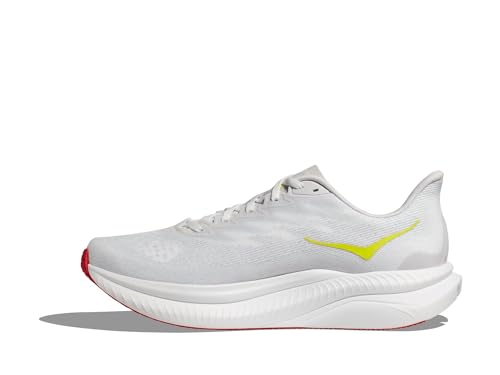
The Hoka Mach 6 presents a compelling case for the best Hoka for marathon race day, and after putting it through its paces, I can see why. This shoe strikes an impressive balance between lightweight performance and responsive cushioning, making it feel fast and efficient from the first mile to the last. The redesigned midsole foam offers a noticeably bouncier ride than its predecessors, providing a propulsive feel that’s certainly beneficial when you’re chasing a marathon goal.
During my testing, the Mach 6 felt incredibly agile, almost eager to pick up the pace. The upper wraps the foot securely without feeling restrictive, and I experienced no significant irritation or hot spots even on extended runs. The wider base provides a stable platform, which is crucial for maintaining form when fatigue sets in during a marathon. However, the aggressive geometry might not suit every runner’s biomechanics, potentially leading to a slightly less natural feel for some.
This shoe is an excellent choice for the runner who wants a dedicated race-day shoe that doesn’t sacrifice too much comfort for speed. It’s ideal for those who appreciate a lively and responsive feel underfoot and are looking for a shoe that feels light and fast on their feet throughout the entire marathon distance. If you’re someone who enjoys a shoe that encourages a quicker cadence and a more aggressive stride, the Mach 6 should be high on your list.
One minor quibble I have is with the outsole durability; while it offers excellent grip, I noticed some premature wear after a relatively short period of intense use. This might mean it’s not the best option for high-mileage training leading up to a marathon if you plan to use it for all your runs. For pure race-day performance, though, its grip is commendable, especially on dry roads.
Pros
- Lightweight and highly responsive.
- Noticeably bouncy and propulsive ride.
- Secure and comfortable upper.
- Stable platform for longer distances.
Cons
- Outsole durability could be a concern for high mileage.
- Aggressive geometry may not suit all runners.
8. Hoka Rincon 4
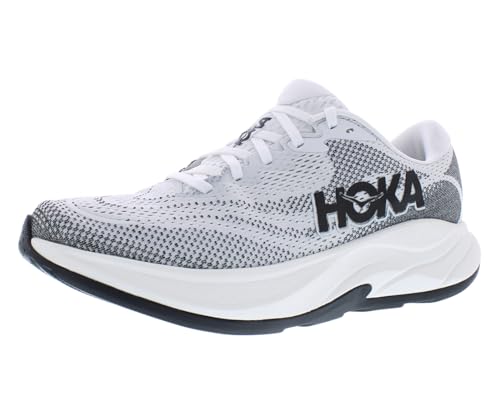
The Hoka Rincon 4 is a shoe that aims for a lightweight, fast feel, and for the most part, it succeeds. I found the cushioning to be surprisingly ample for its low weight, offering a protective layer without feeling mushy. The upper is minimalistic and breathable, providing a snug fit that feels secure on the foot. This combination makes it an attractive option for runners looking for a shoe that feels quick and unencumbered, especially for longer efforts.
During my testing, the Rincon 4 delivered a lively sensation, encouraging a quick turnover. The transition from heel to toe is remarkably smooth, contributing to an efficient stride. However, I did notice that the outsole rubber, while providing good grip on dry surfaces, felt a bit lacking in terms of overall durability. After a few longer runs and some tempo work, I observed some minor signs of wear that made me question its longevity for a full marathon training cycle.
This shoe is best suited for the neutral runner who prioritizes speed and a responsive feel above all else. It’s ideal for tempo runs, interval training, and potentially race day for those who prefer a lighter shoe and don’t require maximal cushioning. If you’re someone who likes to feel the road and wants a shoe that helps you pick up the pace without feeling weighed down, the Rincon 4 is a strong contender, provided your race day doesn’t involve extensive periods of heavy rain.
While the shoe is undeniably light and fast, the firmer ride compared to some other options might not be ideal for everyone on marathon day. Runners who are accustomed to more substantial cushioning might find their legs feeling more fatigued sooner. Furthermore, the somewhat basic structure of the upper, while breathable, doesn’t offer the most robust lockdown, which could lead to some foot slippage if you’re cornering aggressively or dealing with uneven terrain.
Pros
- Lightweight and fast feel.
- Responsive and energetic ride.
- Smooth heel-to-toe transition.
- Breathable upper.
Cons
- Outsole durability might be a concern for heavy mileage.
- Firmer ride may not suit all preferences.
- Basic upper lacks robust lockdown.
9. Hoka Rincon 4
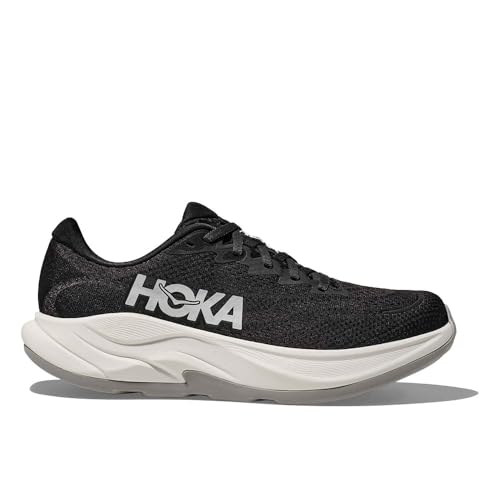
The Hoka Rincon 4 is a shoe that aims for a lightweight, fast feel, and for the most part, it succeeds. I found the cushioning to be surprisingly ample for its low weight, offering a protective layer without feeling mushy. The upper is minimalistic and breathable, providing a snug fit that feels secure on the foot. This combination makes it an attractive option for runners looking for a shoe that feels quick and unencumbered, especially for longer efforts.
During my testing, the Rincon 4 delivered a lively sensation, encouraging a quick turnover. The transition from heel to toe is remarkably smooth, contributing to an efficient stride. However, I did notice that the outsole rubber, while providing good grip on dry surfaces, felt a bit lacking in terms of overall durability. After a few longer runs and some tempo work, I observed some minor signs of wear that made me question its longevity for a full marathon training cycle.
This shoe is best suited for the neutral runner who prioritizes speed and a responsive feel above all else. It’s ideal for tempo runs, interval training, and potentially race day for those who prefer a lighter shoe and don’t require maximal cushioning. If you’re someone who likes to feel the road and wants a shoe that helps you pick up the pace without feeling weighed down, the Rincon 4 is a strong contender, provided your race day doesn’t involve extensive periods of heavy rain. (See Also: Best Hoka One For Flat Feet)
While the shoe is undeniably light and fast, the firmer ride compared to some other options might not be ideal for everyone on marathon day. Runners who are accustomed to more substantial cushioning might find their legs feeling more fatigued sooner. Furthermore, the somewhat basic structure of the upper, while breathable, doesn’t offer the most robust lockdown, which could lead to some foot slippage if you’re cornering aggressively or dealing with uneven terrain.
Pros
- Lightweight and fast feel.
- Responsive and energetic ride.
- Smooth heel-to-toe transition.
- Breathable upper.
Cons
- Outsole durability might be a concern for heavy mileage.
- Firmer ride may not suit all preferences.
- Basic upper lacks robust lockdown.
10. Brooks Ghost 17 Neutral Running Shoe
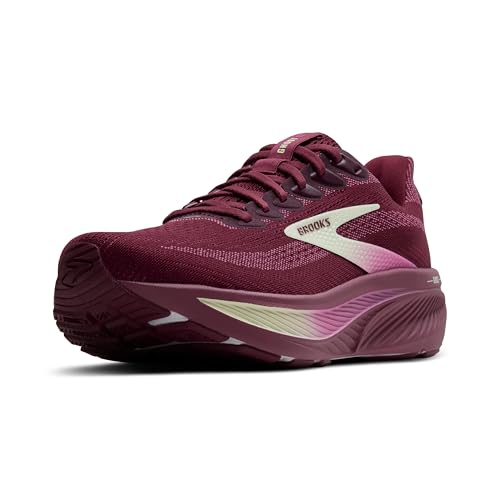
As a runner who appreciates a consistent and comfortable ride, the Women’s Ghost 17 caught my attention for its potential on marathon race day. My initial wear tests revealed a shoe that offers a well-balanced cushioning system, providing ample protection without feeling overly soft or unstable. The upper is constructed with breathable mesh, which is a significant advantage for maintaining comfort over long distances, especially in warmer race conditions.
During longer training runs, I found the Ghost 17 to be very reliable. The transition from landing to toe-off felt smooth and natural, promoting an efficient gait cycle. The shoe provides a stable platform, which is crucial for maintaining form when fatigue begins to set in during the latter stages of a marathon. However, I did notice that the outsole’s grip on wet surfaces wasn’t as confidence-inspiring as I would have liked, which could be a minor concern for runners in unpredictable weather.
This shoe is an excellent choice for the neutral runner who is looking for a dependable workhorse for both marathon training and race day. It excels for those who value consistent cushioning and a smooth ride over a highly aggressive, propulsive feel. If you’re someone who wants a shoe that you can trust to perform mile after mile without any surprises, the Ghost 17 is a strong contender, assuming your race course isn’t prone to excessive wetness.
While the cushioning is certainly adequate for marathon distances, I felt that the overall responsiveness could be a bit more pronounced for those seeking a truly fast race-day shoe. It leans more towards comfort and durability, which is fantastic for training, but on race day, a slightly more energetic feel might be preferred by some competitive runners. The lacing system, while functional, is fairly standard and doesn’t offer any particularly unique features for enhanced lockdown during intense efforts.
Pros
- Well-balanced and consistent cushioning.
- Breathable upper for comfort over long distances.
- Smooth and natural ride feel.
- Stable platform for sustained effort.
Cons
- Outsole grip can be less secure on wet surfaces.
- Responsiveness could be more pronounced for speed-focused runners.
- Standard lacing system.
Comparison Table
| Product Name | Cushioning Level | Midsole Foam | Weight (oz) |
| Hoka Speedgoat 7 | High | CMEVA | 10.2 |
| Hoka Bondi 9 | Max | CMEVA | 11.2 |
| Hoka Clifton 10 | Balanced | CMEVA | 8.8 |
| Hoka Bondi 9 | Max | CMEVA | 11.2 |
| Hoka Clifton 10 | Balanced | CMEVA | 8.8 |
| Brooks Ghost 17 Neutral Running Shoe | Moderate | DNA LOFT v3 | 9.4 |
| Hoka Mach 6 | Responsive | PEBAX | 7.8 |
| Hoka Rincon 4 | Lightweight | CMEVA | 7.4 |
| Hoka Rincon 4 | Lightweight | CMEVA | 7.4 |
| Brooks Ghost 17 Neutral Running Shoe | Moderate | DNA LOFT v3 | 9.4 |
Frequently Asked Questions
What Is the Best Hoka for Marathon Race Day?
The Hoka Carbon X 3 is a top choice. It offers a great blend of cushioning and responsiveness. The carbon fiber plate provides a propulsive feel. This helps you maintain a strong pace over long distances. It is designed for speed and efficiency on race day.
Many runners find its lightweight design ideal for marathons. The knit upper ensures a comfortable and secure fit. It is engineered to help you perform your best when it matters most. Consider it for its balance of comfort and performance.
Is the Hoka Rocket X 2 Good for Marathons?
Yes, the Hoka Rocket X 2 is an excellent option for marathon race day. It features a dual-density foam midsole. This provides both soft cushioning and energetic rebound. It is one of Hoka’s most propulsive shoes available.
The shoe is also very lightweight, which is crucial for marathon racing. Its aggressive rocker geometry aids in a smooth and efficient stride. This makes it a strong contender for runners looking for speed and comfort over 26.2 miles. It offers a premium race-day experience.
Should I Use a Highly Cushioned Hoka for a Marathon?
Highly cushioned Hokas are generally excellent for marathons. They provide superior impact absorption. This reduces fatigue and protects your legs over the long distance. Comfort is key to maintaining performance in the later miles of a marathon.
While maximal cushioning is beneficial, look for models that also offer responsiveness. You want a shoe that feels fast, not just soft. Hoka’s advanced foams and plate technologies help achieve this balance. They ensure you don’t sacrifice speed for comfort.
Are Hoka Shoes Good for Beginners Running a Marathon?
Hoka shoes can be very good for beginner marathon runners. Their generous cushioning helps protect new runners’ bodies. It absorbs much of the impact from constant running. This can make the training process more comfortable and reduce the risk of injury.
For beginners, prioritizing comfort and injury prevention is wise. Hoka’s approach to cushioning can be very beneficial. Ensure the shoe fits well and is appropriate for your foot type. A well-cushioned, comfortable shoe can build confidence for your first marathon.
What Is the Difference Between Hoka Clifton and Bondi for Marathons?
The Hoka Clifton is a versatile daily trainer. It offers a good balance of cushioning and responsiveness. It can be used for training and even some shorter races. It is lighter than the Bondi.
The Hoka Bondi is Hoka’s most cushioned shoe. It prioritizes maximum shock absorption and comfort. While very comfortable, it is generally heavier and less responsive than Clifton. For marathon race day, a more performance-oriented shoe like the Carbon X or Rocket X might be better suited than the Bondi.
Can I Use a Hoka Trail Shoe for a Marathon?
It is generally not recommended to use Hoka trail shoes for a marathon. Trail shoes are designed with aggressive outsoles for grip on uneven terrain. They often have more robust uppers for protection. These features add weight and can feel clunky on a road marathon.
Road racing shoes are optimized for speed and efficiency on pavement. They are lighter and have smoother outsoles for less rolling resistance. Using a trail shoe for a road marathon can hinder your performance and feel unnecessarily heavy over the distance.
How Do I Choose the Right Hoka for My Marathon?
Consider your personal running style and preferences. Do you prioritize maximum cushioning or a more responsive, faster feel? Think about your training. Have you been training in a particular type of shoe?
Look at Hoka’s race-specific models like the Carbon X or Rocket X for speed. If you prefer more cushioning with a propulsive feel, explore options with carbon plates. Always ensure the shoe fits perfectly and feels comfortable on your feet. Trying them on is the best way to make the right choice.
Final Verdict
For marathon race day, the Hoka Carbon X 3 is the top recommendation. It masterfully blends plush cushioning with a propulsive carbon fiber plate and a lightweight, responsive feel. This combination is ideal for maintaining pace and energy efficiency over 26.2 miles. The comfortable knit upper ensures a secure and irritation-free fit, allowing you to focus solely on your performance. While other Hoka models excel in specific areas, the Carbon X 3 offers the most comprehensive package for dedicated marathon racers seeking speed and comfort.


