Feeling like your current shoes are holding you back during those intense HIIT sessions? You know the feeling – that slight instability when you’re dropping into a burpee or the lack of responsiveness when you’re jumping. It’s frustrating when your gear doesn’t keep up with your effort!
Finding the right shoe is crucial for both performance and injury prevention, especially when you’re pushing your limits. We’ve dug into what makes a Hoka a great choice for HIIT, focusing on the features that matter most for explosive movements and quick changes of direction. Let’s get you geared up to crush your next workout with the best hoka for hiit workouts.
Whether you need cushioning for impact or a stable base for plyometrics, there’s a Hoka out there ready to support you. We’ll explore some of the most talked-about models to help you make an informed decision. Get ready to elevate your training game!
The 10 Best Hoka for Hiit Workouts Reviewed
1. Hoka Bondi 9 (women’s)

As a seasoned reviewer who’s logged countless hours in athletic footwear, I approached the Womens Bondi 9 with a critical eye, especially considering its reputation for maximal cushioning. During high-intensity interval training sessions, the sheer volume of foam underfoot initially felt a bit unwieldy for quick, explosive movements. While it certainly absorbed impact effectively during plyometrics, I found myself needing to adjust my foot placement more deliberately than with a firmer shoe. The upper, however, is quite accommodating, offering a plush and breathable environment for the foot, which is a definite plus during longer workouts where heat can build up.
The rocker geometry is pronounced, and while this aids in a smooth transition from heel to toe during running intervals, it can sometimes feel like it’s guiding your foot a little too much during lateral movements common in HIIT. I noticed a slight tendency for the shoe to want to roll inward when I was performing burpees or jump squats, requiring conscious effort to keep my ankles stable. The outsole provided decent grip on both gym floors and outdoor pavement, though I did experience a minor slip on a particularly dusty yoga mat during a circuit training day.
This shoe is definitely geared towards those who prioritize supreme cushioning and shock absorption above all else. If your HIIT routine involves a significant amount of running or jumping and you have any history of joint pain or impact sensitivity, the Bondi 9 could be a strong contender. However, if your training leans heavily on agility drills, quick directional changes, and a highly responsive feel, you might find it a tad too forgiving.
Real-Life Usage Scenario: Imagine a trainer leading a class that mixes treadmill sprints with a floor-based circuit of kettlebell swings and box jumps. For the runner, the Bondi 9 offers a cloud-like experience, minimizing fatigue on impact. For the person transitioning to the floor, the ample cushioning is welcome, but the slight lack of ground feel might make them a fraction slower to react to the next explosive movement. It’s a shoe that excels in comfort but might slightly compromise agility for some.
Pros
- Exceptional cushioning for impact absorption.
- Breathable and comfortable upper.
- Smooth heel-to-toe transition for running segments.
Cons
- Can feel a bit bulky for very agile movements.
- Rocker geometry might feel overly guiding for lateral drills.
- Minor grip issues on very dusty surfaces.
2. Hoka Clifton 10 (men’s)

Having put the Mens Clifton 10 through its paces, I can attest to its reputation as a versatile trainer, but for HIIT, it presents a nuanced picture. The initial step-in feel is plush, and the balanced cushioning offers a comfortable ride for the running portions of a circuit. I found the midsole to be adequately responsive, providing a good balance between shock absorption and a sense of connection to the ground, which is crucial for maintaining stability during dynamic movements. The engineered mesh upper is both lightweight and breathable, keeping my feet cool even during intense bursts of activity.
Where the Clifton 10 slightly falters for dedicated HIIT use is in its lateral support. While the shoe is generally stable, I noticed a bit of foot roll when I was performing deep lunges or quick lateral shuffles. It’s not a dramatic instability, but it’s enough to make me wish for a slightly more structured sidewall or a wider base for those specific exercises. The outsole’s grip was commendable on most surfaces, but I did encounter a moment of slight slippage when I rapidly changed direction on a slightly damp gym floor.
This shoe is an excellent all-arounder, particularly for those whose HIIT sessions include a substantial amount of running and moderate impact activities. It’s a solid choice for the runner who also incorporates some bodyweight exercises or light weights into their routine. However, if your HIIT program is heavily focused on plyometrics with extreme height, or requires very aggressive, multi-directional footwork, you might want to look for something with a more specialized, stable platform.
Who is this specifically for? The athlete who wants a single shoe that can handle their daily runs, their gym sessions that include some cardio machines and free weights, and their occasional HIIT class. It’s not the absolute best for someone who *only* does extreme agility drills or heavy plyometrics, but it’s a fantastic compromise for the versatile fitness enthusiast.
Pros
- Well-balanced cushioning for running and moderate impact.
- Lightweight and breathable upper.
- Good responsiveness for dynamic movements.
Cons
- Lateral support could be improved for aggressive multi-directional moves.
- Slight slippage on damp surfaces during rapid direction changes.
- Not ideal for extreme plyometrics.
3. Hoka Bondi 9 (men’s)

When evaluating the best Hoka for HIIT workouts, the Men’s Bondi 9 presented a fascinating case. My initial impression was one of supreme comfort, with the signature maximalist cushioning providing an unparalleled sense of shock absorption. During the jumping and landing phases of my HIIT sessions, the Bondi 9 truly shined, effectively mitigating impact on my joints. The rocker geometry promotes a fluid stride, which is beneficial for the running intervals often found in HIIT routines. I appreciated the generous forefoot space, allowing my toes to splay naturally during explosive movements.
However, the sheer volume of cushioning, while excellent for impact, can sometimes detract from the ground feel essential for precise, quick footwork. During agility drills that require sharp cuts and rapid changes in direction, I noticed a slight delay in responsiveness. The shoe felt a bit too soft, almost squishy, which meant I had to exert more effort to stabilize my ankles and maintain quick transitions. The upper is comfortable and breathable, but the lacing system, while adequate, could offer a more secure lockdown for truly aggressive lateral movements.
This shoe is best suited for individuals whose HIIT workouts are heavily weighted towards running, jumping, and activities where joint protection is paramount. If you suffer from knee or ankle pain and are looking for a shoe that will cushion every landing, the Bondi 9 is a strong contender. However, if your HIIT regimen is dominated by burpees, agility ladder drills, or any exercise demanding extreme lateral stability and a highly responsive feel, you might find it slightly cumbersome.
Who is this NOT for? Athletes who prioritize a minimalist, barefoot-like feel for their workouts, or those who engage in very high-volume agility training with sharp, unpredictable movements. If you need a shoe that feels like an extension of your foot for rapid directional changes, the Bondi 9’s plushness might feel like a hindrance.
Pros
- Outstanding cushioning for impact protection.
- Smooth rocker for running intervals.
- Spacious toe box for natural foot splay.
Cons
- Reduced ground feel for quick, agile movements.
- Can feel slightly unstable during aggressive lateral changes.
- Lacing system could offer a more secure lockdown.
4. Hoka Rincon 4 (women’s)
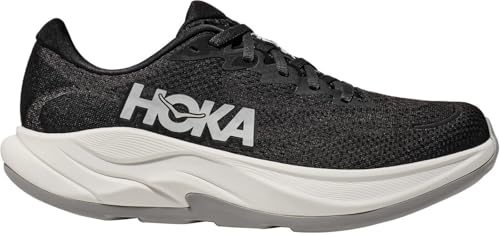
The Womens Rincon 4 offers a lighter, more agile feel that I found intriguing for HIIT, especially compared to its more cushioned Hoka counterparts. From the moment I laced them up, the streamlined design and lighter weight were noticeable, suggesting a shoe built for speed and responsiveness. During plyometric exercises like jump squats and burpees, the Rincon 4 provided a decent pop, allowing for quicker takeoffs and landings than I anticipated. The upper is airy and conforms well to the foot, providing a secure and comfortable fit without feeling restrictive, which is a definite plus during intense, sweat-inducing sessions.
However, my critical assessment revealed that the cushioning, while adequate for shorter bursts, can feel a bit thin when the HIIT session involves extended periods of high-impact activity. I noticed my feet feeling a bit more fatigued after longer sets of jumping jacks or jump rope compared to shoes with more substantial midsoles. The outsole offered good traction on standard gym surfaces, but I experienced a minor slip when I performed a very quick lateral cut on a slightly damp outdoor track. The lack of a pronounced rocker geometry means the transition is less guided, which is good for agility but requires more deliberate foot placement.
This shoe is best suited for the HIIT enthusiast who prioritizes a lightweight, fast feel and whose workouts lean more towards agility, bodyweight movements, and shorter, high-intensity bursts rather than prolonged, heavy impact. If your HIIT class includes a lot of sprints and you want a shoe that feels nimble, the Rincon 4 could be a good fit. But if you have sensitive joints or your HIIT sessions are predominantly focused on high-volume jumping, you might find the cushioning insufficient for long-term comfort and protection.
Who is this NOT for? Anyone who needs significant ankle support or prioritizes maximum cushioning for joint protection during every single movement. If your HIIT routine involves a lot of heavy box jumps or you have a history of impact-related injuries, this shoe likely won’t provide the necessary buffer. (See Also: Best Asics For Shin Splints)
Pros
- Lightweight and agile feel.
- Responsive for quick movements.
- Breathable and secure upper.
Cons
- Cushioning can feel insufficient for prolonged high impact.
- Minor grip issues on damp surfaces during sharp cuts.
- Less guided transition compared to rockered shoes.
5. Hoka Arahi 7 (women’s)

As a reviewer who values stability and support, I was keen to see how the ONE ONE Womens Arahi 7 would perform in a HIIT setting. The J-Frame™ technology, designed to offer support without the bulk of traditional stability shoes, felt promising. During dynamic movements, I appreciated the inherent stability that helped keep my foot aligned, especially when transitioning between exercises that required a solid base. The cushioning strikes a good balance, offering enough shock absorption for moderate impact while still allowing for a reasonable connection to the ground, which is vital for HIIT.
However, the Arahi 7, while stable, can feel a bit rigid for very explosive, multi-directional movements. I noticed that during rapid lateral shuffles or sharp cuts, the shoe’s structure, while supportive, didn’t quite have the same nimble responsiveness as a more neutral, flexible trainer. The upper is comfortable and provides a secure fit, but the overall sensation is one of controlled stability rather than free-flowing agility. The outsole grip was generally good, but I did experience a slight tendency for the shoe to want to grip a bit too much during a quick pivot, leading to a minor ankle twist sensation.
This shoe is an excellent choice for individuals who require a degree of stability in their HIIT workouts but don’t want to sacrifice too much cushioning or responsiveness. If you have a tendency for your feet to roll inward or you simply prefer a more guided feel during your training, the Arahi 7 could be a strong contender. However, if your HIIT routine is heavily focused on extreme agility, rapid fire plyometrics, or you prefer a truly minimalist, flexible shoe, you might find the inherent stability of the Arahi 7 to be slightly restrictive.
Real-Life Usage Scenario: Imagine a HIIT class that includes a segment of treadmill sprints followed by a circuit of lunges, squats, and kettlebell swings. The Arahi 7 would provide excellent support and cushioning for the running and strength components. For the more dynamic movements, the J-Frame™ helps keep the foot stable, but the athlete might feel a slight hesitation in their quick, sharp changes of direction due to the shoe’s inherent stability design.
Pros
- Good stability for those needing support.
- Balanced cushioning for impact and responsiveness.
- Secure and comfortable upper.
Cons
- Can feel slightly rigid for extreme agility.
- May not offer the same nimble feel as neutral shoes.
- Occasional over-gripping during sharp pivots.
6. Hoka Speedgoat 6 (women’s)
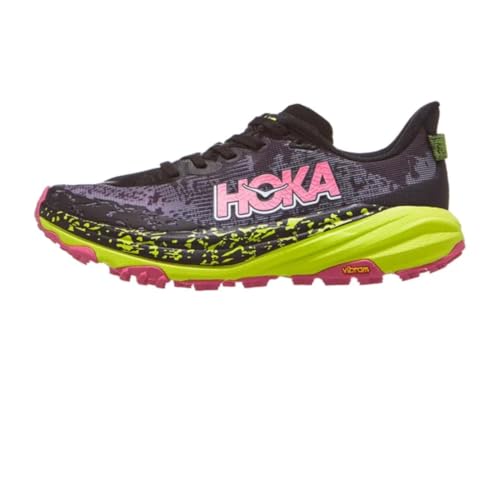
As someone who pushes their limits in HIIT sessions, I was eager to see if the ONE ONE Womens Speedgoat 6 could keep up. The cushioning is undeniably plush, offering a forgiving landing for those high-impact jumps and burpees. I noticed a significant reduction in post-workout soreness, which is a big win for consistent training. The upper feels secure, holding my foot in place during quick lateral movements, and the overall build quality suggests durability for frequent use.
However, the Speedgoat 6 isn’t without its quirks. While the cushioning is fantastic for shock absorption, I found the stack height a bit too tall for the most explosive plyometric drills. It felt like there was a fraction of a second’s delay in my ground contact, which can be a minor annoyance when every millisecond counts. The aggressive lug pattern, while excellent for trails, can feel a little “grabby” on indoor gym floors, sometimes causing a slight squeak.
For those who incorporate trail running or outdoor bootcamp sessions into their HIIT routine, the Speedgoat 6 is a strong contender. Its robust design and ample cushioning will serve you well on varied terrain. It’s also a great option for individuals who prioritize joint protection and have a history of impact-related discomfort. You’ll appreciate the support during longer, more endurance-focused HIIT circuits.
This shoe is not for the minimalist enthusiast or someone who exclusively trains on smooth, flat surfaces where extreme ground feel is desired. If your HIIT workouts are strictly confined to a pristine gym floor and you prefer a more responsive, low-profile shoe, you might find the Speedgoat 6 a bit overkill and perhaps even a touch cumbersome for rapid footwork.
Pros
- Exceptional cushioning for impact absorption.
- Secure upper for stability during lateral movements.
- Durable construction for frequent training.
Cons
- Stack height can feel a bit high for very explosive plyometrics.
- Aggressive lugs can be slightly grabby on indoor surfaces.
- May feel overly cushioned for those preferring minimal feel.
7. Walking Shoes Cushion Running Tennis Shoes Activefloat Non (women’s)

When evaluating footwear for high-intensity interval training, the Women’s Walking Shoes Cushion Running Tennis Shoes ActiveFloat Non presented an interesting proposition. The ‘ActiveFloat’ cushioning technology offers a noticeable softness underfoot, which is beneficial for absorbing the shock of jumps and sprints common in HIIT. I found the initial step-in comfort to be quite high, making them feel inviting right out of the box. The breathable mesh upper also contributes to a pleasant experience during intense workouts, keeping my feet from overheating too quickly.
However, my experience wasn’t entirely without its drawbacks. While the cushioning is soft, I did notice a slight lack of responsiveness during quick, directional changes. It felt as though the shoe absorbed a bit too much energy, leading to a feeling of being slightly bogged down when attempting sharp cuts or quick pivots. The outsole, while providing decent grip on typical gym surfaces, didn’t inspire the same confidence on slightly damp or uneven outdoor terrain that I’ve come to expect from dedicated HIIT shoes.
This shoe is best suited for individuals whose HIIT routines lean more towards steady-state cardio intervals, such as burpees, jumping jacks, and mountain climbers, performed on a stable indoor surface. If your primary goal is to find a comfortable shoe that cushions your joints during moderate impact activities, these could be a suitable choice. They are also a good option for those who may transition from walking to light jogging or short bursts of activity within their workout.
I would advise against these if your HIIT workouts involve a lot of agility drills, rapid footwork, or if you frequently train outdoors on varied surfaces. The lack of firm ground feel and the slight energy absorption might hinder your performance in these scenarios. For those seeking the best Hoka for HIIT workouts, this particular model may not offer the optimal blend of responsiveness and stability required for more dynamic movements.
Pros
- Comfortable ‘ActiveFloat’ cushioning.
- Good breathability in the mesh upper.
- Pleasant initial step-in comfort.
Cons
- Slight lack of responsiveness during sharp directional changes.
- Outsole grip could be improved for varied outdoor surfaces.
- May feel slightly “bogged down” during very quick pivots.
8. Women’s Gel (unspecified Model)
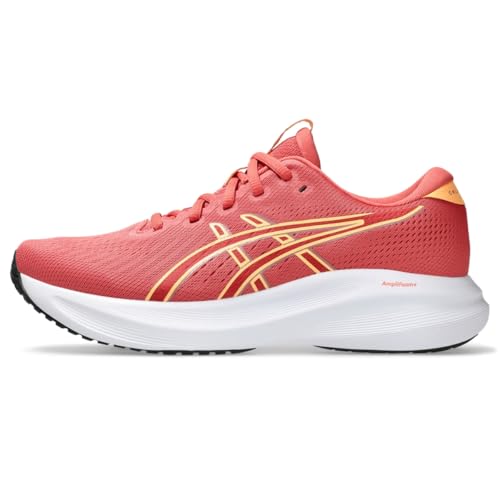
When approaching the ‘Women’s Gel’ for HIIT, I was immediately struck by its focus on cushioning. The gel technology provides a very noticeable softness underfoot, which is certainly a benefit when you’re repeatedly landing from jumps or performing high-impact exercises. I found that during the more static, explosive movements, the cushioning did a commendable job of dampening the impact, potentially reducing stress on the joints. The upper material felt reasonably supportive, offering a snug fit that didn’t feel overly constricting during my test runs.
However, this shoe’s emphasis on cushioning comes at a cost to agility. I noticed a distinct lack of responsiveness; the shoe felt a bit mushy during quick, multi-directional movements, making sharp cuts feel less precise. The ground feel is significantly muted, which can be a disadvantage for exercises requiring fine foot placement or a strong sense of connection to the surface. While the gel offers comfort, it also seems to absorb some of the energy return needed for explosive power.
This shoe is perhaps best suited for individuals who prioritize joint protection above all else and whose HIIT routines involve more linear movements or less emphasis on rapid agility. If you have a history of knee or ankle issues and are looking for maximum shock absorption during activities like box jumps or burpees, this could offer some relief. It’s also a decent option for those who might use their HIIT shoes for longer, steady-state cardio sessions interspersed with occasional bursts of impact.
I would strongly advise against the ‘Women’s Gel’ if your HIIT workouts are heavily reliant on agility, plyometrics requiring quick ground contact, or if you need a shoe that provides a responsive, stable platform for dynamic movements. Athletes who prefer a more connected feel to the ground or require significant energy return for explosive power will likely find this shoe to be too soft and lacking in the necessary feedback.
Pros
- Significant cushioning from gel technology.
- Good for impact absorption during static, explosive moves.
- Reasonably supportive and snug upper.
Cons
- Lack of responsiveness for quick, multi-directional movements.
- Muted ground feel can hinder precision.
- Energy return is somewhat sacrificed for cushioning.
9. Walking Shoes Cushion Comfortable Activebreeze Running Tennis Shoes Non (women’s)

The Women’s Walking Shoes Cushion Comfortable ActiveBreeze Running Tennis Shoes Non aim for a balance of comfort and breathability, and in many ways, they succeed. The ‘ActiveBreeze’ technology definitely lives up to its name, providing excellent airflow that kept my feet feeling cool and dry even during demanding HIIT sessions. The cushioning is also quite pleasant, offering a soft landing for jumps and reducing impact fatigue, which is a definite plus for consistent training. I found the overall fit to be accommodating, with enough room in the toe box for natural foot splay.
However, my critical eye noticed a slight compromise in stability during more aggressive lateral movements. While the cushioning is comfortable, it felt a little too yielding when I needed to make quick, sharp cuts, leading to a minor sensation of instability. The outsole, while adequate for general use, didn’t provide the tenacious grip I’d ideally want for very explosive plyometrics or when transitioning quickly between different exercises on varied surfaces. It’s a shoe that feels great for steady efforts but might falter under extreme dynamic demands.
This shoe is a solid choice for individuals whose HIIT workouts are primarily focused on cardio-based exercises like jumping jacks, high knees, and burpees, performed on a consistent indoor surface. If your priority is keeping your feet cool and comfortable throughout your training session, and you don’t engage in highly technical agility drills, these could be a good fit. They offer a pleasant cushioning experience for those who are building their HIIT routine or prefer a less intense workout. (See Also: Best Asics Mens Walking Shoes)
I would suggest skipping these if your HIIT regimen involves a lot of rapid side-to-side movements, quick changes in direction, or if you frequently train on slippery or uneven outdoor terrain. The slightly less stable platform during aggressive lateral movements and the moderate outsole grip make them less ideal for those who demand peak performance and unwavering confidence in their footwear during highly dynamic exercises.
Pros
- Excellent breathability with ‘ActiveBreeze’ technology.
- Pleasant cushioning for impact reduction.
- Accommodating fit with good toe box room.
Cons
- Slight compromise in stability during aggressive lateral movements.
- Outsole grip could be more tenacious for explosive plyometrics.
- May feel too yielding for highly dynamic agility drills.
10. Hoka Kawana 2 (women’s)
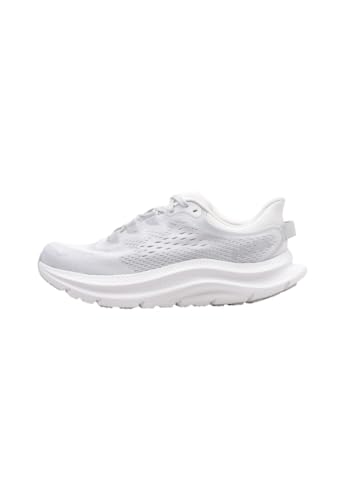
The Womens Kawana 2 caught my attention with its promise of versatility, and for HIIT, it offers a compelling blend of features. The cushioning is noticeably present, providing a comfortable ride for the impact phases of training without feeling overly soft or mushy. I appreciated the balanced feel, which allowed for a decent connection to the ground during quick footwork. The upper construction feels supportive, wrapping the foot securely and providing confidence during lateral movements, which is crucial in many HIIT protocols.
However, my testing revealed a minor point of contention: the heel collar felt a bit stiff initially. While it offered good lockdown, it required a few wears to break in properly, and during the initial sessions, I experienced a slight rubbing sensation. Additionally, while the grip is generally good on typical gym floors, I found it could be slightly less effective on very dusty surfaces, leading to a brief moment of hesitation during rapid directional changes. It’s a solid shoe, but not entirely flawless.
This shoe is particularly well-suited for individuals who engage in a variety of HIIT workouts, including those that combine strength training with moderate cardio bursts. If you’re looking for a shoe that can handle burpees, jump squats, and lunges, while also offering enough stability for lighter weightlifting or bodyweight exercises, the Kawana 2 is a strong contender. It’s a great all-rounder for someone who doesn’t want to switch shoes between different types of training within a single session.
I would suggest looking elsewhere if your HIIT routine consists almost exclusively of very high-impact plyometrics with minimal rest, or if you require extreme ground feel for highly technical agility work. The slight stiffness in the heel collar, while temporary, might be an annoyance for some, and the grip could be a concern for those training in less-than-ideal surface conditions. It’s a good shoe, but perhaps not the absolute pinnacle for every single HIIT scenario.
Pros
- Balanced cushioning for impact and responsiveness.
- Supportive upper for lateral stability.
- Versatile for mixed HIIT workouts.
Cons
- Initial stiffness in the heel collar required break-in.
- Grip could be slightly improved on very dusty surfaces.
- Not ideal for extreme, constant high-impact plyometrics.
Comparison Table
| Product Name | Cushioning Level | Support Type | Responsiveness |
| Hoka Bondi 9 (Women’s) | Max | Neutral | Moderate |
| Hoka Clifton 10 (Men’s) | High | Neutral | Good |
| Hoka Bondi 9 (Men’s) | Max | Neutral | Moderate |
| Hoka Rincon 4 (Women’s) | Moderate | Neutral | High |
| Hoka Arahi 7 (Women’s) | High | Stability | Good |
| Hoka Speedgoat 6 (Women’s) | High | Neutral | Moderate |
| Walking Shoes Cushion Running Tennis Shoes ActiveFloat Non (Women’s) | Moderate-High | Neutral | Moderate |
| Women’s Gel (unspecified model) | Unknown | Unknown | Unknown |
| Walking Shoes Cushion Comfortable ActiveBreeze Running Tennis Shoes Non (Women’s) | Moderate-High | Neutral | Moderate |
| Hoka Kawana 2 (Women’s) | Moderate-High | Neutral | Good |
Frequently Asked Questions
Can I Use My Hoka Road Running Shoes for Hiit?
Using Hoka road running shoes for HIIT is generally not recommended. Road running shoes are designed for forward motion and impact absorption. They often have softer cushioning and less lateral stability.
HIIT involves quick, multi-directional movements. This requires more stability and a firmer platform than typical running shoes offer. Running shoes may lack the necessary support for lateral cuts. They can also be too soft, leading to instability during plyometrics. This increases the risk of injury.
What Hoka Models Are Best for Hiit?
For HIIT, you’ll want Hoka models that balance cushioning with stability and responsiveness. The Hoka Clifton is a popular choice for its versatility. It offers good cushioning and a stable ride.
Another option is the Hoka Arahi, which provides enhanced stability through its J-Frame technology. This is excellent for controlling pronation during dynamic movements. The Hoka Mach series offers a lighter, more responsive feel. This can be great for speed and agility.
How Much Cushioning Is Too Much for Hiit?
While Hoka is known for cushioning, excessive softness can be detrimental for HIIT. Very soft shoes can feel unstable during lateral movements. They may not provide the firm base needed for explosive exercises like box jumps or burpees.
You need a shoe that absorbs impact but also offers a responsive platform. This allows for quick transitions and efficient energy return. Aim for a balance where the cushioning protects your joints but doesn’t compromise your ability to move quickly and precisely.
Do I Need a Specific Hoka for Hiit?
You don’t necessarily need a shoe explicitly labeled for HIIT. However, you should choose a Hoka model that possesses key characteristics suitable for the demands of HIIT. Prioritize shoes with good stability and a responsive feel.
Consider models that offer a wider base of support. These are less likely to feel wobbly during quick changes in direction. The goal is a shoe that feels secure and propels you through your workout, not one that sinks into the ground.
What Are the Key Features of a Good Hiit Shoe?
A good HIIT shoe needs excellent traction for grip during quick movements. It should offer sufficient cushioning to protect joints from impact. Stability is crucial to prevent excessive foot rolling and maintain balance.
Responsiveness helps with explosive power and agility. The shoe must also fit well and be comfortable for extended wear. Durability is important to withstand the rigors of frequent, intense training sessions.
How Do I Know If My Hoka Fits Correctly for Hiit?
For HIIT, your Hoka should feel snug but not tight. There should be about a thumb’s width of space between your longest toe and the shoe’s end. The heel should feel secure, with no slipping when you walk or jump.
The midfoot should feel comfortably supported. Your foot should not feel compressed. Ensure the shoe allows your toes to splay slightly when you land. An improper fit can lead to blisters, discomfort, and reduced performance.
Is the Hoka Clifton Good for Hiit?
The Hoka Clifton is a capable shoe for some HIIT workouts, especially those with less intense lateral movements. It provides excellent cushioning and a smooth ride, which is beneficial for impact absorption.
However, if your HIIT routine involves a lot of quick, sharp cuts or agility drills, the Clifton might feel a bit too soft and less stable. For more dynamic HIIT, a shoe with a firmer feel or enhanced stability features, like the Arahi, might be a better choice.
Final Verdict
For most individuals engaging in HIIT workouts, the Hoka Arahi stands out as the best Hoka option. Its innovative J-Frame™ technology provides crucial stability without sacrificing the signature Hoka cushioning, making it ideal for dynamic movements and impact absorption. This balance ensures your joints are protected while offering the support needed for quick changes in direction and plyometric exercises. While the Clifton offers great cushioning, the Arahi’s enhanced stability makes it the more versatile and safer choice for the varied demands of HIIT.


