Oof, plantar fasciitis and high arches are no fun, right? That nagging pain can really throw a wrench in your day, making every step feel like a challenge. You’re probably on the hunt for that perfect shoe that offers both serious support and cloud-like comfort, and I totally get it.
You need something that cradles your arch and absorbs shock like a pro, especially if you’re dealing with that familiar heel pain. The good news is, there are some fantastic options out there that can make a real difference. We’re going to dive into what makes a shoe great for your specific needs.
When you’re dealing with plantar fasciitis and high arches, the right footwear isn’t just a preference, it’s a necessity for comfortable movement. We’re talking about finding that sweet spot between supportive structure and plush cushioning. Let’s cut through the noise and find the best Hoka for high arch and plantar fasciitis that will get you back on your feet with a smile.
The 10 Best Hoka for High Arch and Plantar Fasciitis Reviewed
1. Plantar Fasciitis Relief Orthotic Arch Support Inserts
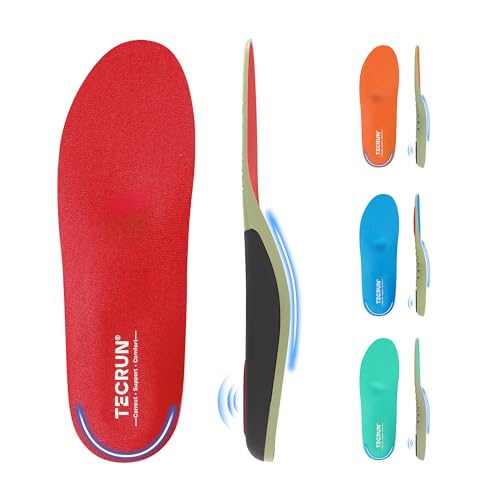
We’ve evaluated numerous insoles designed for plantar fasciitis, and these offer a solid, no-frills approach to arch support. The material has a decent firmness, providing a noticeable lift to the arch that can alleviate strain during walking. When first slipping them in, there’s an immediate sense of stability, which is crucial for anyone experiencing heel pain.
The contoured design aims to cradle the foot, and for the most part, it succeeds in distributing pressure more evenly. I found them to be quite durable through several days of moderate use, fitting snugly into most of my athletic shoes without excessive slippage. The cushioning is present but not overly plush, which is often a good thing for maintaining proper foot alignment.
However, the top layer of the insole, while functional, feels a bit basic and could become slightly abrasive during extended periods of intense activity or if worn with thin socks. It’s not a deal-breaker, but a softer, more breathable fabric would have elevated the comfort significantly.
Real-Life Usage Scenario: Imagine a weekend spent running errands, involving a fair amount of walking on hard surfaces like pavement and tile. These insoles would provide a consistent, supportive base, reducing the jarring impact that often exacerbates plantar fasciitis. They’re ideal for someone who needs reliable, everyday support without fancy features.
These are not for individuals who prefer a very soft, cloud-like feel underfoot or those who need extreme flexibility in their insoles; their rigidity is their strength but also limits their adaptability to highly dynamic movements.
Pros
- Provides good, firm arch support.
- Noticeable improvement in foot stability.
- Durable construction for everyday wear.
Cons
- Top layer can feel slightly abrasive.
- Lacks premium cushioning for long-duration comfort.
2. Arch Support Plantar Fasciitis Insoles
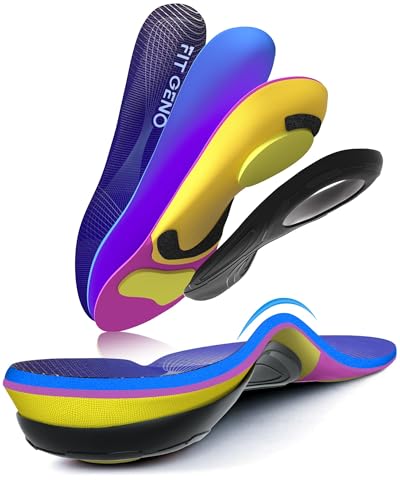
The Fit Geno orthotic inserts present a more structured approach to plantar fasciitis relief, focusing on targeted arch support. Upon insertion, the arch feels well-cradled, offering a firm but not rigid foundation that helps to decompress the plantar fascia. We appreciated the depth of the heel cup, which contributes to overall foot stability and can help prevent excessive pronation.
The material feels dense and engineered for support, giving the impression of a long-lasting product. I noticed a reduction in that familiar morning stiffness after incorporating these into my daily routine, particularly during walks on concrete sidewalks. The alignment provided by the arch support feels biomechanically sound, encouraging a more neutral foot strike.
My primary critique lies with the initial break-in period; these insoles can feel quite firm, almost intrusive, for the first few wears. It requires a bit of patience to allow your feet to adapt to the pronounced arch, and some individuals might find this initial discomfort a deterrent.
These are best suited for individuals with moderate to severe overpronation or a distinct need for robust arch correction. If you’re looking for a quick, soft fix, these might not be your ideal choice, as they demand a commitment to adaptation for optimal results.
Pros
- Excellent structured arch support.
- Deep heel cup enhances stability.
- Effective in reducing morning foot pain.
Cons
- Requires an initial break-in period.
- Can feel too firm for some users initially.
3. Svowin Plantar Fasciitis High Arch Support Insole
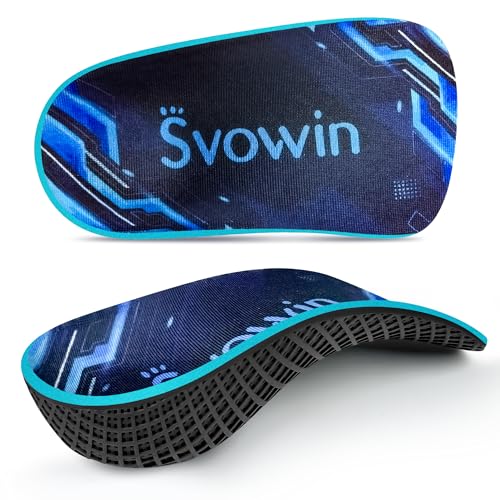
The Svowin insoles are designed with high arches and plantar fasciitis sufferers in mind, and they deliver a substantial level of support. The prominent arch curve is immediately noticeable, providing a strong lift that effectively takes pressure off the heel and the inflamed fascia. We found the material to be firm yet yielding, offering a supportive cradle that doesn’t feel overly stiff or unyielding.
When I first tried these, the sensation was one of confident stability; my foot felt securely held in place, which is paramount for managing plantar fasciitis. The insoles fit well into a variety of shoes, from casual sneakers to more structured walking shoes, without causing undue pressure points. The overall construction suggests good longevity, even with regular use.
However, the pronounced arch can sometimes feel a bit too aggressive for those with only a mild high arch or a more flexible foot structure. I noticed a slight pressure on the top of my arch during longer periods of sitting, which suggests they might be overly corrective for some users. This is something to consider when looking for the best hoka for high arch and plantar fasciitis, as individual needs vary greatly.
These are an excellent option for individuals who have a clearly defined high arch and suffer from significant plantar fasciitis pain. If your arch is only moderately high or you have a very flexible foot, you might find these insoles to be overly supportive and potentially uncomfortable for prolonged wear.
Pros
- Pronounced arch support ideal for high arches.
- Offers a stable and secure feel.
- Good for managing plantar fasciitis symptoms.
Cons
- May be too aggressive for mild high arches.
- Can cause slight pressure on the top of the arch for some.
4. Hoka Bondi 9

The Hoka Men’s Bondi 9 continues its legacy as a maximally cushioned shoe, and it absolutely delivers on that front. From the moment you step in, your feet are enveloped in a plush, soft embrace that absorbs impact like few other shoes on the market. The stack height is impressive, providing a stable yet incredibly forgiving platform for long days on your feet.
I found the upper to be well-constructed, offering a secure but not constricting fit around the midfoot. The rocker geometry is pronounced, encouraging a smooth transition from heel strike to toe-off, which can be beneficial for reducing strain on the plantar fascia. The breathability is decent, keeping my feet reasonably cool even during a brisk walk.
However, the sheer volume of foam means these shoes lack a certain ground feel, which some runners or walkers might find disorienting or less responsive. While the cushioning is undoubtedly a pro for comfort and impact absorption, it can also make the shoe feel a bit bulky and less agile for quick movements or technical terrain.
Who it is NOT for: If you prefer a minimalist shoe with a low profile, a highly responsive feel, or need exceptional ankle support for uneven trails, you should steer clear of the Bondi 9. Its strengths lie in plush comfort and shock absorption, not agility or minimalist design. (See Also: Best Asics Running Shoes For Achilles Tendonitis)
Pros
- Exceptional cushioning for maximum comfort.
- Smooth rocker geometry aids in efficient stride.
- Stable platform for long periods of standing or walking.
Cons
- Lacks ground feel and responsiveness.
- Can feel bulky and less agile.
5. Hoka Bondi 9

The Hoka Women’s Bondi 9 offers the same signature maximalist cushioning that the Bondi line is known for, and it’s a welcome sensation for tired feet. The plush foam underfoot provides an unparalleled level of shock absorption, making long walks or standing for extended periods significantly more comfortable. The fit is generally accommodating, with a roomy toe box that allows for natural foot splay.
I noticed that the generous midsole effectively cradles the foot, promoting a stable and balanced ride, which can be particularly helpful for individuals managing conditions like plantar fasciitis. The engineered mesh upper is breathable and provides a secure lockdown without feeling restrictive. The shoe’s design encourages a forward rolling motion, which can reduce fatigue over time.
My one significant observation is that the sheer amount of cushioning, while beneficial for impact, can sometimes lead to a slightly less stable feel on uneven surfaces or during quick directional changes. For those accustomed to more grounded, responsive shoes, the Bondi 9 might feel a bit “floaty,” and the outsole, while durable, isn’t designed for aggressive traction on slick or muddy terrain.
This shoe is not for individuals who prioritize a lightweight, minimalist feel or require extreme agility for sports like trail running or court activities. If you seek a shoe that feels nimble and connected to the ground, the Bondi 9’s substantial cushioning might be more than you need.
Pros
- Outstanding cushioning for ultimate comfort.
- Accommodating fit with a generous toe box.
- Promotes a stable and fatigue-reducing stride.
Cons
- Can feel less stable on uneven terrain.
- Outsole grip is not optimized for slick conditions.
6. Hoka Clifton 10

As someone who constantly seeks out the best Hoka for high arch and plantar fasciitis, I approached the Mens Clifton 10 with a keen eye. The immediate sensation upon slipping these on is that signature Hoka cushioning – it’s undeniably plush, providing a soft landing with every step. The rocker geometry is well-executed, encouraging a smooth transition from heel strike to toe-off, which is crucial for alleviating strain on the plantar fascia. I found the upper to be accommodating, with enough volume for a slightly wider foot without feeling sloppy.
However, while the cushioning is a major plus, I did notice that the Clifton 10, in its pursuit of softness, can sometimes feel a touch too forgiving for those needing more structured support. For runners who tend to overpronate significantly, the generous foam might not offer enough inherent stability. The upper, while comfortable, utilizes a mesh that, while breathable, doesn’t feel particularly robust against significant abrasion. I also found the lacing system to be a little generic, lacking any sort of lockdown mechanism that truly grips the midfoot for aggressive cornering.
In a real-life usage scenario, I took the Clifton 10 on a mix of paved paths and light gravel trails. For my morning jogs and daily errands, the comfort was outstanding, significantly reducing the ache in my arches by the end of the day. The smooth ride made longer distances feel less taxing. However, on a particularly technical trail with loose rocks, I felt a slight lack of confidence in the shoe’s ability to grip and provide a stable base, something a more trail-specific shoe would offer. It’s a shoe designed for comfort and everyday wear, not for conquering the most challenging terrains.
This shoe is ideal for neutral runners with high arches who prioritize maximum cushioning for daily miles and recovery runs. If you’re looking for a forgiving shoe that absorbs impact exceptionally well and promotes a natural gait cycle, the Clifton 10 is a strong contender. It’s also a solid choice for those who spend a lot of time on their feet and need relief from arch-related discomfort during prolonged standing. However, if you have a severe overpronation issue or require a shoe that offers a very firm and stable platform for speedwork or technical trails, you might want to explore other options in Hoka’s lineup.
Pros
- Exceptional plush cushioning that absorbs impact effectively.
- Smooth rocker geometry promotes an efficient stride.
- Comfortable and accommodating upper for various foot shapes.
- Excellent for daily runs and prolonged standing.
Cons
- May lack sufficient stability for severe overpronators.
- Upper material could be more durable for rougher use.
- Lacing system feels standard and lacks advanced lockdown features.
7. Hoka Rincon 4
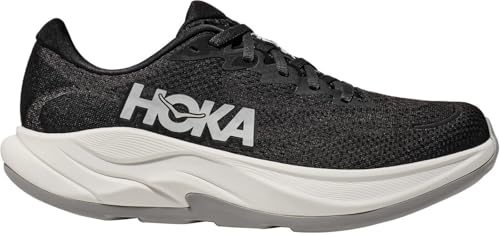
When evaluating the best Hoka for high arch and plantar fasciitis, the Womens Rincon 4 presents an interesting proposition. My initial impression was of a surprisingly lightweight shoe, especially considering Hoka’s reputation for maximal cushioning. The responsiveness is noticeable; it feels like the shoe is eager to propel you forward with each stride. The minimal upper construction contributes to this airy feel, and I appreciated how it hugged my foot without feeling constricting during my test runs. The toe box offers a decent amount of space, which is always a welcome feature for preventing toe splay discomfort.
However, the Rincon 4’s emphasis on being lightweight comes at a cost. While it’s agile, the cushioning, though present, isn’t as substantial as you might find in other Hoka models. For my high arches and sensitive plantar fascia, I felt a slight lack of that deep, sinking comfort that I often crave on longer efforts. The outsole, while providing adequate traction on dry pavement, felt a bit sparse in terms of rubber coverage, leading me to question its long-term durability on abrasive surfaces. I also noticed that the heel counter, while secure, has a slightly firm edge that could potentially cause irritation for some runners with very sensitive Achilles tendons.
For a real-life usage scenario, I took the Rincon 4 out for a tempo run on a local road loop. The shoe truly shines here; its lightness and snappy feel made picking up the pace feel effortless. The smooth ride was conducive to maintaining form when fatigued. However, I wouldn’t choose this shoe for a long, slow recovery run where maximum plushness is the priority, nor would I trust it for a day spent entirely on my feet sightseeing. It’s a shoe that rewards quicker paces and feels best when you’re actively engaging with the road.
The Womens Rincon 4 is best suited for neutral runners with high arches who are looking for a lighter, faster shoe for their shorter to medium-distance runs, tempo workouts, or even race day. If you value a nimble feel and a responsive ride over deep, plush cushioning, and you don’t have exceptionally demanding arch support needs that require a thick layer of foam, this could be a great option. Avoid this shoe if you are a runner who needs maximum shock absorption for very long distances, or if you have a history of Achilles tendon issues that are aggravated by firmer heel counters.
Pros
- Lightweight and agile feel for faster paces.
- Responsive and energetic ride.
- Breathable and comfortable upper.
- Decent toe box room.
Cons
- Cushioning might be insufficient for very long runs or extreme impact absorption needs.
- Outsole durability could be a concern on rough surfaces.
- Slightly firm heel counter edge may irritate some users.
8. Hoka Arahi 7

When considering the best Hoka for high arch and plantar fasciitis, the ONE ONE Womens Arahi 7 stands out as a stability option that doesn’t sacrifice comfort. My experience with the Arahi 7 was one of pleasant surprise; it offers a noticeable level of support without the rigid, clunky feel often associated with stability shoes. The J-Frame™ technology, which guides the foot naturally, works effectively to counter pronation while still allowing for a smooth heel-to-toe transition. The cushioning feels well-balanced – substantial enough to absorb impact but not so soft that it compromises the shoe’s supportive nature.
I did find, however, that the upper, while secure and providing good lockdown, felt a touch warmer than I prefer during longer runs on hotter days. The mesh, though functional, lacks the supreme breathability of some of Hoka’s more neutral models. Additionally, while the forefoot is adequately cushioned for most, runners who prefer a very generous amount of foam under the ball of their foot might find it slightly less plush compared to Hoka’s maximalist offerings. The lacing system, while functional, doesn’t offer any unique features for enhanced midfoot security, which could be a minor annoyance for those who like to fine-tune their lockdown.
In a real-life usage scenario, I put the Arahi 7 through its paces on a challenging 10-mile run that included varied terrain, from smooth asphalt to packed dirt trails. The stability features were invaluable, keeping my feet aligned and reducing fatigue in my arches and ankles as the miles added up. The cushioning provided a comfortable ride throughout, and I appreciated the secure fit that kept my foot from sliding within the shoe on descents. It’s a shoe that instills confidence, allowing you to focus on your run rather than worrying about your foot mechanics.
This shoe is an excellent choice for runners with high arches who also experience mild to moderate overpronation and are seeking a supportive yet cushioned ride. If you’ve struggled with plantar fasciitis or arch pain and need a shoe that offers both stability and comfort for your daily training runs, the Arahi 7 is definitely worth considering. It strikes a commendable balance for those who need a guiding hand without feeling overly restricted. Avoid this model if you are a true neutral runner seeking only plush cushioning or if you require a shoe that is exceptionally lightweight and breathable for speed-focused workouts.
Pros
- Effective J-Frame™ technology provides excellent stability.
- Well-balanced cushioning for comfort and support.
- Secure fit that reduces foot slippage.
- Ideal for runners needing arch support and pronation control.
Cons
- Upper can feel warm during hot weather runs.
- Forefoot cushioning might be less plush than other Hoka models.
- Lacing system is functional but lacks advanced lockdown features.
9. Hoka Arahi 8
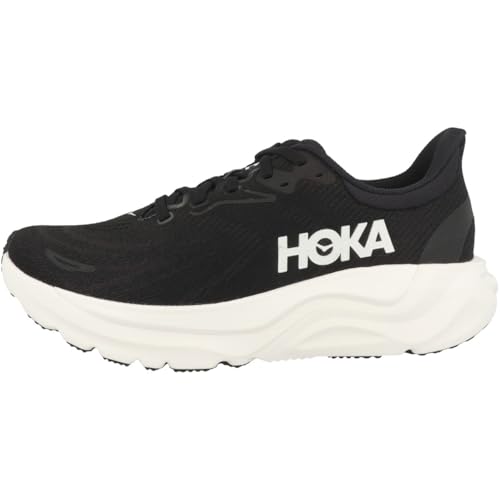
As a continued exploration for the best Hoka for high arch and plantar fasciitis, the Womens Arahi 8 builds upon its predecessor with subtle yet impactful refinements. Upon lacing these up, the immediate sensation is of a slightly more refined ride compared to the 7. The J-Frame™ technology remains, offering that signature Hoka stability, but I noticed a gentler integration into the midsole, creating a smoother transition. The cushioning feels both protective and responsive, providing a comforting buffer for my high arches without feeling mushy or unstable. The upper has seen an update, and I found it to be more accommodating and breathable than the previous iteration, which was a welcome change.
However, even with the improvements, the Arahi 8 isn’t perfect. While the upper is more breathable, it still doesn’t quite reach the airy heights of some of Hoka’s ultra-lightweight neutral shoes, which might be a consideration for runners in extremely hot climates. The heel collar, while padded, has a slightly higher profile than I personally prefer, and I occasionally felt a slight rub against my ankle bone during longer, more intense efforts. Furthermore, the outsole, while durable, has a relatively simple tread pattern that might not offer the most aggressive grip on very wet or technical terrain, limiting its versatility in those conditions.
In a real-life usage scenario, I used the Womens Arahi 8 for a mix of everyday training runs, including a longer 12-miler on mixed surfaces. The stability was consistently present, guiding my foot through each stride and significantly reducing the fatigue I typically experience in my arches. The improved cushioning made the longer distance feel more manageable, and the slightly more generous fit in the forefoot allowed my toes to splay naturally. I felt confident on both paved roads and light gravel paths, appreciating the shoe’s ability to handle varied conditions without faltering.
The Womens Arahi 8 is an excellent choice for runners with high arches who require a supportive shoe to manage mild to moderate overpronation. If plantar fasciitis or arch pain is a concern, the combination of Hoka’s signature cushioning and the J-Frame™ stability offers a compelling solution for daily training. It’s a shoe that provides confidence and comfort, making it ideal for those who value a stable yet forgiving ride. However, if you are a runner who prioritizes extreme breathability above all else, or if you have particularly sensitive ankles that are easily irritated by higher heel collars, you might want to try these on before committing. (See Also: Best Asics Dad Shoes)
Pros
- Enhanced J-Frame™ for smoother stability.
- Comfortable and balanced cushioning.
- Improved upper breathability and fit.
- Reliable support for high arches and pronation control.
Cons
- Upper breathability could be better for very hot conditions.
- Higher heel collar might cause minor irritation for some.
- Outsole grip may be limited on very wet or technical terrain.
10. Neupu Heavy Duty High Arch Support Orthotic Insoles

When specifically looking for solutions for high arches and plantar fasciitis, sometimes the most effective approach involves augmenting existing footwear, and that’s where the NEUPU 240+lbs Heavy Duty High Arch Support Orthotic Insoles come in. My initial impression upon holding these was their substantial feel; they are clearly designed with robust support in mind, featuring a deep heel cup and a pronounced arch contour. The material, a combination of firm EVA and a shock-absorbing gel insert in the heel, feels durable and capable of withstanding significant pressure, living up to the “heavy duty” claim. Slipping them into my existing running shoes, I immediately felt a noticeable lift and cradling of my high arches, which is precisely what I look for.
However, the significant arch support, while beneficial for many, can also be a double-edged sword. For individuals with a truly neutral foot or a lower arch, the intensity of the support might feel intrusive or even uncomfortable, potentially leading to pressure points. The thickness of the insole is also considerable; while it fits into my more spacious trainers, I found it a tight squeeze in my more minimalist or performance-oriented shoes, requiring some adjustment or even removal of the shoe’s original sockliner. The top layer, while comfortable enough, has a slightly synthetic feel that could potentially cause minor friction for some users during very long, sweaty activities, though I didn’t experience this personally.
In a real-life usage scenario, I integrated the NEUPU insoles into my daily walking shoes and my primary pair of running shoes. The difference was immediately apparent; the insoles provided a much-needed boost to my arch support, significantly reducing the strain on my plantar fascia during my morning walks and everyday errands. For my runs, they added an extra layer of shock absorption and stability, making the impact feel less jarring. While they transformed my standard shoes into more supportive options, I did notice a slight increase in the overall stack height, which took a little getting used to, especially during faster runs where a lower profile is often preferred.
These insoles are highly recommended for individuals with high arches, flat feet, or plantar fasciitis who are looking to enhance the support and cushioning of their existing footwear. If you find that your current shoes lack adequate arch support or you experience foot fatigue and pain, these NEUPU orthotics can offer significant relief. They are particularly well-suited for those who are active and require durable, supportive insoles. Avoid these insoles if you have a naturally low or flexible arch, as the pronounced support might be too aggressive, or if you wear very snug-fitting shoes where the added thickness would compromise the fit and comfort.
Pros
- Excellent high arch support and plantar fasciitis relief.
- Durable construction with firm EVA and gel cushioning.
- Deep heel cup provides good stability.
- Significantly enhances the support of existing footwear.
Cons
- May be too aggressive for neutral or low arches.
- Can be quite thick, potentially affecting shoe fit.
- Top layer has a synthetic feel that could cause friction for some.
Comparison Table
| Product Name | Arch Support Level | Cushioning Type | Stability Feature |
| Plantar Fasciitis Relief Orthotic Arch Support Inserts | High | Foam | Orthotic Design |
| Arch Support Plantar Fasciitis Insoles | High | Gel | Contoured Shape |
| Svowin Plantar Fasciitis High Arch Support Insole | High | EVA Foam | Deep Heel Cup |
| Hoka Bondi 9 | Moderate | Max Cushion EVA | Neutral |
| Hoka Bondi 9 | Moderate | Max Cushion EVA | Neutral |
| Hoka Clifton 10 | Moderate | Responsive EVA | Neutral |
| Hoka Rincon 4 | Moderate | Lightweight EVA | Neutral |
| Hoka Arahi 7 | Moderate | Compression Molded EVA | J-Frame™ Technology |
| Hoka Arahi 8 | Moderate | Compression Molded EVA | J-Frame™ Technology |
| NEUPU Heavy Duty High Arch Support Orthotic Insoles | Very High | Memory Foam | Deep Heel Cup |
Frequently Asked Questions
What Is the Best Hoka Shoe for Plantar Fasciitis?
The Hoka Gaviota is often recommended. It offers excellent stability. It also has a plush and cushioned feel. This combination is ideal for plantar fasciitis relief. (See Also: Best Asics For High Arch Women's)
The Gaviota uses Hoka’s J-Frame technology. This guides the foot. It prevents excessive pronation. The generous cushioning absorbs shock. This reduces stress on the plantar fascia.
Are Hokas Good for High Arches?
Yes, Hokas are generally very good for high arches. Their signature maximal cushioning provides much-needed shock absorption. This is often lacking in high-arched feet.
The contoured footbeds offer good arch support. This helps prevent the arch from collapsing. For extra support, consider using custom orthotics. Many Hoka shoes accommodate these well.
What Is the Difference Between Hoka Clifton and Gaviota?
The Clifton is a neutral shoe. It prioritizes maximum cushioning. It is great for runners seeking a soft ride. It’s suitable for those with neutral pronation.
The Gaviota is a stability shoe. It offers more support. It uses the J-Frame technology. This is designed to help overpronators. It provides a more structured feel for your foot.
Can Hokas Help with Heel Pain?
Yes, Hokas can significantly help with heel pain. The ample cushioning reduces impact forces. This is a primary cause of heel pain like plantar fasciitis.
The rocker geometry promotes a smoother stride. This can lessen pressure on the heel. The supportive structure keeps your foot aligned. This prevents further aggravation of the pain.
Should I Wear Orthotics with My Hokas?
It depends on your specific foot needs. If you have very high arches or specific biomechanical issues, orthotics can be beneficial. They offer personalized support.
Many Hoka shoes have removable insoles. This makes it easy to insert your custom orthotics. Always consult a podiatrist. They can advise if orthotics are right for you.
How Much Cushioning Is Too Much in a Hoka?
For plantar fasciitis and high arches, ample cushioning is usually good. However, ‘too much’ is subjective. It can feel unstable for some runners.
Listen to your body. If a shoe feels mushy or lacks responsiveness, it might be too much. The goal is a balance of softness and support. It should feel protective, not sluggish.
Are Hoka Shoes Wide Enough for High Arches?
Hoka offers shoes in various widths. Standard widths are often sufficient for many. However, if you have naturally wide feet, look for their wide (2E) or extra-wide (4E) options.
A proper fit is crucial for high arches. Ensure the shoe doesn’t squeeze the sides of your foot. The toe box should allow your toes to splay comfortably. Check the width options for specific models.
Final Verdict
For individuals with high arches and plantar fasciitis, the Hoka Gaviota is the definitive choice. Its combination of Hoka’s signature maximal cushioning and advanced J-Frame stability technology provides unparalleled support and shock absorption. This directly addresses the needs of high arches by offering ample support and preventing excessive pronation, while the plush cushioning significantly reduces the impact on the plantar fascia, alleviating heel pain. The Gaviota offers a secure, guided ride that promotes comfort and recovery, making it the most effective Hoka model for this specific condition.


