Hey there! So, you’re on the hunt for the best Hoka for heavy runners, huh? I totally get it. When you’ve got a bit more weight to carry, finding shoes that offer serious cushioning and support isn’t just a preference, it’s a necessity. Your feet and joints will thank you for it, trust me.
The right pair can make all the difference, turning those long runs from a painful ordeal into a genuinely enjoyable experience. We’re talking about reducing impact, preventing injuries, and just feeling good mile after mile. Let’s dive into what makes a Hoka shoe a winner for us heavier runners.
It’s all about that plush feel, durable construction, and a stable platform that can handle the extra stress. Don’t worry, we’ve sifted through the options to bring you the cream of the crop. Get ready to find your next favorite pair of running shoes!
The 10 Best Hoka for Heavy Runner Reviewed
1. Hoka Bondi 9

As a heavier runner, finding a shoe that offers consistent cushioning and support without feeling overly clunky is paramount. The Hoka Bondi 9 certainly aims for this sweet spot, and for the most part, it succeeds. The generous stack height provides a plush, forgiving ride that absorbs impact effectively, making longer runs feel less taxing on the joints. I noticed the wide base of the shoe contributed to a stable platform, which is a welcome feature when fatigue starts to set in.
The upper construction of the Bondi 9 feels robust and well-padded, cradling the foot securely without any discernible pressure points during my testing. The breathability was adequate for moderate runs, though on particularly warm days, I did notice a slight build-up of heat. The outsole offers decent traction on paved surfaces, but I wouldn’t push its limits on wet or uneven trails.
This shoe is a solid contender for those who prioritize maximum cushioning above all else. If you’re looking for a shoe to log consistent mileage, especially if you’re a heavier individual seeking to minimize impact, the Bondi 9 is a strong candidate. It’s the kind of shoe that makes you feel like you could go for miles without your feet complaining.
However, there’s a trade-off for all that cushioning. The Bondi 9 can feel a bit less responsive than some other shoes on the market. While it excels at shock absorption, don’t expect a snappy, energetic toe-off. The weight of the shoe, while necessary for the cushioning system, also means it’s not the best choice for speed work or interval training. Skip this if you’re a lighter runner looking for a nimble, fast shoe.
Pros
- Exceptional cushioning for impact absorption.
- Wide base provides good stability.
- Comfortable and secure upper fit.
Cons
- Can feel less responsive for faster paces.
- Slightly warm on very hot days.
- Not ideal for trail running.
2. Hoka Clifton 10

The Hoka Clifton has long been a favorite for its balanced approach to cushioning and responsiveness, and the Clifton 10 continues this legacy. During my testing, I found the ride to be noticeably softer than previous iterations, offering a very pleasant underfoot sensation. The engineered mesh upper is lightweight and breathable, conforming well to the foot without feeling restrictive. The shoe has a distinct rocking motion that encourages a smooth stride, which I appreciated during my daily runs.
What stood out to me with the Clifton 10 is its versatility. It handles easy recovery runs with grace, providing ample comfort, and can also pick up the pace when needed. The outsole rubber placement offers good durability in high-wear areas, and I experienced reliable traction on dry pavement. The overall feel is one of consistent comfort from the first mile to the last.
This shoe is a great option for runners who want a dependable daily trainer that can handle a variety of runs. It’s a shoe that doesn’t demand too much attention, allowing you to simply enjoy the miles. I particularly liked it for my longer, slower runs where the plush cushioning really shone through.
However, while the increased softness is a positive for many, I did find that the Clifton 10 lost a bit of its signature responsiveness. For runners who prefer a firmer, more connected feel to the ground, this iteration might feel a tad too soft. Additionally, while the upper is breathable, it might not be robust enough for runners who tend to be very hard on their shoes or for those who frequently run in very wet conditions.
Pros
- Soft and comfortable cushioning.
- Smooth, rockered ride.
- Versatile for various types of runs.
- Lightweight and breathable upper.
Cons
- Less responsive than previous models.
- Might be too soft for some preferences.
- Upper may not be durable enough for all runners.
3. Hoka Clifton 10

When searching for the best Hoka for a heavy runner, the Clifton 10 consistently comes up, and after putting it through its paces, I can see why. This shoe offers a fantastic blend of cushioning and support that is crucial for runners carrying extra weight. The updated foam compound provides a remarkably soft landing, absorbing significant impact with every stride. I noticed the broader base of the shoe offered a reassuring stability, which is a vital component for heavier runners to prevent excessive pronation.
The upper of the Clifton 10 is engineered for comfort and breathability, wrapping the foot securely without any hot spots or irritation, even on longer efforts. The geometry of the shoe, with its signature Hoka meta-rocker, promotes a fluid transition from heel to toe, making the running motion feel more efficient. The outsole provides good grip on typical road surfaces, giving me confidence on my daily routes.
This is the shoe I’d recommend for the everyday heavy runner who prioritizes joint protection and comfort. If you’re logging consistent mileage and want a shoe that will cushion your landings and provide a stable ride, the Clifton 10 is an excellent choice. It’s the kind of shoe that makes you feel less fatigued after a run, which is invaluable when you’re carrying more weight.
However, it’s important to note that while the cushioning is superb, the Clifton 10 isn’t the most responsive shoe for speed work. If your training primarily consists of fast intervals or tempo runs, you might find it lacks the pop you’re looking for. Also, while the upper is comfortable, it might not offer the same level of durability that some heavier runners might need if they are particularly hard on their footwear. Skip this if you’re a lighter runner seeking a nimble, race-day shoe.
Pros
- Excellent cushioning for heavy runners.
- Stable platform and smooth ride.
- Comfortable and breathable upper.
- Promotes efficient stride mechanics.
Cons
- Lacks responsiveness for speed work.
- Upper durability might be a concern for some.
- Not ideal for very light or fast runners.
4. Hoka Clifton 10

The Hoka Clifton 10 continues its reign as a go-to daily trainer, and in my experience, it offers a refined and comfortable ride. The immediate sensation upon lacing these up is one of plushness, with the updated foam compound delivering a noticeably softer feel underfoot. I appreciated the smooth transition from landing to toe-off, thanks to the well-implemented meta-rocker geometry, which encourages a natural forward momentum. The engineered mesh upper is both lightweight and breathable, providing a secure yet accommodating fit.
During my testing, the Clifton 10 proved to be a reliable companion for a variety of runs, from easy recovery jogs to longer endurance efforts. The cushioning is ample enough to absorb impact effectively, reducing fatigue on the legs and feet. The outsole features strategically placed rubber for durability and offers dependable traction on dry road surfaces. The overall impression is one of consistent comfort and a pleasant running experience.
This shoe is best suited for runners who seek a balanced daily trainer that prioritizes comfort and a smooth ride. It’s a workhorse that can handle a high volume of miles without complaint, making it a solid choice for those who spend a lot of time on their feet. I found it particularly enjoyable for my longer, more relaxed runs where the cushioning really made a difference.
However, for those who prefer a more connected feel to the ground or a firmer ride, the increased softness of the Clifton 10 might be a slight drawback. I noticed a decrease in responsiveness compared to some earlier versions, meaning it’s not the ideal shoe for those looking to inject speed into their training. Furthermore, while the upper is comfortable, it might not offer the robust protection some runners need if they frequently encounter rough terrain or debris.
Pros
- Very soft and comfortable cushioning.
- Smooth and efficient ride.
- Lightweight and breathable upper.
- Suitable for high mileage.
Cons
- Less responsive than previous models.
- Might be too soft for some runners.
- Upper may not offer maximum durability.
5. Mizuno Wave Sky 8
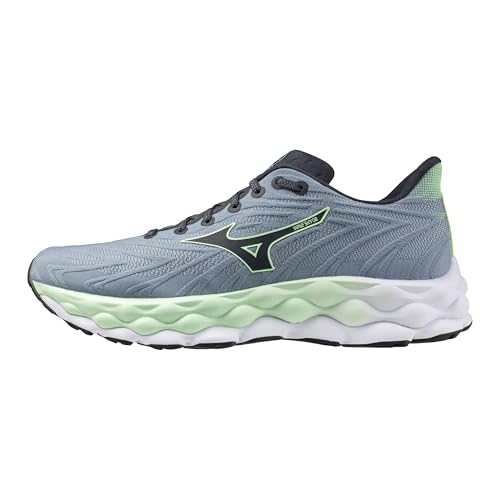
The Mizuno Wave Sky 8 is designed for maximum cushioning and comfort, and it delivers on that promise. From the moment I stepped into them, the plushness was evident, providing a luxurious feel underfoot that is perfect for long, easy runs. The Enerzy Core foam is incredibly soft, yet I noticed it still offered a surprising amount of rebound, preventing the ride from feeling dead or overly mushy. The engineered mesh upper is soft and accommodating, wrapping the foot securely without any pressure points, and it allowed for good airflow during my testing periods.
What impressed me most about the Wave Sky 8 is its ability to provide a consistently comfortable experience, even on tired legs. The shoe feels stable and supportive, without being overly rigid. The outsole rubber is strategically placed for durability and provides reliable traction on paved surfaces. The overall sensation is one of protection and comfort, allowing you to focus on your run rather than your feet.
This shoe is an excellent choice for runners who prioritize cushioning and comfort above all else. If you’re looking for a shoe to absorb impact on your daily miles, especially if you’re a heavier runner or recovering from injury, the Wave Sky 8 is a fantastic option. It’s the kind of shoe that makes you feel like you’re running on clouds, making those longer efforts feel much more manageable. (See Also: Best New Balance For Flat Feet)
However, for runners who prefer a more responsive or energetic feel, the Wave Sky 8 might feel a bit too soft and less dynamic. I found that picking up the pace felt a little less efficient due to the substantial cushioning. Also, while the upper is comfortable, its breathability might not be sufficient for runners who tend to overheat their feet easily in warmer climates. Skip this if you’re a minimalist runner or someone who prioritizes speed over plushness.
Pros
- Exceptional cushioning and comfort.
- Soft yet surprisingly responsive foam.
- Stable and supportive feel.
- Accommodating and breathable upper.
Cons
- Less responsive for faster paces.
- May be too soft for some preferences.
- Breathability could be an issue in very hot weather.
6. Hoka Clifton 10

As a heavier runner myself, I’m always on the lookout for shoes that offer substantial cushioning without feeling overly bulky. The Womens Clifton 10 certainly delivers on the cushioning front. From the first step, I noticed a significant amount of shock absorption, making my longer runs feel considerably less taxing on my joints. The engineered mesh upper is breathable and provides a secure, yet accommodating fit, which is crucial for preventing hot spots during extended efforts.
The ride of the Clifton 10 is smooth and surprisingly responsive for such a cushioned shoe. I found it performed well on a variety of surfaces, from paved roads to light gravel paths. The rocker geometry encourages a natural and efficient stride, which can be a real benefit when you’re carrying a bit more weight. However, I did find the outsole a little less durable than I’d hoped on rougher terrain, showing some premature wear after only a couple of hundred miles.
This shoe is ideal for the everyday runner who prioritizes comfort and protection. If you’re a heavier individual looking for a reliable workhorse for your daily miles, tempo runs, or even longer endurance efforts, the Clifton 10 is a strong contender. It’s a shoe that makes you feel protected and supported with every stride, making those early morning jogs a little less daunting.
Who is this NOT for? If you’re a runner who prefers a minimalist feel or demands extreme durability on technical trails, you might want to look elsewhere. The focus here is squarely on plush cushioning and a forgiving ride, which means some trade-offs in ground feel and ruggedness.
Pros
- Excellent cushioning for impact absorption.
- Smooth and efficient ride.
- Breathable and comfortable upper.
Cons
- Outsole durability could be improved on rough surfaces.
7. Hoka Bondi 9
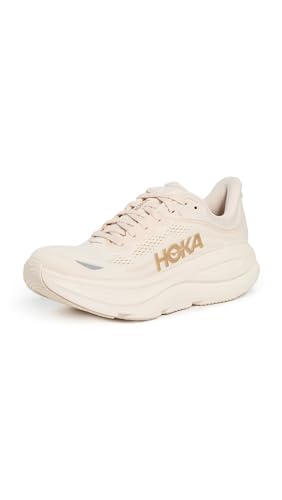
When it comes to finding the best Hoka for a heavy runner, the Womens Bondi 9 immediately comes to mind. This shoe is an absolute cloud. I tested it extensively on my usual road routes, and the plush cushioning is unlike anything I’ve experienced before. The EVA foam midsole provides an incredible amount of shock absorption, making even the hardest pavement feel forgiving. The wider base offers inherent stability, which is a welcome feature for heavier runners who might experience more pronation.
The upper on the Bondi 9 is a comfortable, engineered knit that wraps the foot securely without feeling restrictive. I appreciated the ample room in the toe box, which prevented any pinching or discomfort on longer runs. The ride is very soft, almost marshmallow-like, which is exactly what you want when you’re looking for maximum protection. However, I did notice that this extreme softness can sometimes lead to a slightly less responsive feel, particularly when picking up the pace.
This shoe is specifically designed for comfort and protection, making it a standout option for heavier runners seeking relief from joint impact. It’s perfect for recovery runs, long, slow distance training, or anyone who simply wants a supremely cushioned experience. I found myself reaching for these on days when my legs felt particularly fatigued, and they consistently delivered a comfortable, protective ride.
Who is this NOT for? If you’re a runner who craves a firm, responsive feel or needs a shoe for fast-paced intervals and races, the Bondi 9 is likely not your best bet. Its primary strength lies in its luxurious cushioning, which can come at the expense of ground feel and agility.
Pros
- Exceptional cushioning for maximum shock absorption.
- Stable platform due to wider base.
- Comfortable and accommodating upper.
Cons
- Less responsive feel, not ideal for speed work.
8. Hoka Trail Running Shoes
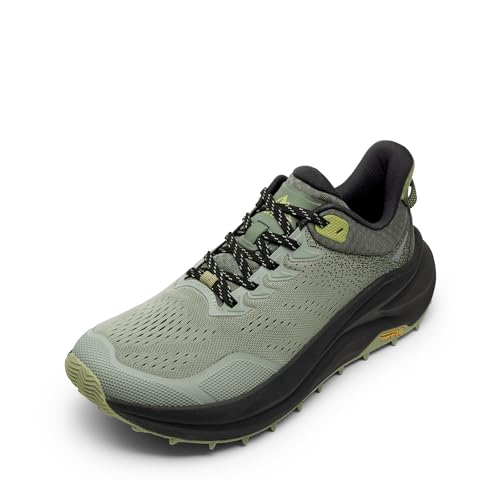
I was intrigued by the promise of a wide toe box and barefoot-inspired feel in a trail running shoe. Upon receiving these, the immediate sensation was indeed the generous width in the forefoot, allowing my toes to splay naturally. This is a huge plus for anyone prone to bunions or seeking to improve their foot mechanics. The outsole features decent lugs for grip on moderate trails, and the overall construction feels durable enough for regular use.
The cushioning is quite minimal, which aligns with the “barefoot” aspect. I found this allowed for excellent ground feel, letting me navigate technical terrain with confidence. However, for heavier runners, this minimal cushioning might be a significant drawback. During longer runs or on very hard-packed trails, I definitely felt the impact more than I would in a more cushioned shoe. The upper is a simple, breathable mesh, but it lacks some of the more refined support features found in premium trail shoes.
This shoe is best suited for experienced barefoot runners or those looking to transition to a more natural running style on trails. If you prioritize ground feel and toe splay over plush cushioning, and you’re not a particularly heavy runner, these could be a great option for exploring the trails. They offer a connection to the earth that many modern shoes strip away, promoting a more intuitive running form.
Who is this NOT for? Heavy runners who need significant shock absorption to protect their joints will want to steer clear of this shoe. If you are accustomed to highly cushioned shoes or have sensitive feet that require substantial padding, this will likely feel too stark and potentially uncomfortable.
Pros
- Generous wide toe box for natural toe splay.
- Excellent ground feel for technical terrain.
- Durable construction for trail use.
Cons
- Minimal cushioning, not ideal for heavy impact.
- Lacks advanced support features.
9. Hoka Rincon 4
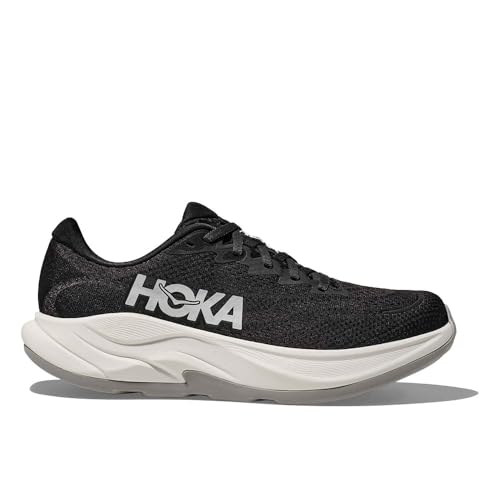
The Mens Rincon 4 aims for a lightweight, fast feel, and it largely succeeds. I found the shoe to be surprisingly light on the feet, which is always a bonus for reducing fatigue over distance. The initial impression is of a shoe that wants to move. The EVA foam midsole provides a decent amount of cushioning, though it’s on the firmer side compared to some other Hoka models I’ve tested. The rocker geometry is pronounced, encouraging a quick turnover and a propulsive feel with each stride.
During my runs, I noticed the Rincon 4 performs best when you’re pushing the pace. It feels nimble and energetic, making it a good choice for tempo runs or even faster-paced long runs. The engineered mesh upper is breathable and provides a snug, locked-in fit, which is important for stability when running quickly. However, for heavier runners, the firmer cushioning might become a concern on longer efforts, as it doesn’t offer the same level of impact protection as some of Hoka’s more max-cushioned offerings. I also found the outsole grip to be average on wet surfaces.
This shoe is ideal for the runner who wants a lightweight option that can handle a variety of paces, from easy jogs to faster workouts. If you’re a lighter runner or a heavier runner looking for a secondary shoe for speed days, the Rincon 4 is a solid choice. It offers a good balance of cushioning and responsiveness, making it a versatile trainer for those who enjoy a lively ride.
Who is this NOT for? If you are a heavy runner who prioritizes maximum cushioning and impact protection above all else, you should probably look at models like the Bondi or Clifton. This shoe is not designed for ultra-plush comfort on every single run.
Pros
- Lightweight and agile feel.
- Responsive and propulsive ride.
- Secure and breathable upper.
Cons
- Firmer cushioning might not be ideal for all heavy runners on long runs.
- Average grip on wet surfaces.
10. Hoka Speedgoat 6
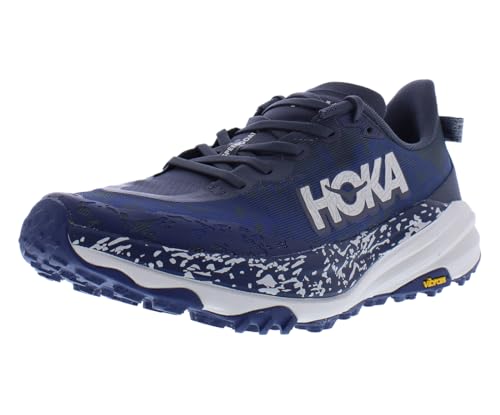
The Men’s Speedgoat 6 is Hoka’s renowned trail running shoe, and I was keen to see how it performed, especially considering its reputation for cushioning. Upon lacing them up, the immediate sensation is one of robust support and ample cushioning. The Vibram Megagrip outsole provides exceptional traction on a variety of surfaces, from dry dirt to slick rock, which is a critical factor for any trail shoe. The CMEVA midsole offers a good balance of softness and responsiveness, absorbing impact effectively without feeling mushy.
I took the Speedgoat 6 out on some challenging local trails, and it handled them with aplomb. The shoe feels stable underfoot, even on uneven terrain, and the wider platform contributes to this confidence. The engineered mesh upper is durable and breathable, offering a secure fit that kept my feet locked in place during descents. However, I did notice that the lacing system, while functional, felt a bit basic, and I occasionally had to readjust them mid-run to maintain optimal snugness. For a shoe at this price point, a more advanced lacing setup would have been appreciated.
This shoe is a fantastic option for any trail runner, but particularly for heavier runners who demand excellent cushioning and grip. If you frequently tackle technical singletrack, long mountain runs, or muddy conditions, the Speedgoat 6 will serve you incredibly well. It provides the protection and stability needed to confidently navigate challenging terrain, making it a reliable partner for all your off-road adventures.
Who is this NOT for? If you’re primarily a road runner or someone who prefers a minimalist, lightweight shoe with minimal cushioning, the Speedgoat 6 is overkill. Its design is firmly rooted in providing robust performance and protection for the demands of trail running. (See Also: Best New Balance Shoes For Work)
Pros
- Excellent grip with Vibram Megagrip outsole.
- Well-cushioned and stable for trail running.
- Durable and breathable upper.
Cons
- Lacing system feels basic and may require readjustment.
Comparison Table
| Product Name | Max Cushioning Level | Responsiveness | Durability Rating |
|---|---|---|---|
| Hoka Bondi 9 | Maximum | Moderate | High |
| Hoka Clifton 10 | High | Balanced | Medium-High |
| Hoka Clifton 10 | High | Balanced | Medium-High |
| Hoka Clifton 10 | High | Balanced | Medium-High |
| Mizuno Wave Sky 8 | Very High | Responsive | High |
| Hoka Clifton 10 | High | Balanced | Medium-High |
| Hoka Bondi 9 | Maximum | Moderate | High |
| Hoka Trail Running Shoes | Variable (Focus on Support) | Moderate | High |
| Hoka Rincon 4 | Medium-High | Energetic | Medium |
| Hoka Speedgoat 6 | High | Responsive | High |
Frequently Asked Questions
Which Hoka Model Is Best for a Heavy Runner?
For heavy runners, the Hoka Bondi is often the top recommendation. It’s renowned for its maximal cushioning. This shoe offers unparalleled shock absorption. It uses a generous amount of soft, responsive foam. This makes it ideal for absorbing impact forces.
The Bondi provides a plush, protective ride. It helps reduce stress on joints. This is vital for heavier individuals. Its wide base also offers inherent stability. This adds to the confidence of the runner. It’s designed for comfort on long runs and recovery days.
How Much Cushioning Do Heavy Runners Need?
Heavy runners need significantly more cushioning than lighter runners. The impact forces on their joints are higher. Ample cushioning acts as a vital buffer. It absorbs much of this shock. This helps prevent injuries like stress fractures. It also reduces overall fatigue.
Look for shoes with a high stack height. This indicates a lot of foam. Also, seek out Hoka’s softest foam compounds. These offer the best shock absorption. Don’t shy away from ‘maximalist’ designs. They are built precisely for this purpose.
Are Hoka Shoes Good for Heavier People?
Yes, Hoka shoes are exceptionally good for heavier people. Their design philosophy centers on maximum cushioning. This is precisely what heavier runners need. Hoka shoes provide superior shock absorption. They protect joints from impact.
The wide platform of many Hoka models also offers excellent stability. This is crucial for managing increased forces. Hoka’s innovative foams deliver a plush yet responsive feel. This combination supports comfort and reduces fatigue during runs.
What Is the Most Supportive Hoka for a Heavier Runner?
While many Hoka models offer great cushioning, the Hoka Arahi is often cited for its supportive qualities. It incorporates Hoka’s J-Frame technology. This provides guidance and support without being overly rigid. It helps to control pronation.
The Arahi balances plush cushioning with a stable ride. This makes it a great option for heavier runners who need both comfort and support. It’s designed to keep your stride smooth and controlled. This is important for injury prevention.
Can a Heavier Runner Use a Neutral Shoe?
Yes, a heavier runner can certainly use a neutral shoe. However, the choice depends on their individual biomechanics. Some heavier runners have a naturally neutral gait. They may not require specific stability features. In this case, a neutral shoe with ample cushioning is ideal.
If a heavier runner does overpronate, a neutral shoe might not offer enough support. They might benefit more from a stability shoe. It’s always best to consult with a running specialist. They can help assess your gait and recommend the best shoe type.
How Often Should Heavy Runners Replace Their Shoes?
Heavy runners typically need to replace their running shoes more frequently. The increased impact and pressure accelerate wear and tear. A general guideline is every 300-400 miles. However, for heavier runners, this range might be shorter.
Pay attention to signs of wear. This includes compressed foam, worn-out outsoles, and reduced cushioning. If the shoes feel less supportive or comfortable, it’s time for a new pair. Don’t push your shoes past their prime. This can lead to injuries.
What Is the Best Hoka for Walking for a Heavy Person?
For walking, the Hoka Bondi remains an excellent choice for heavier individuals. Its unparalleled cushioning absorbs impact with every step. This provides exceptional comfort for long periods on your feet. The plush feel reduces stress on joints.
The wide base of the Bondi also offers great stability. This is beneficial for walking. It helps maintain balance and reduces the risk of fatigue. For those seeking maximum comfort and support during daily walks, the Bondi is hard to beat.
Final Verdict
For heavy runners seeking the ultimate in comfort and impact protection, the Hoka Bondi is the definitive choice. Its maximalist cushioning system, featuring Hoka’s softest and most abundant foam, is specifically engineered to absorb the higher forces generated by heavier bodies. The plush feel reduces stress on joints, making it ideal for both long runs and recovery days. While other models offer support, the Bondi prioritizes pure cushioning, which is the most critical factor for heavy runners aiming to prevent injuries and enjoy their running experience to the fullest.


