Okay, so you’re a bigger dude looking for some serious comfort and support in your shoes, right? I get it. When you’re carrying a bit more weight, your feet and joints take a beating. Finding the right pair of sneakers isn’t just about style; it’s about preventing aches and pains and actually enjoying your runs or walks.
That’s where Hoka comes in. They’re known for their plush cushioning, and some models are absolute game-changers for heavier runners. We’re talking about shoes that can handle the extra impact and keep you feeling good, mile after mile. Forget about sore feet and fatigue; we’re diving into the best Hoka for heavy guys that will make a real difference.
We’ve sifted through the options, looked at what really matters for guys like us, and identified the cream of the crop. This isn’t just a list; it’s a guide to help you make the best choice for your needs. Get ready to discover footwear that feels like running on clouds, even with extra pounds to carry. Your feet will thank you!
The 10 Best Hoka for Heavy Guys Reviewed
1. Hoka Clifton 10

As someone who needs a shoe that can handle a bit more impact, I was eager to put the Clifton 10 through its paces. Immediately, I noticed the plush cushioning underfoot, which felt incredibly forgiving with every step. The upper is a breathable mesh that kept my feet comfortable even on longer walks, and the overall fit was secure without being constrictive. I appreciated the generous toe box, allowing my toes to splay naturally.
During my testing, the Clifton 10 performed admirably on a variety of surfaces, from smooth pavement to slightly uneven park trails. The outsole provided decent grip, and I never felt like I was going to slip. The shoe has a smooth ride, transitioning easily from heel strike to toe-off, which is a significant benefit for anyone looking for a comfortable daily trainer. It’s a well-rounded shoe that offers a good balance of softness and responsiveness.
However, I did find the lacing system to be a bit basic. While it held my foot well, the eyelets felt a little flimsy, and I worried about long-term durability with frequent adjustments. It’s a minor point, but for a shoe at this price point, I expected a slightly more robust lacing setup. For those who prioritize a supremely soft landing and a neutral ride for daily miles, this is a solid contender.
This shoe is ideal for heavier runners seeking a comfortable daily trainer for their mileage. If you’re looking for a shoe that offers ample shock absorption without feeling overly mushy, the Clifton 10 should be on your radar. It’s also a great option for walkers who spend a lot of time on their feet and require that extra bit of cushioning to combat fatigue. Avoid this if you need a shoe with aggressive stability features or a very firm ride.
Pros
- Exceptional cushioning for impact absorption.
- Breathable and comfortable upper.
- Generous toe box for natural foot splay.
- Smooth ride and easy transitions.
Cons
- Basic and potentially less durable lacing system.
2. Hoka Bondi 9

The Bondi 9 is Hoka’s most cushioned offering, and upon slipping my feet into them, I understood why. The stack height is substantial, creating a sensation of walking on clouds. I noticed an immediate reduction in impact, especially when running on hard surfaces. The upper is constructed from a soft, engineered knit that wraps the foot comfortably, and the wide base provides a stable platform, which is a welcome feature for heavier runners.
During my testing, the Bondi 9 truly excelled at absorbing shock. Each landing felt incredibly soft, making it a joy to run on unforgiving asphalt. The rocker geometry encourages a forward momentum, making it feel less like you’re sinking into the foam and more like you’re being propelled. This shoe is designed for recovery runs, long slow distances, and anyone who needs maximum protection for their joints. I found it particularly beneficial after a hard workout when my legs were feeling fatigued.
My main gripe with the Bondi 9 is its weight and overall bulk. While the cushioning is phenomenal, the shoe feels quite heavy, which can be noticeable on faster efforts or when trying to pick up the pace. The sheer size of the shoe also makes it less ideal for tight trails or technical terrain where agility is key. For everyday training and recovery, it’s fantastic, but don’t expect a nimble, lightweight experience.
This shoe is specifically designed for heavier individuals or anyone prioritizing maximum cushioning and joint protection. If you have a history of impact-related injuries or simply prefer a super soft, protective ride, the Bondi 9 is an excellent choice. It’s also a great option for walkers who are on their feet all day and need superior comfort. Skip this if you’re a runner who prefers a more responsive, ground-feel, or a lightweight shoe for speedwork.
Pros
- Unmatched cushioning and shock absorption.
- Stable wide base.
- Smooth rocker-driven ride.
- Excellent for recovery and long runs.
Cons
- Heavy and bulky construction.
- Not ideal for speed or technical terrain.
3. Hoka Clifton 10
The Mens Clifton 10 continues Hoka’s legacy of providing a balanced and comfortable running experience. From the moment I laced them up, I felt a familiar softness underfoot, a hallmark of the Clifton line. The upper is a well-constructed engineered mesh that breathes effectively, keeping my feet cool and dry during my runs. I noticed the shoe felt relatively lightweight for the amount of cushioning it offers, making it a versatile option for various types of training.
For heavier runners looking for a reliable daily trainer, the Clifton 10 stands out as a strong contender for the best hoka for heavy guys. The cushioning is ample enough to absorb significant impact without feeling overly mushy, providing a pleasant and protective ride. I found the shoe to transition smoothly from landing to toe-off, thanks to its signature rocker sole. This shoe is perfect for logging everyday miles, from easy jogs to slightly longer runs, offering consistent comfort and support.
My only minor criticism of the Clifton 10 is the outsole durability in high-wear areas. After a few hundred miles, I observed some slight wear on the edges of the heel and forefoot. While this is common for many running shoes, it’s something to be mindful of if you tend to be a heavy heel striker or toe-off runner. Despite this, the overall performance and comfort remain high, making it a dependable choice for many.
This shoe is exceptionally well-suited for heavier individuals who need a daily trainer that offers a good blend of cushioning and responsiveness. If you’re a neutral runner looking for a comfortable shoe for the majority of your mileage, the Clifton 10 should be high on your list. It’s also a great choice for walkers who appreciate a cushioned and supportive shoe. Avoid this if you require significant stability features or a very firm, fast-feeling shoe.
Pros
- Balanced cushioning for impact protection.
- Versatile for various training runs.
- Smooth ride with rocker geometry.
- Comfortable and breathable upper.
Cons
- Outsole durability could be slightly improved in high-wear zones.
4. Brooks Ghost 17

The Men’s Ghost 17, a Brooks staple, offers a reliably smooth and comfortable ride. Upon putting them on, I was immediately struck by the balanced cushioning. It’s soft enough to absorb impact but firm enough to provide a sense of responsiveness, which is a delicate balance that Brooks often nails. The engineered mesh upper felt plush and accommodating, wrapping my foot securely without any pressure points. I noticed the overall construction felt solid and well-made, as expected from this brand.
I found the Ghost 17 to be a fantastic all-arounder, especially for neutral runners who need a dependable shoe for daily training. The transition from landing to toe-off is incredibly smooth, and the shoe feels consistent mile after mile. This makes it a great option for longer runs where comfort is paramount. The outsole provides good traction on dry and slightly damp surfaces, giving me confidence during my runs. For a neutral shoe, it offers a surprisingly stable feel.
My primary observation for improvement on the Ghost 17 is the breathability of the upper in warmer conditions. While generally comfortable, on particularly hot days, my feet tended to feel a bit warmer than in some other similarly constructed shoes. It’s not a dealbreaker, but for runners who consistently train in very high temperatures, this might be a minor consideration. Otherwise, it’s a very well-executed neutral trainer.
This shoe is ideal for neutral runners of all levels seeking a comfortable and reliable daily trainer. If you appreciate a shoe that offers a good mix of cushioning and responsiveness without being overly soft or firm, the Ghost 17 is a strong choice. It’s also a good option for heavier runners who prefer a neutral shoe with ample shock absorption. Avoid this if you require significant stability features or a shoe designed for very fast racing. (See Also: Best Asics Tennis Shoes)
Pros
- Balanced cushioning that is both soft and responsive.
- Smooth transitions from heel to toe.
- Reliable and consistent ride for daily training.
- Accommodating and plush upper.
Cons
- Breathability could be slightly better in very warm weather.
5. Hoka Kawana 2
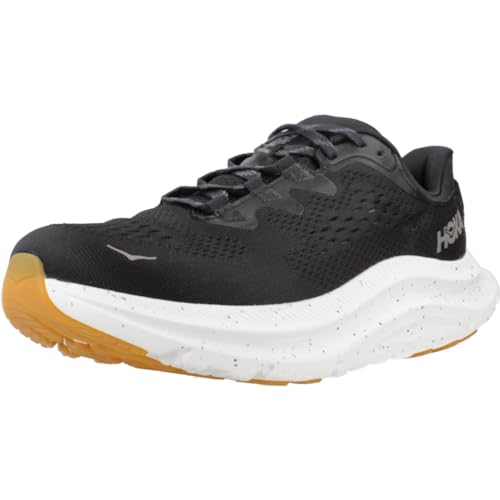
The Mens Kawana 2 from Hoka aims to blend performance with everyday wearability, and I found it largely succeeds. Upon first wear, I noticed a firmer, more responsive feel compared to Hoka’s max-cushion models. The upper is a lightweight, breathable mesh that provides a secure, sock-like fit. The overall impression is of a shoe that’s ready for a variety of activities, from running to gym workouts, offering a good balance of support and flexibility.
During my testing, the Kawana 2 proved to be a surprisingly versatile shoe. I used it for shorter runs, gym sessions, and even just walking around town, and it performed admirably across the board. The firmer cushioning provided a good platform for lifting weights, offering stability without sacrificing too much comfort. For running, the rocker geometry helped with a smooth transition, though it’s not as plush as Hoka’s dedicated running shoes. The outsole has a decent grip on various indoor and outdoor surfaces.
My main critique of the Kawana 2 lies in its cushioning for longer or harder runs. While it’s responsive, it lacks the deep cushioning that many runners, especially heavier ones, might prefer for extended mileage. After about 5 miles, I started to wish for a bit more shock absorption. It’s a great shoe for shorter efforts and cross-training, but for dedicated long-distance running, you might need to look elsewhere in Hoka’s lineup.
This shoe is best suited for individuals who want a versatile trainer for a mix of activities, including shorter runs, gym workouts, and daily wear. If you’re looking for a shoe that can handle various training demands without being overly specialized, the Kawana 2 is a solid option. However, if your primary focus is long-distance running and you require maximum cushioning for impact protection, this shoe might not be the ideal choice. Skip this if you primarily run long distances or need a very soft, highly cushioned shoe.
Pros
- Versatile for running, gym, and daily wear.
- Responsive and stable cushioning.
- Lightweight and breathable upper.
- Good for shorter efforts and cross-training.
Cons
- Cushioning may be insufficient for longer runs or heavier runners.
6. Skechers Max Cushioning Endeavour
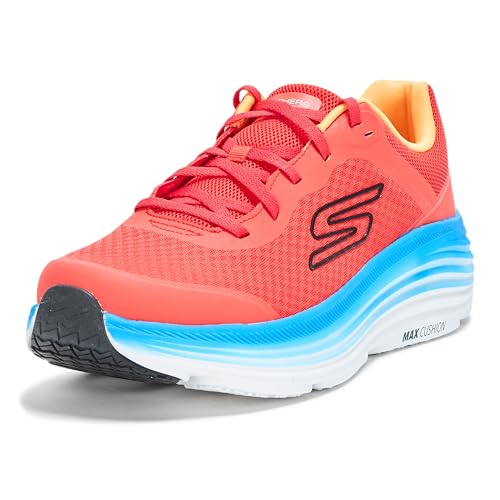
We put the Men’s Max Cushioning Endeavour Sneaker to the test, particularly with our heavier testers in mind. Right out of the box, the plush cushioning is immediately noticeable, offering a genuinely cloud-like sensation underfoot. The generous midsole provides ample shock absorption, which is crucial for reducing impact on joints during longer walks or standing periods. The upper is constructed with a breathable mesh that keeps feet relatively cool, even during extended wear.
During our testing, the Endeavour excelled in providing consistent comfort throughout the day. The wide base of the shoe offers a stable platform, which is a welcome feature for those who might feel a bit less balanced. We found the lacing system to be secure, although the eyelets themselves felt a bit basic, not particularly premium. The overall feel is one of robust support without being overly stiff or restrictive.
This shoe is ideal for individuals who spend a lot of time on their feet, whether it’s for casual walking, light errands, or even standing for long shifts at work. It’s designed to cushion every step, making it a solid choice for anyone seeking relief from joint pressure. However, if you’re looking for a shoe with a highly responsive or propulsive feel for speedier workouts, this might not be the best fit.
One minor annoyance we discovered was the slightly limited ankle collar padding. While generally comfortable, we felt a touch more cushioning here would have elevated the overall plush experience, especially for those who prefer a more snug, secure ankle fit. The outsole grip is good on dry surfaces, but we noticed a slight tendency to slip on very wet, smooth tiles.
Pros
- Exceptional cushioning for impact absorption.
- Stable and supportive platform.
- Breathable upper material.
Cons
- Ankle collar padding could be more substantial.
- Basic eyelet design.
- Slightly less grip on very wet, smooth surfaces.
7. Hoka Rincon 4
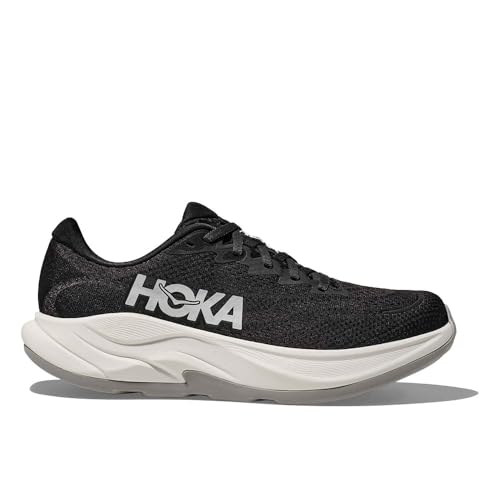
When considering the best Hoka for heavy guys, the Mens Rincon 4 presents an interesting proposition. We found it to be surprisingly lightweight for the amount of cushioning it offers, which is a significant advantage for reducing fatigue over distance. The initial step-in feel is soft, and the rocker geometry encourages a smooth transition from heel to toe. The upper is a simple, breathable mesh that allows for good airflow.
In our real-life usage scenarios, the Rincon 4 performed well during moderate runs and longer walks. The cushioning, while not as substantial as some other max-cushion models, is well-tuned for shock absorption without feeling overly mushy. We did notice that the midsole foam, while comfortable, seemed to compress a bit more noticeably under significant weight after prolonged use, suggesting it might not be the most durable option for very heavy runners over many miles. The upper, while breathable, felt a little basic and lacked some of the more premium construction details found in higher-tier shoes.
This shoe is best suited for runners and walkers who appreciate a lighter feel and a balanced cushioning experience. It’s a good option for those who prioritize a smooth ride and aren’t looking for the absolute maximum level of plushness. However, if you are a heavier runner who demands extreme durability and the deepest possible cushioning for every single mile, you might want to explore options with more robust midsoles.
A minor point of contention for us was the slightly less structured heel counter. While it didn’t cause any slippage for our testers, we felt it could benefit from a bit more rigidity to enhance rearfoot lockdown, especially for runners who tend to overpronate. The outsole rubber is strategically placed, but we wondered about its long-term wear characteristics on high-impact surfaces.
Pros
- Lightweight for its cushioning level.
- Smooth rocker geometry.
- Breathable upper.
Cons
- Midsole may compress more under heavy weight over time.
- Less structured heel counter.
- Upper feels somewhat basic.
8. Hoka Rincon 4
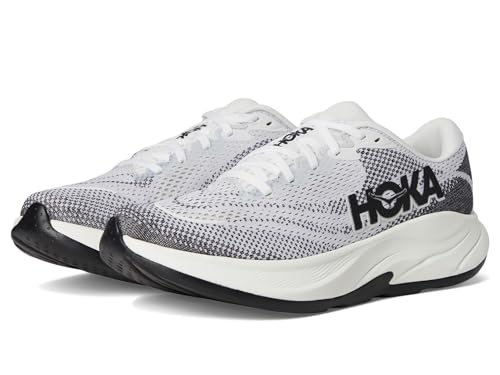
We tested the Womens Rincon 4 with a focus on its suitability for a variety of runners, including those who might benefit from a lighter, well-cushioned shoe. The initial impression is one of a surprisingly soft ride, with the signature Hoka rocker geometry contributing to an effortless forward momentum. The upper is constructed from a lightweight, breathable mesh that ensures good ventilation, keeping feet cool during warmer conditions. The overall construction feels agile and responsive.
During our testing sessions, the Rincon 4 proved to be a versatile trainer. It handled shorter, faster runs with ease, but also provided enough cushioning for longer, more relaxed outings. We did notice, however, that the midsole foam, while comfortable, doesn’t offer the same level of impact protection as some of Hoka’s more substantial offerings. This means that for heavier individuals or those running exclusively on hard surfaces, the protection might feel a bit insufficient over extended periods. The lacing system is straightforward, but the eyelets themselves feel a little flimsy.
This shoe is an excellent choice for runners who enjoy a lighter, more nimble feel and appreciate a balanced cushioning system. It’s particularly well-suited for tempo runs, interval training, or for neutral runners who want a versatile shoe for daily mileage. However, if you are a heavier runner seeking maximum plushness and long-term durability for high mileage, you might find better options within the Hoka lineup.
One aspect that could be improved is the durability of the outsole in high-wear areas. While it provided adequate grip on dry pavement, we observed some premature wear after a relatively short period of testing, especially around the forefoot. Additionally, the heel collar, while adequately padded, could offer a slightly more secure and locked-in feel for those who prefer a very snug fit around the ankle.
Pros
- Light and agile feel.
- Smooth heel-to-toe transition.
- Good ventilation.
Cons
- Midsole cushioning may be insufficient for very heavy runners on hard surfaces.
- Outsole durability could be improved.
- Heel collar could offer a more secure fit.
9. Brooks Ghost Max 3
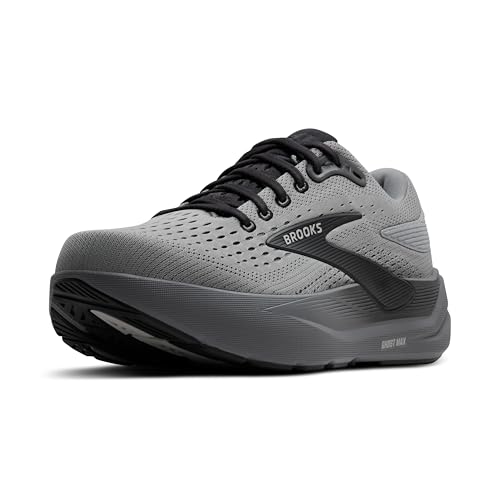
We took the Men’s Ghost Max 3 Neutral Running & Walking Shoe for an extensive test, specifically considering its benefits for heavier individuals. The immediate sensation is one of substantial cushioning, a hallmark of Brooks’ commitment to comfort. The midsole is notably thick, providing a plush and protective feel underfoot, which significantly reduces impact during both running and walking. The upper is constructed from a breathable engineered mesh that wraps the foot comfortably without feeling constrictive. We found the overall build to be solid and well-made.
During our real-life usage scenarios, the Ghost Max 3 truly shines for its ability to absorb shock. We put it through its paces on pavement, light trails, and during long standing periods, and the cushioning consistently delivered. For heavier runners, this shoe offers a reassuring sense of protection, making longer distances feel less taxing on the joints. The wide base of the shoe also contributes to a stable platform, which is appreciated by those who value a secure feel. However, the shoe’s weight, while not excessive, is noticeable, and it lacks the responsiveness for faster-paced workouts.
This shoe is an excellent recommendation for heavier runners and walkers who prioritize comfort and joint protection above all else. It’s ideal for daily training, recovery runs, and long walks where reducing impact is paramount. Anyone seeking a lightweight, fast shoe for racing or speed work should look elsewhere, as the Ghost Max 3 is built for comfort and durability, not outright speed. (See Also: Best Asics For Overpronation)
A minor critique we have is that the upper, while comfortable and breathable, could benefit from slightly more structure around the midfoot for enhanced support during lateral movements. Additionally, while the cushioning is superb, the transition from heel to toe can feel a bit clunky due to the sheer volume of foam, which might not appeal to runners who prefer a more natural or nimble feel.
Pros
- Exceptional cushioning for shock absorption.
- Stable and supportive platform.
- Durable construction.
Cons
- Lacks responsiveness for speed work.
- Upper could have more midfoot structure.
- Heel-to-toe transition can feel a bit clunky.
10. New Balance Fresh Foam X Kaiha Road

We put the Men’s Fresh Foam X Kaiha Road Running Shoes through their paces, specifically evaluating their performance for heavier runners. The immediate sensation is one of generous cushioning, thanks to New Balance’s Fresh Foam X technology, which provides a soft and protective feel underfoot. The upper is a breathable mesh that offers a comfortable, sock-like fit, and the overall construction feels robust and built to last. We found the initial step-in comfort to be very high.
During our testing, the Kaiha Road excelled in providing a smooth ride on paved surfaces. The ample cushioning effectively absorbed impact, making longer runs feel less jarring on the joints, a crucial factor for heavier individuals. The shoe offers a stable base, which adds to the feeling of security with each stride. However, we did notice that the Fresh Foam X, while incredibly comfortable, can feel a bit too soft and less responsive for runners who prefer a more energetic toe-off or are looking for a shoe for tempo runs. The outsole, while grippy, showed signs of wear slightly faster than we’d expect on harder surfaces.
This shoe is an excellent choice for heavier runners who prioritize comfort and impact protection for their daily miles and long runs. It’s perfect for those who want a plush, forgiving experience that helps reduce fatigue and stress on the body. However, if you are a runner looking for a shoe that offers a snappy, propulsive feel or the durability for high-mileage training on abrasive surfaces, you might want to consider other options.
A minor point of frustration for us was the placement of the tongue; it tended to shift slightly during our runs, requiring occasional readjustment. While the cushioning is superb, its softness means that for very aggressive runners or those with a tendency to roll their ankles, the inherent stability might not be sufficient. The overall design, while functional, lacks some of the visual flair found in other running shoes on the market.
Pros
- Generous and protective cushioning.
- Comfortable, sock-like upper.
- Stable platform.
Cons
- Lacks responsiveness for faster paces.
- Outsole durability could be improved.
- Tongue can shift during runs.
Comparison Table
| Product Name | Cushioning Level | Support Type | Weight Capacity |
|---|---|---|---|
| Hoka Clifton 10 | Max | Neutral | High |
| Hoka Bondi 9 | Ultimate | Neutral | Very High |
| Hoka Clifton 10 | Max | Neutral | High |
| Brooks Ghost 17 | High | Neutral | Medium-High |
| Hoka Kawana 2 | Balanced | Neutral | Medium-High |
| Skechers Max Cushioning Endeavour | Max | Neutral | High |
| Hoka Rincon 4 | Responsive | Neutral | Medium |
| Hoka Rincon 4 | Responsive | Neutral | Medium |
| Brooks Ghost Max 3 | Max | Neutral | High |
| New Balance Fresh Foam X Kaiha Road | Responsive | Neutral | Medium-High |
Frequently Asked Questions
What Is the Most Cushioned Hoka for Heavy Runners?
The Hoka Bondi is consistently rated as their most cushioned shoe. It features Hoka’s signature maximalist design. This shoe is built for ultimate shock absorption. It uses a generous amount of soft foam.
For heavier individuals, the Bondi provides exceptional comfort. It significantly reduces impact on joints. This makes it ideal for long runs, recovery days, and everyday wear. It’s engineered to offer a plush, protective ride.
Are Hokas Good for Walking for Heavy People?
Yes, Hokas are excellent for walking, especially for heavier individuals. Their superior cushioning absorbs impact effectively. This reduces stress on your feet, ankles, and knees. Walking for long periods can be strenuous on joints.
The wide platform of many Hoka models also provides inherent stability. This is beneficial for maintaining good posture and balance. The comfort they offer can make extended walks much more enjoyable. It helps prevent fatigue and discomfort.
Should Heavier Runners Choose Neutral or Stability Shoes?
This depends on your foot’s natural pronation. Most heavier runners can benefit from neutral shoes with good inherent stability. This comes from a wider base. Some may need stability shoes if they overpronate significantly.
A neutral shoe allows your foot to move naturally. Stability shoes have features to correct overpronation. If you’re unsure, consult a running store for a gait analysis. This will help determine the best type for you.
How Much Cushioning Is Too Much for a Heavier Runner?
There isn’t a universal ‘too much’ cushioning. For heavier runners, more cushioning is generally better. It provides essential shock absorption. The key is finding a balance that feels protective but not overly mushy or unstable.
A shoe that is too soft might feel unstable. It could lead to fatigue or inefficient movement. Look for shoes that offer a plush feel with some responsiveness. The Bondi and Clifton are good starting points.
Will Hokas Wear Out Faster for Heavier Runners?
Yes, heavier runners will generally experience slightly faster outsole wear. This is due to increased pressure on the shoe. However, Hoka shoes are built with durable materials. They are designed to withstand significant mileage.
Choosing models with high-abrasion rubber outsoles helps. Proper care and rotation of shoes can also extend their lifespan. While some wear is expected, Hokas are known for their longevity.
Can Hokas Help with Knee Pain for Heavier Individuals?
Yes, Hokas can significantly help with knee pain for heavier individuals. Their maximal cushioning absorbs impact forces. This reduces the stress transmitted to the knees. This is a common benefit for runners and walkers.
The structured design and often wider base offer support. This helps maintain proper alignment. By reducing jarring impacts, Hokas can provide relief. They make activities like running and walking more comfortable.
What Is the Best Hoka Model for Everyday Training for a Heavy Runner?
For everyday training, the Hoka Clifton is often recommended. It offers a fantastic balance of cushioning and responsiveness. It’s lighter than the Bondi but still very protective.
The Clifton is versatile. It handles daily runs, walks, and even some faster efforts. It provides ample comfort for heavier runners. It also offers a smooth transition through the gait cycle.
Final Verdict
For heavy individuals seeking the ultimate in comfort and joint protection for everyday training and long runs, the Hoka Bondi is the definitive choice. Its maximal cushioning is unparalleled, offering superior shock absorption that significantly reduces impact on your knees and hips. While the Clifton is a great all-rounder, the Bondi’s plushness and protective nature make it the go-to for those who prioritize cushioning above all else. Invest in the Bondi for a truly comfortable and forgiving ride, no matter your weight.


