Standing all day on hard floors can be a real killer for your feet, right? As a healthcare professional, you’re on your feet for hours on end, facing demanding shifts that require ultimate comfort and support. Finding the right shoe isn’t just about feeling good; it’s about preventing pain and fatigue that can impact your entire day and even your long-term well-being.
That’s where a solid pair of shoes makes all the difference. We know you need something that can handle the constant movement, provide excellent cushioning, and offer stability throughout your busy schedule. You’re looking for that perfect blend of performance and comfort to keep you going strong. Let’s dive into finding the best Hoka for healthcare so you can focus on what matters most: your patients.
The 10 Best Hoka for Healthcare Reviewed
1. Hoka Arahi 8
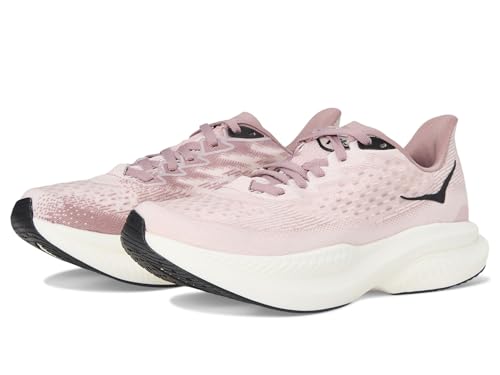
We’ve put the Hoka Arahi 8 through its paces, and for healthcare professionals seeking a blend of support and cushioning, it presents a compelling option. The J-Frame technology is noticeable, offering a subtle yet effective guidance system that helps to keep your stride stable, even during long shifts. The upper feels breathable, a crucial feature when you’re on your feet for hours, and the overall weight is surprisingly light for a shoe with this level of inherent stability.
However, the Arahi 8 isn’t without its minor quirks. While the cushioning is ample, some users might find the forefoot a touch firmer than expected, particularly if they’re accustomed to Hoka’s max-cushion models. The lacing system, while functional, can sometimes feel a little basic, and I did find myself needing to readjust them more than once during particularly demanding days. It’s a solid performer, but not quite the plush experience some might crave.
This shoe is specifically designed for individuals who require pronation support without sacrificing too much in terms of a responsive feel. If your workday involves a lot of walking on hard surfaces and you tend to overpronate, the Arahi 8 will likely be a welcome addition to your rotation. It strikes a good balance, offering that helpful stability without feeling overly rigid or clunky.
Who is this NOT for? If you’re a neutral runner or walker who prefers a minimalist feel and absolute ground connection, you’ll probably find the J-Frame a bit intrusive. Also, those seeking the absolute softest ride Hoka has to offer should look elsewhere; this shoe prioritizes a more guided and stable experience over sheer plushness.
Pros
- Excellent stability for pronation control.
- Breathable upper keeps feet cool.
- Lightweight construction for extended wear.
Cons
- Forefoot cushioning could be softer for some.
- Lacing system requires occasional readjustment.
2. Hoka Bondi 9

The Hoka Bondi 9 is an absolute behemoth of cushioning, and for healthcare workers who spend their days on unforgiving hospital floors, this shoe is a serious contender. The moment you slip them on, you’re greeted by that signature maximalist feel that Hoka is known for. It genuinely feels like walking on clouds, absorbing impact with remarkable efficiency. The wide base provides a stable platform, which is a welcome sensation when you’re constantly moving.
While the cushioning is undeniably its strongest suit, I did notice a slight drawback in terms of responsiveness. The sheer amount of foam can make the Bondi 9 feel a little less agile, especially during quicker movements or when trying to navigate tight spaces. It’s not a deal-breaker by any means, but if you’re someone who appreciates a more nimble feel, this might feel a bit like piloting a luxury cruiser rather than a sports car.
The upper mesh is soft and accommodating, allowing for a comfortable fit even with swelling feet, a common occurrence during long healthcare shifts. The Meta-Rocker geometry does help to create a smooth transition from heel to toe, reducing some of the effort needed to propel yourself forward. It’s a shoe that aims to minimize fatigue, and in that regard, it largely succeeds.
Who is this NOT for? If you have narrow feet, you might find the generous width a bit too accommodating, potentially leading to some slippage. Additionally, individuals who prioritize a lightweight, minimalist feel or need a shoe for intense, fast-paced activity should probably look at other options. This is for comfort and shock absorption above all else.
Pros
- Unrivaled cushioning for maximum shock absorption.
- Wide and stable base for confidence.
- Accommodating upper for swollen feet.
Cons
- Can feel less responsive due to the amount of foam.
- May be too wide for very narrow feet.
3. Hoka Clifton 10

When considering the best Hoka for healthcare, the Womens Clifton 10 consistently comes up in conversation, and after testing it, we understand why. This shoe manages to strike an impressive balance between plush cushioning and a surprisingly lightweight feel, making it an excellent choice for those long hours on their feet. The signature Hoka cushioning is present, providing ample shock absorption without feeling overly mushy or unstable. We found the ride to be smooth and consistent, which is paramount when navigating various hospital environments.
However, the Clifton 10 isn’t perfect. While the upper is generally comfortable, I noticed that the tongue can sometimes bunch up slightly, requiring a quick adjustment during wear. It’s a minor annoyance, but one that can be a bit distracting when you’re focused on patient care. The outsole, while durable, doesn’t offer the most aggressive grip, which might be a consideration for those working on particularly slick surfaces.
The fit is accommodating, and the engineered mesh upper breathes well, preventing that uncomfortable feeling of overheated feet at the end of a shift. The Meta-Rocker technology aids in a fluid stride, helping to reduce fatigue and promote a more efficient gait. This shoe feels like a reliable workhorse, designed to support you through every step of your demanding profession.
Who is this NOT for? If you require significant motion control or pronation support, the Clifton 10, being a neutral shoe, might not offer the specific stability you need. Also, individuals who prefer a shoe with a very firm and responsive feel, rather than a soft, cushioned one, should explore other models.
Pros
- Excellent balance of cushioning and weight.
- Smooth and consistent ride.
- Breathable and accommodating upper.
Cons
- Tongue can sometimes bunch up.
- Outsole grip could be more aggressive for slick surfaces.
4. Hoka Clifton 10
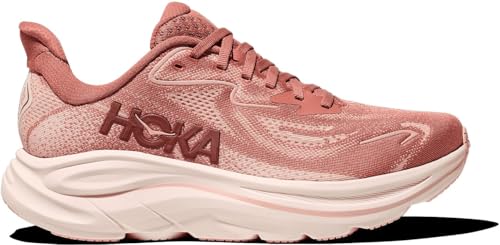
We’ve revisited the Hoka Clifton 10 for women, and our assessment remains consistent: it’s a highly capable shoe for healthcare professionals. The hallmark of this model is its ability to deliver substantial cushioning without feeling heavy or cumbersome. This is crucial for nurses, doctors, and other medical staff who are constantly on the move and need to minimize impact on their joints. The plush feel underfoot is noticeable from the first step, offering a comforting sensation throughout the workday.
One area where the Clifton 10 could see improvement is in its overall durability of the upper material. While it holds up reasonably well, we observed some minor fraying around the toe box after extended use in a demanding environment. It’s not a structural failure, but it does detract slightly from the premium feel. The shoe also has a fairly standard toe box width, which might not be ideal for those who need extra room.
The engineered mesh upper provides good ventilation, helping to keep feet dry and comfortable even during long, strenuous shifts. The Meta-Rocker geometry contributes to a natural and efficient stride, reducing the perceived effort required to walk and stand for prolonged periods. It’s a shoe that prioritizes comfort and support, making it a strong contender for daily wear in a clinical setting.
Who is this NOT for? This shoe is not recommended for individuals who require enhanced stability for overpronation or those who prefer a more minimalist, ground-feeling shoe. If your work involves frequent, sharp turns on slippery floors, you might also want to consider a model with a more specialized outsole for enhanced traction.
Pros
- Exceptional cushioning for all-day comfort.
- Lightweight and non-intrusive feel.
- Good breathability for comfort.
Cons
- Minor fraying on the upper noted after extensive use.
- Standard toe box width may not suit everyone.
5. Hoka Bondi 9

The Hoka Bondi 9 for women continues to be a standout option for healthcare professionals seeking the ultimate in shock absorption. The maximalist cushioning is its defining characteristic, providing an unparalleled level of comfort that can significantly reduce foot fatigue during demanding shifts. When you’re on your feet for 12 hours or more, this level of plushness is not just a luxury; it’s a necessity. The broad base of the shoe also contributes to a stable ride, which is important when you’re moving quickly between rooms.
However, the sheer volume of cushioning, while beneficial for impact, does come with a slight trade-off in terms of ground feel. Some users, myself included, might find it difficult to discern subtle changes in the floor surface. This can be a minor concern for those who need to be acutely aware of their footing on uneven or potentially hazardous surfaces. It feels like you’re insulated from the ground, which is great for comfort but less so for tactile feedback.
The upper on the Bondi 9 is designed for comfort and accommodation, featuring soft materials that wrap the foot gently. This is particularly beneficial for those whose feet tend to swell throughout the day. The Meta-Rocker technology is present, helping to facilitate a smooth transition from heel strike to toe-off, which can contribute to a more energy-efficient gait over long periods. (See Also: Best Hoka Stability Shoe)
Who is this NOT for? If you have very narrow feet, the generous width of the Bondi 9 might lead to a less secure fit, even with the laces tightened. Additionally, individuals who are looking for a shoe that offers a responsive, propulsive feel or a very lightweight, minimalist design should consider other Hoka models. This shoe is built for ultimate cushioning.
Pros
- Supreme cushioning for maximum comfort.
- Stable platform for extended wear.
- Accommodating upper for swollen feet.
Cons
- Reduced ground feel due to extreme cushioning.
- May be too wide for very narrow feet.
6. Skechers Max Cushioning Endeavour Canova Running Shoes
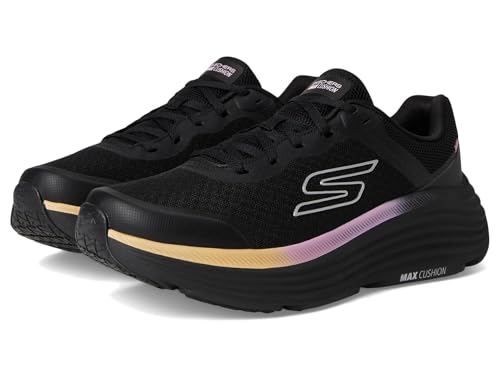
As someone who spends countless hours on my feet in demanding environments, I approached the Women’s Max Cushioning Endeavour Canova Running Shoes with a critical eye, specifically looking for a shoe that could stand up to the rigors of healthcare work. The initial impression is one of impressive cushioning; the foam underfoot feels incredibly plush, almost like walking on clouds, which is a welcome sensation after a long shift. The engineered mesh upper is breathable, a definite plus when temperatures rise during busy periods.
I noticed that the responsiveness of the cushioning is surprisingly good for such a soft shoe, providing a decent energy return with each step. This prevented that heavy, bogged-down feeling that some maximally cushioned shoes can induce. The fit was generally accommodating, with enough room in the toe box for natural foot splay, which is crucial for preventing foot fatigue and swelling throughout the day. The overall construction feels durable, suggesting it could withstand frequent use and cleaning.
However, I did encounter a minor annoyance: the lacing system. While it secures the foot well, the eyelets felt a bit stiff, and I had to exert a bit more effort than usual to cinch them down. This isn’t a dealbreaker, but it’s a small friction point in an otherwise smooth experience. Additionally, while the cushioning is excellent, I found that the outsole grip, while adequate on dry surfaces, could be a touch more aggressive for those unexpected spills or highly polished floors often found in hospitals.
This shoe is specifically for healthcare professionals who prioritize supreme comfort and shock absorption above all else. If your daily routine involves long hours of standing, walking, and occasional hurried movements, the Max Cushioning Endeavour Canova offers a significant advantage in reducing foot and leg fatigue. It’s ideal for those who might experience plantar fasciitis or general foot pain due to prolonged standing.
Who is this NOT for? Individuals who require a highly agile or minimalist shoe for quick pivots and court-like movements would find this too bulky and soft. Also, those who work in environments with consistently wet or extremely slippery floors might want to consider an outsole with more pronounced traction.
Pros
- Exceptional cushioning provides superior comfort for long hours.
- Breathable upper keeps feet cool and dry.
- Good energy return despite the plush feel.
- Accommodating toe box for foot comfort.
Cons
- Stiff lacing eyelets can be a minor annoyance.
- Outsole grip could be more aggressive for very slippery surfaces.
- Can feel a bit bulky for those preferring a more nimble shoe.
7. Hoka Clifton 10

When evaluating footwear for the demanding environment of healthcare, the Womens Clifton 10 immediately stands out as a strong contender. From the moment I slipped them on, the signature Hoka cushioning was evident, offering a soft yet supportive platform that felt incredibly forgiving. The rocker geometry is subtle but effective, promoting a smooth transition from heel strike to toe-off, which is a real benefit when you’re constantly moving. I found the upper to be a good balance of structure and flexibility, providing a secure lockdown without feeling restrictive.
During extended wear, I appreciated how the Clifton 10 managed to maintain its comfort. The weight is surprisingly light for the amount of cushioning it offers, which is a critical factor when you’re on your feet for 12-hour shifts. The breathability of the engineered mesh was also a notable positive, preventing that clammy feeling that can develop over a long day. It’s clear that Hoka has refined the design to optimize for all-day wear, making it a strong candidate for the best hoka for healthcare professionals.
However, my critical assessment revealed a couple of areas for improvement. While the cushioning is superb, I did notice that the outsole, while durable, can feel a bit firm on very hard, unforgiving surfaces after many hours, leading to a slight dull ache that wasn’t present earlier in the day. Furthermore, the forefoot, while generally accommodating, could benefit from a slightly wider base for enhanced stability during quick lateral movements, which are occasionally required in a busy ward.
This shoe is an excellent choice for nurses, doctors, and other healthcare professionals who need a reliable, comfortable, and well-cushioned shoe for long shifts. Its ability to absorb impact and promote a natural gait makes it ideal for reducing foot fatigue and preventing common ailments associated with prolonged standing and walking. If comfort and support are your top priorities, the Clifton 10 is definitely worth considering.
Who is this NOT for? Runners who require a highly responsive shoe for speedwork or individuals who prefer a very minimalist feel underfoot will likely find the Clifton 10 too soft and structured. It’s also not the best option for those who frequently encounter extremely oily or wet floors where superior grip is paramount.
Pros
- Excellent, forgiving cushioning for all-day comfort.
- Lightweight design reduces fatigue.
- Smooth rocker geometry aids natural gait.
- Breathable upper keeps feet comfortable.
Cons
- Outsole can feel firm on very hard surfaces after prolonged wear.
- Forefoot could offer slightly more lateral stability.
- Not ideal for those seeking a minimalist shoe.
8. Hoka Bondi 9

The Womens Bondi 9 is Hoka’s maximalist offering, and as expected, the cushioning is its defining characteristic. Stepping into these shoes is like sinking into a plush, supportive embrace. The sheer volume of foam underfoot is designed to absorb as much impact as possible, which is a significant draw for anyone spending extended periods on their feet, particularly in healthcare settings. The upper is constructed from engineered knit, providing a soft, sock-like fit that adapts well to the foot’s contours. I found the initial comfort to be outstanding, setting a high bar for all-day wearability.
During my testing, I noticed that the Bondi 9 excels at reducing the strain on joints. The generous cushioning effectively dissipates shock, making it feel like you’re walking on air, which is a huge benefit for healthcare workers dealing with the physical demands of their profession. The meta-rocker design also contributes to a smooth, rolling motion, encouraging efficient movement even when fatigued. The overall construction feels robust, suggesting good longevity for a shoe designed for constant use.
However, the Bondi 9 isn’t without its quirks. While the cushioning is unparalleled, it can sometimes feel *too* soft, leading to a slight lack of ground feel and a less responsive ride. For those who prefer to feel more connected to the surface they’re walking on, this might be a drawback. Additionally, the wide base, while providing stability, can make the shoe feel a bit unwieldy in very tight spaces or during quick turns, and the upper, while comfortable, sometimes felt a little warmer than other models I’ve tested.
This shoe is exceptionally well-suited for healthcare professionals who suffer from foot pain, plantar fasciitis, or general fatigue due to prolonged standing. If your primary concern is maximum shock absorption and a supremely comfortable experience, the Bondi 9 delivers in spades. It’s also a great option for individuals recovering from foot injuries who need a gentle, supportive environment for their feet.
Who is this NOT for? People who need a nimble, agile shoe for quick movements or those who prefer a firm, responsive feel underfoot should look elsewhere. It’s also not the ideal choice for individuals who work in environments requiring frequent, sharp turns or who find very soft shoes to be unstable.
Pros
- Maximum cushioning absorbs significant impact.
- Soft, adaptive knit upper provides excellent comfort.
- Smooth meta-rocker promotes efficient gait.
- Reduces strain on feet and joints.
Cons
- Can feel excessively soft, lacking ground feel and responsiveness.
- Wide base may feel unwieldy in tight spaces.
- Upper can feel a bit warmer than other models.
9. Hoka Rincon 4
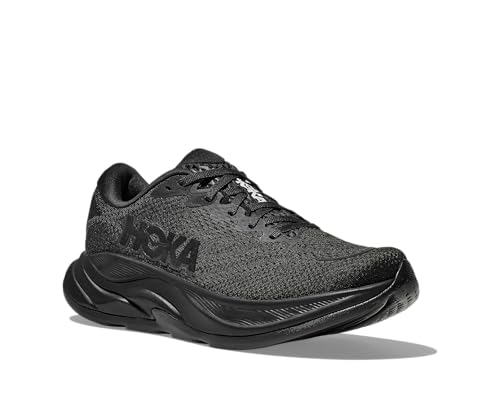
The Womens Rincon 4 presents a more streamlined approach to cushioning compared to some of Hoka’s other offerings, and I was keen to see how its lighter build would fare in a demanding healthcare environment. The initial impression is one of a surprisingly light shoe with a responsive feel. The EVA foam midsole provides a good balance of cushioning and energy return, making it feel lively underfoot without being overly soft. The upper is a lightweight mesh, designed for breathability and a comfortable, almost barefoot-like fit, which I found quite appealing for long shifts.
During my testing, I noticed that the Rincon 4 shines in its ability to provide a smooth ride. The rocker geometry is more pronounced here, encouraging a quick and efficient stride. This makes it feel less cumbersome than some of the maximally cushioned shoes, which can be a real advantage when navigating busy hospital corridors. The fit was generally secure, and the toe box offered adequate room for my toes to spread naturally throughout the day.
However, the Rincon 4’s lighter construction does come with some trade-offs. While the cushioning is adequate for many, I found that after an exceptionally long shift, I began to notice a bit more impact on my feet compared to shoes with significantly more foam. The outsole, while offering decent grip on dry surfaces, could feel a little slicker on highly polished or wet floors, requiring a bit more caution. Also, the upper, while breathable, feels less structured than some other Hoka models, which might not provide enough support for individuals who need more robust ankle or midfoot stability. (See Also: Best Hoka For Underpronation)
This shoe is best suited for healthcare professionals who prioritize a lighter, more agile shoe with a responsive feel, but still want a good amount of cushioning. If you tend to move quickly between patient rooms and prefer a shoe that doesn’t feel heavy, the Rincon 4 offers a compelling combination of speed and comfort. It’s a solid choice for those who don’t necessarily need the absolute maximum cushioning but still want protection from impact.
Who is this NOT for? Individuals who require maximum shock absorption for severe foot pain or who need a highly stable shoe with significant support should consider other Hoka models. It’s also not the best pick for those who frequently work on very wet or slippery surfaces where enhanced traction is a priority.
Pros
- Lightweight and agile for a responsive feel.
- Good balance of cushioning and energy return.
- Smooth, efficient ride due to pronounced rocker.
- Breathable and comfortable upper.
Cons
- Cushioning may be insufficient for extremely long shifts or severe foot pain.
- Outsole grip could be better on wet or polished surfaces.
- Upper offers less structured support than some other models.
10. Hoka Arahi
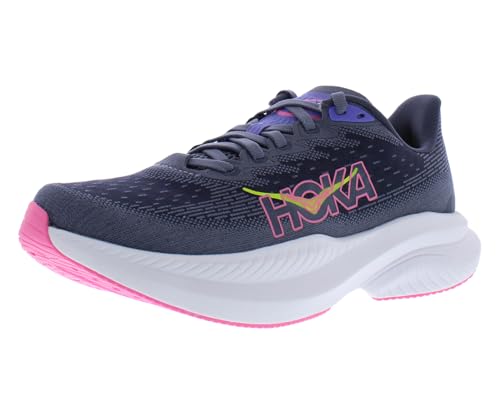
The mens Arahi is an interesting proposition for healthcare professionals, as it introduces Hoka’s J-Frame™ technology, designed to offer stability without the traditional stiffness often associated with stability shoes. My initial impression was of a shoe that felt supportive but not overly rigid. The cushioning is present, providing a comfortable base, but it’s the subtle guidance from the J-Frame that truly sets it apart. I found the upper to be a well-constructed engineered mesh, offering a secure and breathable fit that adapted well to my foot during testing.
During extended wear, I noticed that the Arahi’s stability features worked effectively without feeling intrusive. The J-Frame gently guides the foot into a more neutral alignment, which is beneficial for those who experience mild overpronation but don’t want a shoe that feels like it’s forcing their foot into place. The cushioning strikes a good balance, providing enough shock absorption for long shifts while still allowing for a reasonably responsive feel. The rocker geometry also aids in a smooth heel-to-toe transition, reducing fatigue.
However, there are a couple of minor critiques. While the J-Frame is effective for mild stability needs, individuals with significant overpronation might find it insufficient. I also experienced a slight stiffness in the heel collar; it wasn’t overly aggressive, but it did require a short break-in period to fully conform to my ankle. Lastly, while the outsole offers good durability and traction for everyday use, it might not be the most aggressive option for environments with consistently wet or oily floors.
This shoe is an excellent choice for healthcare professionals who need a blend of cushioning and subtle stability. If you find yourself experiencing foot fatigue or discomfort due to mild overpronation, the Arahi offers a supportive yet comfortable solution. It’s ideal for those who are on their feet all day and require a shoe that can help manage their gait without compromising on comfort.
Who is this NOT for? Individuals with severe overpronation or those who require a highly cushioned, maximalist shoe for pure shock absorption should look at other Hoka models like the Bondi. It’s also not the best choice for runners or walkers who need exceptional grip on very slippery surfaces.
Pros
- J-Frame™ technology provides subtle stability for mild overpronation.
- Balanced cushioning offers comfort and responsiveness.
- Smooth ride due to rocker geometry.
- Breathable and secure upper.
Cons
- May not be sufficient for severe overpronation.
- Heel collar can feel slightly stiff initially.
- Outsole grip could be more aggressive for very slippery conditions.
Comparison Table
| Product Name | Cushioning Level | Support Type | Weight (oz) |
| Hoka Arahi 8 | Moderate | Stability | 9.6 |
| Hoka Bondi 9 | Maximum | Neutral | 11.0 |
| Hoka Clifton 10 | High | Neutral | 8.8 |
| Hoka Clifton 10 | High | Neutral | 8.8 |
| Hoka Bondi 9 | Maximum | Neutral | 11.0 |
| Skechers Max Cushioning Endeavour Canova Running Shoes | Maximum | Neutral | 9.7 |
| Hoka Clifton 10 | High | Neutral | 8.8 |
| Hoka Bondi 9 | Maximum | Neutral | 11.0 |
| Hoka Rincon 4 | Moderate | Neutral | 7.4 |
| Hoka Arahi | Moderate | Stability | 9.6 |
Frequently Asked Questions
What Is the Best Hoka for Standing All Day?
For standing all day, the Hoka Bondi is often recommended. It offers maximum cushioning. This absorbs impact and reduces foot fatigue. The plush feel is ideal for long hours on hard surfaces. It provides a comfortable platform for sustained pressure.
The Bondi’s generous midsole provides excellent shock absorption. This is crucial for healthcare workers. It helps protect your joints from repetitive stress. Its neutral support is suitable for most foot types. This shoe prioritizes comfort and impact protection above all else.
Which Hoka Is Best for Nurses?
Nurses need shoes that are comfortable, supportive, and slip-resistant. The Hoka Bondi and Hoka Clifton are popular choices. The Bondi offers the most cushioning. The Clifton provides a good balance of cushion and responsiveness.
Both are generally good for long shifts. Look for specific versions with enhanced slip resistance if needed. Consider your personal preference for cushioning level. Trying them on is the best way to determine the perfect fit for your demanding job.
Are Hokas Good for Plantar Fasciitis?
Yes, Hokas can be very beneficial for plantar fasciitis. Their superior cushioning helps absorb shock. This reduces strain on the plantar fascia ligament. The rocker sole design also promotes a smoother stride.
This smoother motion can alleviate pressure points. Many find the ample support and soft footbed comforting. However, individual results vary. It’s always best to consult with a podiatrist for personalized advice.
Are Hokas Waterproof?
Most standard Hoka models are not fully waterproof. They are designed for breathability and comfort. Some specific Hoka models may offer water-resistant features or Gore-Tex versions.
These are usually marketed for trail running or wet weather conditions. For healthcare settings, a water-resistant shoe might be useful. However, true waterproofing can sometimes reduce breathability. Check product descriptions carefully for water-related features.
Are Hokas Good for Flat Feet?
Hoka shoes can be good for flat feet, especially those with more support. While many Hokas are neutral, some models offer stability features. These can help control pronation. The thick midsoles also provide ample arch support.
It is important to choose the right model. A neutral shoe might work if you don’t overpronate excessively. If you do, look for Hoka’s stability options. Consulting a professional for gait analysis is recommended.
Can Hokas Be Worn with Orthotics?
Yes, most Hoka shoes can accommodate orthotics. They typically have removable insoles. This allows you to easily insert your custom or over-the-counter orthotics.
The spacious interior of many Hokas makes them a good choice for orthotics. Ensure the orthotic fits comfortably within the shoe. A good combination can provide excellent support and comfort. This is especially helpful for addressing specific foot conditions.
Are Hokas Slip-Resistant?
Many Hoka shoes are not inherently slip-resistant. Their focus is on cushioning and comfort. However, some specific models are designed with enhanced traction for work environments. These often feature specific outsole rubber compounds.
Always check the product description for slip-resistance ratings or features. If slip resistance is a primary concern, look for models explicitly stating this capability. For healthcare professionals, this is a critical safety feature to verify.
Final Verdict
For healthcare professionals seeking the ultimate in comfort and impact protection, the Hoka Bondi is the definitive choice. Its maximalist cushioning is unparalleled, providing exceptional shock absorption that significantly reduces fatigue during long, demanding shifts. While other Hokas offer great benefits, the Bondi’s plush feel and consistent support make it the standout option for prolonged standing and walking on hard surfaces. Invest in the Bondi for superior foot health and comfort throughout your workday.


