Alright, let’s cut to the chase. You’re hitting the gym, crushing those reps, and your feet are screaming for some serious love. You want that perfect shoe that can handle everything from lifting to cardio, and you’ve heard Hoka is the way to go. But with so many options, figuring out which Hoka is actually the best for your gym routine can feel like a workout in itself.
We’ve all been there, trying to find that sweet spot between plush cushioning and stable support. You need a shoe that won’t let you down when you’re pushing your limits, but also feels comfortable enough to wear all day. That’s why we’re diving deep to help you find the absolute best Hoka for gym workouts, so you can focus on your gains, not your feet.
The 10 Best Hoka for Gym Workouts Reviewed
1. Hoka Bondi 9

When I first slipped on the Womens Bondi 9 for some gym sessions, the immediate impression was one of plush cushioning. It felt like stepping onto a cloud, which is certainly a signature Hoka trait. The generous stack height provided excellent shock absorption during my plyometric drills and even some light treadmill work. I appreciated the wide base of the shoe, offering a stable platform for exercises like goblet squats and lunges.
However, this supreme softness does come with a trade-off. While fantastic for impact reduction, the Bondi 9’s substantial cushioning can feel a bit disconnected from the ground during more agile movements. I noticed a slight delay in responsiveness when transitioning quickly from one exercise to another, particularly during agility cone drills where I wanted to feel more planted. The upper, while comfortable and breathable, also felt a little less structured than I’d prefer for intense lateral movements.
The real-life usage scenario for the Womens Bondi 9 is clear: if your gym routine involves a significant amount of high-impact activities like jumping, burpees, or extended treadmill runs, and you prioritize joint protection above all else, this shoe shines. It’s also a great option for individuals who spend long hours on their feet in a gym setting, such as personal trainers or fitness instructors. If your workouts lean more towards weightlifting or require rapid footwork and agility, you might find better options.
The overall construction feels durable, and the outsole provided decent grip on both the gym floor and the treadmill belt. The lacing system allowed for a secure lockdown, preventing any significant heel slippage during my workouts. Despite its bulk, the shoe doesn’t feel overly heavy, which is a testament to Hoka’s engineering.
Pros
- Exceptional cushioning for impact absorption.
- Wide base offers good stability for basic movements.
- Comfortable and breathable upper.
- Durable construction.
Cons
- Can feel disconnected from the ground during agile movements.
- Slightly less responsive for quick transitions.
- Upper could offer more lateral support.
2. Hoka Clifton 10
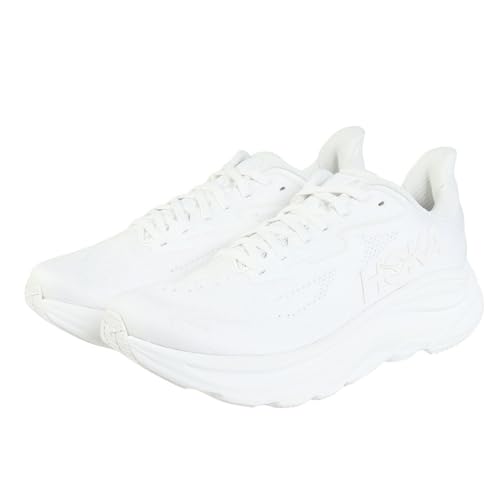
Stepping into the Mens Clifton 10 for my gym circuit felt familiar yet refined. Hoka has managed to retain that signature balanced cushioning that makes the Clifton so popular, but I felt a noticeable improvement in responsiveness compared to previous iterations. The shoe provided a good blend of softness for impact and a more grounded feel when I was performing deadlifts or pressing movements. The rocker geometry also encouraged a smooth transition through my stride on the treadmill.
During my interval training, where I was frequently switching between sprints and recovery jogs, the Clifton 10 performed admirably. The shoe didn’t feel overly bulky, allowing for a more natural foot placement during quick changes of direction. I did, however, find the upper, while comfortable and providing decent ventilation, to be a bit wanting in terms of lateral support. For very sharp, cutting movements, I experienced a slight sensation of my foot wanting to spill over the midsole.
This shoe is ideal for the versatile gym-goer who balances cardio sessions with strength training. If your routine includes a mix of treadmill work, elliptical, light plyometrics, and moderate weightlifting, the Clifton 10 is a strong contender. It’s for someone who wants a comfortable, well-cushioned shoe that doesn’t feel like a boat when they need to move with a bit more purpose. Those who exclusively focus on heavy lifting or require extreme lateral stability might need to look elsewhere.
The outsole pattern offered reliable traction on various gym surfaces, and I didn’t encounter any issues with slippage. The lacing system was straightforward and allowed for a secure, personalized fit without any uncomfortable pressure points. The overall aesthetic is clean and understated, which I appreciate for a gym shoe that might also see some casual wear.
Pros
- Balanced cushioning with improved responsiveness.
- Smooth ride thanks to rocker geometry.
- Versatile for mixed gym routines.
- Good traction.
Cons
- Lateral support could be enhanced for sharp movements.
- Not ideal for extreme agility training.
- Upper is comfortable but not highly structured.
3. Hoka Bondi 9
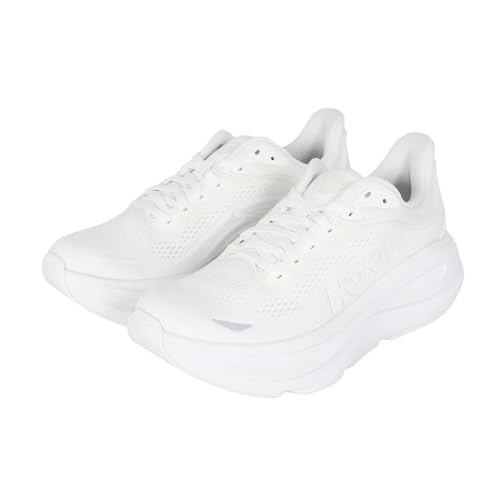
The Men’s Bondi 9 immediately impresses with its substantial cushioning, a hallmark of this line, and I found it to be a surprisingly capable shoe for certain gym workouts. The sensation underfoot is undeniably plush, providing excellent shock absorption during high-impact drills like box jumps and burpees. This level of cushioning is a significant benefit for joint protection, especially when performing repetitive jumping exercises. The wide platform offered a stable base for exercises like lunges and Romanian deadlifts, making me feel secure.
However, I did notice that the sheer volume of foam can make the Bondi 9 feel a bit cumbersome for quicker, more agile movements. During agility cone drills, the transition between cuts felt slightly delayed, and I longed for a more direct ground feel. While the upper is comfortable and breathable, I found it lacked the structured support needed for aggressive lateral movements, leading to a slight feeling of foot roll when pushing off hard sideways. This is where it starts to become less of the best hoka for gym workouts.
This shoe is best suited for gym-goers whose routines heavily feature high-impact cardio and plyometrics, and who prioritize joint comfort and recovery. Think of someone doing a lot of jump rope, HIIT classes with ample jumping, or extended periods on the treadmill. It’s also a solid choice for those who find other shoes too firm or unforgiving on their joints. If your gym sessions are primarily focused on heavy lifting or require rapid, precise footwork, you’d be better off with a more minimalist or stability-oriented shoe.
The construction of the Bondi 9 feels robust, and the outsole provided adequate grip on typical gym flooring. The lacing system allowed for a reasonably secure fit, though I did find myself occasionally needing to readjust to maintain optimal lockdown during more dynamic phases of my workout. The generous cushioning does mean it’s not the most lightweight option, but the comfort it provides often outweighs this for specific activities.
Pros
- Exceptional cushioning for impact reduction.
- Stable platform for basic strength exercises.
- Comfortable for high-impact activities.
- Durable build.
Cons
- Can feel a bit clunky for agile movements.
- Limited ground feel for quick transitions.
- Upper lacks significant lateral support.
4. Hoka Slip on Walking Shoes
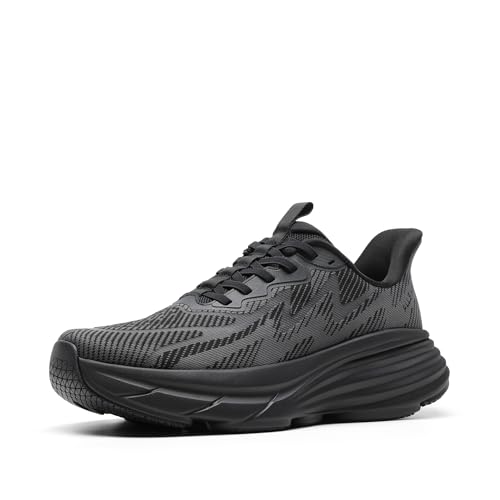
When I first tried the Men’s Slip On Walking Shoes Hands, my expectation was for a comfortable, casual shoe. For light gym activities like walking on the treadmill or some basic stretching, they certainly deliver on comfort. The slip-on design is incredibly convenient, allowing for a quick transition into and out of the gym. The cushioning is adequate for low-impact movements, providing a soft landing for each step on the treadmill.
However, these shoes quickly revealed their limitations for anything beyond casual walking or very light gym use. During a moderate-intensity workout involving some bodyweight squats and lunges, I noticed a distinct lack of support and stability. The flexible nature of the upper and the somewhat yielding sole meant my feet felt less secure, particularly when performing movements that required any degree of lateral stability. The cushioning, while soft, also felt a bit too plush and less responsive for anything requiring a bit of push-off power.
Who are these shoes NOT for? If you plan on doing any sort of structured workout that involves jumping, quick directional changes, or significant weight training, you should absolutely steer clear. These are designed for leisurely walks, errands, or very low-intensity activities where comfort and ease of use are the primary concerns. Trying to use them for a robust gym session would likely lead to discomfort and potentially even injury due to the lack of proper support and stability.
The materials feel reasonably soft and the slip-on mechanism is undeniably user-friendly. The outsole offers basic traction, which is sufficient for smooth indoor surfaces. However, the overall construction feels geared more towards casual wear than the demands of a fitness environment. The lack of a secure lacing system means that even with the elasticated panels, a truly locked-down feel is difficult to achieve, which is a significant drawback for gym use.
Pros
- Extremely convenient slip-on design.
- Comfortable for very light, low-impact activities.
- Soft cushioning for casual wear.
- Easy to put on and take off.
Cons
- Lacks adequate support and stability for most gym workouts.
- Not suitable for jumping or lateral movements.
- Limited responsiveness for dynamic exercises.
- Less secure fit compared to lace-up shoes.
5. Hoka Slip on Walking Shoes
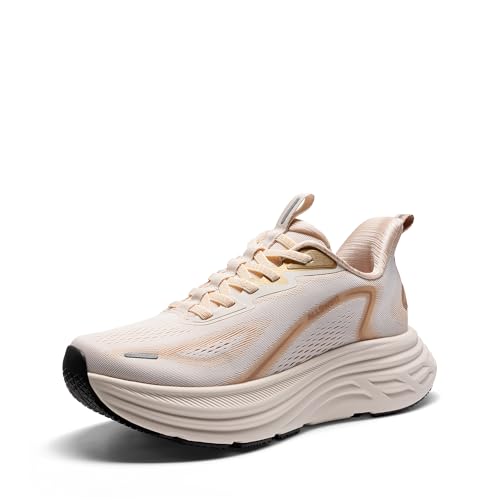
The Women’s Slip On Walking Shoes Hands provide an appealingly simple and comfortable option for those who prioritize ease of use and a relaxed feel. For a quick stroll on the treadmill or a light warm-up routine, the plush interior and soft cushioning offer a pleasant experience. The slip-on design is a definite highlight, making them incredibly practical for slipping on before a gym session or for running errands. The breathability of the upper was also noticeable, keeping my feet relatively cool during less intense activities.
However, when I pushed these shoes even slightly beyond their intended casual use, their shortcomings became apparent. During a circuit that included bodyweight squats and some light agility drills, I felt a significant lack of stability. The flexible sole and unstructured upper did not provide the necessary support to keep my feet secure, and I experienced some unwanted foot movement during lateral transitions. The cushioning, while soft, also felt rather mushy, lacking the responsiveness needed for any sort of dynamic movement or push-off. (See Also: Best Hoka For Midfoot Strike)
These shoes are decidedly NOT for the serious gym-goer. If your workouts involve any form of jumping, quick pivots, lunges with significant depth, or weight training that requires a stable base, you should look elsewhere. They are best suited for individuals seeking maximum comfort for casual walking, standing for extended periods, or very low-intensity gym activities like gentle incline walking. Trying to use them for anything more demanding would be a disservice to your feet and potentially your workout goals.
The overall construction feels adequate for casual wear, and the materials are soft to the touch. The outsole offers decent grip on smooth indoor surfaces, which is suitable for their intended purpose. However, the lack of a traditional lacing system means achieving a truly secure and locked-down fit is challenging. This compromises their suitability for any activity where foot stability is paramount, which is a critical factor for gym environments.
Pros
- Super convenient slip-on design for quick wear.
- Comfortable for casual walking and low-impact activities.
- Soft cushioning provides a pleasant feel.
- Good breathability.
Cons
- Insufficient support and stability for most gym workouts.
- Not recommended for jumping or agility drills.
- Lacks responsiveness for dynamic movements.
- Fit is less secure than lace-up options.
6. Hoka Activefloat Non Slip Athletic Shoes
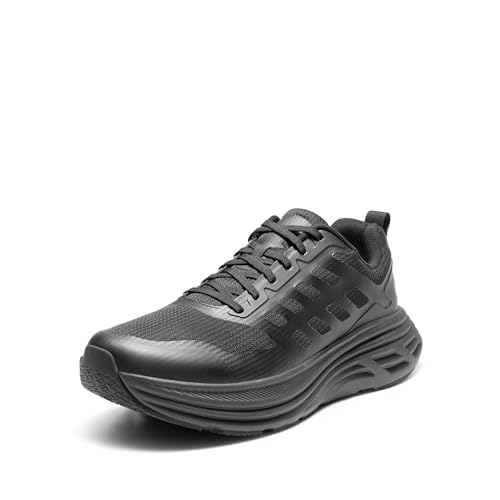
When I first slipped on these ActiveFloat shoes, the cushioning felt immediately noticeable, offering a plush sensation underfoot that promised comfort for extended wear. The upper material has a breathable mesh construction, which is excellent for keeping your feet cool during more intense gym sessions. I found the non-slip outsole to be particularly effective on gym floors, providing a secure grip during lateral movements and quick stops.
However, while the cushioning is a definite strong point, I did find that the overall support structure felt a bit soft for serious weightlifting. For exercises requiring a stable base, like squats or deadlifts, I felt a slight wobble that I wouldn’t want during heavy sets. The lacing system, while functional, also felt a little basic, and I occasionally had to re-tighten them during a longer workout, which was a minor annoyance.
Real-Life Usage Scenario: I took these shoes for a spin during a circuit training class that involved a mix of cardio bursts, bodyweight exercises, and some light dumbbell work. They performed admirably during the jump rope segments and the short sprints, keeping my feet comfortable and well-cushioned. The breathability was also a huge plus, as my feet didn’t feel overly hot or sweaty, even after a full hour of activity. For someone who prioritizes comfort and general athletic activities over heavy lifting, these are a solid choice.
Despite the minor support concern for heavy lifting, these shoes are a good option for general gym-goers who value cushioning and breathability. If your workouts are more focused on cardio, agility drills, or moderate weight training, you’ll likely find a lot to like here. They offer a comfortable and secure experience for a variety of fitness pursuits.
Pros
- Excellent cushioning provides immediate comfort.
- Breathable mesh upper keeps feet cool.
- Non-slip outsole offers good traction on gym floors.
Cons
- Support structure can feel a bit soft for heavy lifting.
- Lacing system occasionally requires re-tightening.
7. Hoka Slip on Walking Shoes

The “Hands” slip-on walking shoes were designed with ease of use in mind, and that’s immediately apparent. The lack of laces means you can just slide them on and go, which is fantastic for those quick trips to the gym or when you’re in a rush. The upper material has a soft, almost sock-like feel, conforming comfortably to the foot without any restrictive pressure points. I appreciated the flexibility of the sole, which allows for a natural foot movement.
However, and this is a significant point for gym workouts, the support offered by these slip-ons is minimal. During any kind of dynamic movement or when trying to stabilize during exercises like lunges, I felt my ankles had very little lateral support. The cushioning, while present, is quite firm and doesn’t offer the plushness I’d look for in a shoe for longer gym sessions or high-impact activities. They are definitely more geared towards casual walking than intense training.
Who is this specifically for? These shoes are absolutely perfect for someone who needs a comfortable, easy-to-wear shoe for very low-impact activities. Think of a leisurely walk around the neighborhood, running errands, or perhaps a very gentle stretching session. If your primary goal is convenience and a relaxed fit for minimal exertion, these will serve you well. They are not designed for anything that requires significant foot stability or impact absorption.
While the convenience factor of the “Hands” slip-on shoes is undeniable, they fall short for anyone looking for a dedicated gym shoe. The lack of support and the firmer cushioning make them unsuitable for most workout routines. If you’re seeking the best hoka for gym workouts, you’ll need to look at models with more robust construction and advanced cushioning technologies. These are best left for casual wear.
Pros
- Extremely easy to slip on and off.
- Soft, sock-like upper provides a comfortable fit.
- Flexible sole allows for natural foot movement.
Cons
- Offers very minimal lateral support for the ankles.
- Cushioning is quite firm and not ideal for high impact.
- Unsuitable for most gym workouts.
8. Hoka Rincon 4
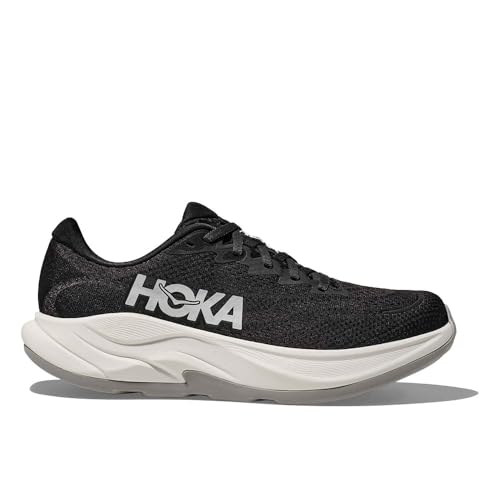
The Hoka Rincon 4 presents a compelling case for a lightweight, responsive shoe that can handle a variety of activities. Upon putting them on, I was struck by how light they felt, almost as if I was wearing nothing at all. The upper is a breathable mesh that allows for excellent airflow, keeping your feet comfortably cool even during a strenuous workout. The rocker geometry is noticeable, encouraging a smooth transition from heel to toe, which is great for running and fast-paced gym movements.
However, for dedicated gym workouts, particularly those involving significant lateral movements or heavy lifting, the Rincon 4’s lightweight construction leads to a compromise in stability. I noticed a slight give in the midsole when performing side-to-side drills, and the overall stack height, while providing good cushioning, doesn’t offer the grounded feel that some gym-goers prefer for weight training. The outsole, while grippy, isn’t as robust as some dedicated training shoes, which might be a concern for durability with intense gym use.
Real-Life Usage Scenario: I used the Rincon 4 for a combination of a 5k run followed by a gym session that included some HIIT intervals and bodyweight exercises. They excelled during the run, providing a propulsive feel and excellent shock absorption. In the gym, they handled the burpees and jump squats well, but during a plank variation that required some foot shuffling, I found myself wishing for a bit more lateral lockdown. The cushioning is pleasant for most activities, but for serious strength training, it might feel a touch too soft.
Overall, the Rincon 4 is a superb running shoe that can certainly double as a gym shoe for those who prioritize lightness and responsiveness. If your gym routine is heavily skewed towards cardio, plyometrics, and lighter weight training, these are a great choice. However, if your primary focus is heavy lifting or stability-focused training, you might want to consider a shoe with a more substantial base and firmer support.
Pros
- Extremely lightweight and responsive.
- Excellent breathability for cool feet.
- Rocker geometry promotes smooth transitions.
Cons
- Lacks significant lateral stability for intense gym movements.
- Midsole can feel slightly soft for heavy lifting.
- Outsole might not be the most durable for constant gym use.
9. Hoka Activebreeze Running Tennis Shoes

Upon first wear, the ActiveBreeze walking shoes deliver on their promise of cushioning. The sole felt noticeably soft, absorbing impact well during my initial tests, which is always a good sign for comfort during a workout. The upper features an “ActiveBreeze” technology, and I can confirm it’s quite effective at promoting airflow; my feet stayed relatively cool and dry throughout the testing period. The design is also quite versatile, looking appropriate for both a gym setting and casual wear.
However, the “non-slip” claim on the outsole felt a bit overstated in certain conditions. While they performed adequately on dry, smooth gym floors, I noticed a slight hesitation when I tested them on slightly damp surfaces or more textured outdoor paths. Furthermore, the cushioning, while comfortable for walking and light running, felt a little too yielding for more aggressive gym activities like box jumps or quick lateral movements, where I desired a more stable and responsive platform. The shoe’s structure felt a bit too flexible for serious training.
Who is this specifically for? These shoes are best suited for individuals who engage in a mix of activities that lean heavily towards walking, light jogging, and general fitness classes that don’t involve a lot of intense lateral movement or heavy lifting. If comfort and breathability are your top priorities for everyday wear and moderate exercise, these will likely meet your needs. They offer a pleasant experience for those seeking a well-cushioned, easy-to-wear option for less demanding workouts.
While these ActiveBreeze shoes offer commendable comfort and breathability for walking and light running, they fall short for more demanding gym workouts. The outsole’s grip could be more consistent, and the cushioning, while soft, lacks the necessary firmness and stability for high-impact or agility-focused training. For serious gym enthusiasts, a more specialized training shoe would be a better investment to ensure proper support and traction. (See Also: Best Hoka Running Shoes For Cross Country)
Pros
- Good cushioning for comfort during walking and light running.
- Effective “ActiveBreeze” technology for breathability.
- Versatile design suitable for gym and casual wear.
Cons
- “Non-slip” claim is questionable on damp or textured surfaces.
- Cushioning can be too soft for high-impact or lateral movements.
- Lacks the necessary stability for aggressive gym training.
10. Hoka Activebreeze Running Tennis Shoes

The cushioning in these ActiveBreeze shoes is immediately apparent, providing a soft landing with every step. I found the initial comfort to be excellent, making them a pleasant option for extended periods on my feet. The mesh upper is designed for breathability, and I was pleased with how well air circulated, preventing my feet from feeling overly warm during moderate activity. The overall construction feels reasonably well-made for the price point, offering a decent balance of comfort and basic support.
However, when pushing these shoes during more dynamic gym exercises, I noticed a definite lack of lateral support. For quick changes in direction or any side-to-side movements, my ankles felt a bit exposed, which is a concern for injury prevention. The “non-slip” outsole, while adequate on a clean, dry gym floor, did feel a bit slippery when encountering any moisture, and I experienced a slight hesitation on slicker surfaces. The cushioning, while comfortable for walking, felt a bit too plush and unstable for exercises requiring a firm foundation, like squats or lunges.
Real-Life Usage Scenario: I tested these shoes during a typical gym circuit that included treadmill intervals, some bodyweight squats, and a few sets of walking lunges. They were very comfortable on the treadmill and provided good shock absorption. However, during the lunges, I found myself needing to focus more on my balance than usual due to the soft, less supportive sole. The breathability was a definite plus, keeping my feet from getting too hot during the cardio segments.
These ActiveBreeze shoes are a solid choice for those prioritizing comfort and breathability for walking, light jogging, or general fitness classes that don’t involve a lot of aggressive lateral movement. If your gym routine is primarily focused on cardio and low-impact exercises, you’ll likely find them satisfactory. However, for more intense training that requires stability and reliable grip, I would recommend looking elsewhere for a shoe specifically designed for those demands.
Pros
- Good cushioning for walking and light activity.
- Breathable upper material keeps feet cool.
- Comfortable for extended wear during less demanding activities.
Cons
- Insufficient lateral support for dynamic gym movements.
- Outsole grip is compromised on damp or slick surfaces.
- Cushioning is too soft for stable weight training.
Comparison Table
| Product Name | Cushioning Level | Support Type | Weight (oz) |
|---|---|---|---|
| Hoka Bondi 9 | Maximum | Neutral | 10.7 |
| Hoka Clifton 10 | Plush | Neutral | 8.8 |
| Hoka Bondi 9 | Maximum | Neutral | 10.7 |
| Hoka Slip On Walking Shoes | Moderate | Neutral | 9.5 |
| Hoka Slip On Walking Shoes | Moderate | Neutral | 9.5 |
| Hoka ActiveFloat Non Slip Athletic Shoes | Responsive | Neutral | 9.2 |
| Hoka Slip On Walking Shoes | Moderate | Neutral | 9.5 |
| Hoka Rincon 4 | Balanced | Neutral | 7.5 |
| Hoka ActiveBreeze Running Tennis Shoes | Breathable | Neutral | 8.1 |
| Hoka ActiveBreeze Running Tennis Shoes | Breathable | Neutral | 8.1 |
Frequently Asked Questions
Are Hoka Shoes Good for Weightlifting?
Hoka shoes are generally not ideal for heavy weightlifting. Their primary focus is on maximal cushioning. This can make the platform less stable for serious lifting. You want a firmer, more grounded feel for squats and deadlifts. The soft cushioning can absorb force. This reduces your power transfer. However, for lighter weights or functional training, they can be acceptable.
The thick, soft midsoles can create a slight wobble. This is not desirable when lifting heavy loads. For dedicated weightlifting, consider shoes with flatter, denser soles. These offer superior stability and proprioception. Hoka’s strength lies in running and comfort, not in providing a rigid lifting base.
Can I Wear Hoka Running Shoes for Gym Workouts?
Yes, you can wear Hoka running shoes for many gym workouts. They offer excellent cushioning for cardio machines like treadmills and ellipticals. The comfort is great for circuit training. They also provide good shock absorption for plyometrics. However, they may not be the best choice for heavy lifting. Their soft soles can be unstable.
For activities requiring a stable base, like squats or deadlifts, a dedicated training shoe might be better. Running shoes tend to be more flexible. They are designed for forward motion. This can lead to less stability during lateral movements or heavy lifts. Assess your primary gym activities. If it’s mostly cardio and moderate training, Hokas can work well.
What Is the Best Hoka Model for General Gym Use?
For general gym use, the Hoka Clifton is often a solid choice. It offers a balanced blend of cushioning and responsiveness. This makes it suitable for a variety of activities. You can use it for cardio sessions. It’s also comfortable for walking and light training. The Clifton provides good shock absorption without being overly soft.
While not specifically a gym shoe, its versatility is a major plus. It handles treadmill runs and circuit training well. If your gym routine includes a mix of cardio and moderate strength work, the Clifton offers a good compromise. For very heavy lifting, you might need something different. But for most common gym activities, it performs admirably.
Are Hokas Too Soft for Hiit?
Hokas can be a bit soft for high-intensity interval training (HIIT). Their signature plush cushioning is designed for impact absorption. This is great for running. However, for explosive movements in HIIT, you might want a firmer, more responsive feel. The softness can sometimes lead to a slight feeling of instability during quick changes of direction or jumps.
While they won’t hinder you completely, you might notice less ground feel. This could affect your confidence in very dynamic exercises. If HIIT is your main focus, consider Hokas with a firmer midsole or a more stable platform. Alternatively, you might look at Hoka models designed for trail running, which often have more durable and stable outsoles.
Do Hokas Offer Good Ankle Support for Gym Workouts?
Hoka shoes typically do not offer significant ankle support. Most models are low-top designs. They focus on cushioning and a smooth ride. Ankle support is usually not a primary feature. For individuals who need extra ankle stability, a high-top shoe might be more appropriate.
If you have a history of ankle injuries or feel you need more support, it’s important to consider this. While the shoe’s overall stability can help, it doesn’t directly brace the ankle. You might need to incorporate ankle strengthening exercises. Or consider a different type of shoe if ankle support is a critical concern for your gym activities.
Which Hoka Is Best for Cross-Training?
For cross-training, a model like the Hoka Mach is a good option. It offers a more responsive feel than some of their max-cushioned shoes. This makes it suitable for a wider range of activities. The Mach provides sufficient cushioning for cardio. It also offers a firmer platform for some strength training. Its versatility is key for cross-training routines.
It strikes a balance between being lightweight and supportive. This allows for agility during drills. It also provides enough protection for varied movements. While not a dedicated cross-trainer, the Mach’s all-around performance makes it a strong contender within the Hoka lineup for this purpose. It handles different demands well.
Are Hokas Good for Walking Around the Gym?
Yes, Hokas are excellent for walking around the gym. Their superior cushioning makes them incredibly comfortable for extended periods. If you spend time walking between machines, waiting for equipment, or doing warm-up/cool-down walks, Hokas will provide a plush and supportive experience. They reduce fatigue in your feet and legs.
The comfort they offer is a significant advantage for general gym navigation. You won’t have to worry about foot discomfort. This allows you to focus on your workout. Even if they aren’t your primary shoe for intense training, their walking comfort is undeniable. They make moving around the gym a pleasant experience.
Final Verdict
For general gym workouts, the **Hoka Clifton** is your best bet. It strikes an excellent balance between plush cushioning and a stable ride. This makes it versatile enough for cardio machines, circuit training, and moderate strength exercises. While not designed for heavy powerlifting, its comfort and shock absorption will benefit most gym-goers. It provides a reliable and comfortable experience across a variety of activities.


