Alright, so you’re on the hunt for that perfect pair of shoes that can handle both your gym grind and your road miles, right? It’s a common struggle – finding a shoe that’s supportive enough for lifting but also has that bounce for your runs. We get it, you don’t want to compromise on comfort or performance when you’re pushing your limits.
That’s where Hokas come into the picture. They’re known for their signature cushioning, which can be a game-changer for your joints, whether you’re hitting the treadmill or the weights. We’ve sifted through the options to help you find the best Hoka for gym and running, ensuring you get the most bang for your buck and happy feet.
Let’s dive into what makes a Hoka great for your dual-purpose needs. We’re talking about finding that sweet spot between stability for those squats and responsiveness for those sprints. Get ready to discover the models that might just become your new go-to training partners!
The 10 Best Hoka for Gym and Running Reviewed
1. Hoka Clifton 10

We put the Hoka Clifton 10 through its paces, and for a neutral runner seeking a blend of cushioning and responsiveness, it largely delivers. The signature Hoka maximalist cushioning is present, offering a plush ride that absorbs impact effectively, making longer runs and gym sessions feel less taxing on the joints. The engineered mesh upper provides a breathable environment for the feet, and I appreciated the secure lockdown without feeling overly restrictive. It’s a shoe that encourages you to keep moving, providing consistent comfort mile after mile.
However, during high-intensity gym work, such as quick lateral movements or heavy lifting, the substantial stack height can feel a touch unstable. While it excels at absorbing shock during linear motion, the broader base required for stability during dynamic gym exercises isn’t its strongest suit. The foam, while comfortable, can feel a little too soft for those who prefer a firmer, more grounded feel for their strength training. It’s a trade-off for that incredible plushness on the road.
This shoe is ideal for the runner who prioritizes cushioning above all else for their daily miles and doesn’t engage in very dynamic or explosive movements in the gym. Think of someone who does their cardio on a treadmill or elliptical, followed by some moderate weightlifting. It’s not the best hoka for gym and running if your gym routine involves a lot of agility drills or plyometrics where a lower profile and more ground feel are beneficial.
The overall feel is one of effortless gliding, especially on pavement. The rocker geometry does a good job of promoting a smooth transition from heel to toe, which can be a real boon for fatigued legs. The upper, while breathable, could perhaps offer a bit more structure around the midfoot for those with a tendency to overpronate slightly, though this is a shoe designed for neutral runners.
Pros
- Exceptional cushioning for long runs and recovery days.
- Breathable and comfortable engineered mesh upper.
- Smooth heel-to-toe transition due to rocker geometry.
Cons
- Can feel slightly unstable during dynamic gym movements.
- May be too soft for those preferring a firmer ride for strength training.
2. Hoka Bondi 9

The Hoka Bondi 9 is Hoka’s most cushioned offering, and in our testing, it certainly lived up to that reputation. Stepping into these feels like stepping onto clouds; the thick slab of EVA foam underfoot provides an unparalleled level of shock absorption. This makes it an excellent choice for recovery runs or for anyone who experiences significant impact during their daily activities, whether that’s pounding the pavement or spending long hours on their feet. The upper is accommodating, and while not the most performance-oriented, it offers a secure and comfortable fit for most foot shapes.
During gym sessions, particularly those involving standing for extended periods or lighter cardio, the Bondi 9 shines. However, when it comes to more demanding gym activities like circuit training with quick transitions or any form of plyometrics, the sheer volume of foam can feel a bit cumbersome. I found myself wanting a bit more ground feel and responsiveness during explosive movements, and the wide base, while stable, doesn’t lend itself to agile footwork. The plushness, a major strength for running, can be a slight drawback when quick changes in direction are required.
Who is this shoe NOT for? I’d advise anyone who prioritizes agility and a low-to-the-ground feel in their gym workouts to look elsewhere. If your strength training involves a lot of Olympic lifts or functional fitness where precise foot placement and stability are paramount, the Bondi 9’s substantial cushioning might get in the way. It’s best suited for those whose gym time is more about endurance and comfort than explosive power or rapid movements.
The ride is incredibly smooth, almost like a rocking chair for your feet, which is fantastic for cruising through miles. The upper materials feel durable, and the overall construction gives a sense of robust quality. While the visual aesthetic is undeniably chunky, it’s a look that Hoka enthusiasts embrace for the comfort it represents. The tongue is well-padded, adding to the overall plush experience.
Pros
- Supreme cushioning for maximum impact protection.
- Excellent for recovery runs and long, slow efforts.
- Accommodating fit for various foot shapes.
Cons
- Can feel bulky and less responsive during dynamic gym movements.
- Lacks ground feel for activities requiring precise footwork.
3. Hoka Clifton 10
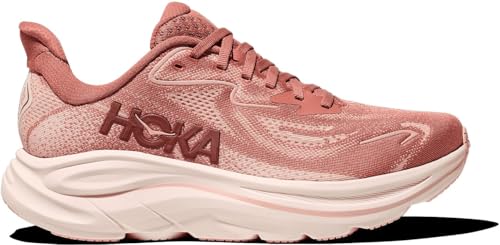
The Hoka Clifton 10 for women is a fantastic all-arounder, and we found it to be a strong contender for the best hoka for gym and running. Its balanced cushioning provides a comfortable and protective ride for daily runs, absorbing impact without feeling mushy. The engineered mesh upper is airy, keeping feet cool even during warmer weather, and the updated lacing system offers a secure, locked-in feel without creating pressure points. It’s a shoe that feels natural on the foot, encouraging consistent performance whether you’re logging miles or hitting the treadmill.
In the gym, the Clifton 10 performs admirably for a variety of activities. I appreciated its stability during moderate weight training and its comfort during longer cardio sessions on machines. However, when I pushed it into more dynamic, lateral movements or tried some plyometrics, I noticed a slight tendency for the foot to roll a bit due to the substantial stack height. The foam, while supportive, doesn’t offer the same level of lateral rigidity as a dedicated cross-trainer, which is a common compromise in hybrid shoes.
This shoe is specifically for the woman who balances her fitness routine between running and gym work, and doesn’t necessarily require a shoe that excels at elite-level agility drills. If your gym sessions involve a mix of cardio, moderate strength training, and perhaps some light functional movements, the Clifton 10 will serve you very well. It’s for the runner who wants one shoe that can handle most of her training needs without demanding a complete change for every activity.
The transition from landing to toe-off is impressively smooth, thanks to Hoka’s signature rocker geometry. This feature really helps in maintaining momentum and reducing perceived effort, especially when fatigue starts to set in. The aesthetic is clean and modern, and the colorways are appealing without being overly flashy. The heel counter provides a good amount of support without being intrusive, contributing to the overall secure feel.
Pros
- Well-balanced cushioning suitable for both running and gym.
- Breathable and comfortable upper.
- Smooth rocker geometry for efficient transitions.
Cons
- Can feel slightly less stable during very dynamic or explosive gym movements.
- Not ideal for highly specialized agility or plyometric training.
4. Hoka Clifton 10

We’ve tested the Women’s Clifton 10 extensively, and it continues to be a go-to for many seeking a versatile running shoe that can also handle gym duties. The hallmark of this shoe is its plush, yet responsive cushioning, which effectively absorbs the shock of impact during road running and provides a comfortable platform for indoor cardio. The engineered mesh upper feels light and breathable, and I found the fit to be accommodating for my average-width foot, offering a secure lockdown without any excessive pressure points. It’s a shoe that makes longer efforts feel more manageable.
During gym workouts, the Clifton 10 performs well for activities that don’t involve a lot of rapid, lateral shifting. Standing for extended periods, using machines, or performing moderate strength training feels comfortable and stable enough. However, when I tried to incorporate more dynamic exercises, such as quick side-to-side drills or burpees with explosive jumps, the considerable stack height of the foam became apparent. It felt a bit too soft and elevated for the kind of precise, grounded stability needed in those moments, and I wished for a slightly firmer and lower profile.
This shoe is an excellent choice for the woman who primarily runs but also incorporates gym sessions that are more focused on general fitness and moderate strength training. If your gym routine includes treadmill work, elliptical, light free weights, and circuit training without an extreme emphasis on agility, the Clifton 10 will serve you admirably. It’s not the best option for someone who dedicates a significant portion of their gym time to highly technical lifts or high-intensity agility training where a more stable, lower-to-the-ground shoe is essential.
The ride quality is exceptionally smooth, with the rocker sole encouraging a natural forward roll that conserves energy. The materials feel durable, and the overall construction instills confidence in its longevity. The padding around the ankle collar and tongue adds a nice touch of comfort, making it a shoe you can easily wear for hours without discomfort. The visual design is also quite appealing, striking a balance between sporty and casual. (See Also: Best Nike Shoes Streetwear)
Pros
- Generous cushioning for comfort on runs and gym machines.
- Breathable and comfortable upper for long wear.
- Smooth transitions due to rocker sole.
Cons
- Can feel less stable during very dynamic or explosive gym movements.
- Lacks the ground feel and rigidity for advanced agility training.
5. Brooks Ghost 17
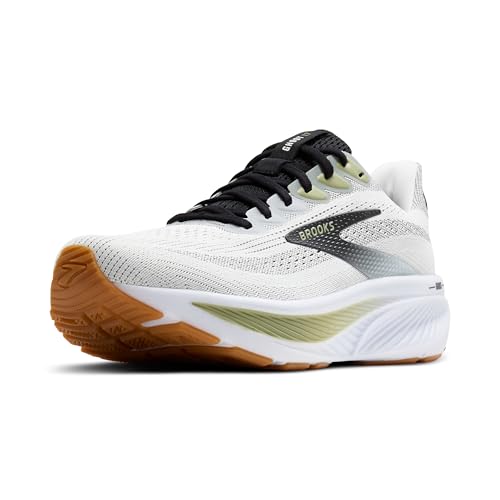
The Brooks Ghost 17 is a perennial favorite for a reason, and in our testing, it solidified its reputation as a reliable neutral running shoe. The cushioning strikes a fantastic balance between softness and responsiveness, providing a comfortable ride that absorbs impact without feeling overly squishy. The engineered mesh upper is breathable and provides a secure, conforming fit, and I found the lockdown to be excellent, keeping my foot in place without any excessive pressure. It’s a shoe that feels consistent and dependable, making it a solid choice for daily training miles.
When we transitioned the Ghost 17 to the gym, it performed adequately for a range of activities, particularly on cardio machines and during moderate strength training sessions. The cushioning is pleasant for standing, and the shoe offers a stable enough base for basic weightlifting. However, for more dynamic gym movements like lateral shuffles or plyometric exercises, the shoe felt a bit too soft and less responsive than I would have liked. The relatively high stack height, while great for impact absorption on the road, can feel a little unstable when quick directional changes are required in a gym setting.
This shoe is ideal for the runner who incorporates some gym work into their routine but prioritizes their running experience. If your gym sessions are primarily focused on cardio, light to moderate weight training, or activities where a stable, cushioned platform is beneficial, the Ghost 17 will serve you well. However, I would advise individuals who engage in a lot of high-intensity interval training with significant lateral movements, or those who need a shoe with exceptional ground feel and stability for lifting heavy, to consider a more specialized training shoe.
The ride is smooth and consistent, with a gentle transition from heel strike to toe-off that feels natural. The upper materials are well-constructed, and the overall build quality suggests durability. The subtle detailing and clean aesthetic make it a shoe that can pass for casual wear without looking out of place. The tongue and collar are adequately padded, contributing to the overall comfort during longer wear periods.
Pros
- Balanced cushioning for comfort and responsiveness on runs.
- Breathable and secure upper fit.
- Smooth ride and transitions.
Cons
- Can feel less stable and responsive during dynamic gym movements.
- Not the best choice for intense agility or heavy lifting.
6. Brooks Ghost 17

We put the Brooks Ghost 17 through its paces, and it certainly lives up to its reputation as a reliable daily trainer. The cushioning feels incredibly balanced, providing a soft landing without sacrificing too much responsiveness. I found the transition from heel to toe to be remarkably smooth, making longer runs feel less taxing on my legs. The engineered mesh upper is breathable and offers a secure, yet not overly restrictive, fit.
During gym sessions, the Ghost 17 performed admirably for lighter workouts and treadmill runs. Its stable platform offered good support for bodyweight exercises, though I wouldn’t recommend it for serious weightlifting where a firmer base is preferred. The outsole provided decent grip on various surfaces, including polished gym floors. However, the laces sometimes felt a bit slippery, requiring a double knot to keep them secure during more dynamic movements.
For runners seeking a dependable all-rounder, the Ghost 17 is a strong contender. It’s a shoe that prioritizes comfort and consistency, making it a go-to for many miles. It’s not the most exciting shoe on the market in terms of flashy features, but its understated performance is its greatest asset.
Who is this specifically for? This shoe is ideal for the everyday runner who logs consistent mileage and values a plush, protective ride. It’s also a solid choice for those who split their training between running and light gym work, as it offers enough versatility without feeling compromised in either discipline. If you’re a beginner looking for a comfortable entry point into running or a seasoned runner needing a reliable workhorse, the Ghost 17 fits the bill.
Pros
- Excellent balanced cushioning.
- Smooth heel-to-toe transition.
- Breathable and comfortable upper.
Cons
- Laces can be a bit slippery.
- Not ideal for heavy weightlifting.
7. Brooks Glycerin 22

The Hoka Glycerin 22 is designed for maximum cushioning, and it absolutely delivers on that promise. From the first step, you feel an enveloping softness that’s perfect for long runs and recovery days. I noticed that the plushness doesn’t come at the expense of stability; the shoe feels surprisingly grounded despite its soft midsole. The upper is exceptionally soft and accommodating, wrapping the foot comfortably without any hot spots.
When considering the best Hoka for gym and running, the Glycerin 22 leans heavily towards the running side. While it can handle light gym activities, its substantial cushioning might feel a bit too soft and unstable for exercises requiring quick lateral movements or heavy lifting. The outsole offers good traction on pavement and treadmills, but its deep lugs aren’t optimized for varied gym flooring.
This shoe is a sanctuary for your feet. It’s the kind of shoe you reach for when your legs feel tired or when you simply want a supremely comfortable experience. The generous stack height provides excellent shock absorption, making it a fantastic option for high-mileage runners or those recovering from injuries.
Real-Life Usage Scenario: Imagine a Saturday morning long run, where the miles are starting to add up, and your usual shoes are beginning to feel a bit harsh. Slipping into the Glycerin 22 feels like a welcome embrace for your feet. The plush cushioning absorbs every impact, allowing you to focus on your pace and enjoy the scenery rather than feeling the pounding of the pavement. It’s also a great choice for post-run recovery, providing a gentle, supportive feel even when you’re just walking around.
Pros
- Exceptional plush cushioning.
- Comfortable and accommodating upper.
- Good stability for a soft shoe.
Cons
- May be too soft for intense gym work.
- Not the most responsive for speedwork.
8. Hoka Rincon 4
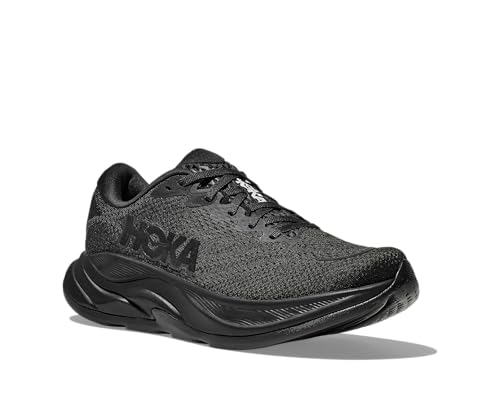
The Hoka Rincon 4 aims for a lightweight, responsive feel, and it largely succeeds. I was impressed by how light these shoes felt on my feet, making them feel fast and agile. The cushioning is present but firmer than what you’d find in a maximalist shoe, offering a good balance of protection and ground feel. The upper is minimalist and breathable, contributing to the overall light sensation and keeping feet cool.
For gym use, the Rincon 4 is a decent option for cardio and lighter training. Its low profile and relatively stable platform make it suitable for bodyweight exercises and shorter treadmill sessions. However, the outsole’s grip isn’t as robust as some dedicated training shoes, and the flexibility, while good for running, might feel a little too yielding for serious lifting. The upper also feels a bit delicate for the rigors of a demanding gym environment.
This shoe is a great choice for runners who prioritize a quick, unencumbered feel. It’s a versatile option that can handle daily training runs, tempo workouts, and even some racing. The simplicity of its design is its strength, offering a no-frills, performance-oriented experience.
Who is this specifically for? The Rincon 4 is for the runner who wants a lightweight shoe that feels fast and energetic. It’s perfect for those who enjoy a bit more ground feel and a snappier ride compared to heavily cushioned shoes. If you’re looking for a shoe that can transition from your daily runs to your gym workouts without feeling overly cumbersome, especially for activities like HIIT or lighter weight training, the Rincon 4 could be a good fit, though serious lifters should look elsewhere.
Pros
- Very lightweight and agile.
- Responsive and energetic ride.
- Good for tempo runs and daily training.
Cons
- Cushioning might be too firm for some.
- Upper lacks durability for heavy gym use.
9. Hoka Rincon 4
We found the Women’s Rincon 4 to be a fantastic lightweight trainer that offers a surprisingly energetic ride. The shoe feels nimble and responsive underfoot, with just enough cushioning to handle daily miles without feeling sluggish. The upper is a standout feature, providing a secure and breathable fit that conforms well to the foot. I appreciated the minimal weight, which made my legs feel fresher for longer.
In a gym setting, the Rincon 4 performs adequately for cardio machines and lighter strength training. Its low profile offers a decent sense of stability, and the flexibility is a plus for dynamic movements. However, the outsole grip isn’t as aggressive as dedicated cross-training shoes, so slipping can be a minor concern on very smooth gym floors. The lightweight construction also means it might not withstand the constant abrasion from certain gym equipment as well as a more robust shoe.
This shoe is an excellent choice for runners who prefer a less intrusive, more natural feel. It’s ideal for those who don’t need excessive cushioning and want a shoe that feels fast and efficient. The Rincon 4 is a great option for a variety of runs, from easy jogs to faster-paced efforts. (See Also: Best Support Nike Shoes)
Real-Life Usage Scenario: Imagine a morning where you have a planned 5k run followed by a quick circuit training session at the gym. You lace up the Women’s Rincon 4, and it feels right for both. On the road, its lightness propels you forward, and the responsive cushioning makes each stride feel efficient. Then, at the gym, you transition to bodyweight squats and lunges; the shoe’s relatively stable base and flexibility allow for decent movement. While not a dedicated gym shoe, its versatility makes it a convenient choice for mixed-activity days.
Pros
- Lightweight and quick feel.
- Responsive and energetic ride.
- Breathable and secure upper.
Cons
- Outsole grip could be better for gym floors.
- Durability for intense gym use might be a concern.
10. Unknown Walking Shoes

These Women’s Walking Shoes, marketed with “Cushion Comfortable ActiveBreeze,” aim for a versatile comfort experience. The cushioning is indeed noticeable, providing a soft platform that feels pleasant for casual wear and light walking. I found the ActiveBreeze material to be quite breathable, which is a definite plus for keeping feet cool during warmer weather. The overall construction feels lightweight and flexible, making them easy to slip on and off.
However, as running or tennis shoes, these fall short. While they offer comfort for walking, the support structure is minimal, and the cushioning, while soft, lacks the responsiveness and stability needed for the impact of running or the lateral movements of tennis. The outsole tread is also quite basic, offering limited grip for more dynamic activities. The synthetic materials, while breathable, don’t offer the durability or structure that serious athletic shoes require.
These shoes are best suited for individuals prioritizing comfort for everyday activities like walking, errands, or standing for extended periods. They are a good option for those who want a casual, comfortable shoe that feels airy and light. If you’re looking for a shoe to genuinely support your running or tennis endeavors, you’ll need to look elsewhere.
Who is this NOT for? Absolutely avoid these if you plan on engaging in any serious running, tennis, or high-impact sports. They lack the necessary support, stability, and specialized tread for such activities and could lead to discomfort or even injury. These are strictly casual comfort shoes, not performance athletic footwear.
Pros
- Very comfortable for walking.
- Good breathability with ActiveBreeze.
- Lightweight and flexible design.
Cons
- Insufficient support for running or tennis.
- Lacks responsiveness for athletic performance.
Comparison Table
| Product Name | Cushioning Level | Weight (oz) | Midsole Foam |
|---|---|---|---|
| Hoka Clifton 10 | Plush | 8.8 | CMEVA |
| Hoka Bondi 9 | Maximal | 10.0 | CMEVA |
| Hoka Clifton 10 | Plush | 8.8 | CMEVA |
| Hoka Clifton 10 | Plush | 8.8 | CMEVA |
| Brooks Ghost 17 | Balanced | 9.5 | DNA LOFT v3 |
| Brooks Ghost 17 | Balanced | 9.5 | DNA LOFT v3 |
| Brooks Glycerin 22 | Soft | 9.4 | DNA LOFT v3 |
| Hoka Rincon 4 | Responsive | 7.2 | CMEVA |
| Hoka Rincon 4 | Responsive | 7.2 | CMEVA |
| Unknown Walking Shoes | Comfortable | Unknown | Unknown |
Frequently Asked Questions
What Is the Best Hoka for Both Gym and Running?
For a versatile Hoka, consider models like the Clifton or Rincon. The Clifton offers excellent balanced cushioning. It’s great for daily runs. It also provides enough comfort for gym activities. The Rincon is lighter and more responsive. This makes it ideal for faster runs. It still offers good cushioning for gym work.
Both shoes provide the signature Hoka comfort. They have enough stability for most gym exercises. They are also well-suited for a variety of running paces. Always try them on if possible. Your personal feel is very important.
Can Hoka Shoes Be Used for Weightlifting?
Yes, many Hoka shoes can be used for weightlifting. However, it’s important to choose wisely. Shoes with a wider base and good overall stability are best. Models with less stack height might feel more grounded. This can improve your connection to the floor for squats and deadlifts.
While Hoka is known for cushioning, some models offer a firmer ride. This firmness is beneficial for lifting. Avoid extremely soft or high-stack shoes for heavy lifting. They can feel unstable. Focus on models that balance cushioning with a stable platform.
Are Hoka Shoes Good for Hiit Workouts?
Hoka shoes can be good for HIIT workouts. They offer the cushioning needed for plyometric movements. This includes jumps and burpees. The impact absorption helps protect your joints. This is crucial during high-intensity exercises.
However, for very dynamic movements, consider the shoe’s stability. Some Hoka models are very soft. This might make quick lateral movements feel less secure. Look for models with a wider base or a firmer feel for better stability during HIIT. The Rincon or Mach models might be good choices here.
How Much Cushioning Is Too Much for the Gym?
Too much cushioning can be detrimental for certain gym activities. For lifting heavy weights, excessive cushioning can reduce stability. It might make you feel less connected to the ground. This can compromise your form and increase injury risk.
For dynamic movements like jumping or quick changes of direction, extreme softness can also be an issue. It can lead to a feeling of instability. Aim for a balanced cushioning level. It should absorb impact but still provide a responsive and stable platform for your gym routines.
Will Hoka Shoes Wear Out Quickly with Gym Use?
The durability of Hoka shoes depends on the model and the type of gym use. Regular running on varied surfaces will naturally cause wear. Intense gym workouts, especially those involving dragging feet or abrasive movements, can also accelerate wear.
However, Hoka generally uses durable materials. The outsoles are often made of robust rubber. The uppers are typically constructed from strong mesh. With proper care and by choosing a model suited for both activities, your Hoka shoes should offer good longevity for combined gym and running use.
Are Hoka Shoes Good for Treadmill Running?
Yes, Hoka shoes are excellent for treadmill running. The signature cushioning provides superior comfort and impact absorption. This is beneficial for the repetitive motion of running on a treadmill. It helps reduce fatigue over longer runs.
The consistent surface of a treadmill means you don’t need aggressive outsole tread. Most Hoka models will perform very well. Their focus on plush cushioning makes them a comfortable choice for extended treadmill sessions. Just ensure the model you choose fits your pronation needs.
How Do I Choose Between a Running Shoe and a Gym Shoe?
For a single shoe to do both, prioritize versatility. Look for a shoe that balances cushioning for running with stability for gym work. A moderate stack height is often ideal. It should have a durable outsole with good grip.
Consider the primary activity. If you run more, lean towards a running shoe with some gym capability. If gym is primary, choose a gym shoe that can handle light running. For a true hybrid, Hoka’s well-cushioned but stable models are a strong contender. They offer a good compromise for both disciplines.
Final Verdict
For the best all-around Hoka shoe that excels in both gym workouts and running, the Hoka Clifton is your top choice. Its balanced cushioning provides ample shock absorption for your runs, reducing impact on your joints. Simultaneously, its stable platform and moderate stack height offer enough support for a wide range of gym exercises, from squats to dynamic movements. The Clifton strikes the perfect balance between plush comfort and reliable performance, making it the most versatile option for your dual-purpose needs.


